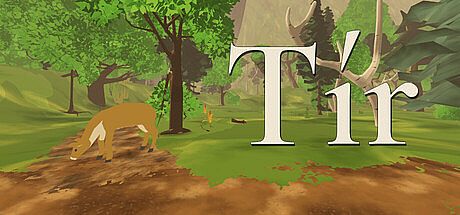


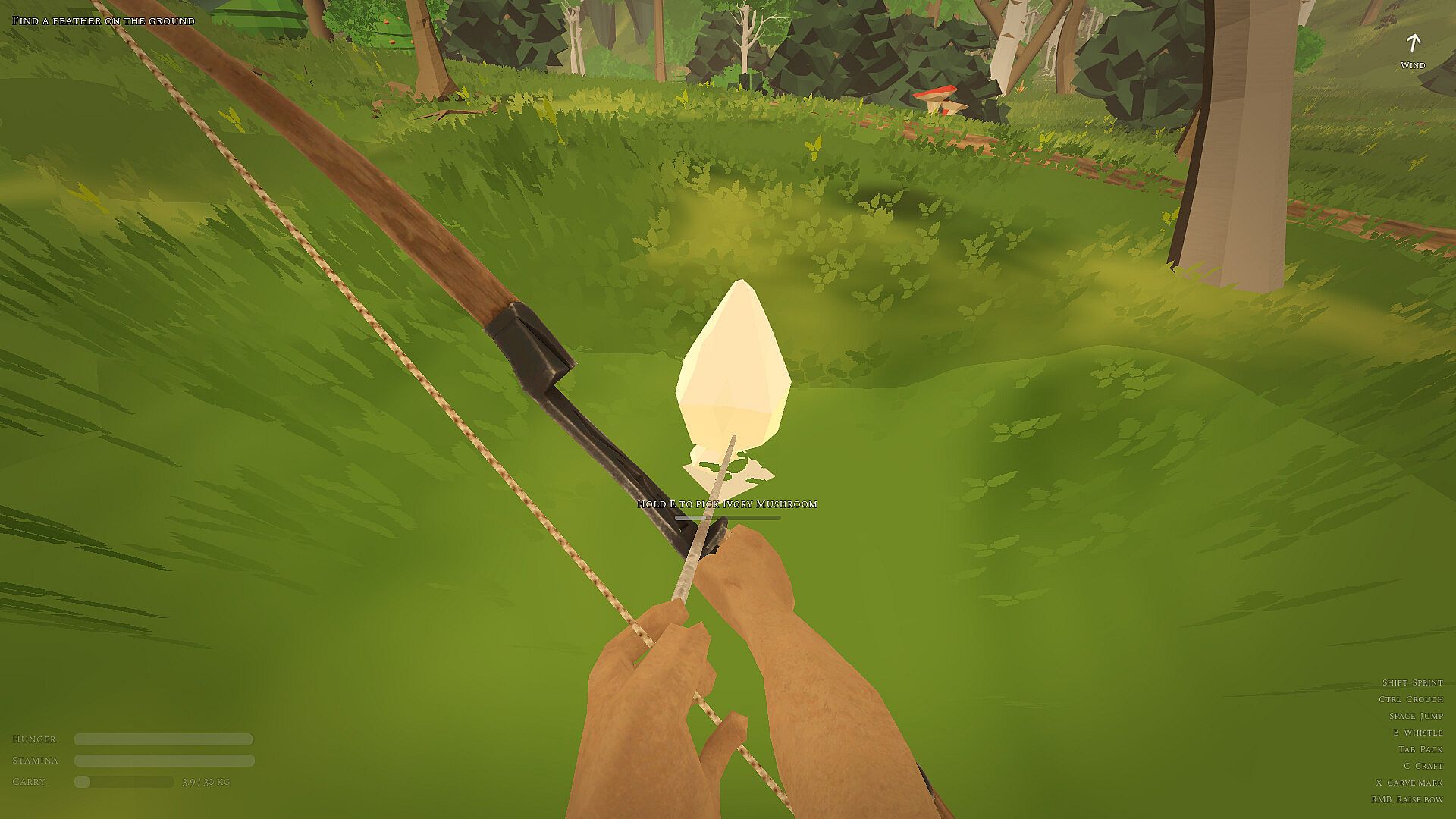
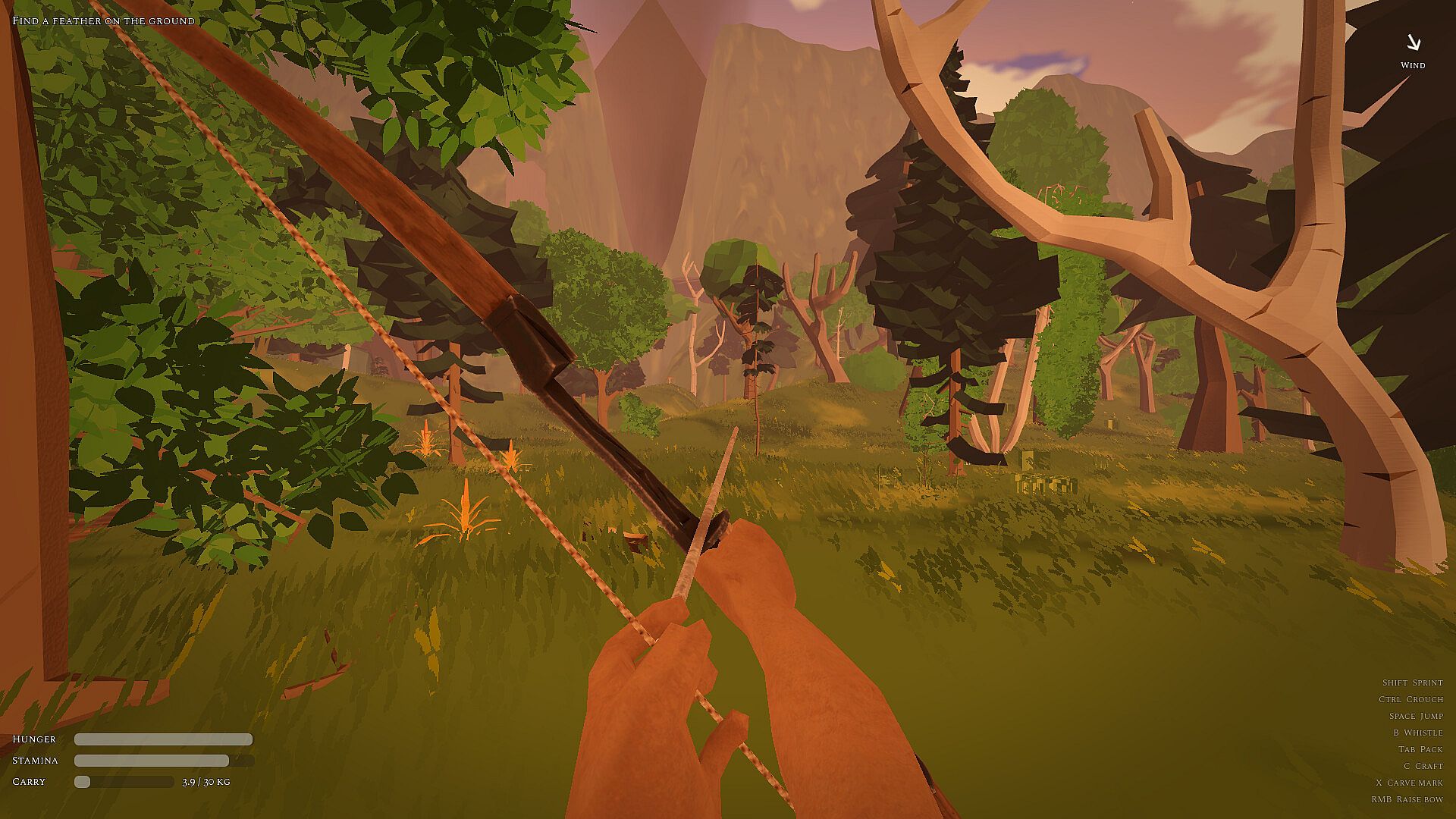
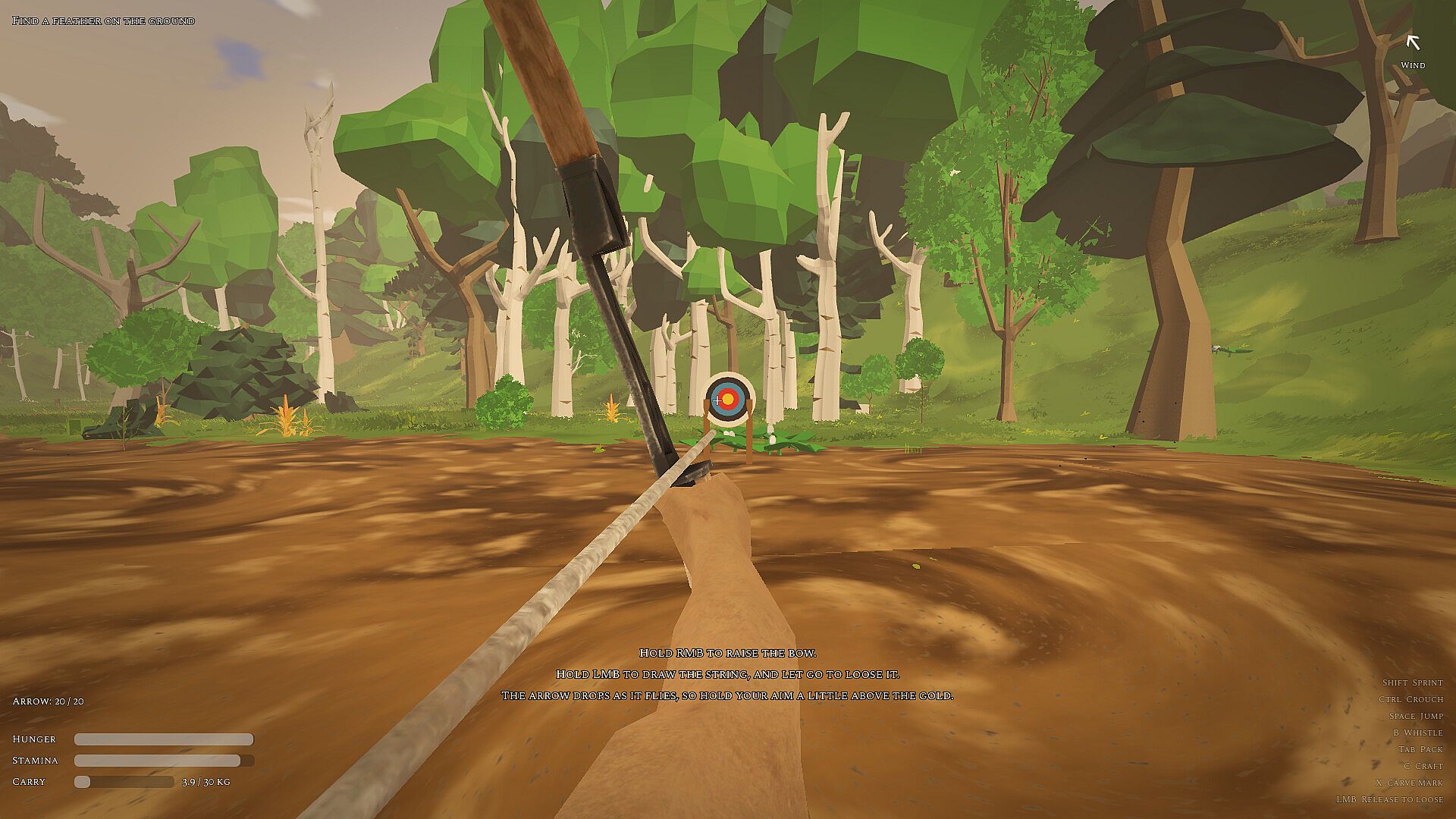
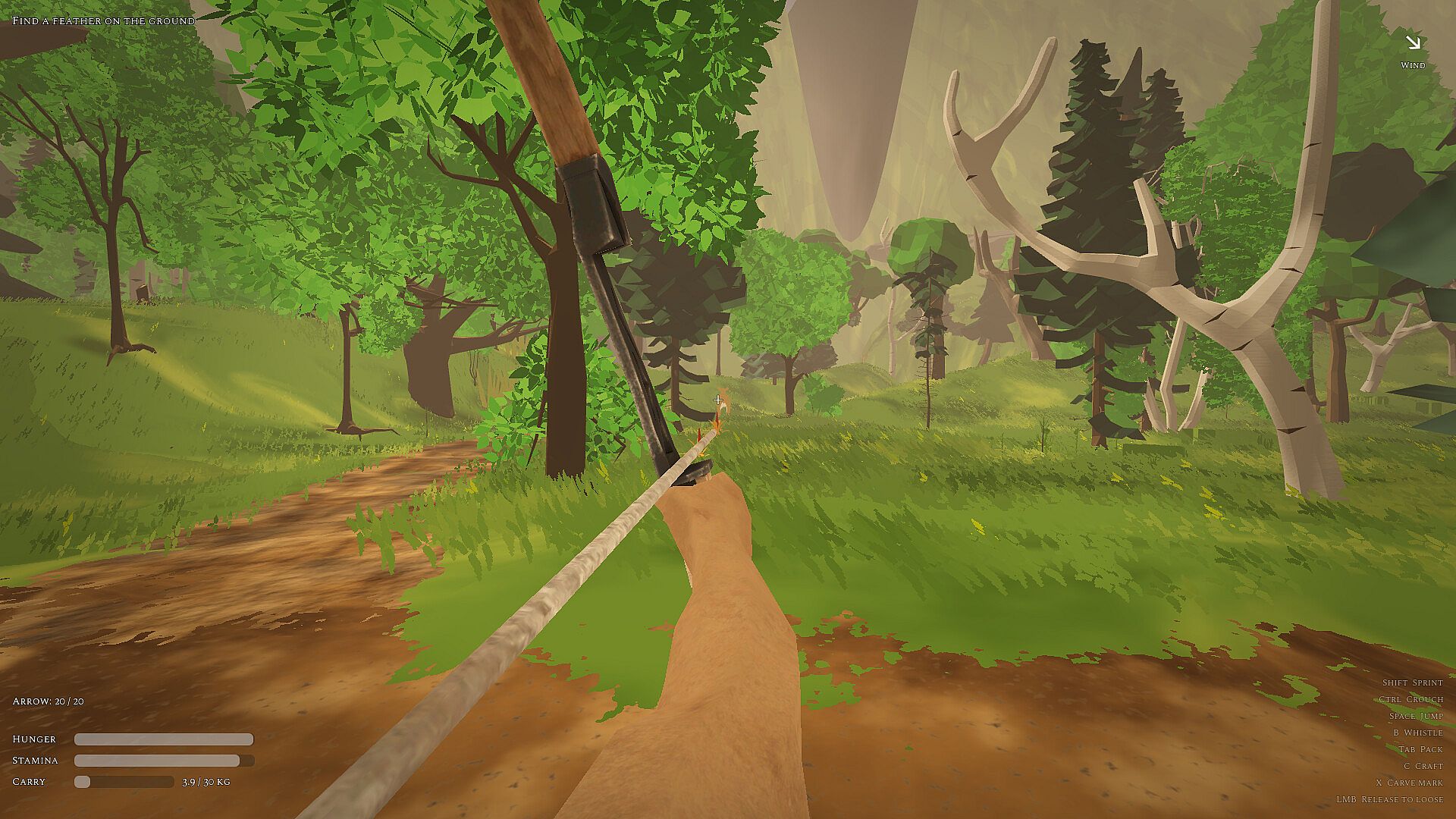
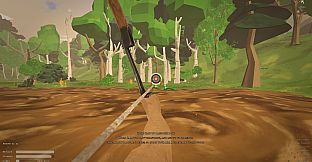
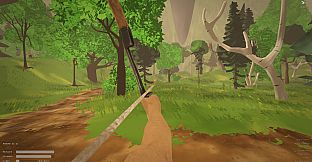
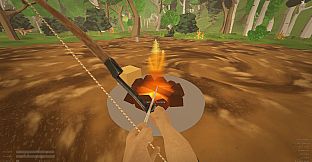
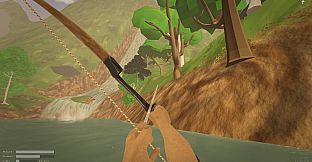
Tír is a hunting and survival RPG set in a stylized valley where players track and harvest wildlife using a bow while managing resources and threats in a changing environment. The game blends precise fieldcraft with town-based progression, allowing individuals or small groups to build skills through repeated expeditions. Developed for PC, it emphasizes careful observation of tracks, wind direction, and animal behavior over direct confrontation.
Gameplay
Core loops revolve around preparing for outings, stalking prey in the wilderness, and returning with usable harvests. Players follow trails, position downwind, and use cover to approach animals before aiming at vulnerable spots with the bow. Wildlife responds dynamically, with wolves occasionally forcing defensive actions during what would otherwise be routine hunts.
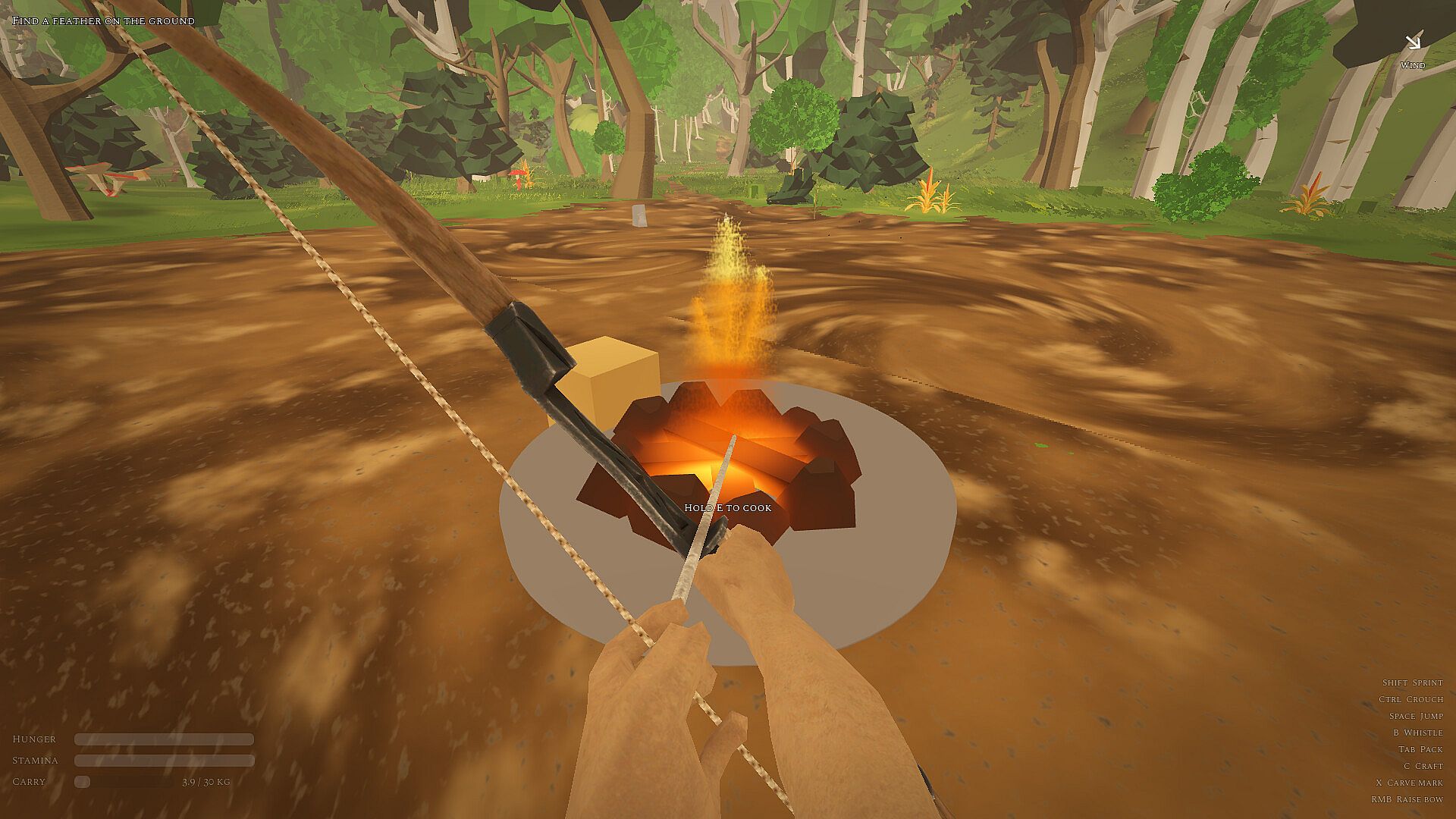
Survival demands attention to hunger, stamina limits, and carrying capacity. Expeditions require decisions on how much meat or gear to transport back, as excess weight slows movement and risks spoilage. Players gather wild edibles, deploy baited traps, cook meals at temporary camps, and smoke portions of the catch to extend usability. Weather shifts and the day-night cycle alter visibility, animal activity, and comfort levels, prompting adaptations such as carrying a torch or launching a flare for signaling.
Back in town, harvested goods are sold to merchants or used to fulfill contracts. These activities fund gear upgrades and supply crafting. An authored quest line guides newcomers through the valley while introducing tougher targets and environmental challenges. Seven distinct skills improve through direct application during hunts and preparation, rewarding consistent practice over abstract leveling.
Game Modes
Tír supports solo play for those who prefer independent expeditions and drop-in co-op for up to four participants. Multiplayer sessions use Steam or LAN connections with push-to-talk voice chat to coordinate approaches and share loads. No separate competitive or large-scale modes exist; the focus remains on cooperative or solitary hunting trips within the same shared valley environment.
Progress carries across sessions whether playing alone or with others, as skill gains and town improvements persist. Contracts and quests provide structured goals that scale in difficulty, encouraging repeated visits to different areas of the valley under varying conditions.
World and Progression
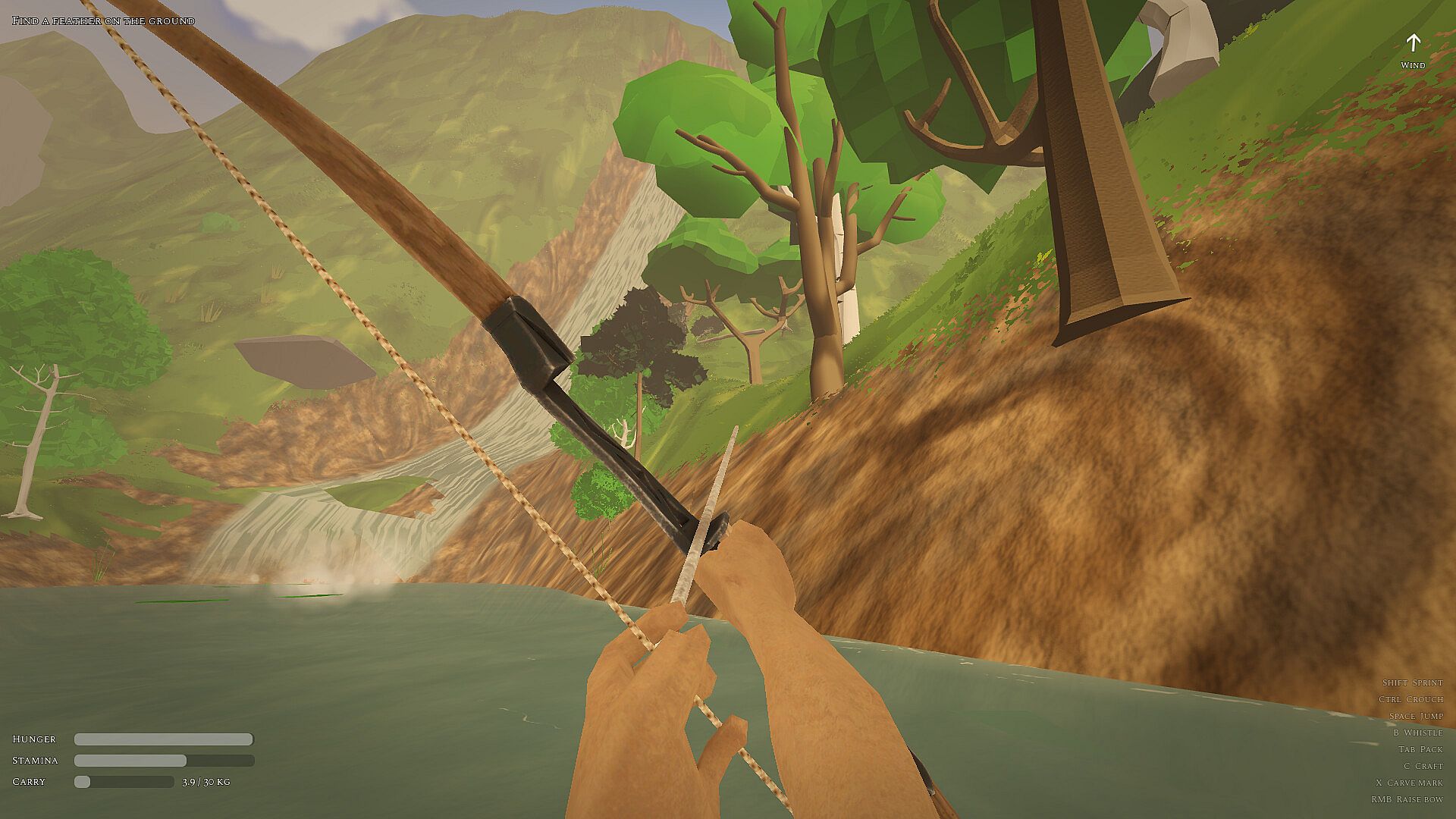
The valley features a colorful, toon-styled landscape with reactive forest sounds and shifting skies that respond to time and weather. This setting supports the central loop of venturing out, adapting to immediate circumstances, and returning to refine equipment and abilities. Crafting produces practical tools that aid future hunts, while merchant trades convert raw harvests into better bows, clothing, or preservation supplies.
Skill development ties directly to actions performed in the field. Repeated use of tracking, archery, trapping, cooking, and related activities raises proficiency, unlocking more efficient methods for handling larger or more elusive game. Town-based contracts introduce variety by directing players toward specific species or locations, gradually revealing the valley's layout and hazards.
Is It Worth Playing?
Tír remains in development with a planned release date to be announced and an active playtest available for interested participants. Its systems center on deliberate pacing, resource management, and environmental awareness rather than fast action or expansive narratives. The combination of solo viability and small-group co-op suits players who enjoy methodical hunting simulations with survival constraints and incremental character growth through practical use.
Those drawn to bow-based stalking, preservation mechanics, and adapting to dynamic weather or nocturnal conditions will find the described features aligned with that preference. Limited information exists on final polish or long-term content updates, so expectations should rest on the core hunting and town-return loop presented in available materials. The game targets a niche audience comfortable with realistic constraints on movement, stamina, and harvest value rather than broad accessibility features.