


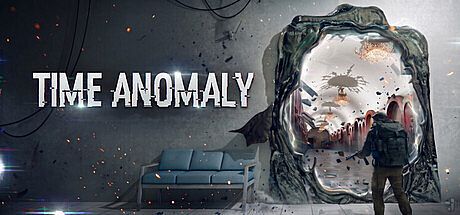







Time Anomaly is a first-person survival and exploration game set in shifting temporal domains. Players find themselves trapped by an entity that generates and manipulates different eras, forcing constant adaptation to stay alive and search for an escape route home.
Gameplay
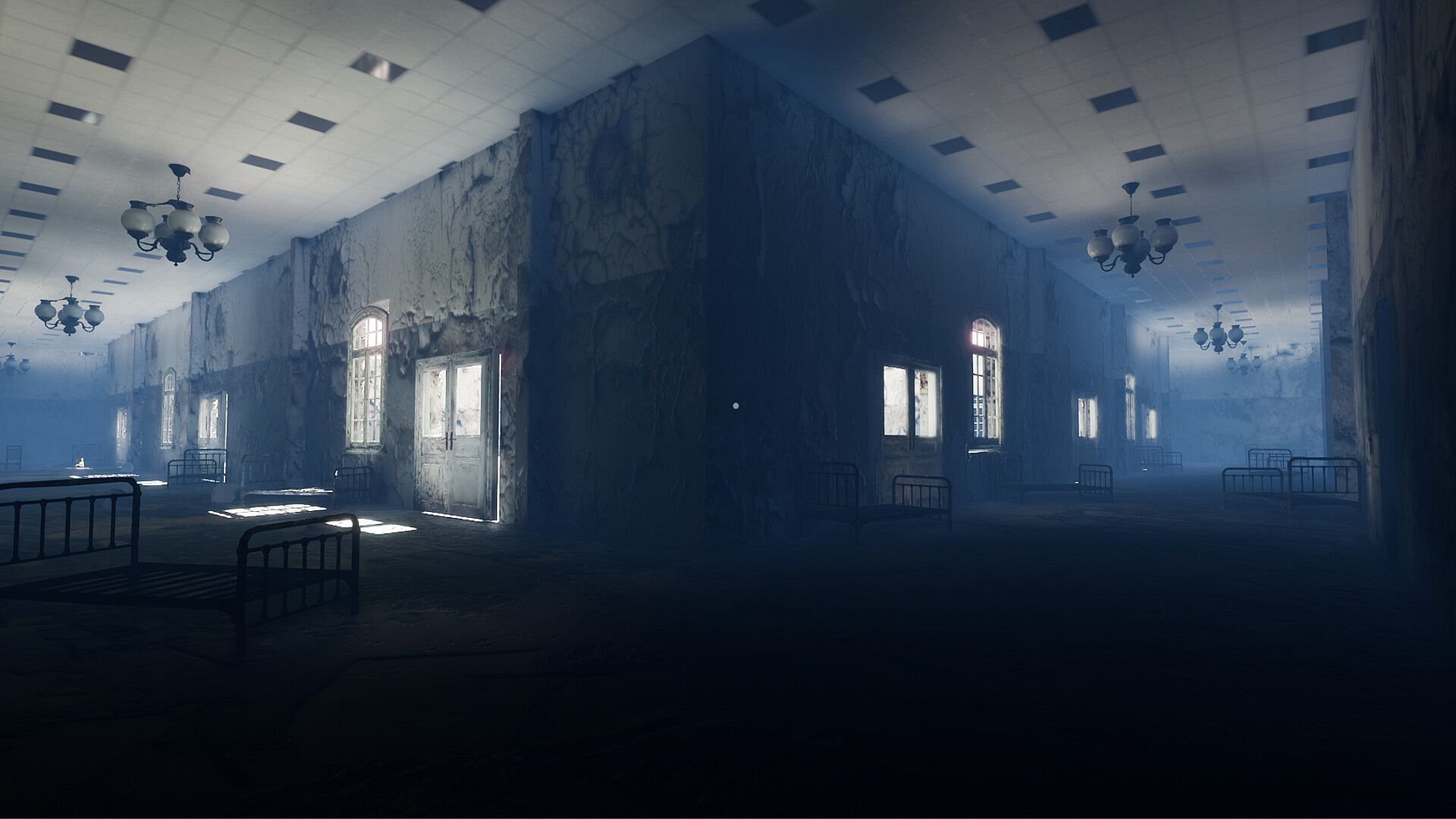
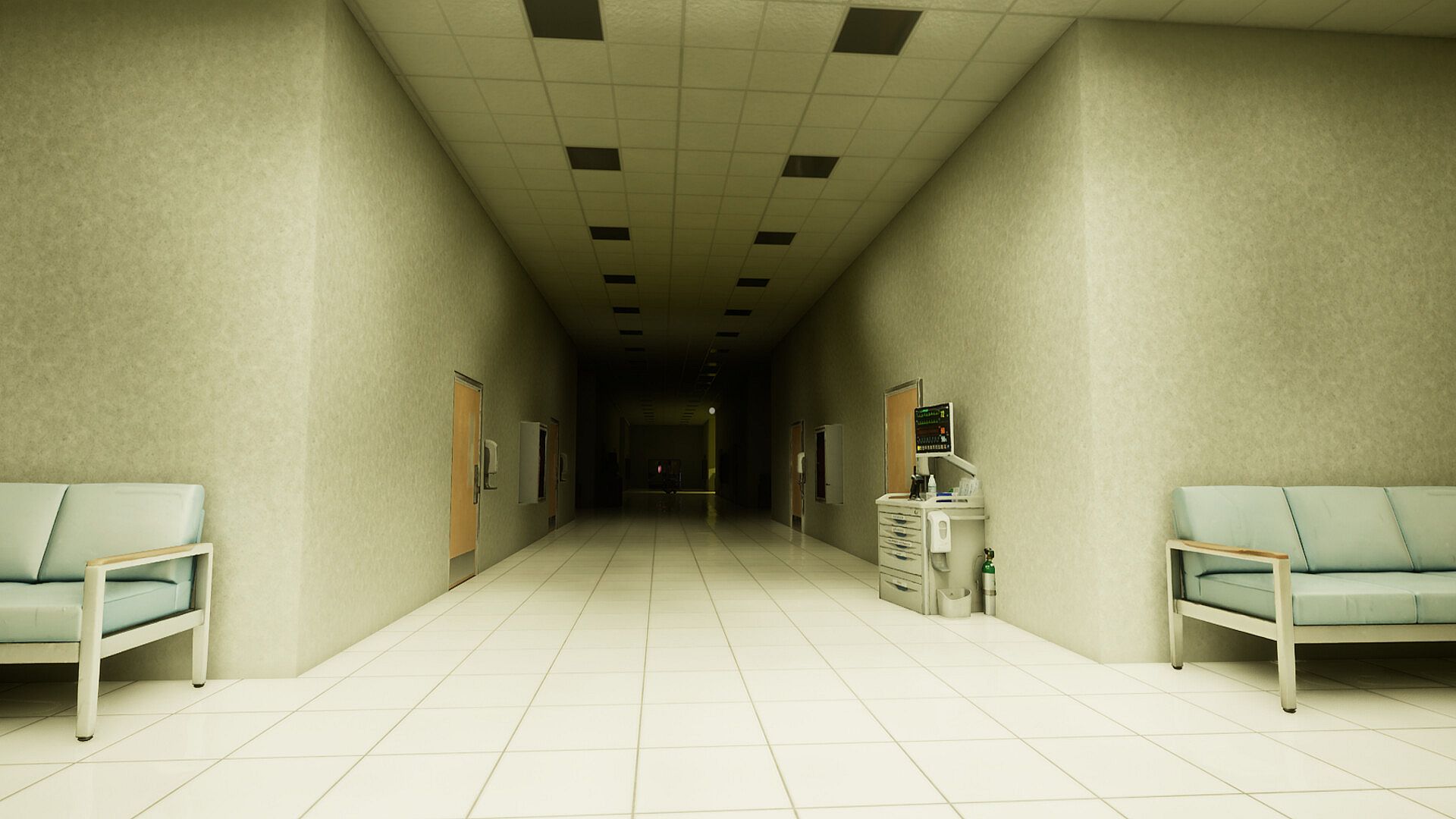
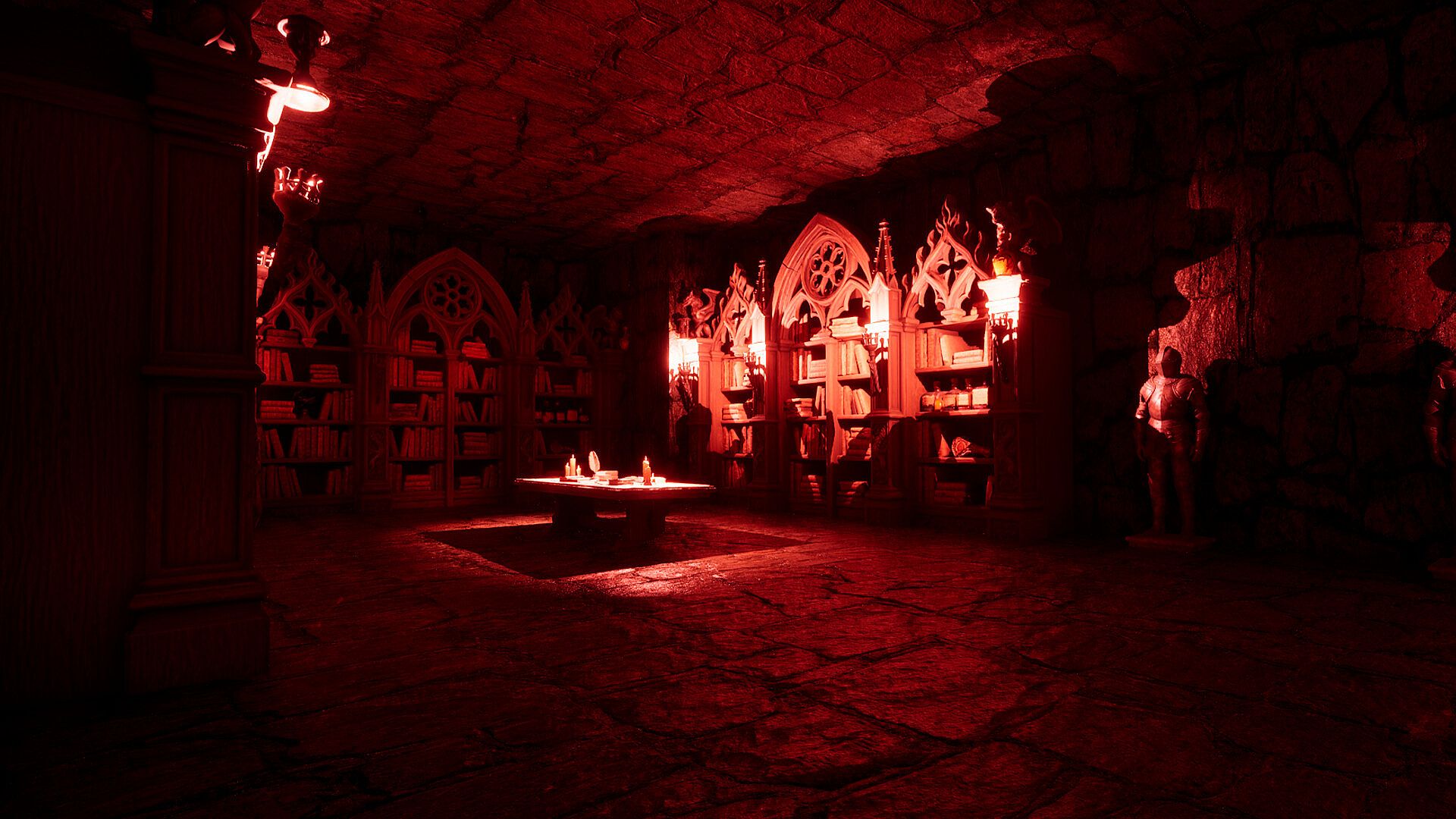
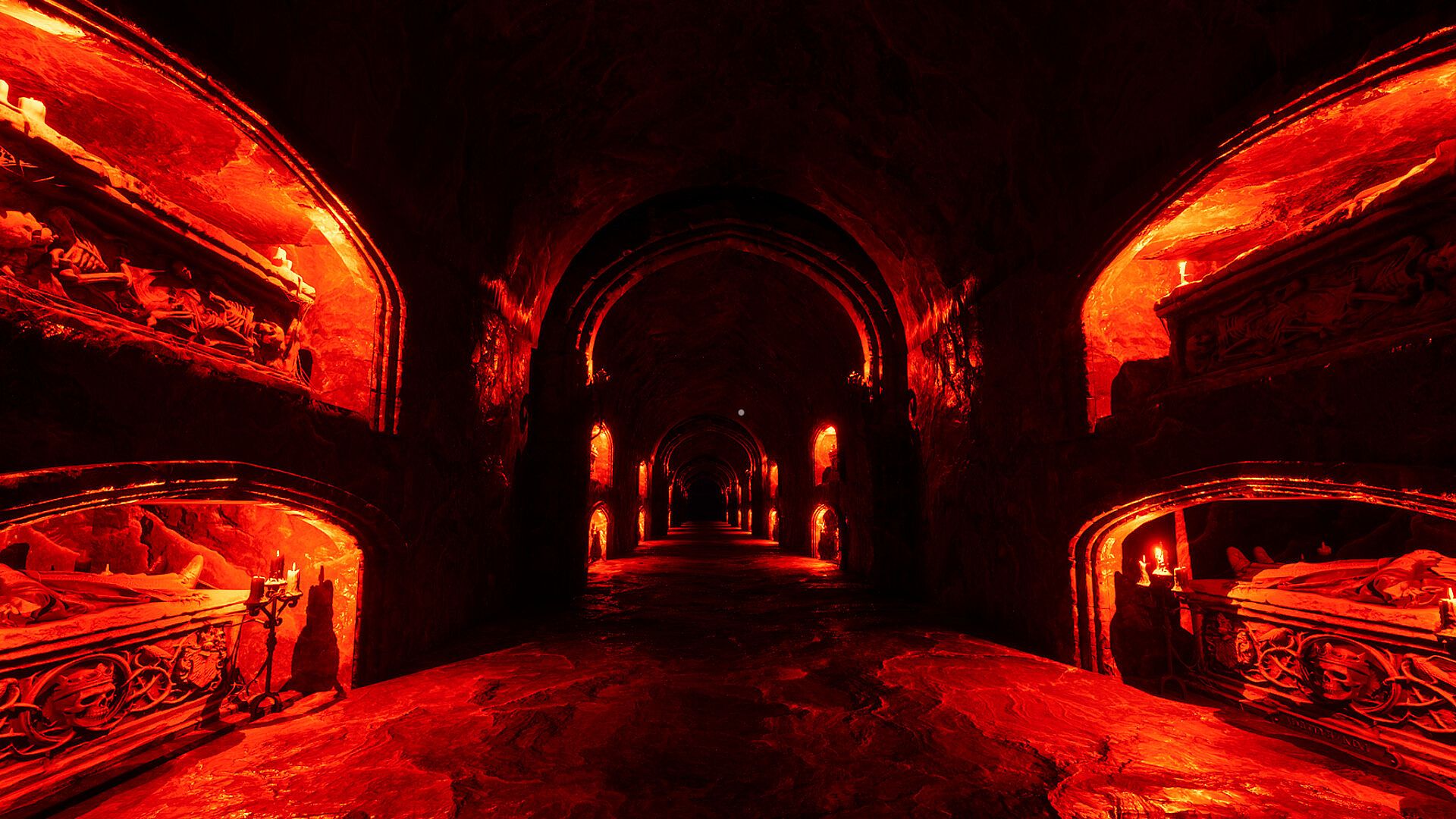
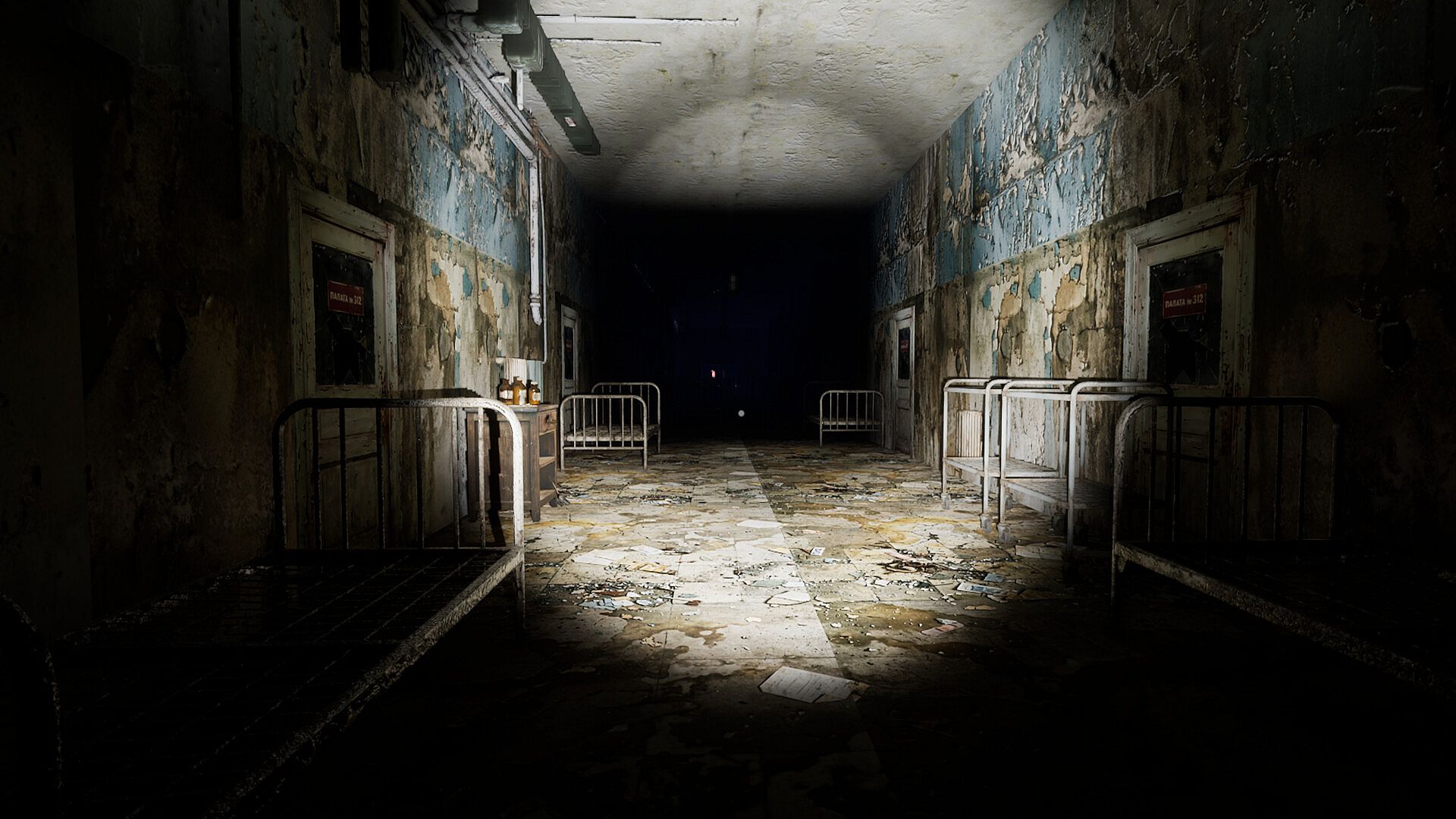
The core loop centers on movement through photorealistic environments that the entity alters without warning. A sterile modern hallway can instantly become a decaying ruin from decades past or a barren future wasteland. These transitions serve as both threat and tool, requiring players to observe changes closely and reposition objects or clues discovered in one era to solve obstacles after a shift occurs.
Survival demands careful inventory management and stealth. Every footstep or interaction risks drawing attention from the main entity or secondary threats that inhabit each temporal layer. Sound plays a critical role, as the oppressive audio design amplifies tension in long corridors and empty spaces reminiscent of liminal environments. Exploration rewards observation, with players scanning for subtle differences that signal an impending change or hidden path.
Environmental puzzles form the progression backbone. Time itself becomes a mechanic: an item altered or a clue noted in one generated era may unlock a door or bypass a blockage only after the entity forces a transition. Lateral thinking is essential, as direct confrontation is rarely viable and resources remain limited.
Game Modes
Time Anomaly operates as a single-player experience focused on endurance and discovery within the entity's controlled domains. There are no separate competitive or cooperative modes. Instead, the structure emphasizes repeated attempts through the same locations under evolving conditions, where each run tests improved awareness of transitions and threat patterns.
Progression relies on learning how the entity manipulates specific spaces. Players return to familiar areas after shifts, applying knowledge gained from prior observations to advance further. This creates a loop of exploration, adaptation, and escape attempts without branching multiplayer elements or additional variants.
Key Mechanics and Atmosphere
The audiovisual presentation reinforces the psychological pressure. Hyper-realistic graphics render each era with distinct detail, from clean surfaces to corroded decay, while the soundscape builds dread through silence punctuated by distant threats. Crossing portals between domains introduces uncertainty about the next environment and its dangers.
Inventory and stealth interact directly with the time shifts. Players must decide what to carry across transitions and when to hide or move quietly, since the entity and its shadows respond to noise and presence. These systems encourage methodical play rather than rushed movement.
Is It Worth Playing?
Time Anomaly suits players who enjoy tense first-person survival with puzzle elements and atmospheric horror. The emphasis on observation, environmental adaptation, and stealth creates a focused experience centered on outsmarting an unpredictable captor. Those drawn to liminal space aesthetics and time-manipulation concepts will find the core loop engaging through its reliance on careful timing and spatial awareness.
The game offers a self-contained challenge without additional content layers or ongoing seasons. Its strength lies in the consistent pressure of changing surroundings and the satisfaction of using temporal shifts strategically. For fans of indie action-survival titles that prioritize atmosphere and clever mechanics over combat or large-scale systems, it delivers a targeted session of psychological tension and problem-solving.












