

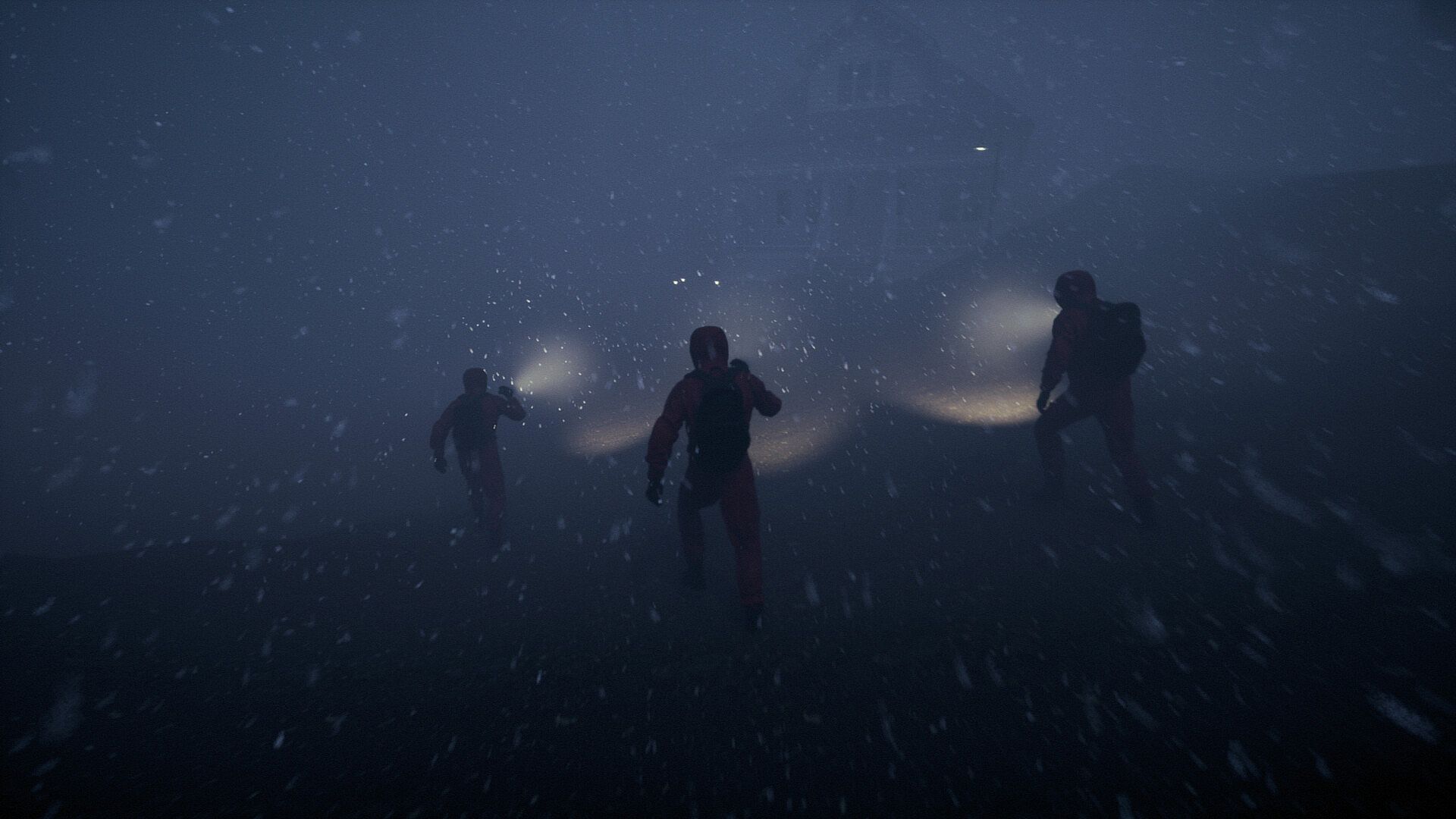
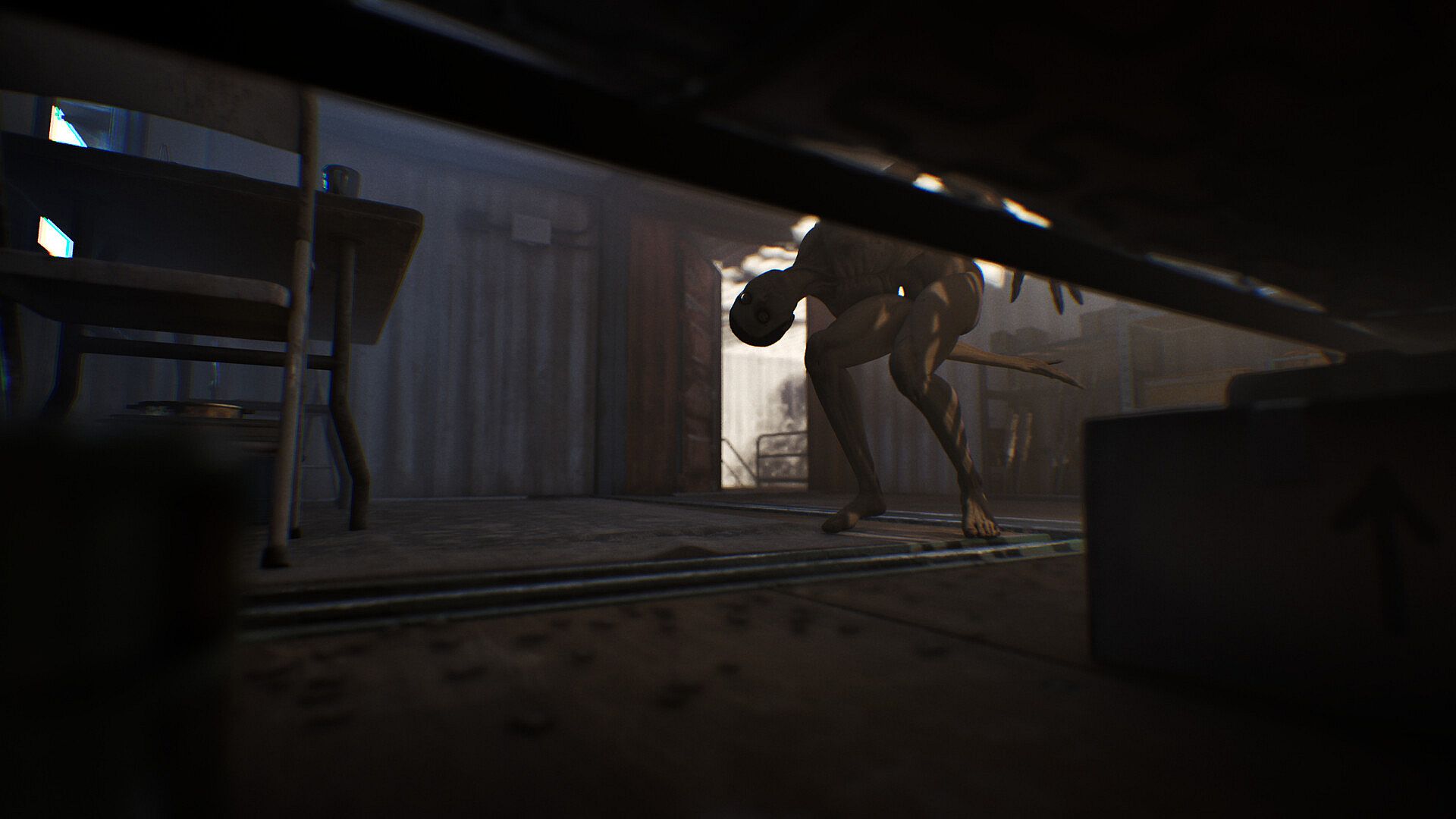
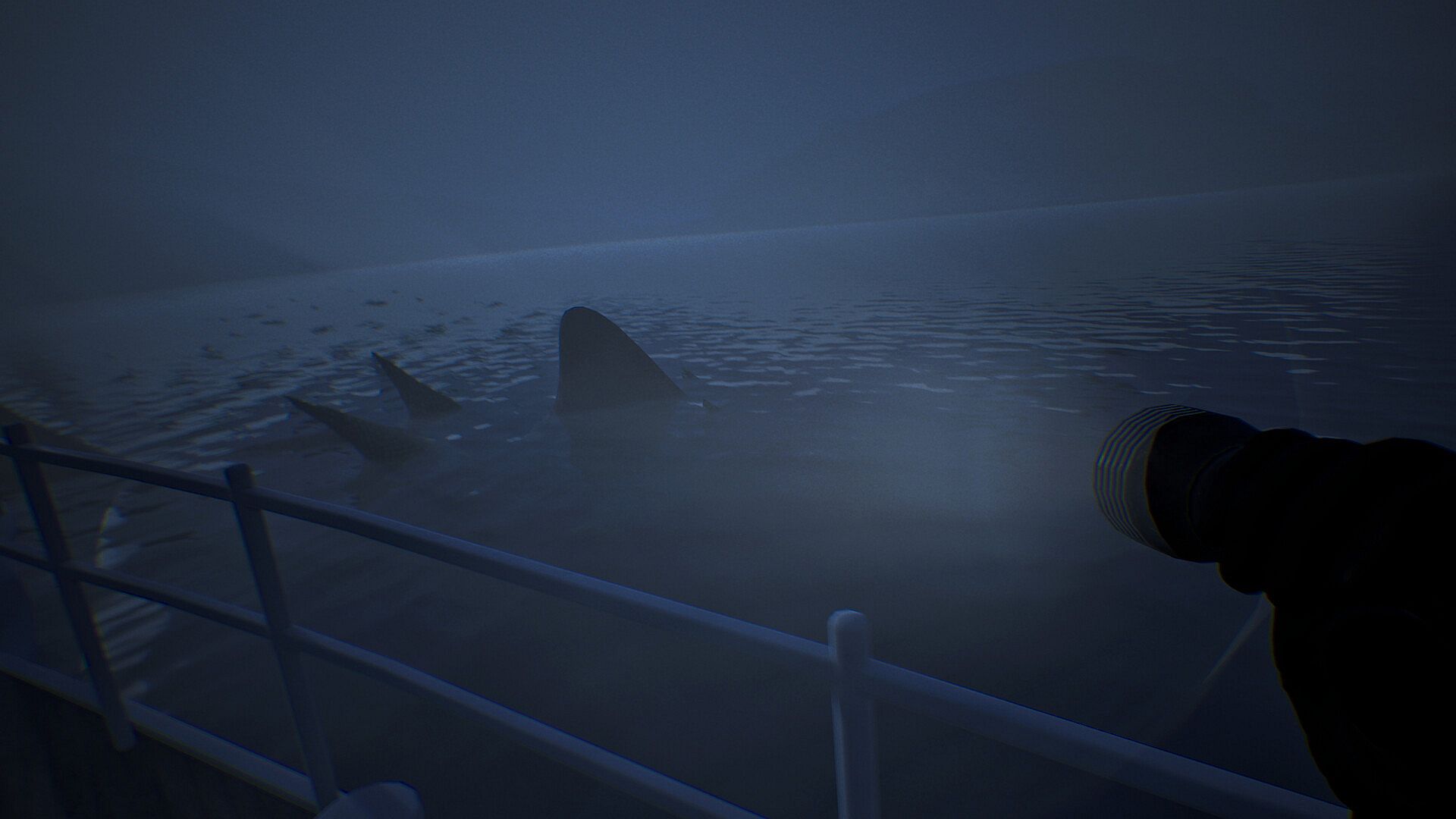
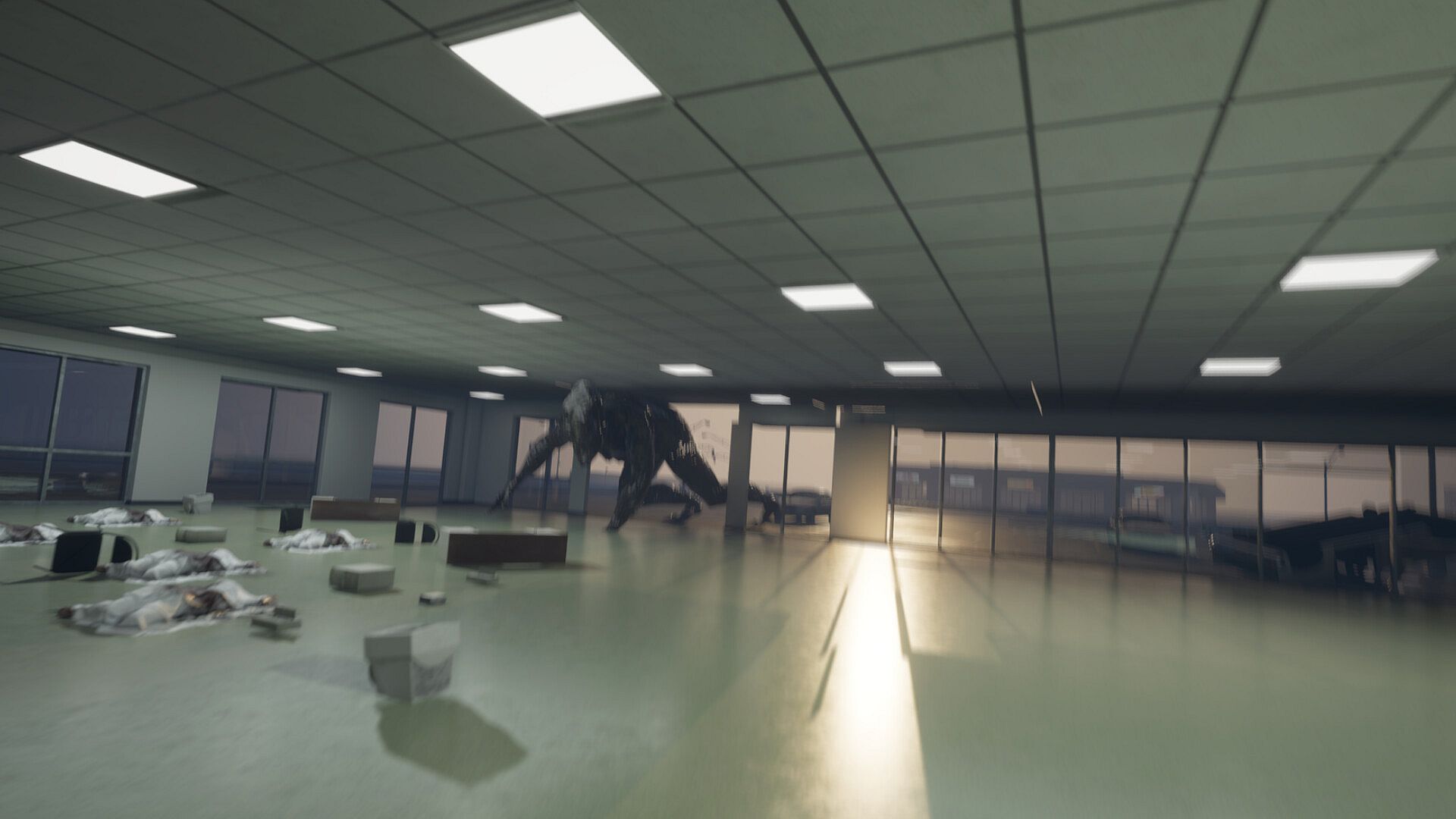
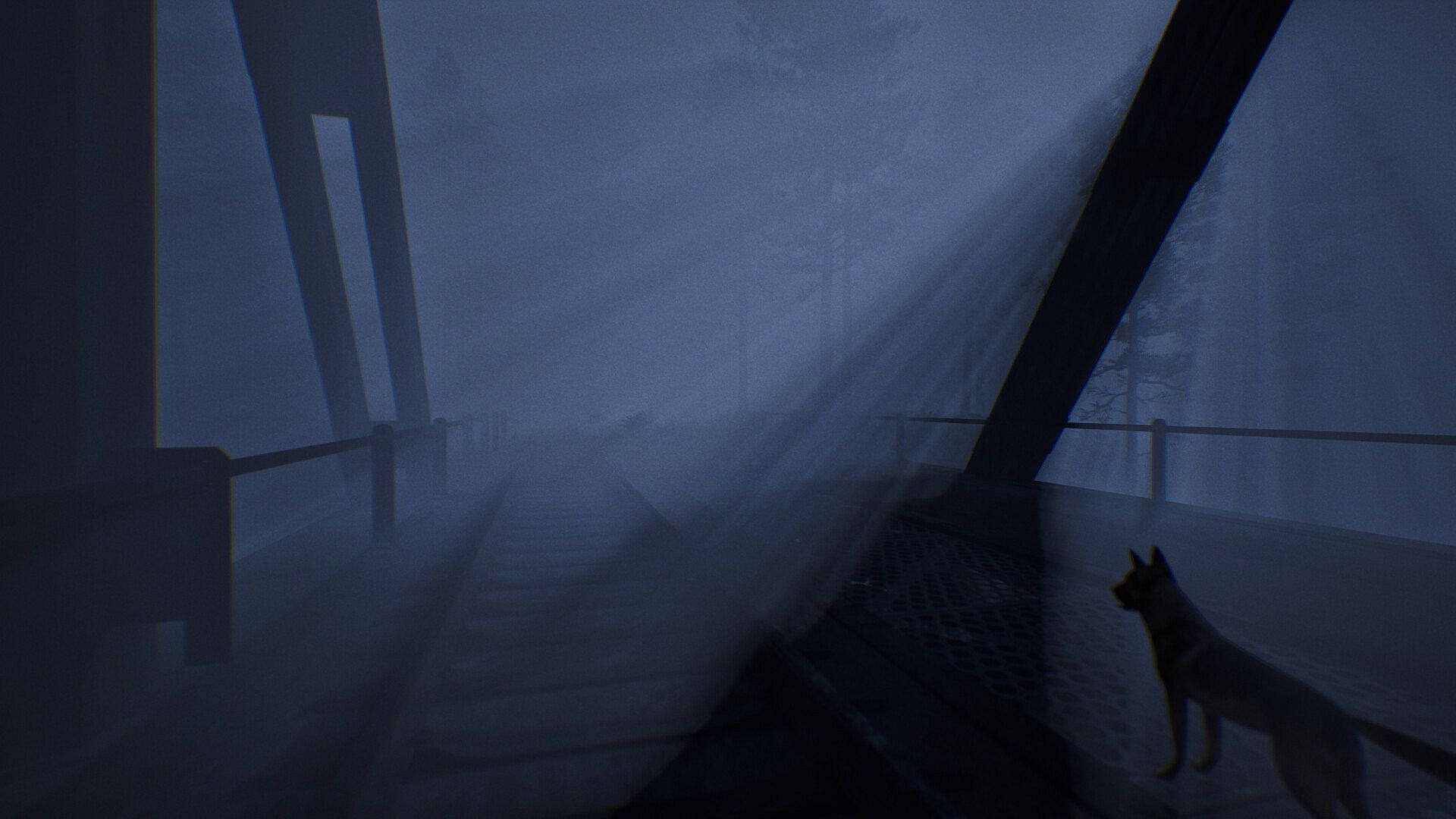
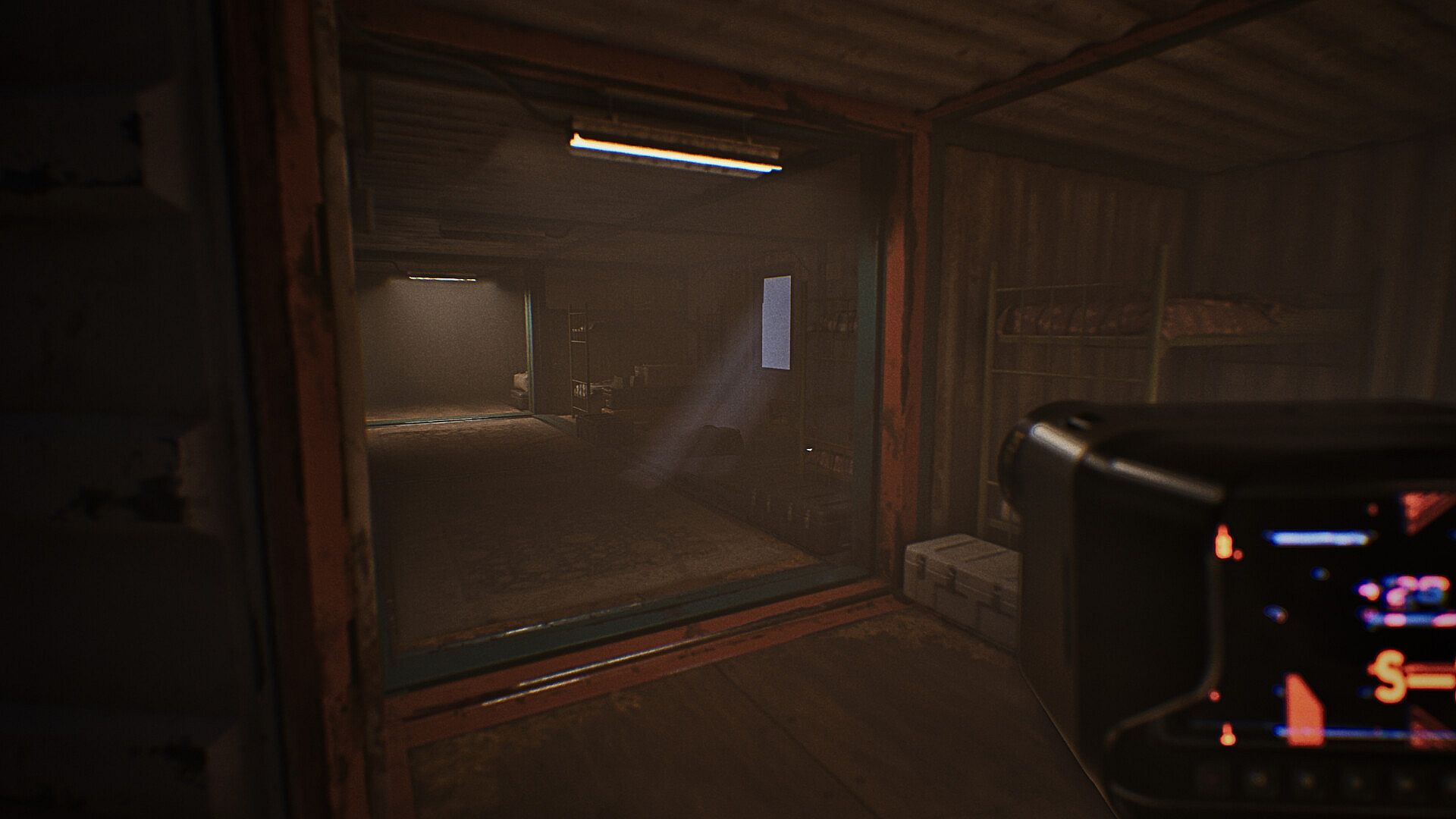
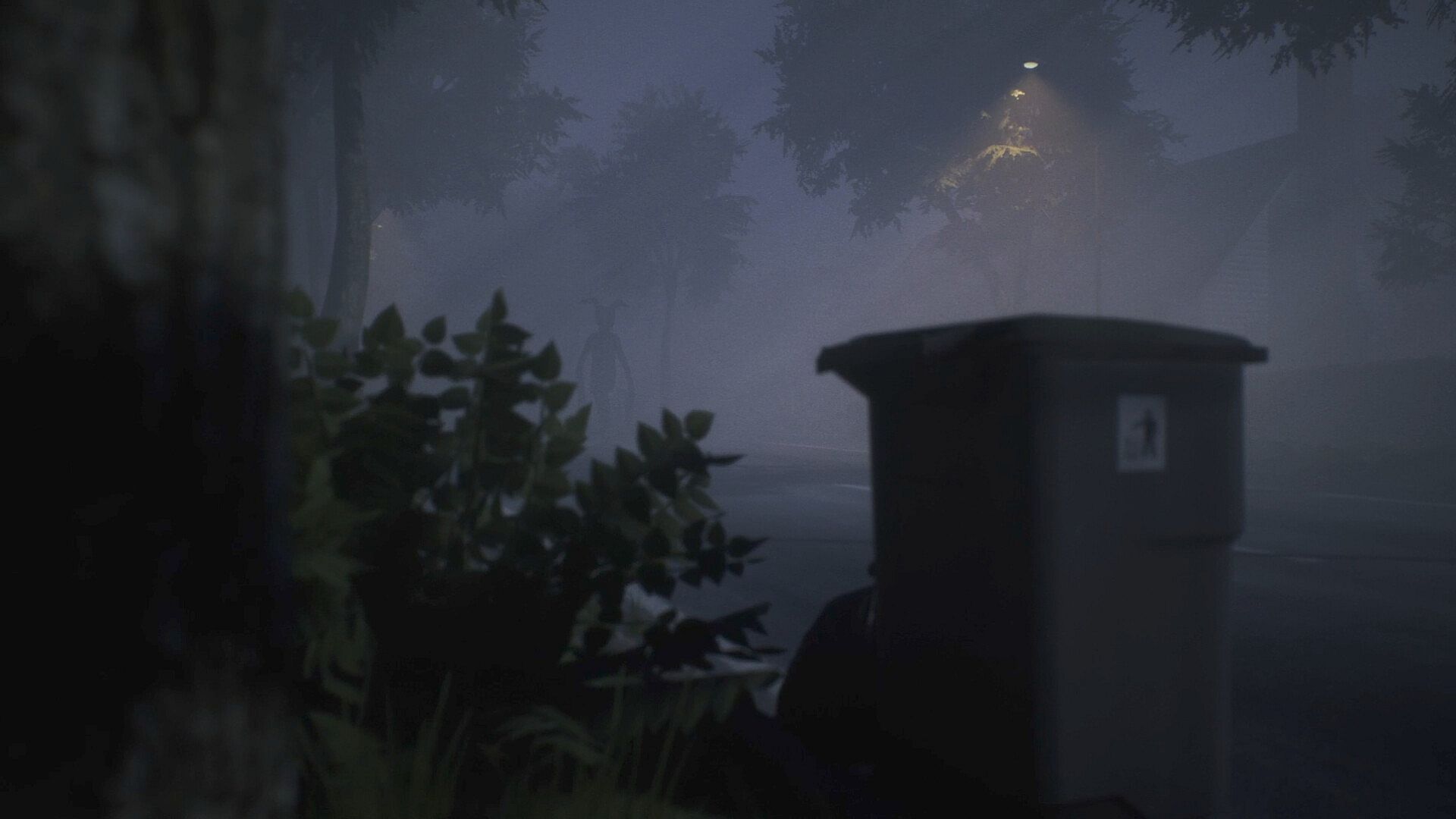
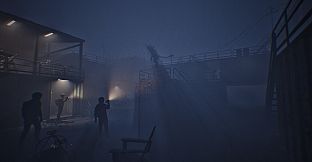
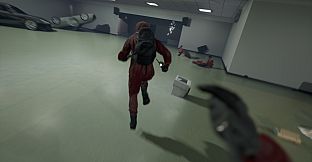





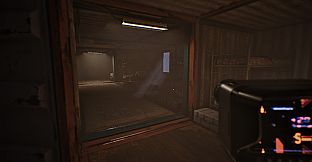

They Are Lost is a co-op horror adventure game set in a post-doomsday world where players form rescue crews tasked with locating and extracting survivors from dangerous ruins. Developed as an independent title for PC, the experience centers on tense teamwork in environments filled with uncertainty and hidden threats. Players handle missions that require careful planning, equipment selection, and real-time decisions to bring people home while managing risks that can turn fatal for the crew.
Gameplay
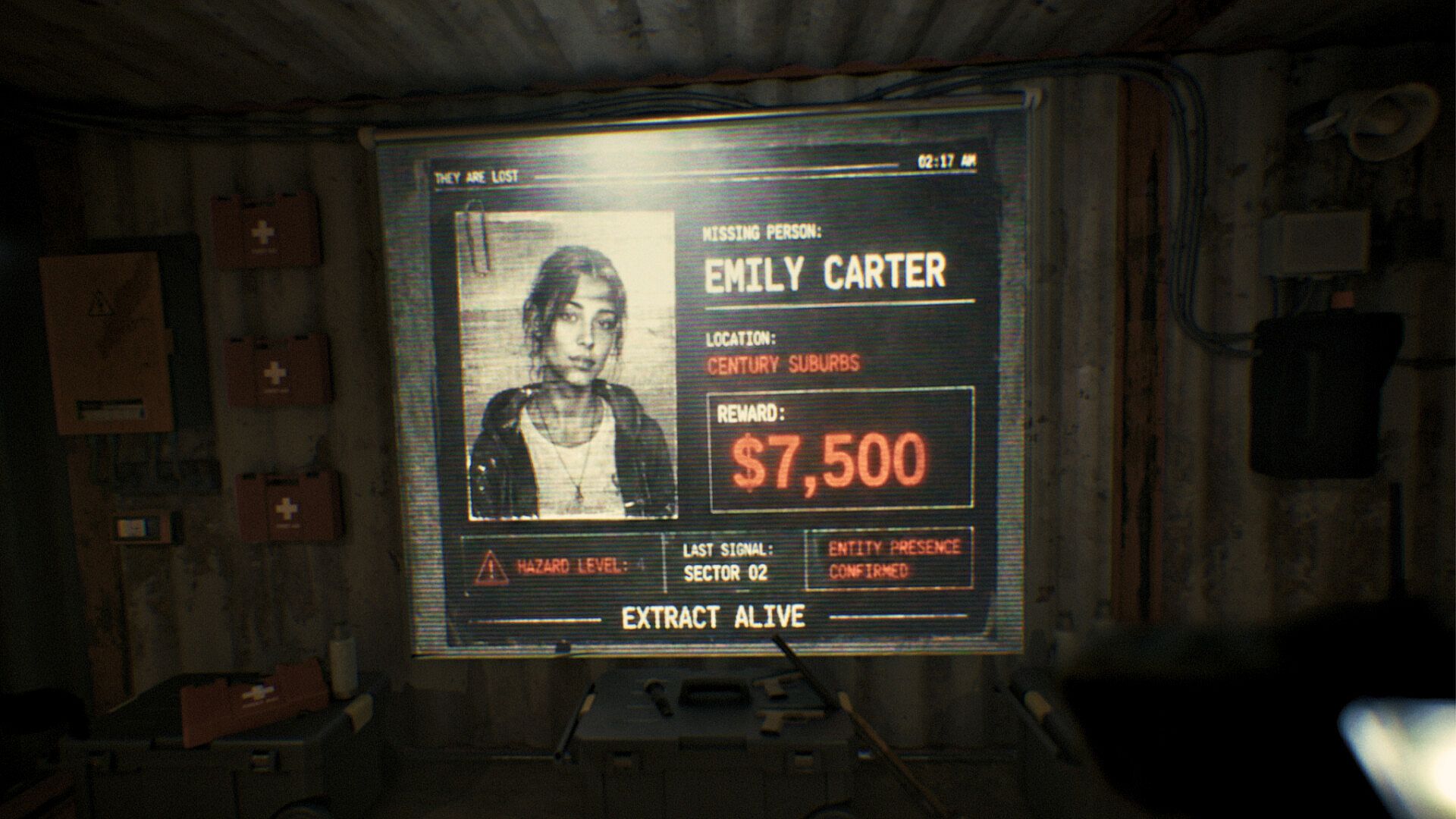
The core loop revolves around preparing for and executing rescue operations in ruined locations. Teams review mission details and hazards before choosing gear suited to the environment. Once inside, players search for the lost using tools such as heartbeat scanners, night-vision goggles, and GPS devices. When direct access proves too risky, companion dogs or drones extend the search into unsafe areas.
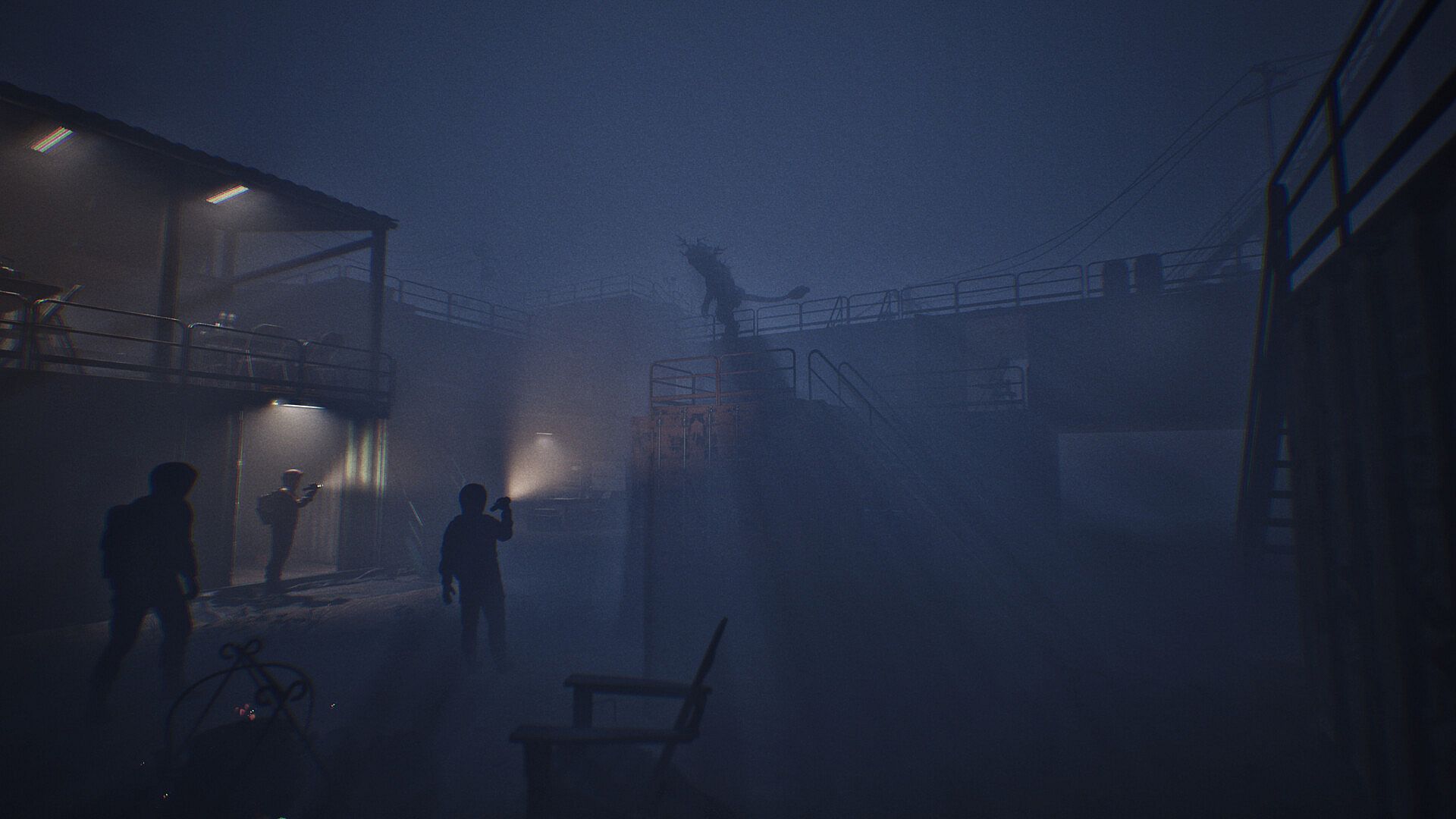
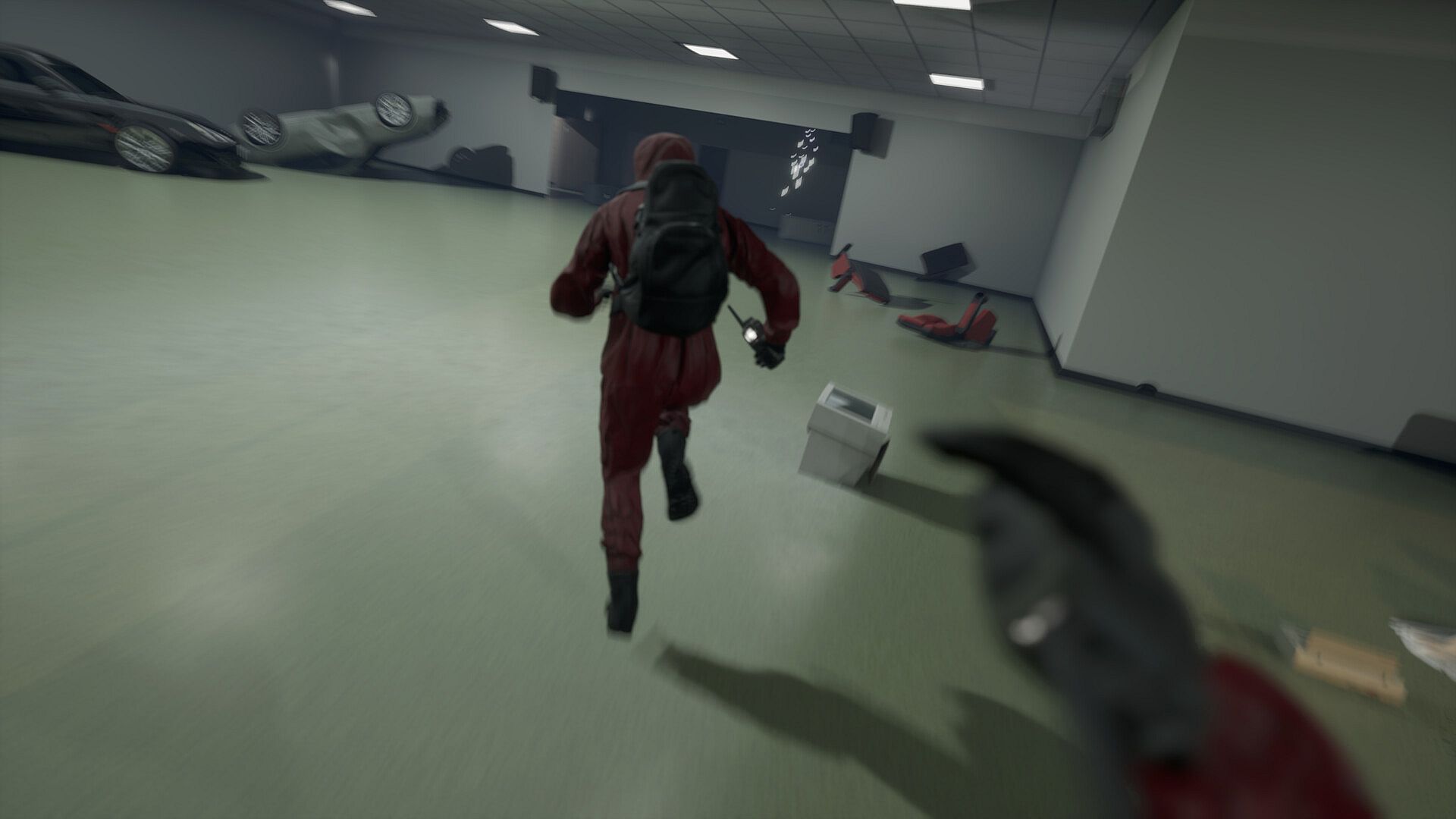
Carrying survivors or bodies slows movement and increases vulnerability, forcing players to balance speed with caution. Noise and light draw unwanted attention, so crews often rely on silent coordination through tactical and personal communication wheels. These systems allow direction, warnings, and expressions of emotion without alerting threats. The emphasis stays on extraction rather than combat, with success measured by safe returns and earnings that fund better equipment for future contracts.
Single-player and co-op options support up to four participants, with LAN support available for local groups. Mechanics highlight pressure from limited visibility, fading signals, and the possibility that the lost may include former teammates. Decisions under these constraints determine whether a mission ends in payout or abandonment.
Game Modes
Missions form the primary structure, each presenting a distinct rescue scenario with varying hazards and rewards. Crews enter ruined sites to locate survivors, recover bodies, or address missing personnel, adapting tactics based on the specific contract. Equipment choices and team composition influence how each operation unfolds, from stealthy approaches to coordinated extractions.
The design supports flexible playstyles within the co-op framework. Players can split efforts for broader coverage or stay together for mutual protection, though both carry trade-offs. Communication remains key across all scenarios, as verbal exchanges risk exposure while silent signals maintain safety. No separate competitive or versus formats appear in the current description, keeping focus on cooperative survival and objective completion.
Key Mechanics and Systems
Equipment management drives progression. Earnings from completed rescues unlock upgrades that improve detection, mobility, or support options like drones and dogs. Hazards evolve with each location, including sinking structures and signal interference that complicate navigation. The presence of unknown watchers adds psychological tension, encouraging players to minimize exposure through careful light and sound control.
Communication wheels provide layered options for silent teamwork, covering directives, alerts, and emotional cues. These tools prove essential when carrying loads or navigating tight spaces where spoken words could compromise the group. The overall system rewards preparation and adaptability over direct confrontation.
Is It Worth Playing?
They Are Lost targets players who enjoy co-op horror experiences built around rescue objectives and resource decisions rather than combat dominance. The mechanics reward coordinated teams that value stealth, planning, and extraction over aggressive play. With support for one to four players across single-player and online or LAN co-op, it suits both solo runs and group sessions focused on tense, high-stakes missions.
As an upcoming release with no user reviews available yet, reception remains untested in practice. The described systems emphasize meaningful choices that affect crew survival and long-term equipment access, appealing to those drawn to atmospheric indie adventures. Potential players should monitor development updates for release timing and any refinements to the core rescue loop.