


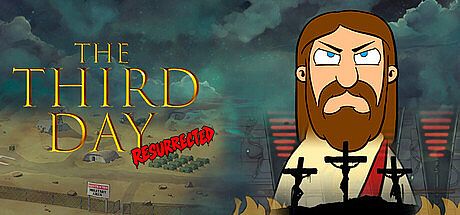


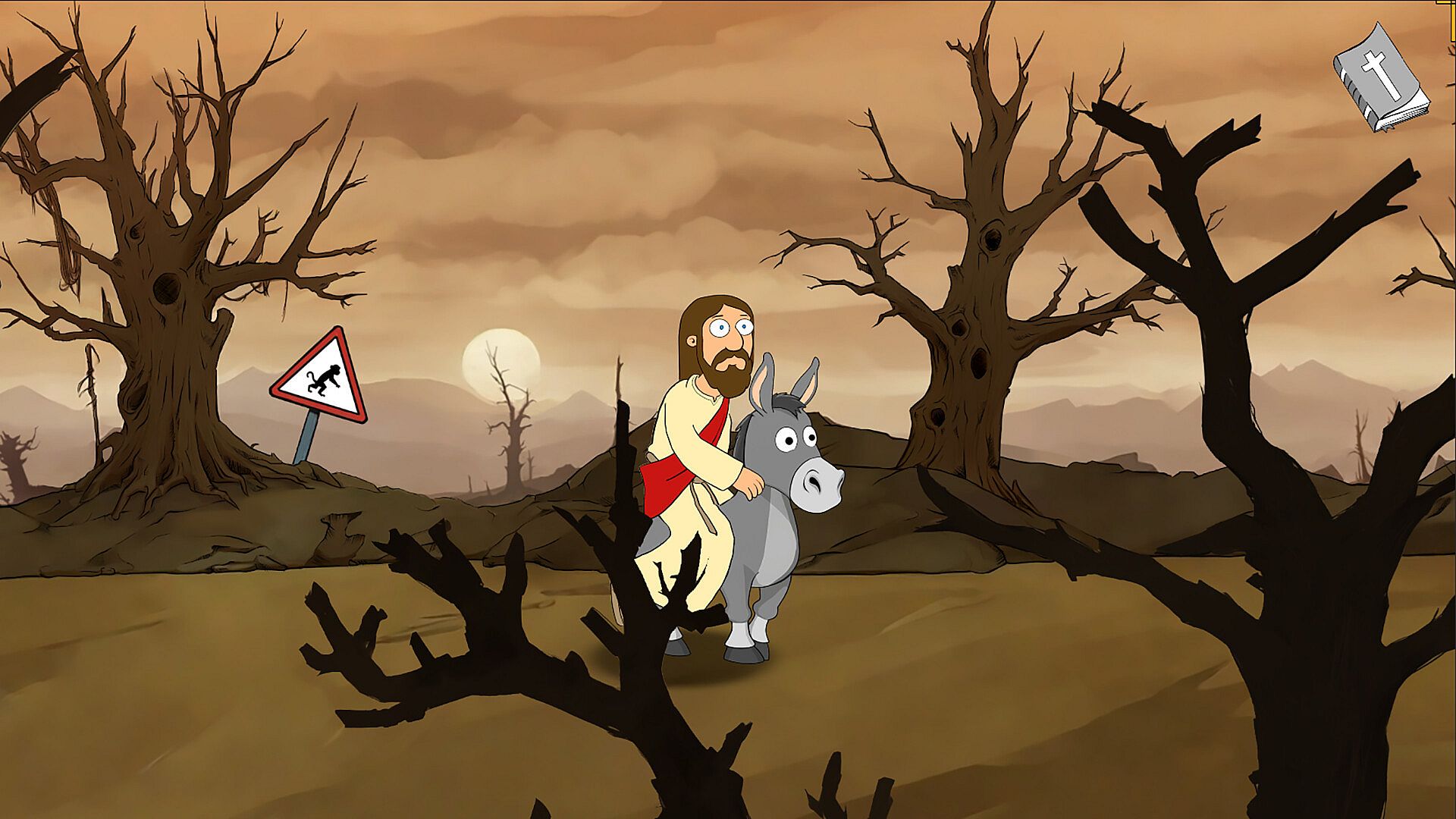
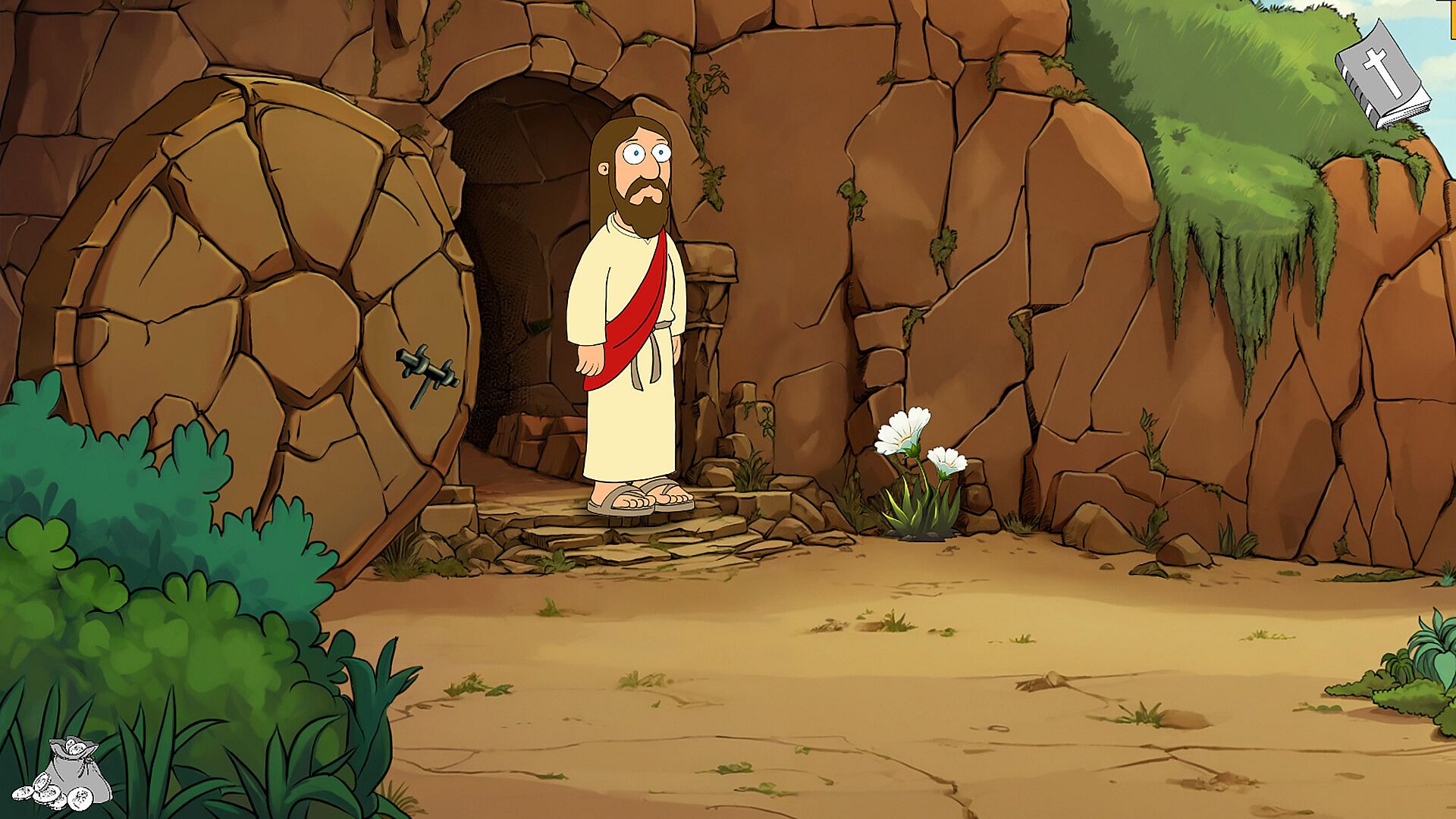
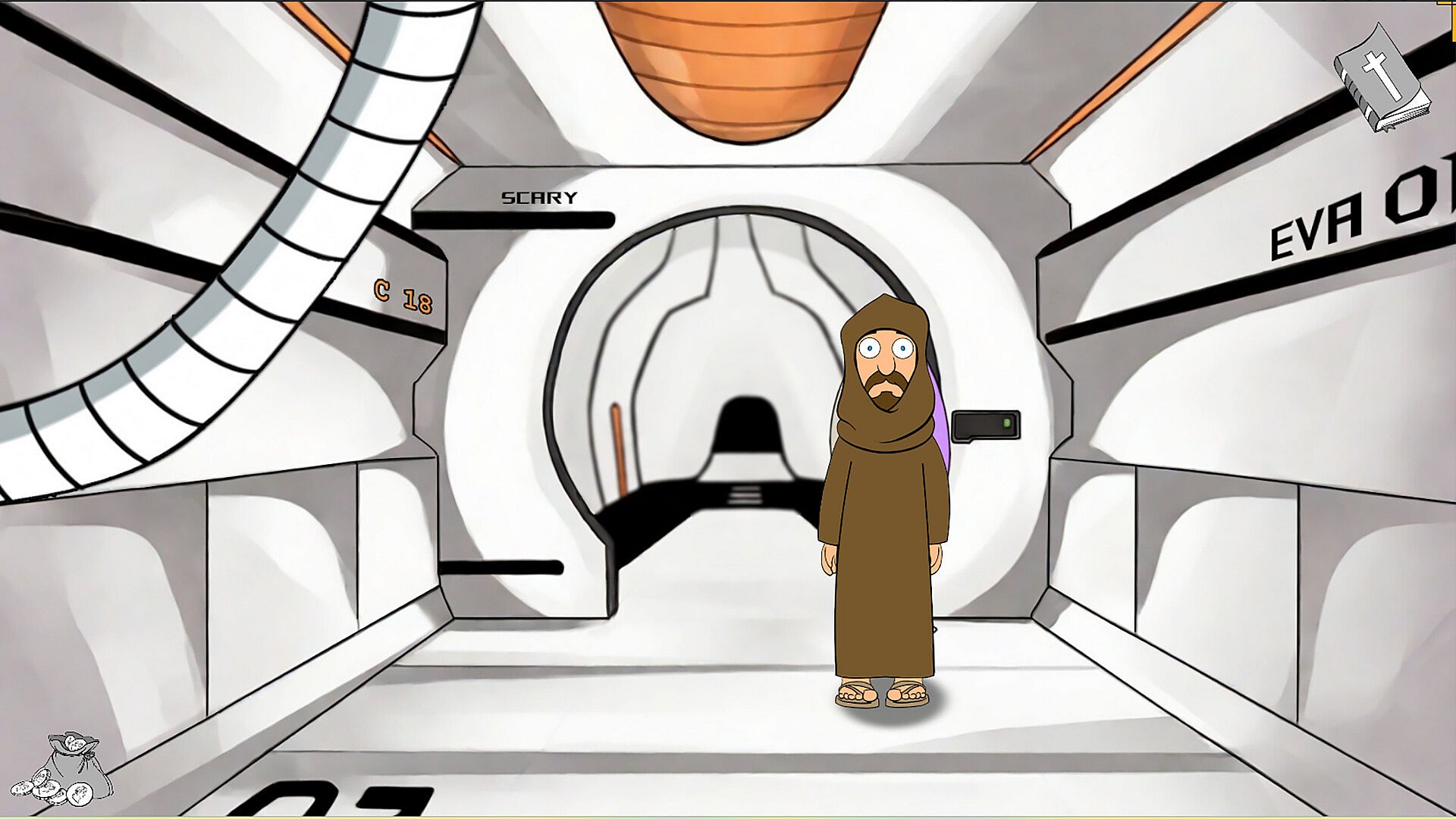
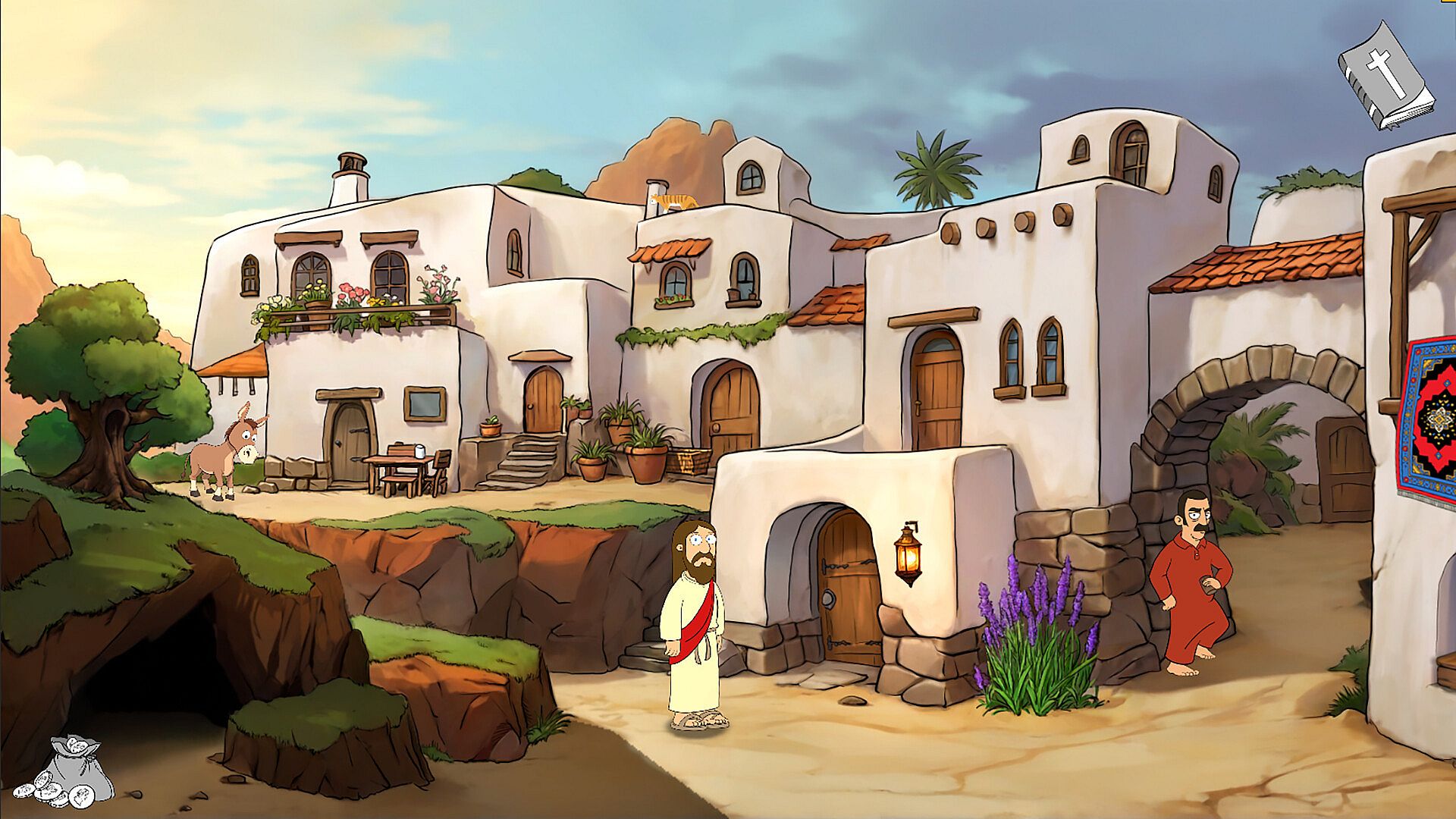
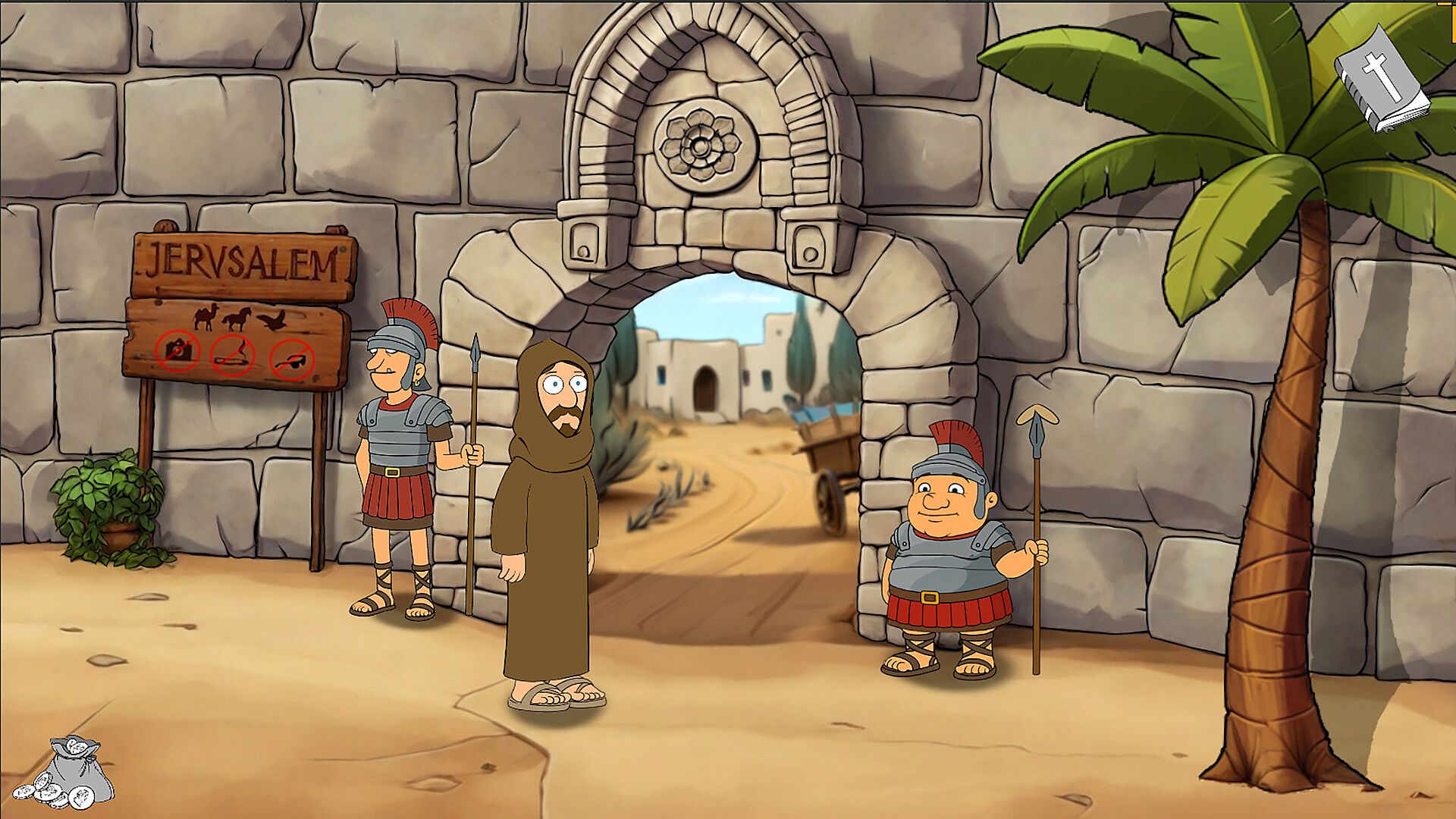
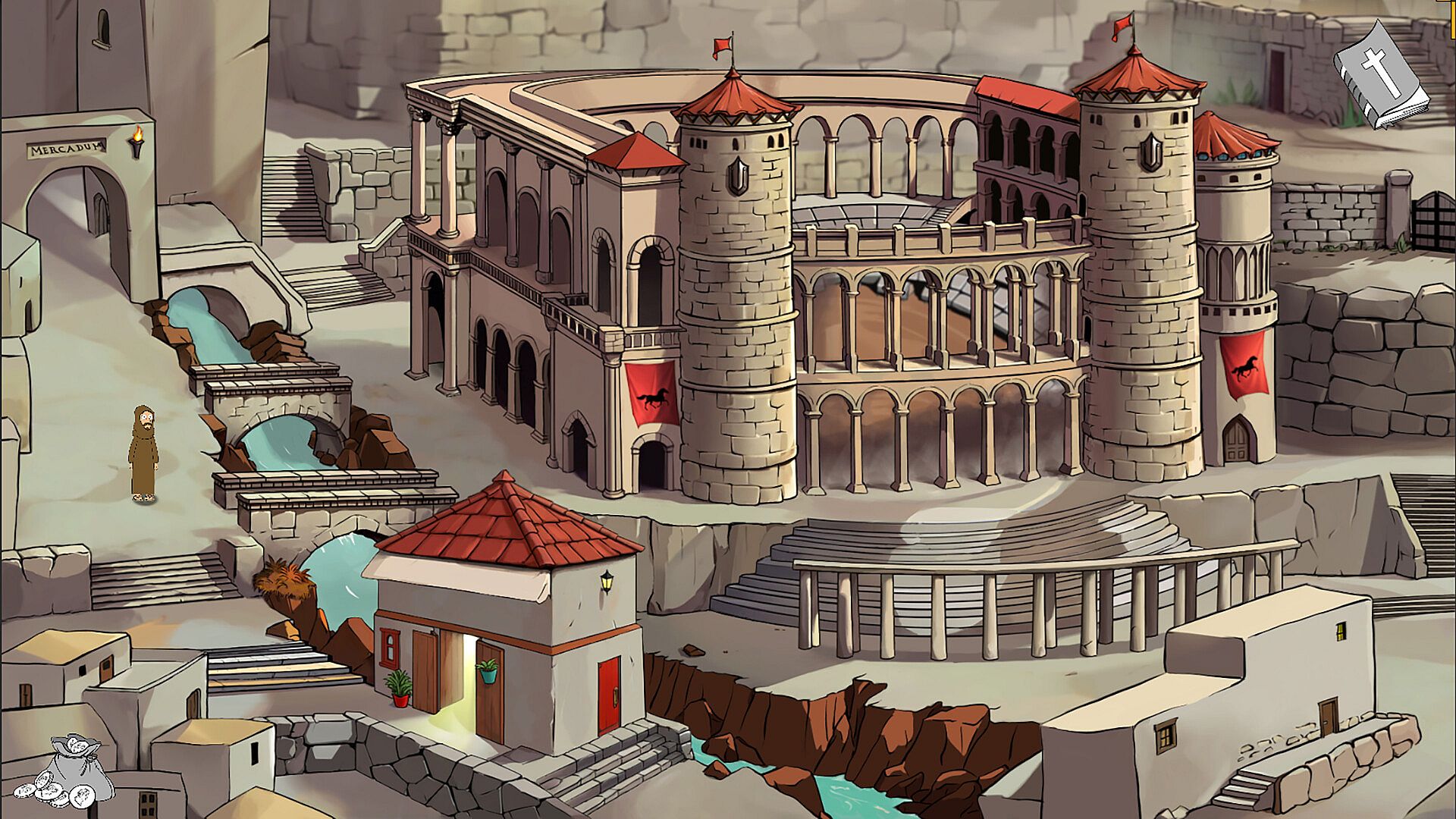
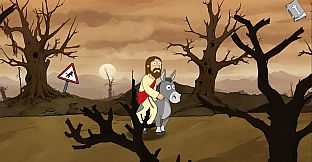
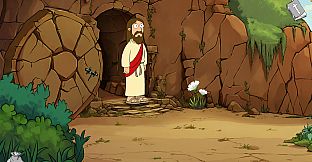
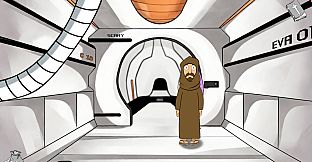
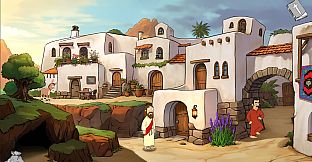
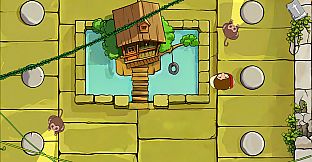
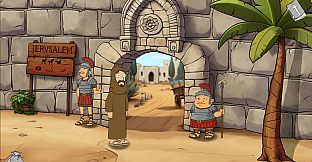
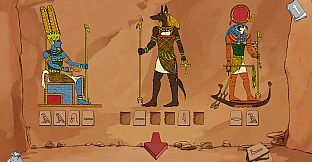
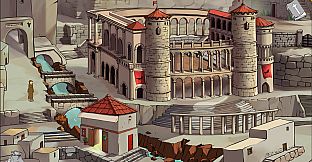
The Third Day is an indie point-and-click adventure game set three days after the crucifixion. Players take control of Jesus as he rises from the tomb and travels through the region of Judea in search of answers about why his Father permitted his death on the cross. The experience unfolds as a single-player story-driven journey filled with hand-drawn environments and characters inspired by the architecture and daily life of the period, with occasional deliberate anachronisms that tie into the narrative.
Gameplay
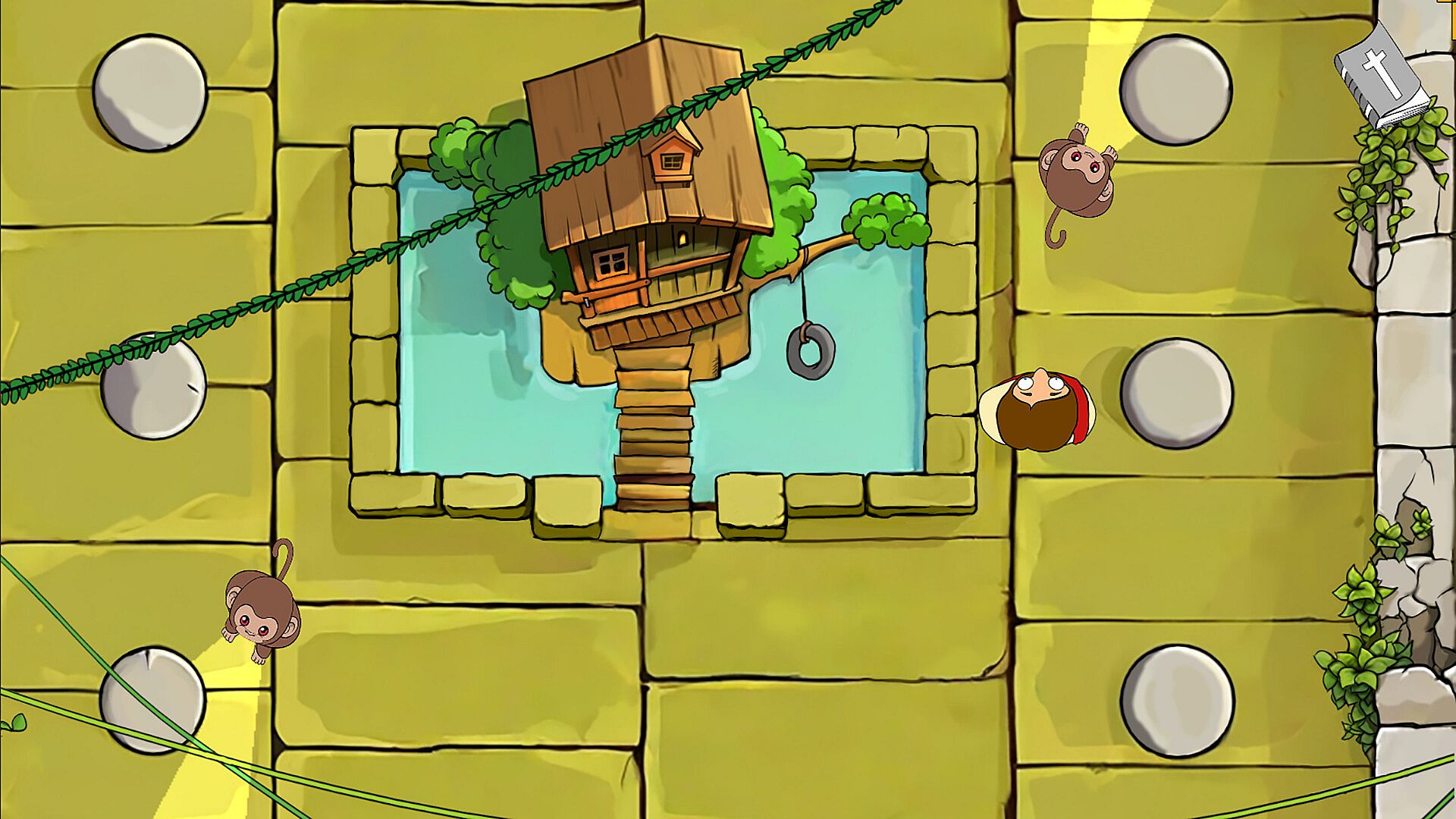
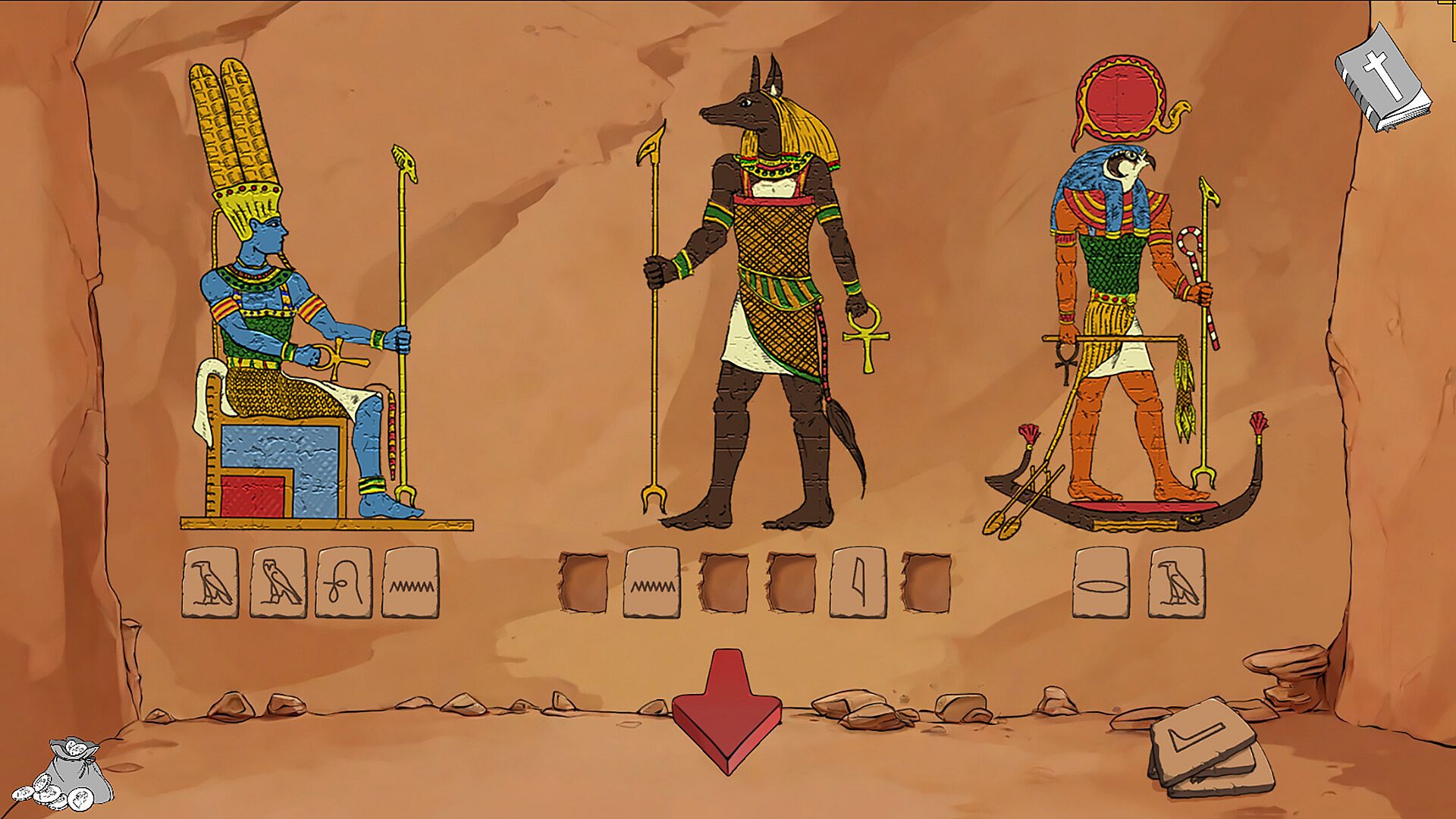
Core progression relies on classic point-and-click mechanics. Players explore fixed-screen locations by clicking on interactive elements, collect items into an inventory, and combine those objects to overcome obstacles. Miracles serve as additional tools, such as turning water into wine or walking on water, which open new paths or solve specific environmental challenges. Dialogue with non-player characters provides clues, advances the plot, and reveals humorous exchanges that gradually build the story. Stealth sequences appear in certain areas, requiring careful timing to avoid detection while moving through populated spaces. The hand-drawn visuals emphasize historical accuracy in buildings and attire while incorporating story-driven exceptions that add layers of absurdity and satire. Puzzles range from straightforward object use to more involved sequences that demand observation of the environment and logical combinations.
Game Modes
The game operates entirely in a single-player format with no separate multiplayer or competitive modes. The entire experience consists of one continuous narrative campaign that players complete by advancing through locations in Judea, including visits to Bethlehem, Nazareth, and Jerusalem. There are no branching campaigns, co-operative options, or alternate play styles; progress follows the linear story structure supported by the puzzle and dialogue systems. Save points must be managed manually since the title lacks an autosave feature, encouraging frequent manual saves during exploration.
Story and Setting
The narrative presents a fictional parallel tale rather than a direct retelling of biblical events. Jesus embarks on a quest that mixes humor, satire, and unexpected science-fiction elements, such as encounters with characters and situations outside the historical period. Charismatic figures populate each location and supply both plot information and light-hearted banter. The journey builds toward uncovering deeper motivations behind the central conflict, with environmental details and character interactions serving as the primary means of revelation. Hand-drawn art maintains period-appropriate references for structures and clothing while allowing story-specific deviations that reinforce the satirical tone.
Is It Worth Playing?
Players who appreciate traditional point-and-click adventures with inventory puzzles, dialogue-driven humor, and a distinctive premise will find a focused experience here. The title received very positive feedback from its audience, with Steam reviews sitting in the low eighties percent positive range across more than one hundred ratings. Its short-to-medium length suits those seeking a complete story without extended commitments or ongoing seasonal content. The game remains available as a straightforward single-player purchase with no additional modes or live-service elements required. Those drawn to classic adventure gameplay, biblical satire, and hand-crafted visuals are the primary audience likely to enjoy the full journey.











