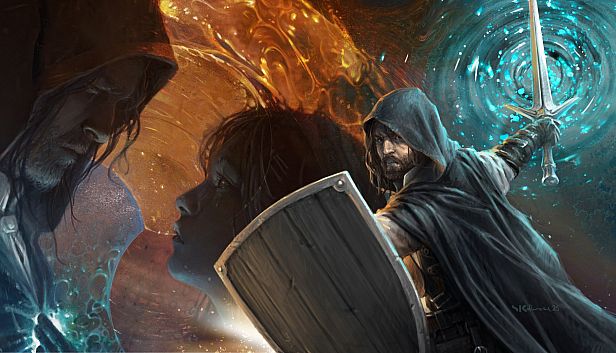


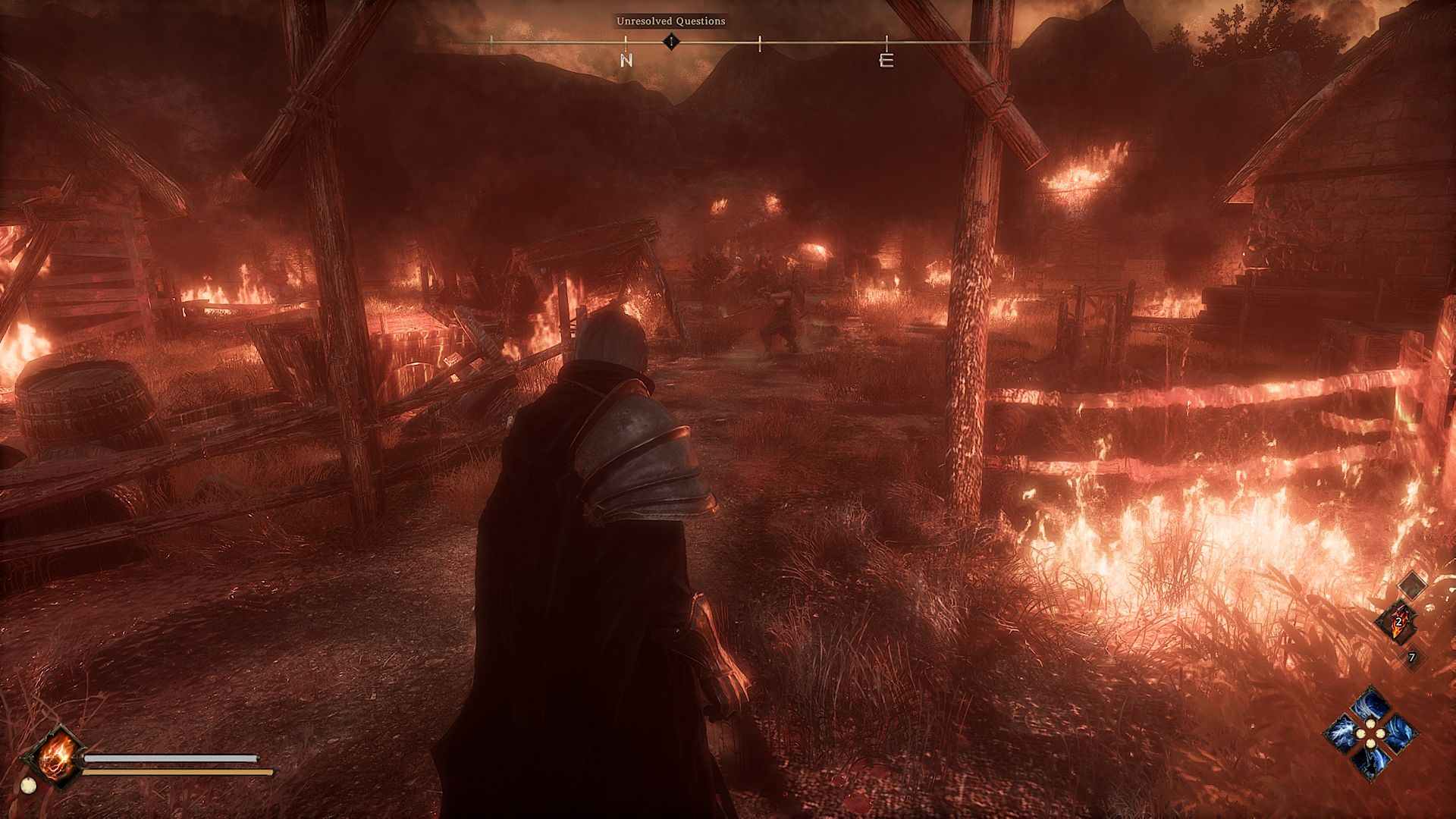
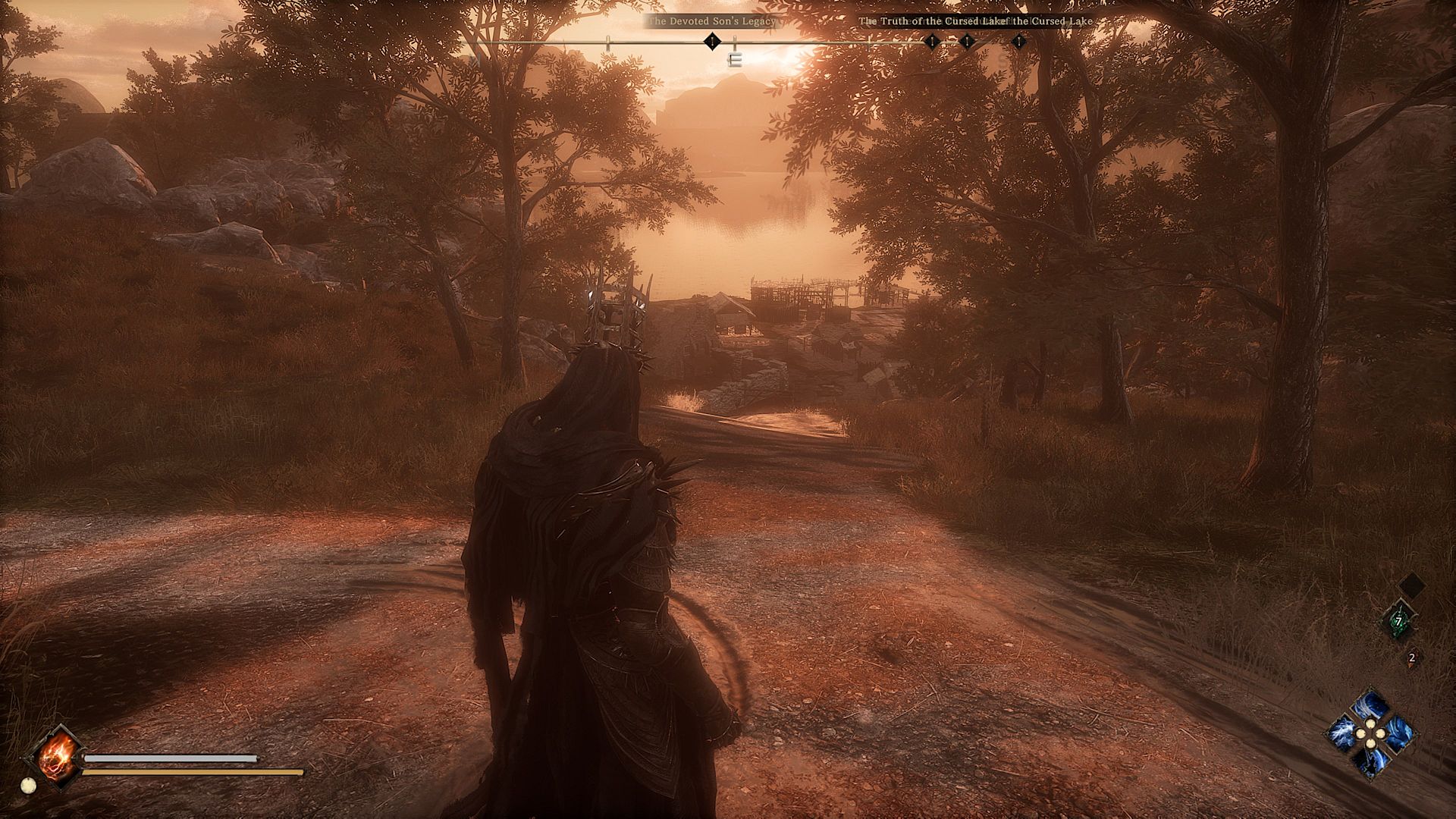
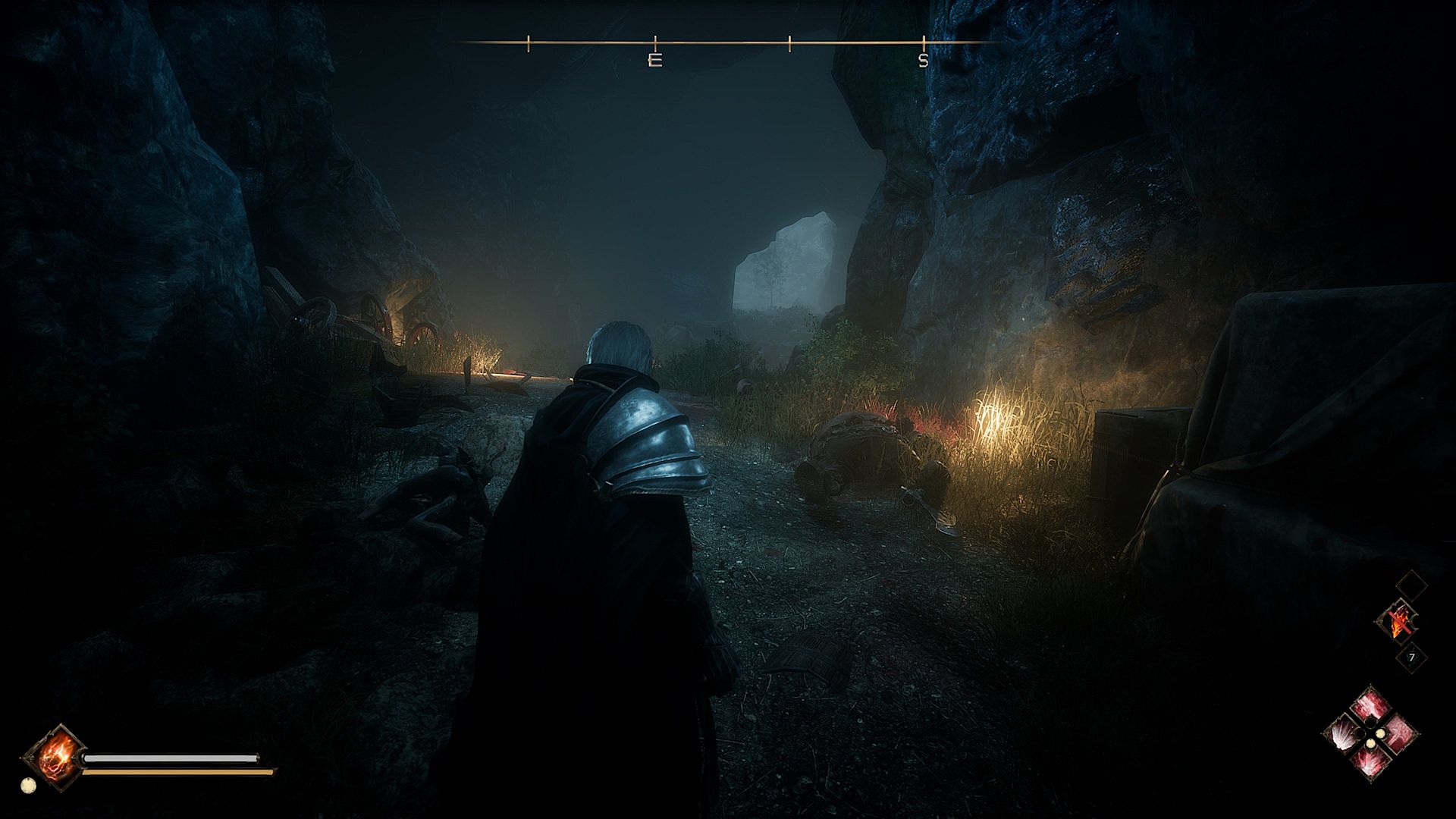
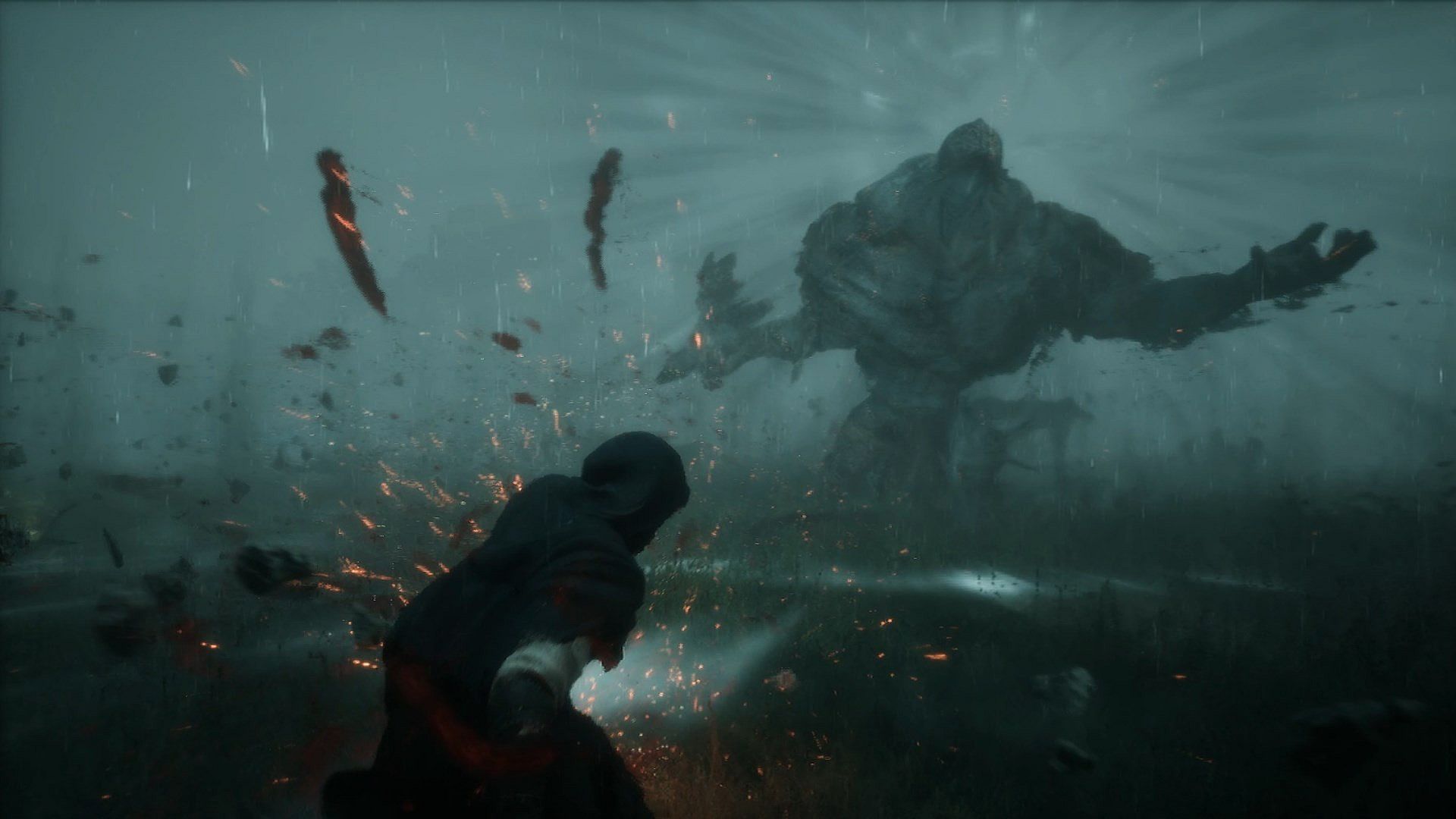
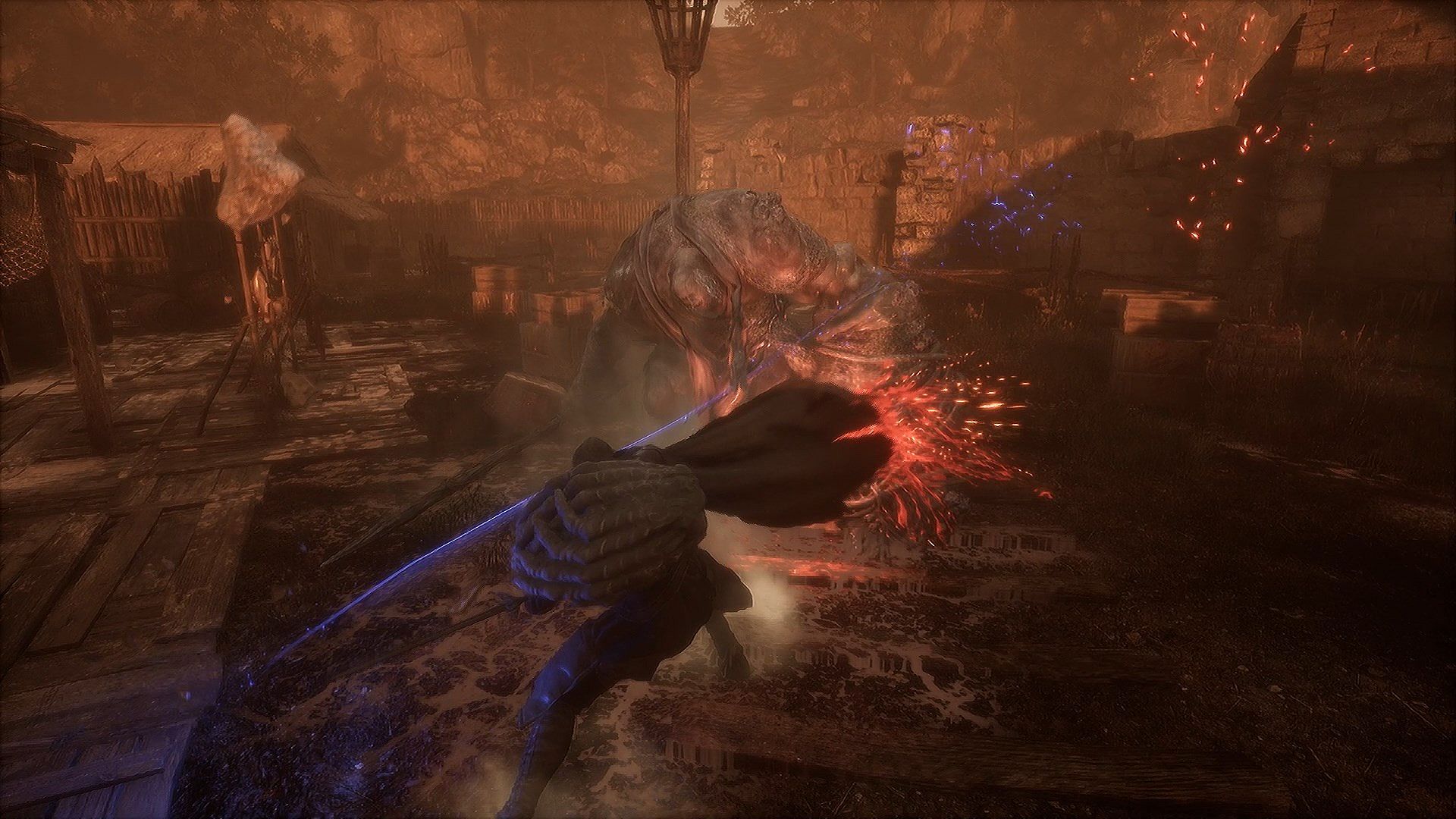
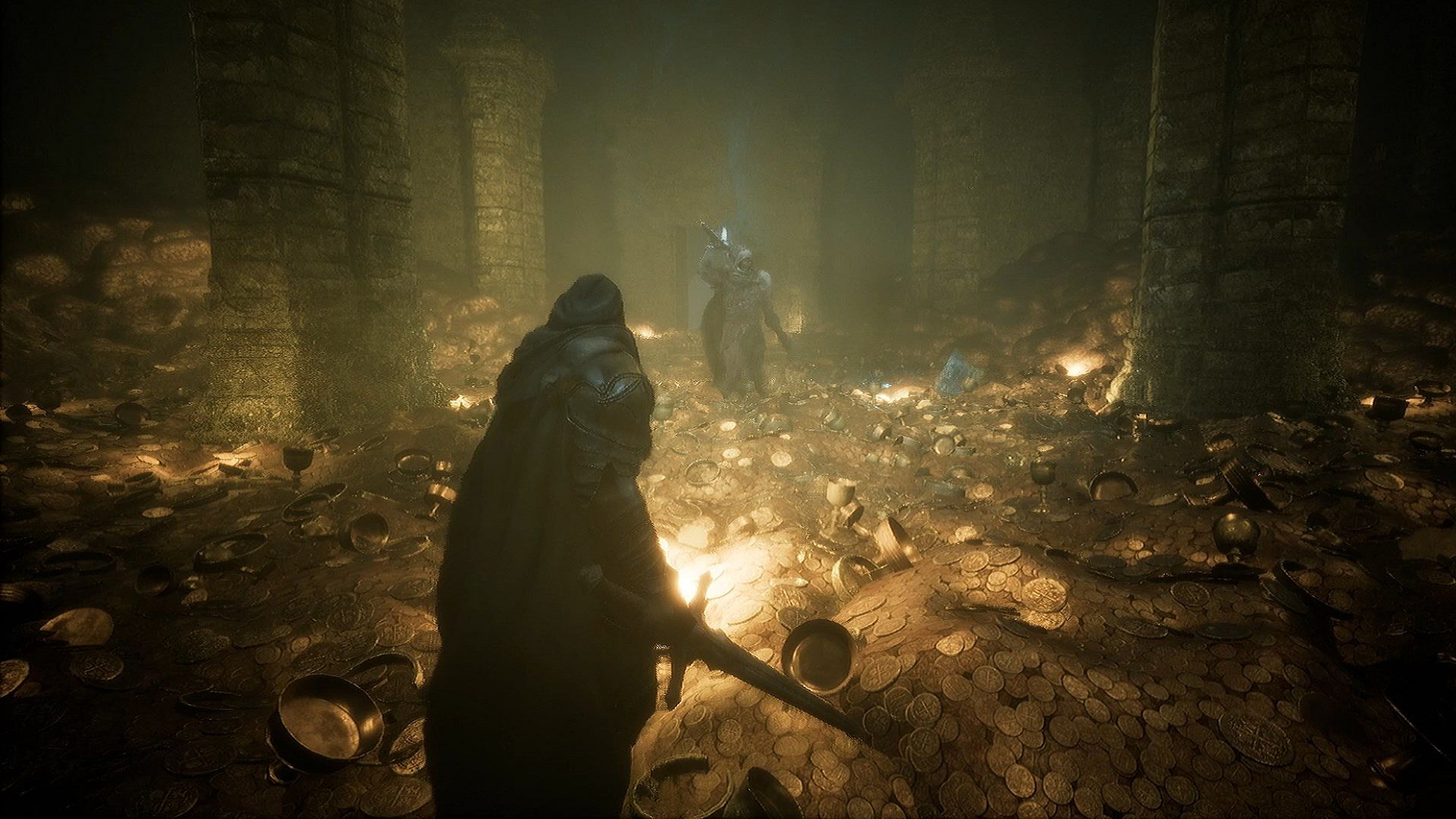
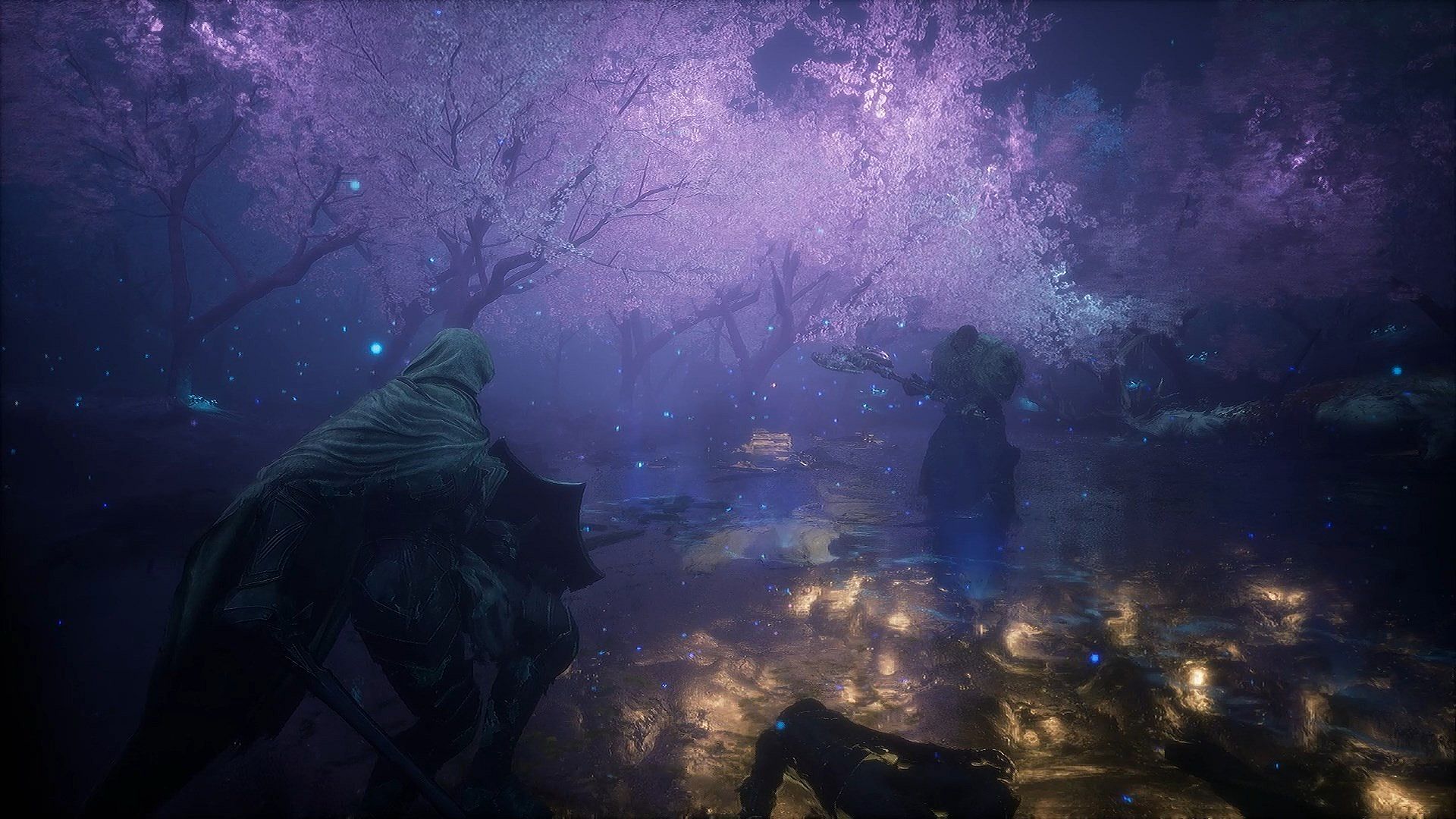
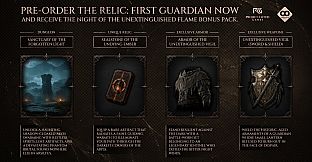
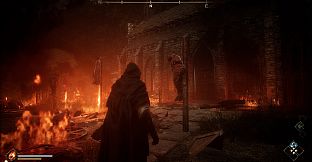
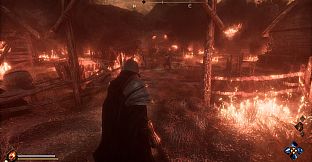
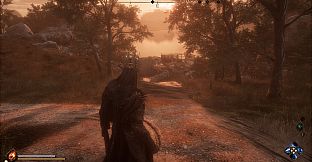
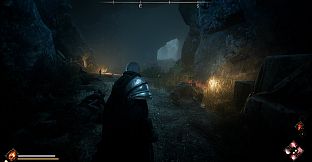
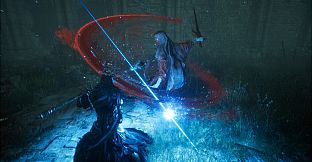
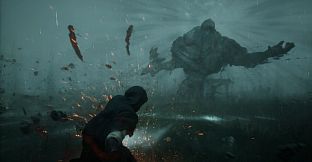
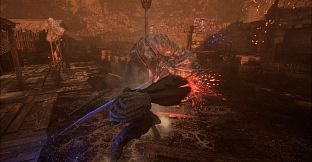
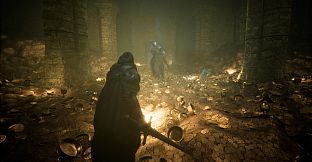
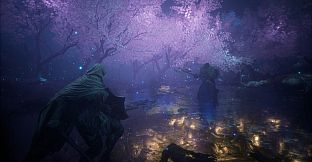
The Relic: First Guardian is an action RPG developed by the small studio Project Cloud Games. Players take on the role of the First Guardian in the ruined realm of Arsilthus, a land transformed into an apocalyptic wasteland after the destruction of a great relic. The game draws from Korean folklore and ancient mythology to present a dark, atmospheric world where exploration and combat drive the experience of piecing together lost stories and restoring balance.
Gameplay
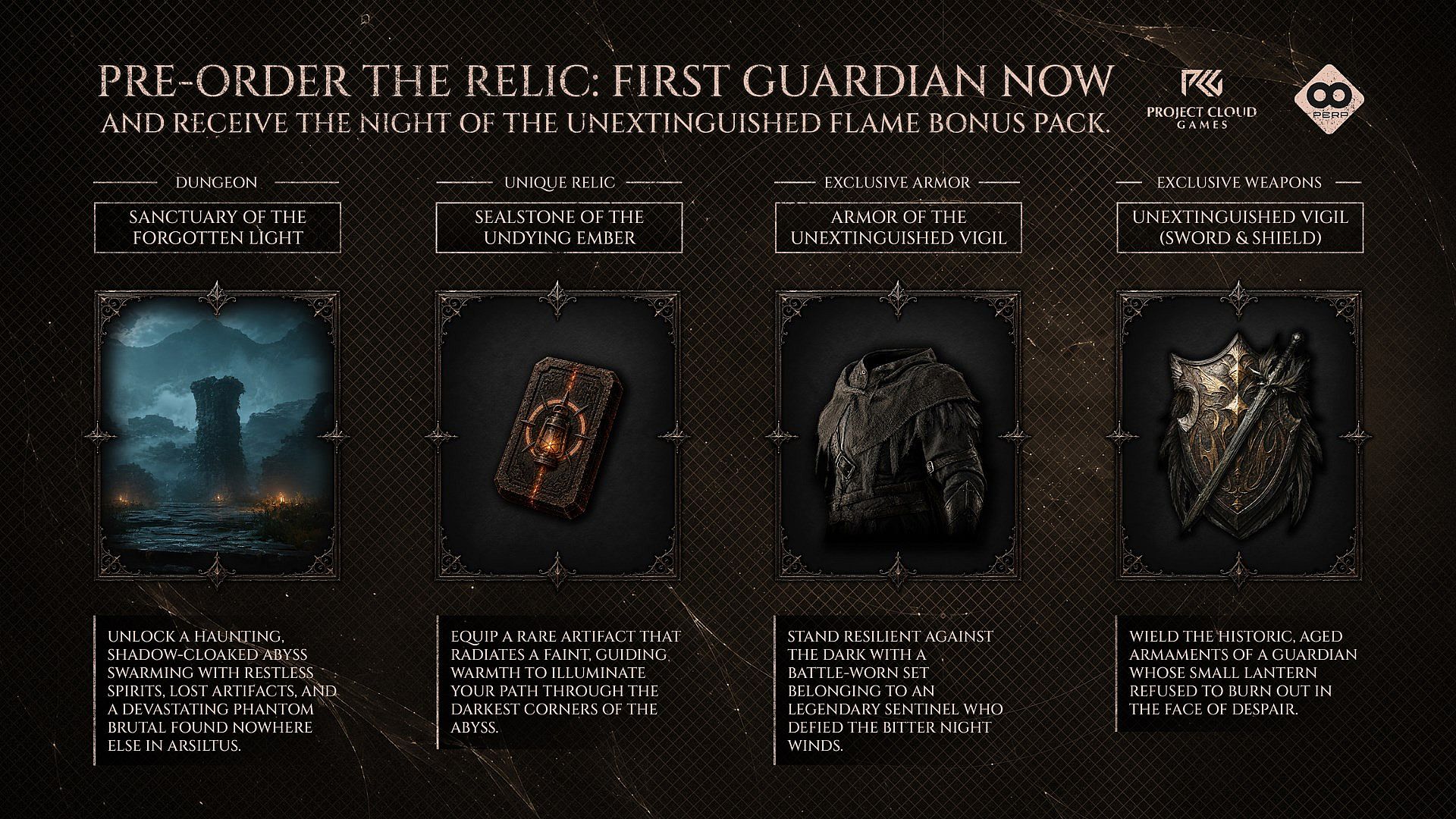
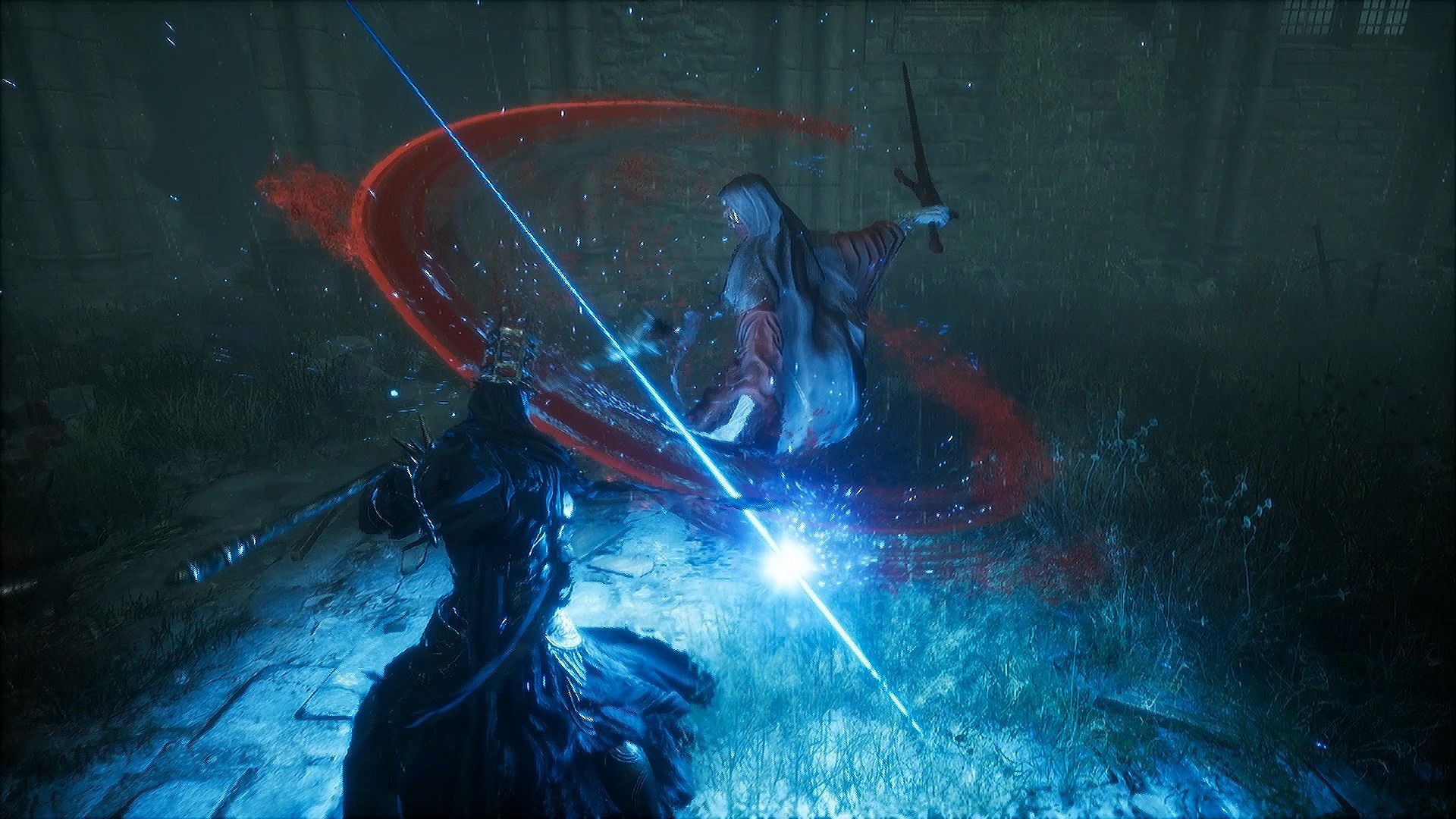
Combat emphasizes aggression without resource costs for basic attacks. Players can strike continuously with any of the five weapon styles: Sword and Shield, Battle Staff, Daggers, Two-Handed Weapons, or Longsword. Stamina applies only to defensive actions such as dodging and blocking, while powerful abilities draw from cooldowns and a separate meter. Each weapon connects to dedicated skill trees that players invest in using Relic Energy, unlocking passives and ultimate moves that alter playstyle.
Progression avoids traditional levels or experience points. Strength comes from equipped gear, weapon upgrades at the blacksmith, and Relics that provide more than seventy unique passive effects. These Relics modify combat tempo, skill behavior, and weapon performance, encouraging experimentation with builds that can be adjusted on the fly. Exploration in the semi-open world reveals hidden dungeons, ancient artifacts, and environmental traces of past inhabitants that tie directly into character growth through additional Relics and resources.
Boss encounters number up to eighty, each functioning as a self-contained folktale with distinct mechanics and tragic backstories. No two fights share identical patterns, requiring adaptation in timing, positioning, and chosen loadout. The world rewards off-path investigation with lore fragments and upgrade materials that support the gear-focused advancement system.
Game Modes
The experience centers on a single-player campaign through the interconnected regions of Arsilthus. Players advance by clearing dungeons, confronting bosses, and uncovering scattered stories that reveal the world's history. There are no separate competitive or cooperative modes; the focus remains on solitary progression through exploration, combat challenges, and build refinement in one continuous journey.
World and Lore
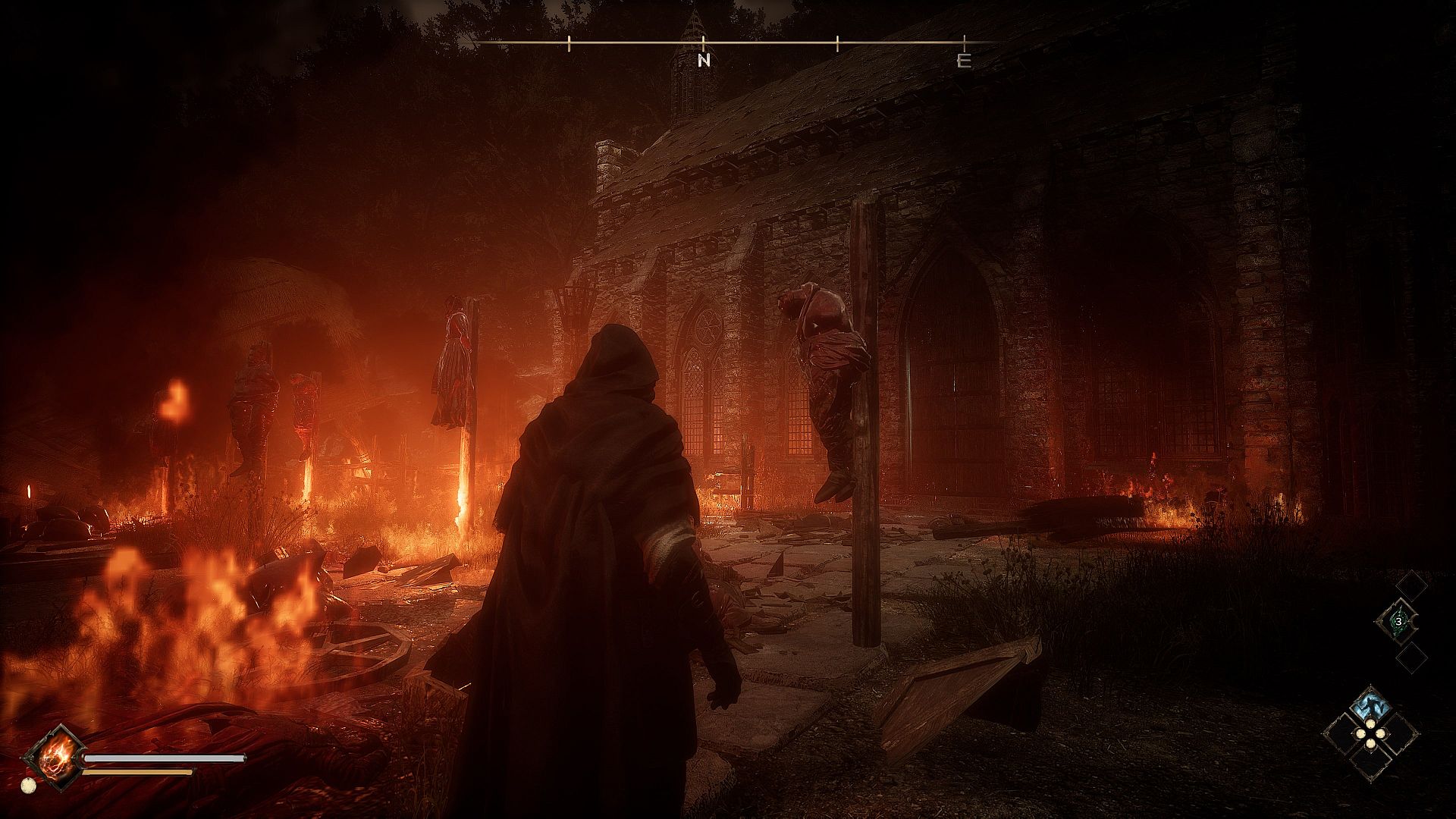
Arsilthus presents a shattered landscape of forgotten ruins, misty expanses, and atmospheric environments shaped by Korean mythological influences. Environmental storytelling conveys personal tragedies through abandoned sites and remnants left by former residents. Collecting Relics not only strengthens the character but also assembles fragments of these individual tales, turning progression into an act of honoring lost voices across the land.
Is It Worth Playing?
Reception highlights strengths in atmospheric exploration, the variety of tragic boss encounters, and the flexibility of the Relic-driven build system. Many players appreciate the aggressive combat loop and the way gear and passives replace conventional leveling. At the same time, reports note technical performance issues, inconsistent responsiveness, and a need for further polish following the July 31, 2026 release on PC and PlayStation 5, with Xbox Series versions arriving later. Patches have addressed some problems, and the developer has indicated ongoing support.
The game suits those drawn to deliberate, story-rich action RPGs that prioritize unique weapon rhythms and environmental discovery over flawless execution. Players tolerant of rough edges may find the core loop rewarding, while those seeking refined presentation might wait for additional updates before committing.