

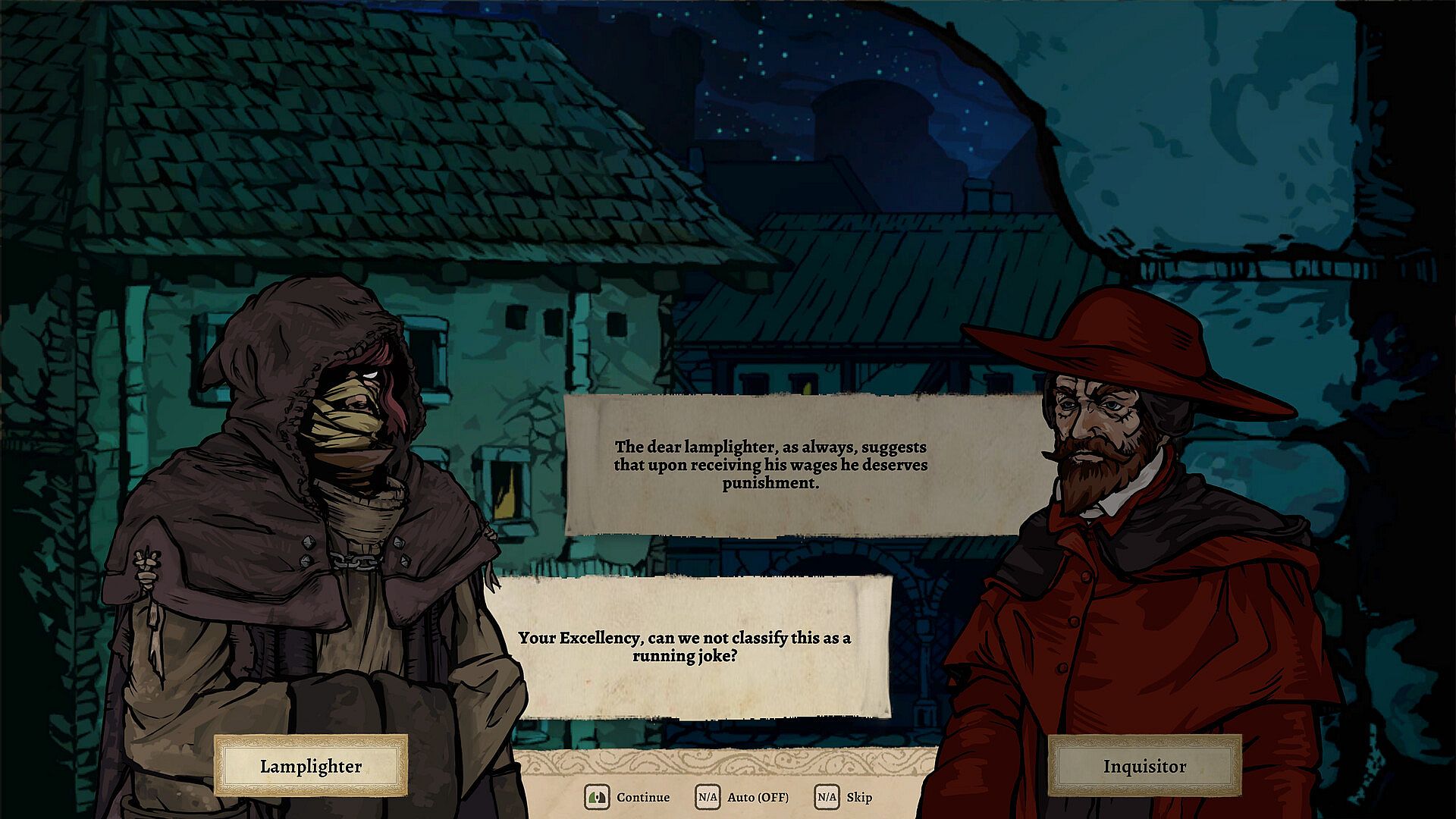


The Lunacy: That Game About a Cult is a dark comedy strategy game that blends management simulation, light RPG elements, and adventure storytelling. Set in Inquisition-era Spain during the 1500s, players take on the role of a prophet who receives a vision after a head injury and must build a following devoted to forgotten gods. The experience centers on constructing a hidden underground temple while sending agents into the city streets to expand influence without drawing too much attention from authorities.
Gameplay
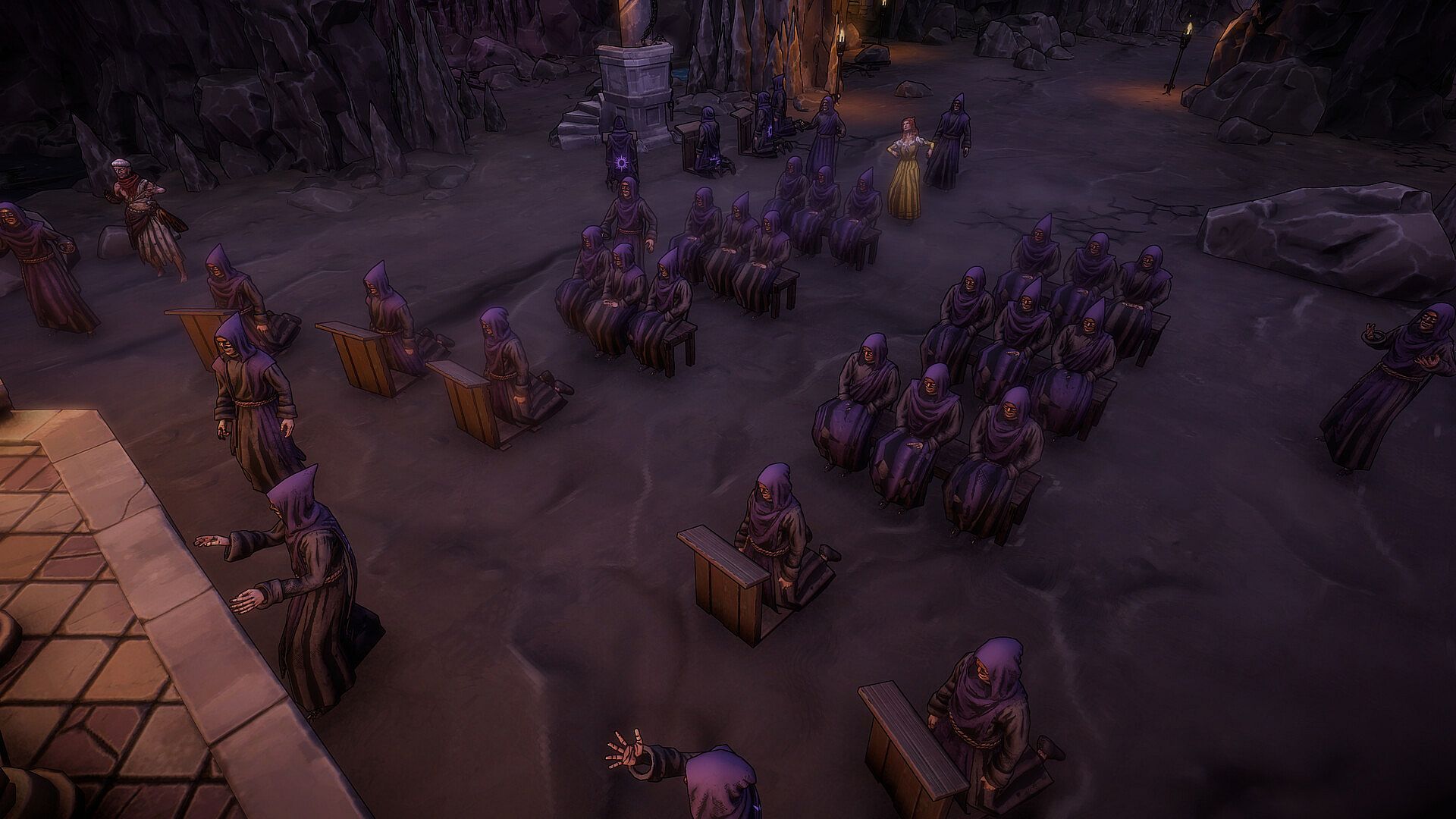
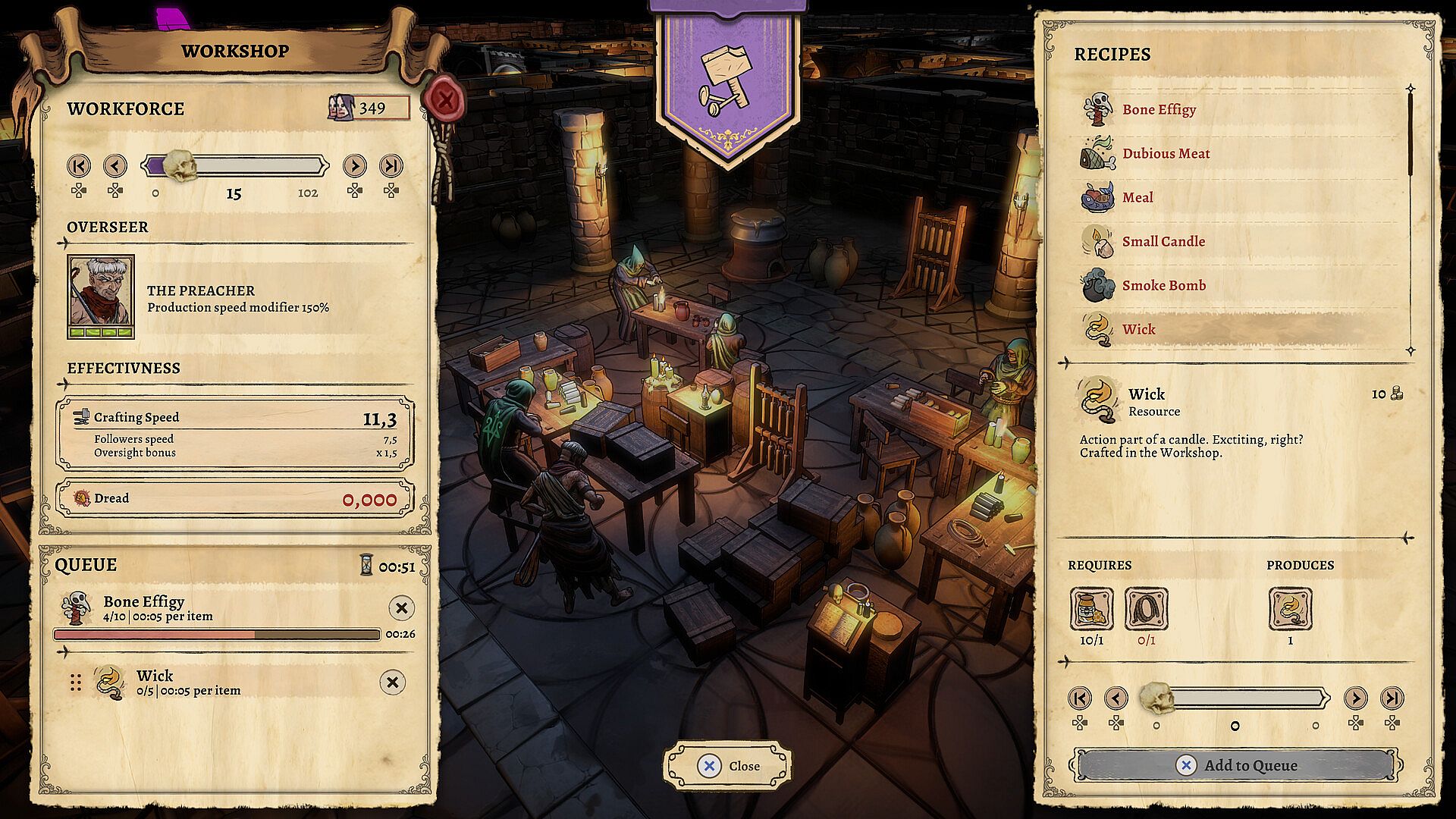
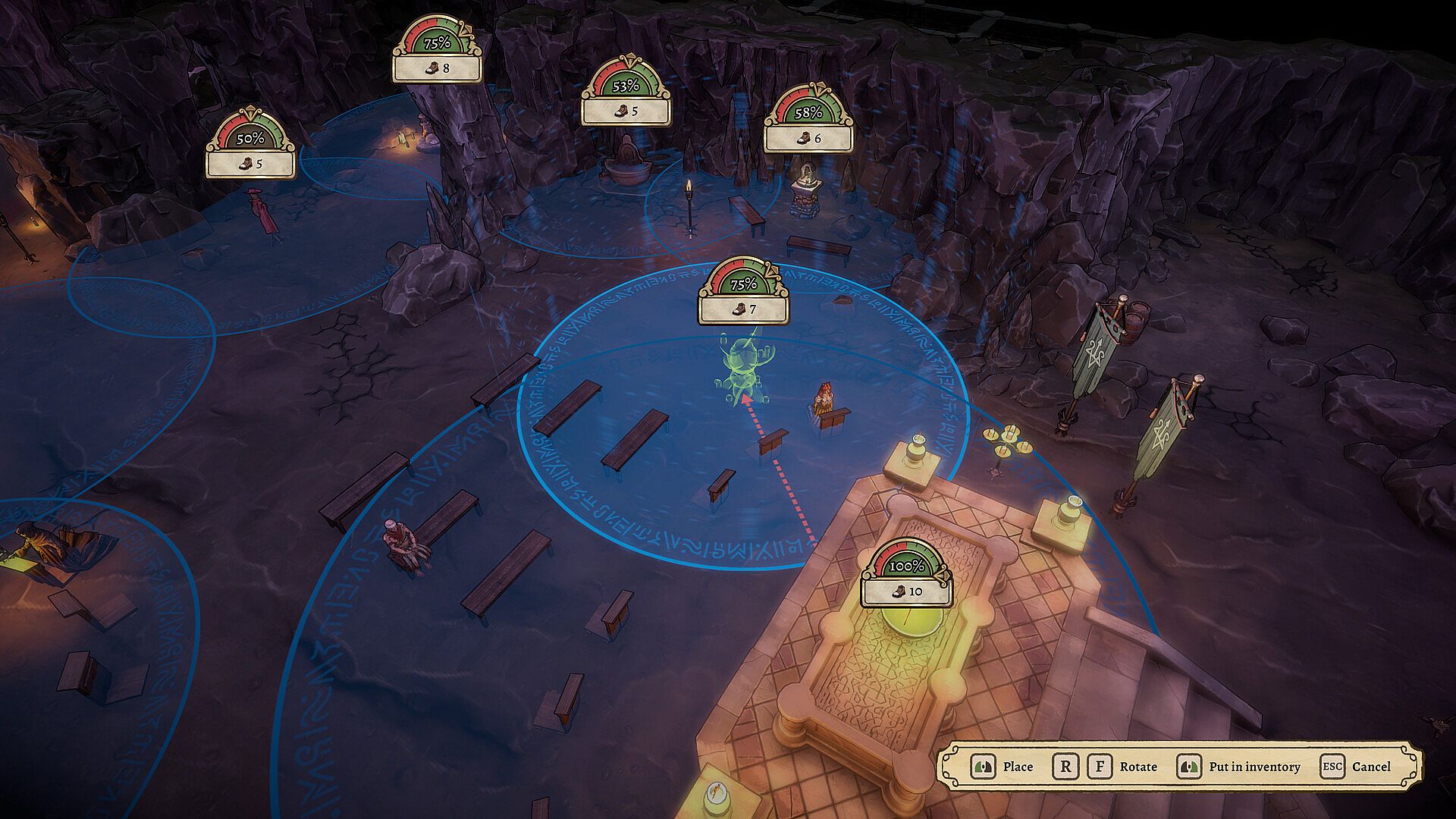
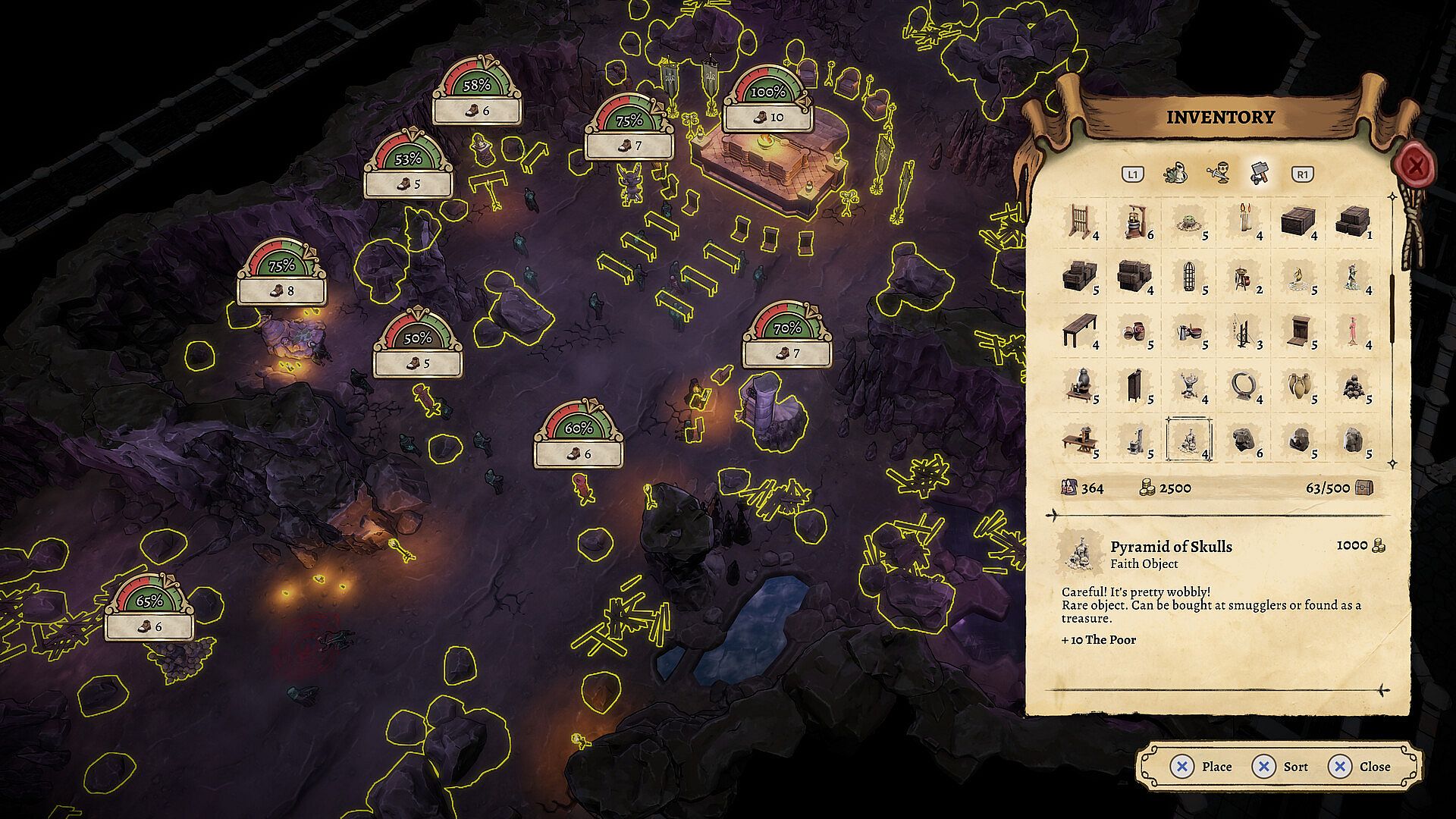
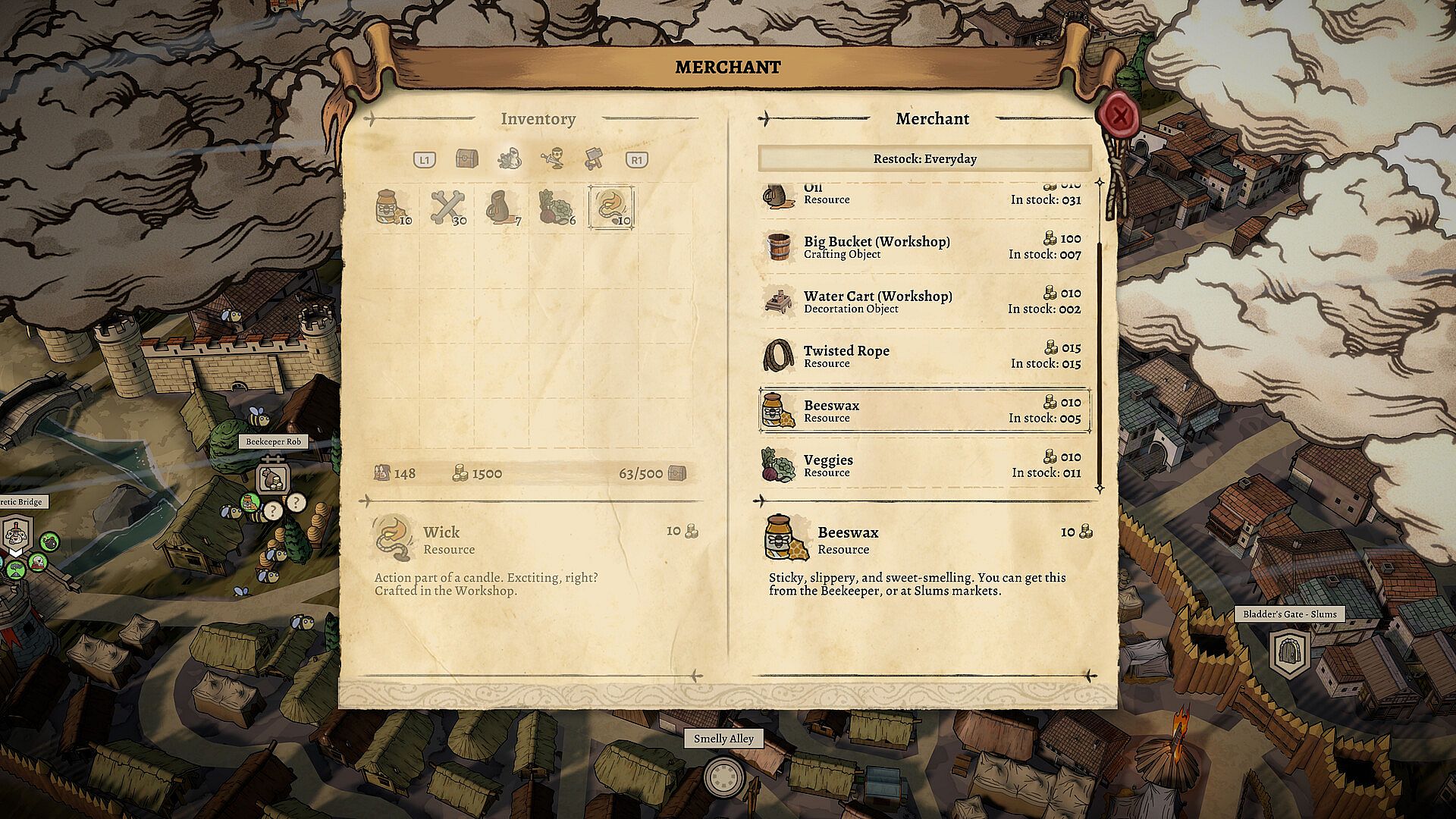
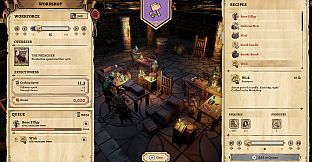
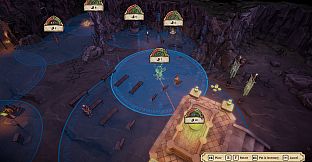
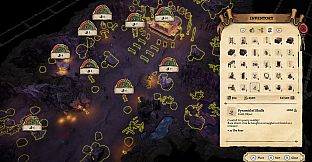
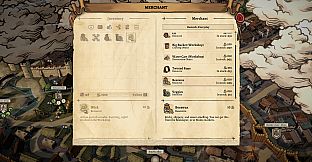
Core gameplay revolves around balancing temple construction and city operations. The underground temple uses a gridless building system where players place altars, shrines, libraries, and other structures to meet follower needs. Spaces can be arranged creatively, such as turning areas into taverns stocked with wine or setting up production zones for suspicious goods. Followers participate in sermons and rituals, and resources come from crafting items like ritual supplies, weapons, or deceptive relics using acquired materials.
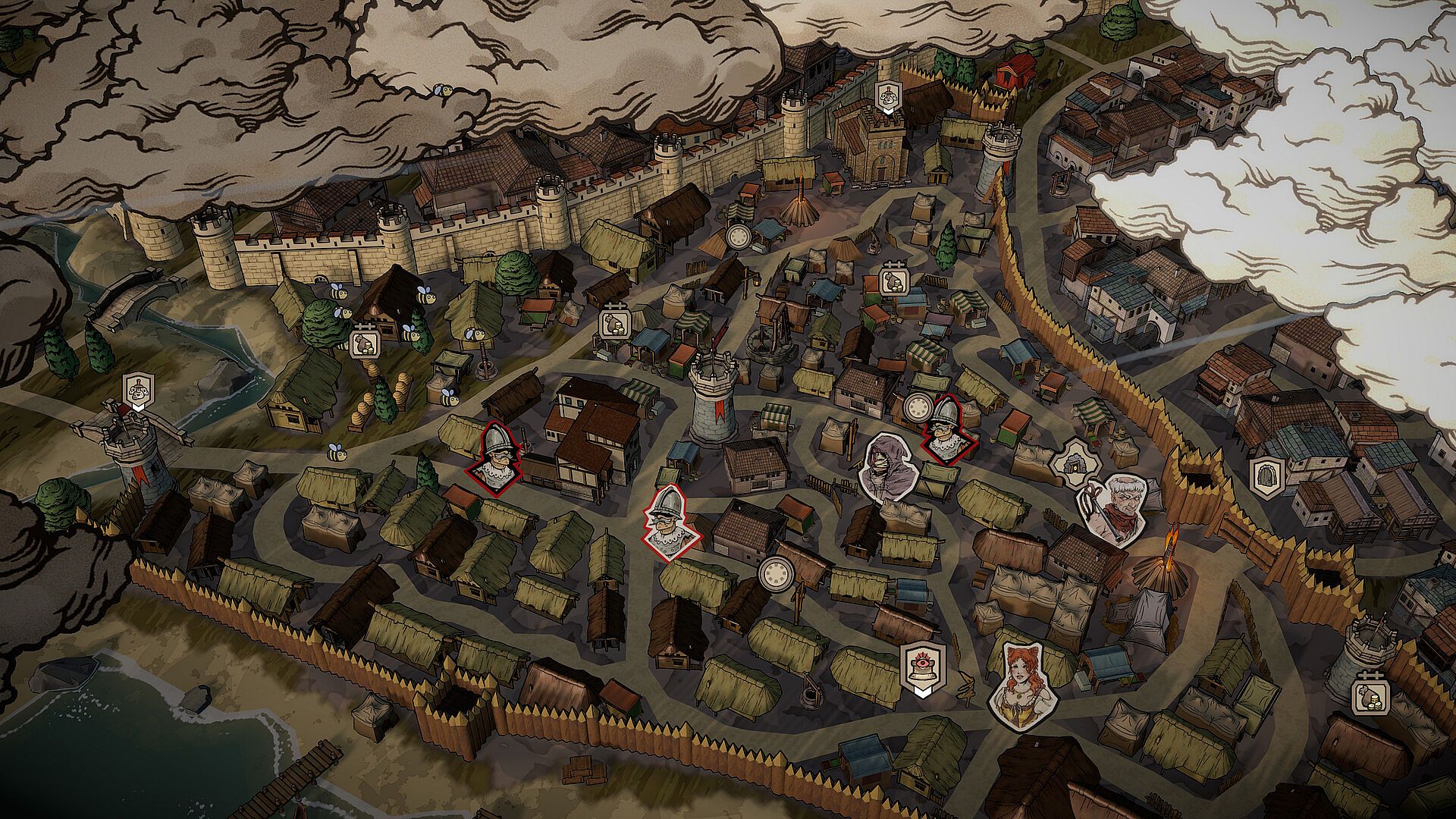
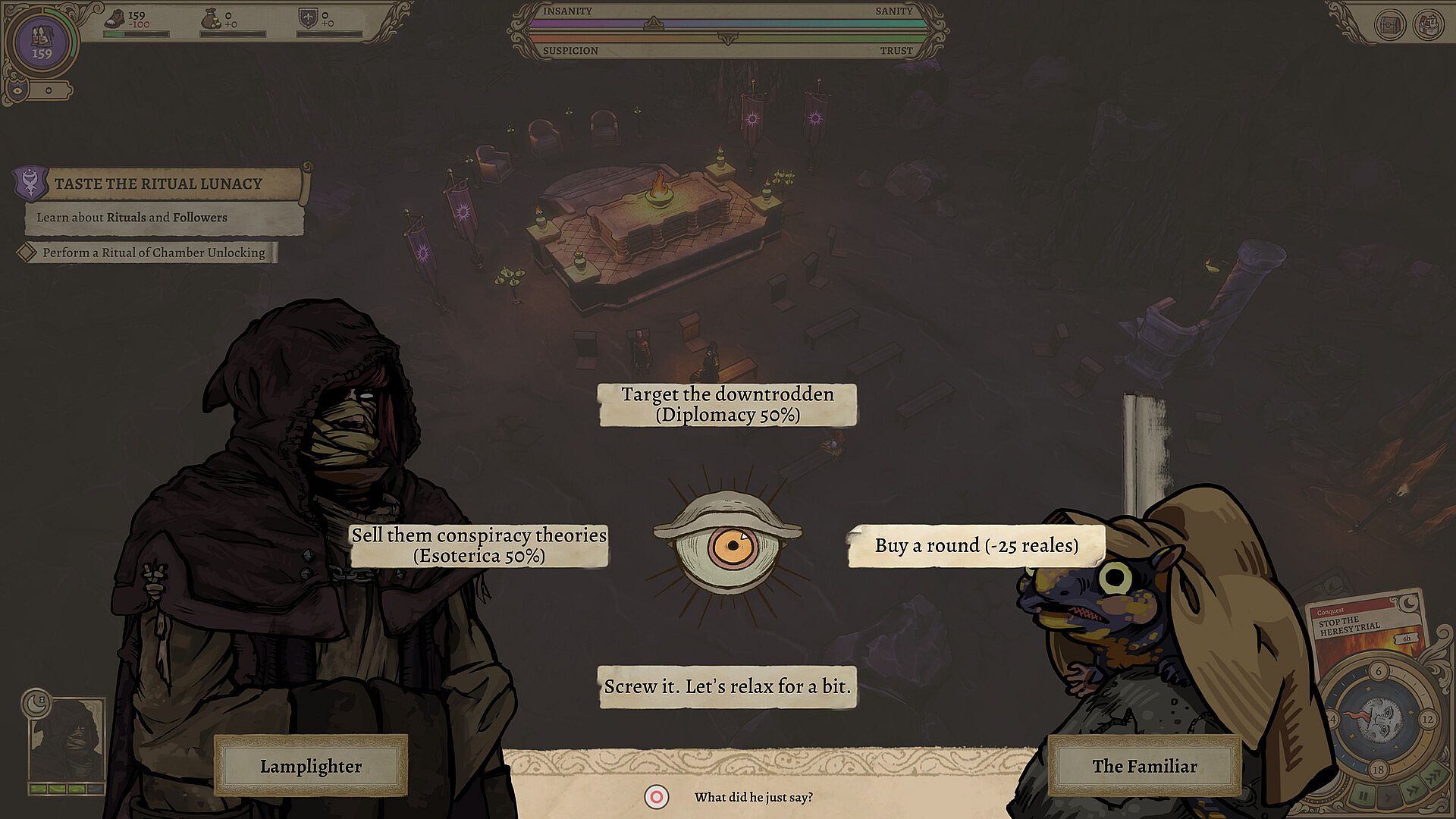
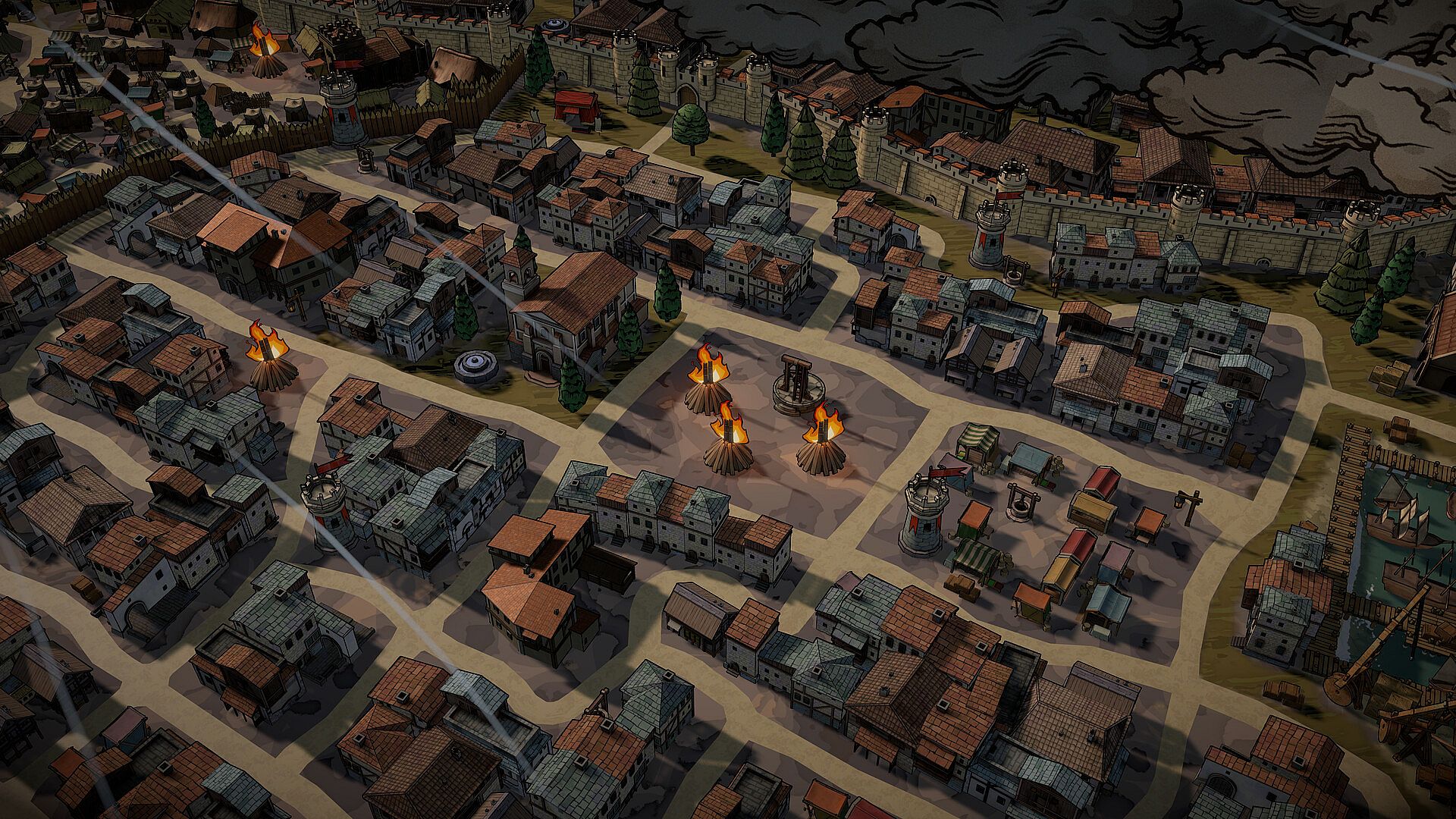
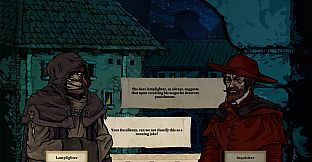
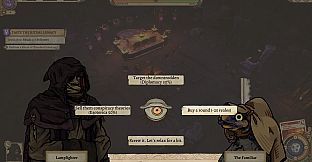
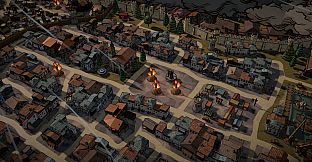
Outside the temple, acolytes move through Renaissance city streets on expeditions. These involve navigating around Church goons while engaging in activities like preaching, stealing, spying, or participating in events. Hundreds of handcrafted comic scenarios play out with varying outcomes based on choices and timing. Managing suspicion levels and the prophet's sanity adds layers, as declining mental state alters how the world appears and functions. Resources gathered fuel further temple growth and district conquests, building toward open rebellion.
Individual followers and acolytes carry personal stories, strengths, and weaknesses. Assigning them to temple duties or city tasks requires weighing risks, especially as the prophet's instability makes allies seem more unpredictable. The loop ties building satisfaction, resource production, and external mischief into steady progress across city districts.
Game Modes
The game operates as a single-player experience focused on sequential progression through temple management and urban infiltration. Players advance by expanding the cult's reach district by district, with no separate multiplayer components or alternate campaigns confirmed. Activities shift between internal temple oversight, where gridless placement and follower assignments dominate, and external operations that emphasize stealth and event resolution. Sanity mechanics influence both phases, creating evolving challenges without dedicated mode switches.
Progression emphasizes steady expansion rather than isolated challenges. Early efforts center on survival and secrecy in the temple, while later stages involve larger rebellions and direct confrontations with Inquisition forces. All elements integrate into one continuous campaign structure shaped by player decisions on building priorities and expedition risks.
Key Mechanics and Systems
Building flexibility stands out through the gridless temple editor, allowing organic layouts that respond to follower demands. Production chains involve crafting from shopped, stolen, or bartered goods, turning raw materials into tools for rituals or rebellion. City presence relies on acolyte skills to uncover opportunities amid hundreds of unique events that introduce absurdity and humor into the setting.
Sanity and suspicion tracking create dynamic tension. Lower sanity warps visuals and alters gameplay interactions, while unchecked suspicion risks raids or exposure. Character management adds depth, as each acolyte's traits affect success rates in different tasks. These systems encourage careful planning without overwhelming micromanagement.
Is It Worth Playing?
This title suits players who enjoy management games with narrative twists and satirical takes on historical themes. The combination of temple building, agent expeditions, and event-driven storytelling offers a focused single-player loop centered on cult expansion and subtle rebellion. With its emphasis on creative construction and unpredictable city encounters, the game appeals to those drawn to indie strategy experiences that mix humor with strategic depth.
Since the game remains in development following its recent announcement, current details come from developer descriptions and trailer footage. Fans of dark comedy in management formats may find the premise engaging once it launches, particularly if they appreciate gridless building freedom and character-driven expeditions. Availability will depend on the eventual release window on PC.