





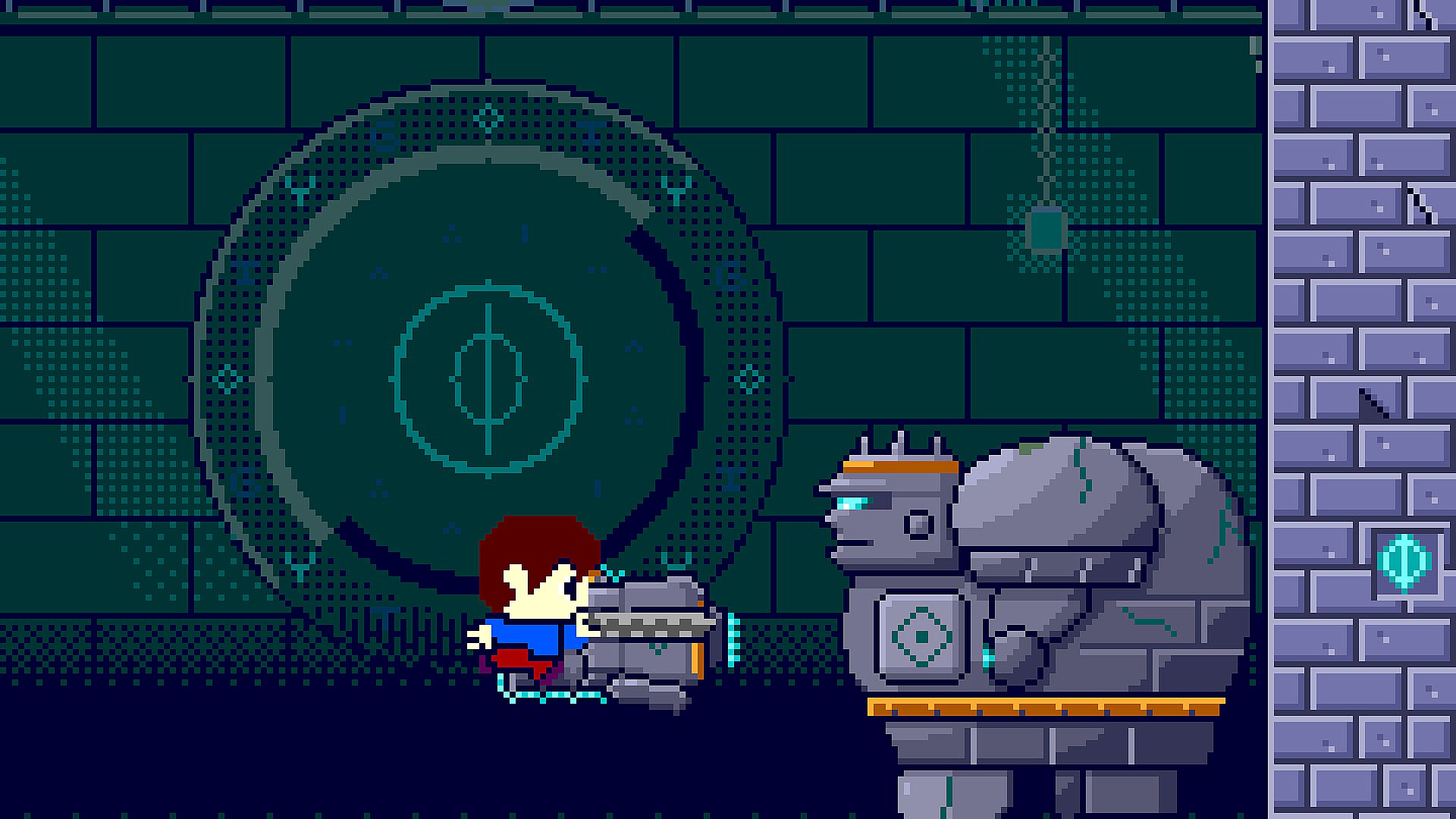
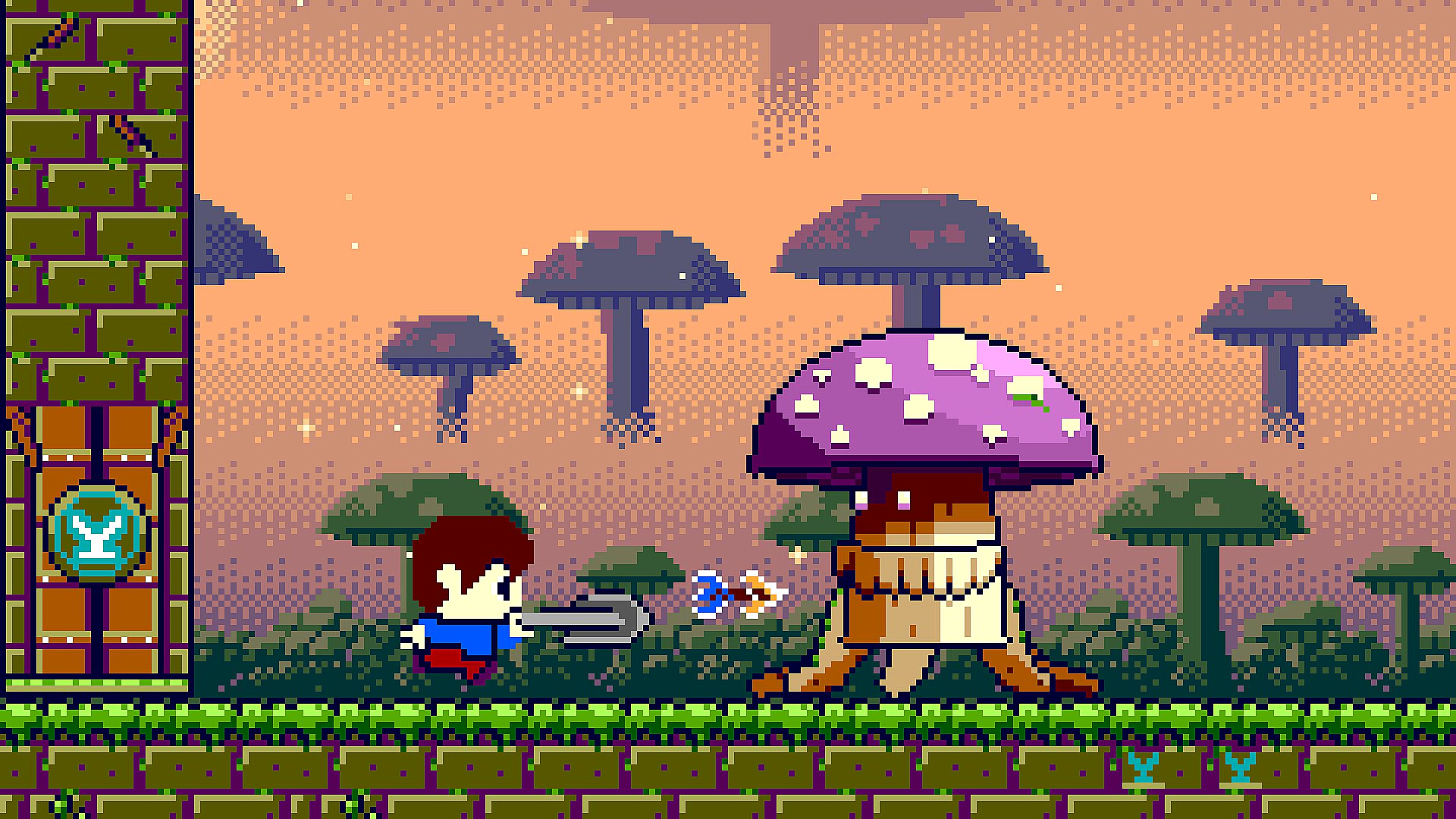
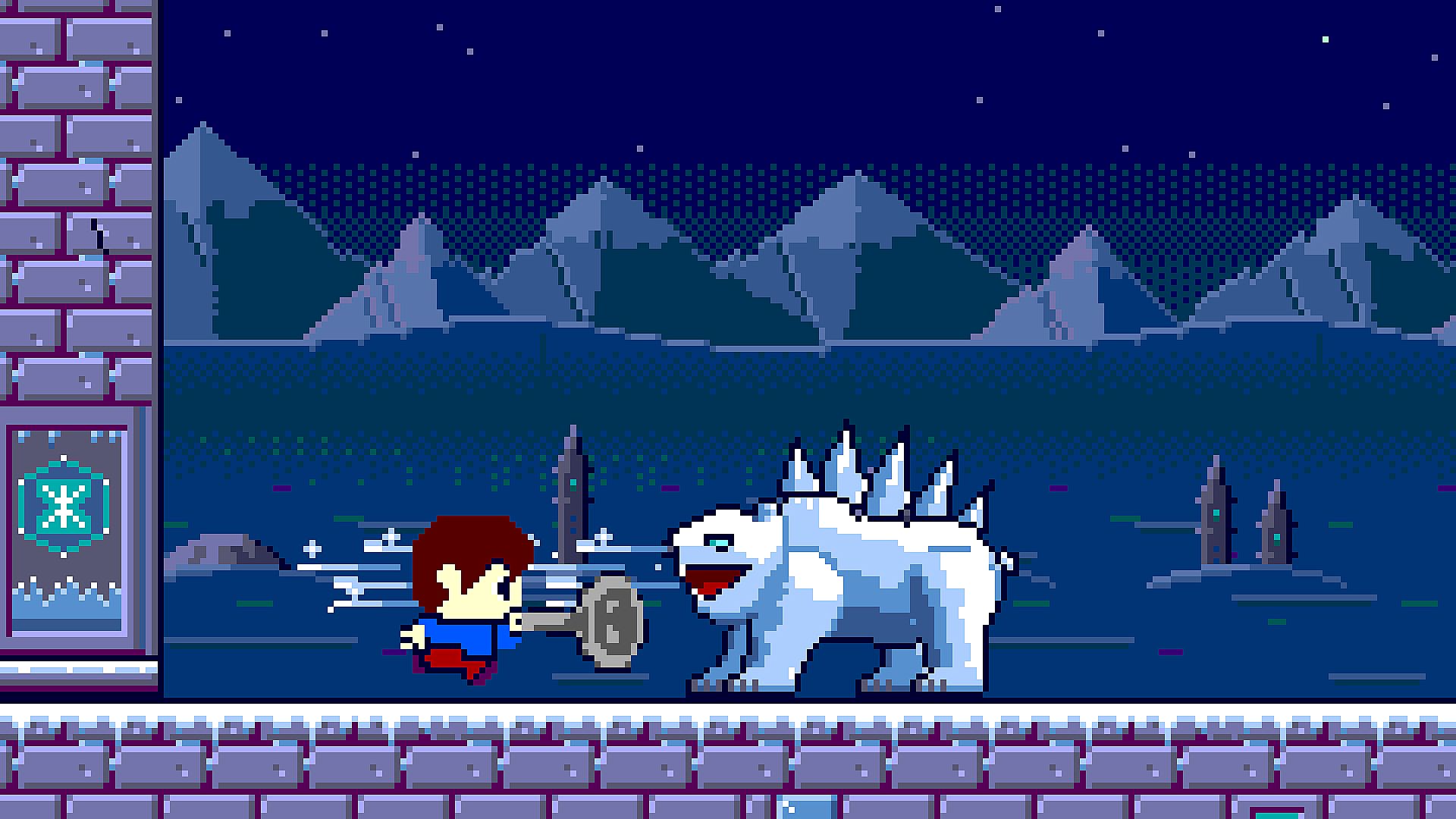
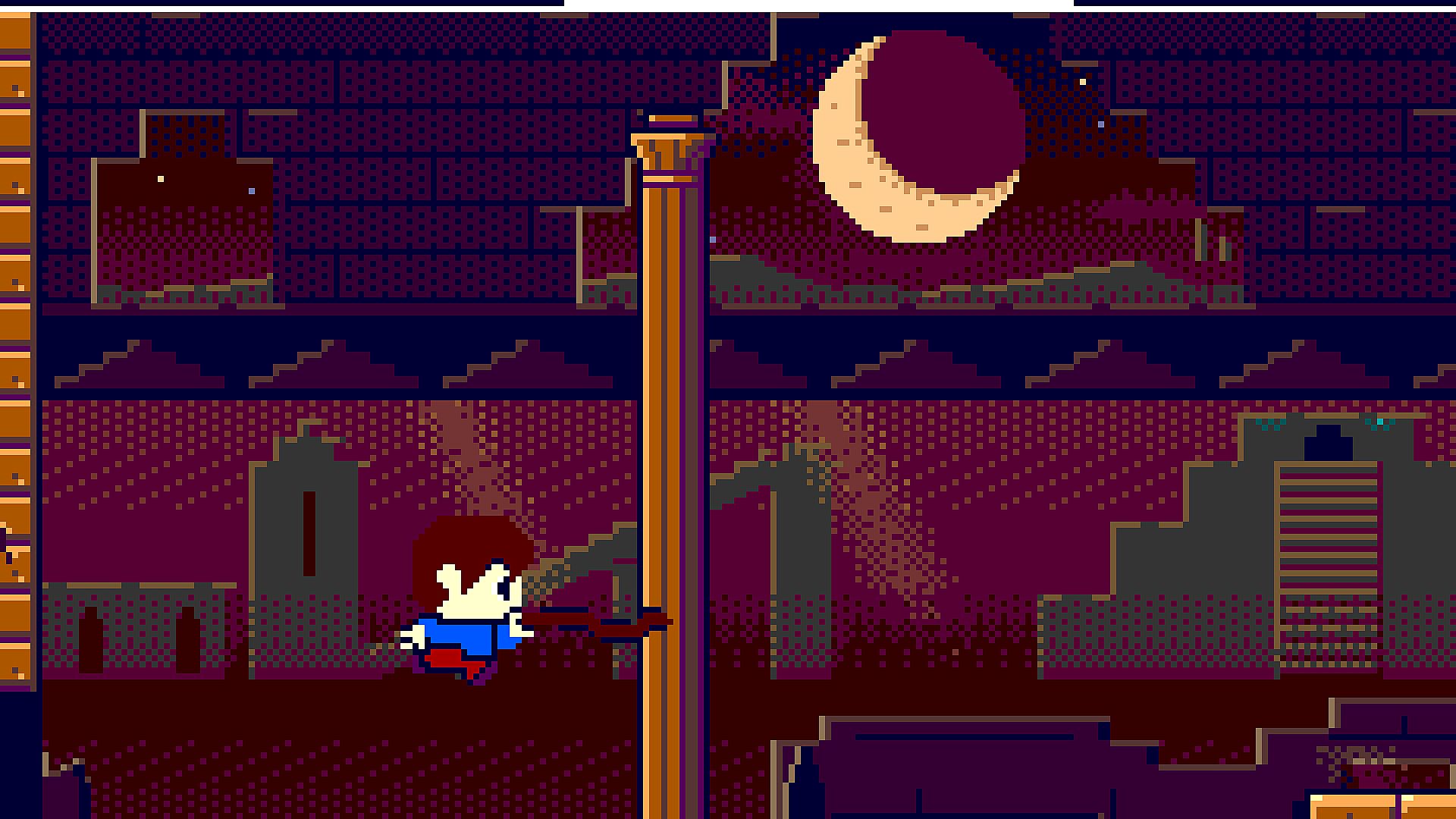
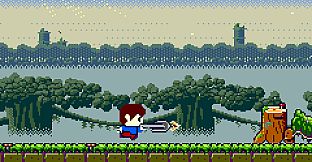
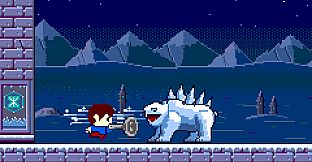
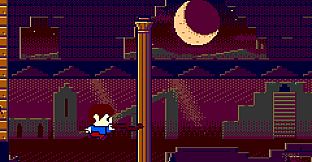
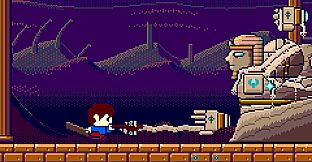
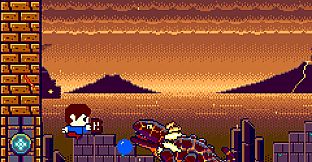
The Journey of the Relics is a single-player action platformer that blends precise 2D platforming with light shooting elements across a sprawling sci-fi setting. Players control explorer Joseph Dantas as he searches for fifty Relics of Memory scattered through six galaxies, each divided into sectors filled with distinct environments and hazards.
Gameplay
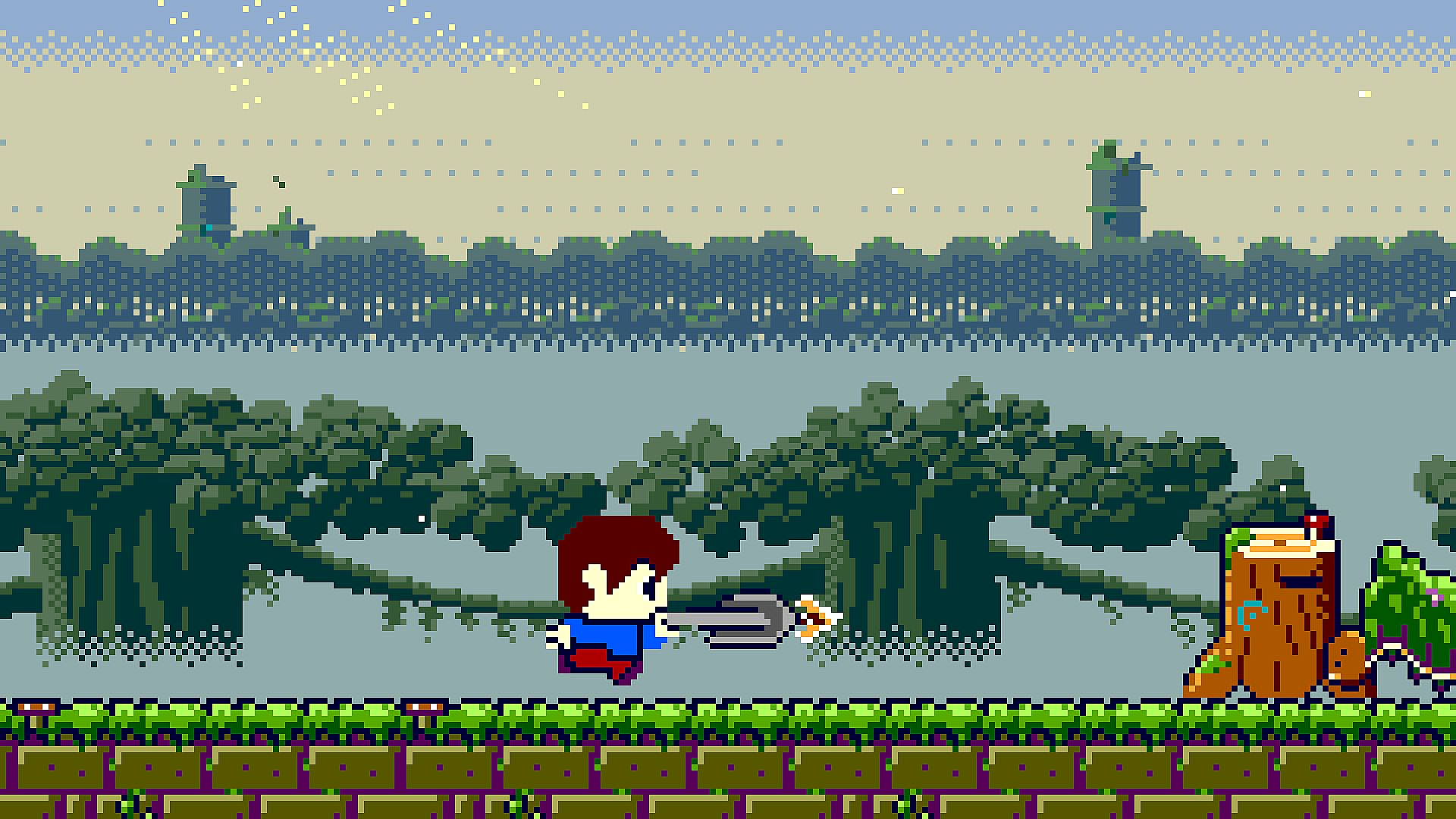
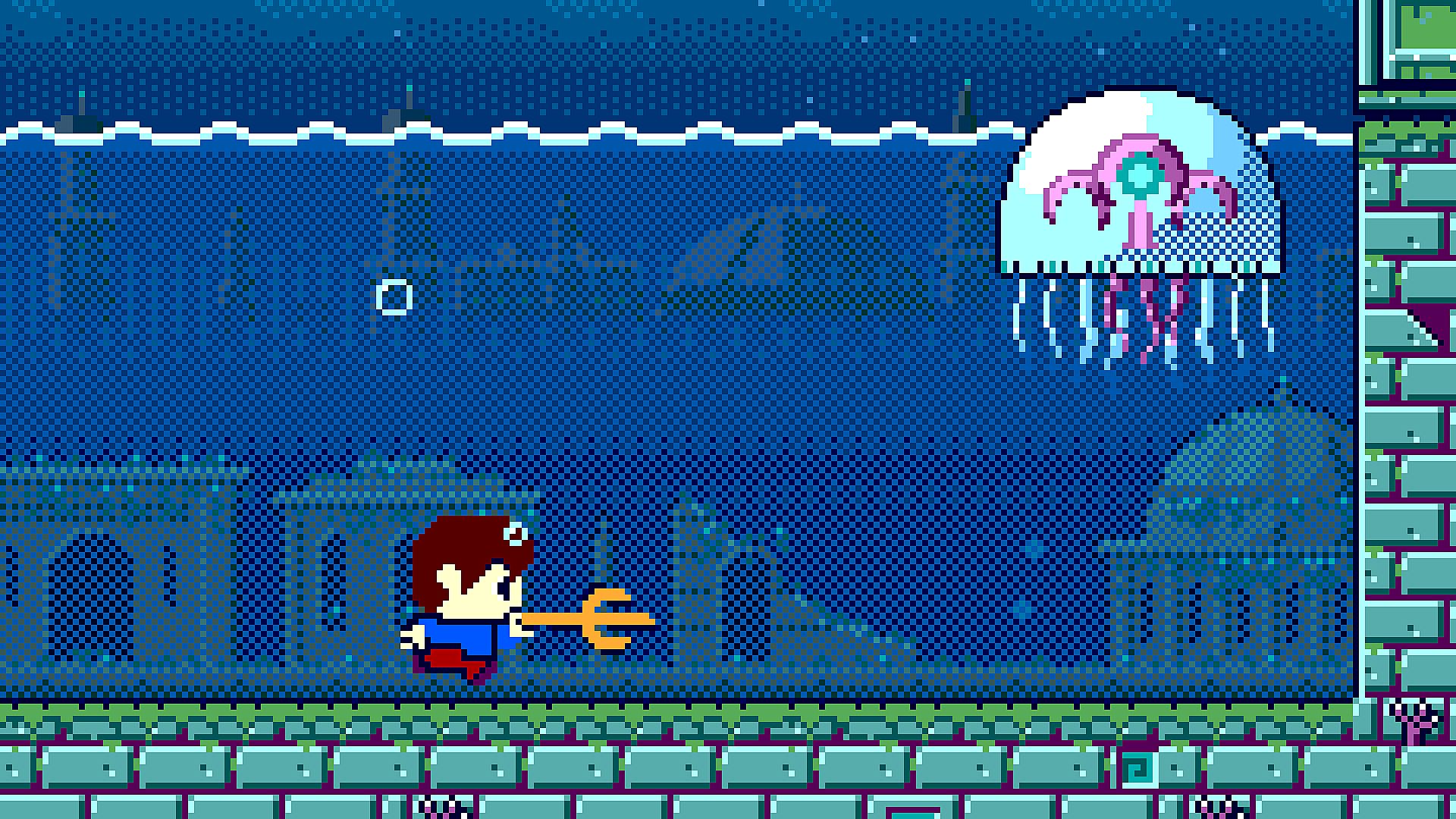
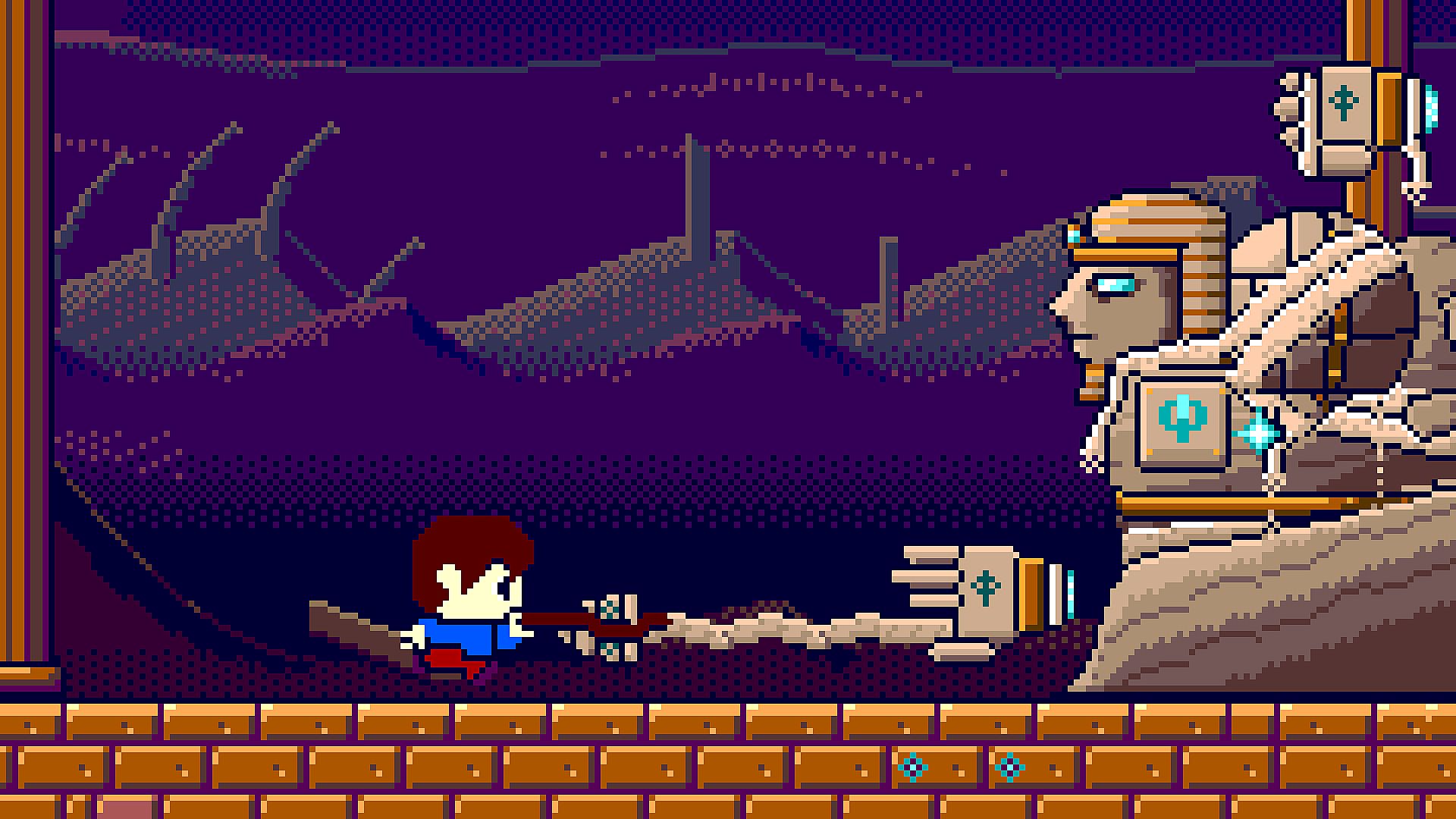
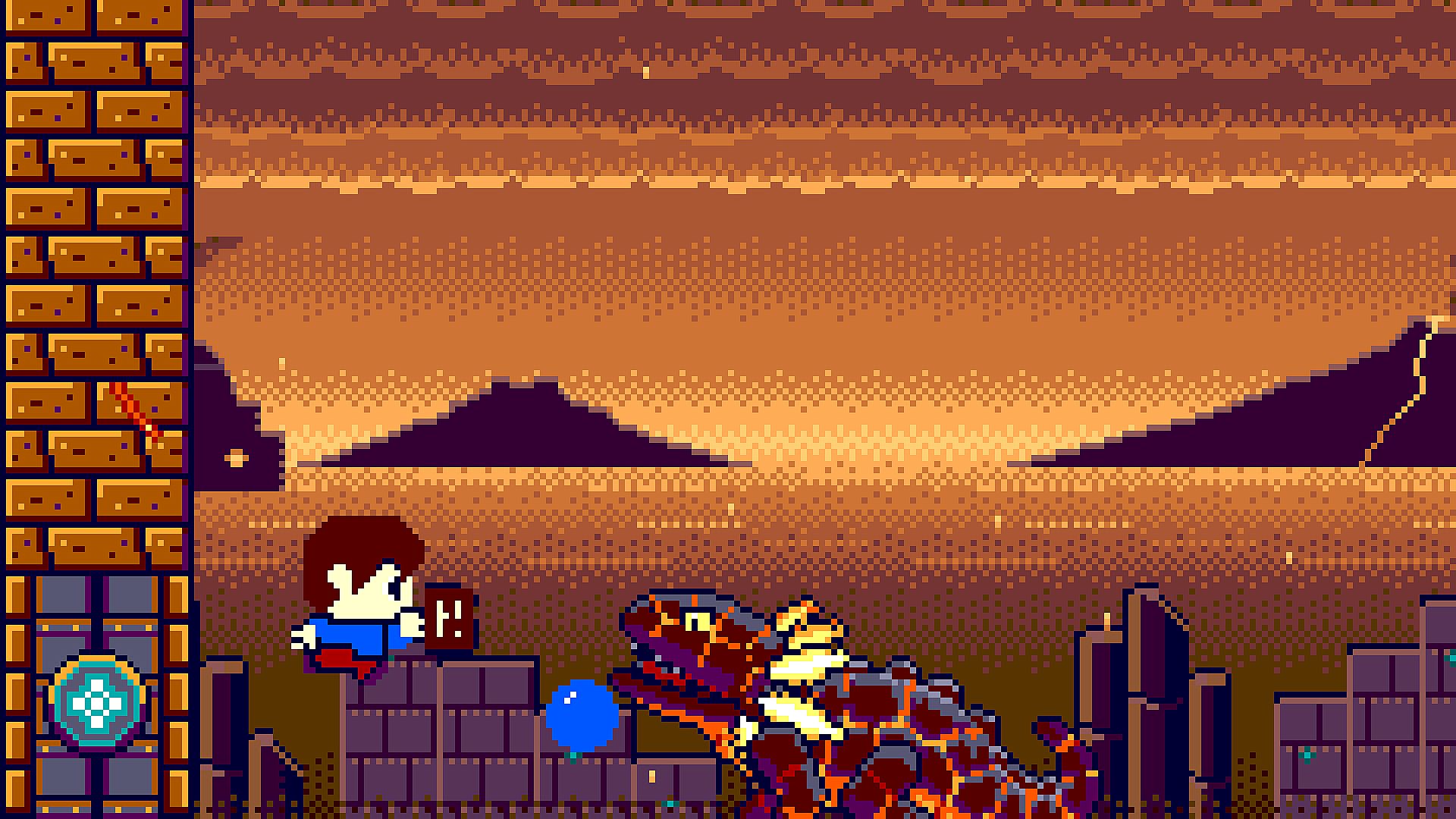
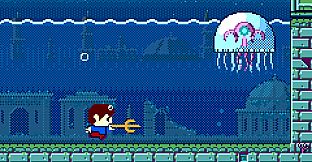
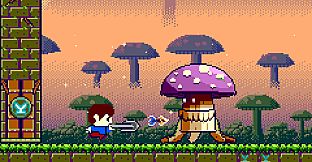
Core movement focuses on running, jumping, and using environment-specific tools to progress. Each of the six galaxies grants one unique weapon that serves dual purposes in combat and traversal. The sword slices through vines, the whip cracks open paths, the hammer smashes obstacles, the trident clears coral, the crossbow targets distant switches, and the book manipulates magma flows. These tools also allow players to deflect incoming projectiles back at enemies when timed correctly.
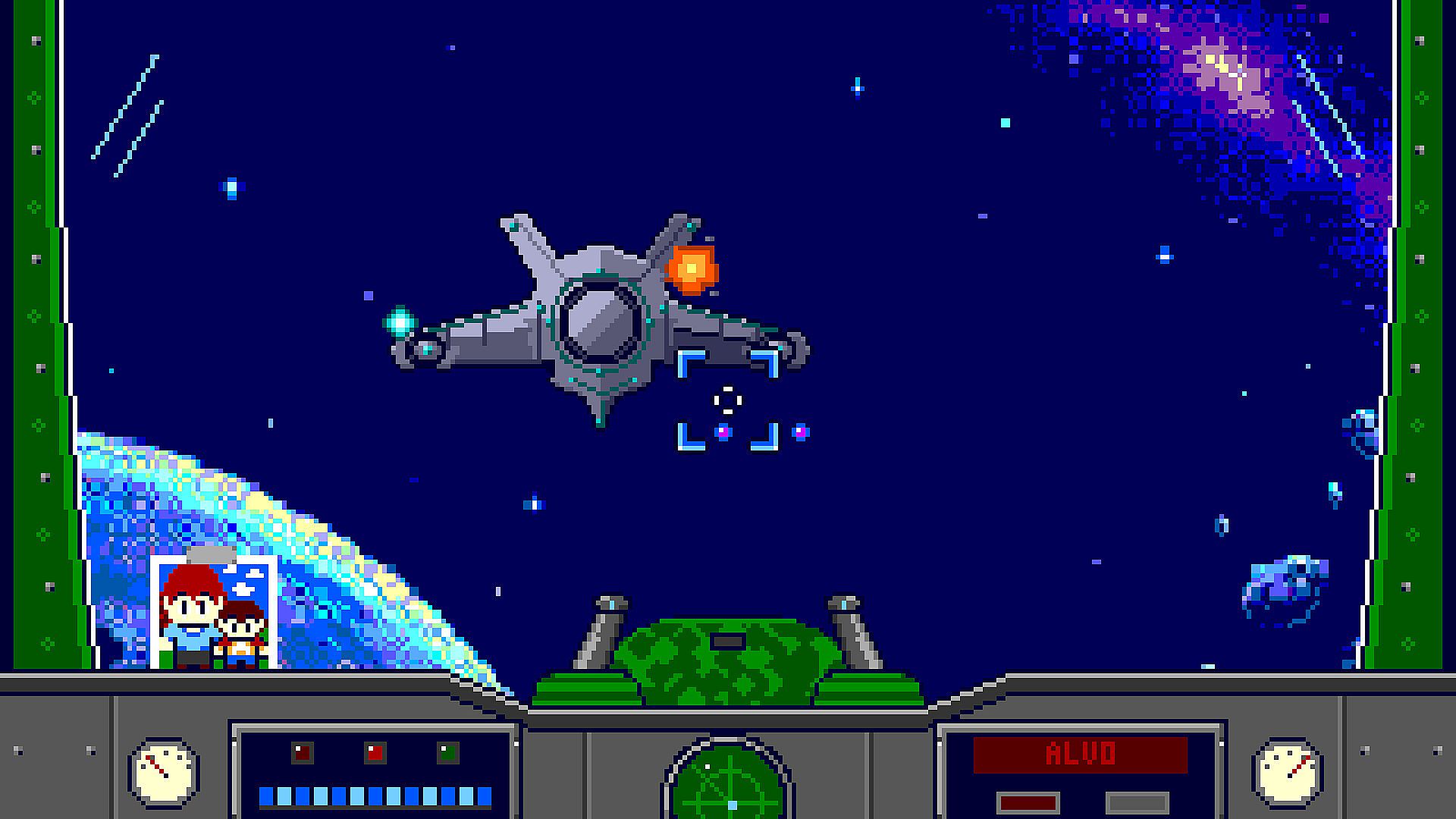
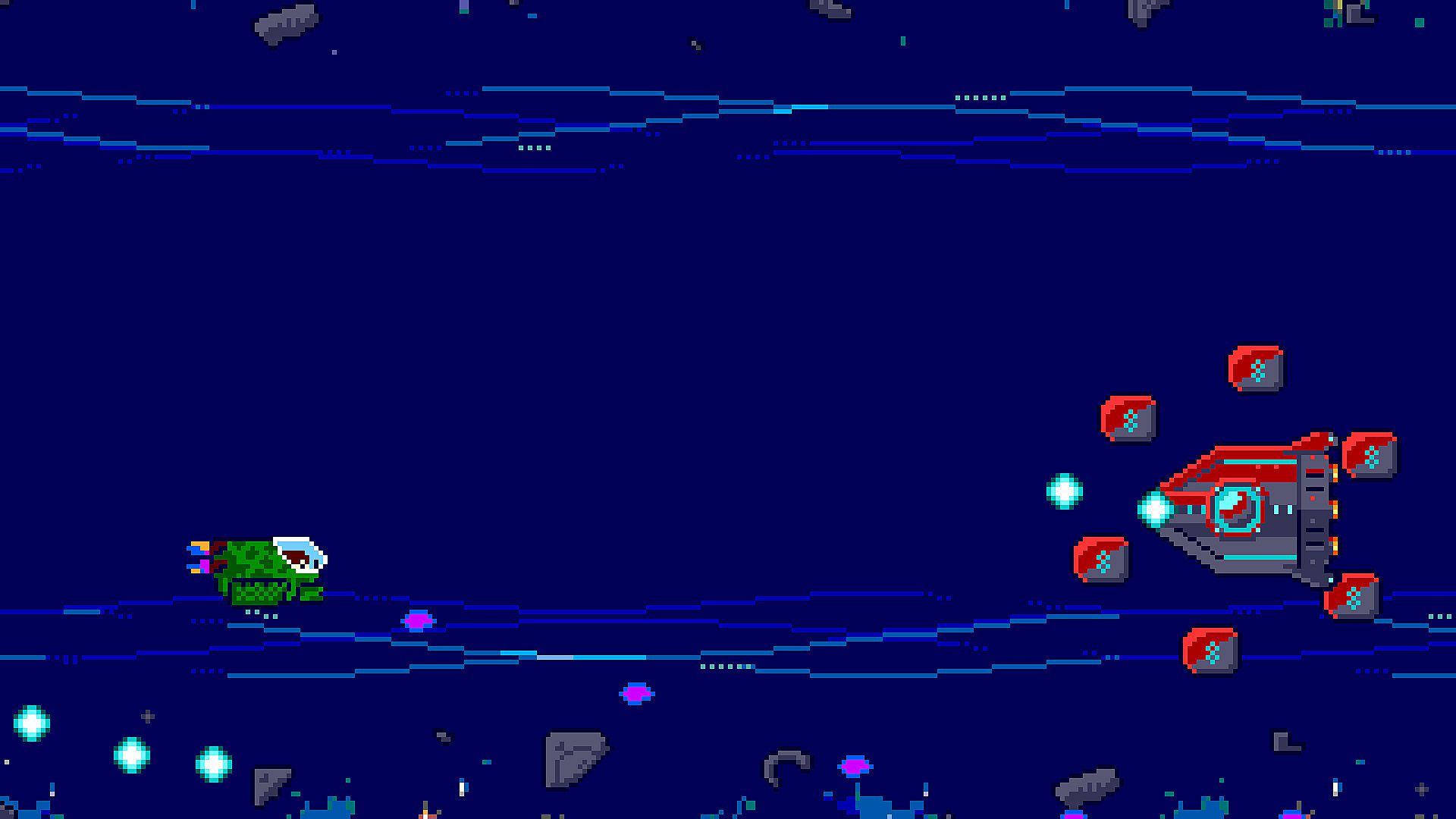
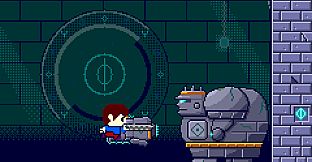
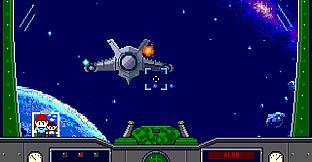
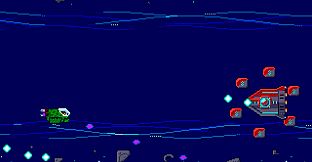
Exploration rewards careful observation because relics rarely sit on the direct route. Hidden alcoves, vertical climbs, and underground passages require backtracking or creative use of the current weapon. On-foot sections end with a boss encounter that demands pattern recognition rather than raw speed. Between galaxies, players pilot a ship through seven horizontal shoot 'em up stages, managing missiles and shields while fending off squadrons. Each route concludes with a first-person cockpit duel against a larger guardian vessel.
Additional mechanics include swimming through flooded ruins and crossing rivers of magma with cracking bridges and geysers. The game autosaves after every sector and supports three save slots plus password-based access to a free-play option for revisiting completed areas.
Game Modes
The experience centers on a linear campaign that alternates between platforming sectors and ship-based shooting sequences. Free Play, unlocked through passwords, lets players select any previously cleared sector or route without story progression. No separate multiplayer or competitive modes exist; everything remains single-player focused with controller or keyboard support.
Visuals and Audio
Art appears in two styles on PC. The default high-resolution redraw preserves the original pixel-art intent while adding clarity on modern displays. Classic Mode restores the unaltered 16-bit look. An original soundtrack of forty-five FM-style tracks accompanies each galaxy with its own musical identity. Voice acting is recorded exclusively in Brazilian Portuguese, while English and Spanish subtitles handle all text.
Is It Worth Playing?
Players who enjoy deliberate 2D platformers with integrated weapon-based puzzles and occasional shooting segments will find a focused package here. The structure of fifty distinct boss fights and varied biomes provides consistent variety without overwhelming length. Because the title remains unreleased, no player reception data or post-launch updates are available yet. Those drawn to retro-inspired action-adventure games with a personal story framing may appreciate the combination of exploration, combat patterns, and family-driven narrative beats once it launches.











