





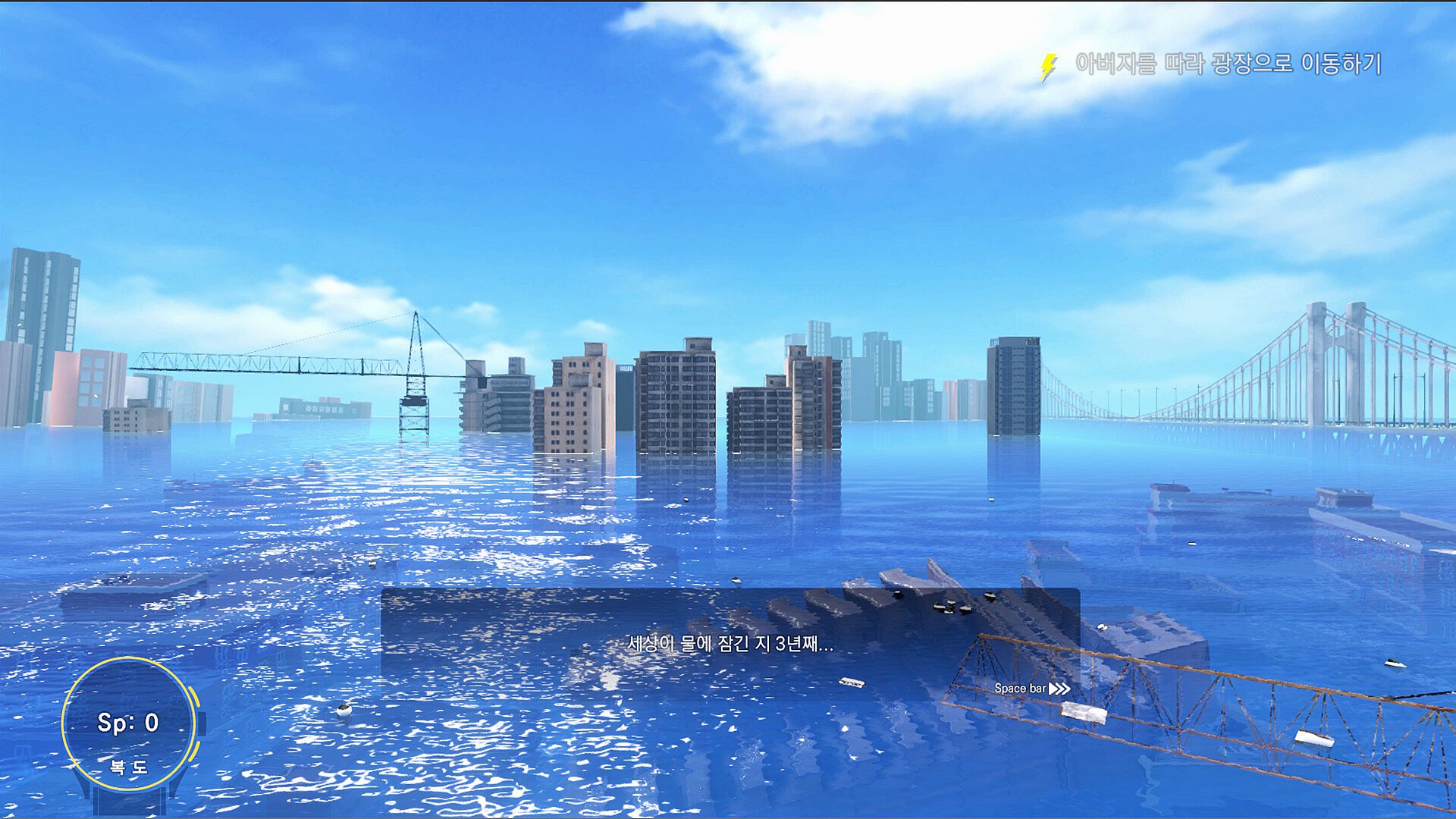
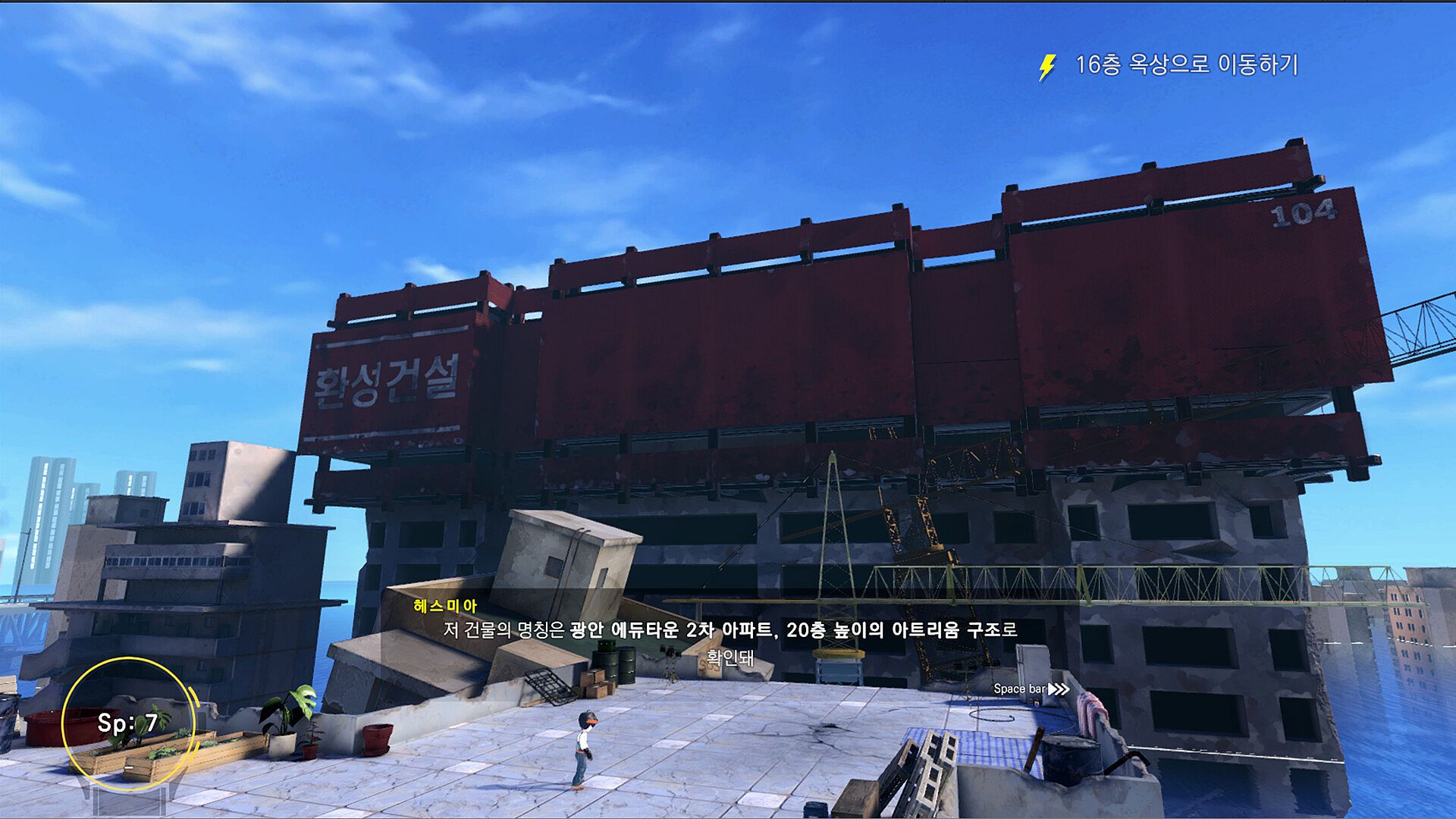
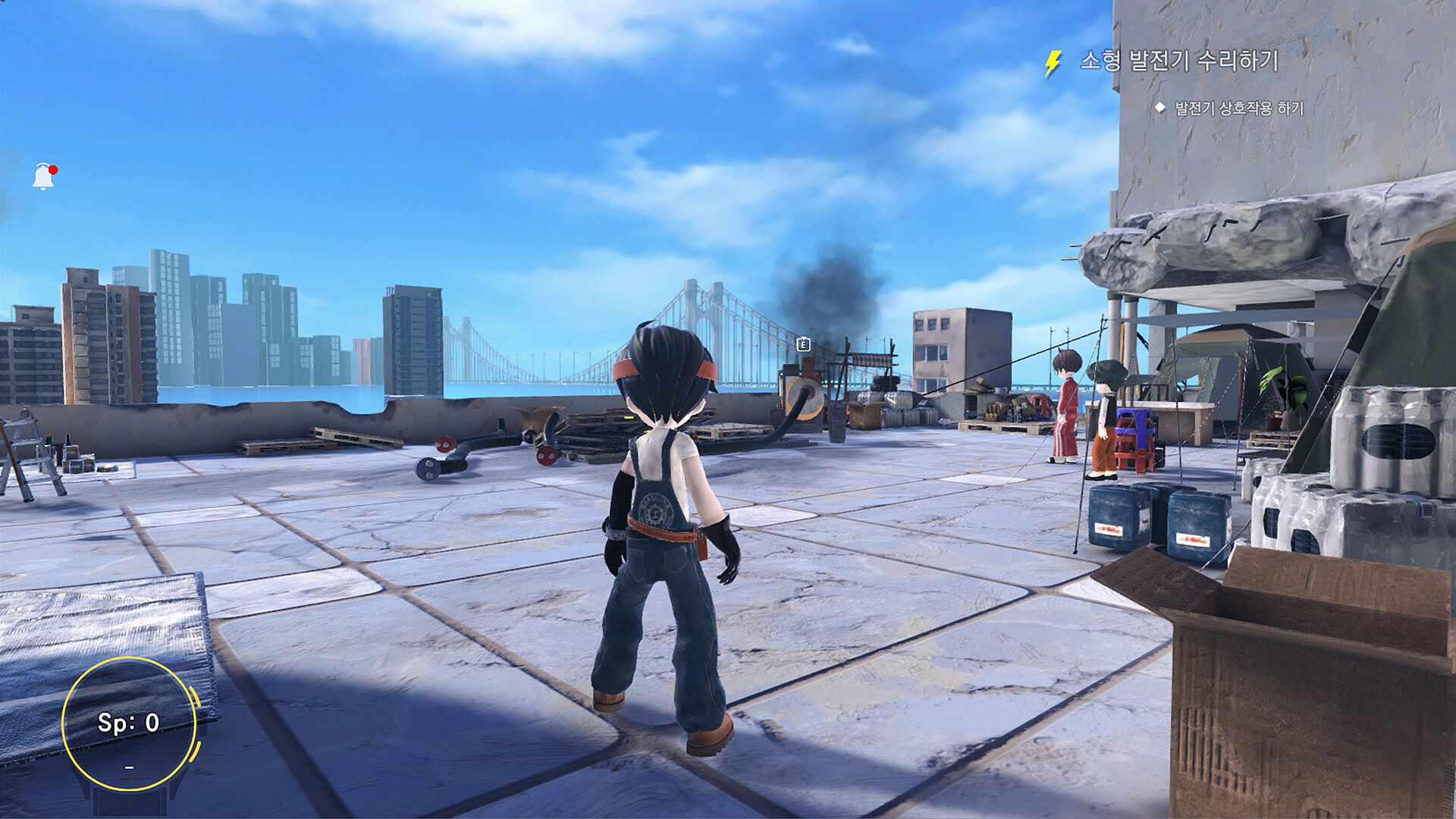
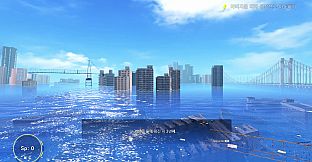
The Conduit is a third-person narrative adventure game set on PC in a version of Busan, South Korea, that has been submerged by a massive tsunami. Players take on the role of a survivor tasked with maintaining an apartment building's electrical systems while exploring ruined structures and piecing together the events that led to the disaster.
Gameplay
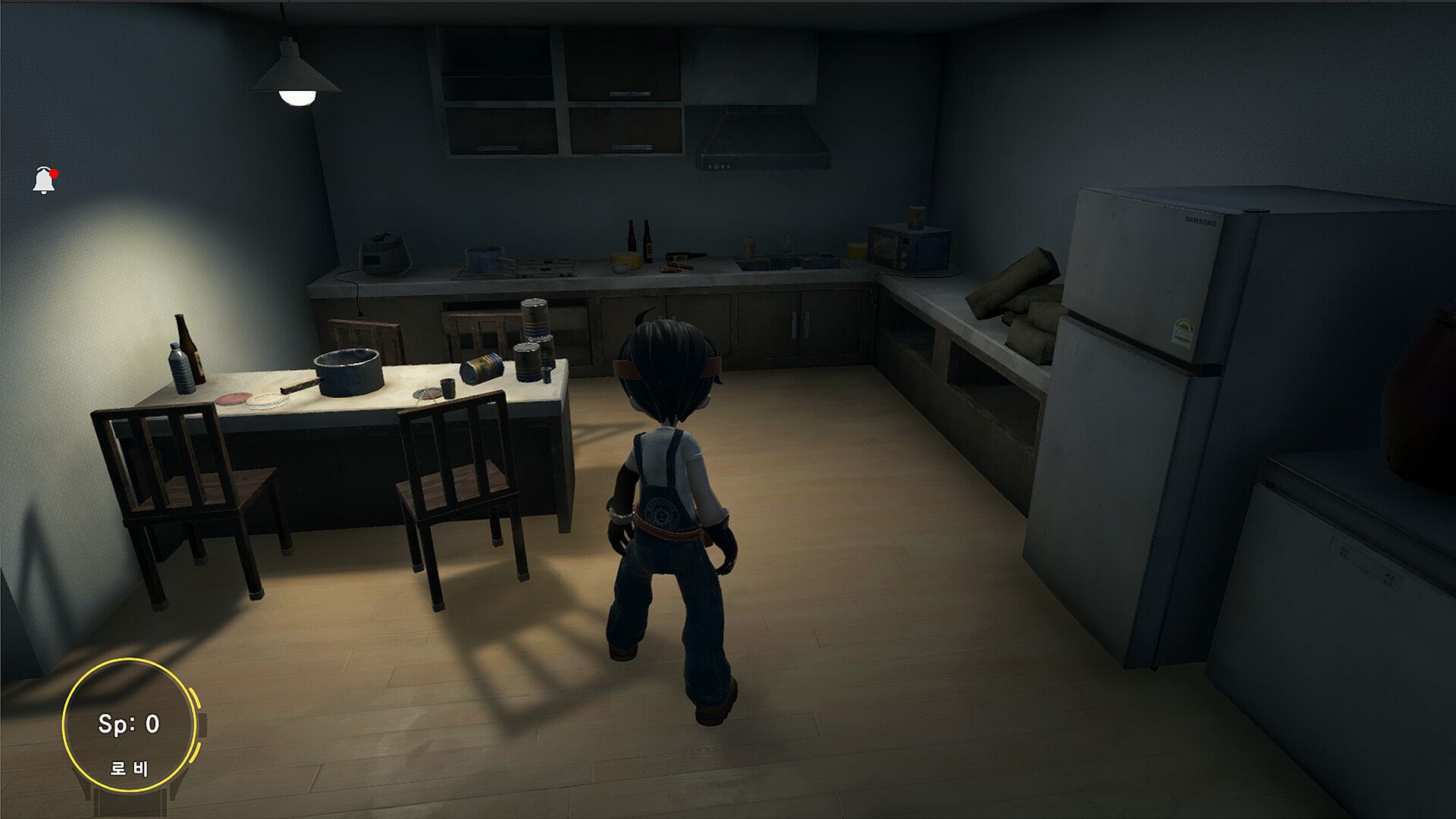
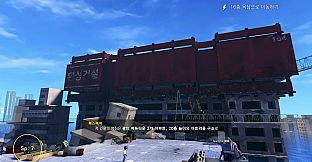
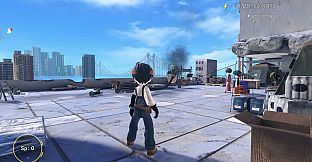
Core gameplay revolves around exploration and environmental interaction in a flooded urban landscape. The player navigates submerged skyscrapers and collapsed buildings using a cable with limited reach to restore power to dormant facilities. This action opens new paths by connecting points across gaps or structures, allowing progress through the vertical cityscape. Movement involves running, jumping, and climbing across rooftops and interiors above the endless sea, where survivors have established routines in high-rise buildings.
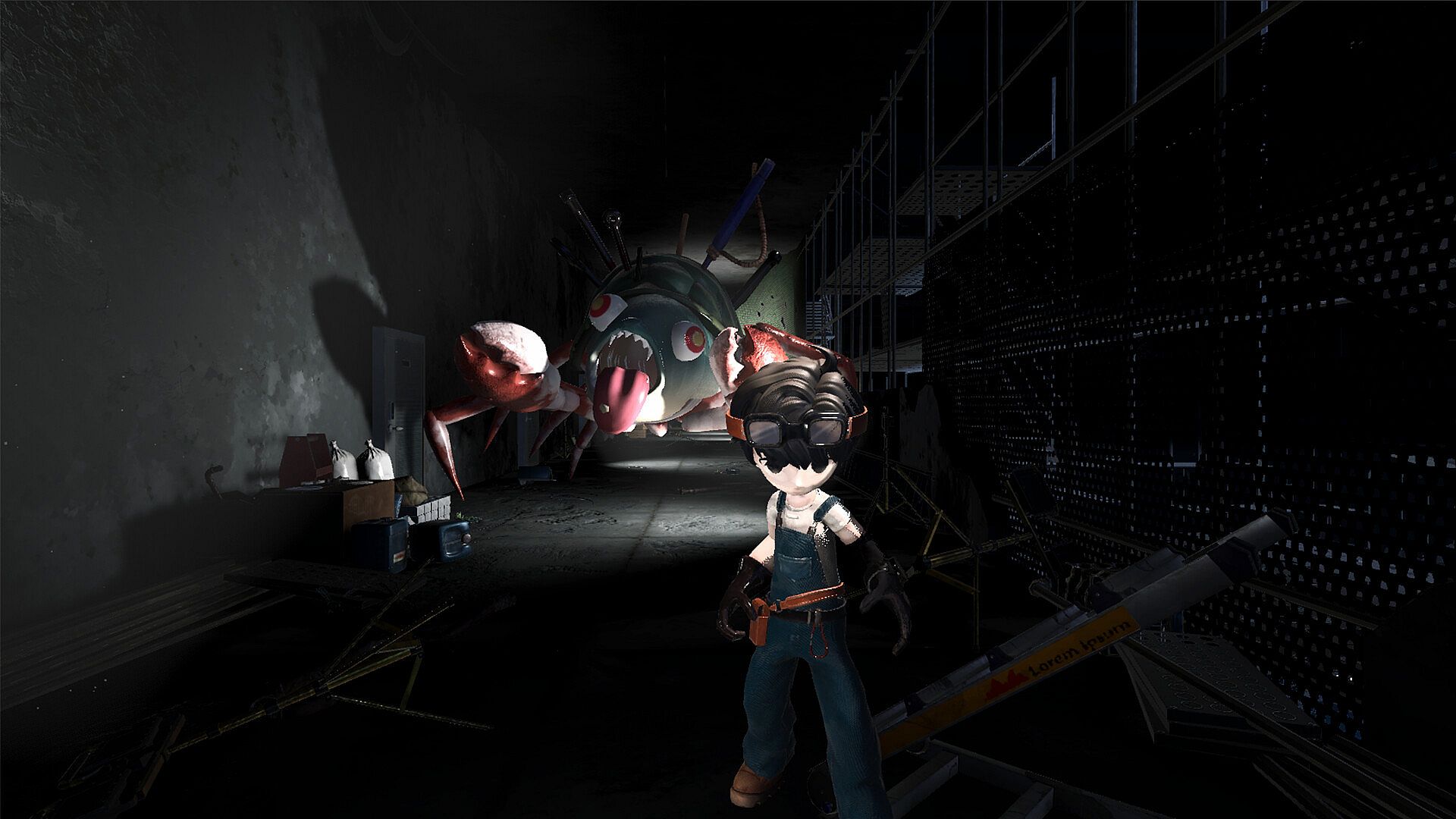
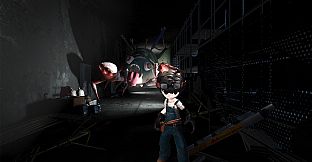
Puzzles emphasize careful observation of surroundings to find viable cable routes that bridge distances and activate mechanisms. The limited cable length requires strategic planning, turning simple power restoration into a process of scouting and positioning. Encounters with obstacles and threats in the ruins add tension to traversal, while records and traces left by others reveal personal stories of those adapting to the changed environment.
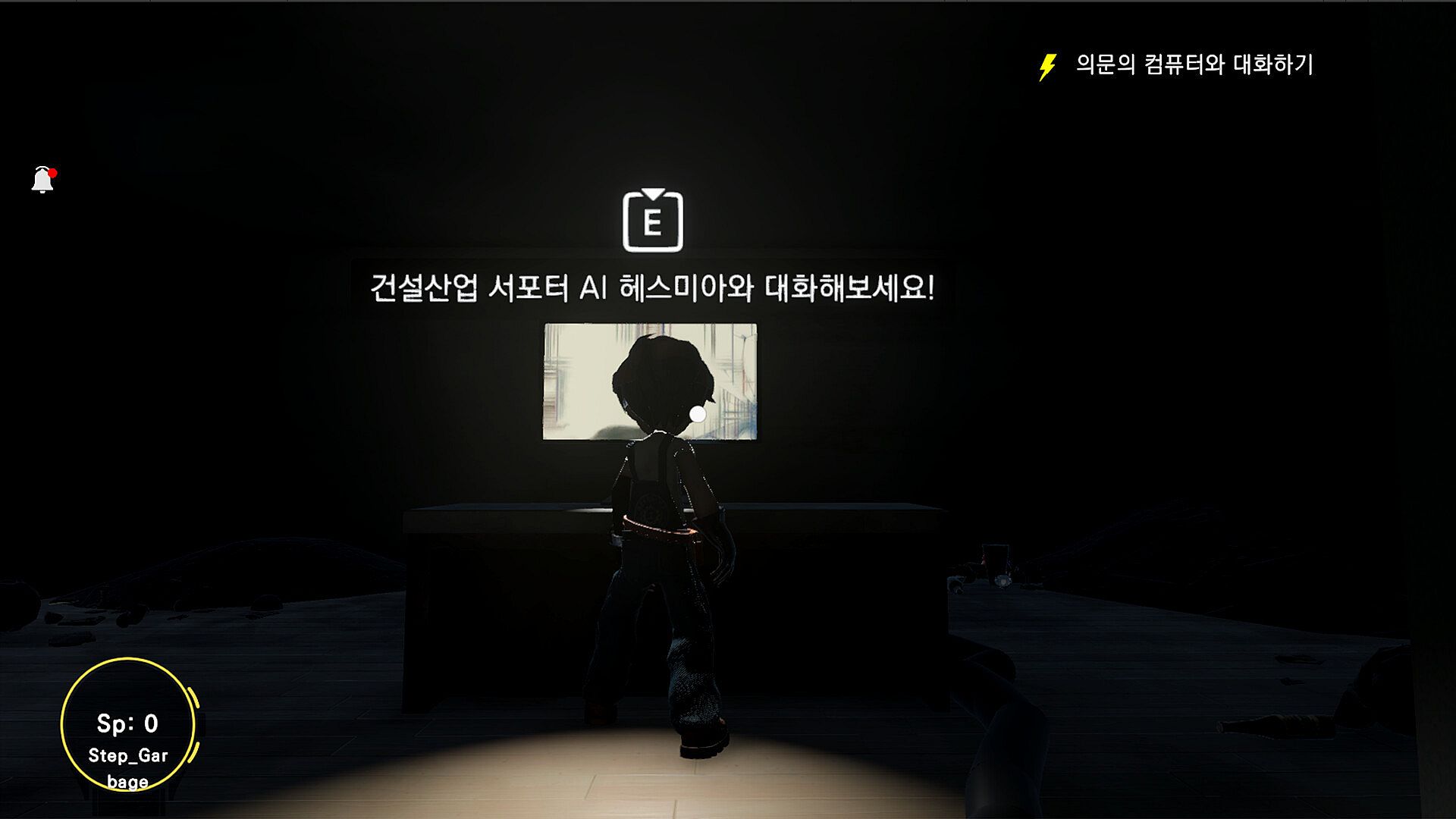
A mysterious artificial intelligence named Hesmia appears during the journey, presenting questions about the disaster's origins and the lack of external rescue efforts. These interactions tie into the narrative, prompting reflection on whether the flooding was inevitable and what forces may be at play beneath the surface.
Game Modes
The Conduit is structured as a single-player experience focused on sequential exploration and story progression. There are no separate competitive or cooperative modes, with all activity centered on the main campaign through the flooded city. Progression builds through connected areas unlocked by cable use and power restoration, leading to encounters with survivors and revelations about the disaster.
Story and Setting
The narrative unfolds in a transformed Busan where blue skies and calm waters contrast with the dangers of collapsed infrastructure and unknown threats. Players meet fellow survivors who have adapted their lives within the remaining skyscrapers, learning about their routines through scattered records and environmental details. The setting highlights both the beauty of the flooded skyline and the isolation of those left behind.
Central to the story is the question of the disaster's cause and the absence of outside help. Hesmia challenges assumptions about the event, gradually surfacing secrets as the player connects facilities and traverses the ruins. This creates a loop of exploration that advances both movement options and understanding of the world's events.
Key Features
- Cable-based environmental puzzles that rely on limited reach and surrounding architecture to restore power and create pathways.
- Exploration of a flooded city with vertical navigation across skyscrapers and ruined interiors.
- Discovery of survivor stories through records and traces in the environment.
- Narrative elements involving an artificial intelligence that questions the disaster's background.
Is It Worth Playing?
The Conduit suits players who enjoy deliberate, puzzle-driven exploration in a narrative-focused adventure. Its emphasis on cable mechanics and vertical traversal offers a distinct way to engage with a post-disaster setting, while the story elements provide context through environmental storytelling rather than direct exposition. As an indie title developed by students at Dongseo University, it delivers a contained experience centered on uncovering truths in the submerged city. Those interested in thoughtful single-player adventures with mechanics tied directly to progression will find its approach rewarding, particularly if they appreciate careful observation and incremental pathfinding over fast-paced action.












