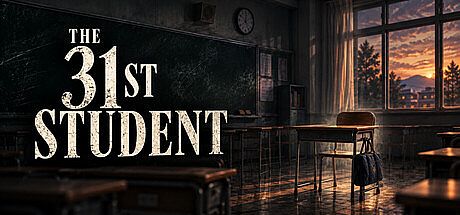


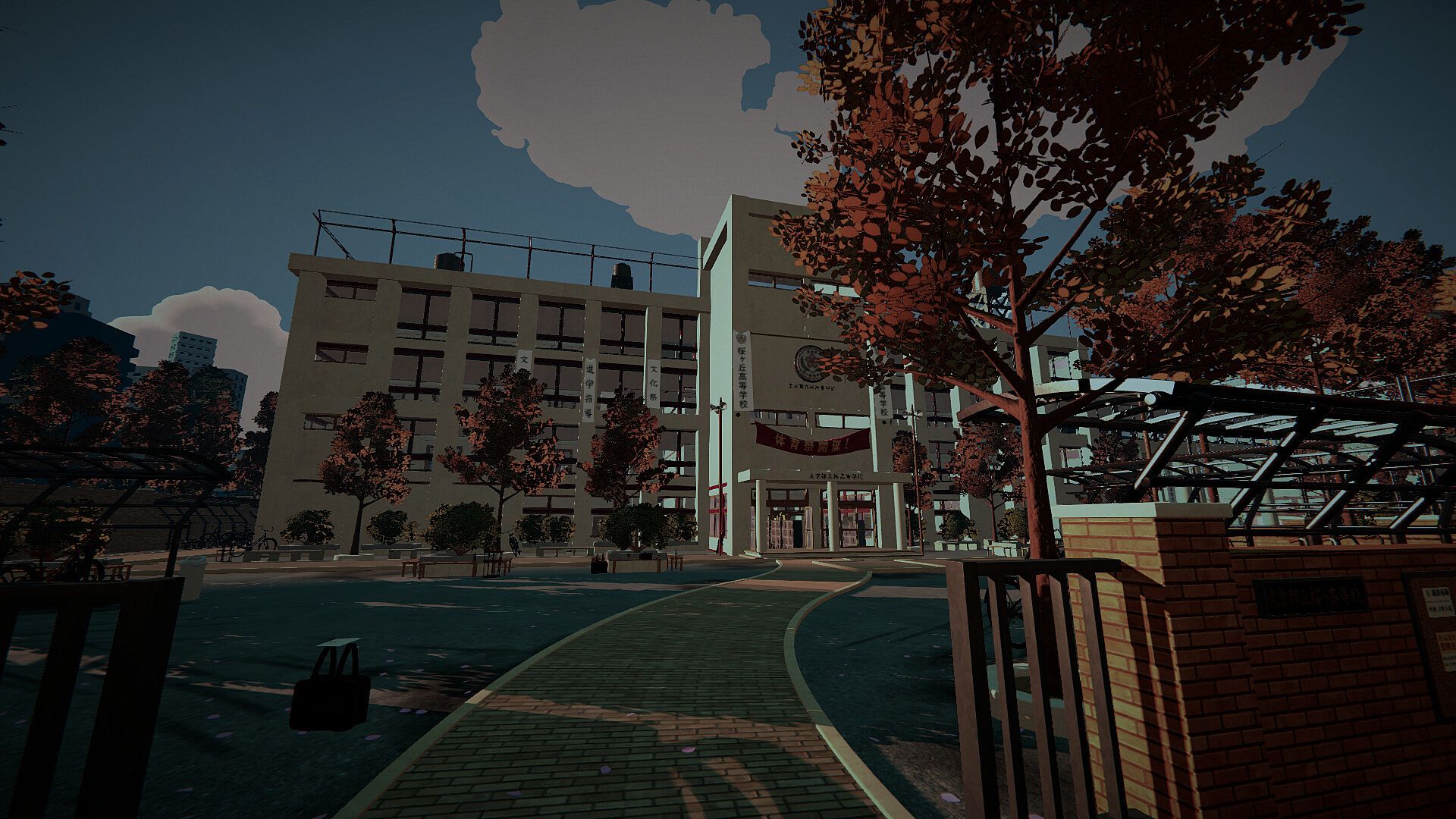
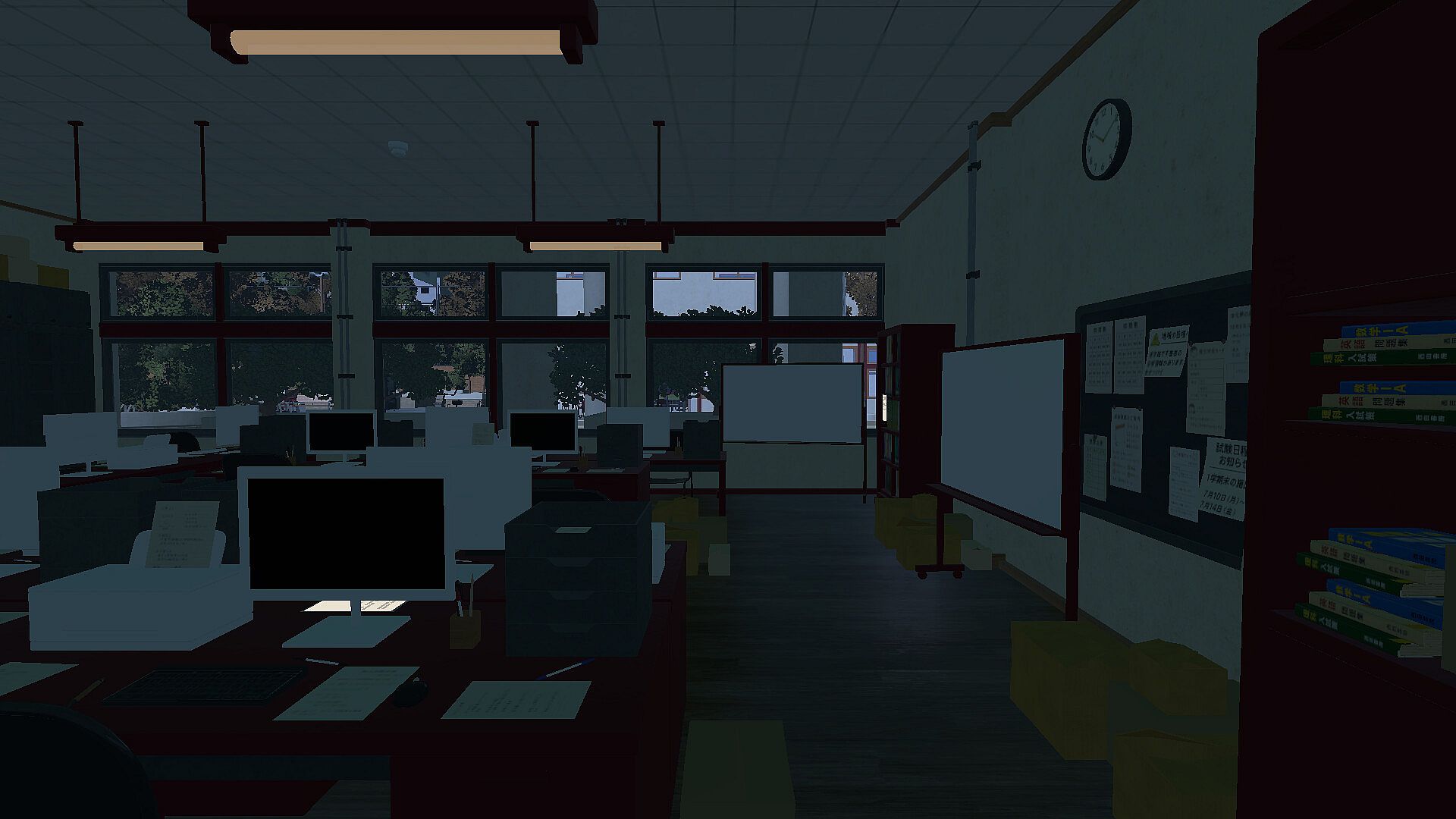
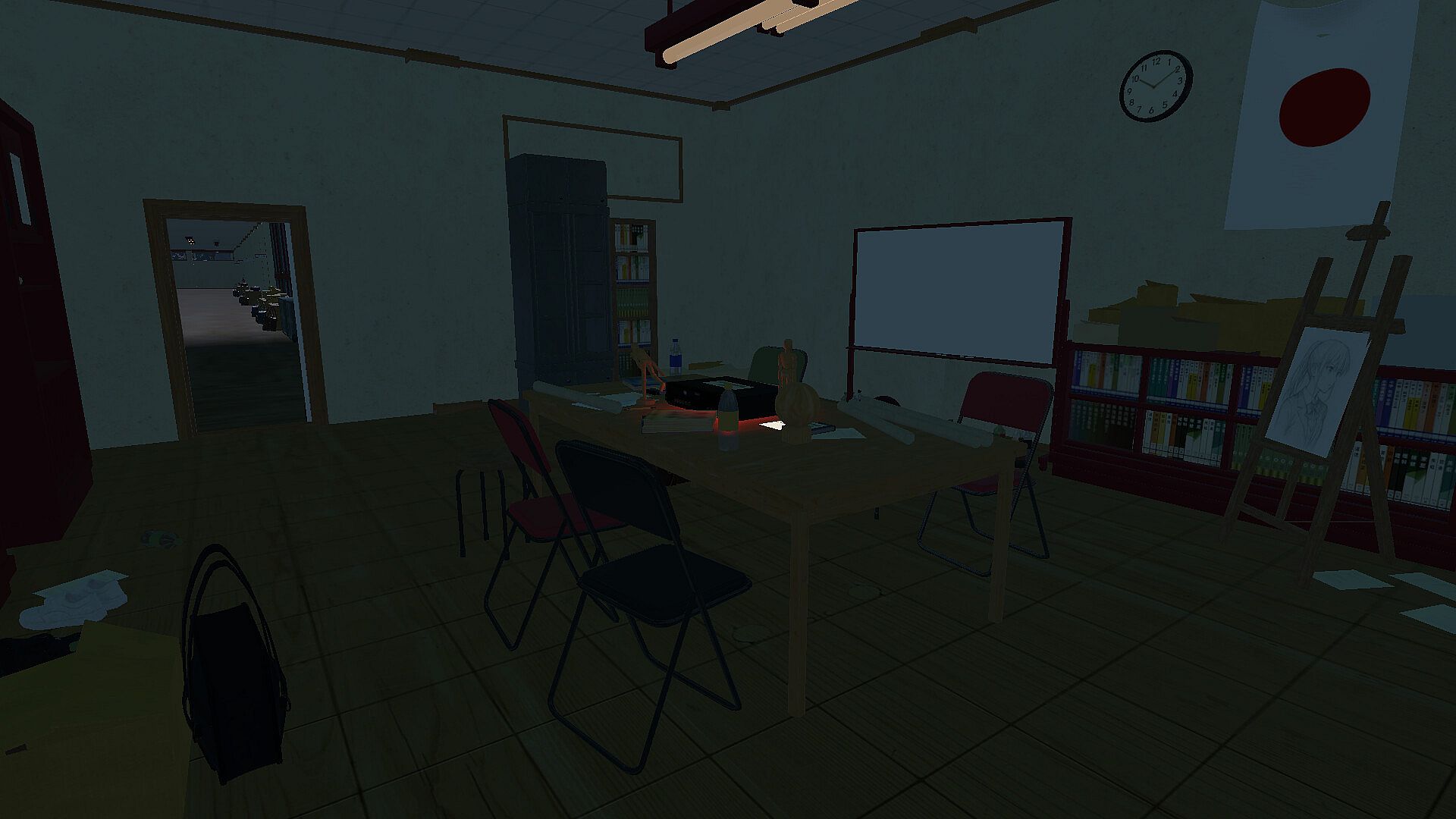
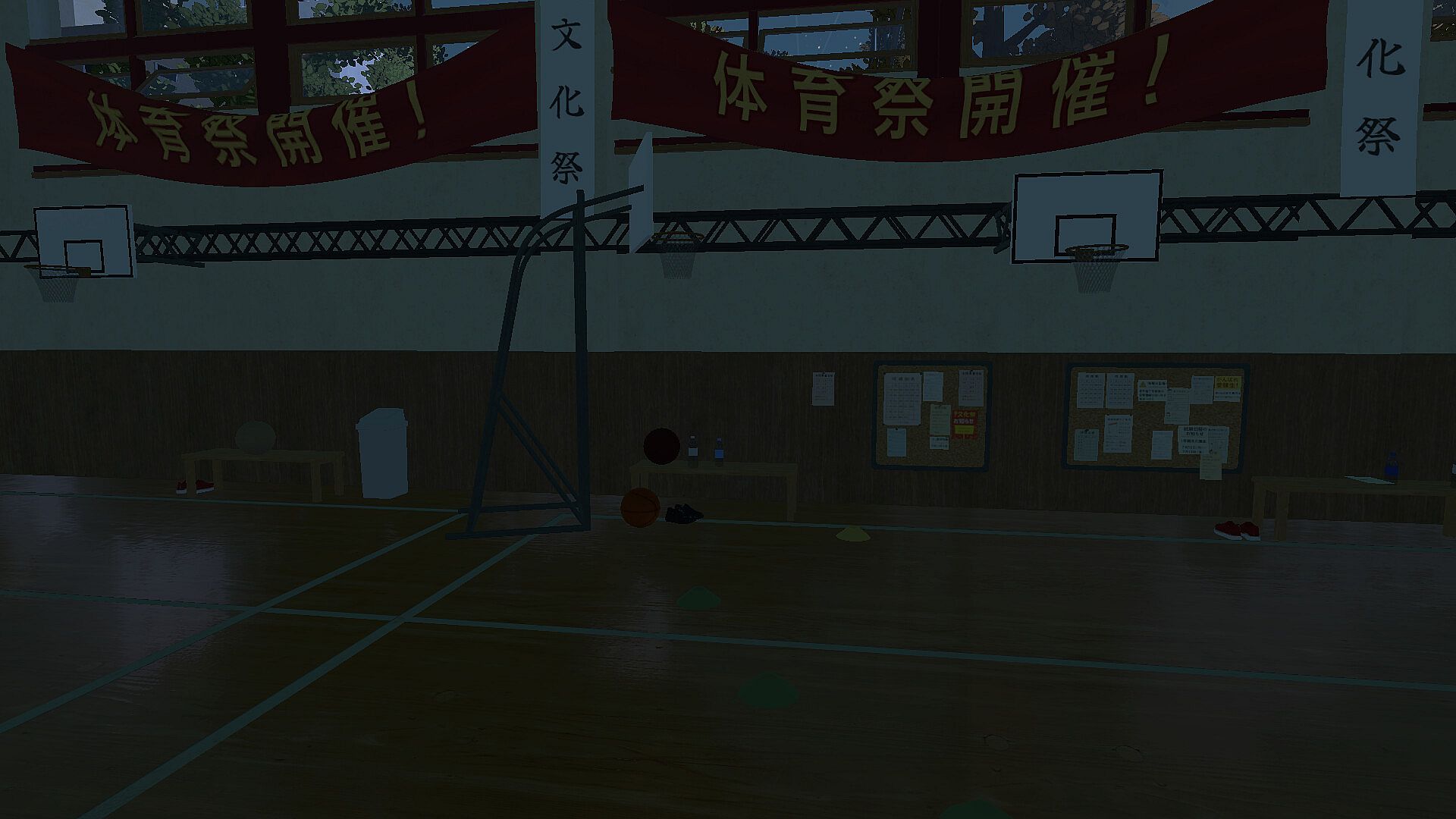
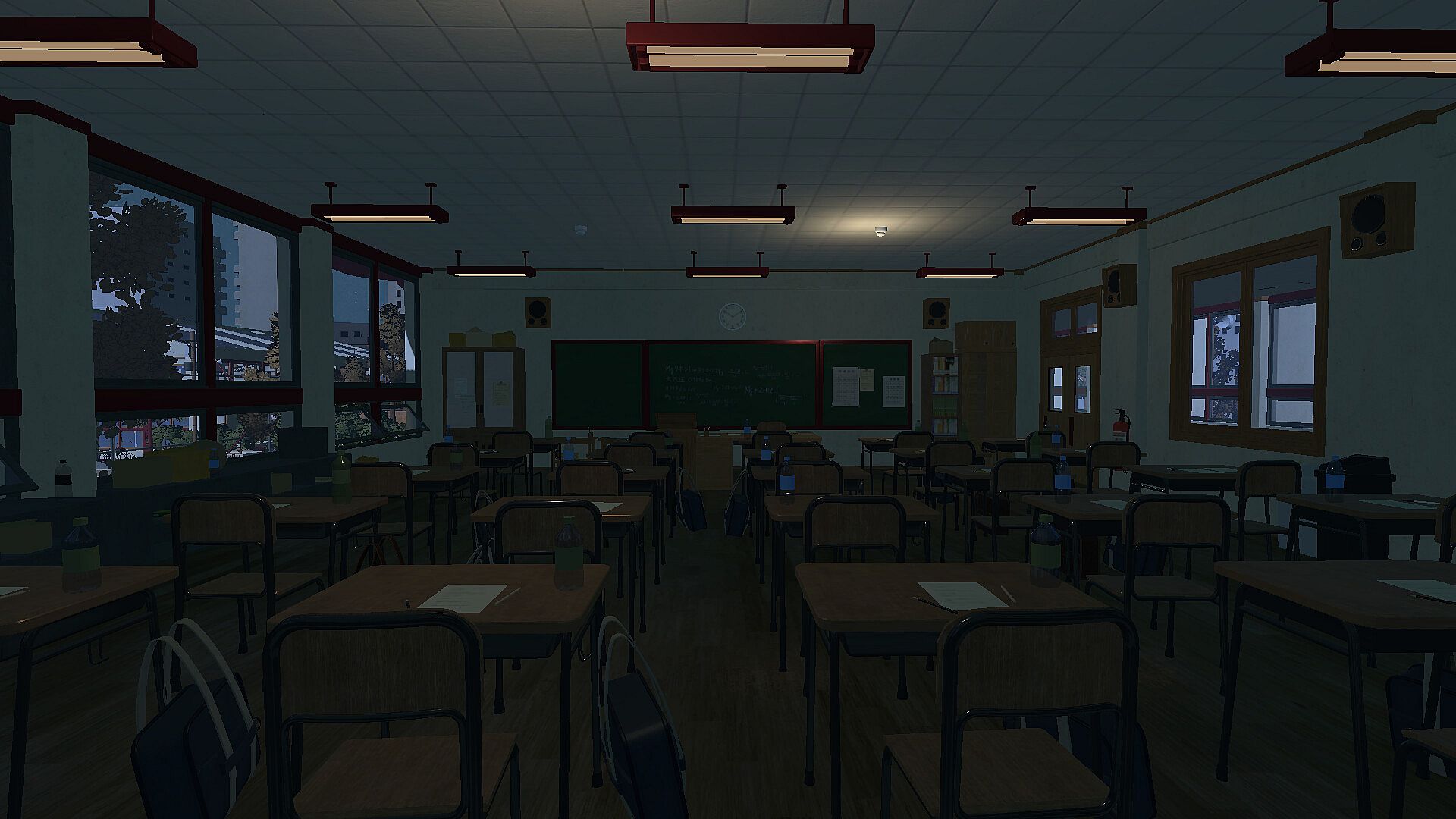
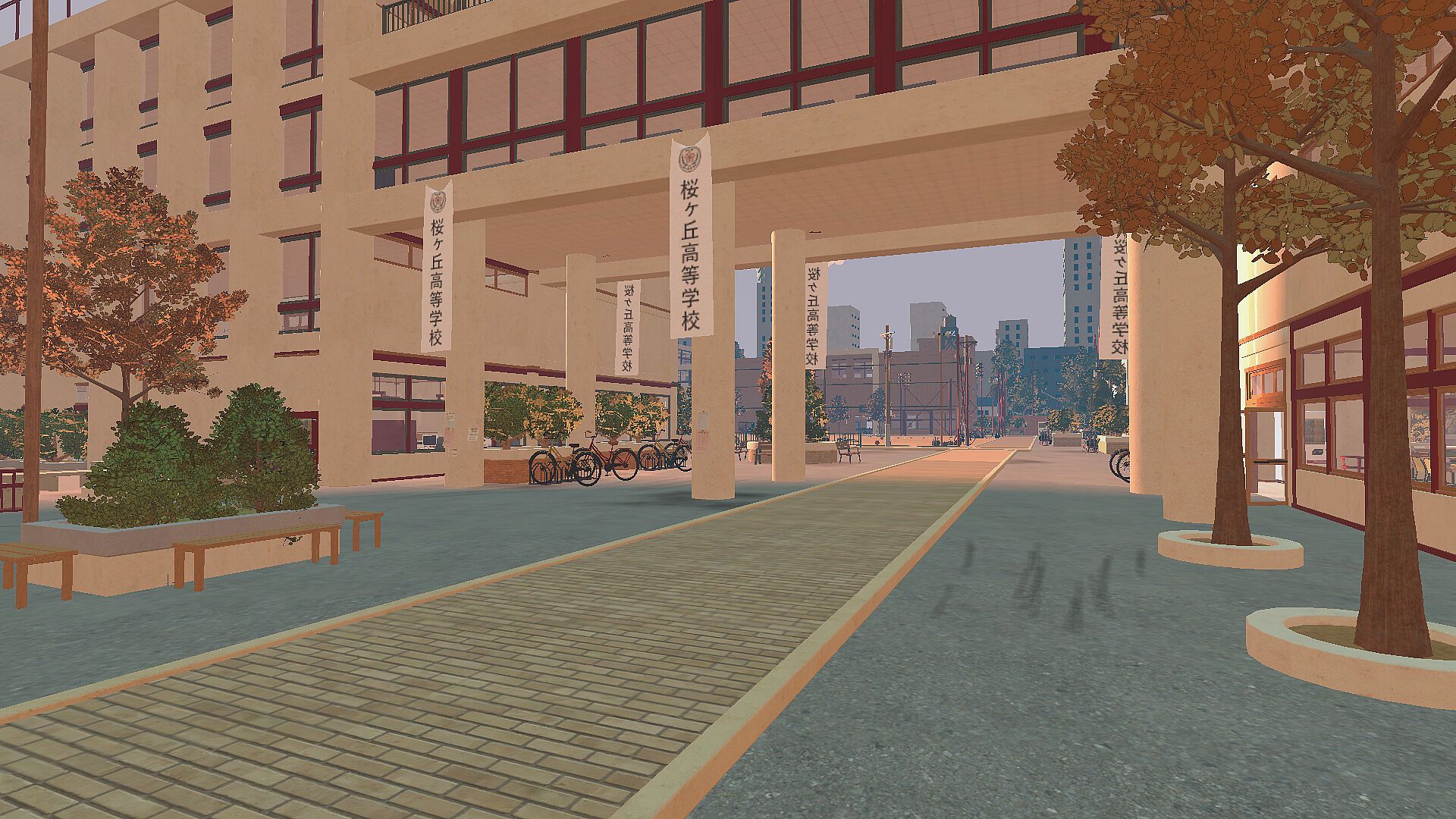
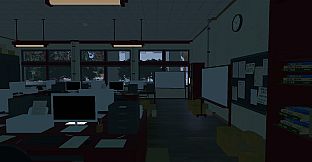
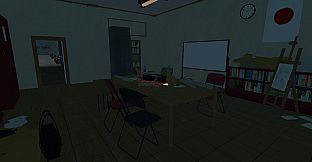

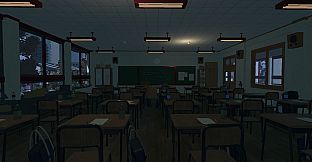
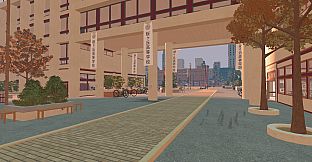
The 31st Student is a first-person psychological horror adventure game set in a deserted Japanese high school. Players return to digitize cultural festival archives and uncover traces of a missing student through contradictory records and personal artifacts. The experience centers on investigation and discovery rather than action, with an emphasis on atmosphere, unreliable memory, and the lingering effects of exclusion.
Gameplay
Core gameplay revolves around exploring a semi-open school environment where leads can be followed in varying orders. Players examine documents, photographs, and audio recordings that often conflict with one another, revealing details about a student named Aoi Mizushima. Puzzles draw directly from the school's history and require careful observation of inconsistencies in attendance registers, class photos, and preserved recordings.
The school itself evolves as dusk turns to night. Lighting shifts, weather effects appear, ambient sounds change, and subtle disturbances occur such as a chair moving when unobserved or footsteps that continue after the player stops. These elements heighten tension during revisits to familiar areas. Optional evidence and encounters lie off the main path, encouraging thorough searches and multiple passes through connected spaces. Controls support keyboard and mouse or gamepad on desktop, with optional compatibility for OpenXR headsets and motion controllers in VR mode.
Game Modes
The game offers a single-player investigation experience without combat or traditional multiplayer elements. Progression follows a story-driven structure focused on evidence collection and puzzle solving, with freedom to approach leads in different sequences. Replaying sections allows access to optional content that can influence the outcome. Three distinct endings emerge based on the evidence preserved, the discoveries made, and the specific choices taken during the night.
Time and environmental changes create a dynamic backdrop that affects navigation and perception, turning routine exploration into an increasingly uncertain process. No separate difficulty modes or additional named variants are present; the emphasis remains on atmospheric progression and narrative branching through player decisions.
Story and Setting
The narrative unfolds through archival materials from a former high school cultural festival. Thirty names appear on class rolls, yet thirty-one desks stand in the classroom. A photograph of Class 2-3 carries a handwritten note that the player cannot recall writing: "This time, don't leave out the answer." An old recording captures a breath after the final name is called, while other records contradict the attendance list.
These elements point to a missing student whose presence was deliberately omitted. As more information surfaces about Aoi Mizushima, trust in both the physical evidence and the player's own memories erodes. The deserted corridors and classrooms serve as the primary setting, where past events continue to exert influence through altered documents and lingering traces.
Is It Worth Playing?
The 31st Student suits players who prefer deliberate, atmosphere-driven psychological horror centered on investigation and interpretation rather than combat or fast-paced action. Its semi-open structure and optional content reward careful exploration and repeated visits, while the three endings provide meaningful replay value tied to discovery and choice. The combination of document examination, environmental shifts, and narrative contradictions creates a focused experience for those drawn to stories about memory, exclusion, and bearing witness. Availability on PC with optional VR support broadens accessibility for different play styles.