

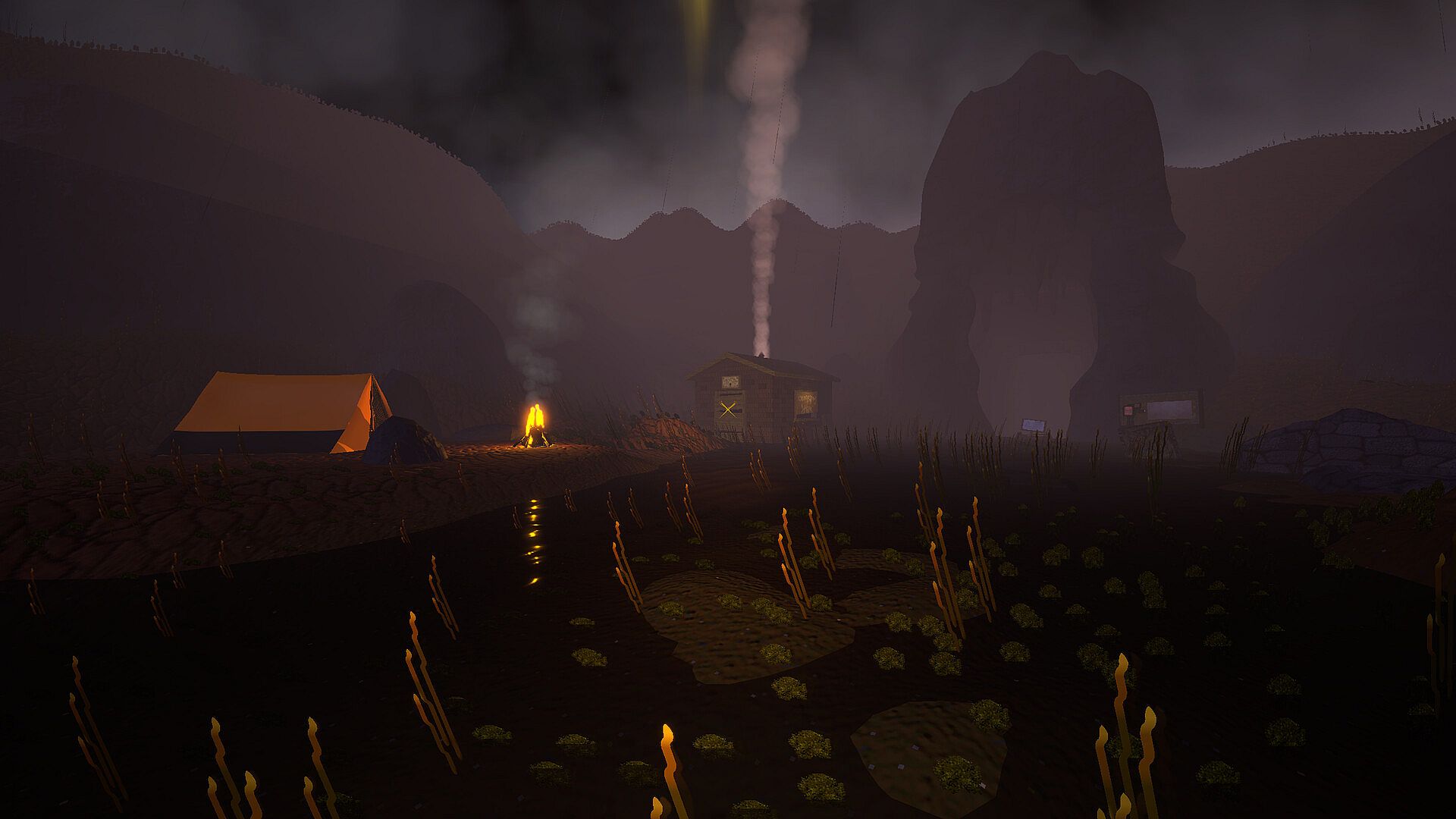
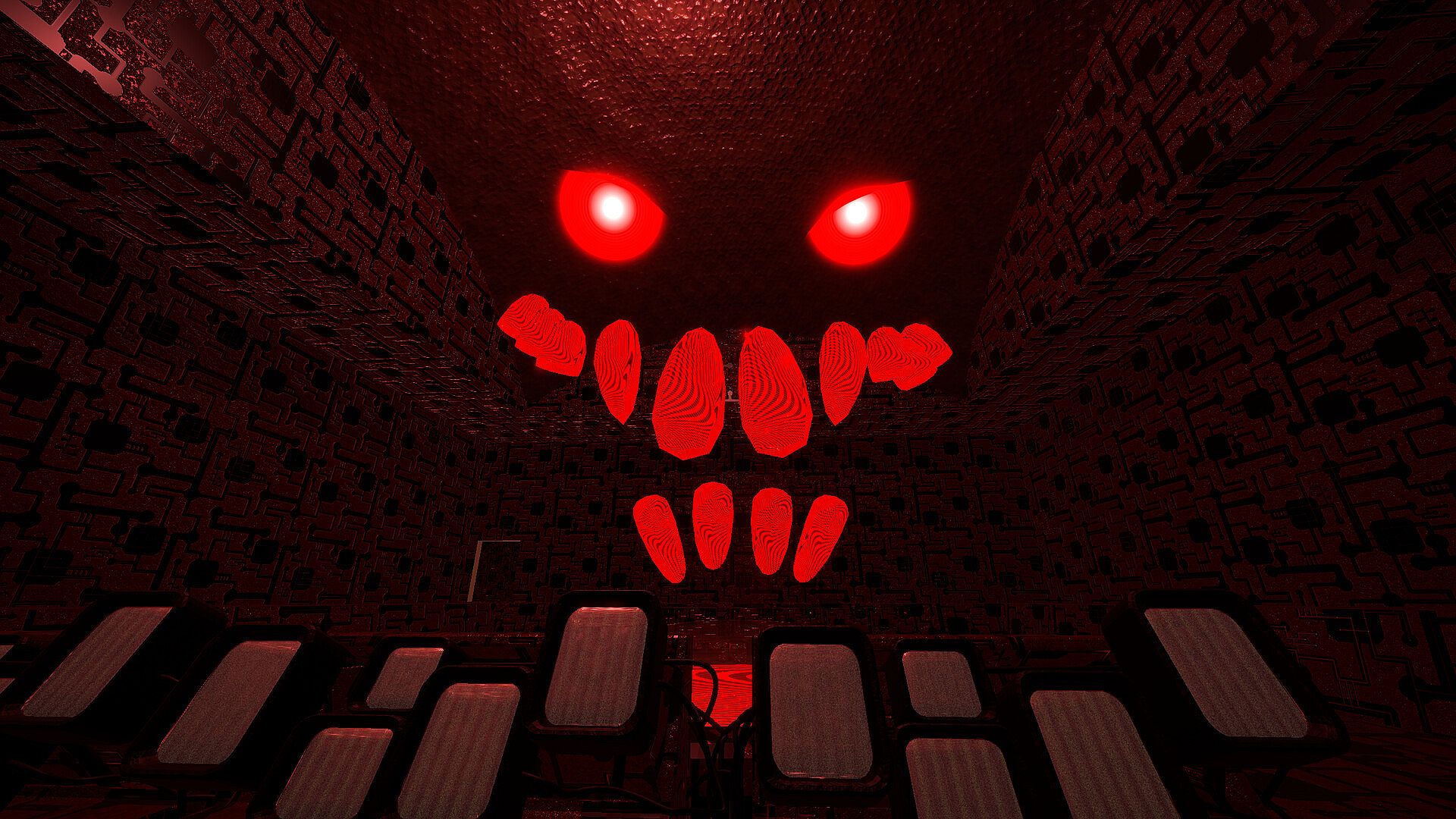
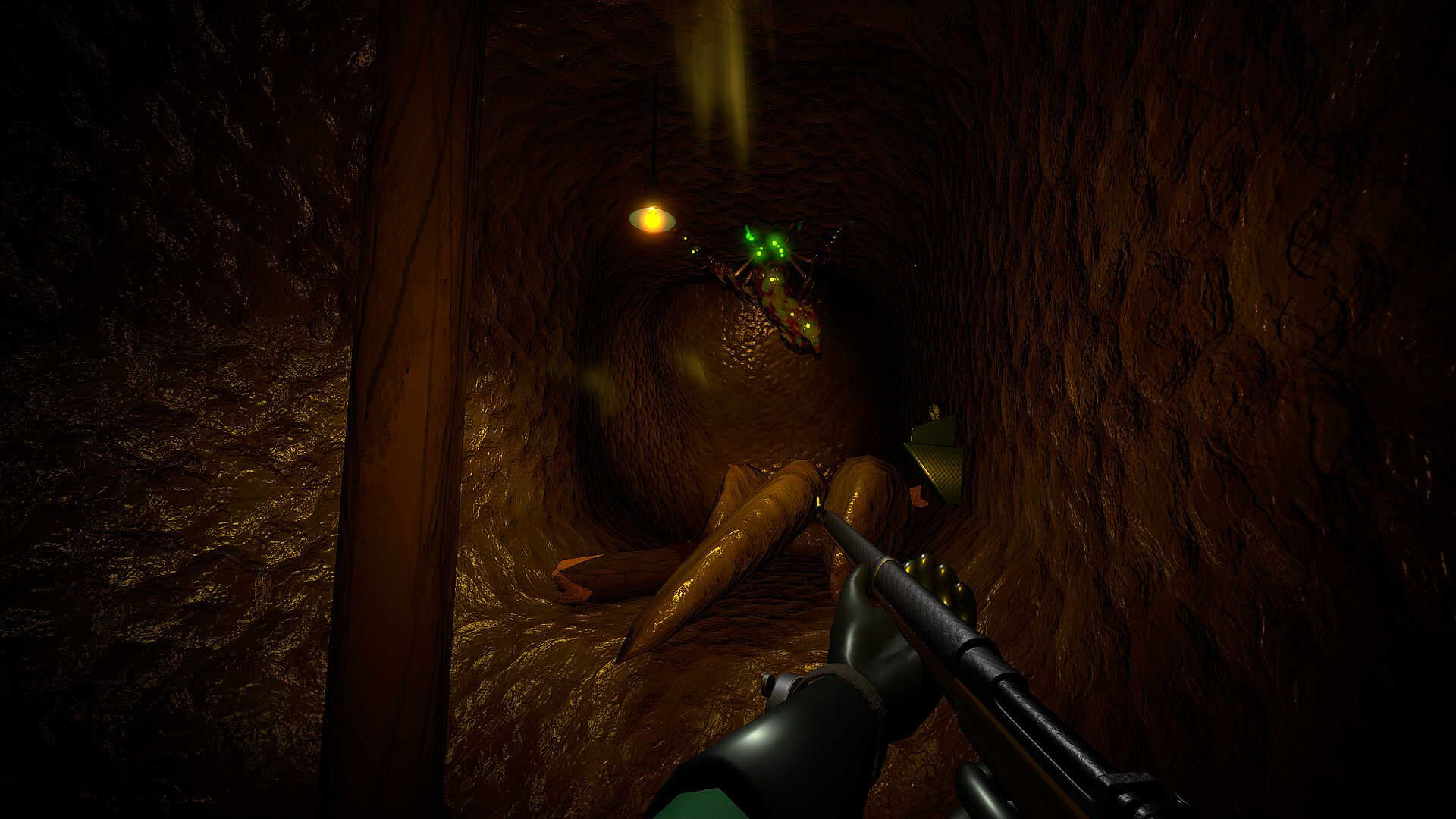
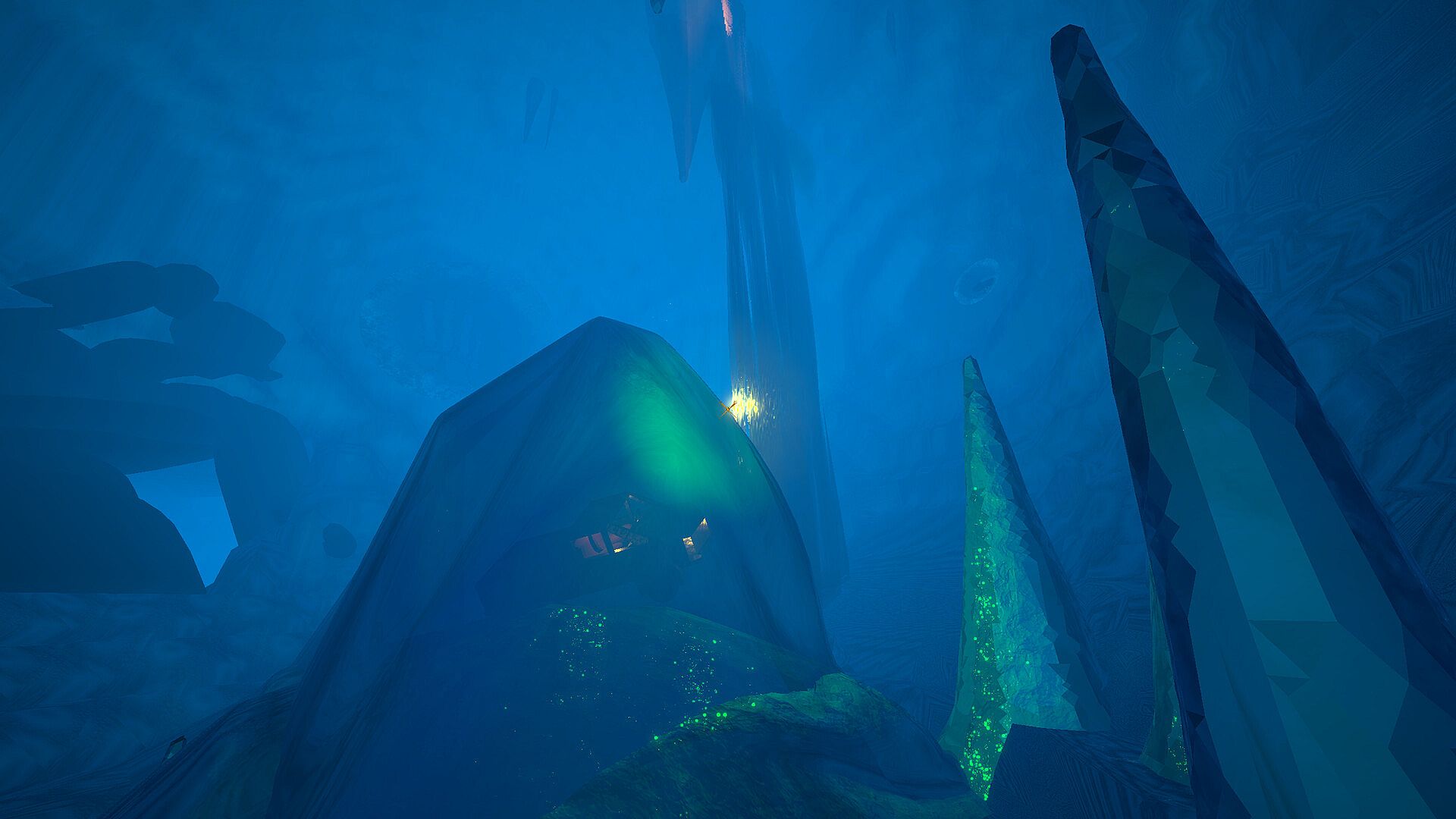
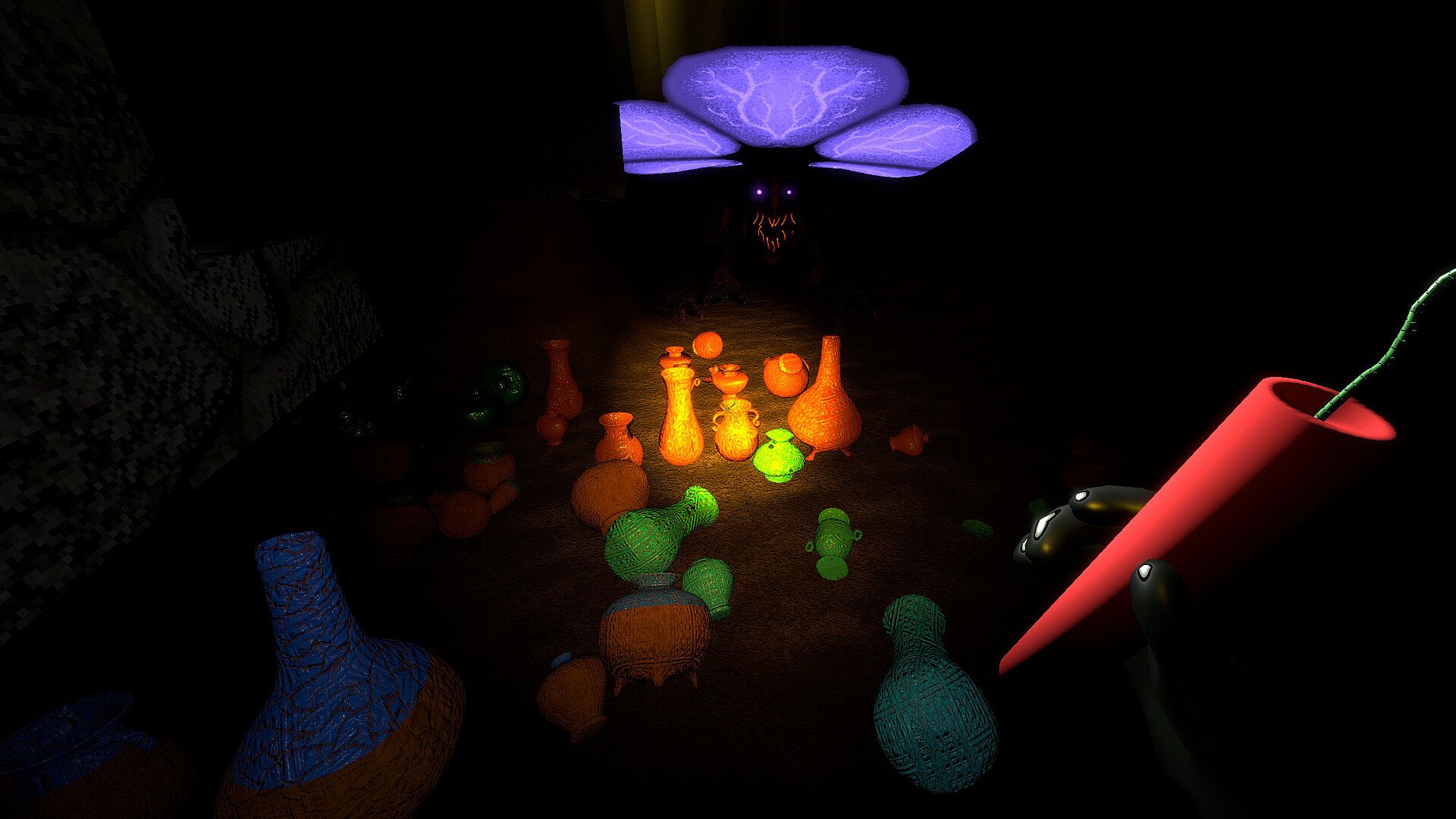
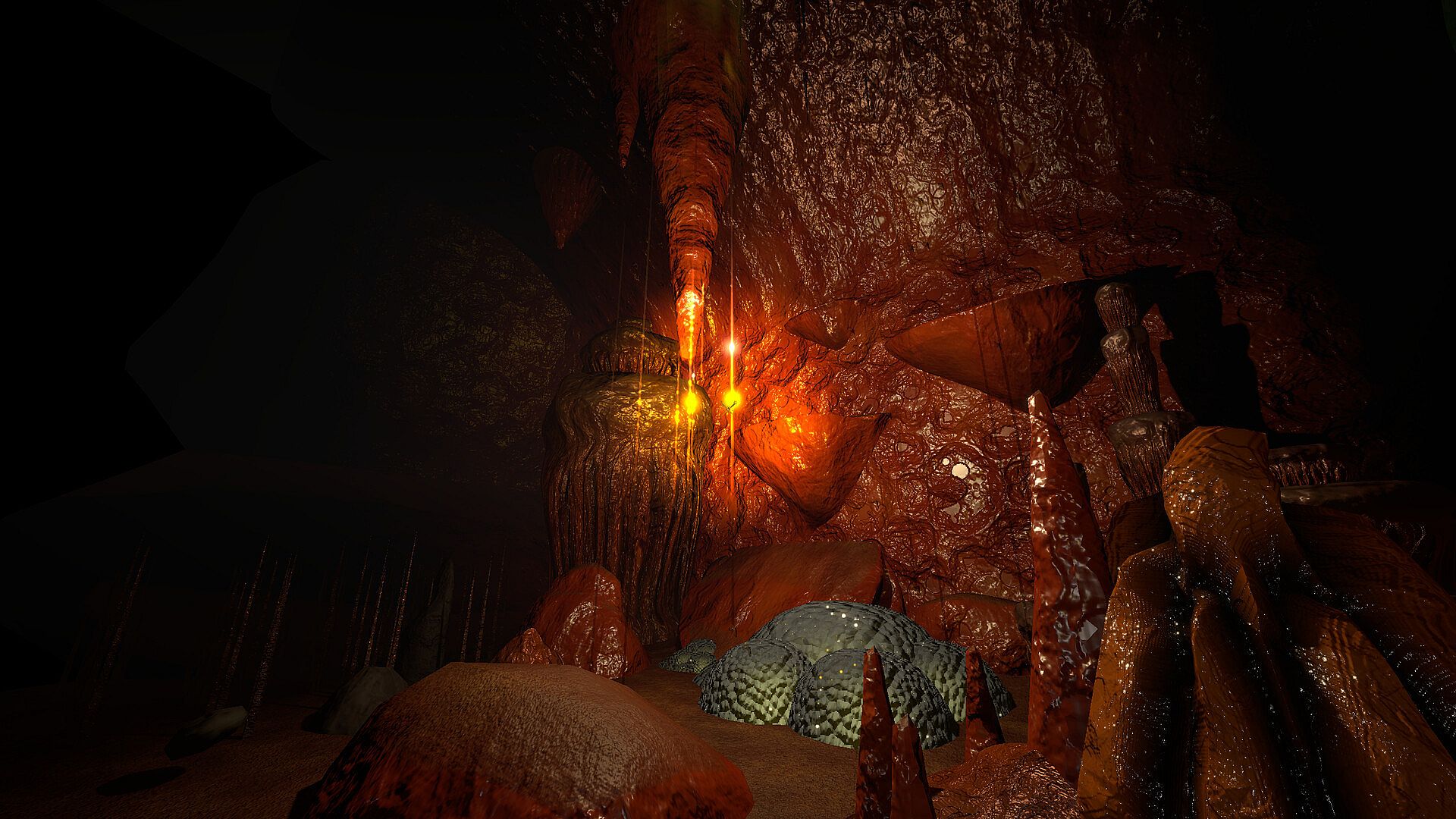
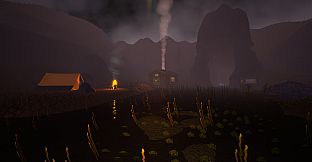
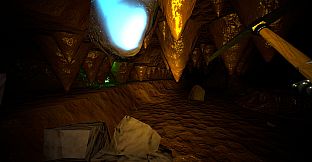
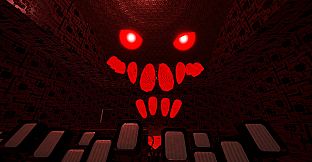
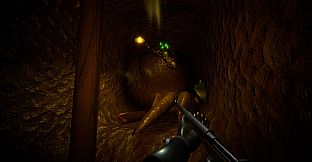
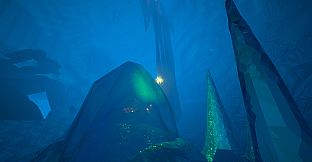
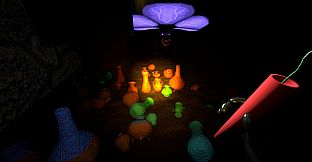
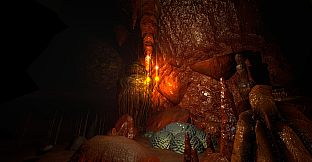
Tallymaw: Aether Mine is a first-person action, indie, and adventure game set entirely on PC. Players take on the role of an unnamed explorer who descends into a long-abandoned mine in search of a missing mentor. The experience centers on careful navigation through dangerous underground spaces, resource collection, and gradual mapping of an expansive subterranean world.
Gameplay
The core loop revolves around descending deeper into the mine while managing limited resources and environmental hazards. A protective suit shields the player from toxic Mine Aether in the air, but exposure builds over time and requires periodic returns to the surface for fresh air. A wrist-mounted watch tracks this exposure along with oxygen levels during deeper dives and the status of any injuries sustained.
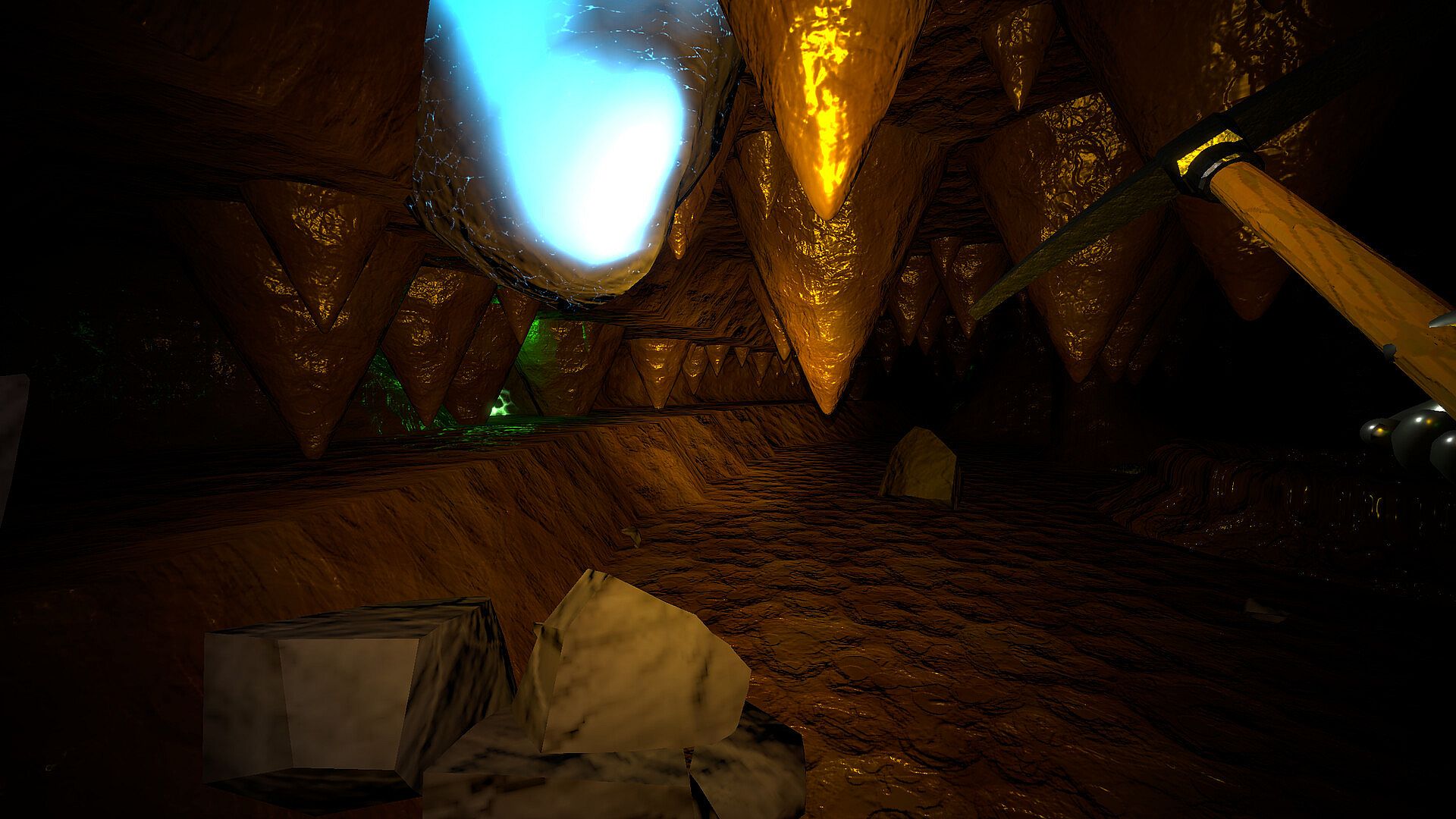
Exploration rewards players with glowing ores, buried treasures from forgotten civilizations, and advanced pieces of technology. These finds convert into fuel for special abilities, currency spent at the Company Store during surface visits, or direct upgrades to movement and equipment. Veins of Aetherite ore provide smaller resource gains once cracked open, while larger valuables such as jade figurines or tech scraps yield bigger payouts when traded at the store.
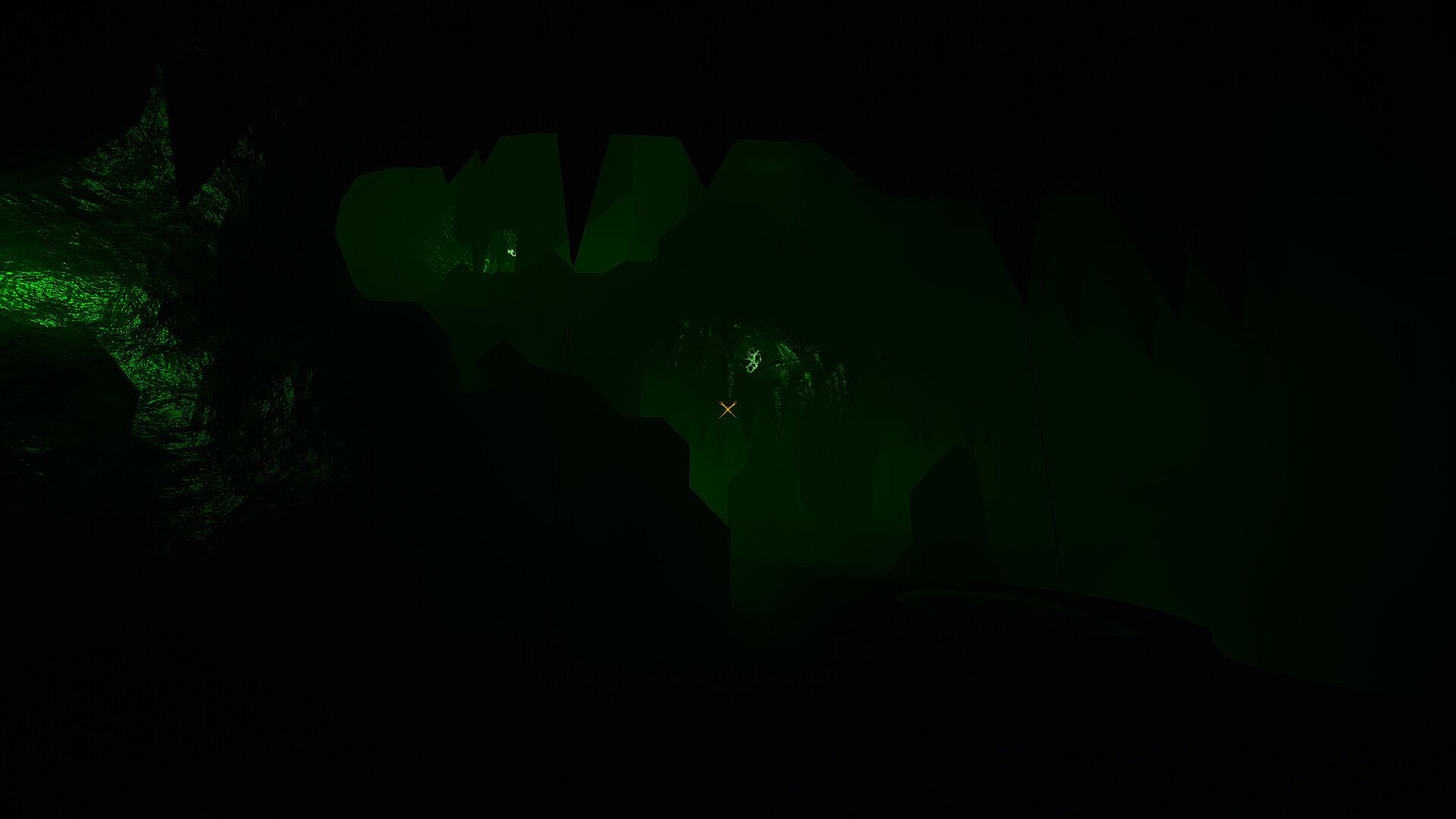
Progression opens new areas through acquired equipment, though the terrain itself remains hazardous regardless of upgrades. Unique critters and predators inhabit multiple biomes and interconnected ecosystems, forcing players to choose between sneaking, avoiding, distracting, or fighting. Marking cavern walls creates a personal map of named chambers that unlocks on a surface digital display, allowing route planning before each descent. The watch then references these player-chosen names to indicate current location.
Game Modes
The game delivers its experience through a single-player structure built around non-linear exploration and personal mapping. Each save file uses a player-settable seed number to generate a unique mine layout, so every new run presents fresh tunnels and chamber arrangements. Reaching the bottom and fully charting the environment encourages starting over with a different seed to uncover alternate paths and resource distributions.
This seeded approach keeps the focus on discovery and careful planning rather than repetition. Surface visits to the Company Store serve as natural checkpoints between dives, where resources convert into permanent improvements that carry forward within a single file. The emphasis stays on individual decision-making about when to push deeper, when to retreat for air, and how to navigate threats without external assistance.
Exploration and Survival Systems
Navigation relies on environmental cues and hidden journal pages that slowly reveal the story of the missing mentor and the mine's past. Players must balance the desire to chart new chambers against the accumulating risks of poison exposure, low oxygen, and potential injuries. Equipment upgrades gradually expand reachable zones, yet the warning about unsafe traversal highlights that new tools do not eliminate danger.
Resource management ties directly into survival. Aetherite from ore veins supports ability use and store purchases, while rarer finds accelerate progress toward better movement options or protective gear. The interconnected ecosystems mean predators appear in context-specific biomes, rewarding observation and preparation over direct confrontation whenever possible.
Is It Worth Playing?
Tallymaw: Aether Mine suits players who enjoy deliberate first-person exploration with strong survival and mapping elements. The combination of procedural seeding per save file and the need to manage air quality, oxygen, and injuries creates a focused loop centered on personal discovery rather than combat or fast action. Those drawn to non-linear underground adventures and the satisfaction of charting their own named areas will find consistent reasons to return for additional seeded runs. The absence of multiplayer or additional modes keeps the experience tightly scoped around the core descent and return cycle described in the source material.