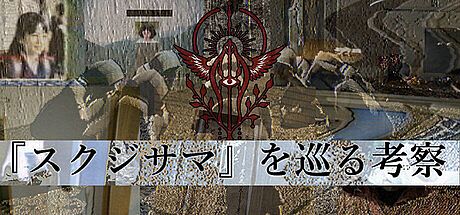


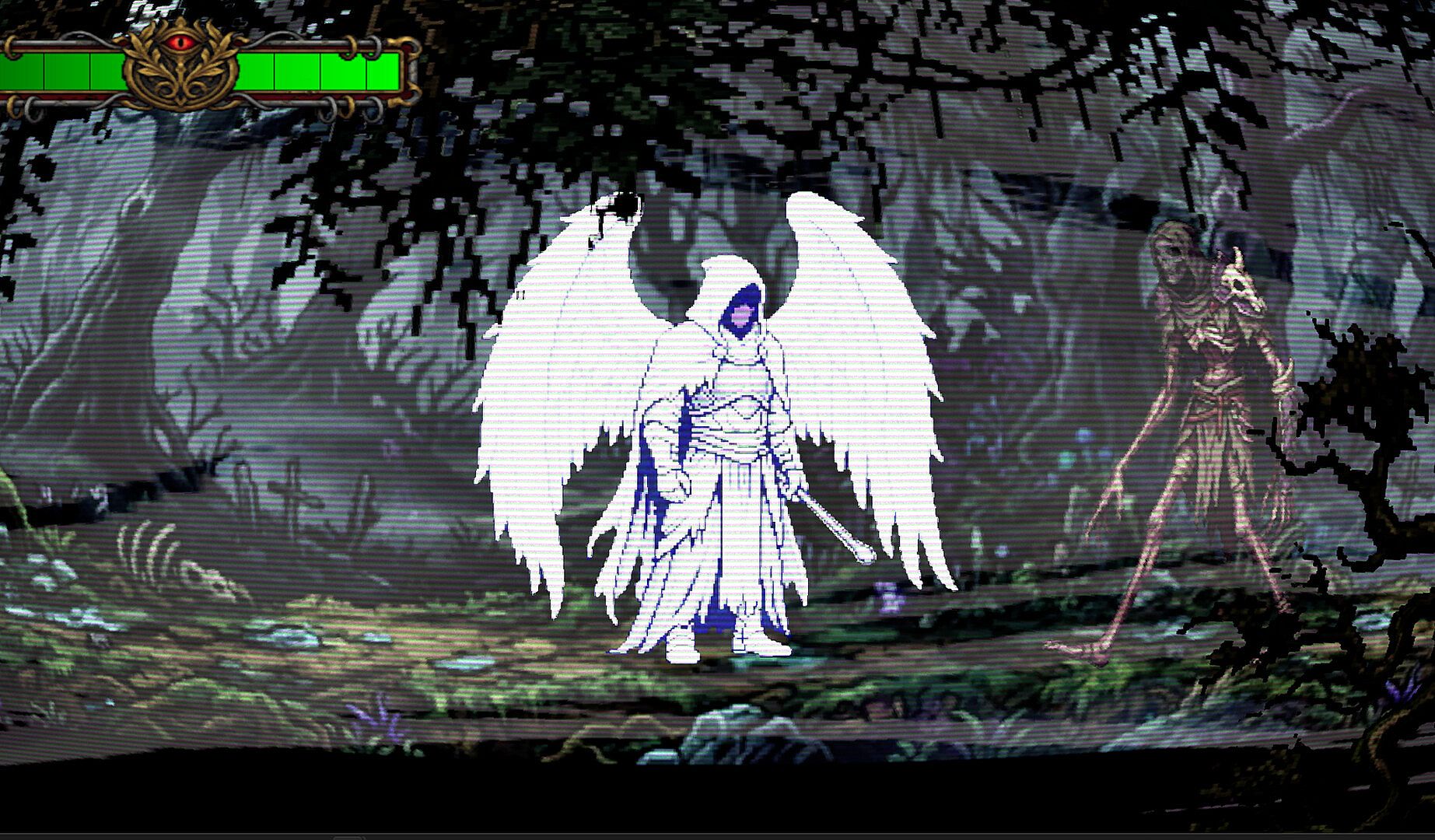
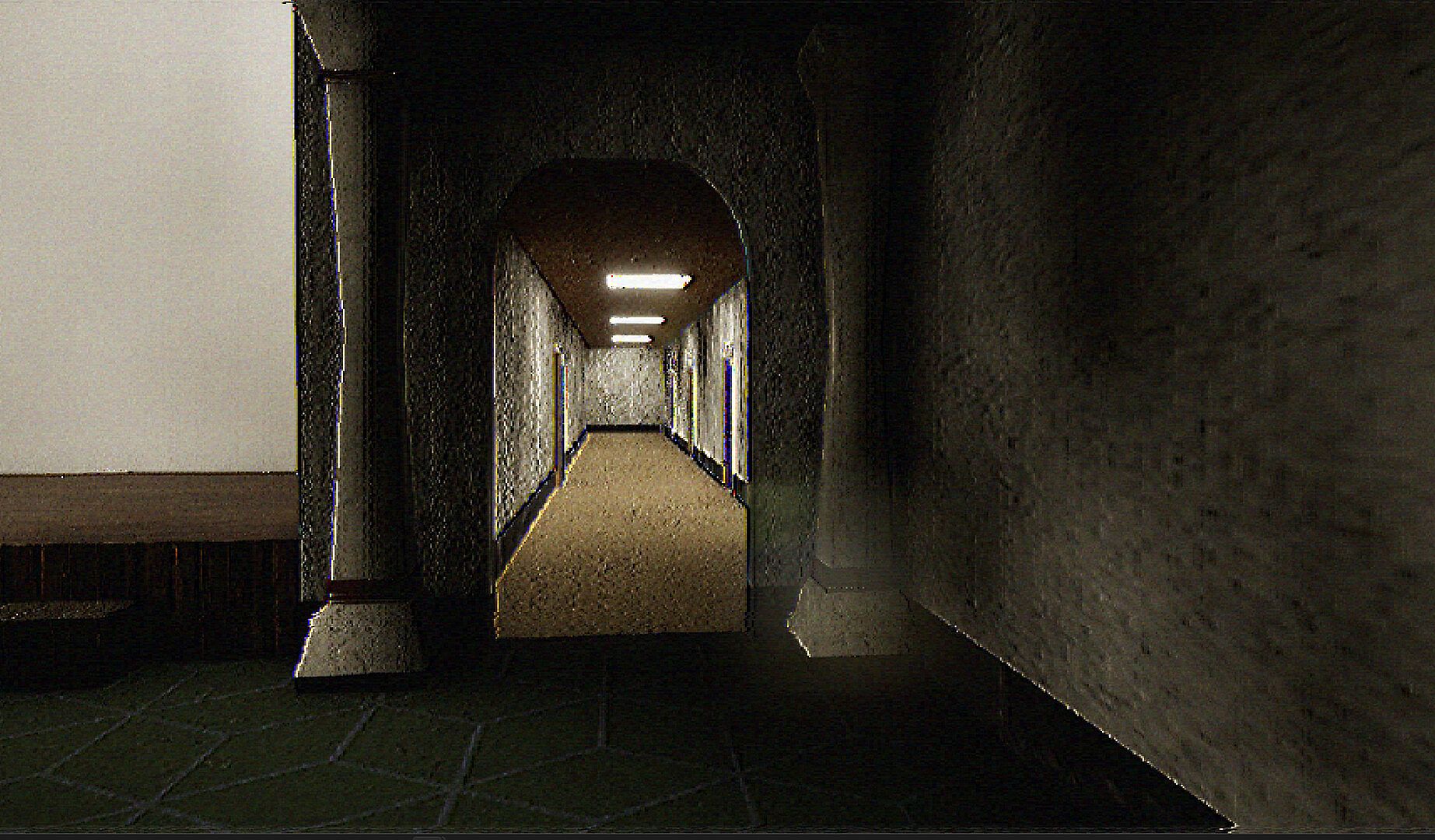
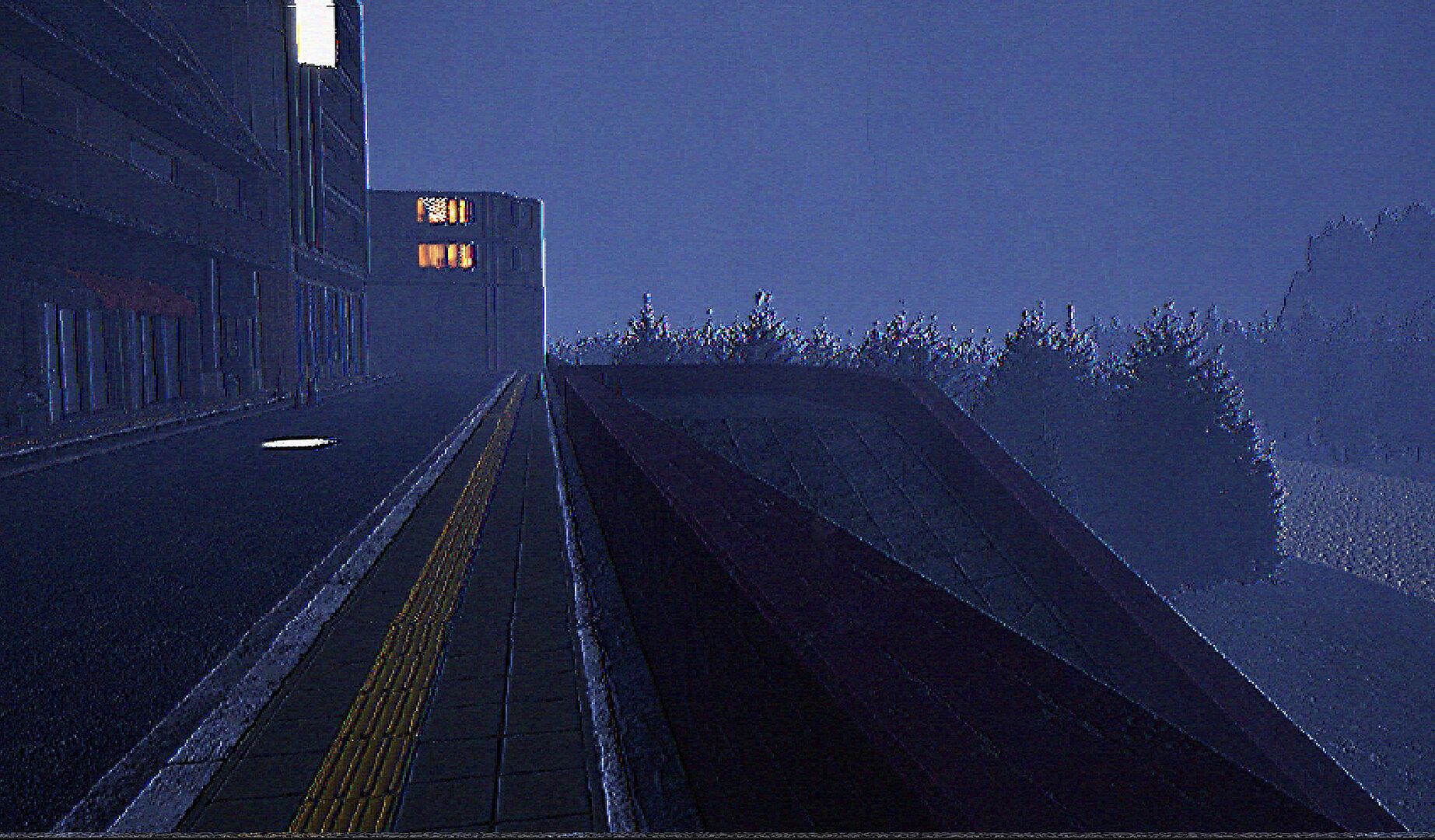
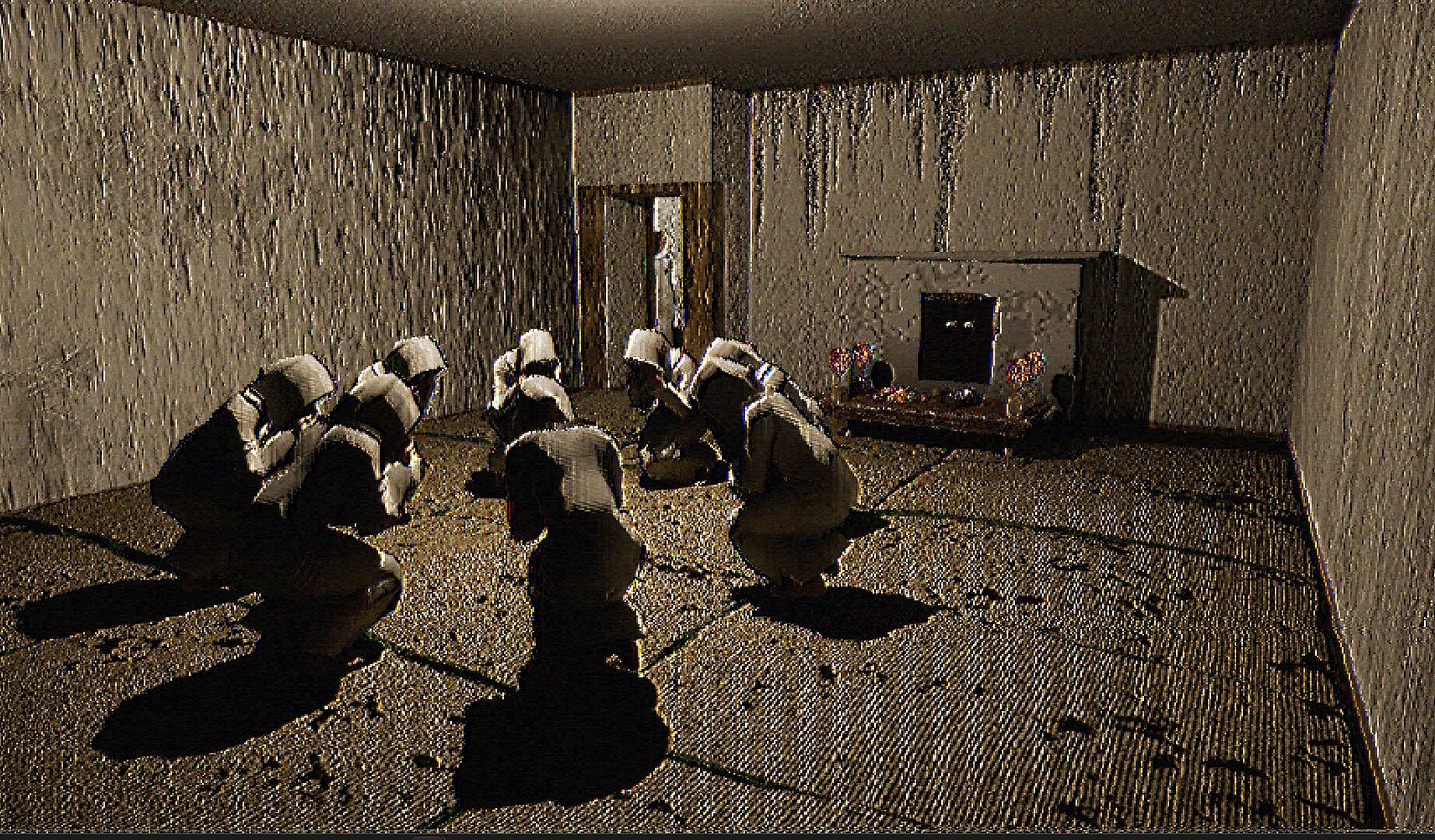
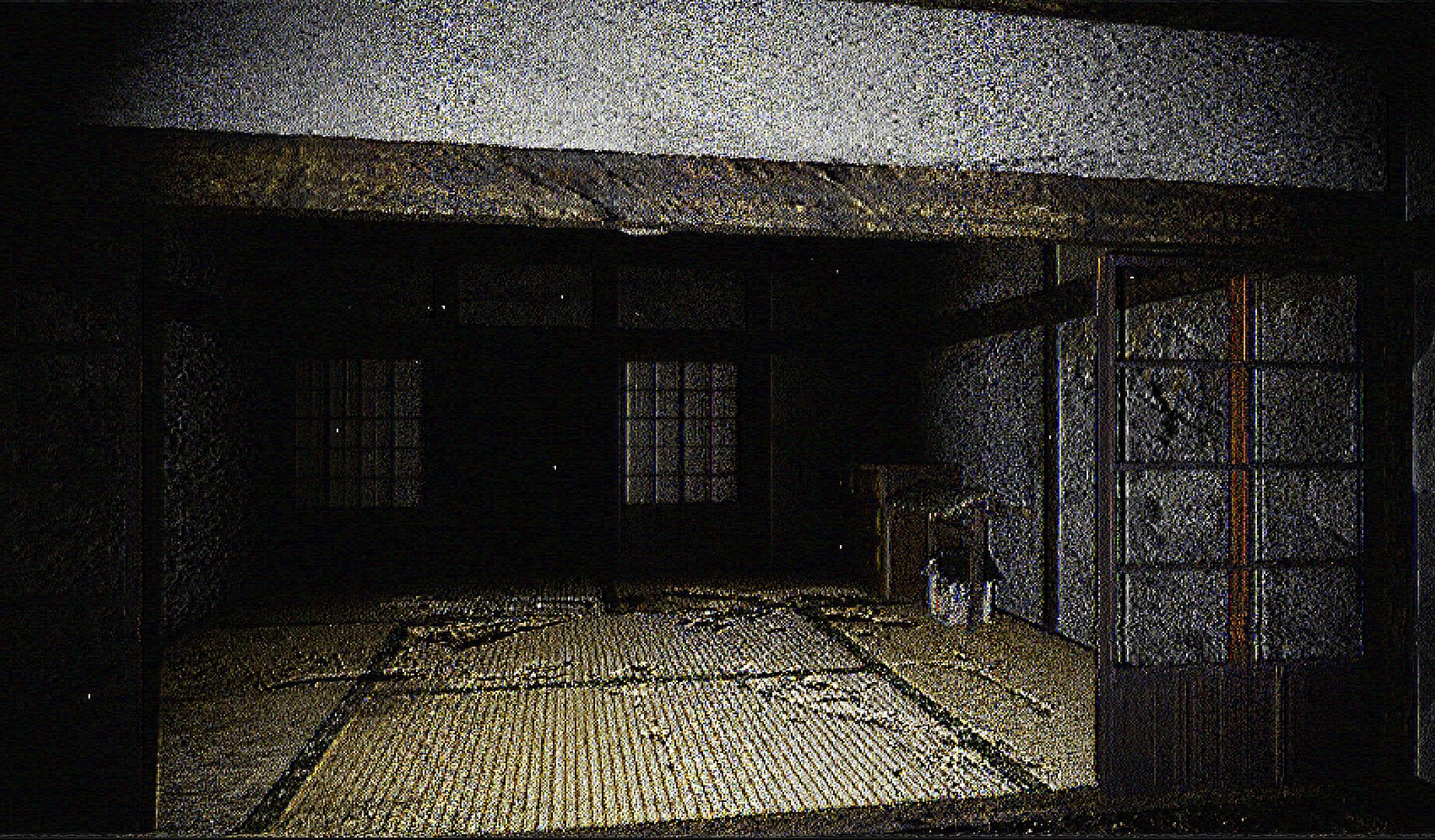
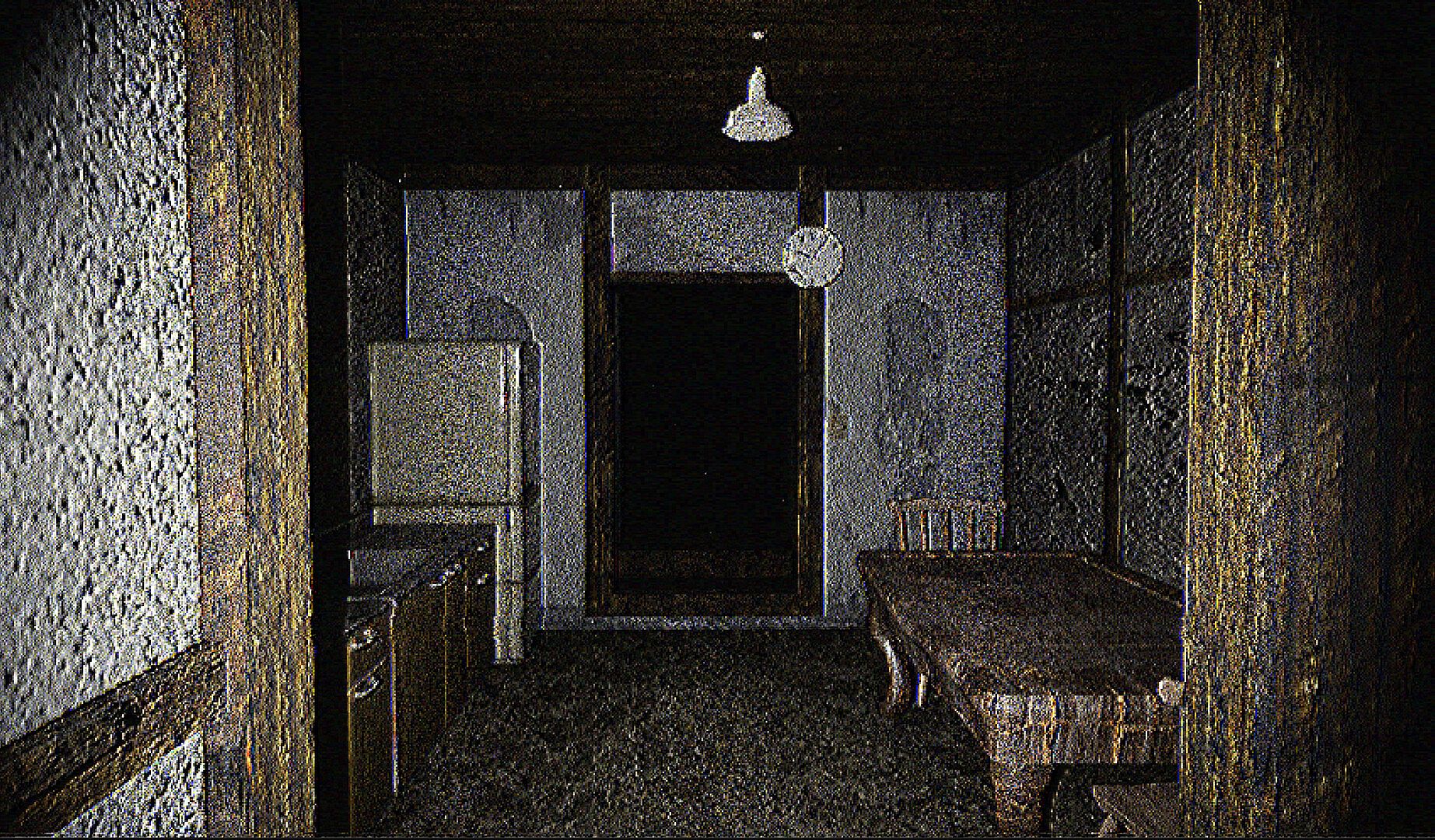
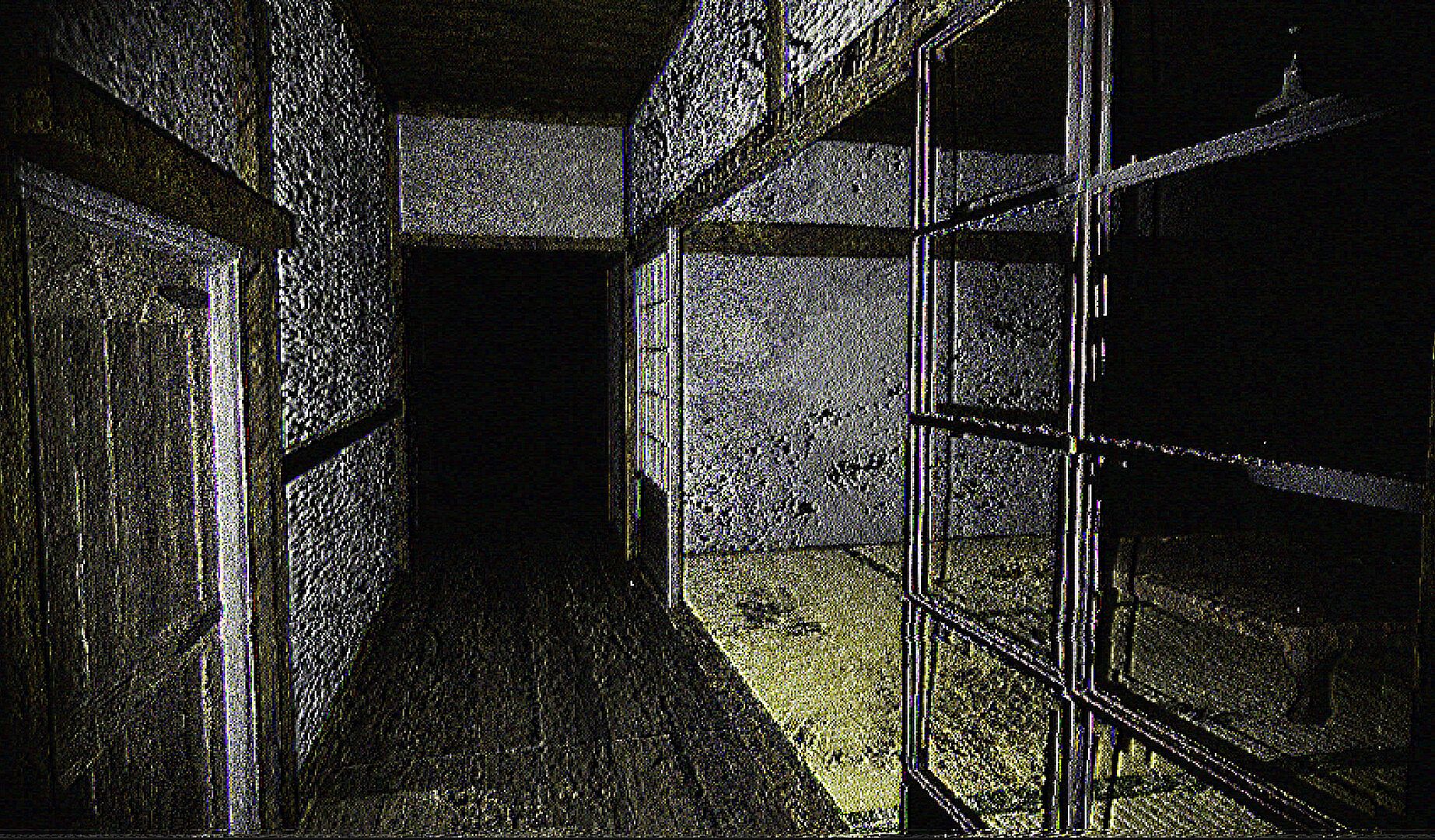

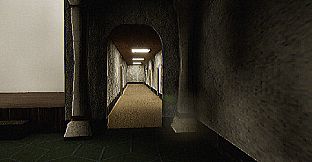

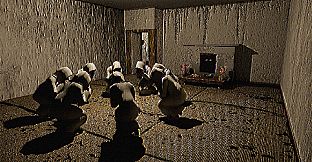

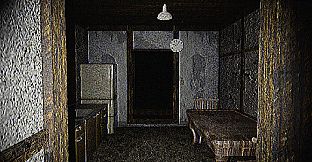
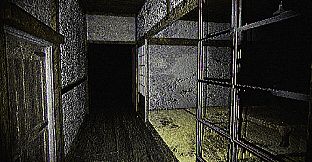
『スクジサマ』を巡る考察 is an adventure game built around a lengthy novel and a collection of preserved digital materials. Players navigate a first-person perspective through dimly lit 3D spaces while sifting through images, audio recordings, video files, and documents that appear in their original, sometimes damaged state. The experience centers on cross-referencing clues and forming personal interpretations of events tied to occult research and Japanese folklore.
Gameplay
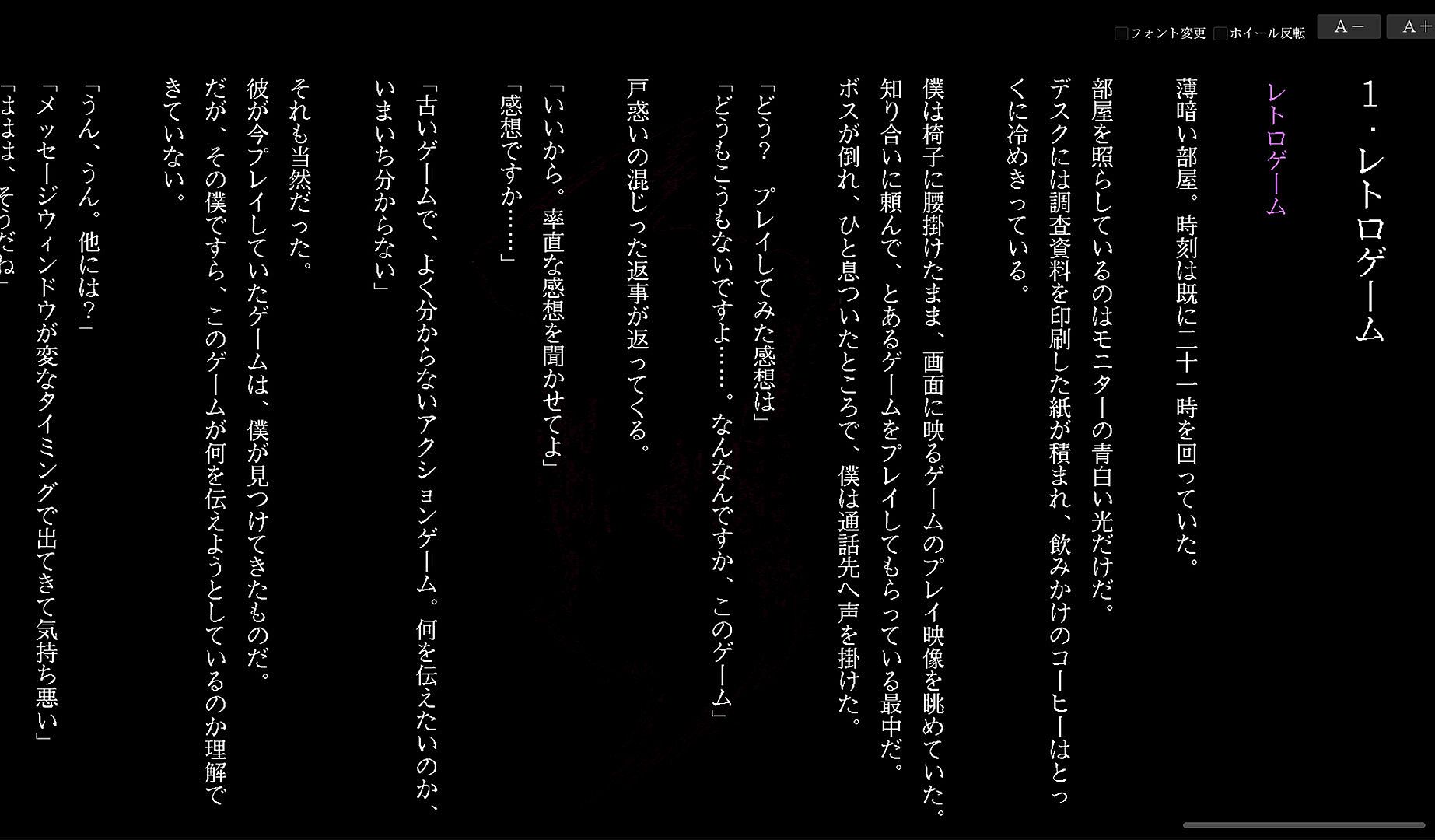
The core loop involves moving through environments with a keyboard and mouse to locate and inspect scattered files. Some sections feature distorted visuals and ambient sounds that heighten tension without relying on traditional jump scares. Reading and listening to the materials forms the main activity, with certain documents prompting open-ended questions that encourage players to connect details across different sources. Damaged or incomplete files remain as discovered, preserving the sense that the work was left unfinished.
Exploration remains deliberate rather than fast-paced. Players examine items in sequence or jump between them, building theories about the central figure, a writer who specialized in occult topics before his death. The narrative unfolds gradually through these interactions, rewarding careful attention to dates, names, and recurring motifs rather than quick reflexes or combat.
Game Modes
The game operates entirely in a single-player format with no separate multiplayer or competitive options. All content flows through one continuous experience that blends reading, listening, and spatial navigation. There are no selectable difficulty levels or branching campaigns; instead, the structure emphasizes personal pacing and repeated review of materials as new connections emerge.
Video streaming and recording face no restrictions, allowing players to share their process of piecing together the story in the same manner as conventional single-player titles.
Narrative Structure and Themes
The story revolves around materials attributed to Yosuke Kuga, who conducted research and interviews in occult and folk traditions. The work presents these items without heavy editorial framing, leaving players to trace inconsistencies, timelines, and possible explanations. Recurring elements include references to local beliefs and unexplained phenomena, presented through text, sound, and imagery that may appear fragmented or corrupted.
Because the original viewing order of some files cannot be confirmed, players decide how to approach the evidence. This approach creates a layered reading experience where initial impressions shift after revisiting earlier documents or audio clips.
Technical Aspects
The title runs on Windows 10 systems with modest hardware requirements. Minimum specifications include a quad-core processor at 2.5 GHz and 8 GB of RAM, while recommended setups suggest an Intel Core i5 or better along with a graphics card such as the RTX 2060 for smoother performance during exploration. Storage needs total around 10 GB. The interface and subtitles support Japanese, with no English localization currently available.
Controls stay straightforward, limited to standard keyboard and mouse inputs for movement and interaction. No additional peripherals or complex input schemes appear in the design.
Is It Worth Playing?
This upcoming title suits players who enjoy slow-burn narrative adventures that prioritize investigation and interpretation over action or fast progression. Those drawn to horror experiences built on document analysis and atmospheric 3D spaces will find the preserved-file approach distinctive. Because the game has not yet released, current player feedback remains unavailable, and any assessment rests on the described structure of novel reading combined with exploration and evidence gathering.
Interest in occult themes or Japanese folklore may increase engagement, as the materials focus on these areas. Viewers comfortable with open-ended conclusions rather than definitive resolutions will likely appreciate the format. The single-player emphasis and lack of additional modes keep the experience focused on one cohesive session of discovery.