


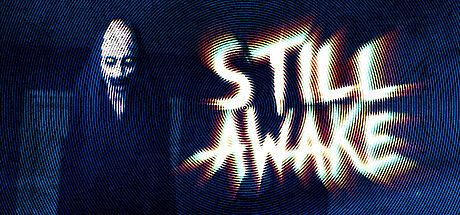


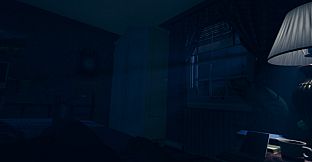
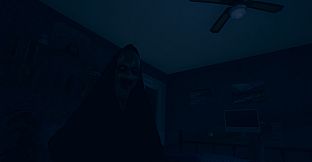
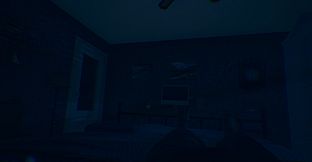
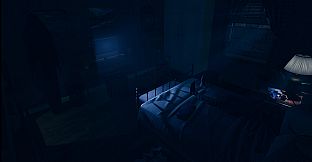
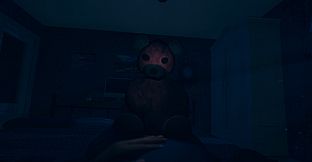
Still Awake is a psychological horror game centered on the disorienting experience of sleep paralysis. Developed as a short-form indie adventure for PC, it places players in a vulnerable position where movement and speech are impossible, forcing reliance on observation and mental endurance to reach morning.
Gameplay
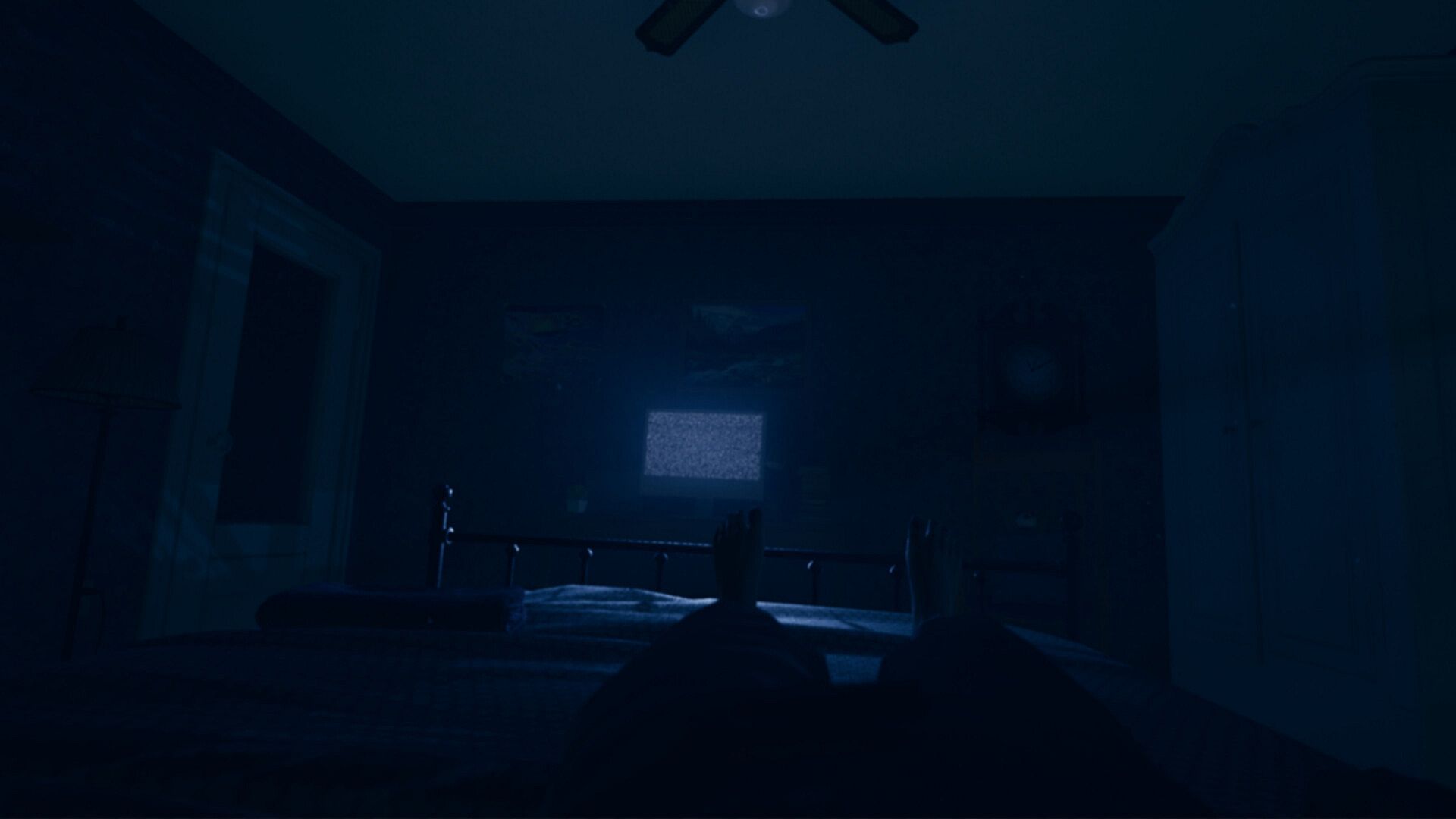
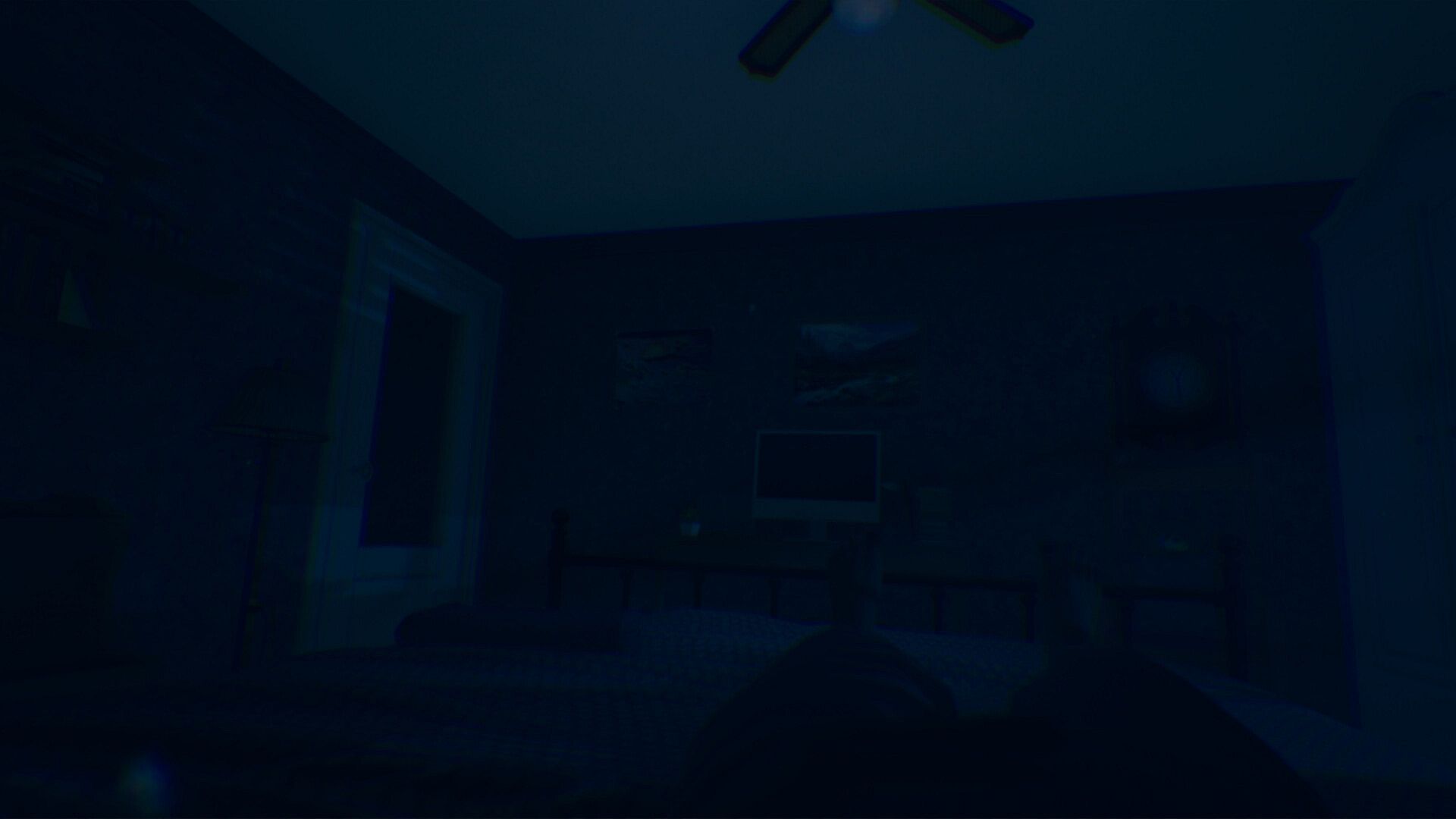
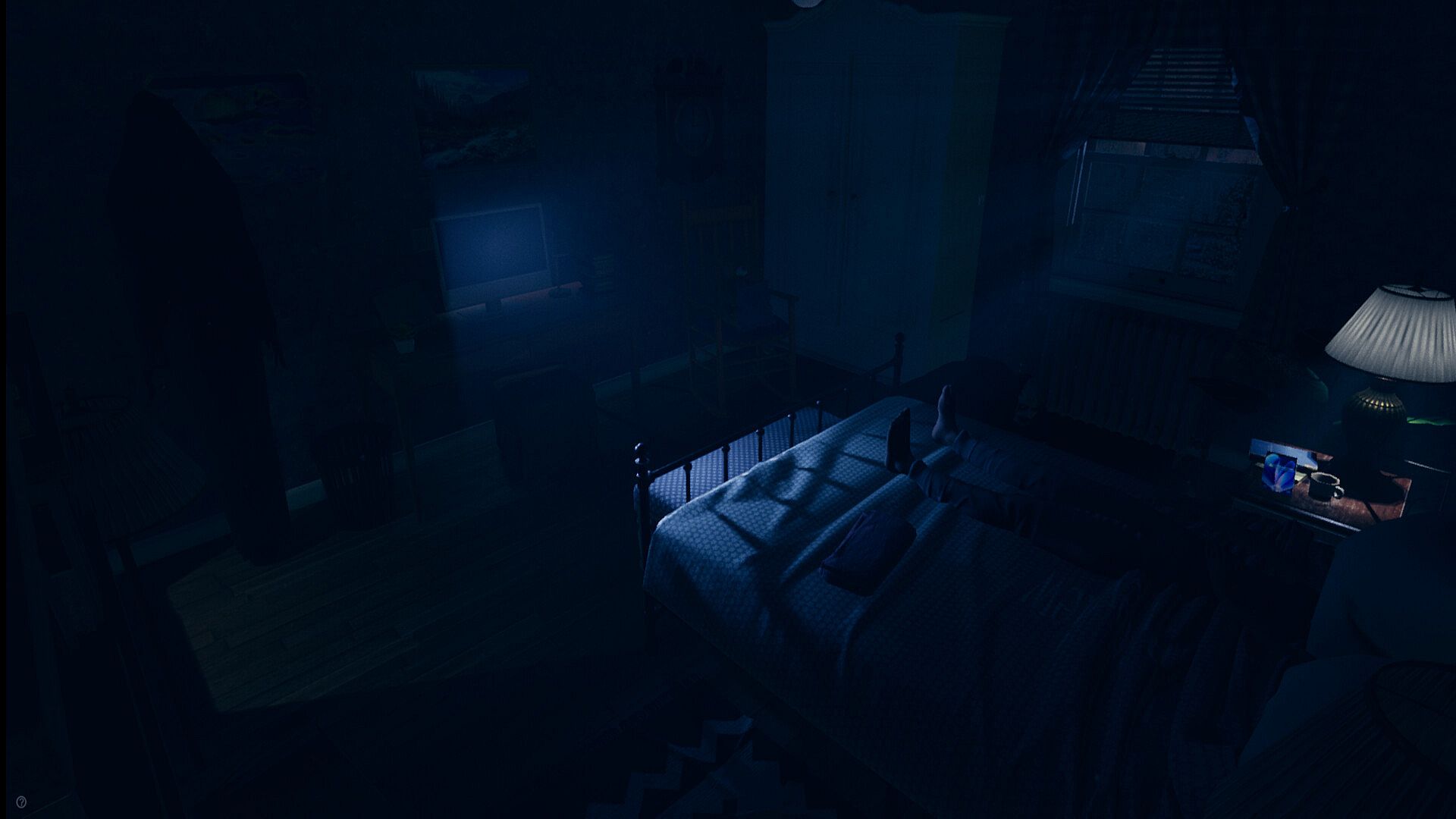
The core loop revolves around lying immobilized in bed after a long day. Players wake in the middle of the night to find their body unresponsive, with only the ability to look around the room and process what they see and hear. The goal is to remain conscious long enough for daylight to arrive, as the paralysis prevents any physical escape or defense. Environmental details and subtle changes in the surroundings become the primary focus, building tension through what might appear in the shadows or at the edges of vision. The entire session lasts an average of fifteen to thirty minutes, emphasizing a contained, intense encounter rather than extended exploration or resource management.
Game Modes
Still Awake offers a single-player experience with no additional modes or variations. The narrative unfolds in one continuous sequence without branching paths, multiplayer elements, or alternative scenarios. This structure keeps the focus tightly on the central premise of enduring the paralysis until the threat, if any, passes with the coming of morning.
The Atmosphere and Setting
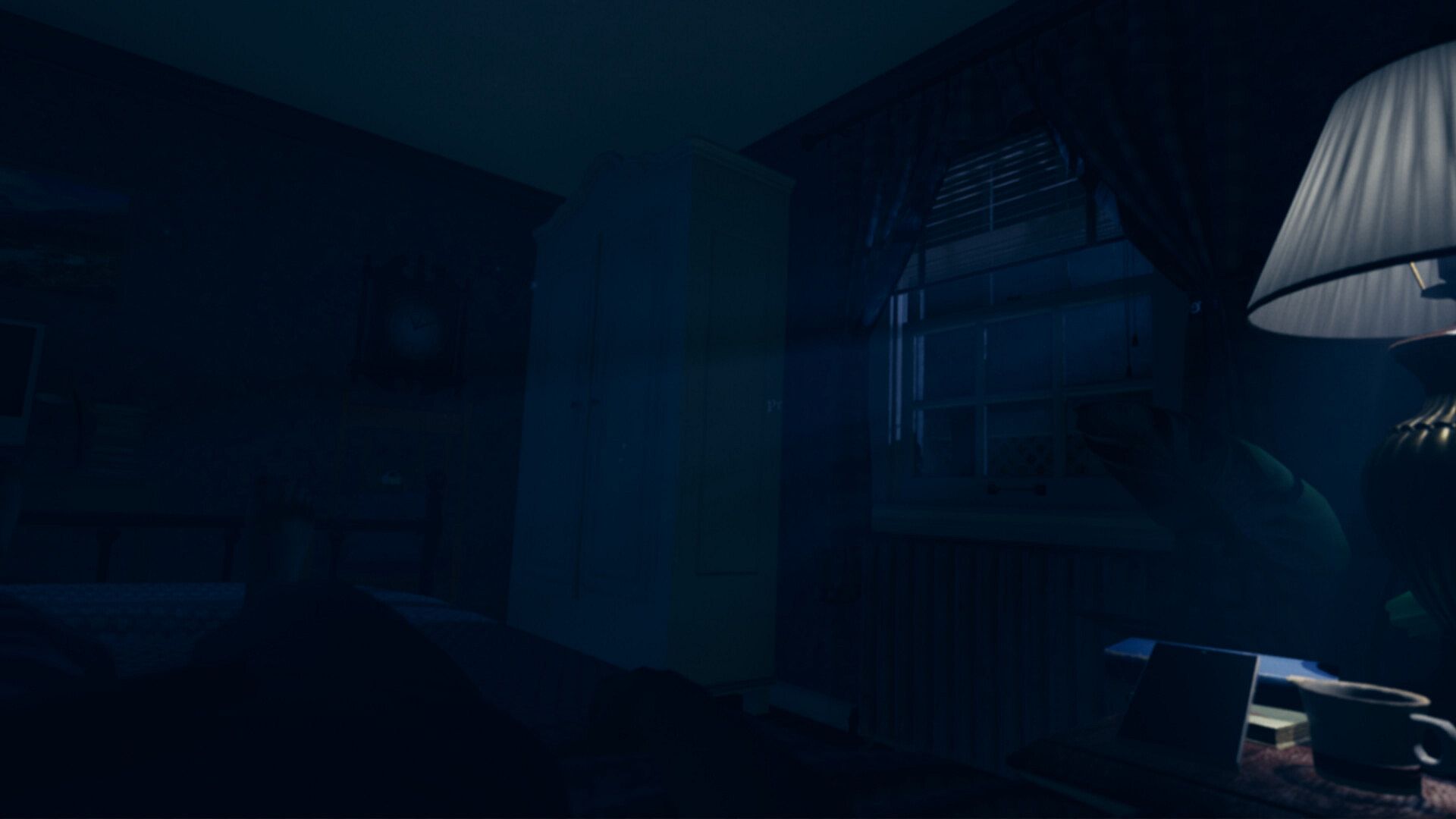
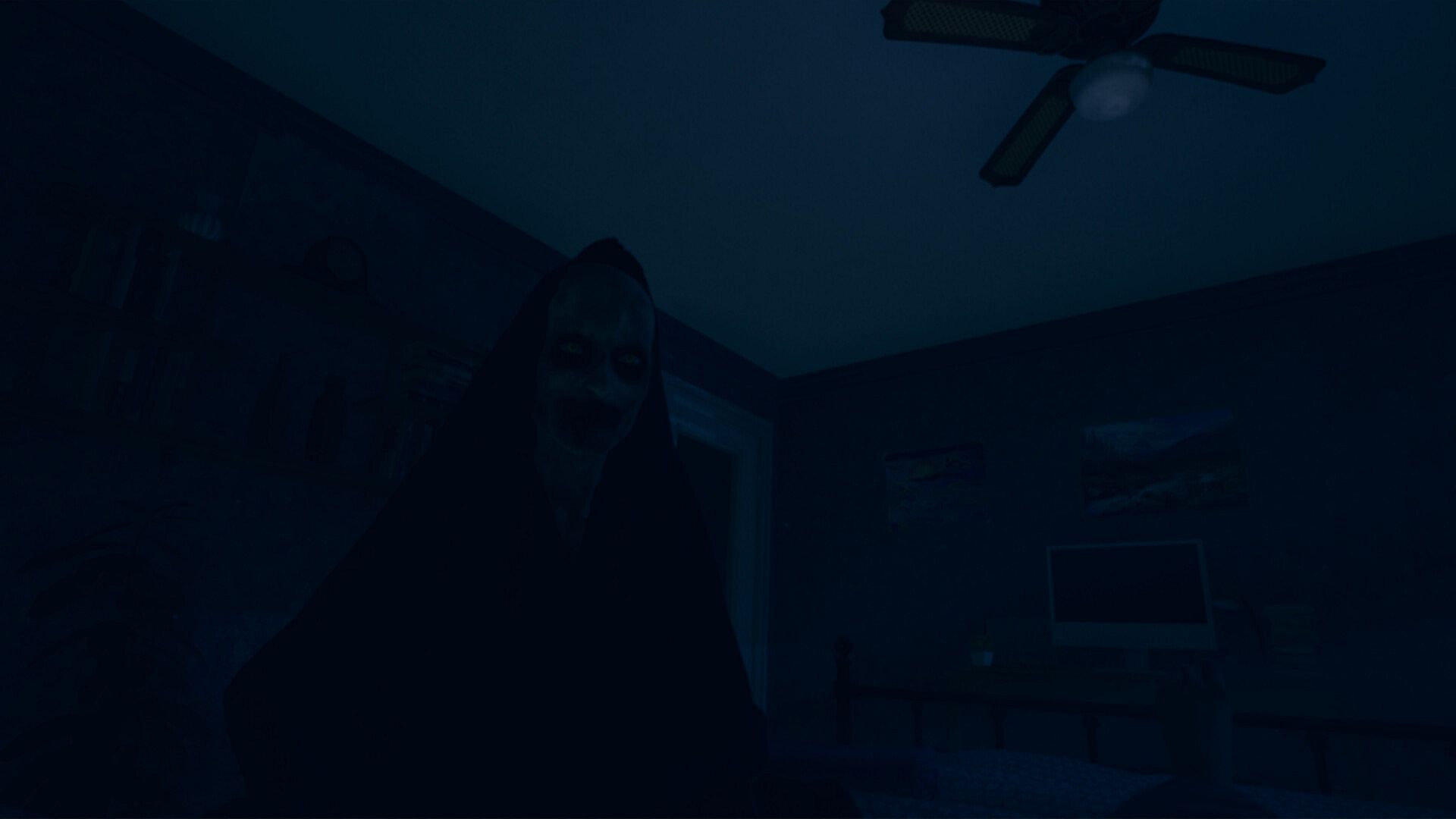
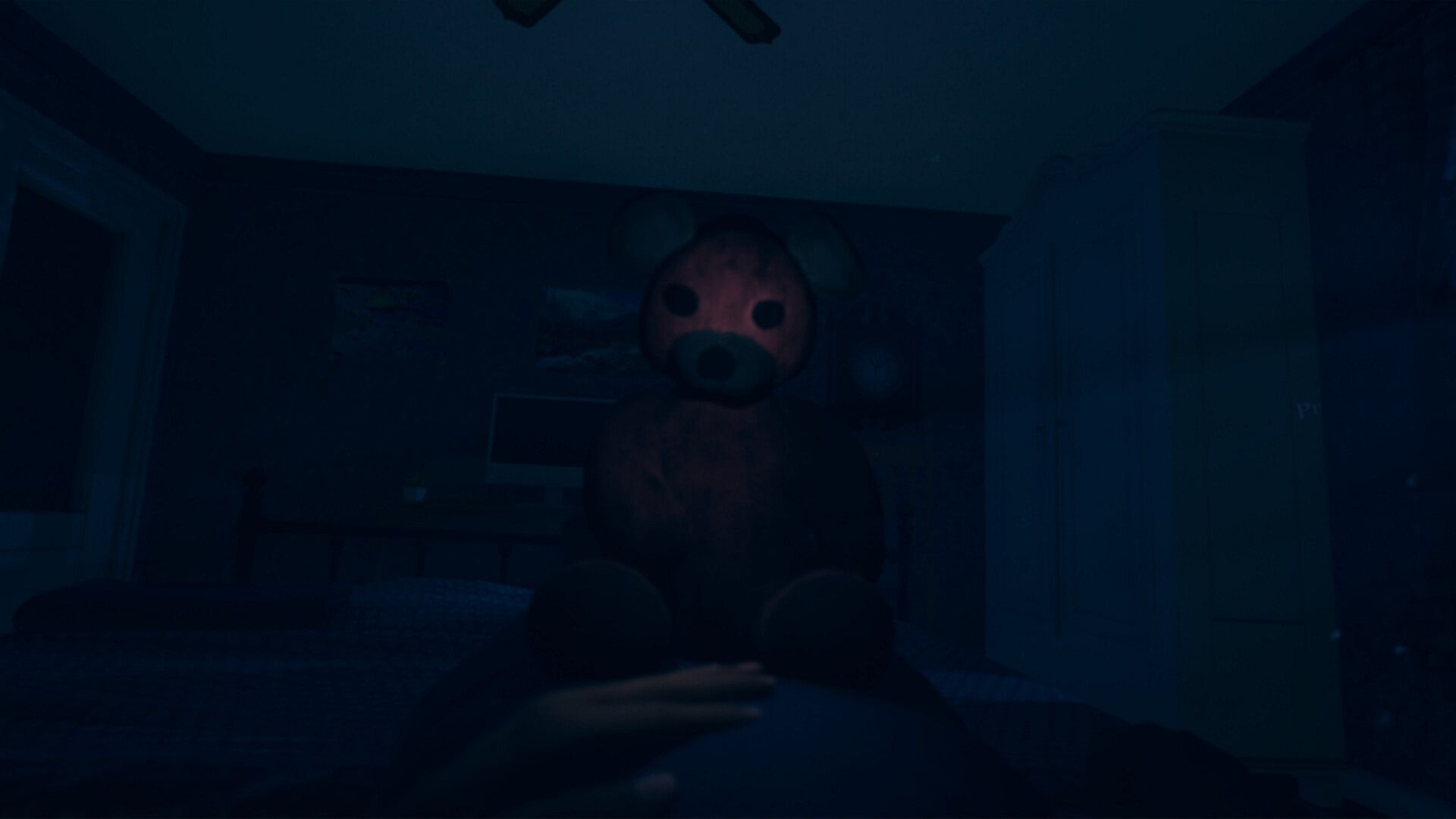
The game confines action to a familiar bedroom environment that grows increasingly unsettling. Ordinary objects and sounds take on new weight when the player cannot react or intervene. Subtle audio cues and visual shifts heighten the sense of being watched or accompanied by an unseen presence. Because the player character remains fixed in place, the horror derives from anticipation and the inability to confirm or confront what lurks nearby. This limited perspective reinforces the helplessness central to the sleep paralysis theme.
Is It Worth Playing?
Still Awake suits players seeking a brief, focused psychological horror encounter rather than a lengthy campaign or complex systems. Its short duration makes it accessible for a single sitting, and the premise delivers a direct simulation of a common sleep disorder turned terrifying. With no confirmed updates or additional content planned beyond the initial release, the experience stands as a self-contained session. Those who enjoy atmospheric tension built through immobility and observation will find the core concept engaging, while players preferring combat, puzzles, or open exploration may find the constraints too restrictive. The game targets a niche audience interested in short indie horror that prioritizes unease over action.









