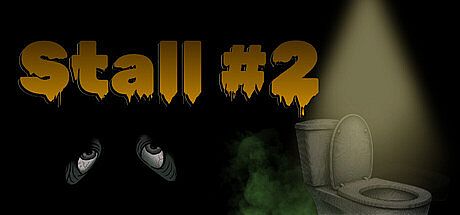


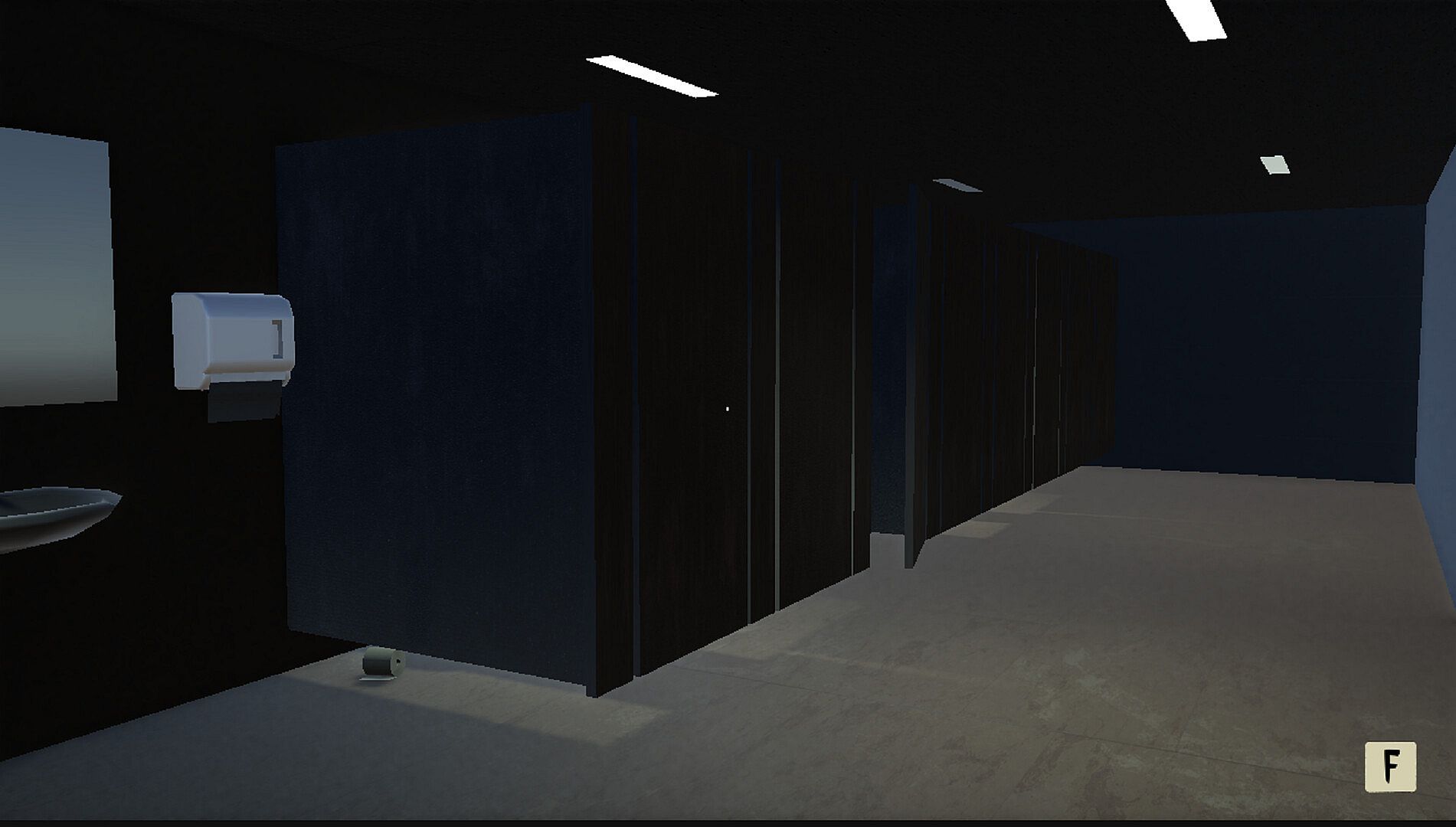
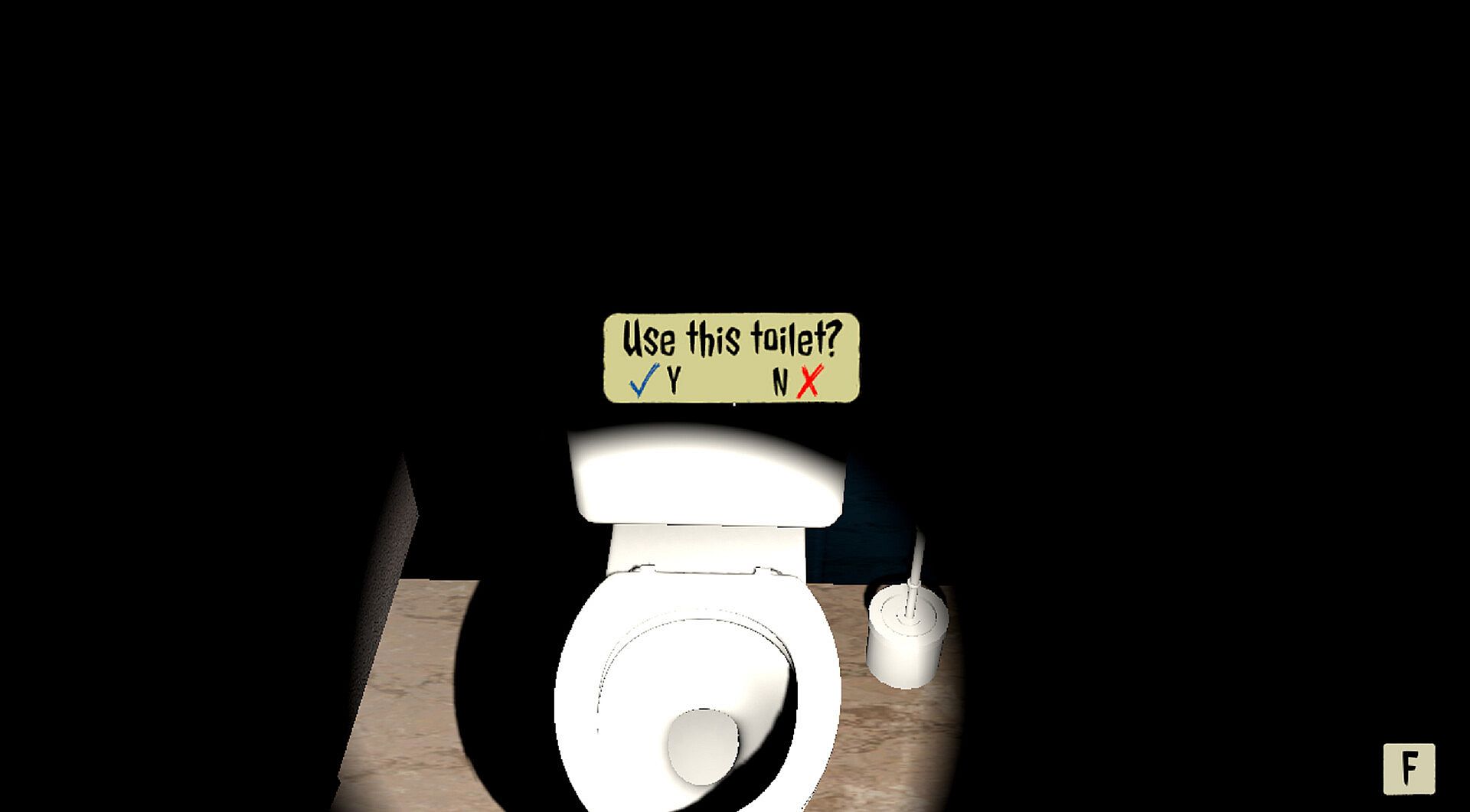
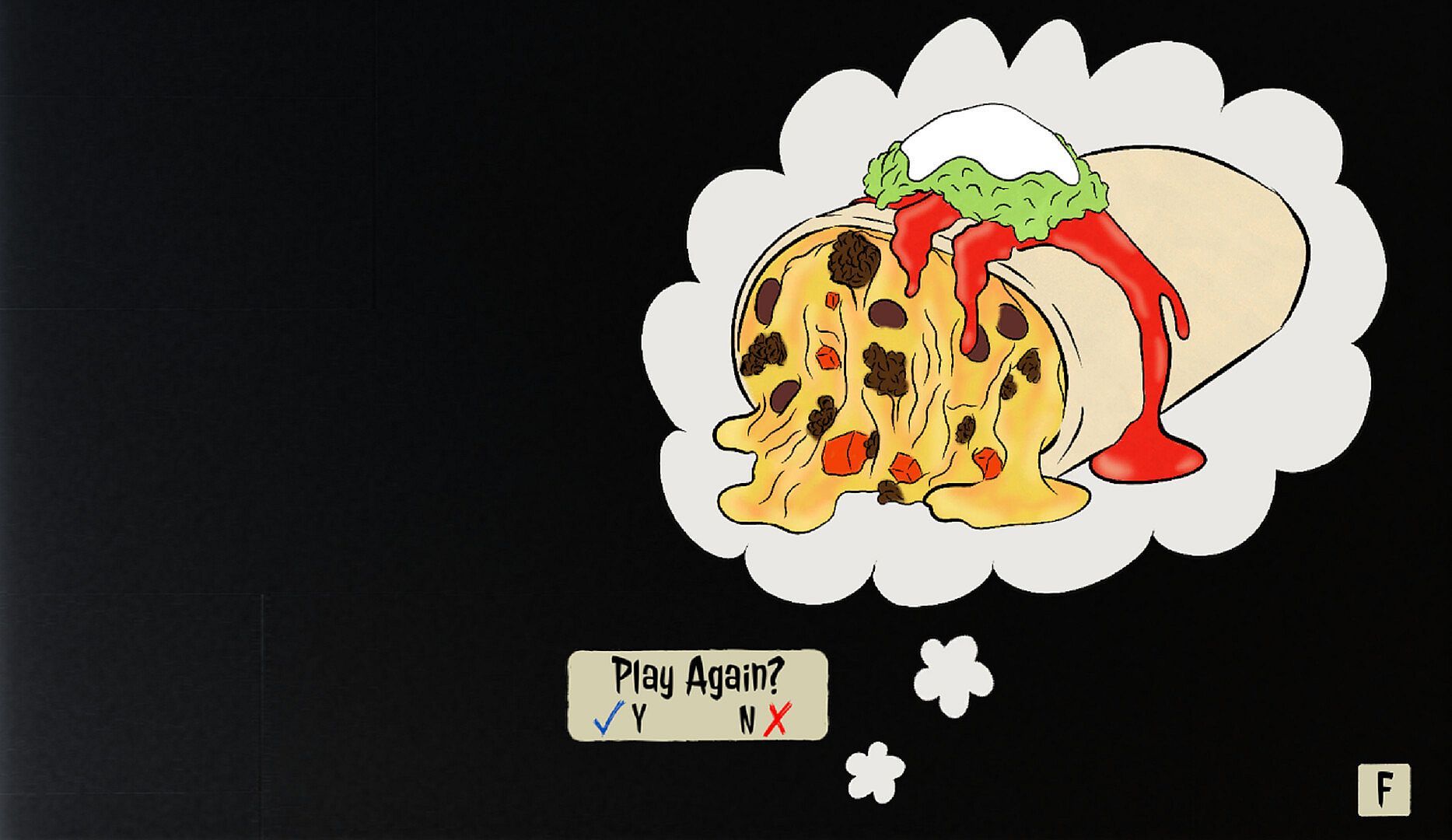
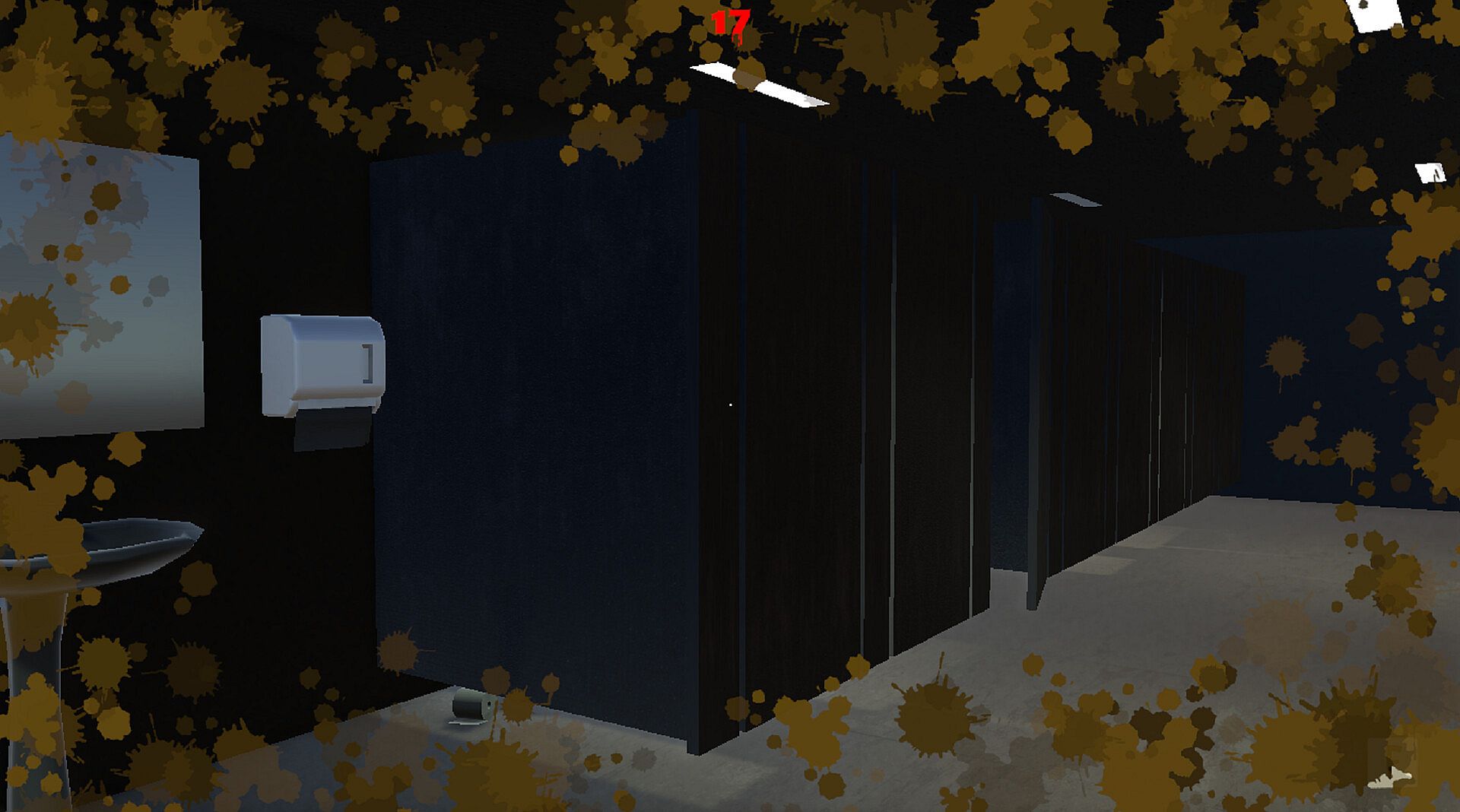
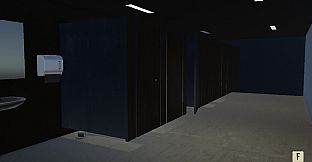

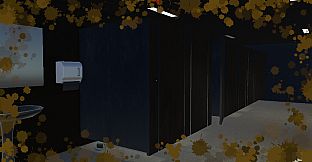

Stall #2 is an indie adventure game set on PC that blends horror and comedy into a tense, short-form experience. Players take on the role of a night security guard who must locate the single safe bathroom stall in a troubled office building after consuming a questionable burrito. The core premise revolves around survival through careful observation rather than combat, with each session lasting three to five minutes.
Gameplay
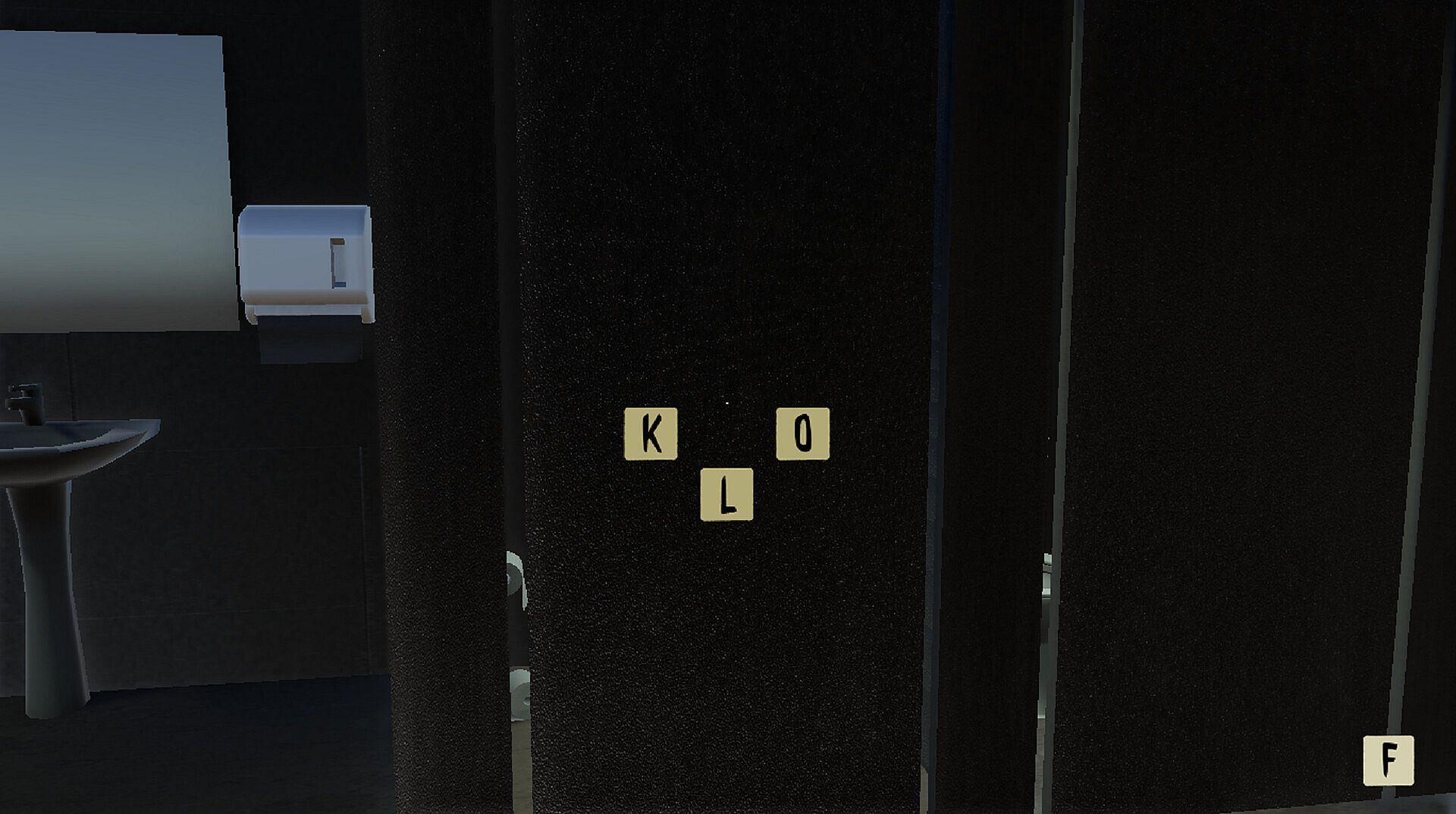
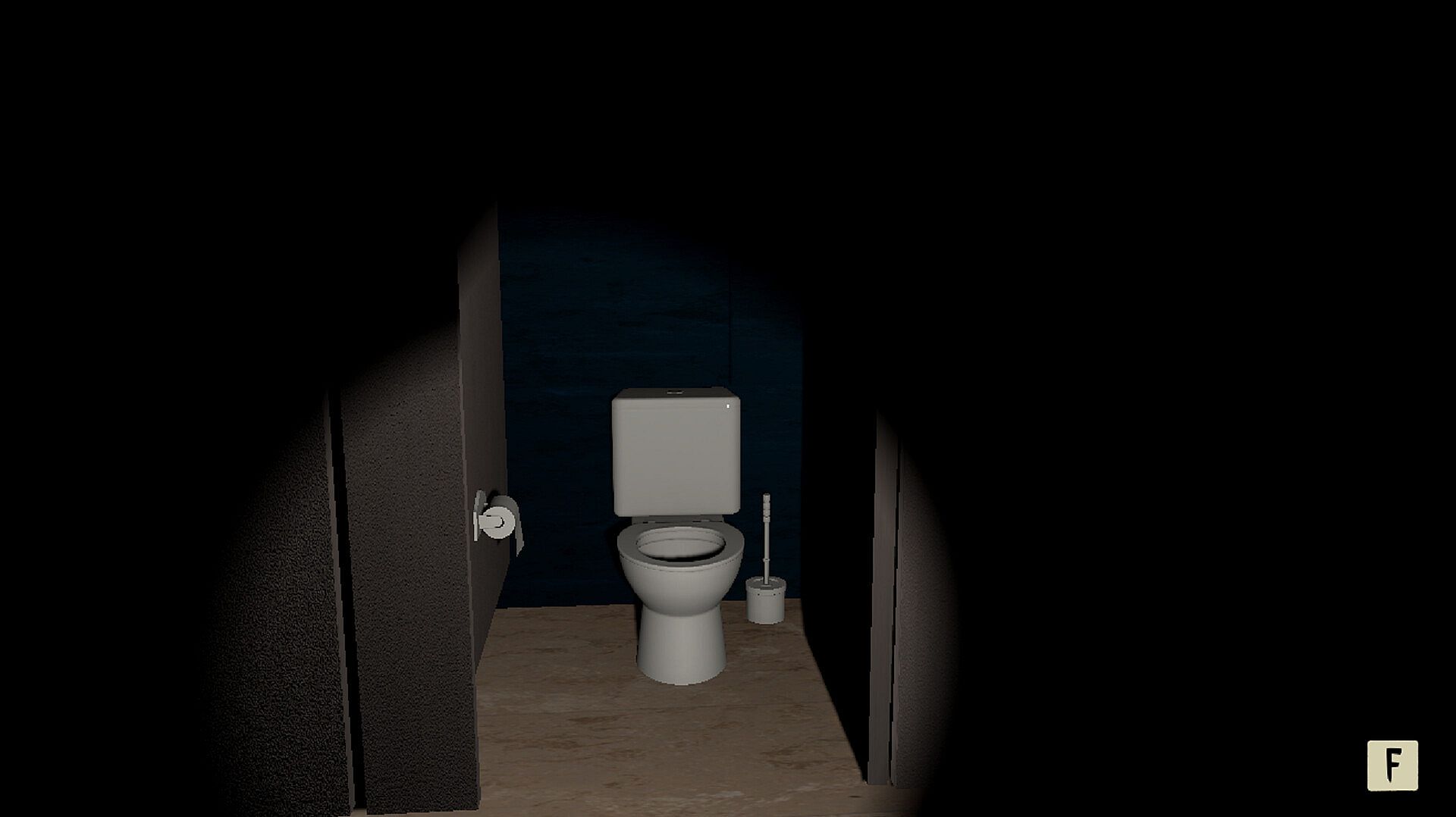
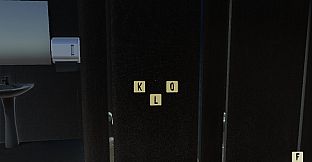
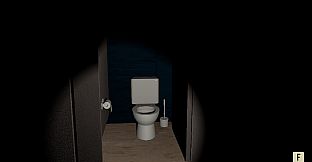
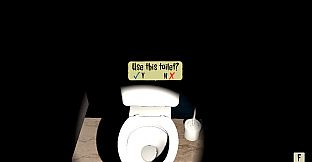
The gameplay centers on methodical investigation of multiple bathroom stalls using a flashlight as the only tool. Players approach each stall by first observing visible signs, then knocking to detect responses, listening for sounds that indicate occupation or hazards, and finally opening the door only when ready. A final check occurs before sitting down, as even the toilet fixture itself can present dangers. Mistakes lead to immediate failure with no health system or defensive options available.
Time pressure builds as the player's stomach issues create a countdown timer that forces quicker decisions. The environment remains consistent in layout but varies in details across attempts, encouraging repeated plays to identify patterns without relying on combat or resource management. Voice acting enhances the atmosphere through character reactions and environmental cues during these encounters.
Game Modes
Stall #2 operates as a single-player experience with no separate multiplayer or co-op options. The primary mode consists of individual runs through the office bathroom area, where the goal remains consistent: identify and use the safe stall before time expires. Each attempt functions independently due to randomization, resulting in unique stall configurations and anomalies every time.
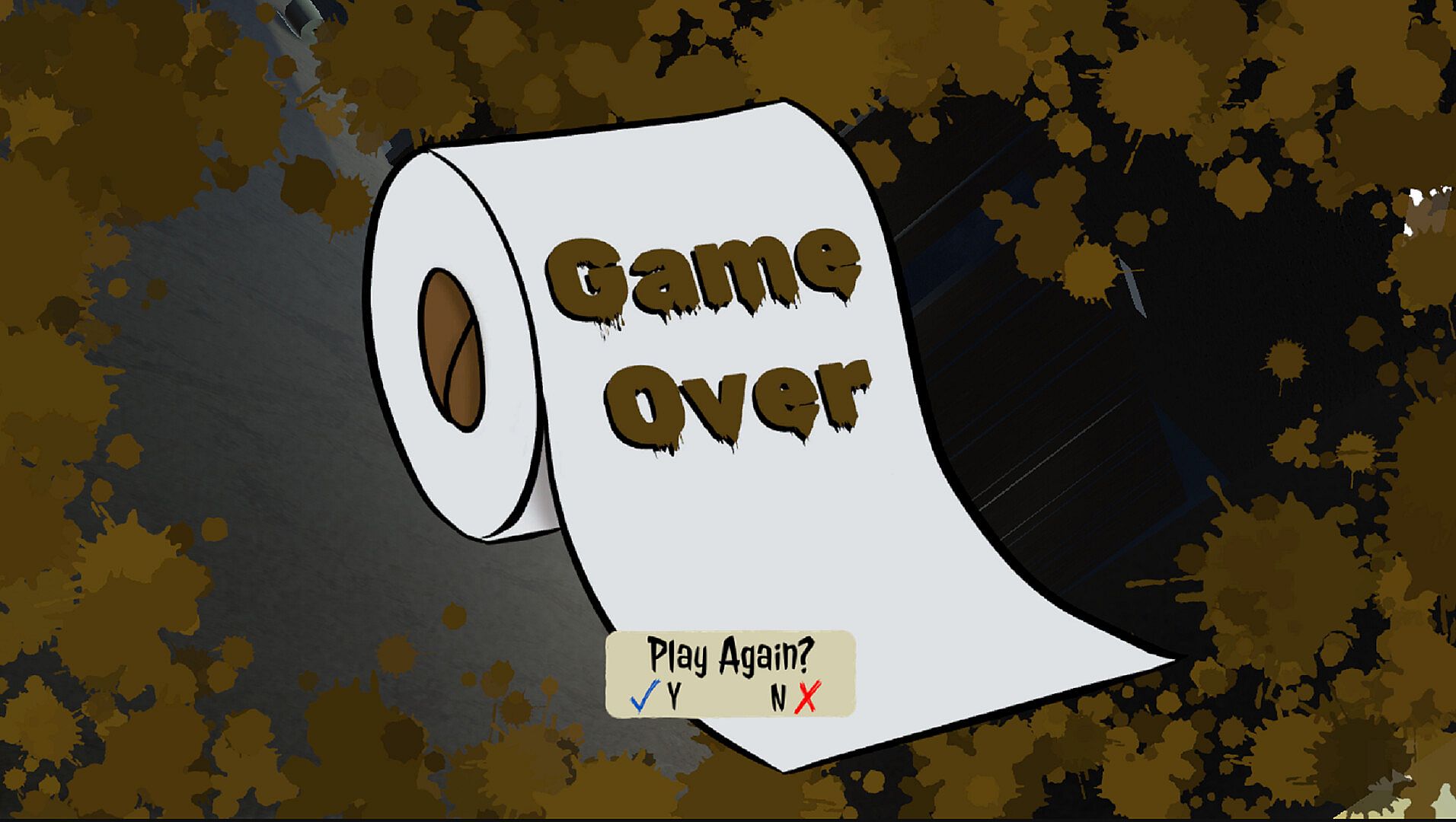
There are no additional named modes or variations such as endless survival or challenge variants confirmed in available details. The structure emphasizes permadeath, where any error resets the session entirely and generates a fresh set of stalls for the next attempt.
Core Mechanics and Features
Randomization ensures no two runs share identical stall details, promoting thorough exploration of tells like sounds, visual cues, and potential responses. Permadeath reinforces the need for precision, as there are no retries within a single session and no way to fight back against threats. Short run lengths keep sessions focused and repeatable without long commitments.
Fully voiced dialogue and sound design support the horror-comedy tone, with professional voice actors delivering lines that react to player actions and outcomes. The absence of fighting mechanics shifts emphasis entirely to deduction and risk assessment before committing to any stall.
Is It Worth Playing?
Stall #2 suits players who enjoy concise, high-stakes puzzle-like horror experiences with strong replay value through procedural elements. Its focus on observation and deduction over action makes it accessible for short play sessions while maintaining tension through permanent consequences on failure. The humorous premise combined with eerie anomalies provides a distinct tone that appeals to fans of indie titles blending light scares with comedy.
With the game still upcoming and no player reviews available yet, interest depends on preference for roguelike-style repetition in a confined setting. Those drawn to single-player adventures that reward careful listening and pattern recognition will find the mechanics align closely with the described loop. Availability on PC positions it for easy access once released, particularly for those seeking quick, self-contained runs without ongoing updates or seasonal content.