




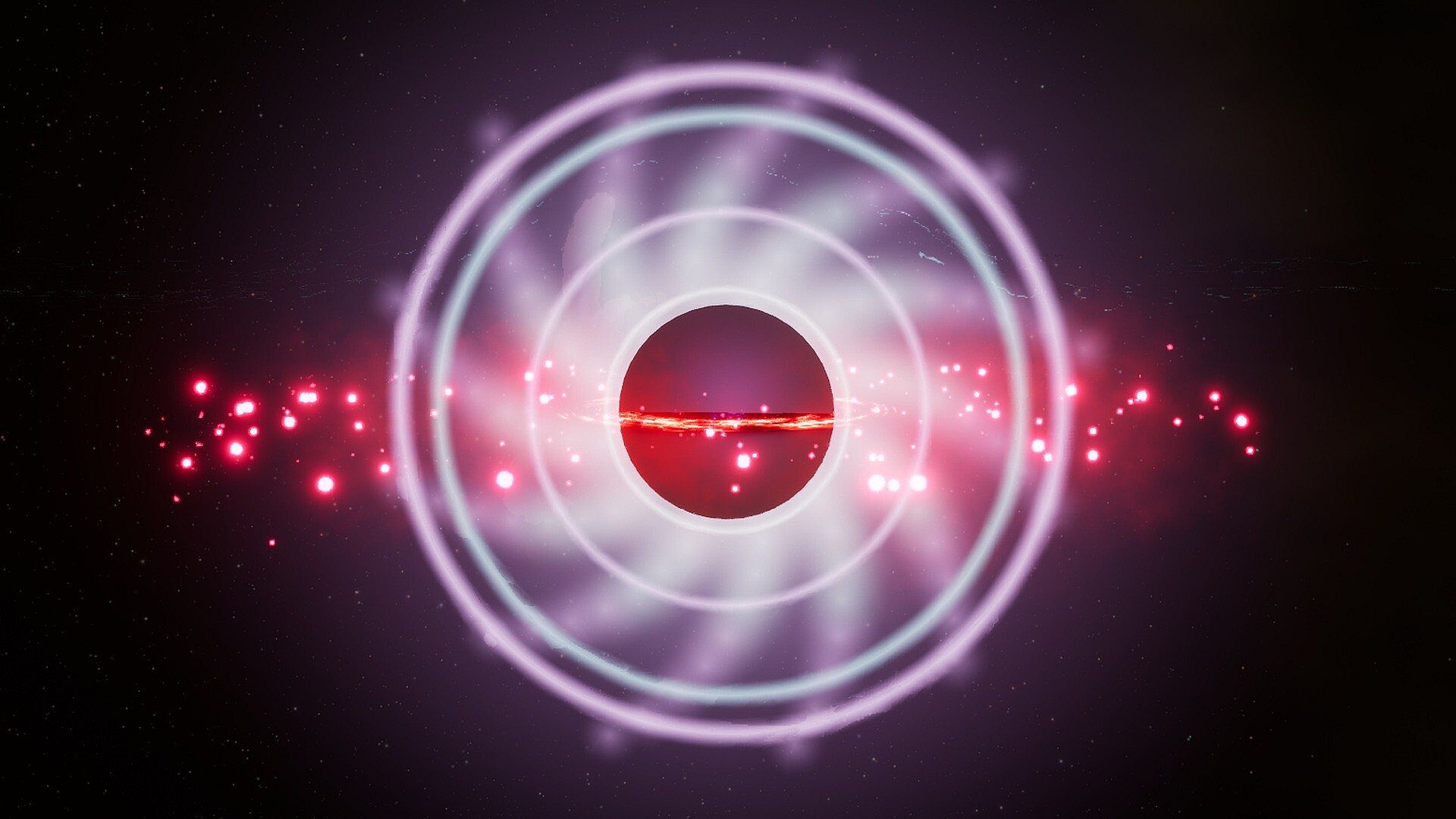
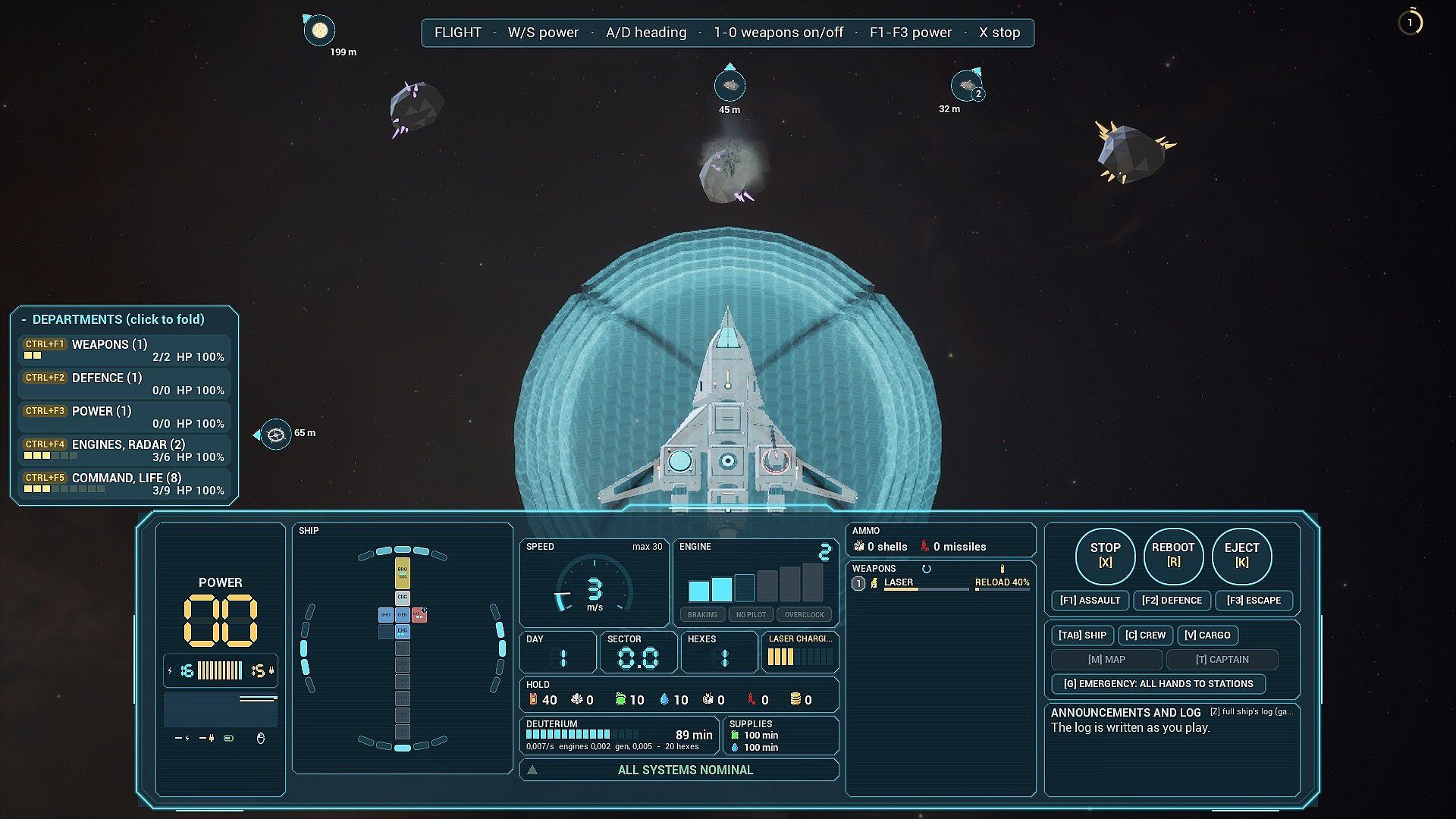
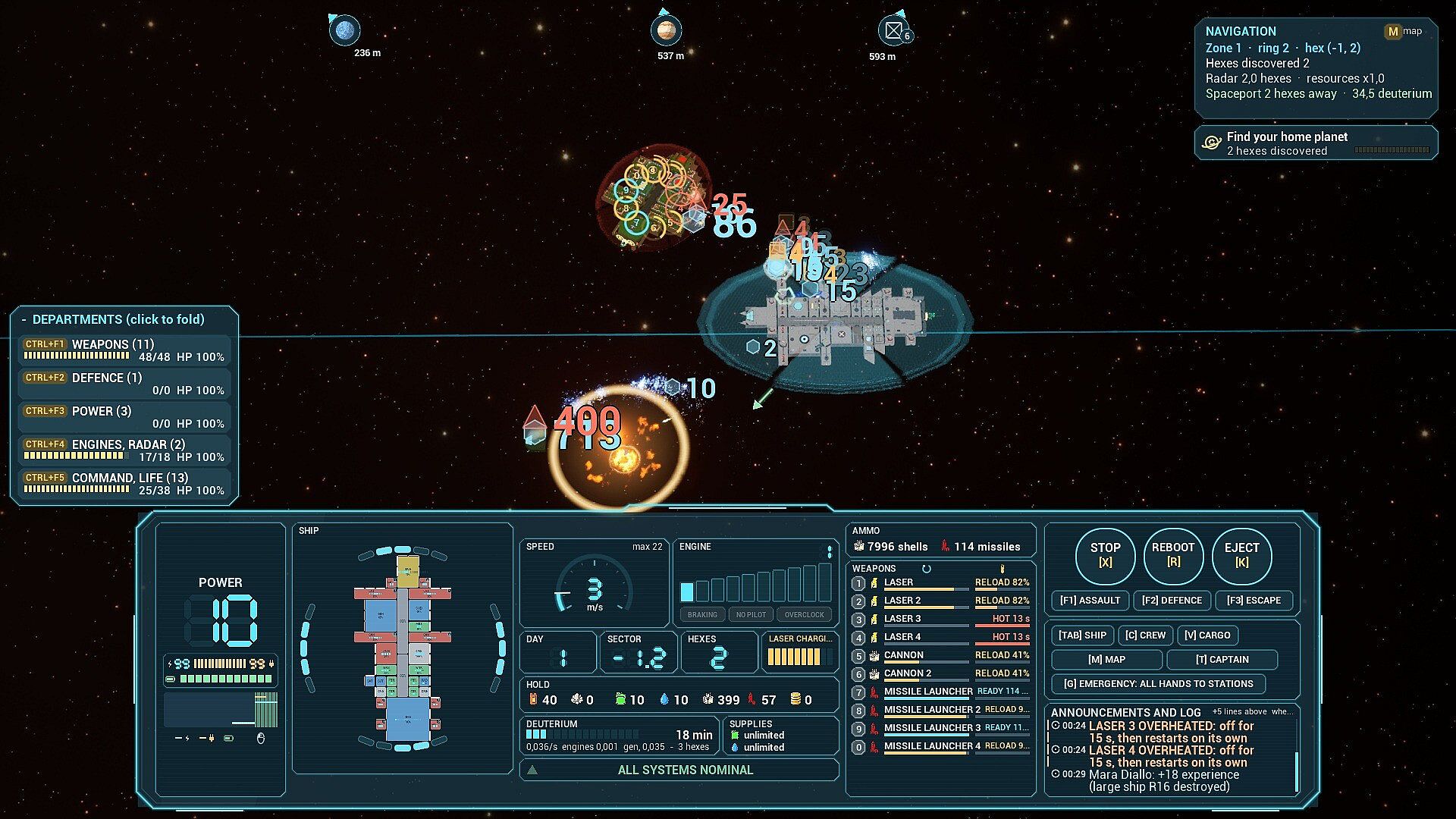
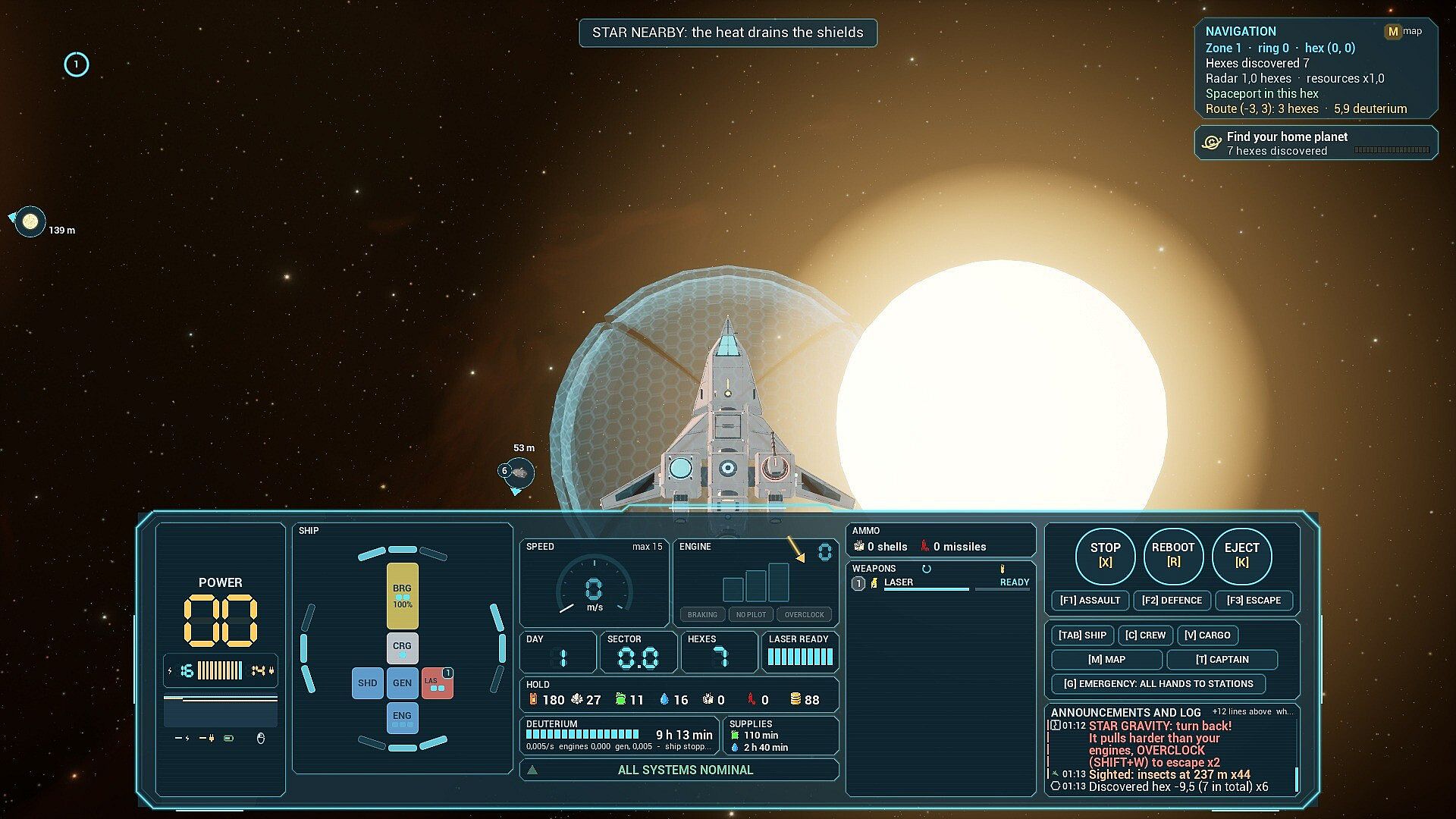
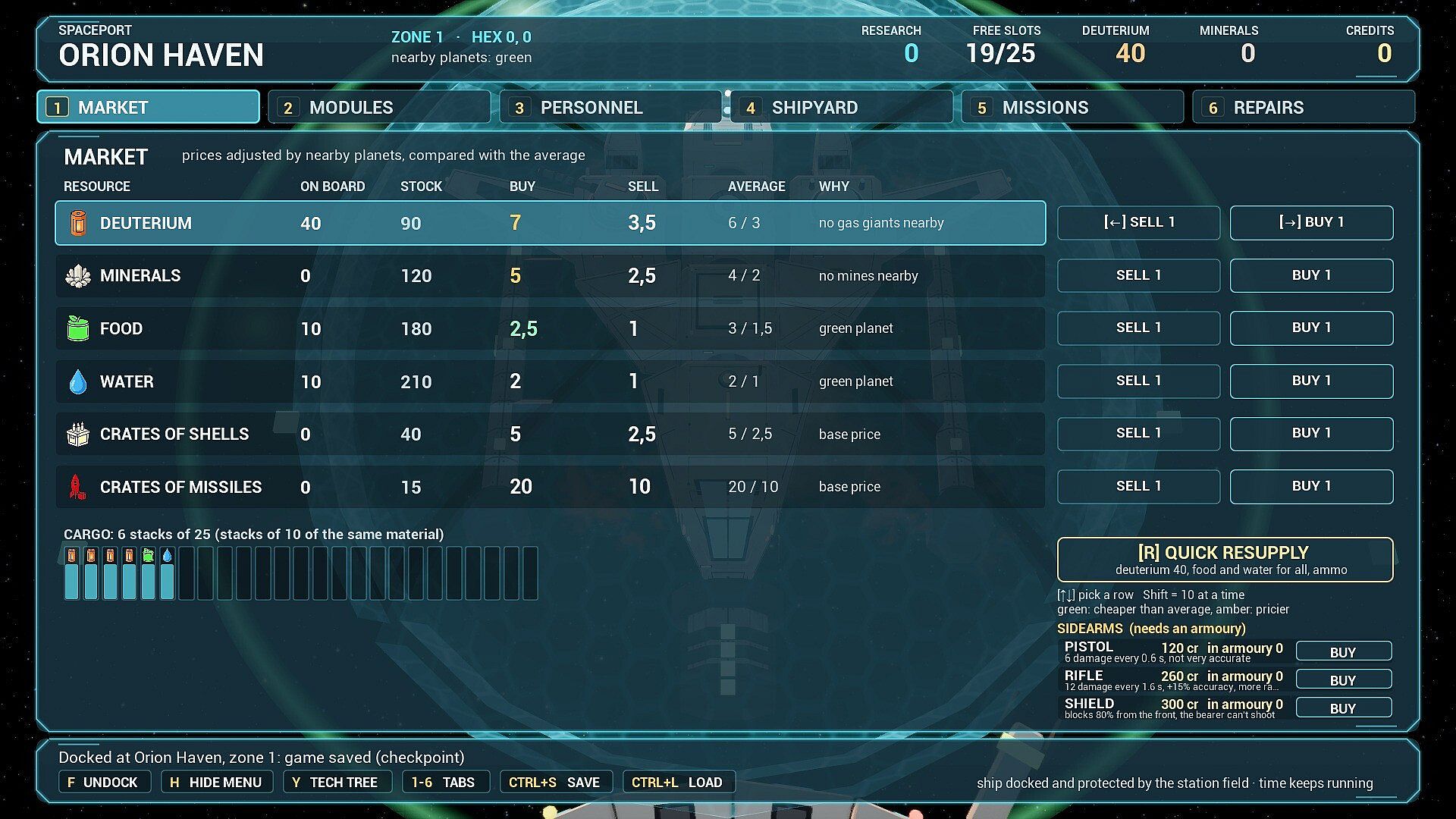
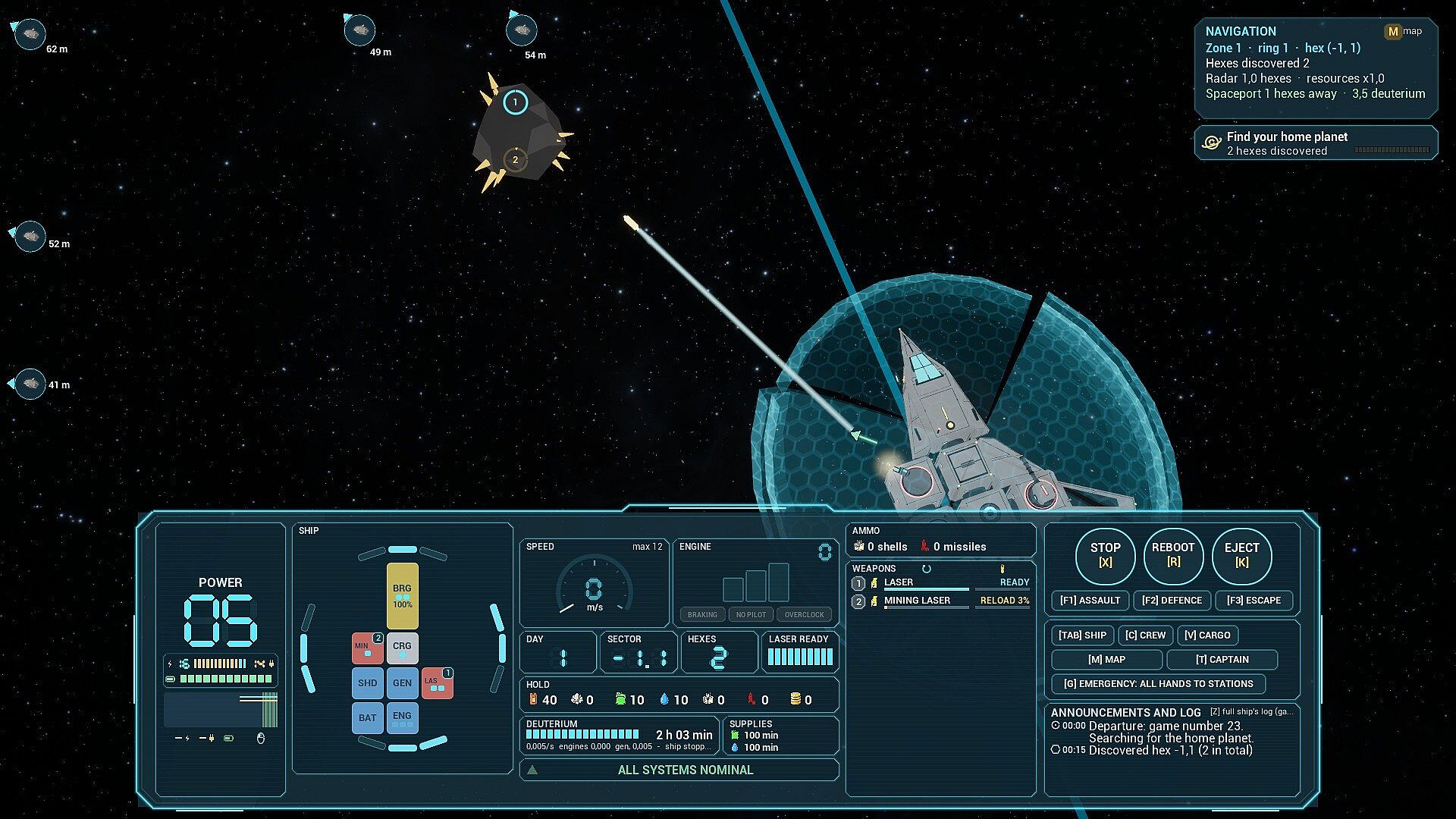
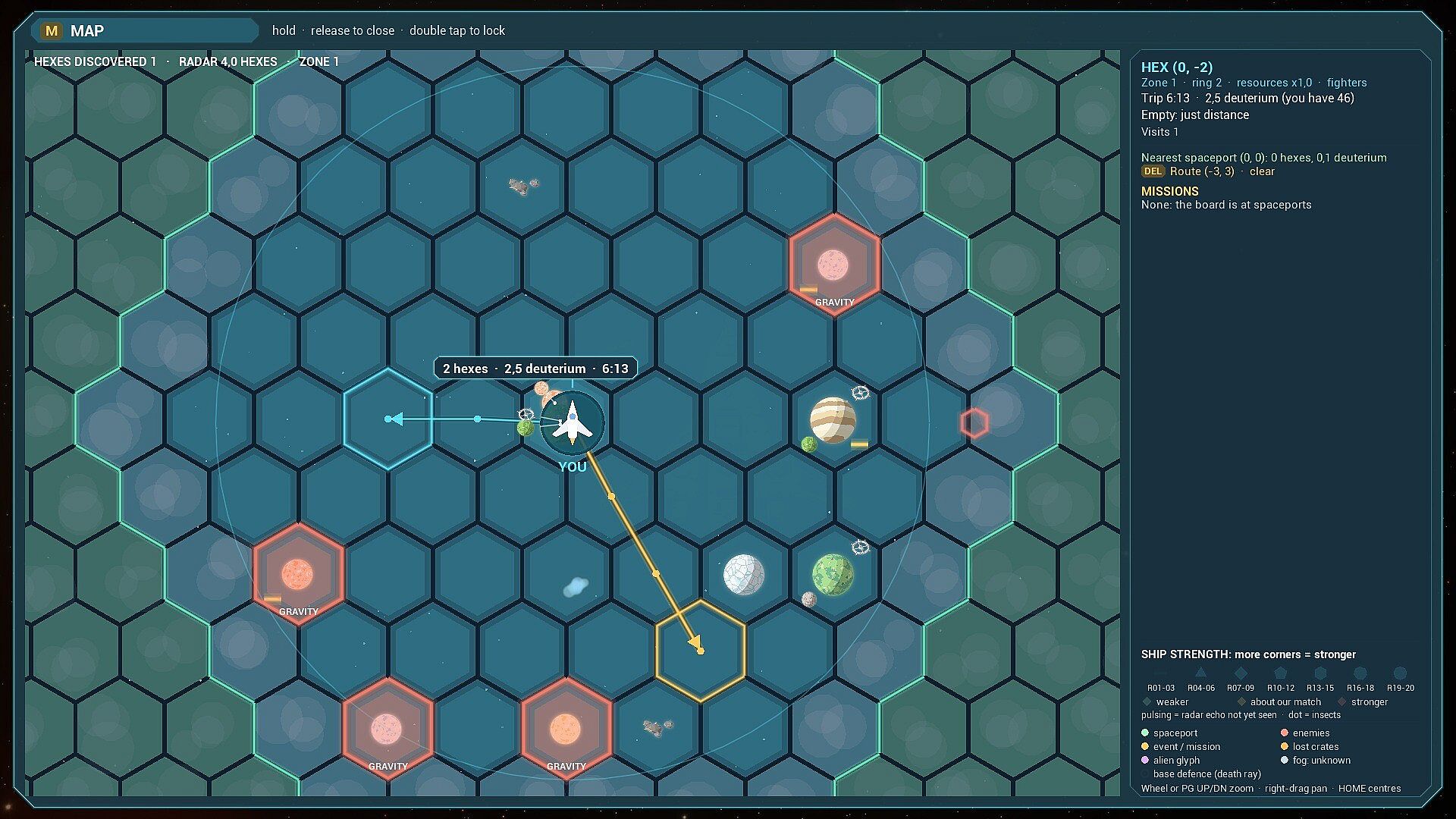
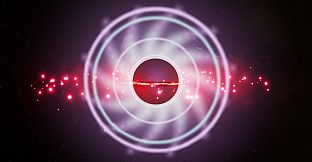
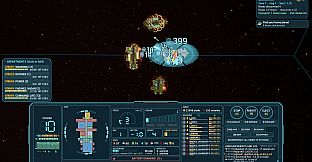
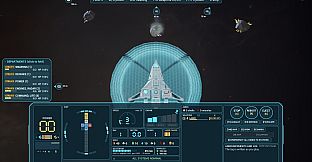
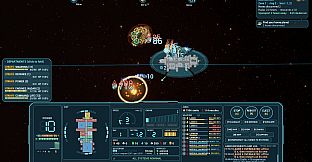
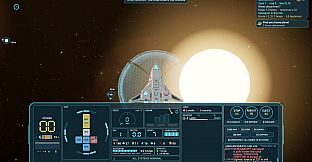
SpaceVivor is a real-time space survival game that blends action, indie, simulation and adventure elements on PC. Players command a modular starship thrown far from home through a wormhole, managing limited resources while exploring an unknown quadrant of space.
Gameplay
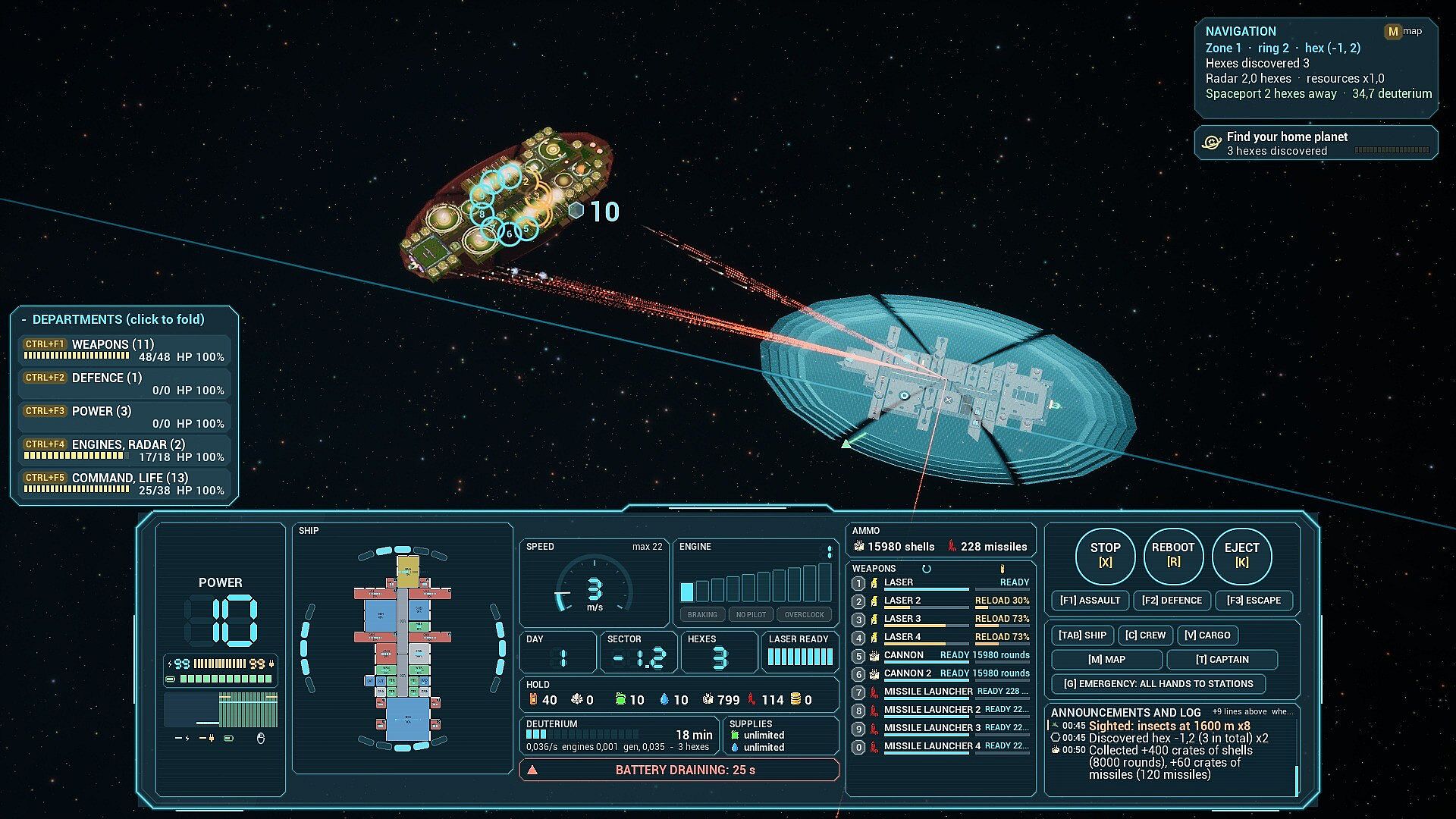
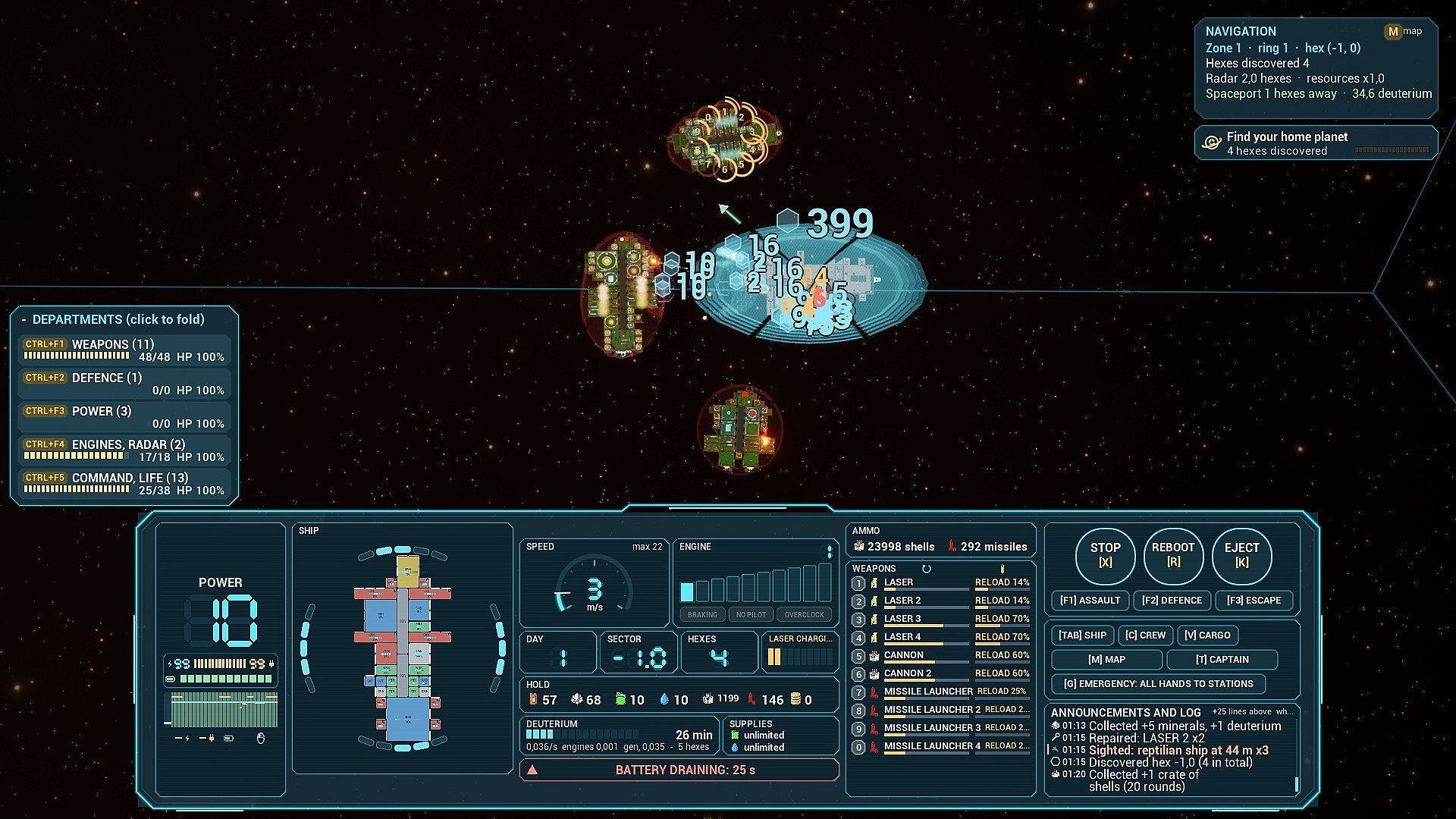
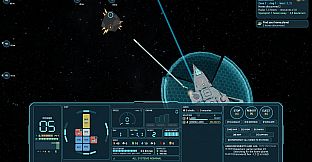
The core loop centers on piloting and maintaining a customizable starship in real time. Energy must be allocated dynamically between engines, weapons and the four directional shields, with every decision affecting immediate survival against incoming threats. Overclocking systems provides short bursts of power but risks overload and blackout if sustained too long.
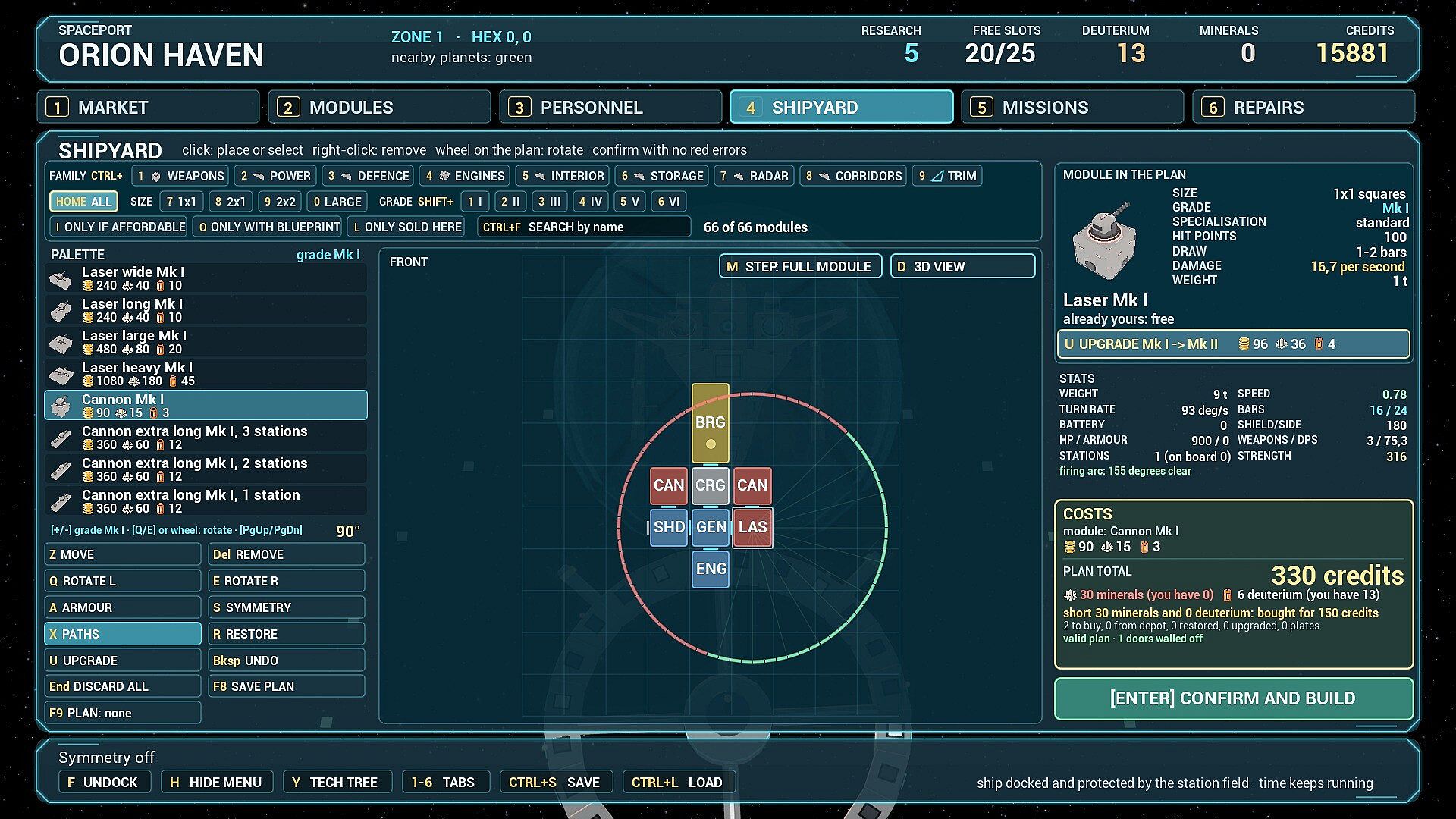
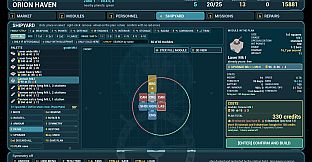
Ship construction occurs on a grid at spaceports, where modules such as cockpits, generators, engines, shield emitters, armor plates, cargo holds, greenhouses and crew quarters are placed according to size, weight and power requirements. Destroyed modules detach and drift away, requiring a return to the shipyard for repairs. Weapons include player-directed turrets with options like beam lasers, pulse lasers, ion orbs, multi-barrel cannons and homing missiles, each available in multiple marks up to experimental variants on larger enemy vessels.
Crew management adds another layer. Four races-Humans, Venusians, Greys and Robots-can be hired at spaceports. Each individual has unique stats, skills and needs for food, water, rest and air. Crew members move through corridors to stations, with suit colors indicating roles in command, weapons or engineering. Pressing a dedicated key opens an interior view while time continues to advance.
Game Modes
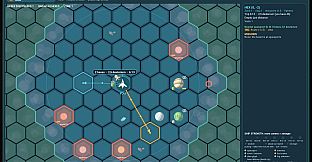
SpaceVivor offers a single-player survival experience with no traditional victory condition. Runs focus on lasting as many days as possible in procedurally generated hexagonal sectors filled with planets, asteroid fields, wrecks, stars and black holes. Progress saves only at spaceports, and loss of the cockpit ends the current attempt, though the captain can retain some points and skills for subsequent starts in a new fighter.
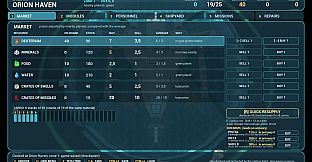
Exploration involves trading resources, accepting missions, answering distress calls and collecting materials from floating crates or planetary surfaces. Enemy fleets appear on the map with visual indicators of strength, and the environment grows more hazardous the farther the ship travels.
Ship Building and Resource Management
Modular design replaces fixed ship classes. Players begin with a basic fighter and expand or reconfigure the vessel module by module on the shipyard grid. Larger configurations deliver greater firepower and capacity but increase power demands, reduce maneuverability and heighten vulnerability. Batteries supplement generators during peak loads, while cargo and life-support modules support longer expeditions.
Energy scarcity forces constant trade-offs. The generator output falls short of total requirements, compelling players to prioritize engines for evasion, weapons for offense or specific shield faces for defense. Boarding actions become viable once an enemy's engines are disabled, allowing a crew squad to cross via tube and fight room by room for capture and loot.
Threats and Exploration
Two primary alien factions challenge progress. Reptilian ships follow the same modular rules and appear in twenty tiers of increasing capability, each procedurally assembled with their own crews. Insect swarms and nests function as living vessels that target food and water stores. Procedural generation ensures varied encounters across gas giants, rocky worlds, ocean planets, alien structures and debris fields.
Spaceports serve as safe hubs for refitting, hiring, trading and mission selection. Keyboard and mouse controls support precise turret aiming and window toggles, with full remapping available alongside accessibility options such as color-blind modes and adjustable UI scale.
Is It Worth Playing?
SpaceVivor targets players who enjoy detailed real-time resource allocation, modular construction and crew oversight within a procedural survival framework. The absence of a fixed campaign or multiplayer components keeps focus on repeated runs that emphasize adaptation and incremental captain progression. With a planned release on January 1, 2027, those drawn to ship customization, energy juggling and alien encounters in an open-ended galaxy may find the described systems compelling once available. No player reviews or post-launch updates exist at present, so final assessment depends on execution of the outlined mechanics after launch.











