


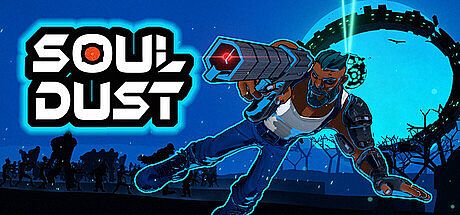


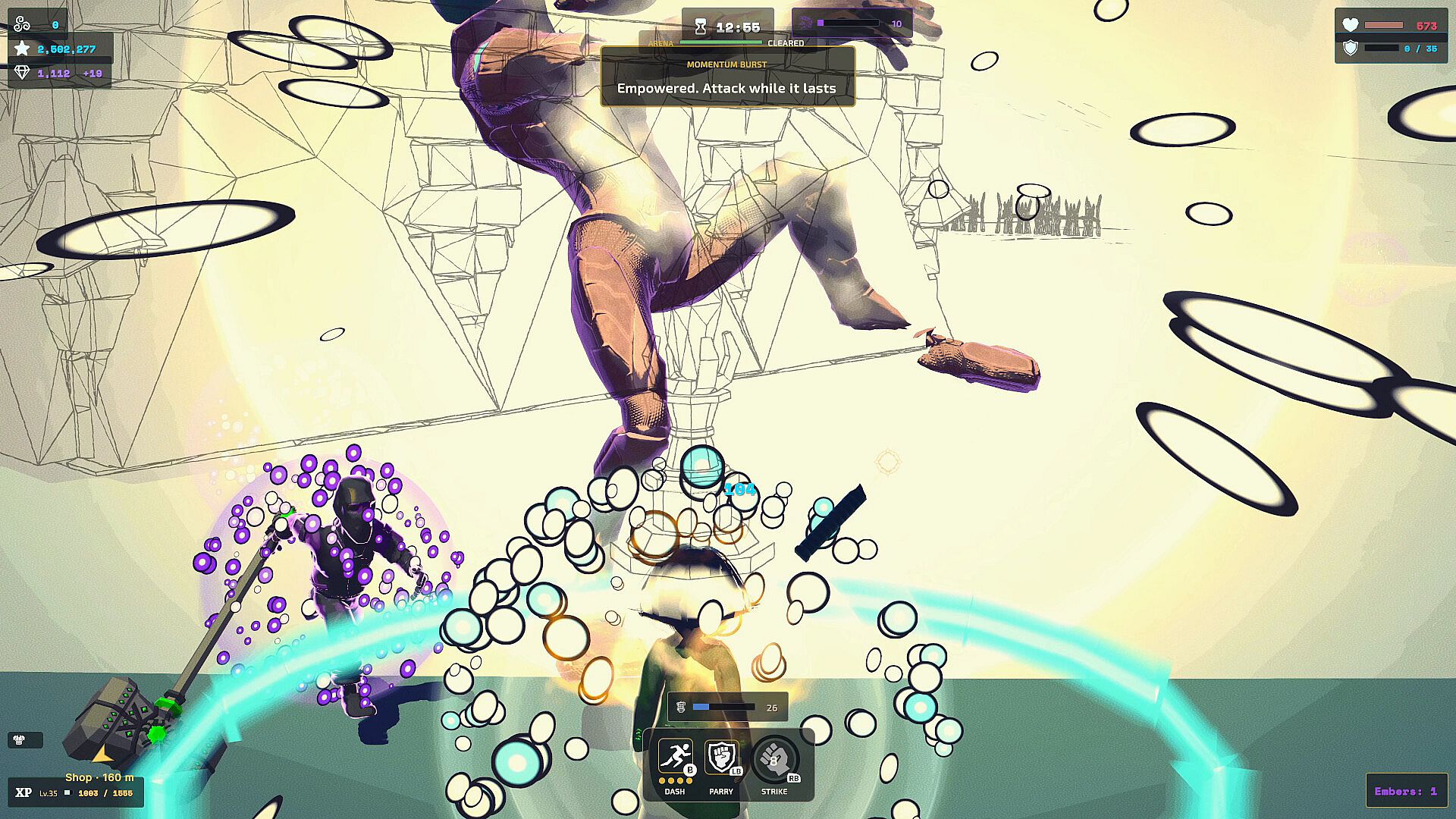
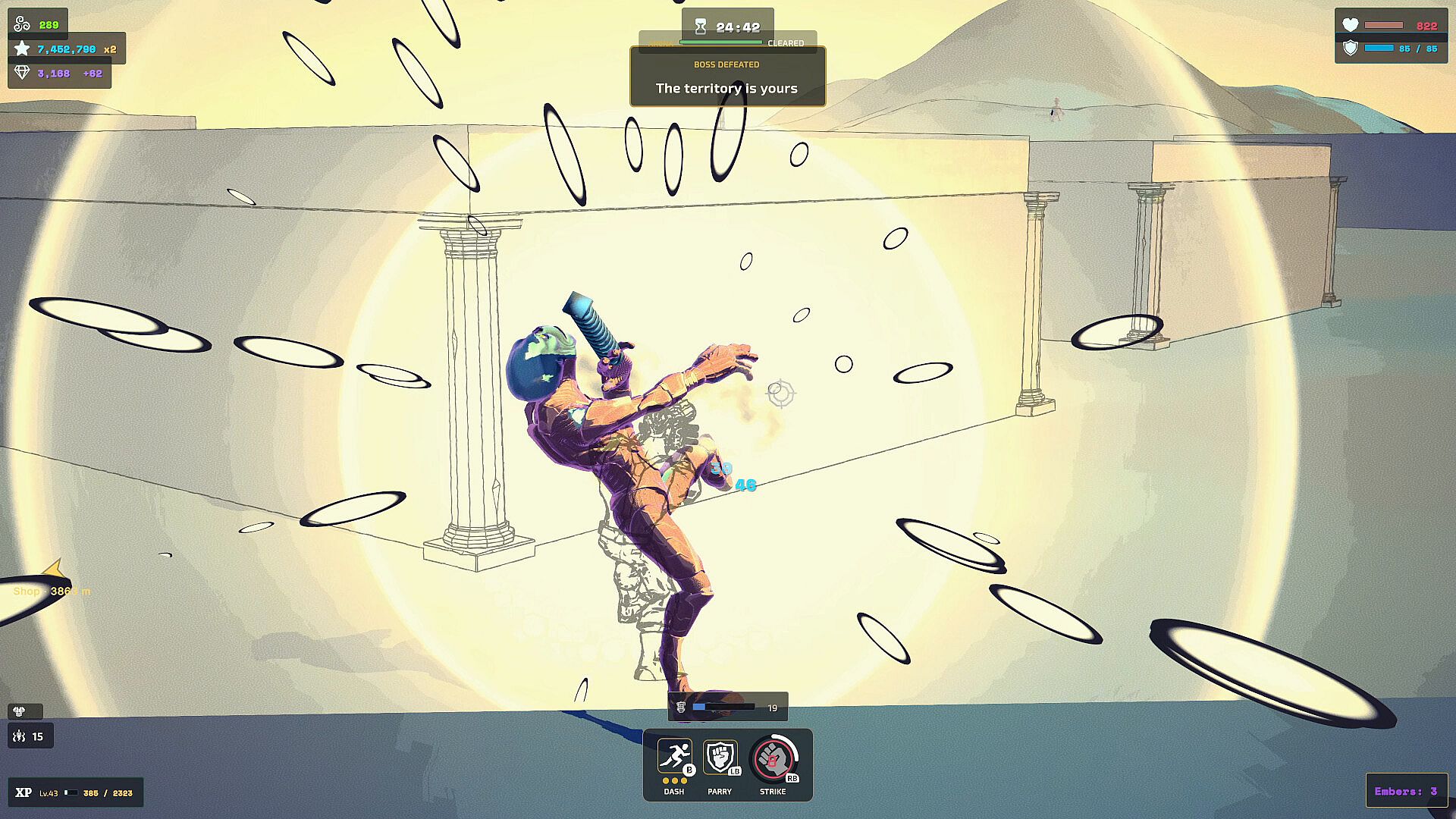
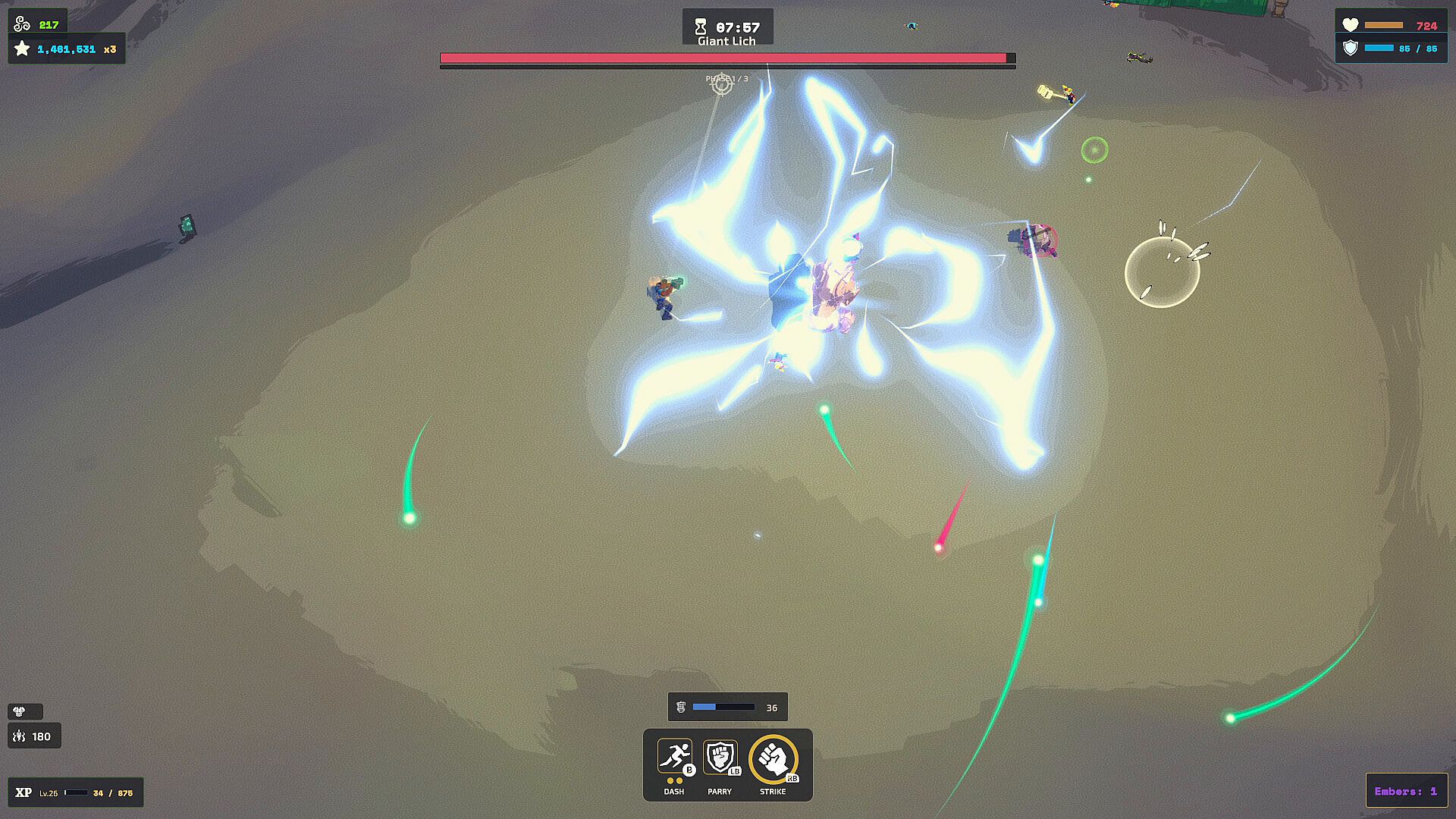
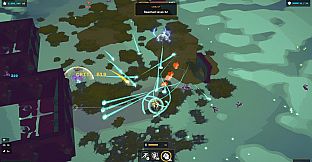
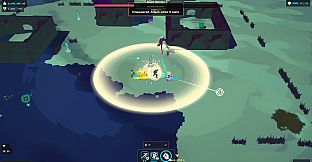
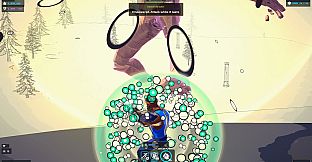


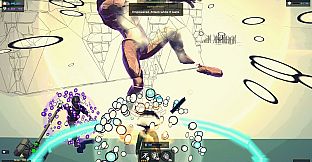
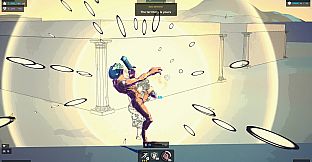
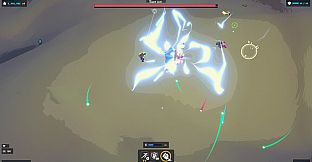
Soul Dust is a third-person action adventure game with indie roots and rogue-lite bullet heaven elements. Players control one of several heroes through procedurally generated arenas filled with enemies from warring factions, building automated combat systems while steering movement and deciding when to engage directly.
Gameplay
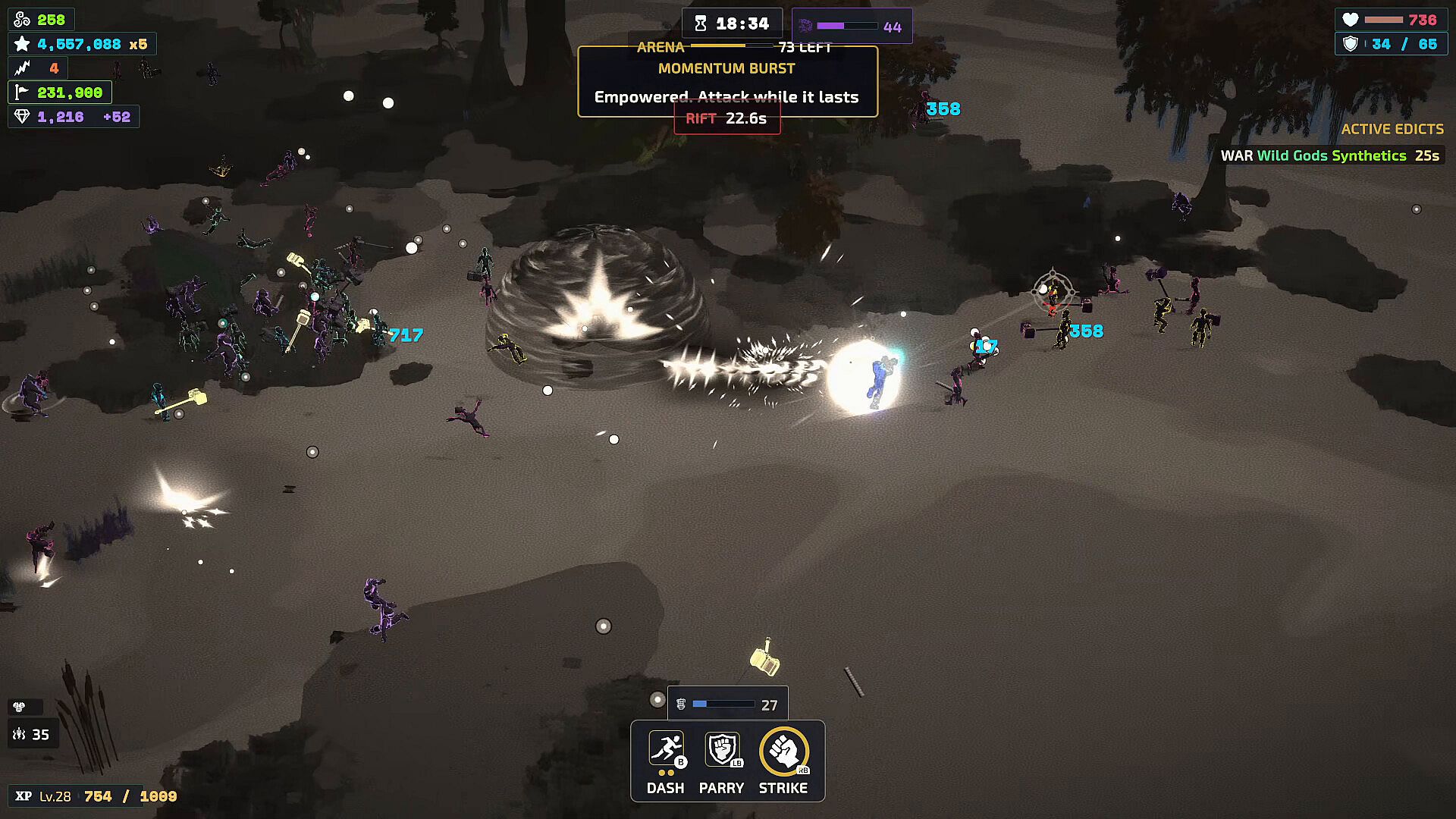
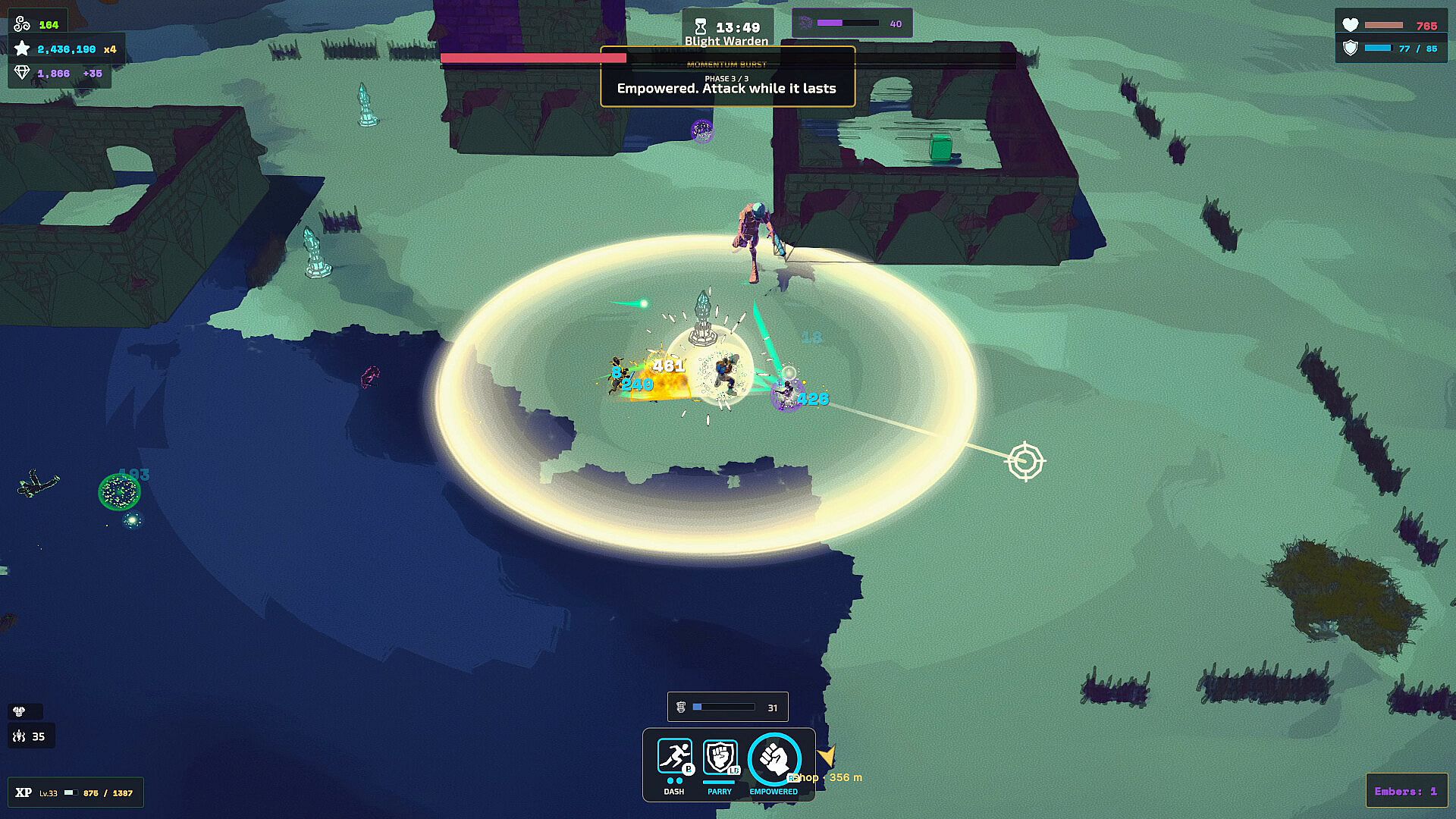
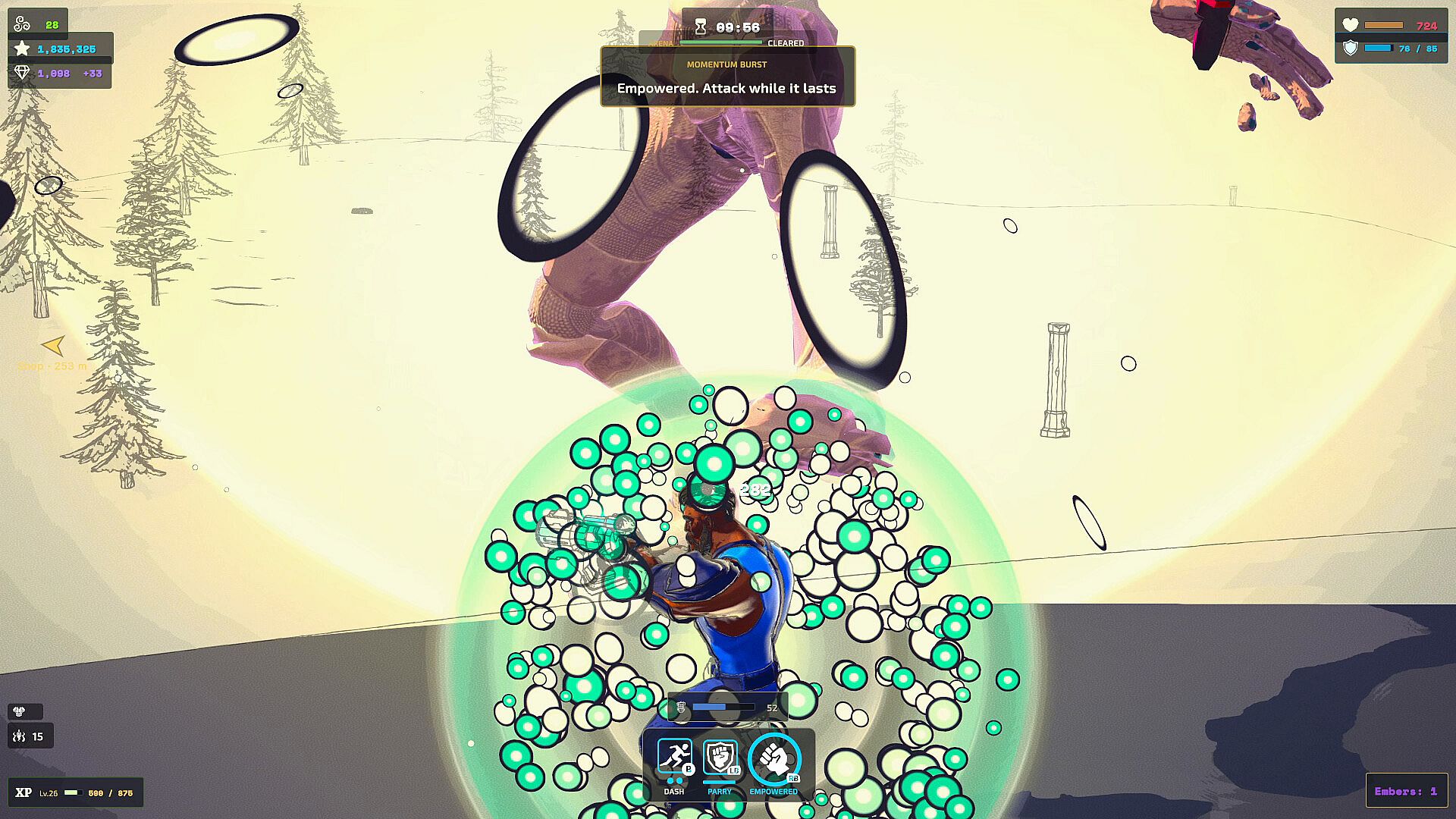
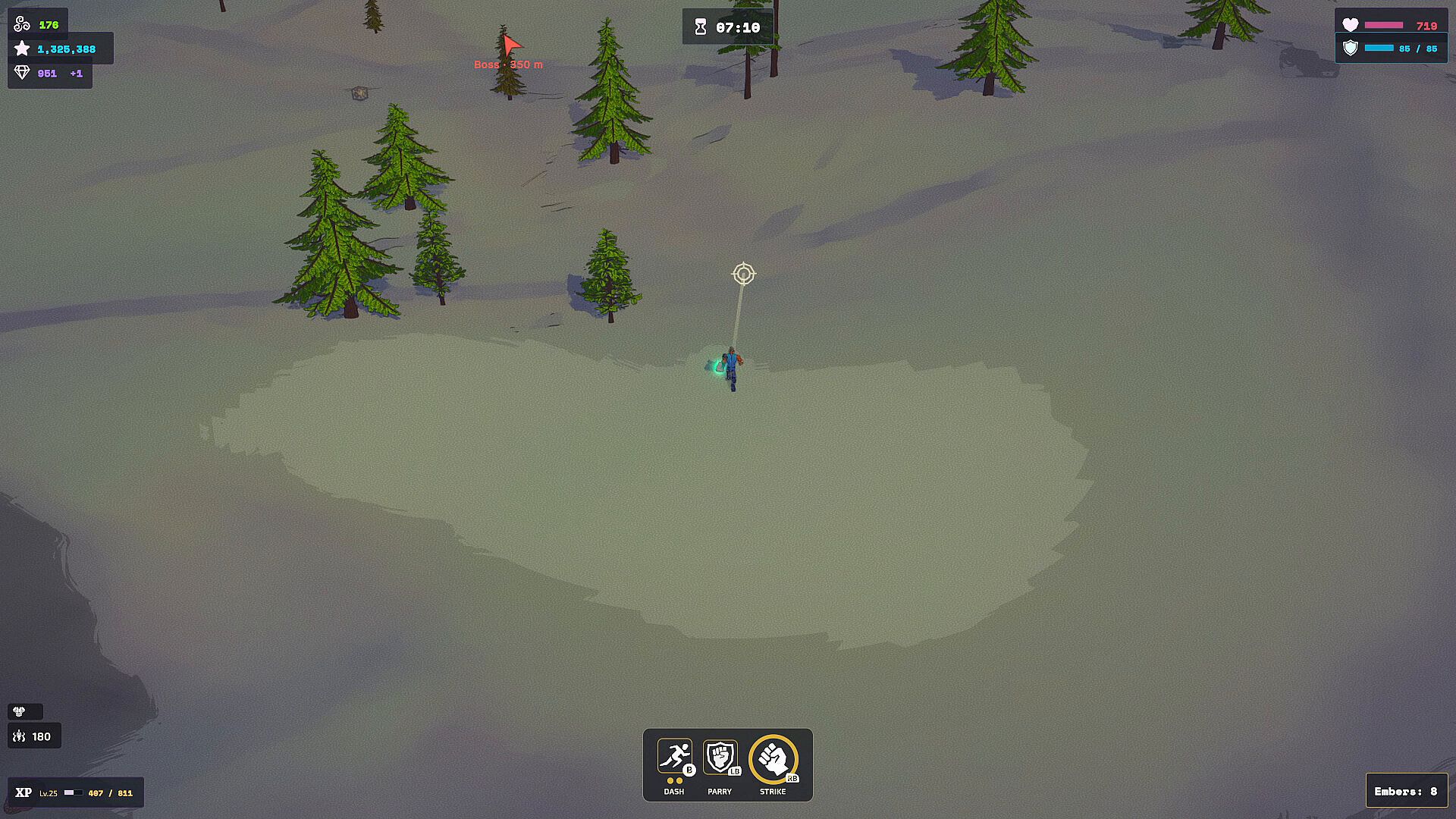
The core loop revolves around clearing arenas on a map that changes each run. Players steer their hero and aim while weapons can fire automatically or manually depending on settings. Momentum builds through skillful play to trigger powerful bursts, and enemies from different factions clash with each other, granting experience even when they eliminate one another nearby.
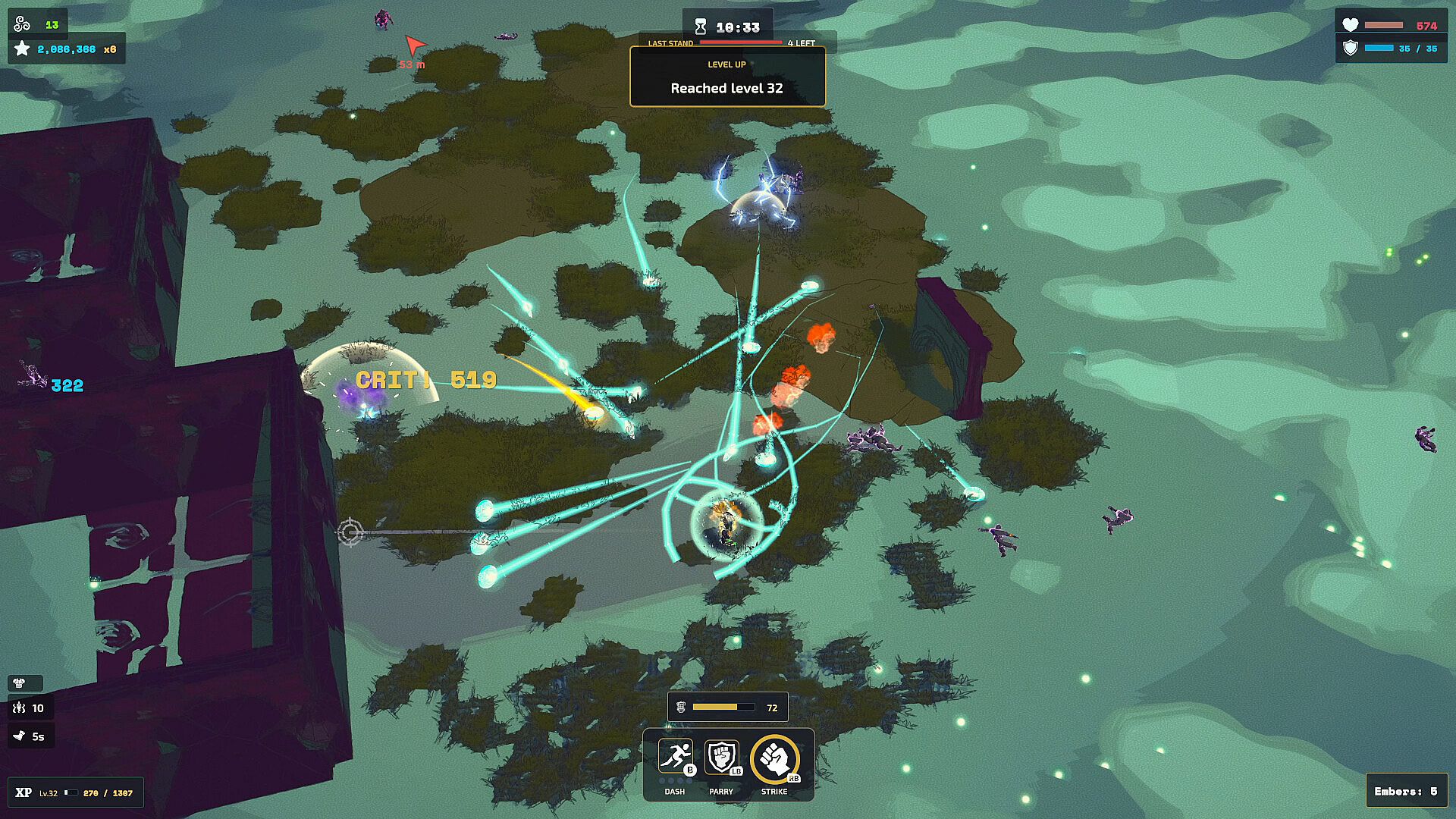
Over 170 upgrades stack and evolve, including orbiting shards, turrets, chain lightning, homing shots, and floating copies of casts. Ten cast types range from beams and lances to gravity wells, boomerangs, and orbitals. Hero attunements transform a signature shot into specialized forms after collecting Soul Dust. Cores provide passive effects with hidden synergies, and wagers let players bet credits on arena performance for bigger rewards.
Combat supports both relaxed and intense styles. Weapons can fire on their own while the player focuses on movement and positioning, or auto-fire can be disabled for full manual control including charged shots. Perfect parries deflect attacks back at foes, counters chain into stronger hits, and melee combos break enemy posture for massive damage. Dodges, parries, and kill streaks drop extra Soul Dust as immediate rewards.
Game Modes
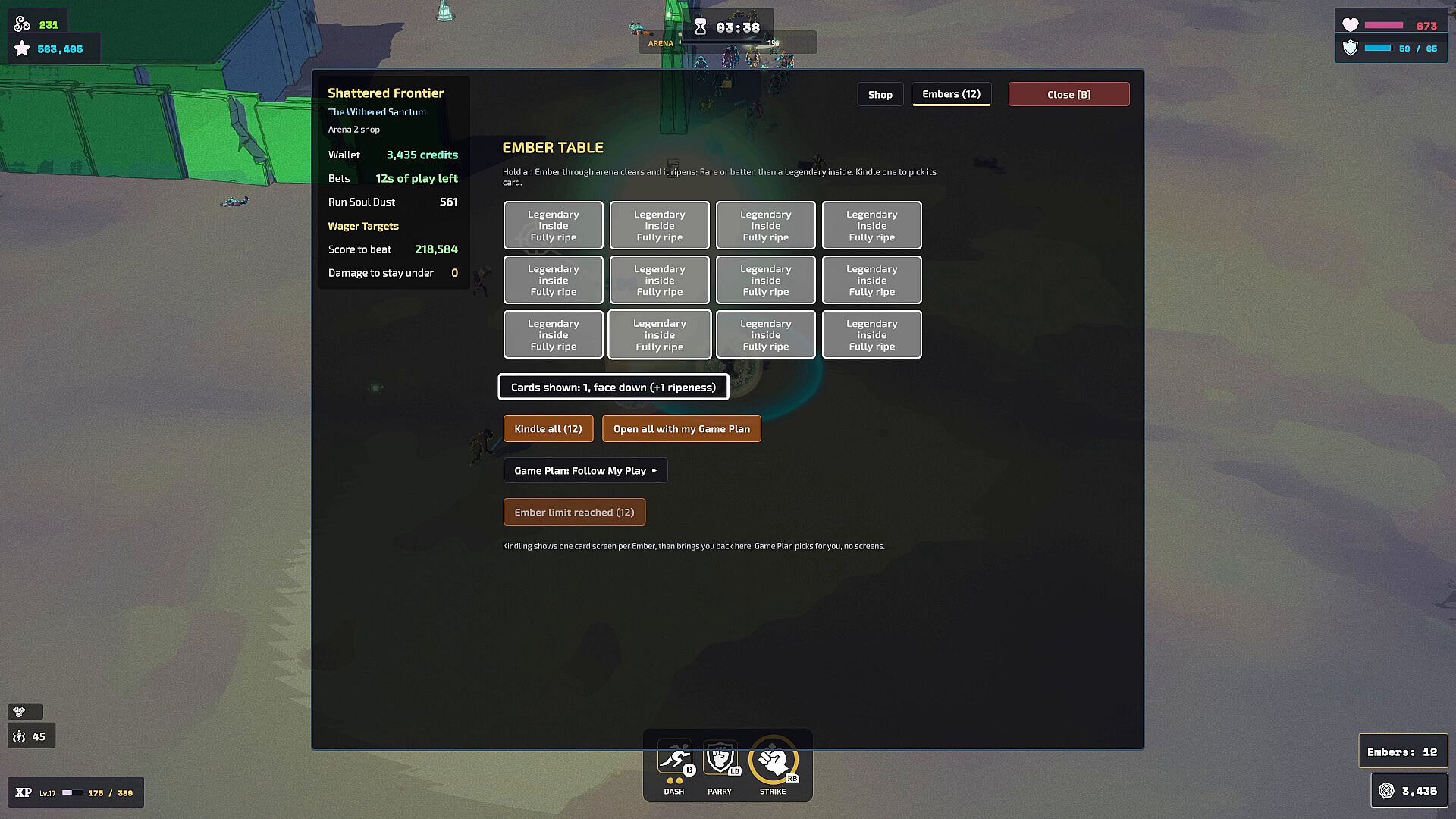
Runs last around thirty minutes and follow a structure of entering arenas marked by danger levels, clearing threats, destroying compounds and rifts, then advancing when ready. Level-ups can be banked as Embers to continue fighting without interruption, with longer holds yielding rarer or legendary cards upon opening.
Auto-Pick and Game Plans such as All-Out Offense, Survival, or Puppet Master automate card selection during level-ups. Players can banish unwanted cards, purchase higher-level options, or open Embers face down for better rewards. Shops sell extra Embers and items like Cease Fires or War Proclamations that influence faction behavior.
Local co-op allows a second player to join on the same screen with their own hero and independent level-up choices. A downed partner can be revived. Solo play supports an optional AI companion that provides support and syncs with the player. Each player banks their own Embers in co-op sessions.
Progression and Customization
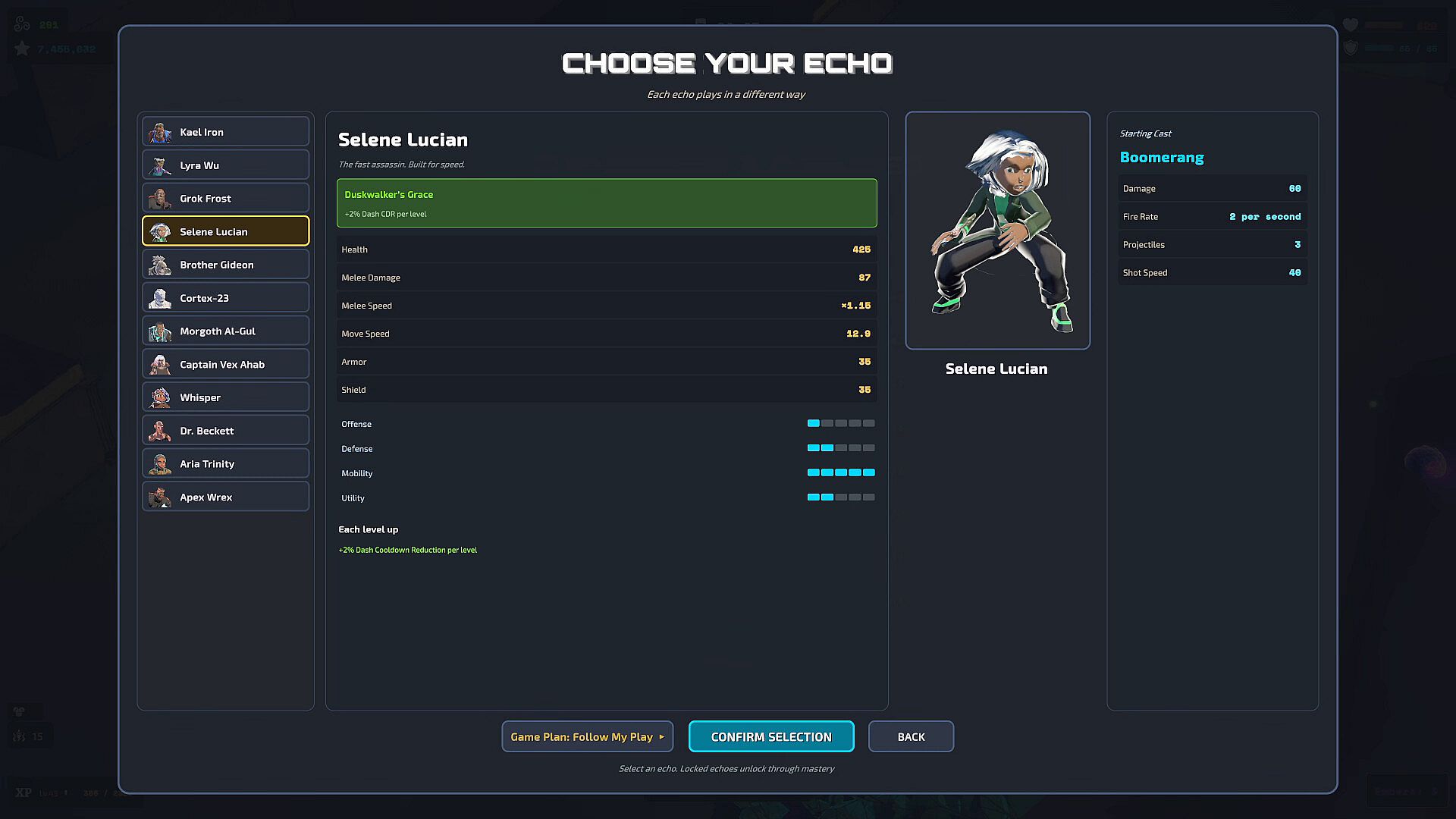
Twelve playable heroes each feature a unique signature shot and passive ability. Six factions populate the battlefield with forty-two enemy types across five biomes and four bosses. Bosses patrol territories, strengthen nearby troops, and can be challenged at chosen times to permanently weaken their faction upon defeat.
Thirty-six hero attunements and sixteen cores expand options further. Permanent upgrades in the hub are purchased with Soul Dust collected across runs. Cards like Turncoat and Divide and Conquer encourage leading factions into conflict for shared experience gains.
Full controller support includes remappable controls and button hints that fade after learning moves. Accessibility options cover screen shake, bloom, vignette, and other visual effects. Runs can be quit and resumed later with the build preserved.
Is It Worth Playing?
Soul Dust suits players who enjoy mixing automated combat systems with direct control in a rogue-lite framework. Those who prefer leaning back and letting builds handle most fighting will find options like auto-fire and auto-pick rewarding, while players seeking active engagement can disable automation for manual shooting, parries, and combos.
The faction warfare and enemy infighting add variety to arena clears without requiring constant direct confrontation. Local co-op and AI partner support expand accessibility for different group sizes. The game emphasizes experimentation with over one hundred seventy upgrades and multiple cast types, rewarding both chill and high-skill approaches across repeated runs.












