







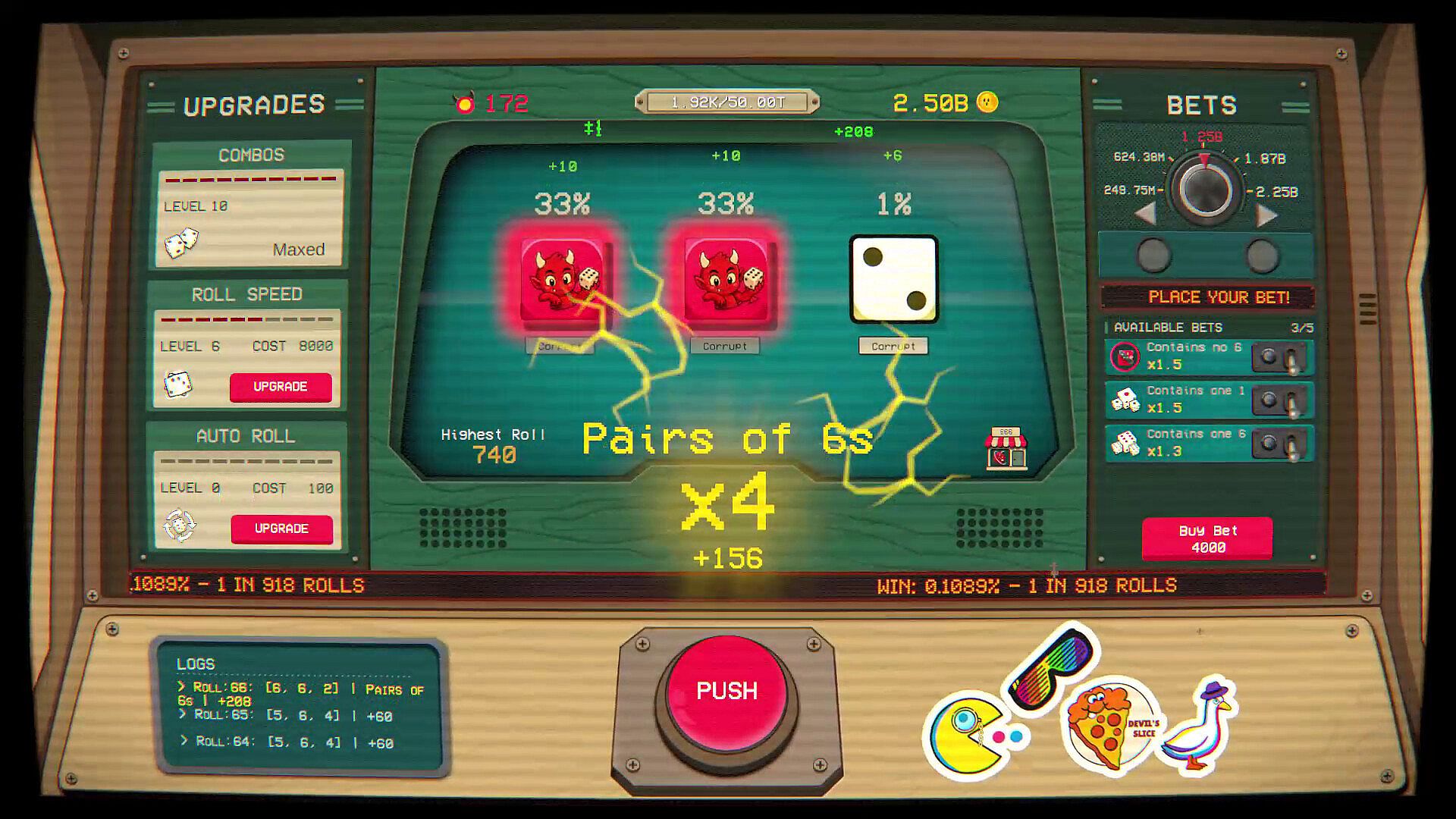

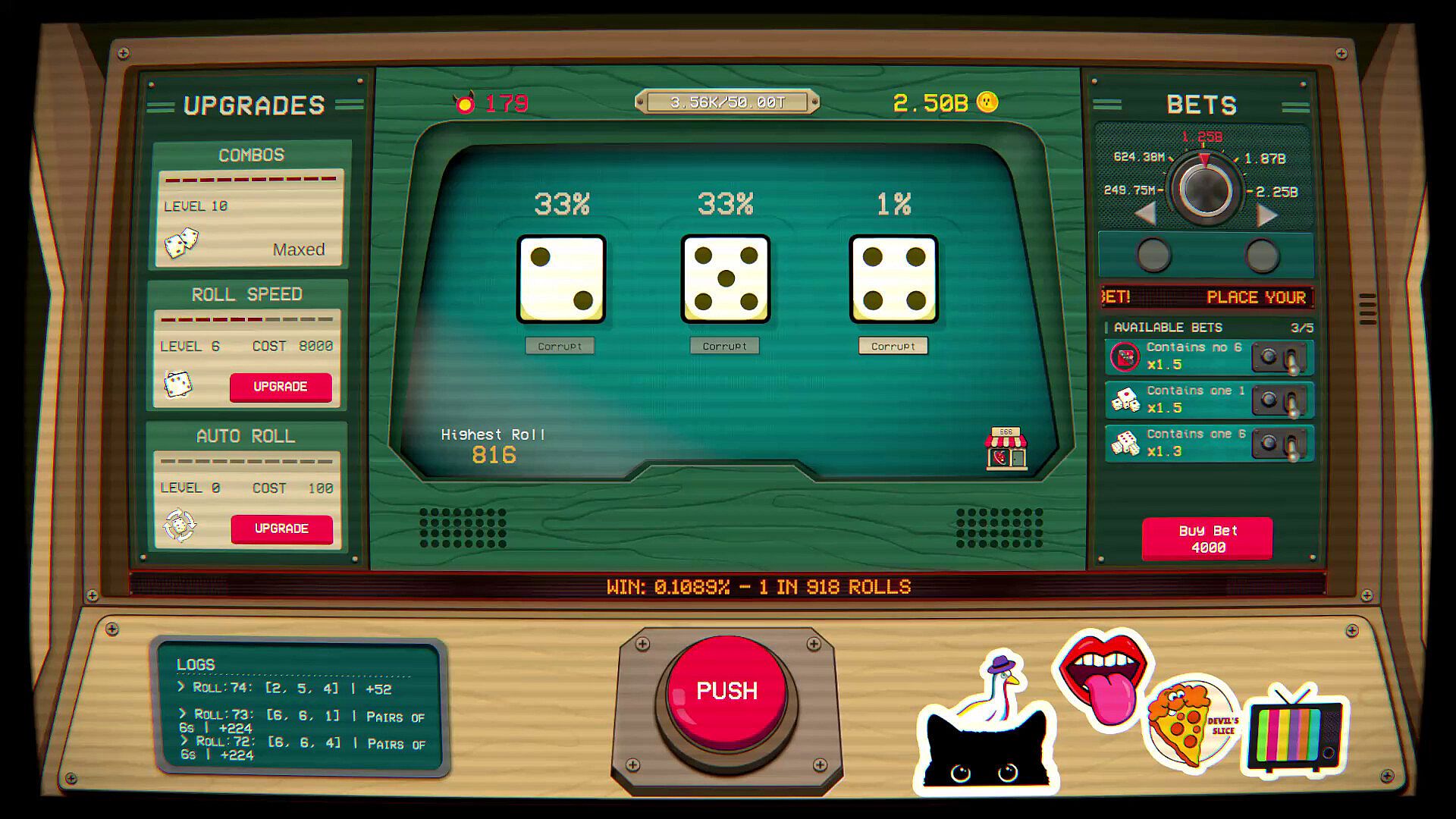

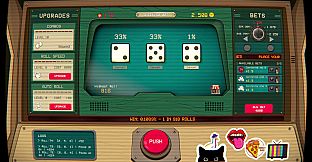
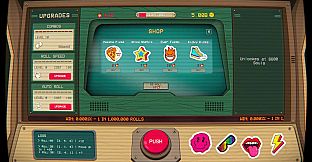
Six is Devil is a casual action simulation game for PC centered on dice rolling and probability manipulation. Players begin with three dice and work toward landing every face on six through repeated rolls, resource management, and deliberate alterations to the dice themselves.
Gameplay
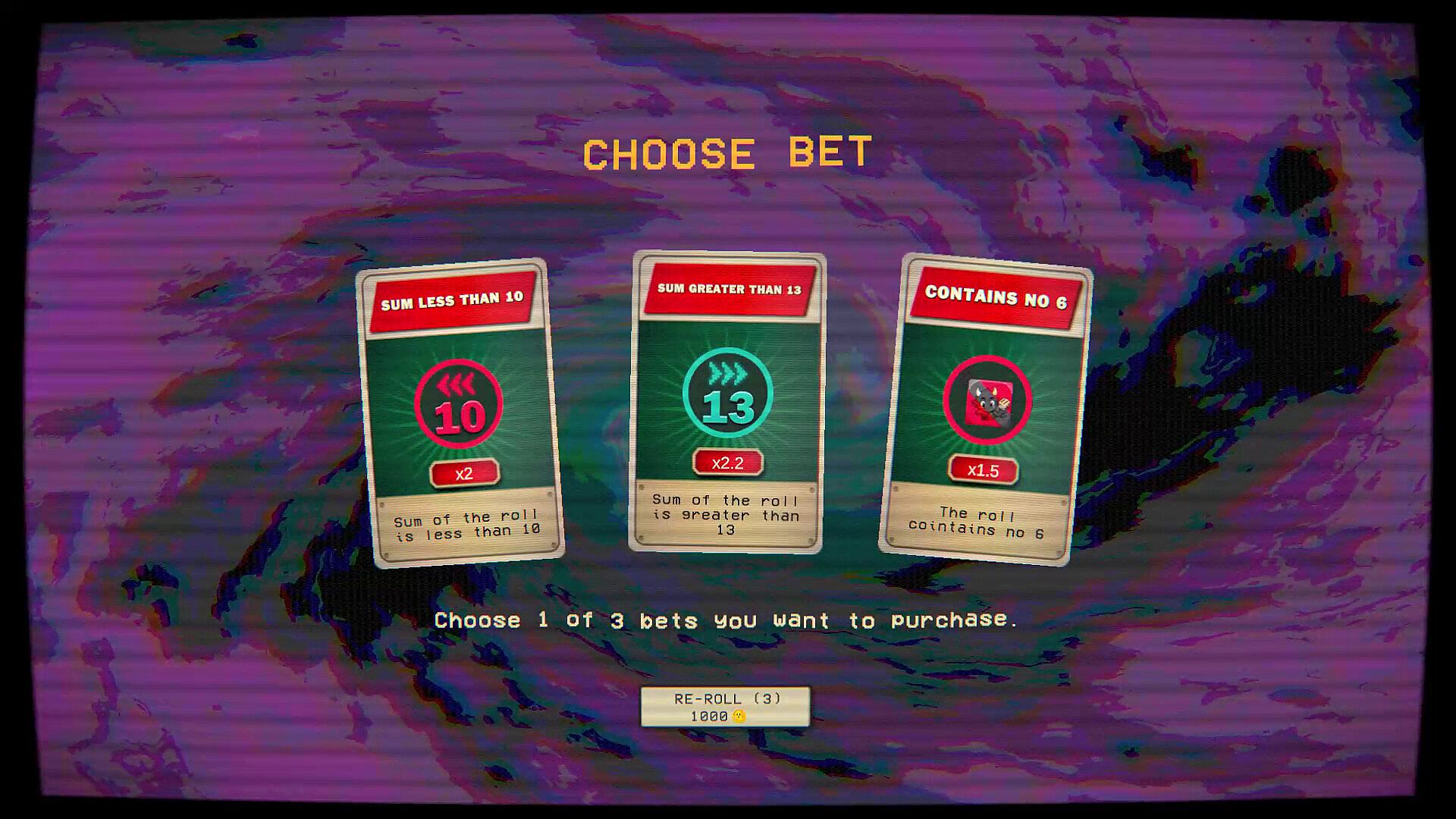
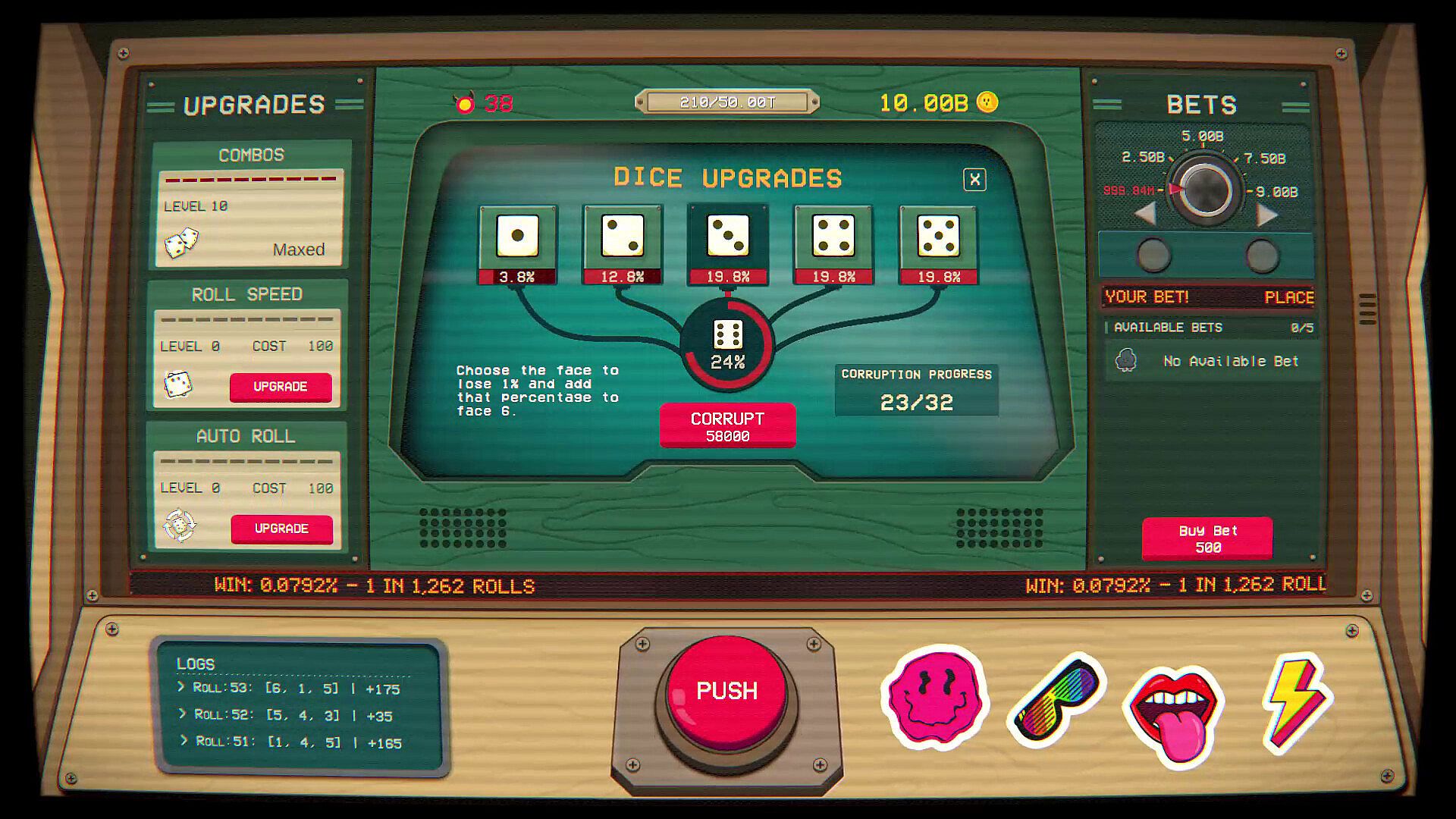
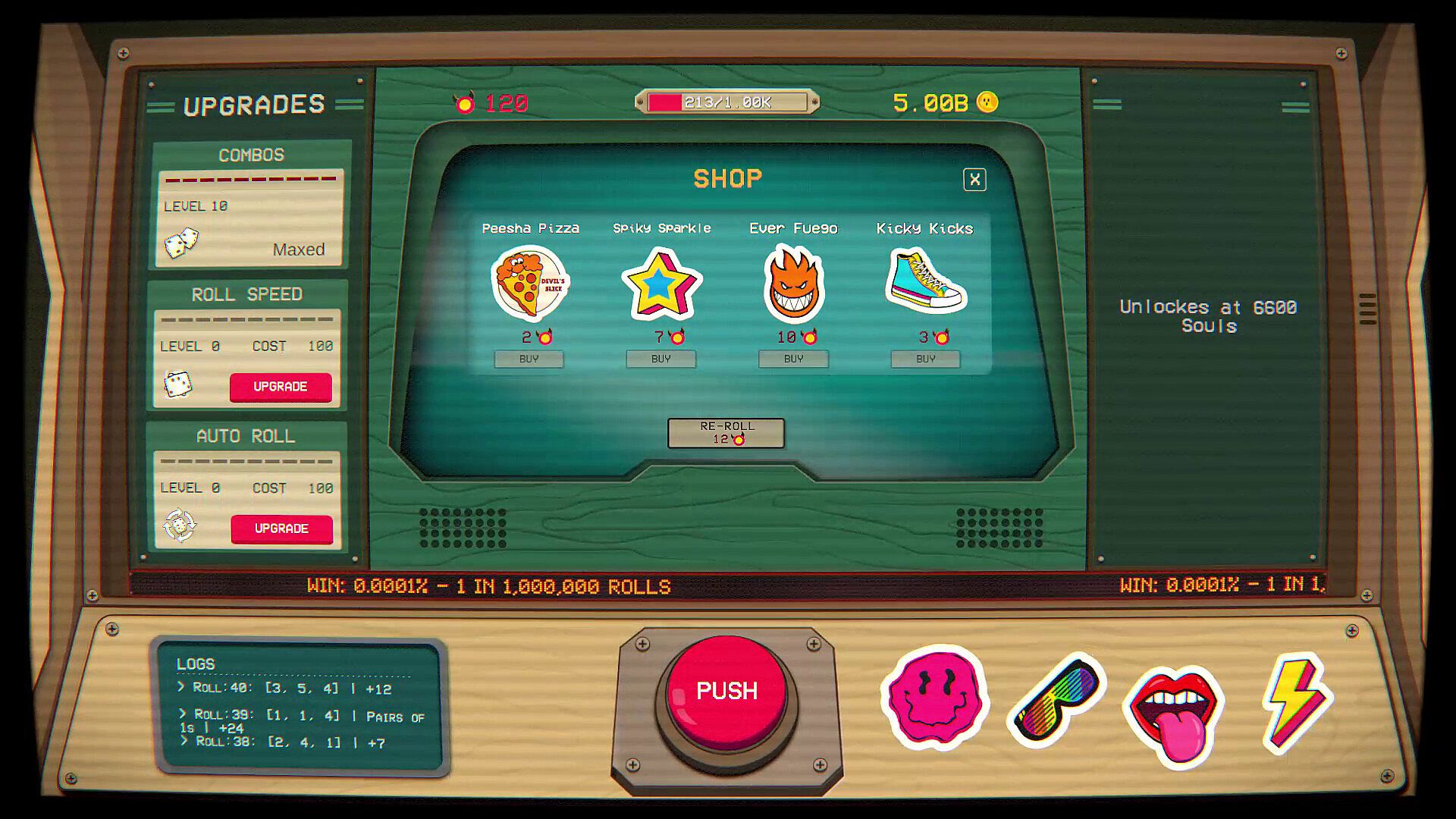
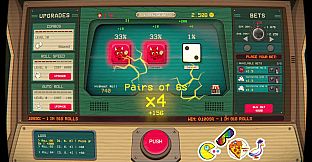
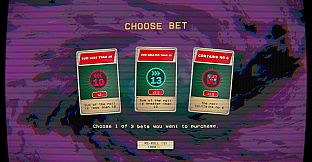
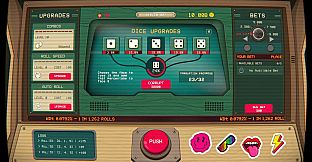
The core loop revolves around rolling dice to generate coins while pursuing the goal of all sixes. Each successful roll provides currency that funds upgrades to improve outcomes or expand options. Corrupting dice involves sacrificing unwanted faces to raise the likelihood of rolling six, though this process carries inherent uncertainty since no modification guarantees results. Bets add another layer by allowing players to stake coins for potentially larger returns, introducing direct risk assessment into every session. Progression reveals additional upgrades, betting opportunities, and combinations that further influence dice behavior and overall odds.
Choices accumulate across runs, with each corruption or bet altering the available paths forward. The system emphasizes repeated attempts where prior decisions shape future possibilities, blending straightforward rolling mechanics with layers of customization and wager-based rewards.
Game Modes
Play centers on a unified progression structure that unlocks new tools as players advance. Upgrades enhance base capabilities, while corruption options let users refine individual dice at the cost of other faces. Betting integrates as a variable element that scales rewards against the current state of the dice. Combos emerge from combined upgrades and corruptions, creating varied approaches to manipulating probability without separate standalone modes.
The experience remains consistent across sessions, focusing on iterative improvement through these interconnected systems rather than distinct playlists or competitive formats.
Progression and Risk Management
Advancement depends on balancing coin expenditure between permanent upgrades and temporary corruptions. Sacrificing faces on dice trades versatility for higher six probabilities, forcing ongoing evaluation of which risks align with current goals. Bets serve as multipliers that can accelerate progress but also deplete resources if outcomes fall short. The absence of guarantees keeps momentum tied to careful planning and acceptance of variance in results.
Over time, accumulated unlocks expand the toolkit for bending rolls in favorable directions, though the fundamental reliance on chance persists regardless of modifications.
Strategic Choices
Every session requires weighing immediate gains against long-term setup. Prioritizing certain upgrades might enable stronger corruptions later, while aggressive betting can either compound advantages or reset momentum. The interplay between dice states, available bets, and unlocked combos rewards experimentation within the bounds of the provided mechanics.
Players who enjoy incremental optimization alongside high-stakes decisions will find repeated engagement through these layered options.
Is It Worth Playing?
Six is Devil suits those drawn to casual simulations that combine dice mechanics with upgrade paths and betting elements. The straightforward objective of achieving all sixes pairs with meaningful choices in corruption and wagering that affect each attempt. Without confirmed player counts or review aggregates at this stage, the appeal rests on the described risk-reward structure and progression depth for single-player sessions on PC. Individuals comfortable with probabilistic outcomes and iterative refinement may find the loop satisfying for extended play.











