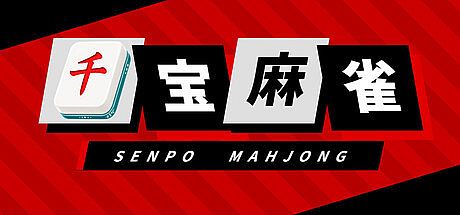



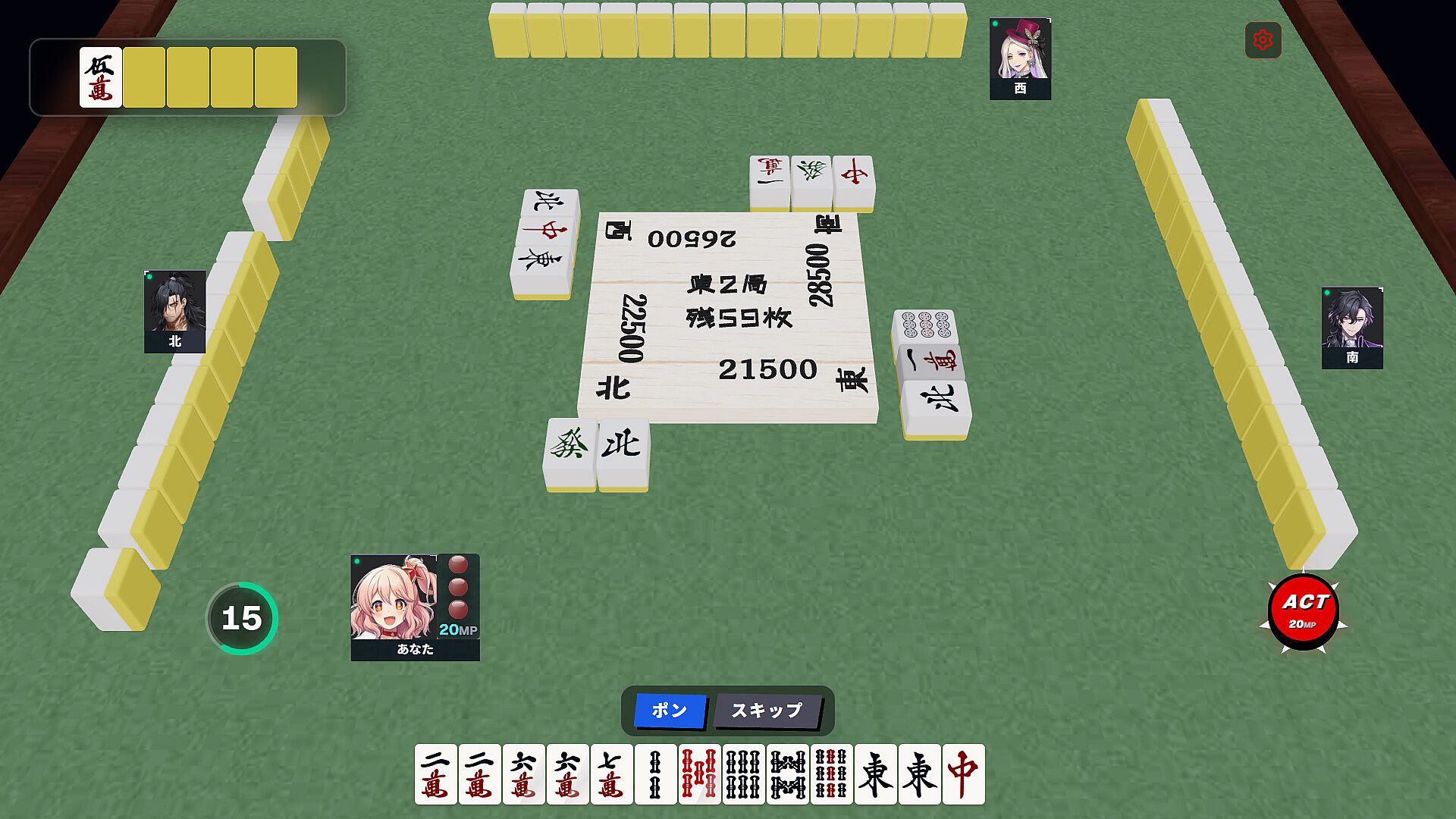
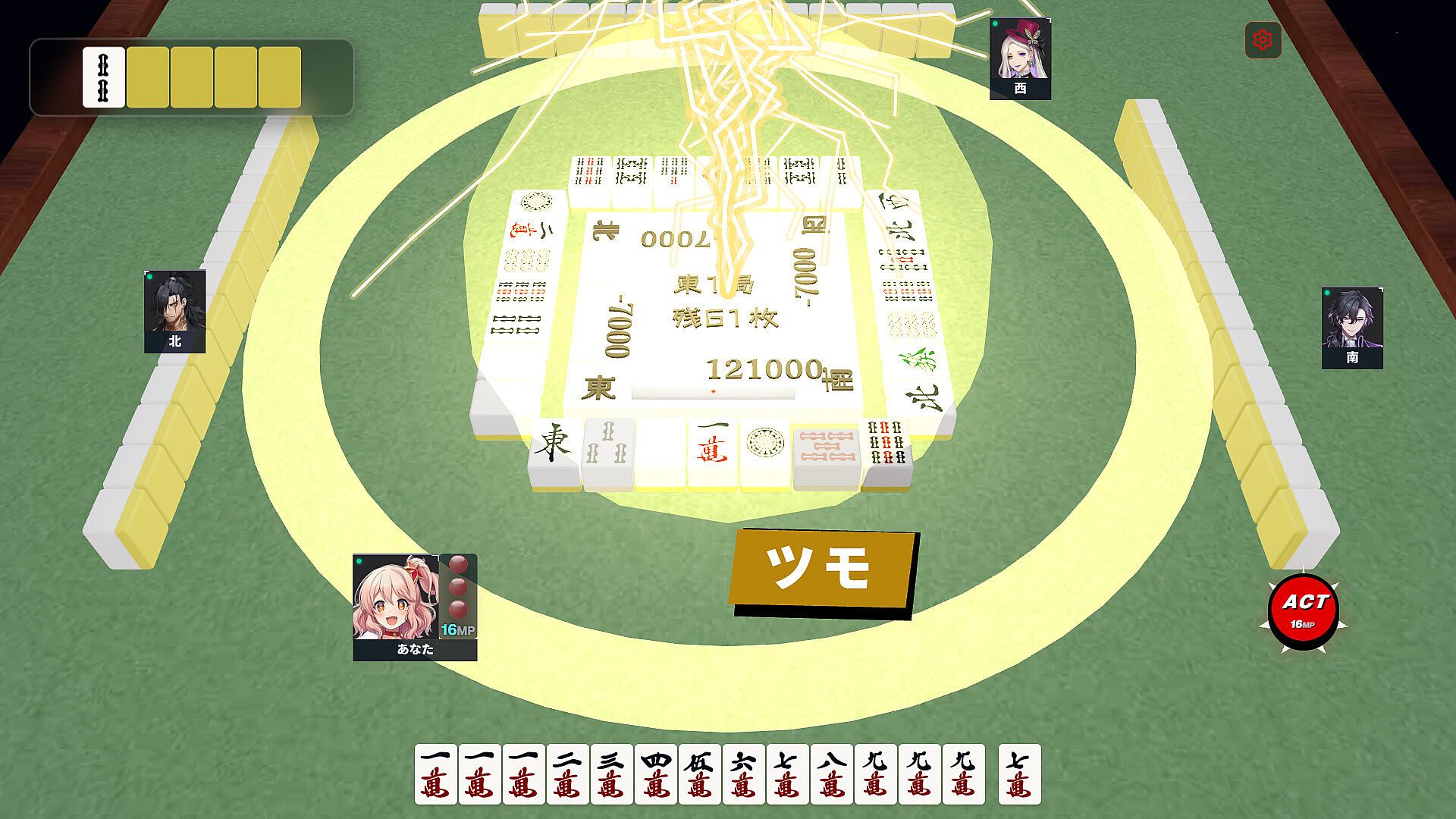

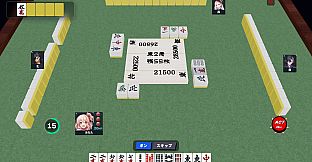


Senpo Mahjong è un gioco di strategia gratuito per PC che fonde il mahjong riichi classico con un sistema di abilità originale. I giocatori affrontano partite in tempo reale in cui le magie, chiamate Skills, aggiungono strati di tattica oltre al semplice gioco di tessere. Il ciclo di gioco ruota attorno alla costruzione delle mani, alla gestione delle risorse e alla scelta del momento migliore per attivare poteri che rivelano informazioni, modificano le tessere o aumentano il punteggio.
Gameplay
Le partite seguono le regole del mahjong riichi con quattro o tre giocatori che pescano e scartano tessere per formare combinazioni vincenti. Le Skills sono l'elemento che distingue l'esperienza. Queste abilità si dividono in tre scuole distinte. Le Information Skills permettono di sbirciare le mani degli avversari. Le Tile Manipulation Skills consentono di influenzare le pescate e la disponibilità delle tessere. Le Scoring Skills offrono bonus diretti ai punti. Ogni Skill consuma MP che si accumula naturalmente durante la partita. Il tempismo con cui si usano queste abilità spesso decide l'esito del round.
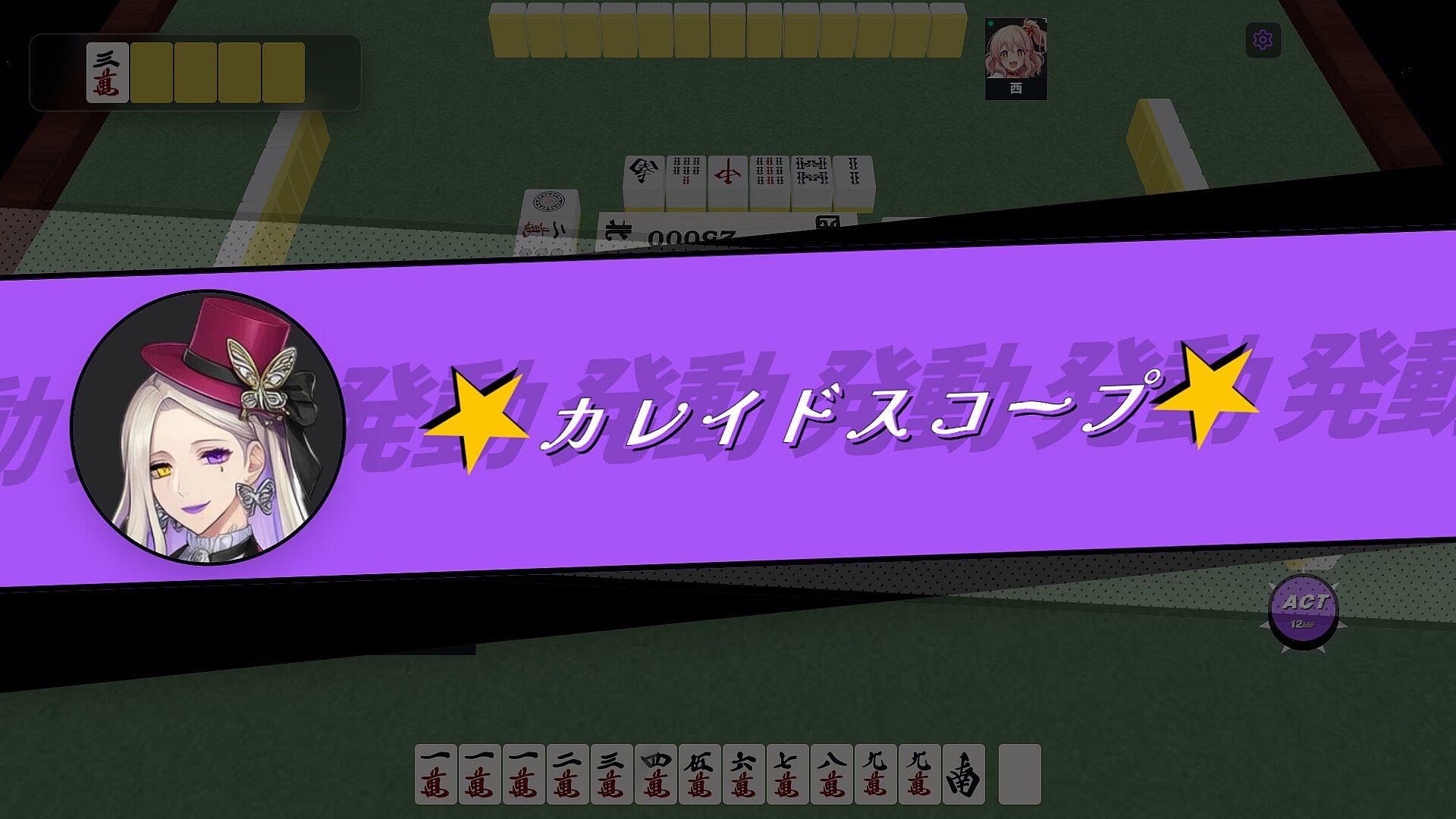
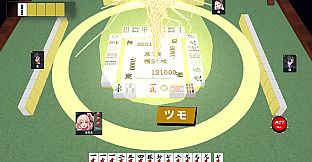
Quando una Skill viene attivata, tutti i giocatori al tavolo vedono un'animazione di cut-in. Questa visibilità trasforma ogni utilizzo in un momento di tensione condivisa. Gli avversari possono reagire agli effetti rivelati, dando vita a un continuo gioco psicologico su quale abilità conservare o impiegare. Il sistema premia sia una solida base di mahjong sia una gestione attenta delle risorse. I giocatori devono valutare il vantaggio immediato di una Skill rispetto al rischio di mostrare la propria mano o di esaurire l'MP nel momento sbagliato.
I personaggi aggiungono un ulteriore livello di profondità. Ogni partner possiede Skills caratteristiche e outfit unici. Costruire un rapporto con questi personaggi sblocca poteri aggiuntivi nel tempo. La presentazione del tavolo in 3D mette in risalto ogni posa di tessera con dettagli visivi e effetti reattivi che accentuano la sensazione di competizione.
Game Modes
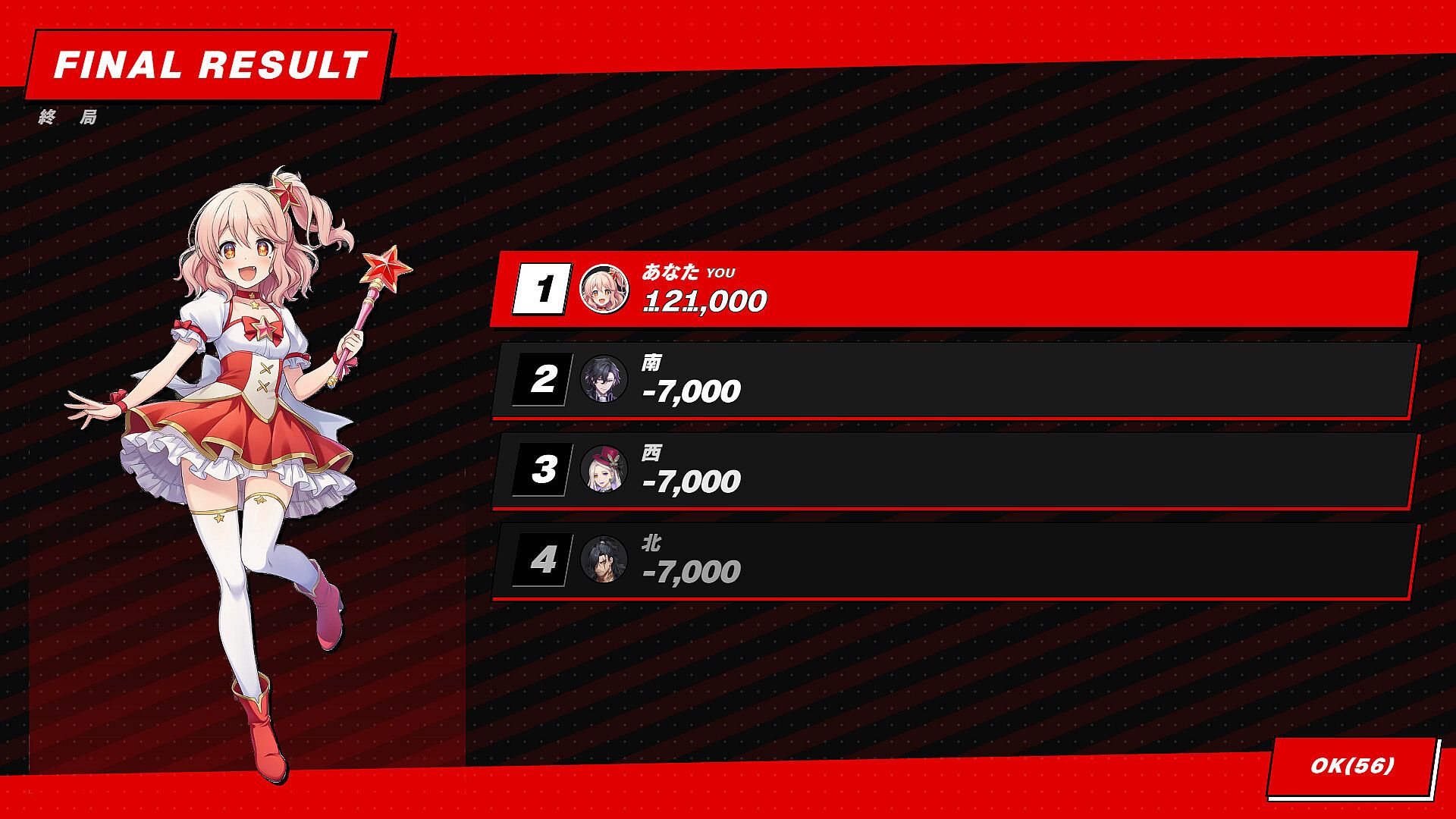
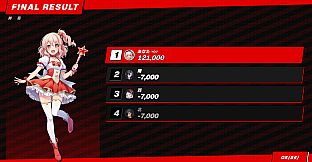
Le partite online supportano il gioco in tempo reale per quattro o tre giocatori e costituiscono l'ambiente competitivo principale. Il ranked tiene traccia dei progressi attraverso un sistema a scalini che parte dal livello principiante e arriva al titolo più alto di Senpo King. Salire di grado richiede prestazioni costanti su più partite.
Le stanze private permettono di creare sessioni chiuse riservate agli amici invitati, ideali per gruppi che preferiscono evitare il matchmaking pubblico. Le partite contro CPU offrono pratica in solitaria per testare Skills e strategie senza avversari. Lo spettatore consente di osservare i tavoli attivi, mentre i replay permettono di rivedere le partite completate tessera per tessera.
Skill System and Strategy
L'MP si accumula costantemente durante ogni partita, creando finestre naturali per l'uso delle Skills. Attivarle presto può garantire un vantaggio in termini di informazioni o controllo delle tessere, ma conservare MP per i round successivi può portare a bonus decisivi sul punteggio. Le tre scuole incoraggiano stili di gioco diversi. Alcuni giocatori si concentrano sulle Information Skills per anticipare gli scarti, altri privilegiano la Tile Manipulation per forzare pescate favorevoli. Le Scoring Skills premiano chi costruisce mani aggressive una volta consolidata la base.
La padronanza deriva dalla comprensione di come le Skills interagiscano con le meccaniche classiche del mahjong. Un'Information Skill ben temporizzata può svelare le tessere in attesa di un avversario, permettendo una difesa precisa. La Tile Manipulation può deviare una pescata cruciale verso il pezzo necessario. Le vivaci animazioni di cut-in fanno sì che ogni decisione abbia un peso sociale al tavolo.
Is It Worth Playing?
Senpo Mahjong è ancora in fase pre-release e non dispone di recensioni degli utenti. Il modello free-to-play elimina qualsiasi costo iniziale per chi è interessato alle varianti del mahjong riichi. Lo strato di abilità aggiunge profondità strategica per i giocatori che già apprezzano il gioco base e cercano ulteriori decisioni legate al tempismo e alla gestione delle risorse. Chi preferisce il mahjong tradizionale puro senza abilità aggiuntive potrebbe trovare superflui questi sistemi. La combinazione di progressione ranked, opzioni di gioco privato e pratica contro CPU offre diversi modi per avvicinarsi al titolo una volta lanciato. La disponibilità su PC con supporto al multiplayer multipiattaforma amplia le possibilità di incontro. I giocatori attratti dai mind games sovrapposti alle meccaniche classiche delle tessere troveranno probabilmente il maggior valore nel design attuale.