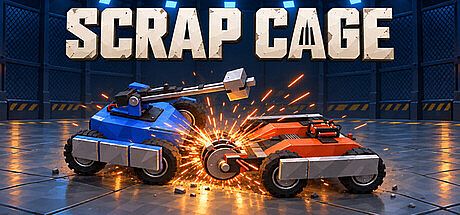


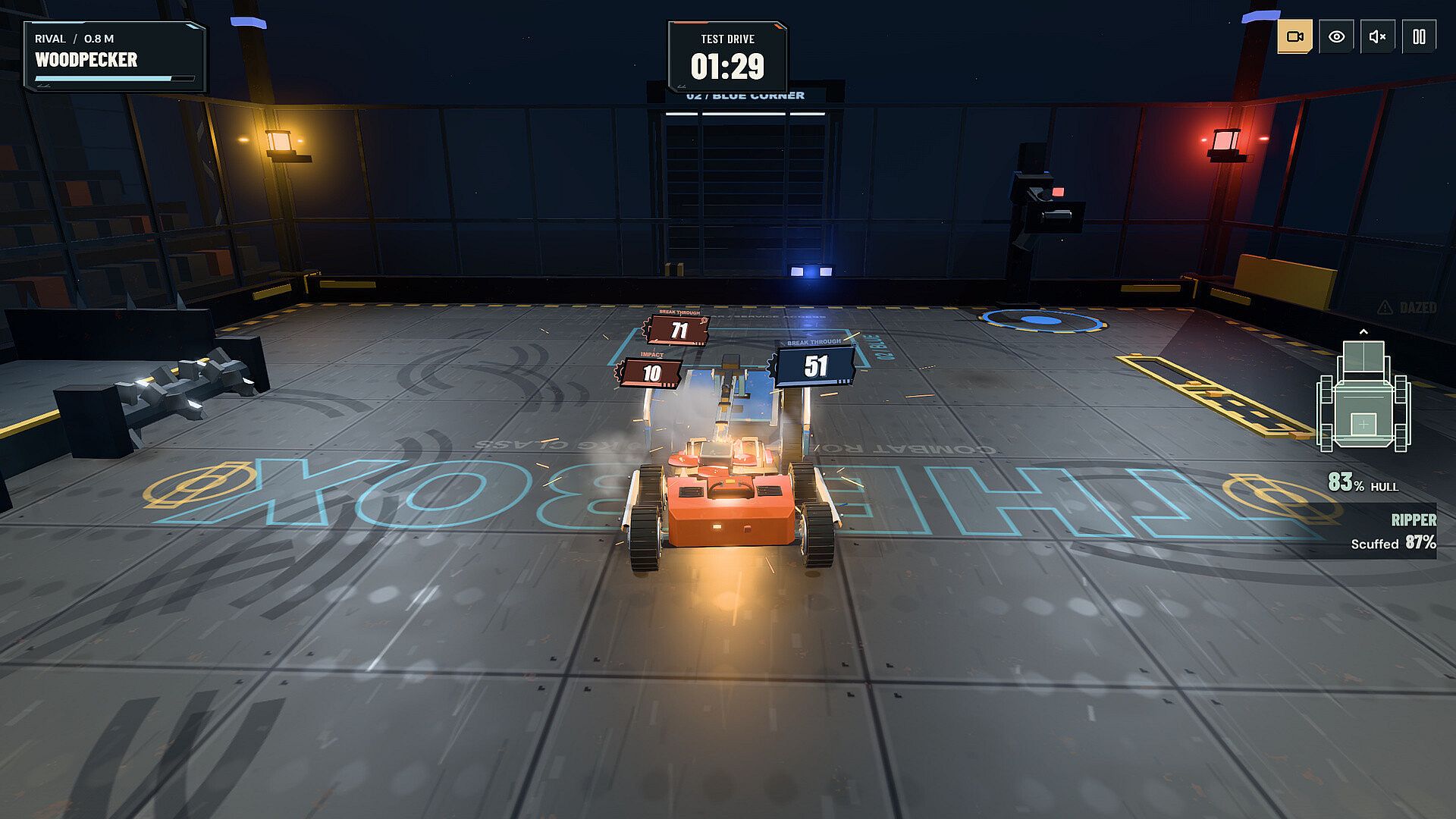

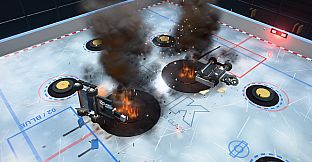
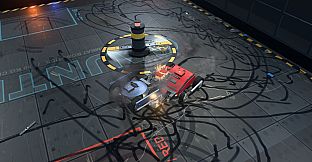
Scrap Cage is an action, indie, and simulation game centered on building combat robots and testing them in physics-driven arena fights on PC. Players assemble machines from modular parts, then send them into matches where impacts deform armor, detach components, and shift the odds with every collision. The core loop revolves around designing a bot, entering combat, analyzing what failed, and returning to the workshop for adjustments.
Gameplay
Construction begins with selecting a chassis, running gear, weapon, side armor, and power module. Builders adjust wheel spacing, weapon reach, and drivetrain ratios to balance weight against power and protection. Paints and finishes add personal style without altering performance. Every choice influences how the machine handles hits and hazards.
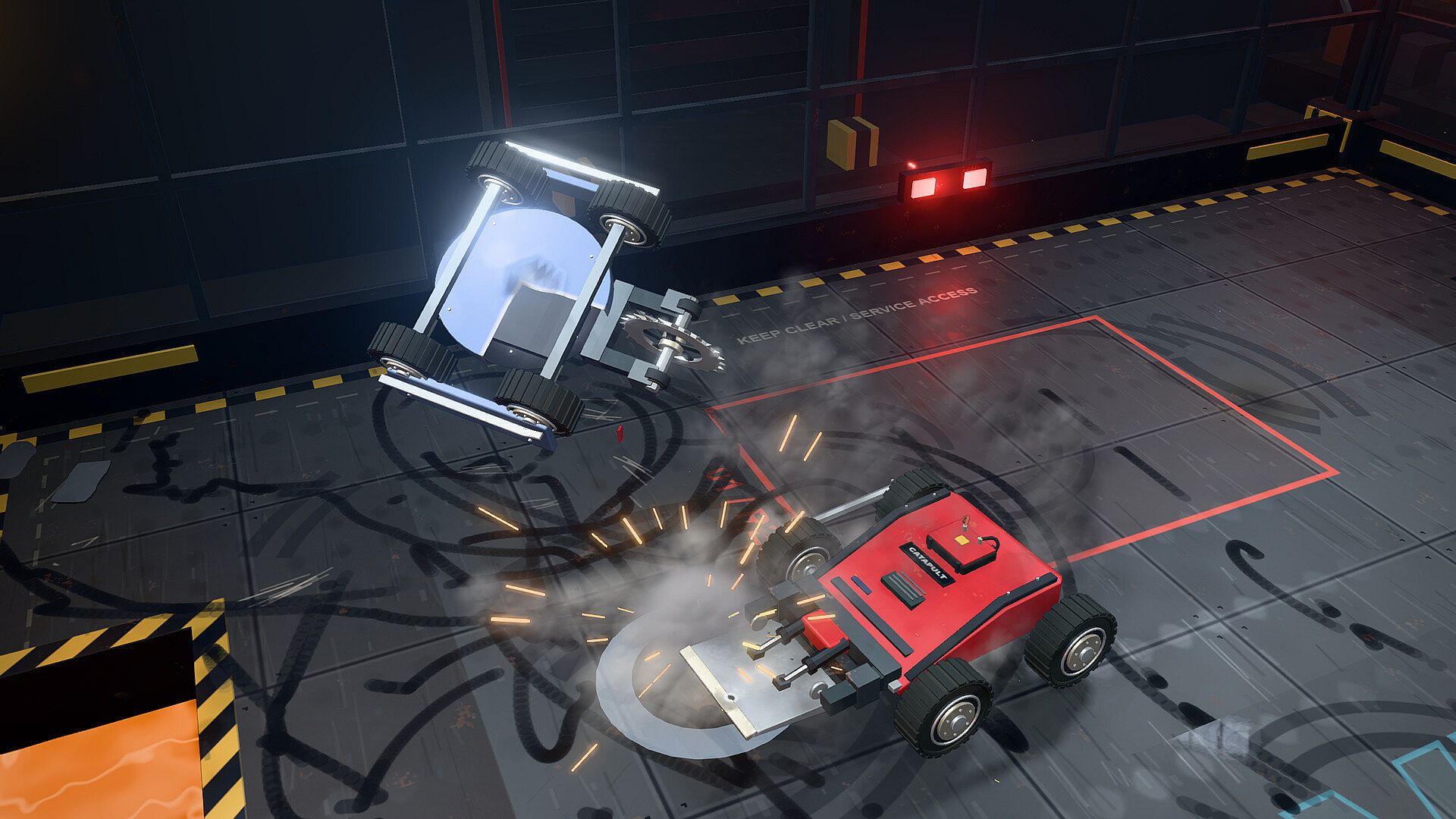
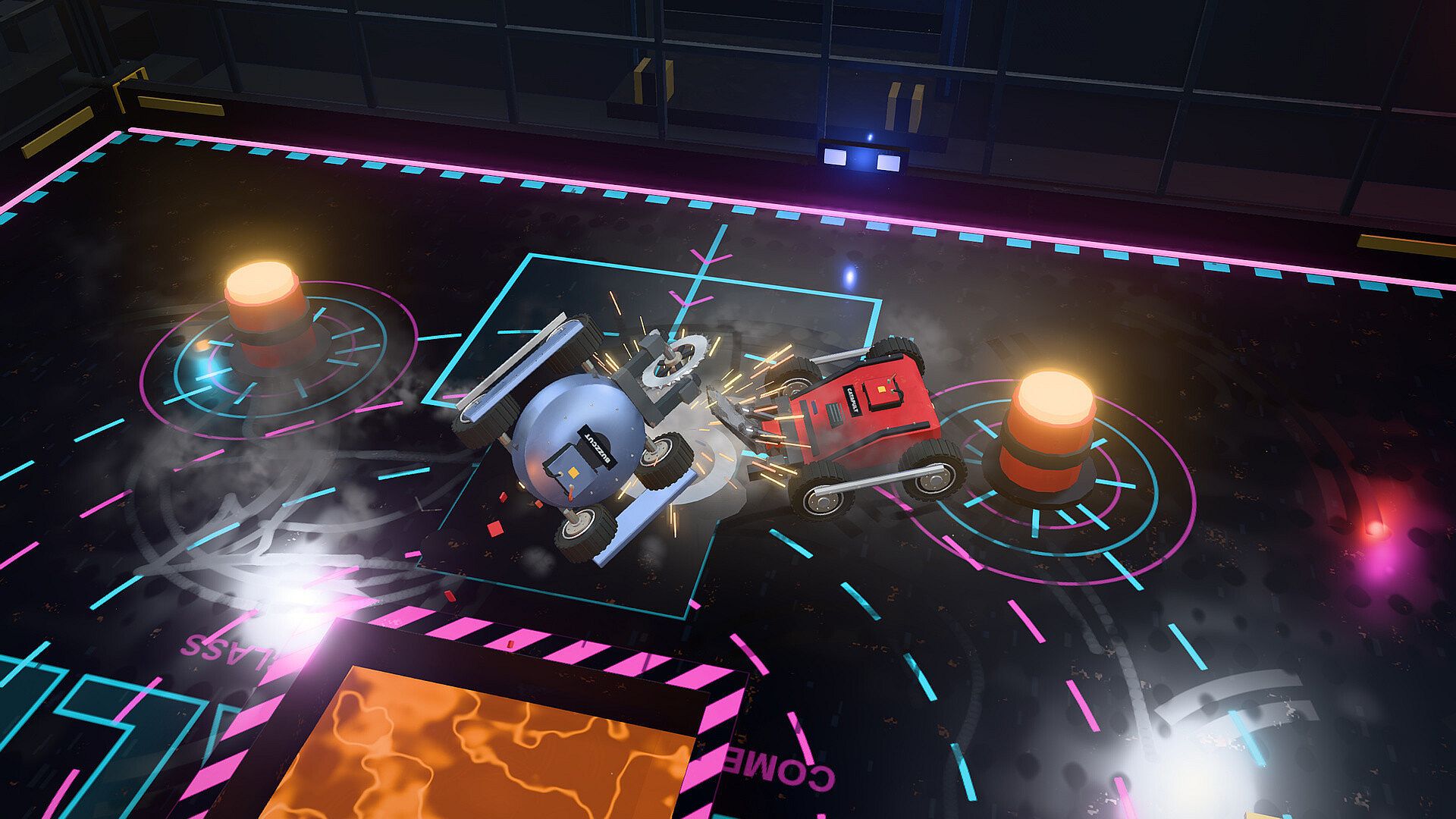
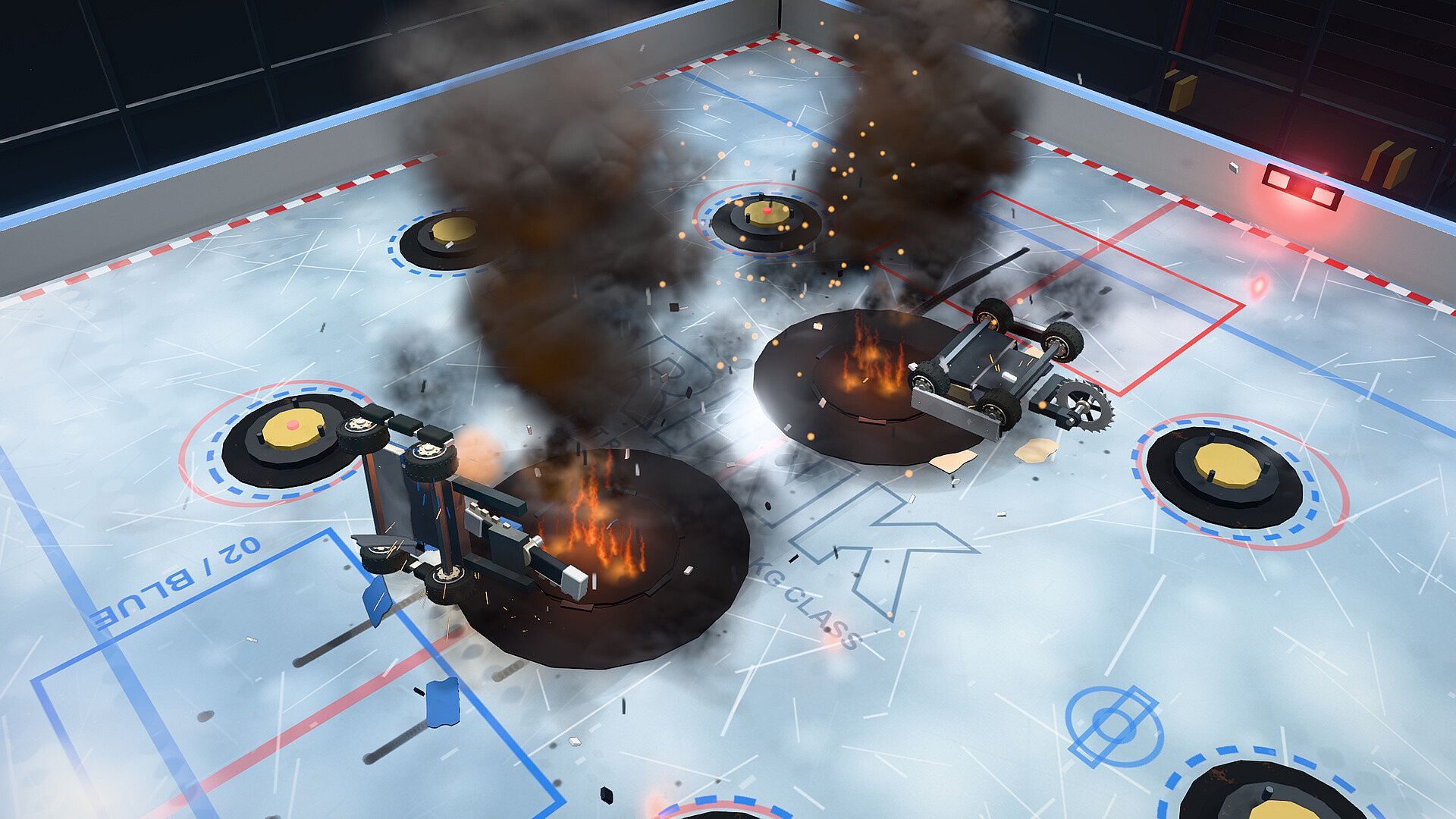
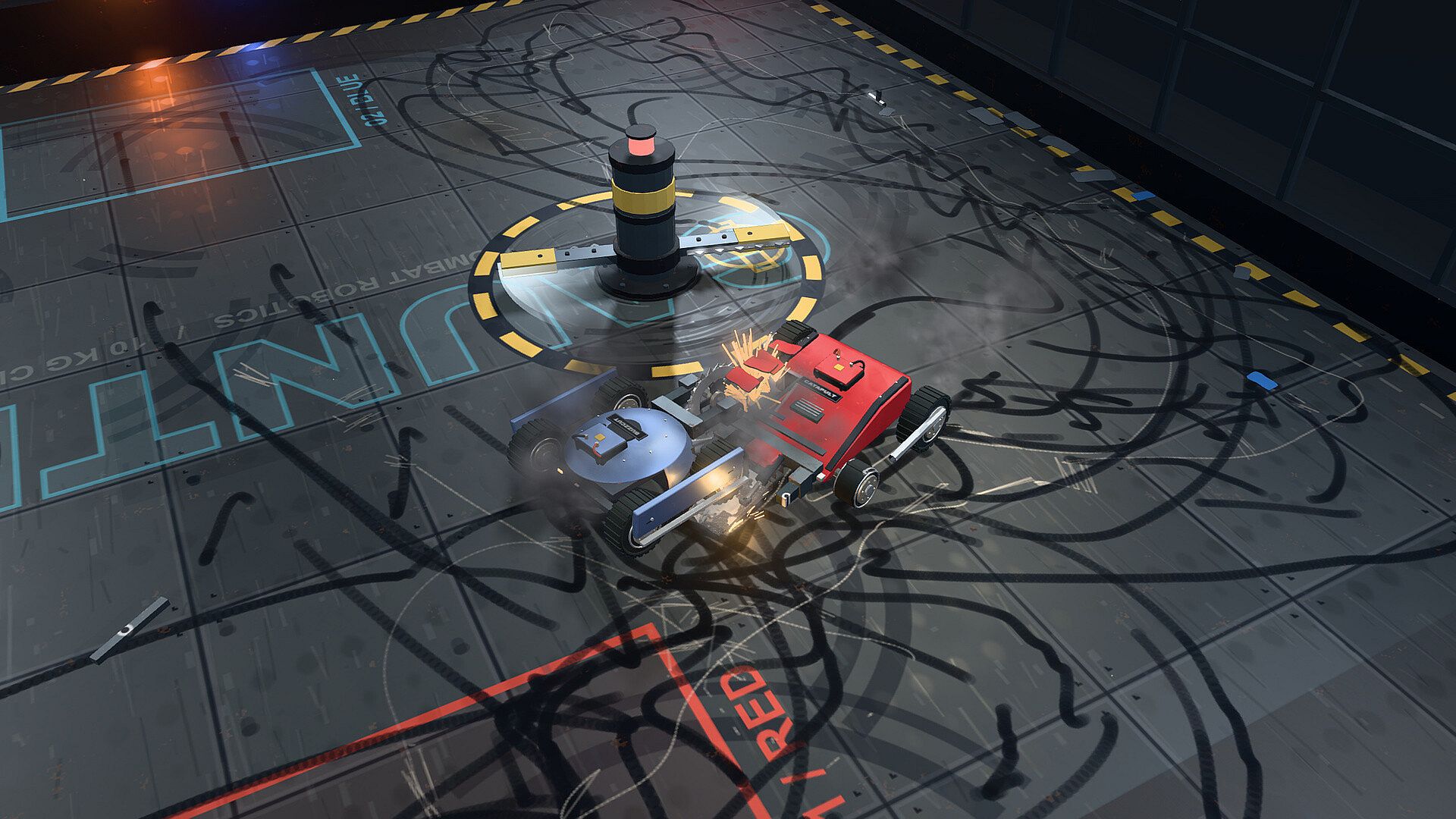
Combat emphasizes physics and durability. Weapons include spinners that whirl into contact, hammers that smash downward, flippers that launch opponents, and chainsaws that slice through plating. Successful strikes dent armor plates, tear away sections, and can leave a bot missing wheels or arms mid-match. Damaged parts alter mobility and firepower, forcing quick adaptation. Arena features such as saw blades, hammers, pits, slippery floors, and explosive barrels add environmental threats that players can exploit or avoid.
After each bout, designs return to the pit for tweaks. Saved blueprints allow rapid iteration, while import and export options support sharing creations. AI opponents provide practice targets before online sessions.
Game Modes
Player-hosted online multiplayer forms the main competitive outlet. The host joins the match directly, bringing their own build into the arena alongside others. Matches test whose machine withstands the most punishment under identical rules.
Local co-op and split-screen support up to four players on a single machine. Each participant controls their own robot with an independent view of the fight, enabling shared testing of builds without network requirements. This setup suits groups experimenting together or competing head-to-head in the same room.
Building and Customization
Five equipment categories guide the assembly process. Chassis sets the foundation, running gear determines movement, weapons define offense, side armor provides protection, and power modules supply energy. Fine-tuning extends to wheel placement, weapon positioning, and drivetrain configuration. These adjustments create trade-offs that shape performance in the arena.
Visual customization through paints and finishes lets builders express style while preserving functional focus. Blueprints store successful configurations for later use or exchange, encouraging ongoing refinement across multiple sessions.
Is It Worth Playing?
Scrap Cage suits players who enjoy iterative building paired with direct, physics-heavy combat. The emphasis on modular design and breakable components rewards experimentation and quick thinking during fights. Local split-screen co-op adds accessibility for groups, while hosted online matches support broader competition. Those drawn to simulation-style crafting and action-oriented testing will find the loop engaging through repeated build-fight-adjust cycles. The game remains available on PC with the features described in its core systems.