


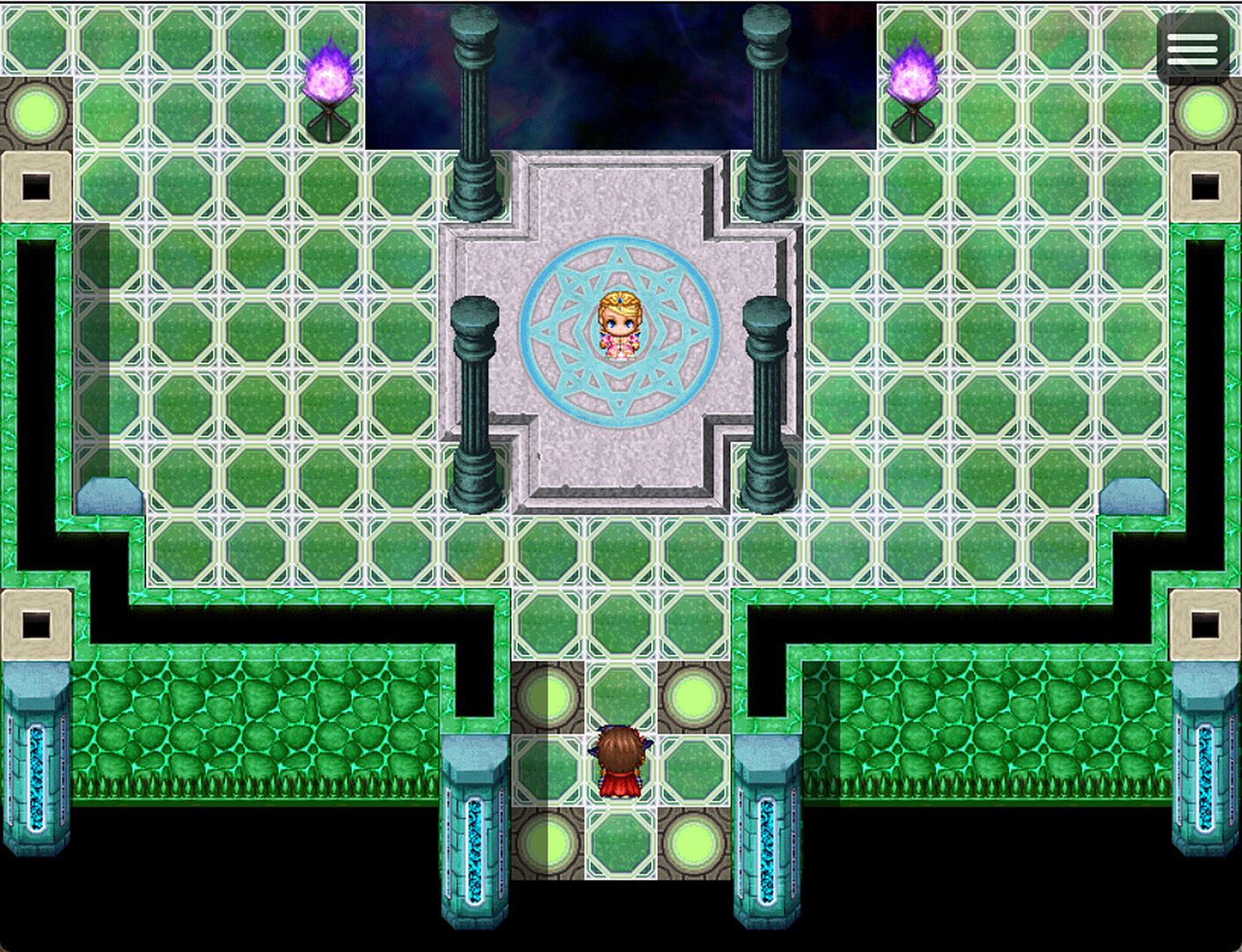
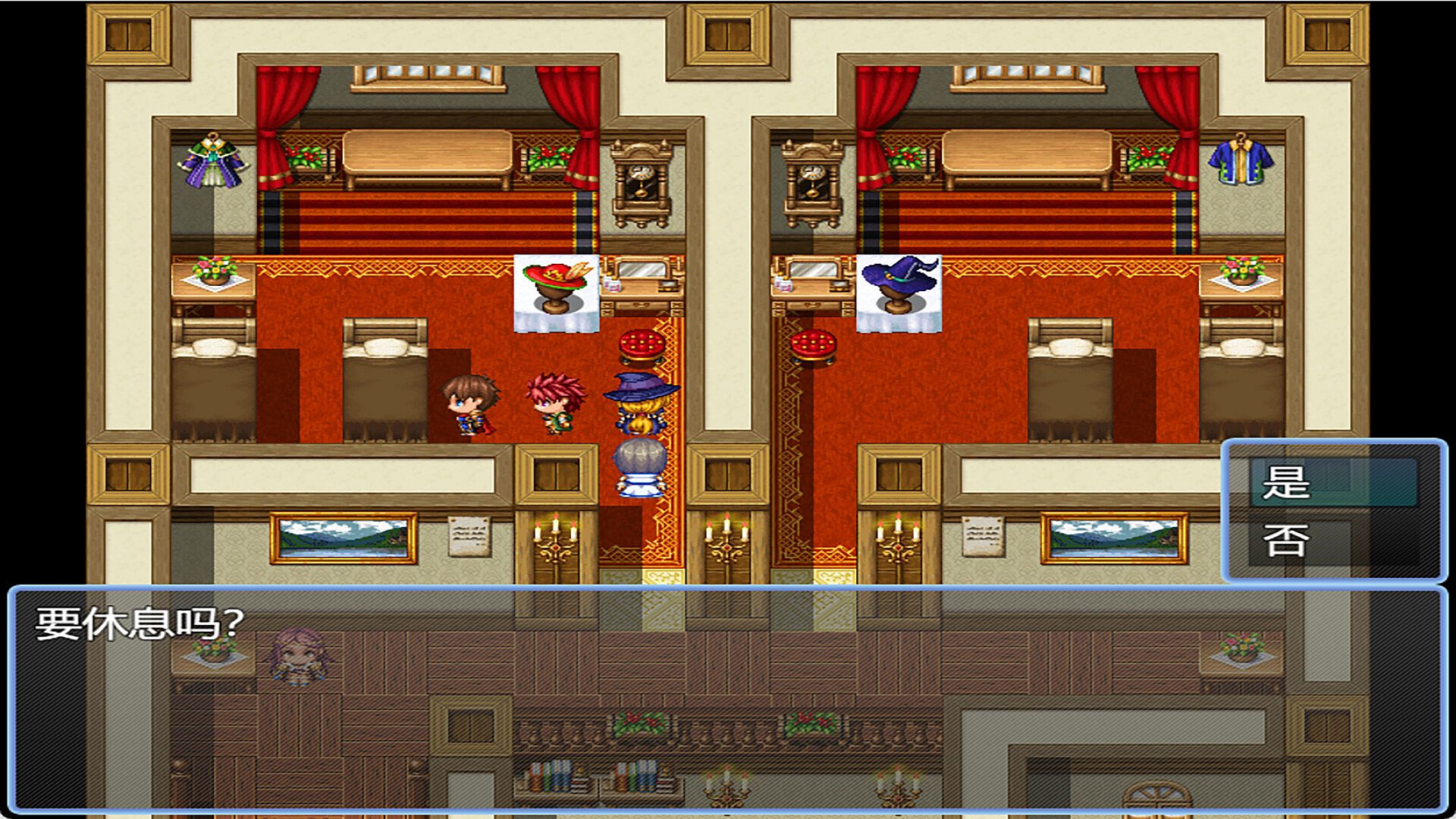
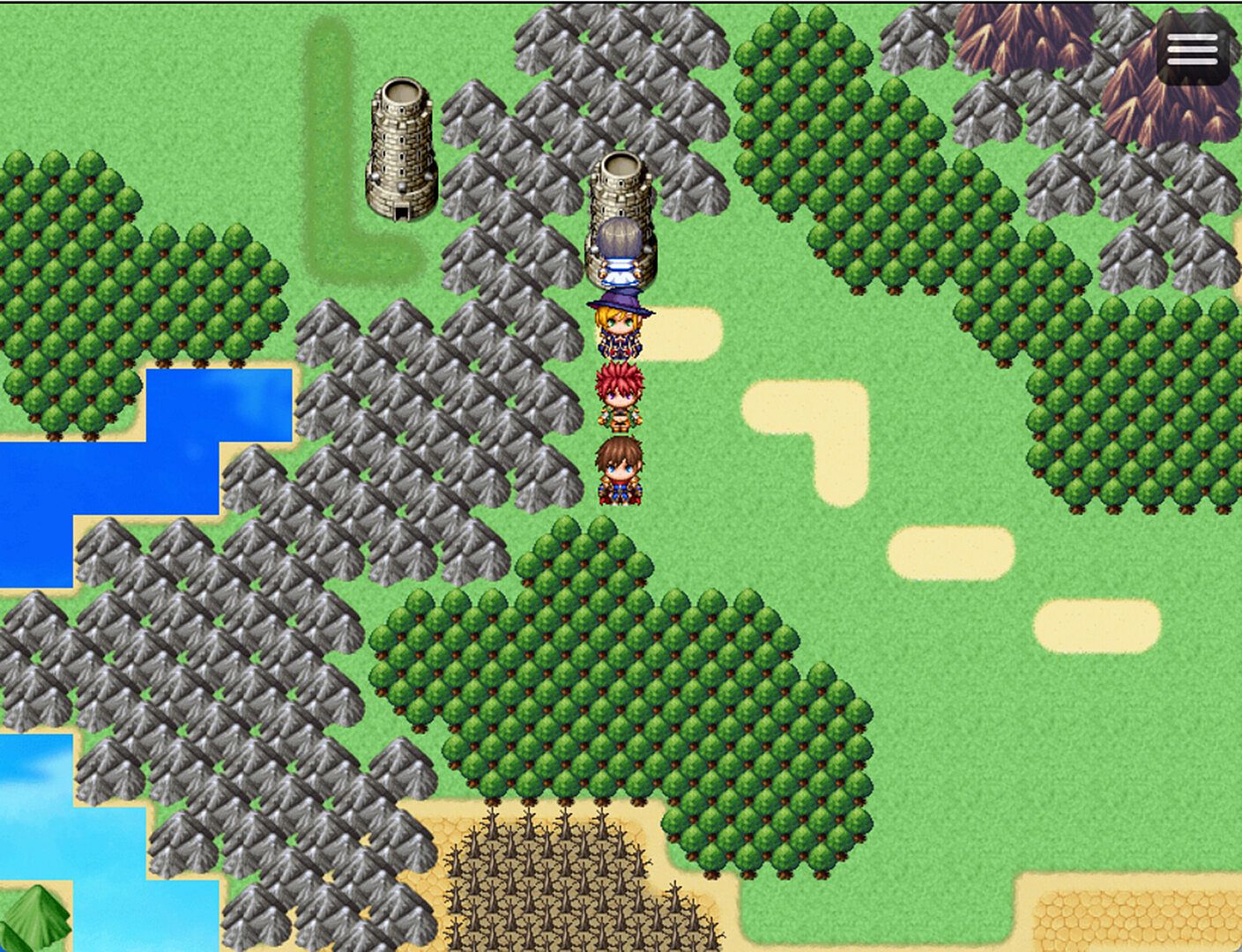
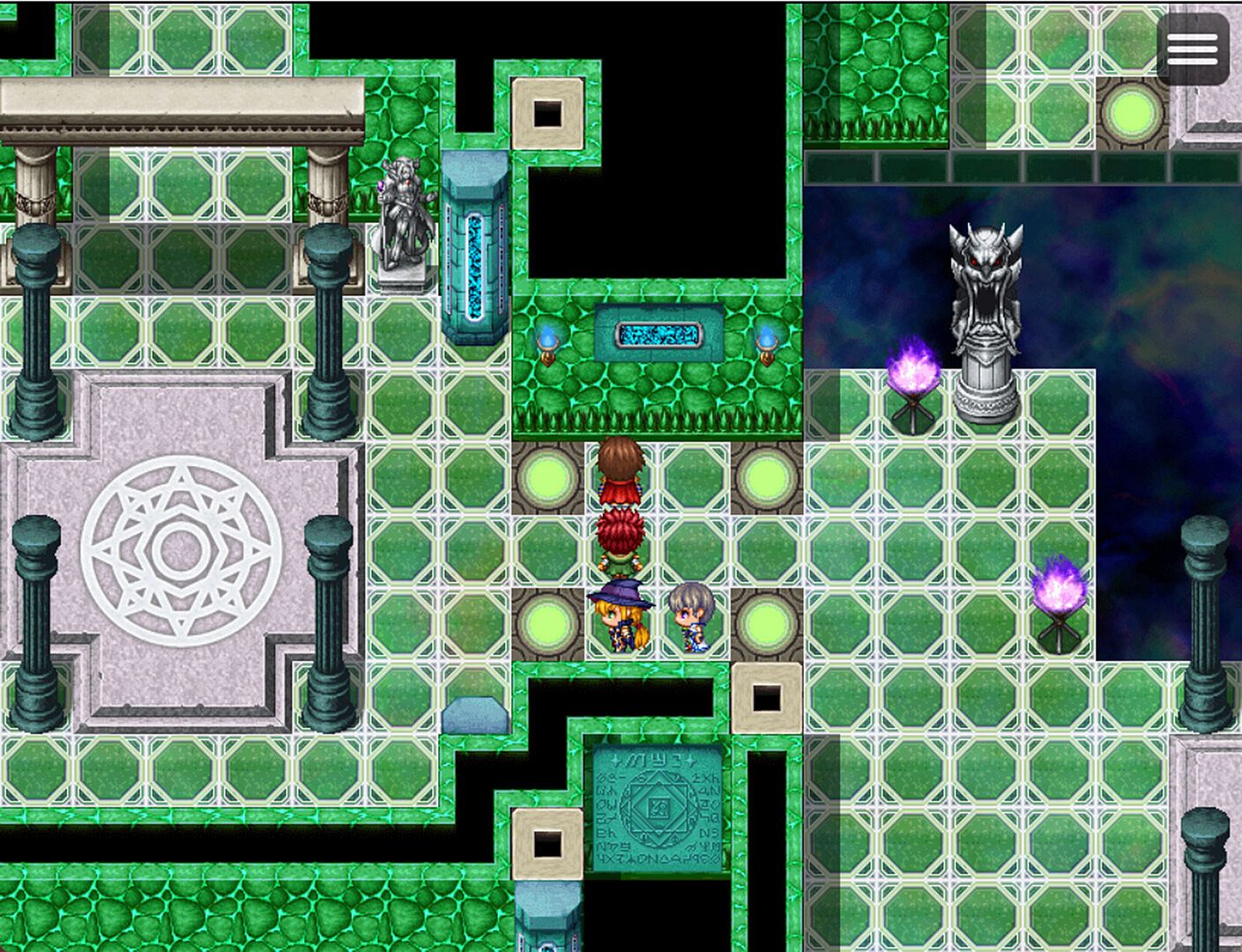
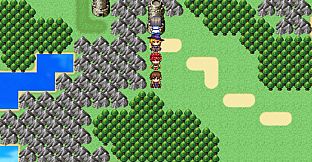

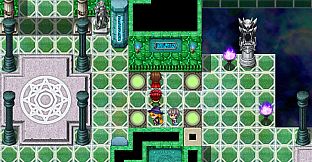
Sable of Y is a turn-based RPG developed for PC that centers on deliberate combat decision-making rather than fast reflexes or open exploration. Players guide a party through structured battles where each turn demands careful assessment of enemy formations, available resources, and long-term sustainability. The experience stays firmly single-player, delivering a complete adventure built around repeated cycles of offense, defense, and adjustment.
Gameplay
Combat unfolds in clear rounds that force players to weigh immediate damage output against the need to preserve health, skills, and other limited assets. At the start of each encounter, the current lineup of enemies and their action patterns set the battlefield conditions. A player must decide whether to push for a quick elimination of threats or shift into a slower attrition approach that keeps the party intact for later waves.
Action order and skill combinations determine how much pressure the group can apply before the enemy responds. Burst phases allow concentrated strikes that can break tough defenses, yet overcommitting leaves fewer options when survival demands become acute. Resource management runs through every decision, requiring the team to stay within sustainable limits while still advancing the fight toward victory.
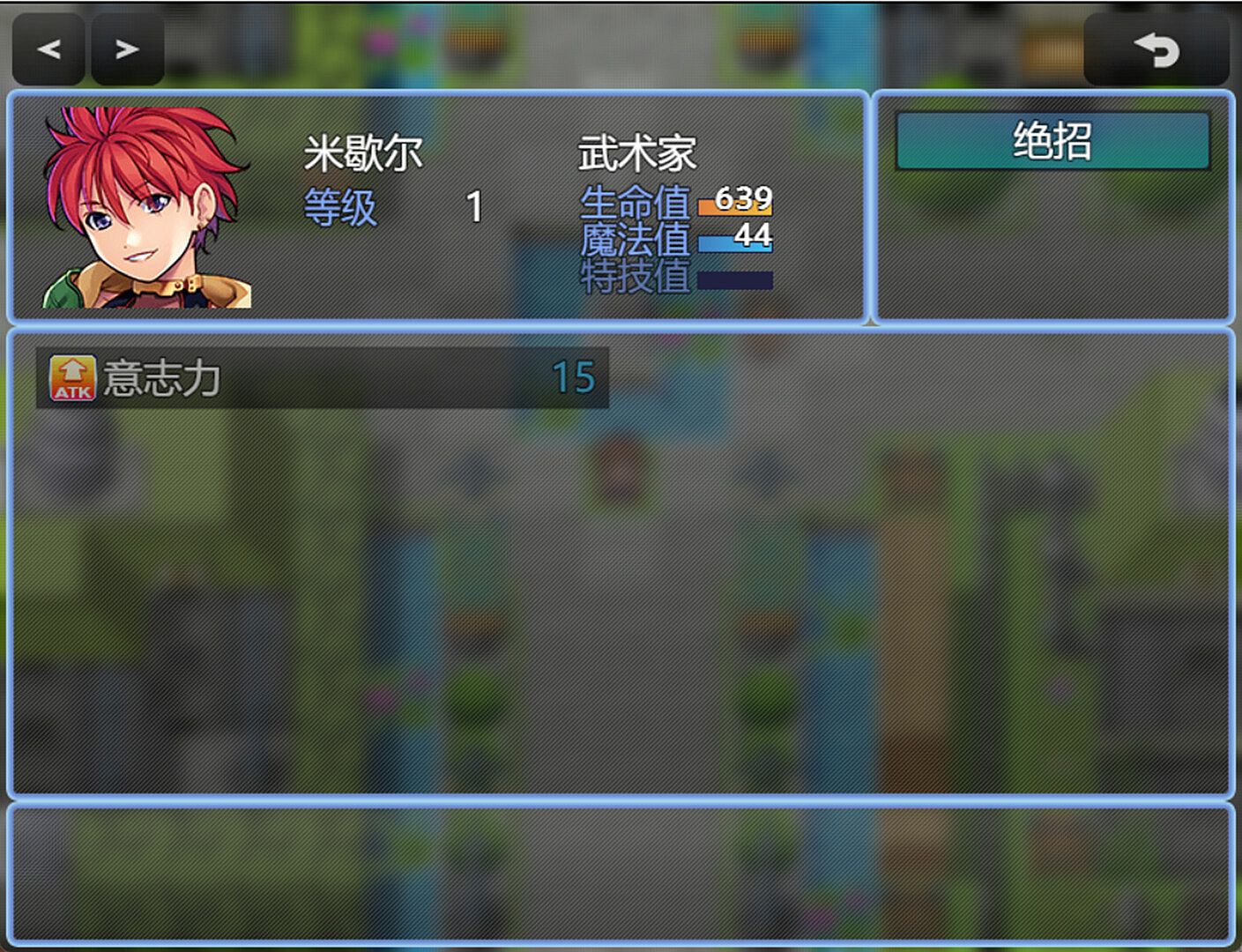
As the story progresses, character abilities expand. These upgrades let players strengthen a preferred tactical style or patch vulnerabilities exposed by tougher opponents. The result is a system that rewards ongoing adaptation rather than a single winning formula applied across all encounters.
Game Modes
Sable of Y offers only a single-player campaign. There are no cooperative, competitive, or multiplayer options of any kind. The entire experience consists of sequential battles linked by narrative progression, with each fight serving as a test of the player's ability to read the situation and choose the right balance of aggression and restraint.
Because the game stays strictly single-player, every choice remains personal and unshared. The structure encourages repeated playthroughs only through improved understanding of enemy behaviors and better timing of ability upgrades, not through external leaderboards or shared content.
Combat Mechanics
Enemy groups arrive with distinct movement patterns and compositions that alter the rhythm of each battle. Some formations favor quick strikes, while others punish aggressive play by retaliating hard on the following turn. Players respond by reallocating effort between direct damage, protective actions, and setup moves that improve future turns.
Skill combinations gain value when timed correctly. A well-placed sequence can create openings for heavier hits or buy breathing room to recover resources. The game tracks these opportunities explicitly through turn order, making the consequences of each selection visible before the round resolves.
Is It Worth Playing?
Players who enjoy traditional turn-based RPG combat that rewards careful reading of the battlefield will find a focused experience here. The emphasis on trade-offs between damage and survival, combined with the need to adjust strategies as enemy groups change, creates a consistent loop of judgment and refinement.
Those seeking fast-paced action, large-scale multiplayer, or extensive customization outside of combat will find little to engage them. The game delivers its content through a linear single-player structure that prioritizes tactical depth over breadth of features.
Because the title has not yet released, concrete player reception data remains unavailable. Its appeal rests on how well the described combat loop matches an individual's preference for deliberate, situation-driven decision-making in every encounter.