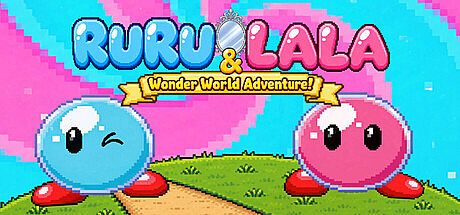


Ruru & Lala: Wonder World Adventure! is a 2D action-puzzle game developed for PC in which players guide two mirrored characters through a series of intricate stages. One day Ruru finds herself drawn into a mysterious mirror, where she encounters Lala, her counterpart from the reflected world. The pair must navigate back to the original realm by working together across more than two hundred hand-crafted levels filled with shifting platforms, timing-based obstacles, and environmental interactions.
Gameplay
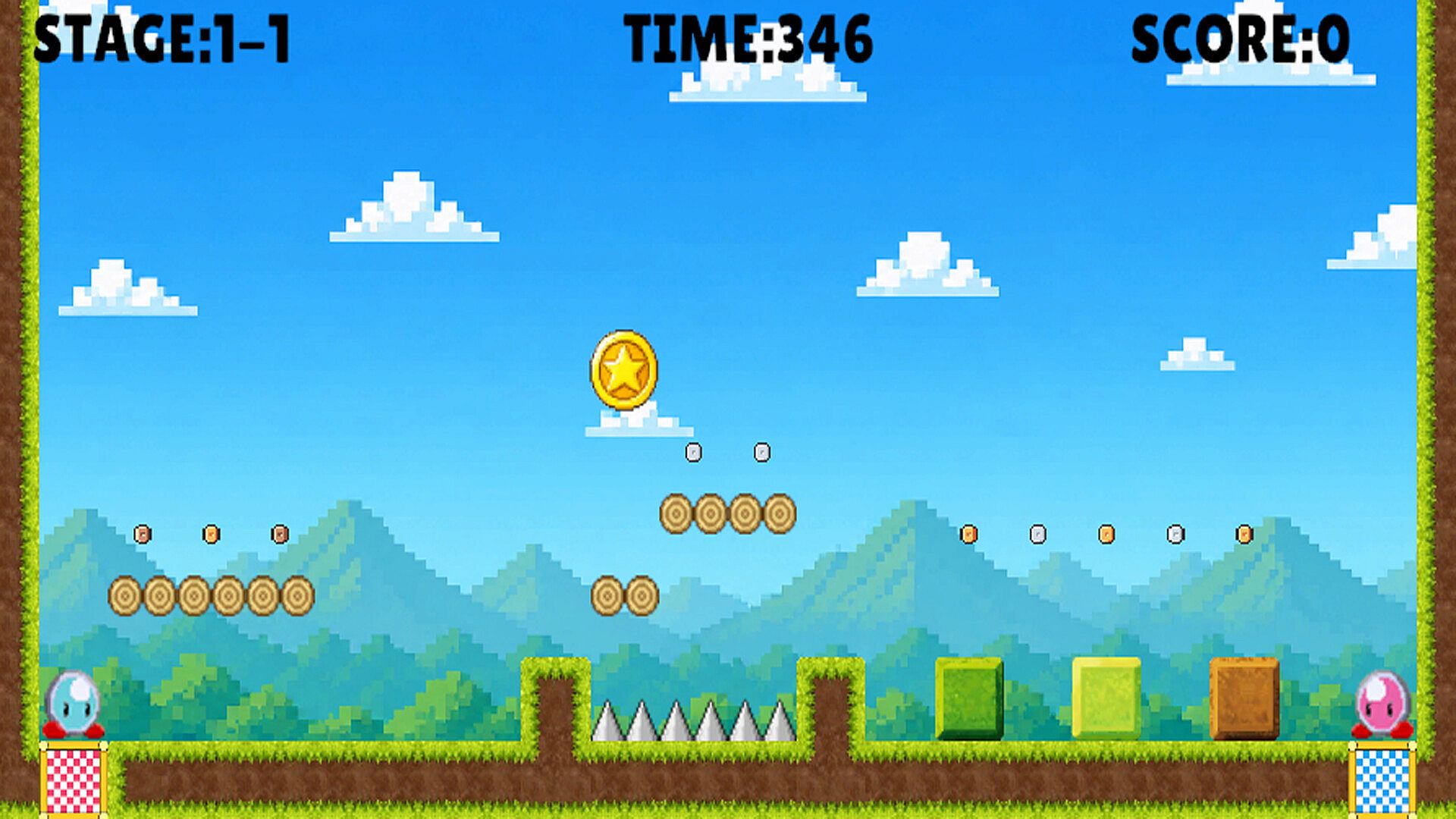
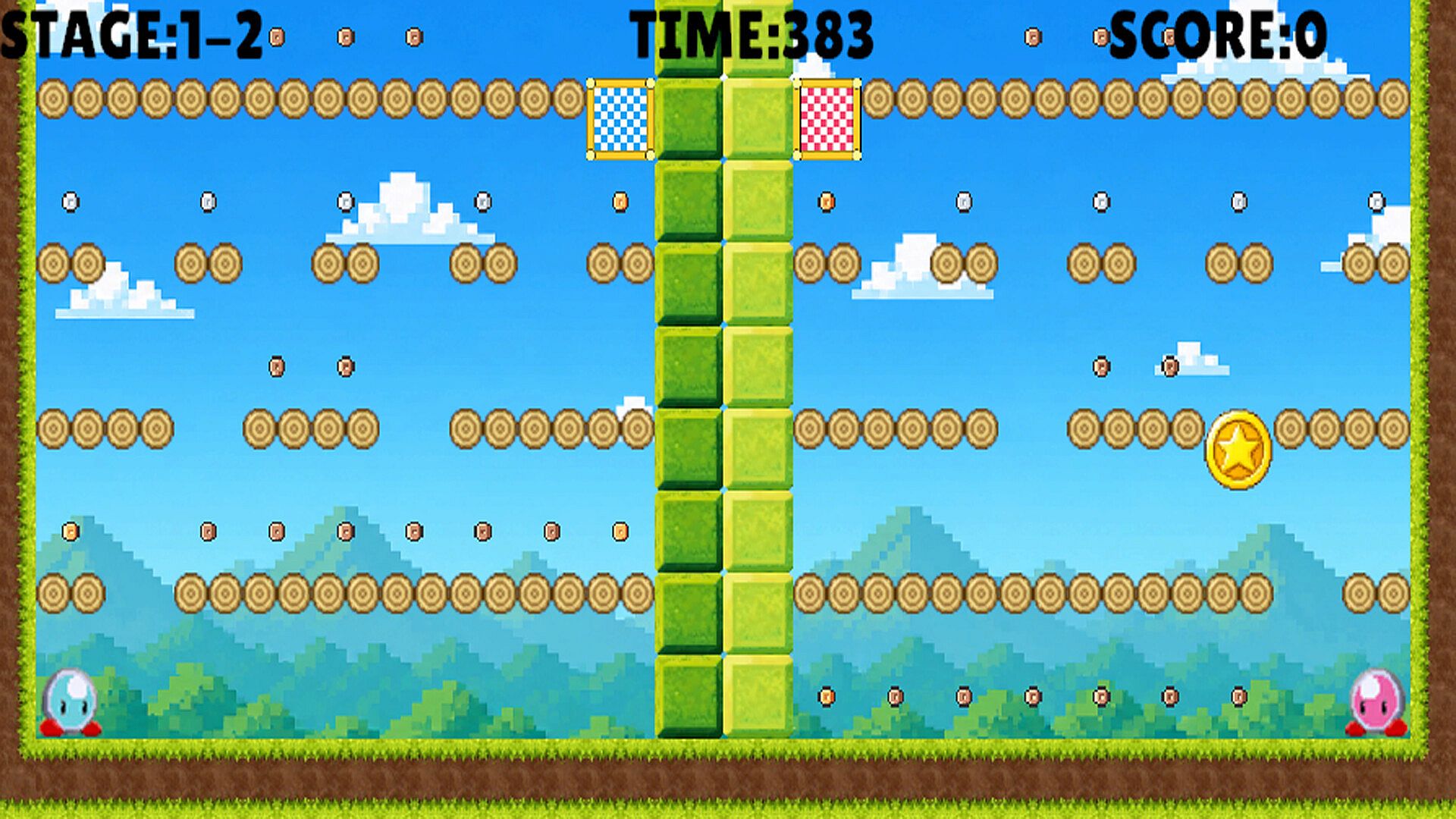
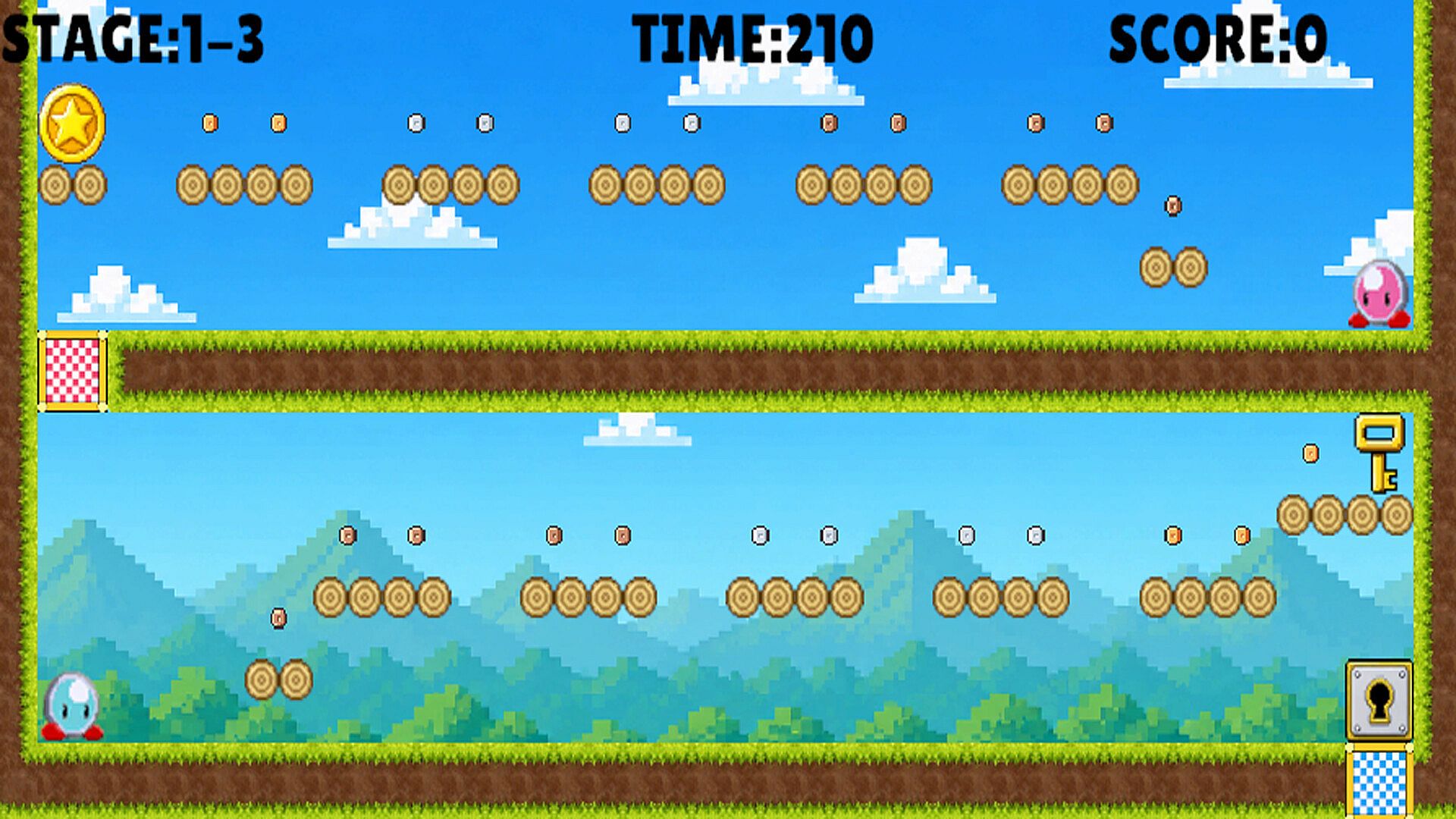
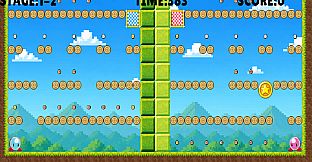
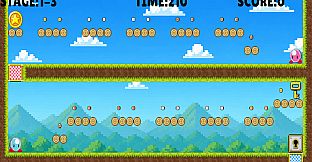
The central mechanic requires simultaneous control of both Ruru and Lala, who always mirror each other's movements exactly. This symmetry demands constant attention to how each action affects both sides of the screen at once. Stages incorporate a range of mechanics such as moving blocks, switches that alter paths differently for each character, and hazards that require precise positioning to avoid. Progress involves reaching the exit in each stage while adapting to new combinations of these elements. The dual-character system turns simple platforming into layered puzzle solving, where one wrong step on either side can reset the attempt.
Visual design keeps the focus on clarity, using distinct colors and shapes so players can track both figures without confusion during fast sequences. Levels build gradually in complexity, introducing one new interaction at a time before combining them in later challenges. The result is a steady rhythm of observation, planning, and execution that rewards careful study of stage layouts over quick reflexes alone.
Game Modes
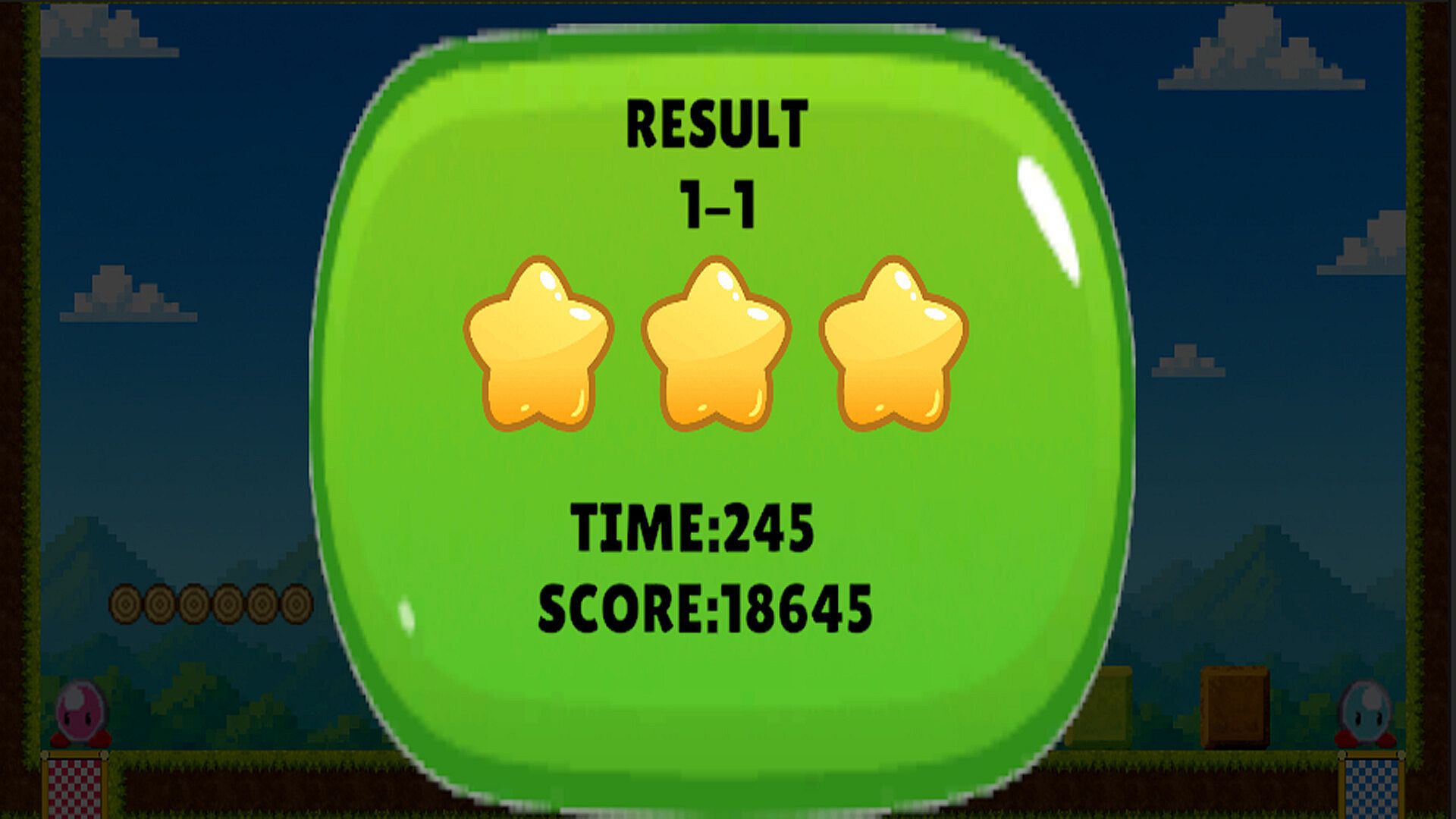
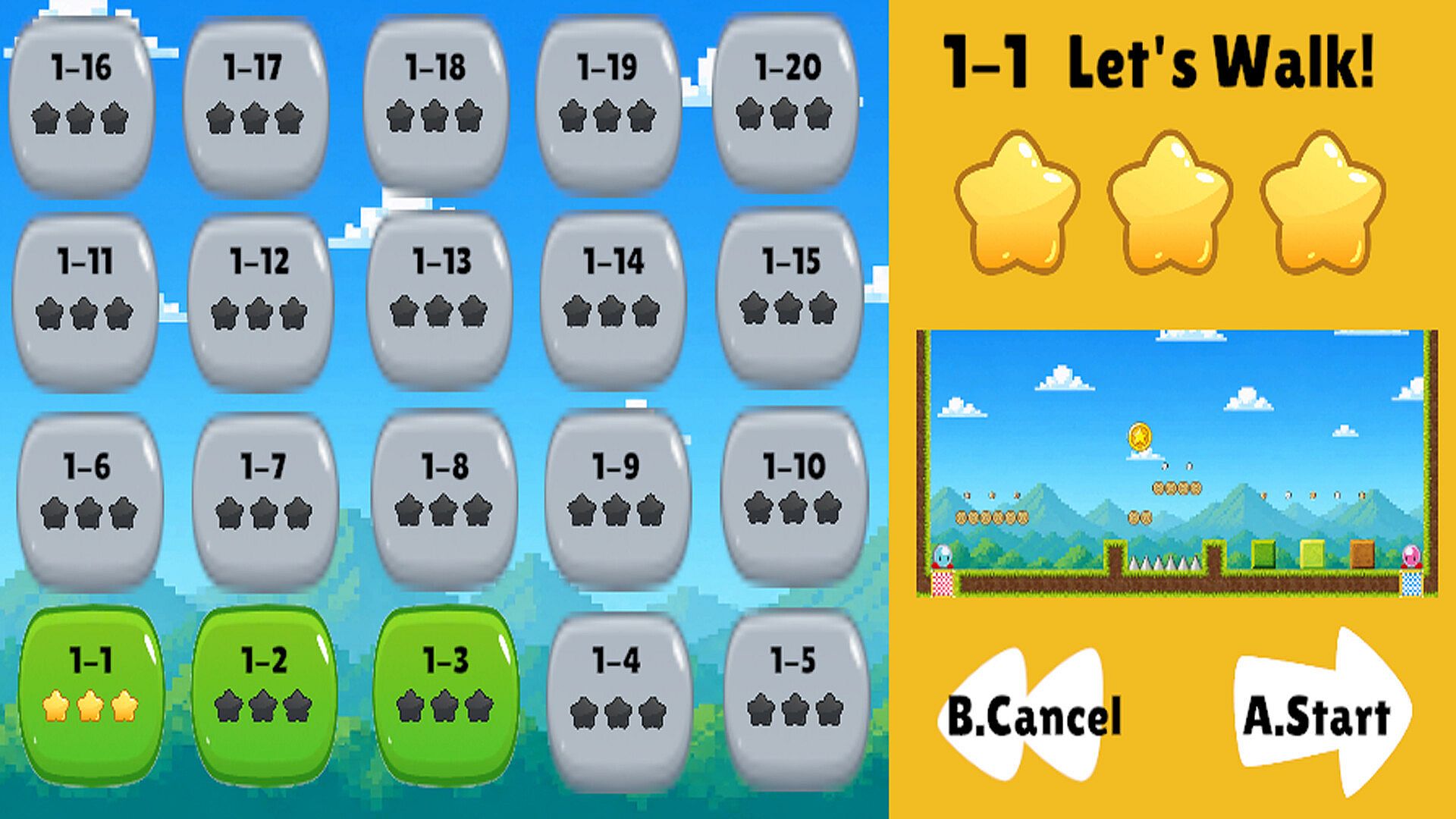
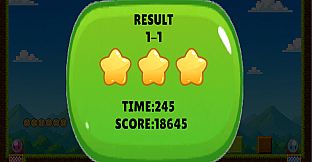
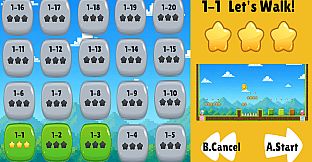
The main experience centers on a linear progression through the collection of stages, where each completed level unlocks the next and gradually introduces fresh mechanics. Players advance by mastering the mirrored controls and solving the spatial puzzles presented. Beyond the core campaign, an integrated level editor allows creation of custom stages using the same tools and elements found in the official content. These user-made stages can be played immediately for testing or shared for others to attempt, extending the game's longevity through community contributions.
Exploration of the editor reveals options for placing platforms, triggers, and hazards in varied configurations. Creators can experiment with symmetry-based challenges that mirror the official design philosophy or branch into entirely new arrangements. This creation tool integrates directly with the gameplay loop, letting players move between solving and building without leaving the application.
Level Design and Challenges
With over two hundred stages available at launch, the game spreads its challenges across multiple themed sections that vary in visual style while maintaining consistent rules. Early stages emphasize basic movement and timing, while later ones layer multiple mechanics such as synchronized switches and moving elements that force players to account for both characters' paths simultaneously. The design avoids filler by ensuring each stage introduces or reinforces a specific concept before moving forward.
Mechanics range from simple directional controls to more involved interactions like activating devices that affect only one side of the mirror world. This variety keeps the puzzle solving fresh across the full set of levels. Players who enjoy methodical problem solving will find satisfaction in dissecting each stage's layout and testing different approaches until the solution clicks.
Is It Worth Playing?
The game targets players who appreciate precise 2D puzzle-platformers built around a unique control twist. Its strength lies in the consistent application of the symmetry mechanic across a large number of stages, supported by a flexible level editor that invites ongoing experimentation. Since the title remains in development with a planned 2027 release, current information centers on the confirmed core loop rather than post-launch updates or community metrics.
Those drawn to indie action-puzzle experiences with a focus on spatial reasoning and dual-character coordination will likely find the structure engaging. The absence of multiplayer modes keeps the emphasis on solo mastery, while the editor provides an outlet for creative players to generate new content. Overall, the verified features point to a deliberate, mechanics-driven title suited for fans of thoughtful stage design over fast-paced action.