




Rome is a strategy and simulation game set in the ancient world where players take on the role of Augustus beginning in 27 BC. The experience blends empire management with personal exploration and tactical command across a living Roman setting on PC.
Gameplay
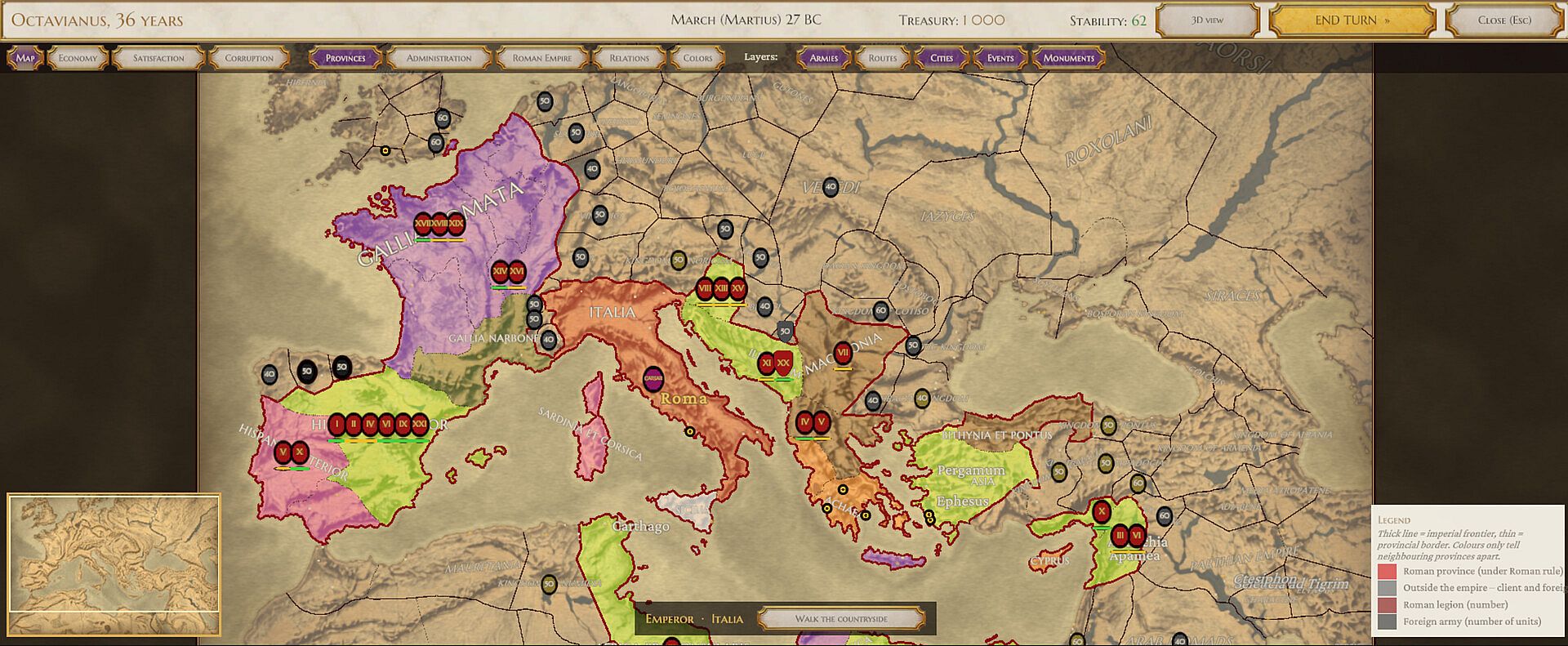
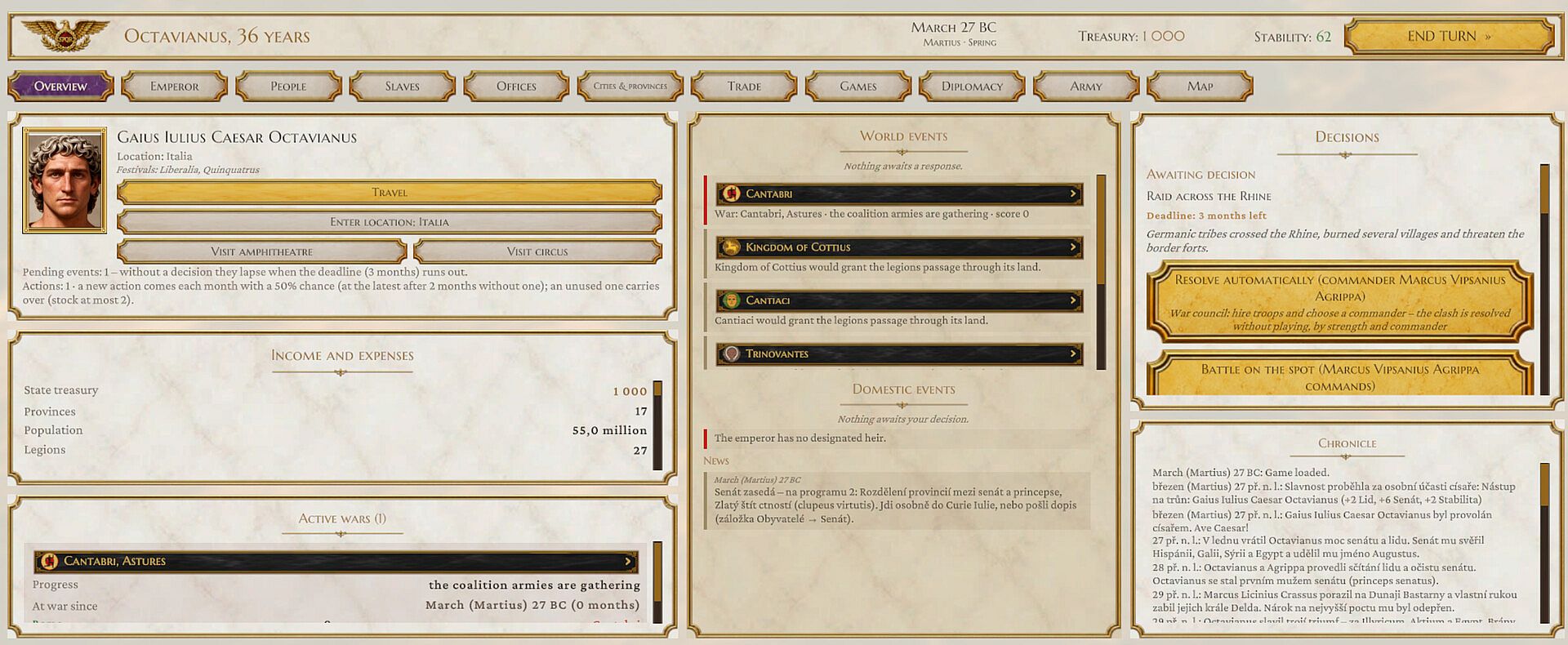
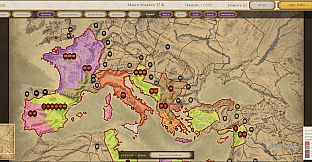
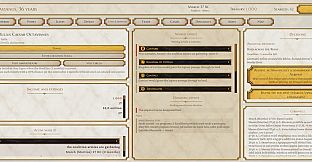
Each turn represents one month of rule. Players assign offices, influence the senate, adjust taxes, secure grain supplies from Egypt, oversee construction in cities, and maintain the loyalty of 27 historical legions through pay and assignments. Diplomacy extends to 86 foreign states, client kingdoms, and tribes, where successful negotiations can secure allies or trigger frontier conflicts. Conspiracies develop among senators, generals, governors, and family members, each with personal ambitions, loyalties, and relationships that evolve over time. Succession planning requires educating an heir and building support, as the absence of a suitable successor ends the dynasty.
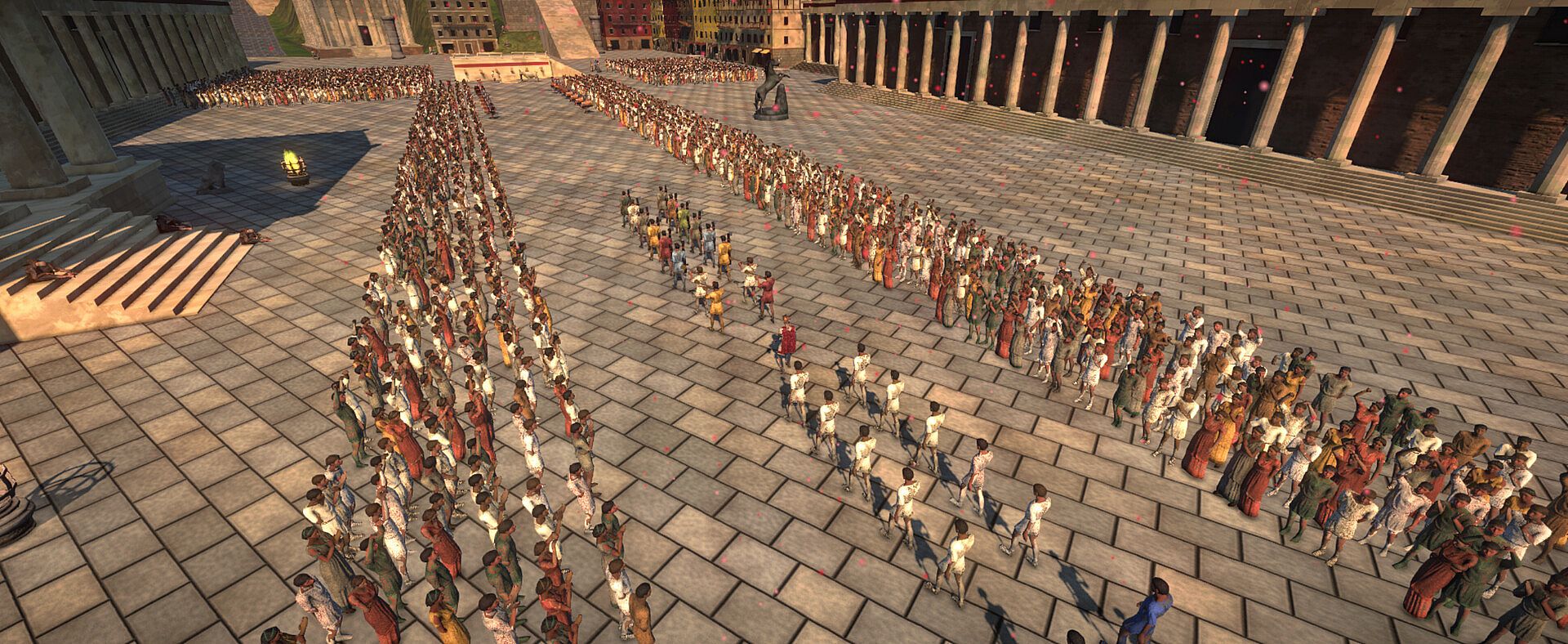
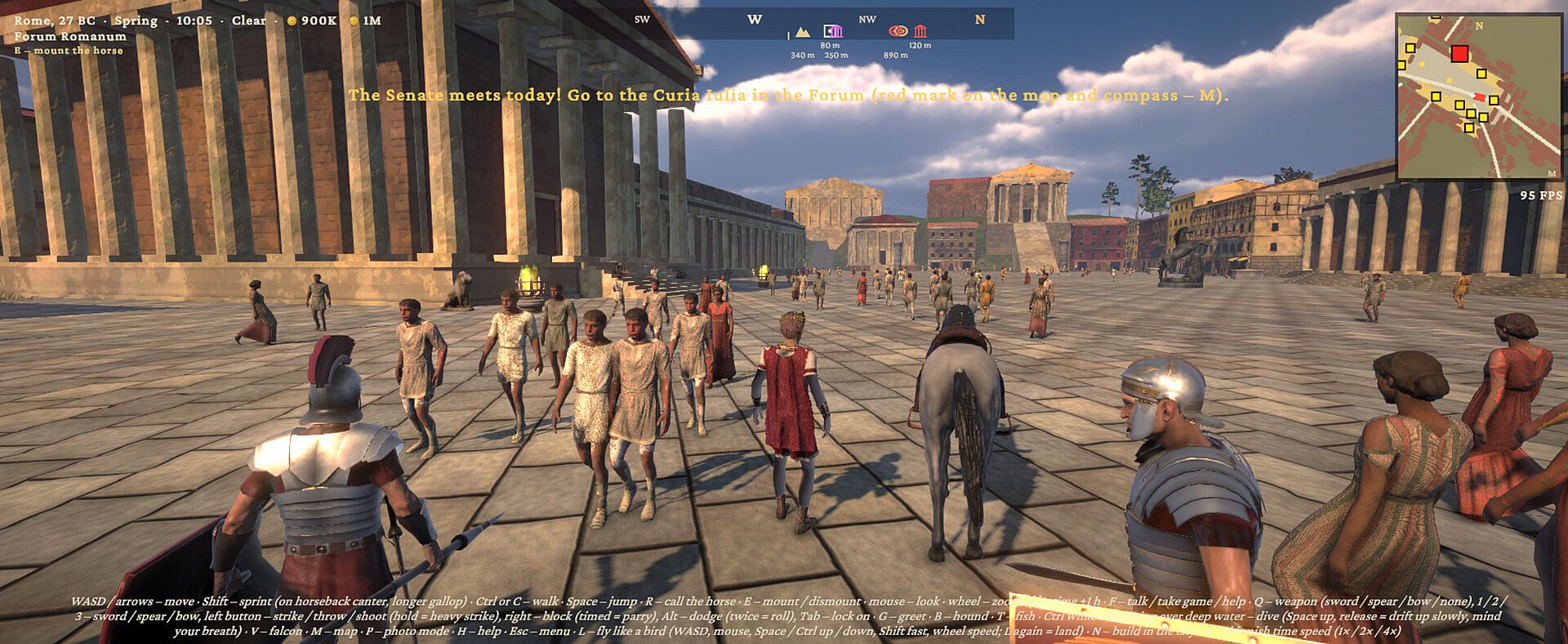
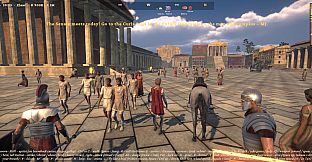
Players can step away from the map view to explore the empire directly in 3D. This includes walking the streets of Rome, entering the Curia Iulia to preside over senate sessions, judging cases in the Basilica Iulia, performing sacrifices at the temple of Jupiter, or traveling to cities such as Alexandria and Carthage. Cities reflect actual constructions completed during the campaign, and the world features crowds in forums, merchants, occasional fires in insulae, seasonal changes with snow in northern regions and heat in deserts, plus a day-night cycle.
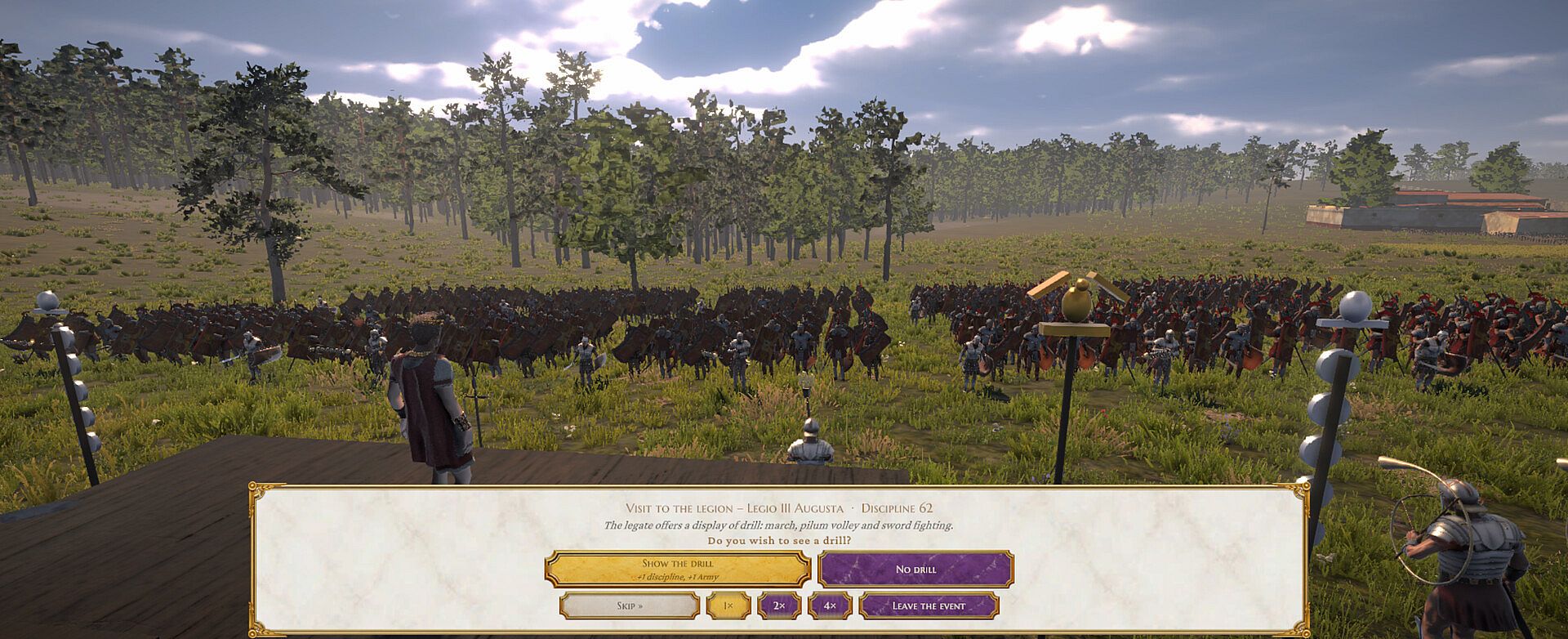
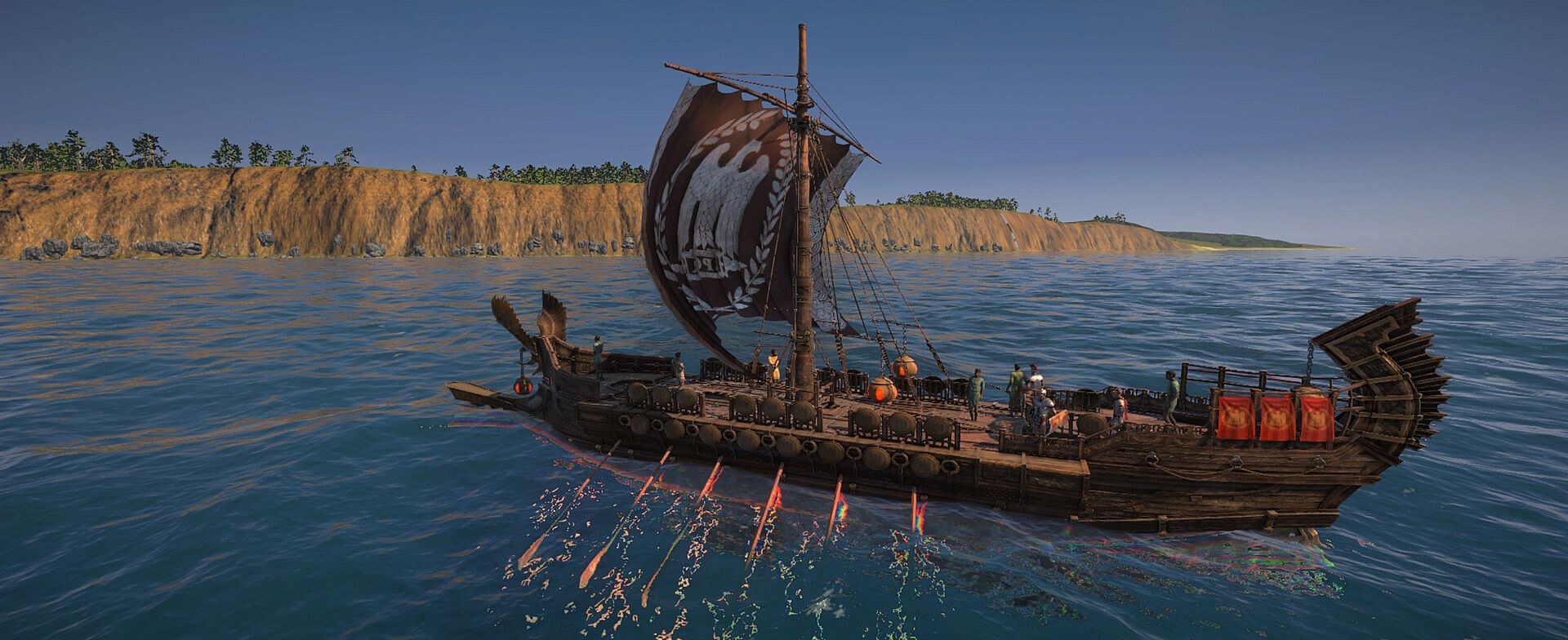
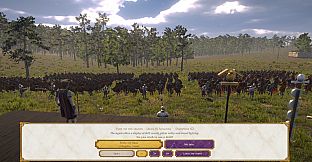
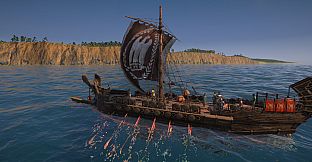
Economy involves managing taxes, grain distribution, sea and land trade, slaves, workshops, and public buildings in every city. When diplomacy breaks down, players command mid-sized battles on 3D battlefields using cohorts, cavalry, and archers with formations, pila volleys, and charges. Larger historical engagements allow replay of clashes from Gaugamela to Mons Graupius. Naval elements include boarding triremes to pursue pirates.
Game Modes
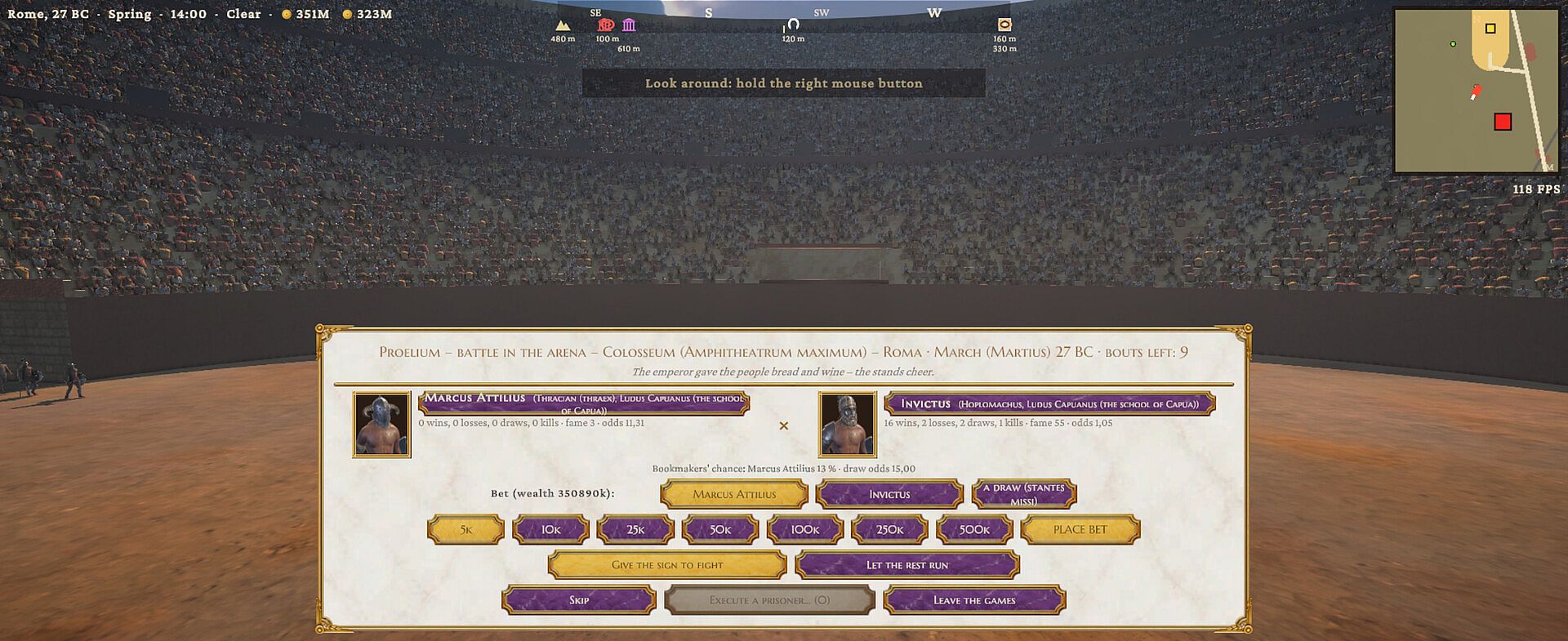
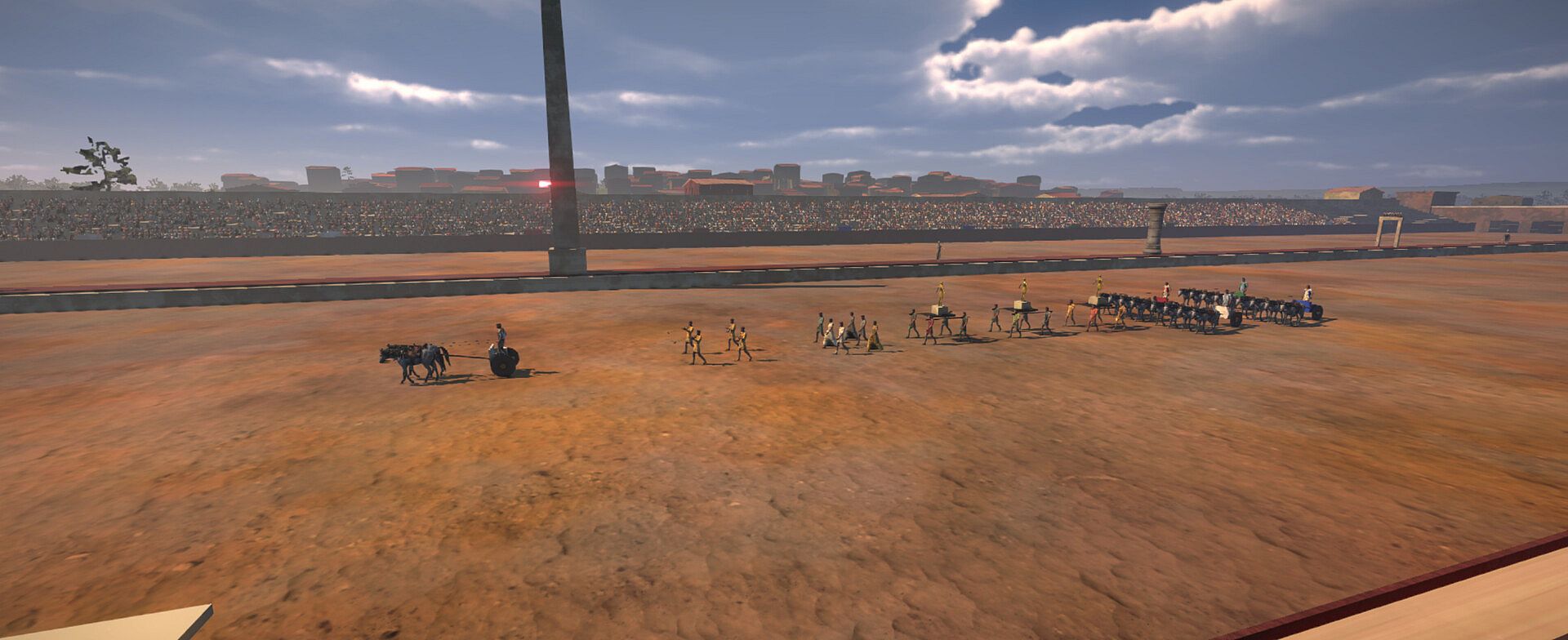
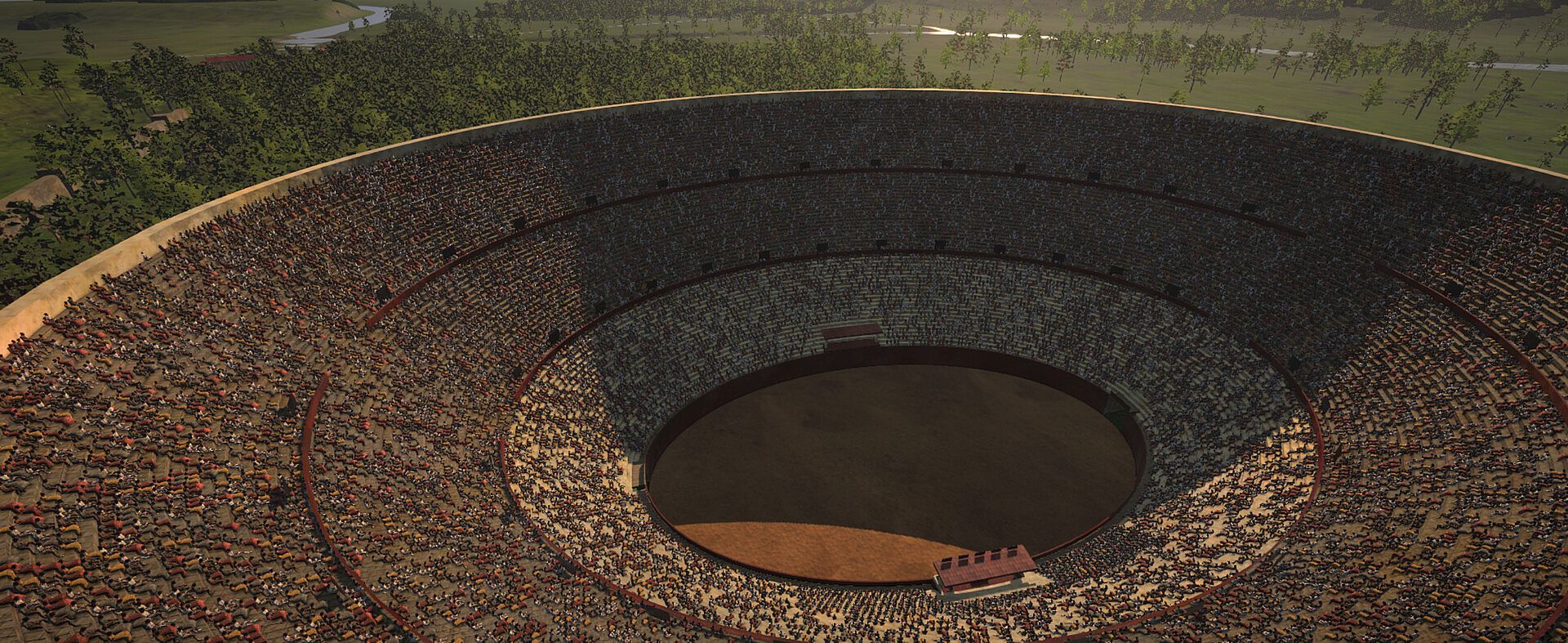
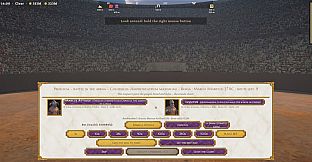
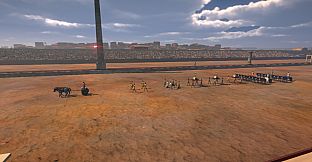
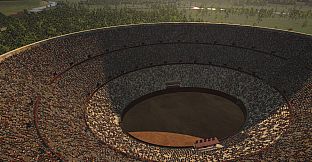
The core experience centers on a single-player campaign that combines strategic oversight with direct participation in events. Ruling the empire forms the primary loop through monthly turns focused on administration, diplomacy, and military maintenance. Exploration allows free movement through constructed cities and landmarks at any time. Public spectacles such as gladiatorial contests and chariot races in the Circus Maximus provide opportunities to observe fights, place bets on teams including the Reds, Whites, Greens, or Blues, sponsor games, and influence outcomes from the imperial box. Command of legions shifts to real-time tactical battles when needed, while naval actions involve sailing the Mediterranean for combat or other activities.
Additional layers include designing a personal palace piece by piece and participating in ceremonies such as coronations, triumphs, weddings, and state funerals. All characters age, form marriages, raise children, hold grudges, and engage in plots, with loyalty developed through specific actions rather than abstract systems.
Key Systems and Features
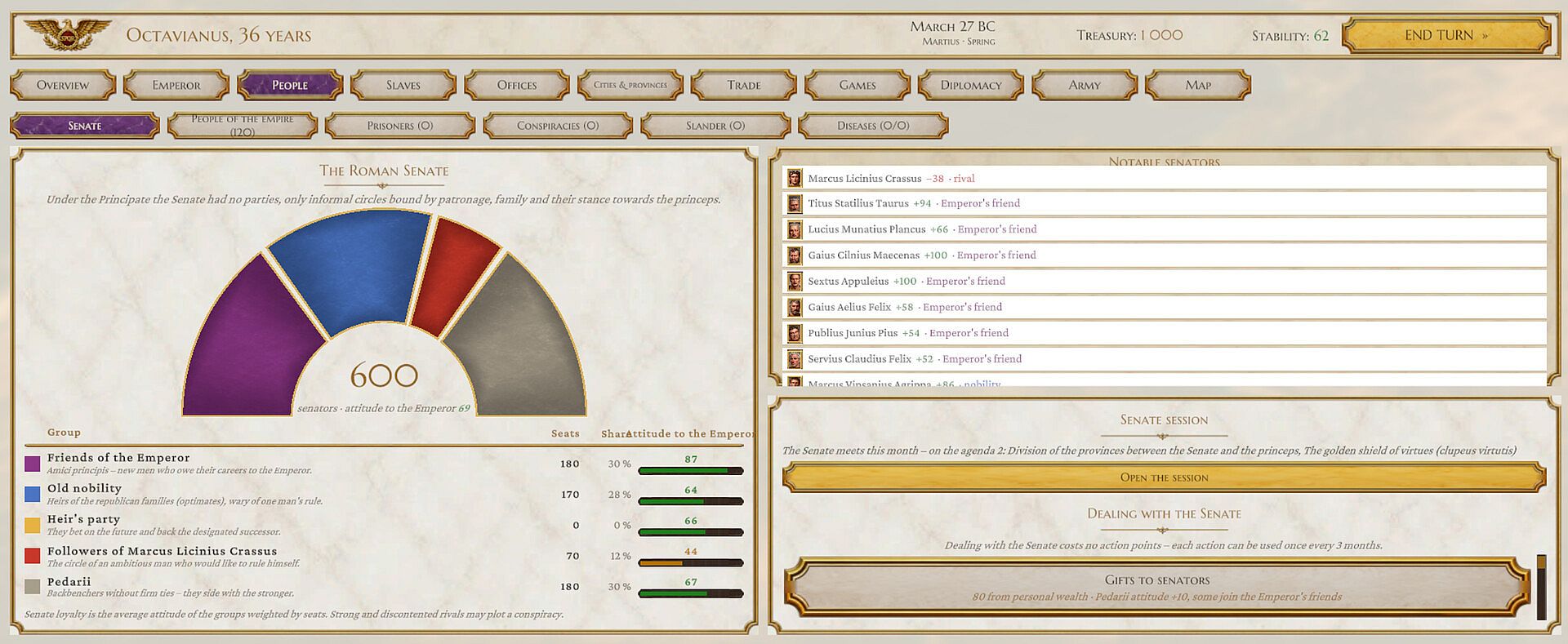
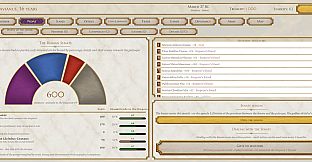
The senate includes 600 members divided into five factions, with Roman offices, spies, informers, arrests, and executions available as tools. Economy and infrastructure develop through taxes, trade routes, and building projects that affect every city. Foreign relations track individual rulers, families, and shifting relations with Rome. Battles incorporate realistic elements like formations and siege engines, while the 3D world supports direct intervention in daily life and major events. Seasons and weather influence the environment across provinces.
Is It Worth Playing?
This title suits players who enjoy detailed single-player strategy and simulation with historical themes. The combination of turn-based empire management, character-driven politics, 3D exploration, and tactical battles creates a focused experience centered on ruling and shaping the Roman world from 27 BC onward. Those interested in living simulations where decisions affect loyalty, succession, and frontier stability will find substantial depth in the systems for offices, diplomacy, and personal involvement. The game remains available as a complete PC title with its described features intact, making it a strong choice for fans of thoughtful, character-focused historical strategy without reliance on multiplayer elements.











