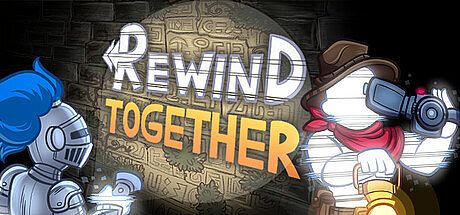


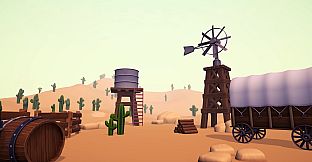
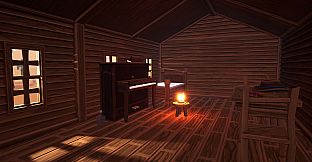
Rewind Together is a co-op adventure game built around time travel and puzzle solving. Players take on the role of companions sent by a mad scientist to capture images of historical artifacts scattered across different time periods. The goal is to gather enough evidence to return to the present day, but many relics remain concealed behind intricate challenges that demand careful observation and teamwork.
Gameplay
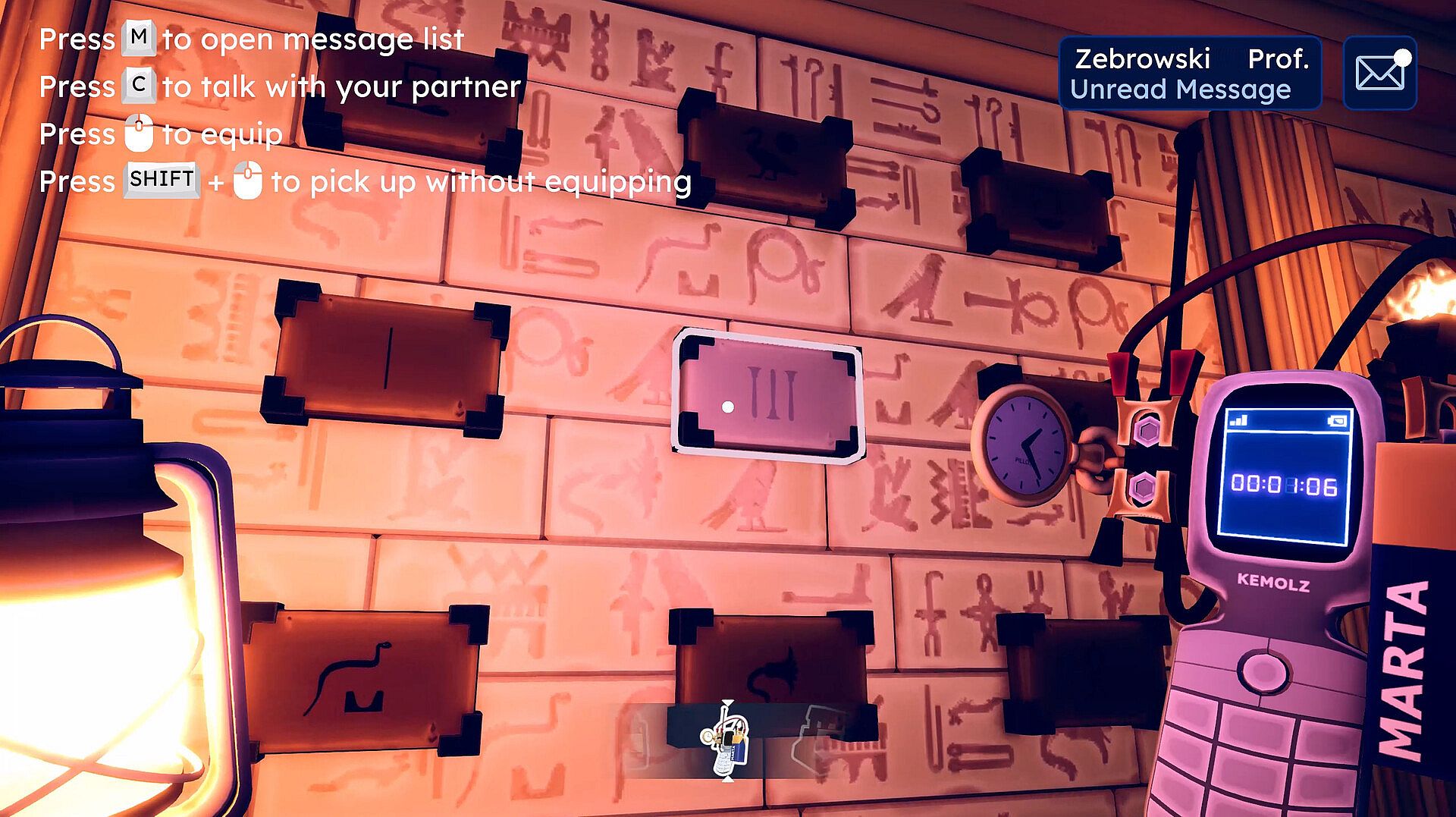
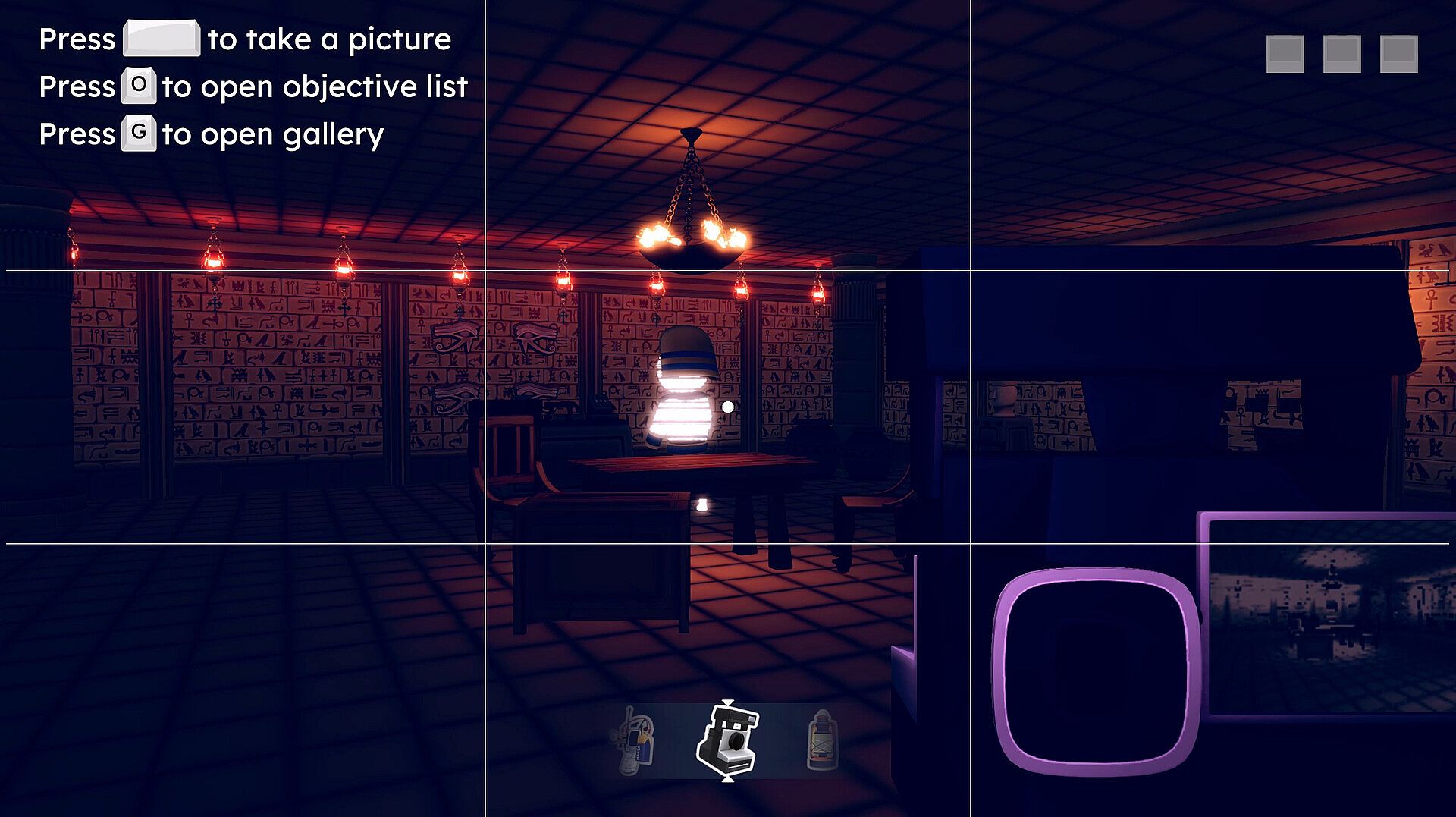
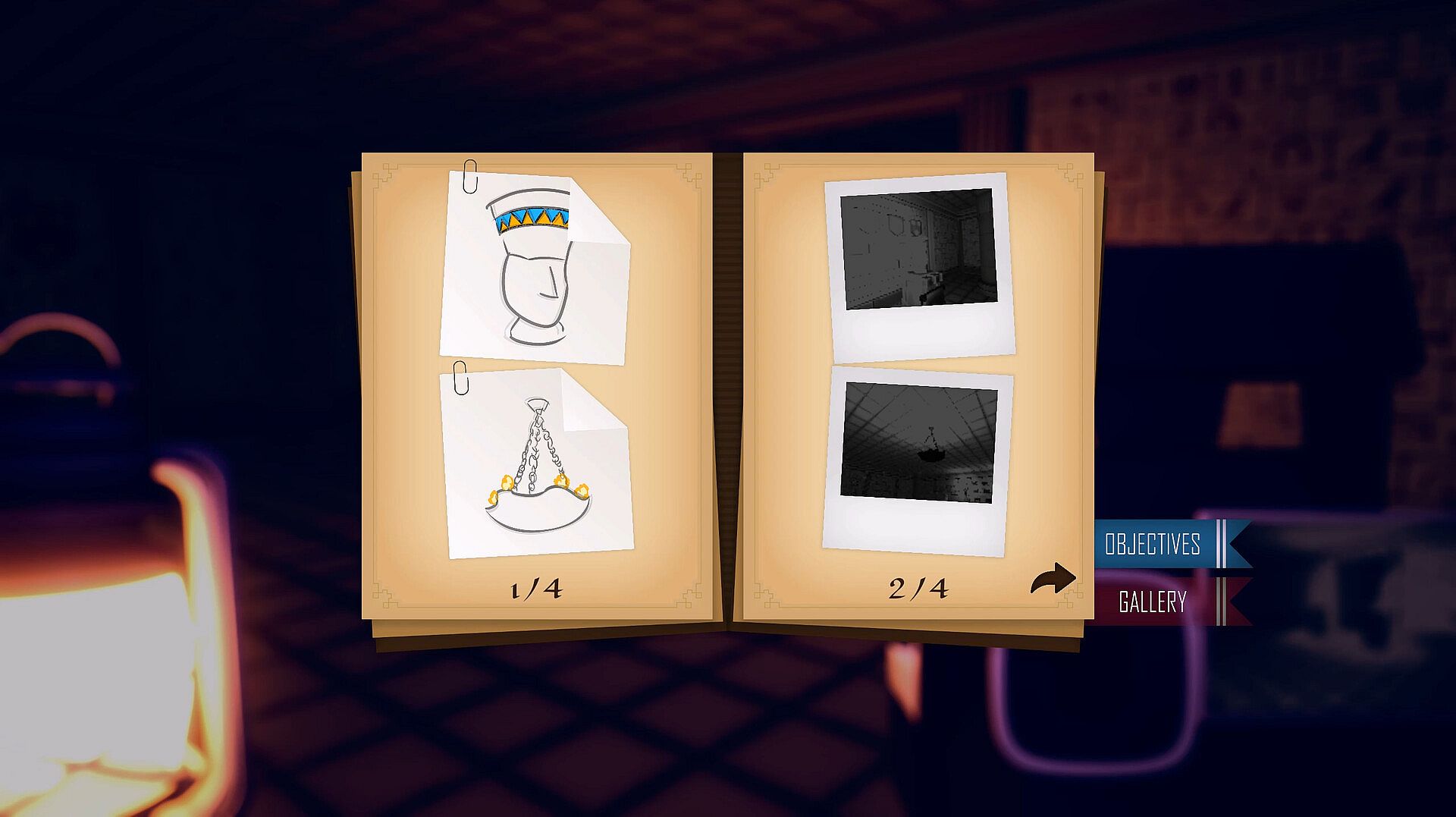
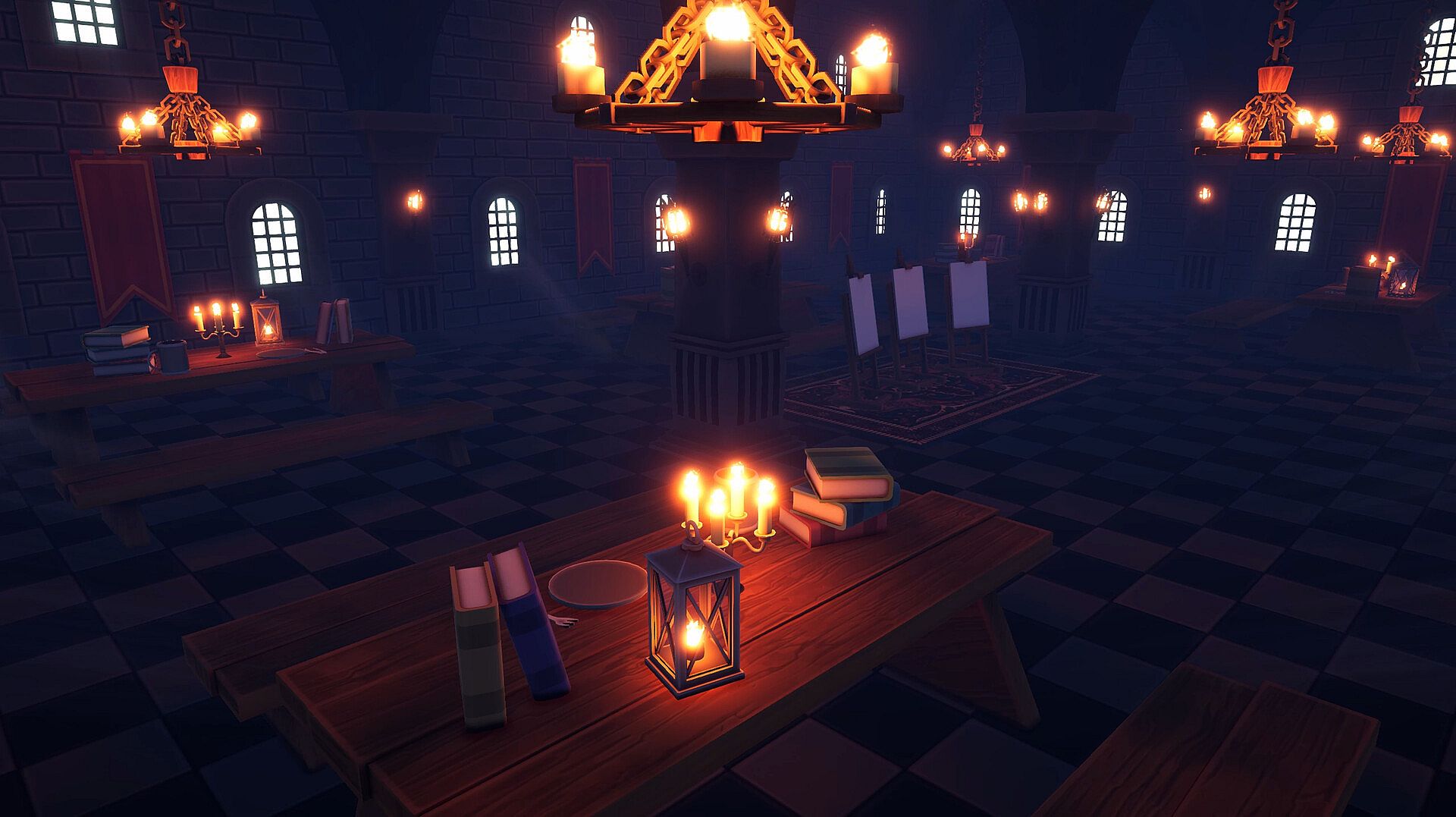
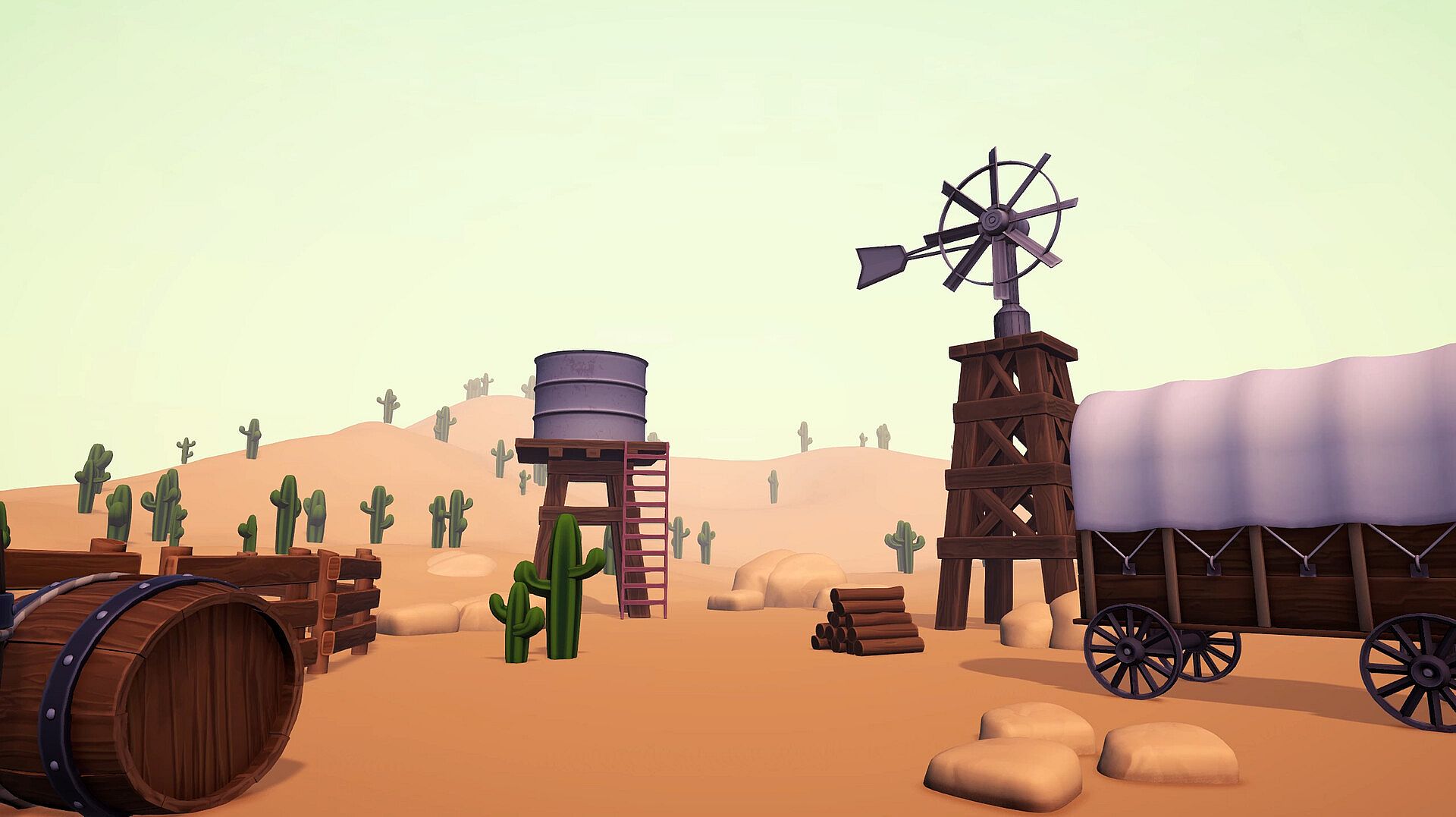
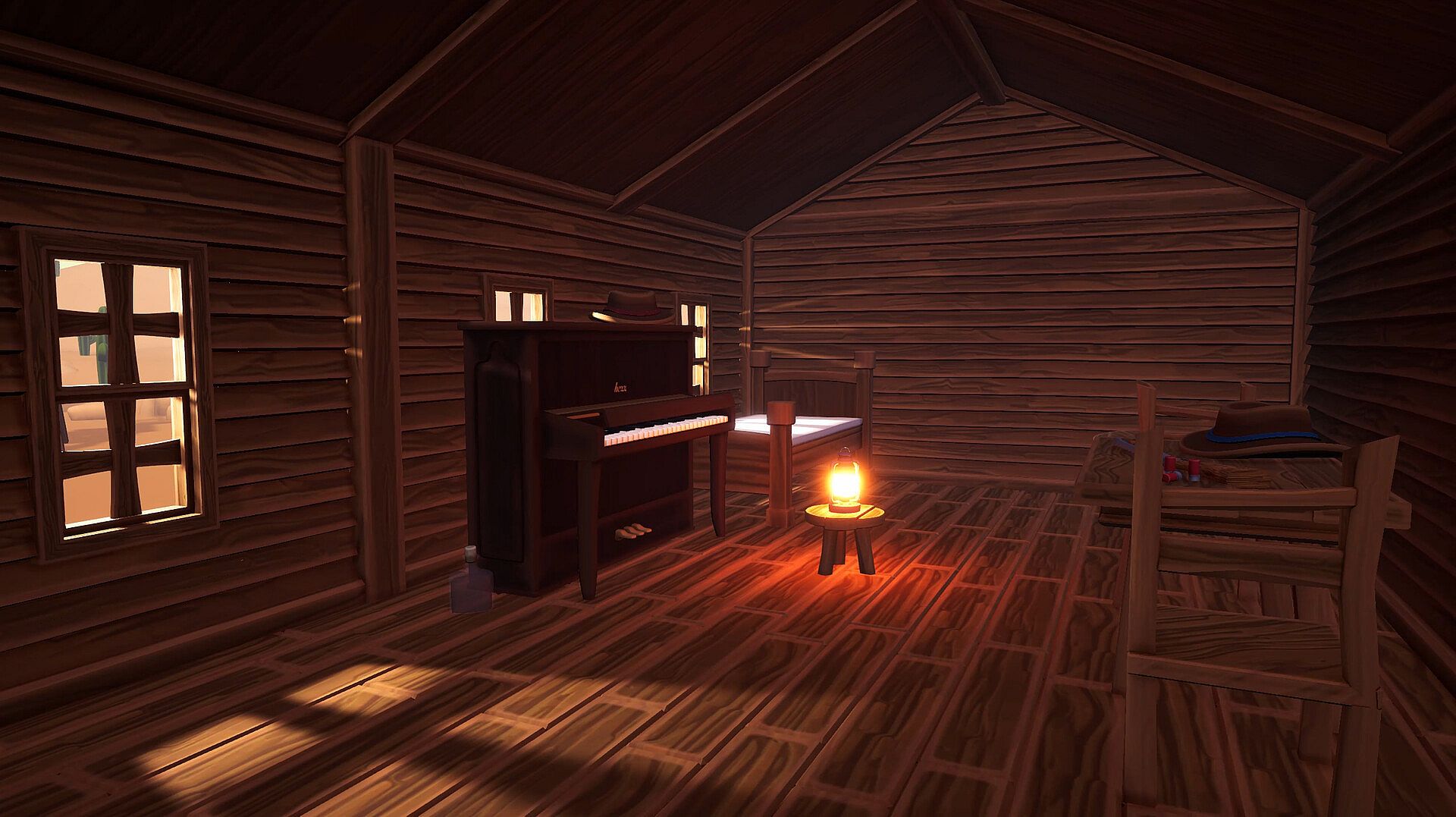
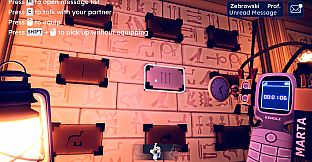
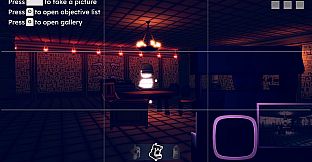
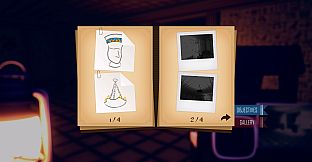
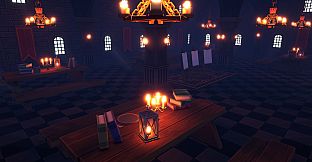
The core loop centers on exploration and problem solving in distinct historical settings. Teams navigate Ancient Egypt, the Middle Ages, and the Wild West, searching for hidden objects while piecing together environmental clues. Photography serves as the central mechanic, requiring players to locate and document specific items under varying conditions. Puzzles range from logic-based rearrangements of ancient mechanisms to timing-based sequences that test spatial awareness across eras. Because partners operate in separate areas for much of the session, progress depends on clear verbal exchange of observations and ideas rather than shared screen visibility.
Controls remain straightforward to keep focus on collaboration. Movement, interaction, and camera functions handle the practical side of navigation and documentation, while the emphasis stays on interpreting shared information. The separation mechanic creates natural tension, as one player might spot a clue that the other must act upon without direct visual confirmation. This setup rewards patience and precise description over rapid reflexes.
Game Modes
The experience revolves around a single cooperative campaign structured around sequential time periods. Each era presents a self-contained set of objectives that build toward the overall return journey. There are no separate competitive or solo variants confirmed at this stage. The design encourages repeated playthroughs with different partners to refine communication strategies and discover alternative solutions to the same puzzles. Cross-platform support allows friends on various systems to join sessions without additional setup.
Voice communication integrates directly into the game, though external apps or even older hardware can substitute for added immersion. The structure keeps sessions focused on joint problem solving rather than branching into unrelated activities.
Cooperative Focus
Friendship forms the central theme, with mechanics deliberately designed to highlight coordination under pressure. Sessions often split players across different locations within the same era, forcing reliance on verbal updates about discovered paths or required actions. This approach turns ordinary puzzle solving into a test of how well participants listen and adapt in real time. The result feels distinct from typical co-op titles where both players share the same view, creating a unique dynamic that values clear instructions and quick adjustments.
Progression ties directly to successful documentation of artifacts. Each completed photograph advances the story and unlocks the next historical segment, maintaining a steady rhythm of discovery and resolution. The absence of combat or resource management keeps attention squarely on the collaborative puzzle elements.
Is It Worth Playing?
Rewind Together targets players who enjoy puzzle adventures that prioritize communication and shared problem solving over individual skill. Its upcoming release in Q4 2026 positions it as a fresh option for groups seeking something different from standard co-op fare. The time-travel premise and era-specific settings provide visual variety, while the separated-player design adds a layer of challenge that rewards strong teamwork. Those who value clear objectives and logical deduction will find the structure appealing, especially if they already enjoy coordinating with a regular partner. With no reviews available yet and development still ongoing, the game remains best suited for enthusiasts of indie co-op experiences who can appreciate its focused scope. Availability on PC with cross-platform multiplayer broadens access for potential groups. The emphasis on voice chat and flexible communication methods further supports its role as a social activity rather than a solitary one. Overall, it suits dedicated pairs or small teams looking for a puzzle-driven journey that tests relational skills alongside puzzle aptitude.