


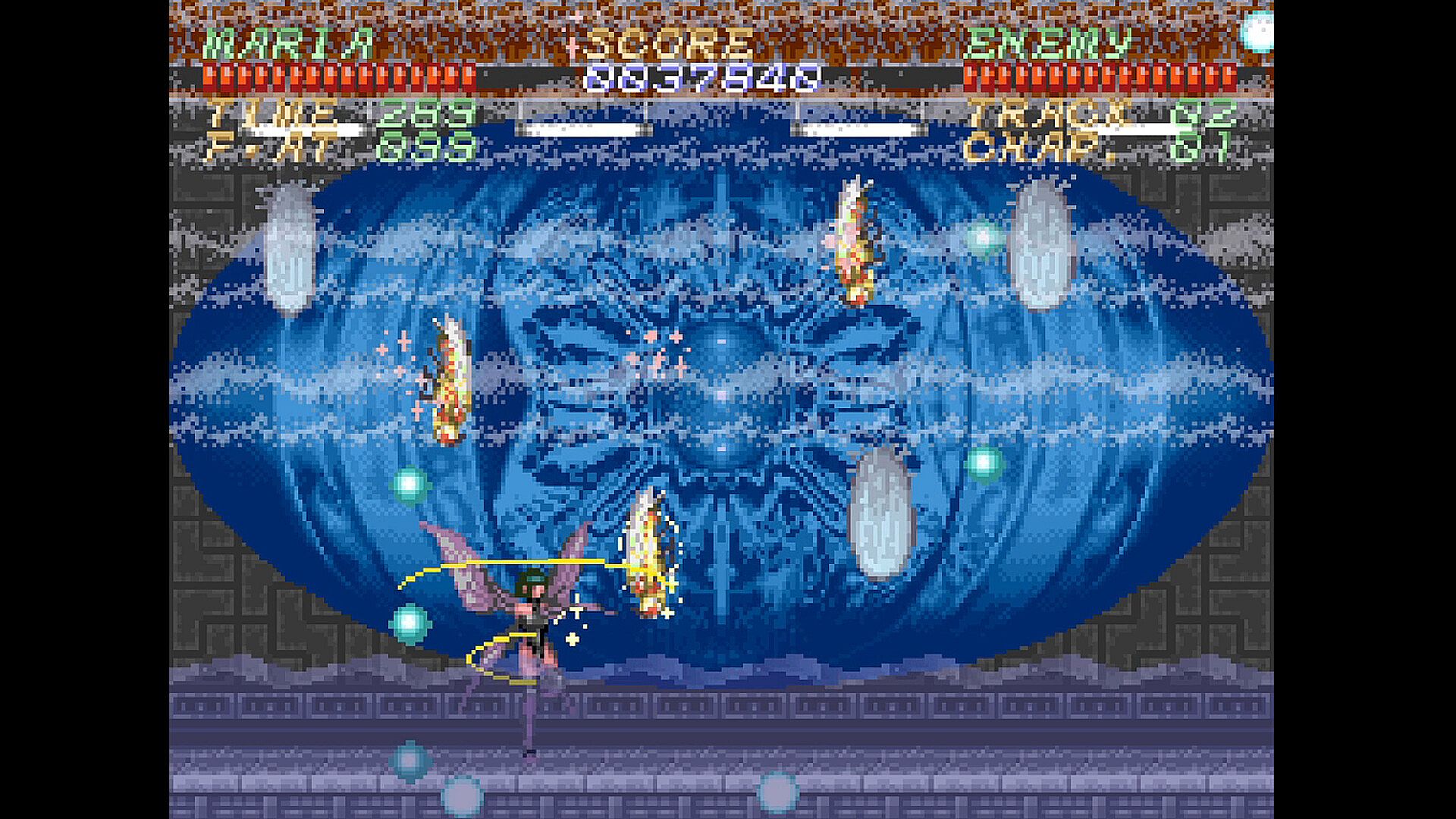
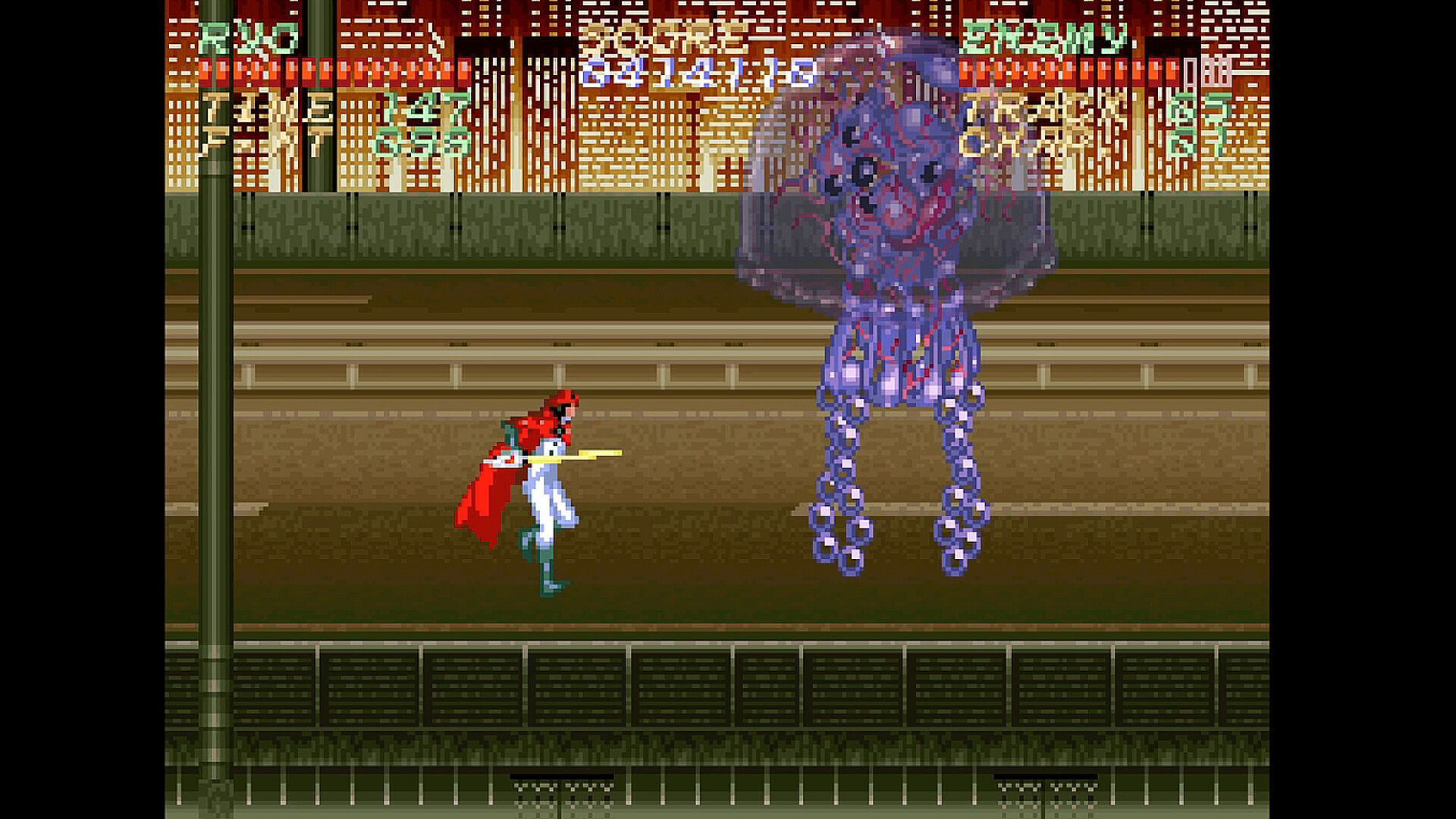
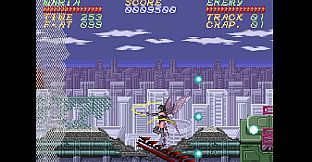
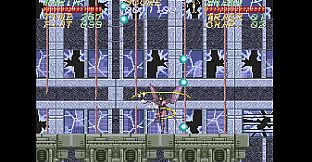
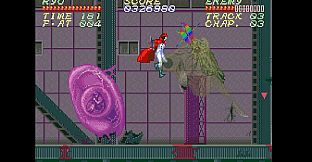
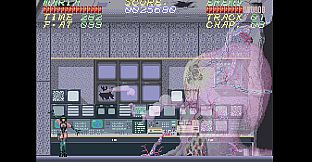
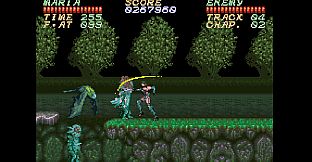
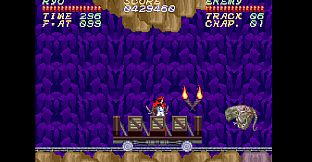
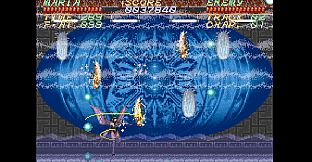
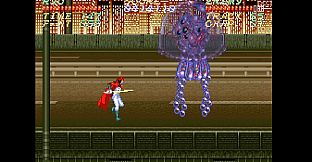
Psycho Dream is a side-scrolling action adventure game originally released in 1992 for the Super Famicom and now available on PC through a modern re-release. Players control one of two agents tasked with entering virtual reality worlds to extract a trapped individual before her physical body fails.
Gameplay
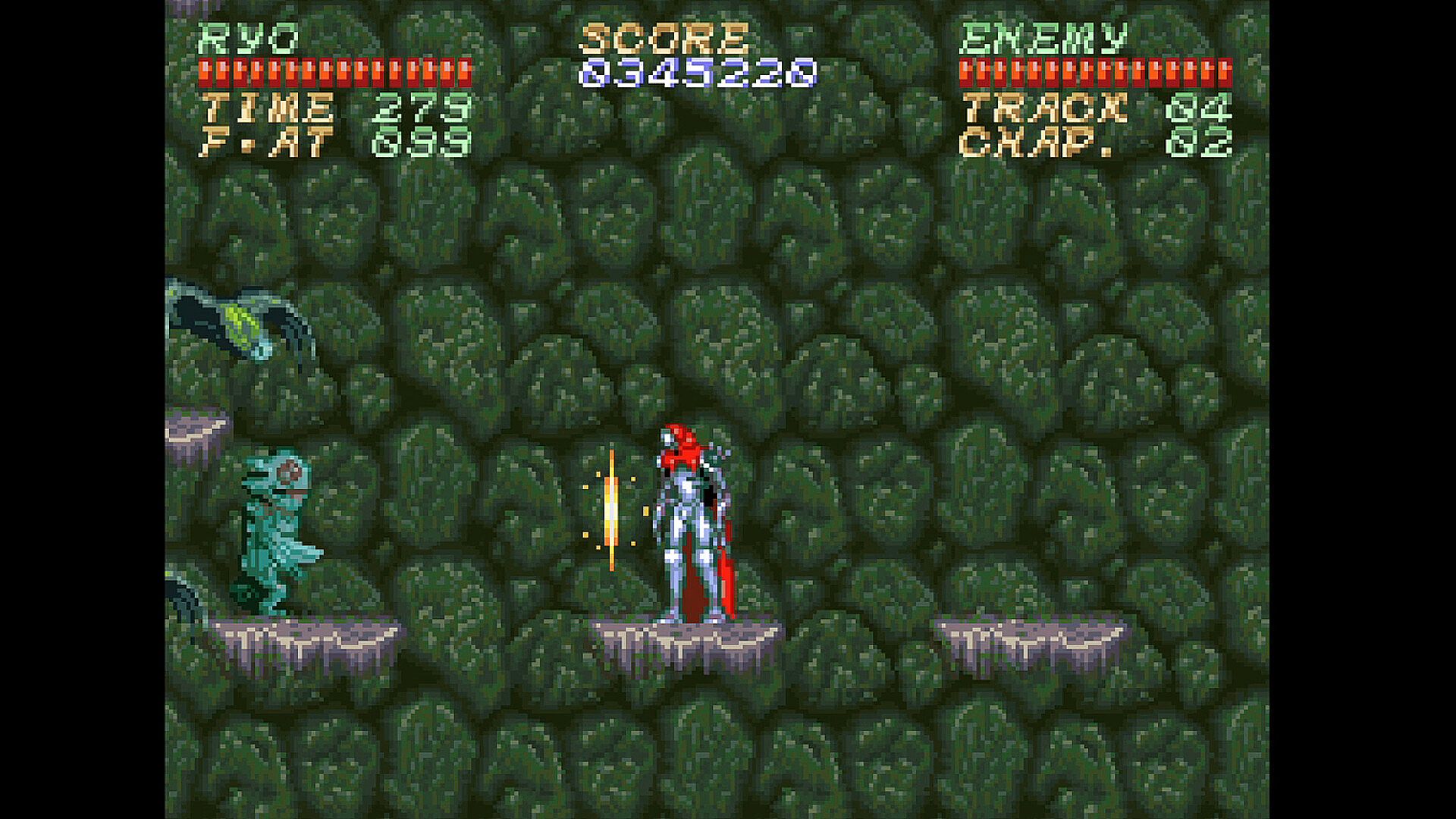
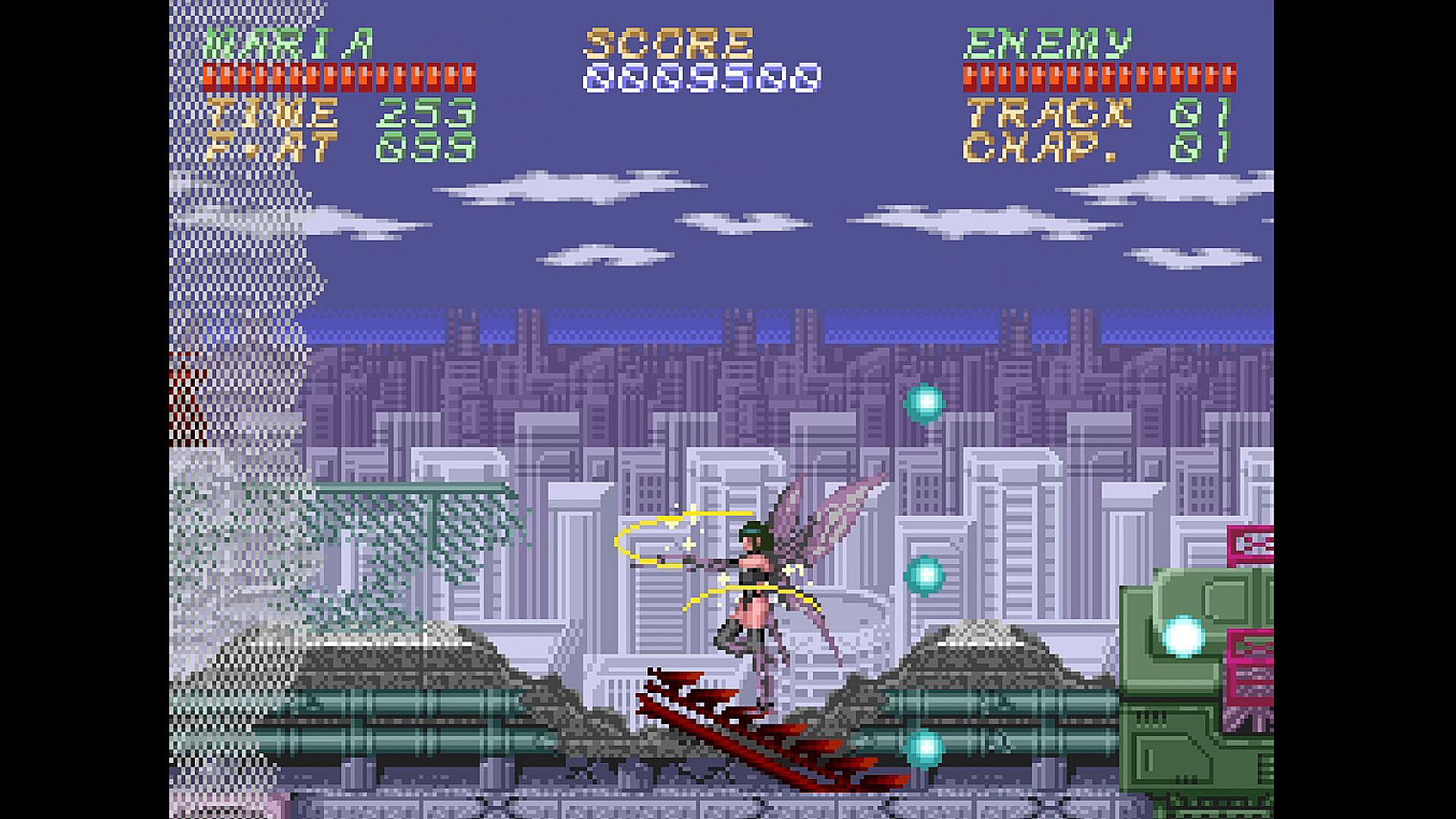
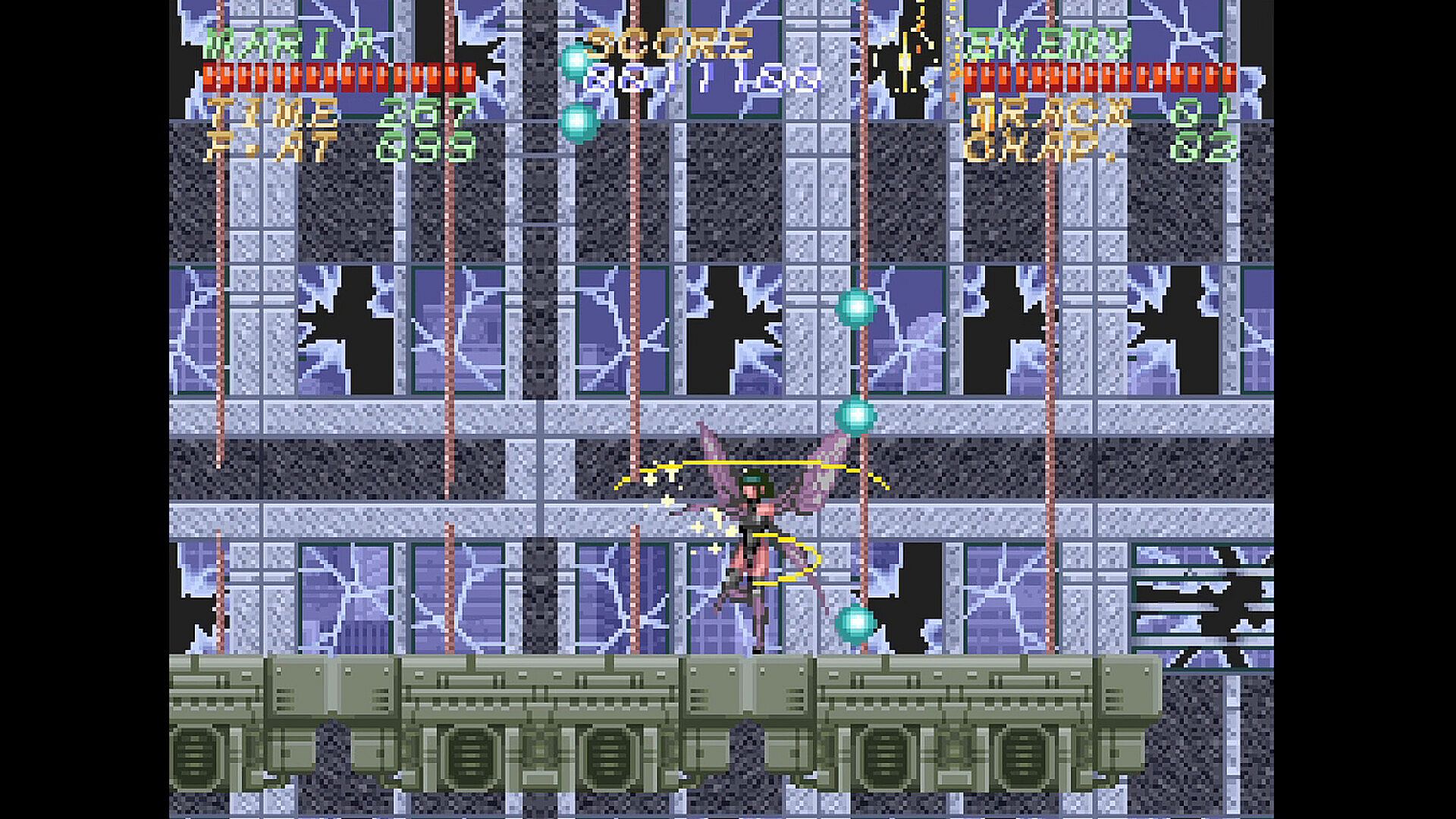
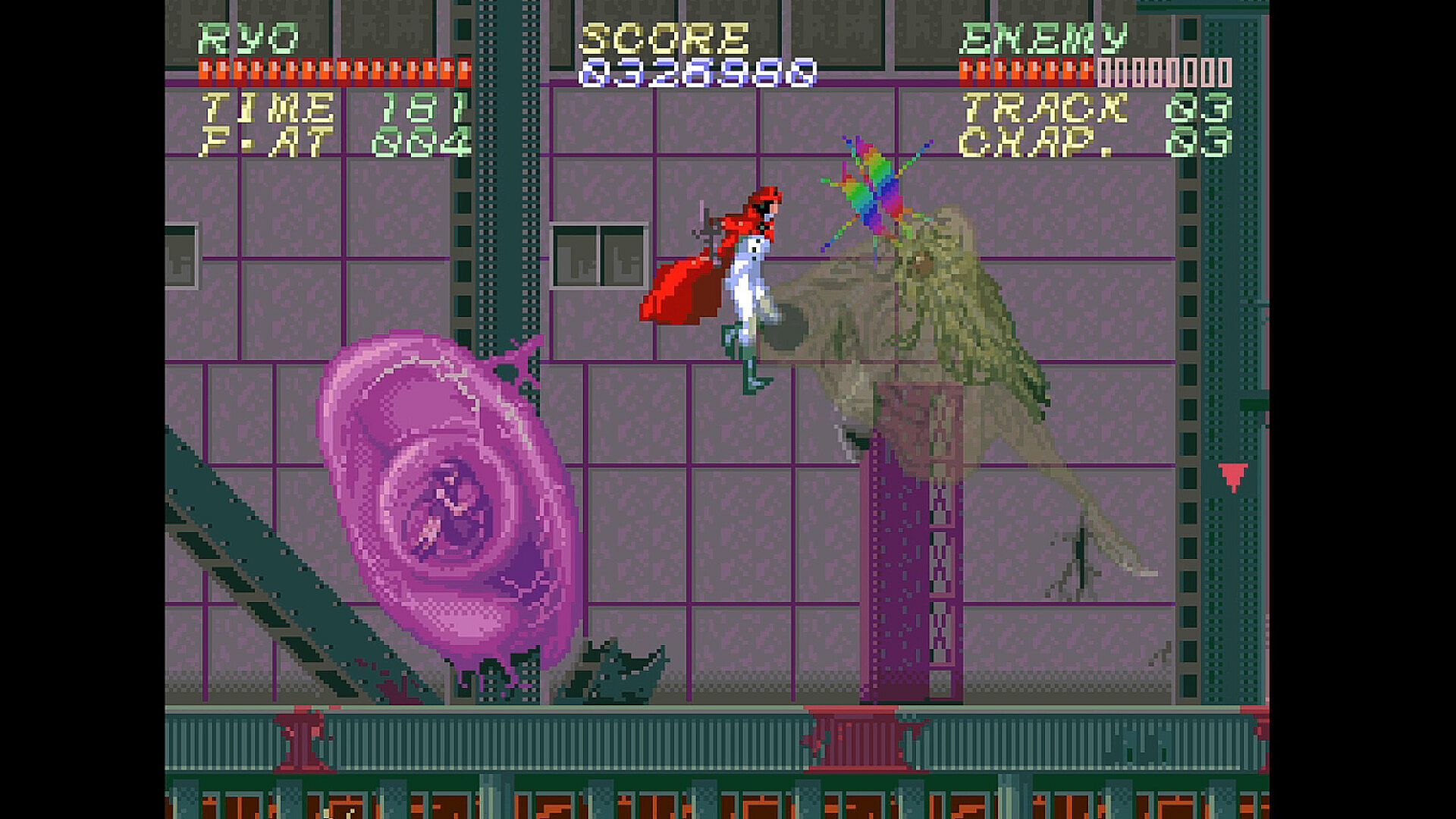
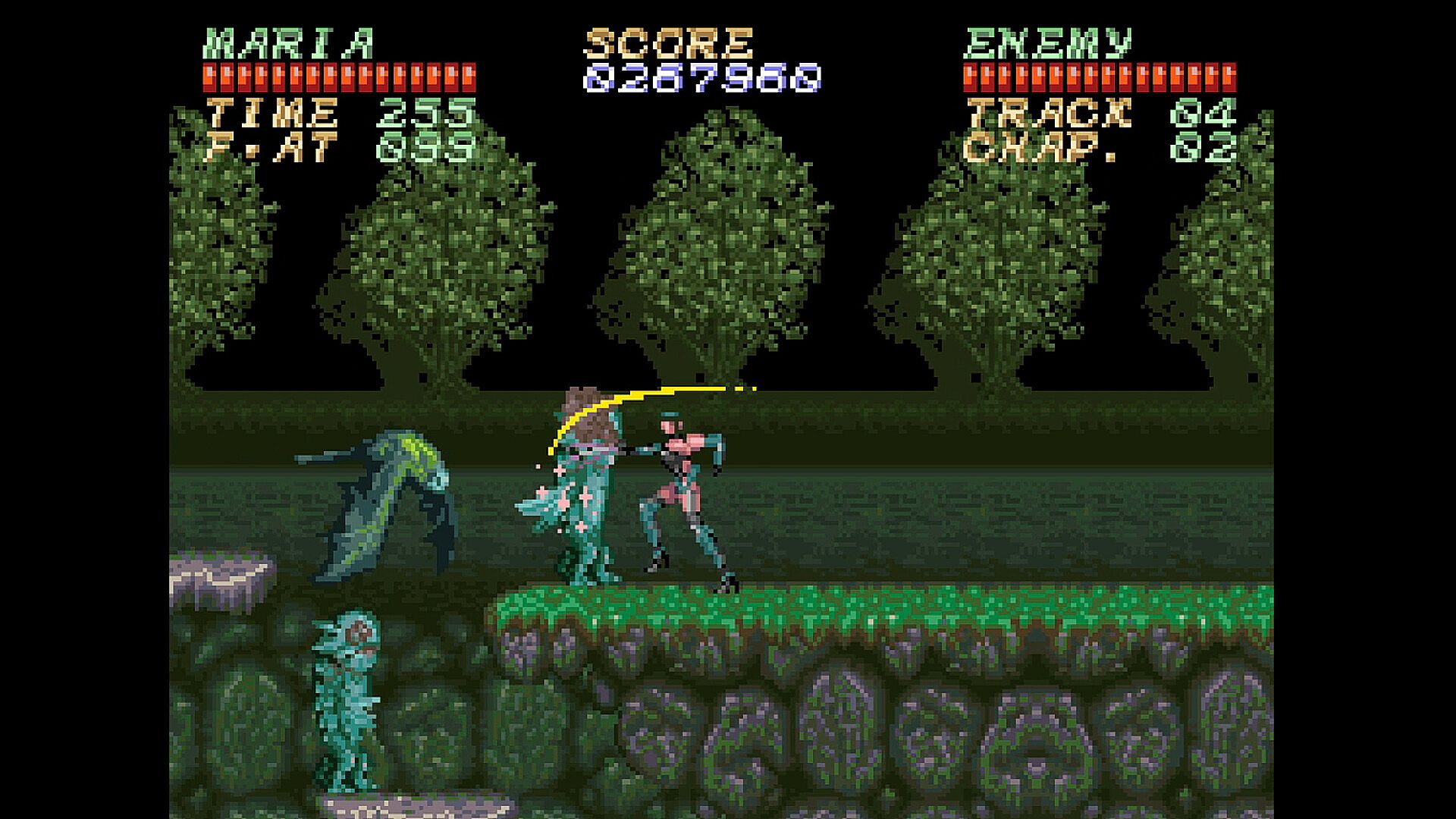
The core loop centers on progressing through linear stages filled with grotesque enemies and environmental hazards. Movement feels deliberate, with a default walking speed that increases when holding a shoulder button for runs or higher jumps. Combat mixes close-range strikes with projectile options, and players collect colored proteins dropped by defeated foes to power up.
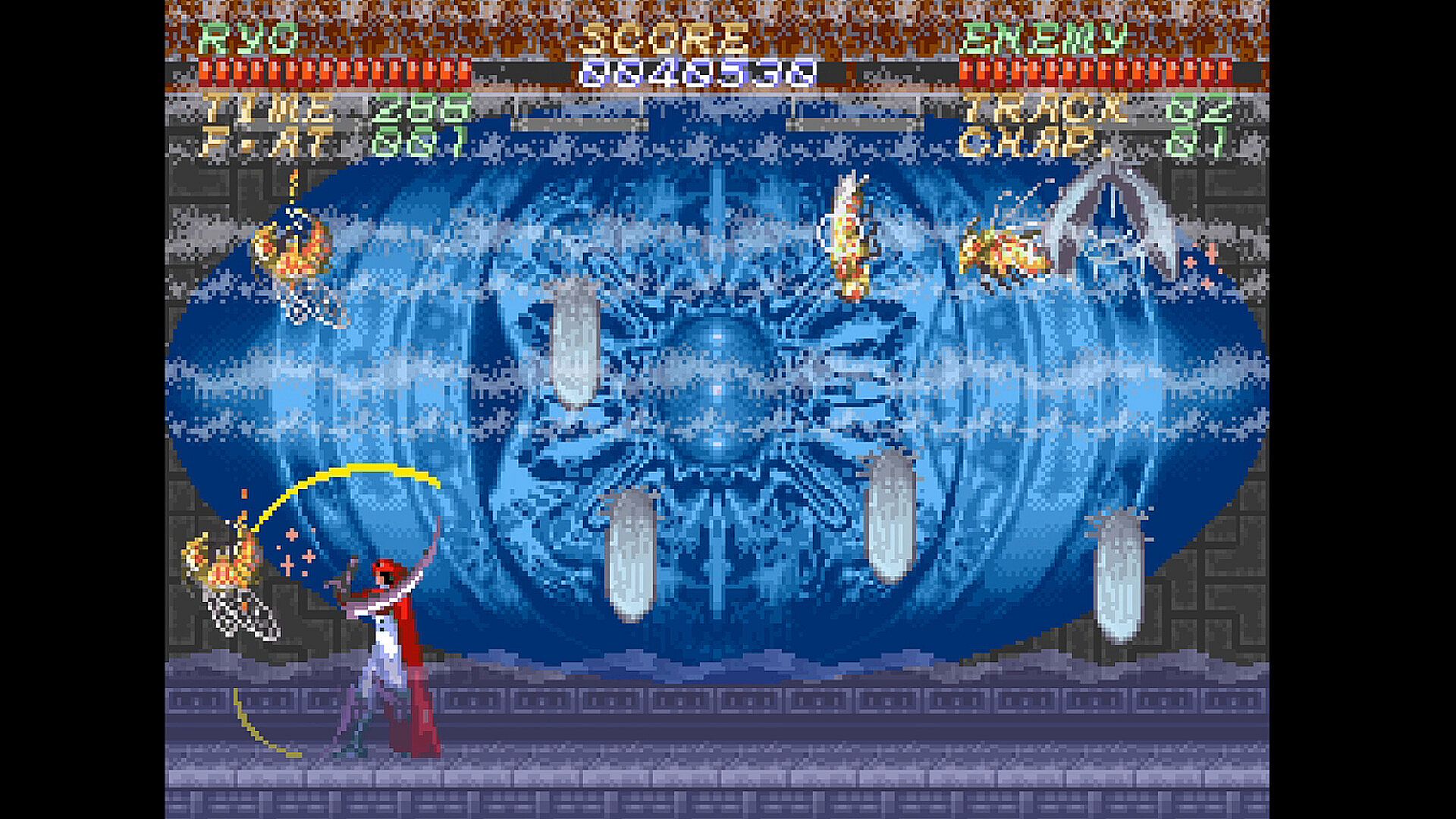
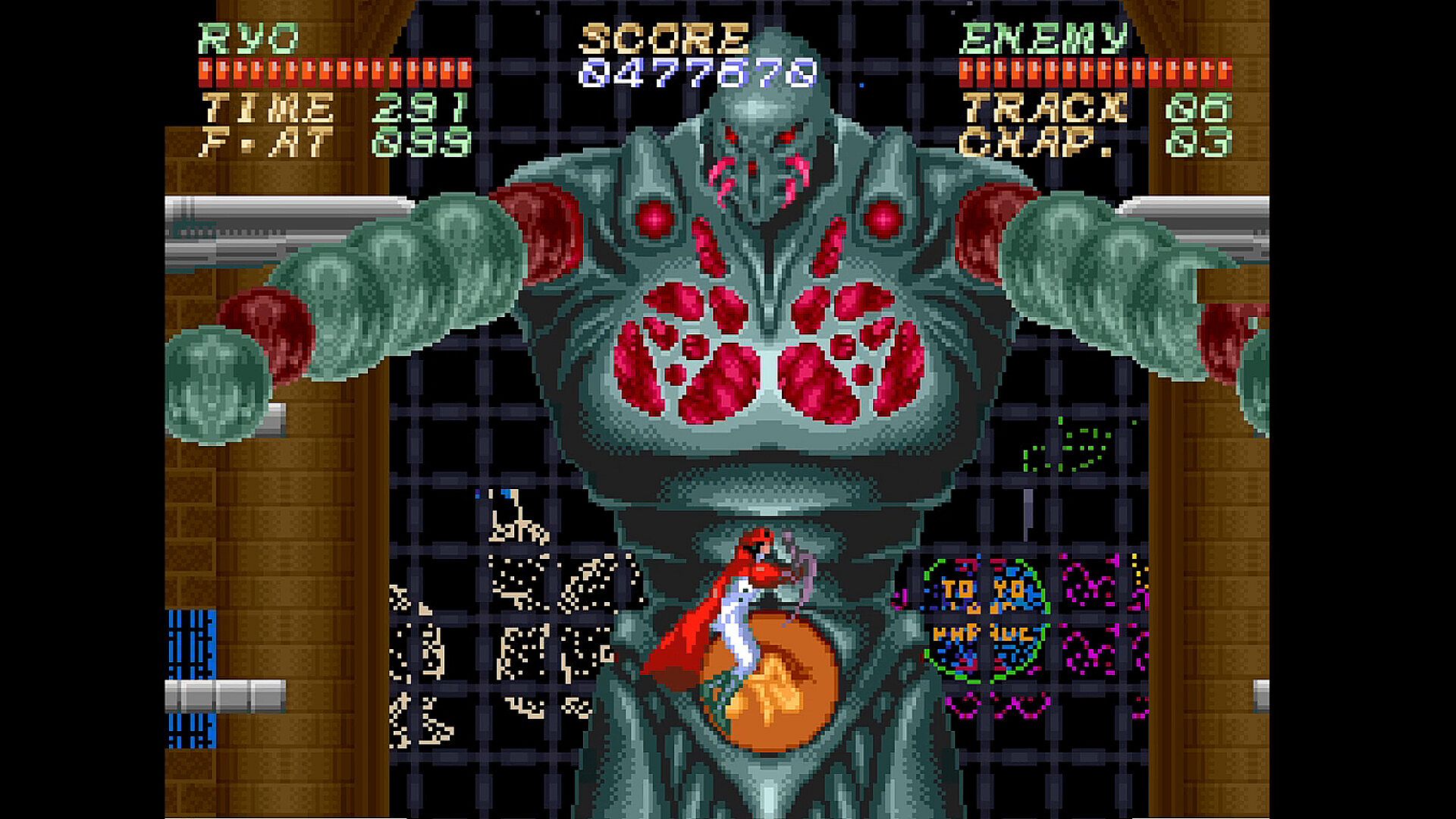
Yellow proteins enhance melee attacks while blue ones boost ranged capabilities, allowing upgrades across three levels before a red protein triggers a temporary ultimate transformation unique to each character. These forms add screen-clearing potential and altered movement, though damage returns the player to base form after a few hits. Green proteins provide brief invulnerability, pink ones restore health, and each stage includes a 300-second timer that adds pressure to navigation and combat decisions.
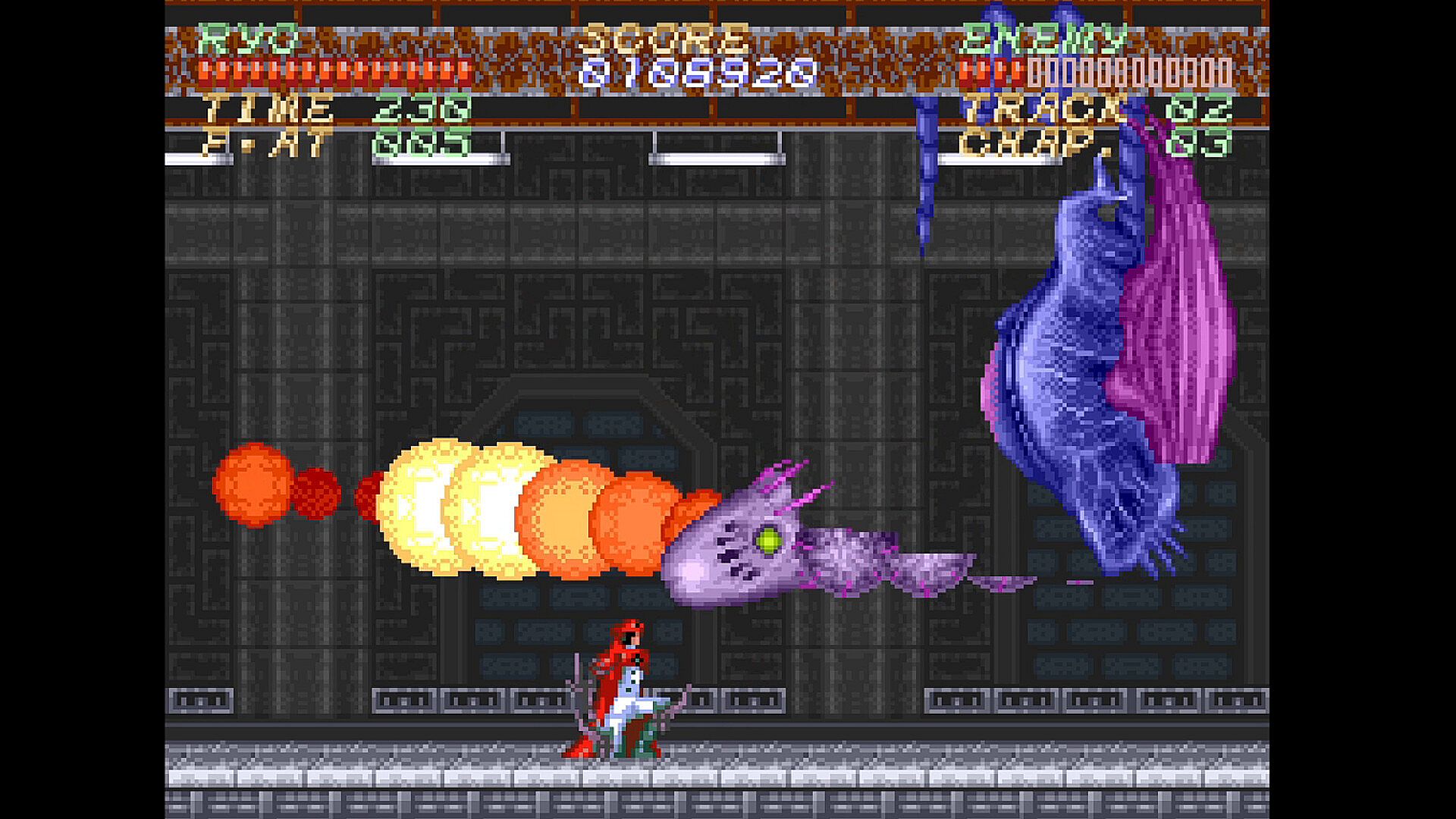
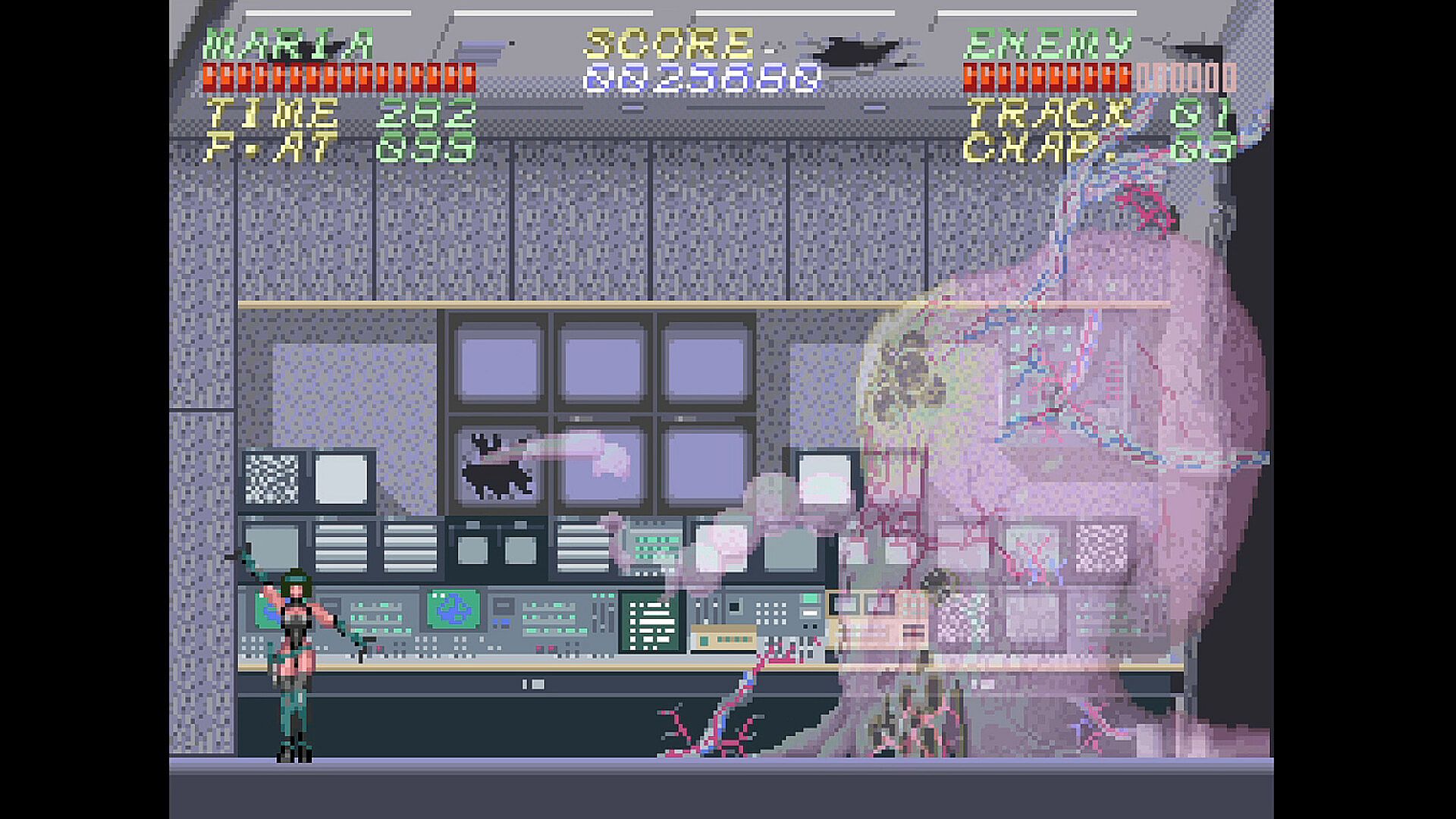
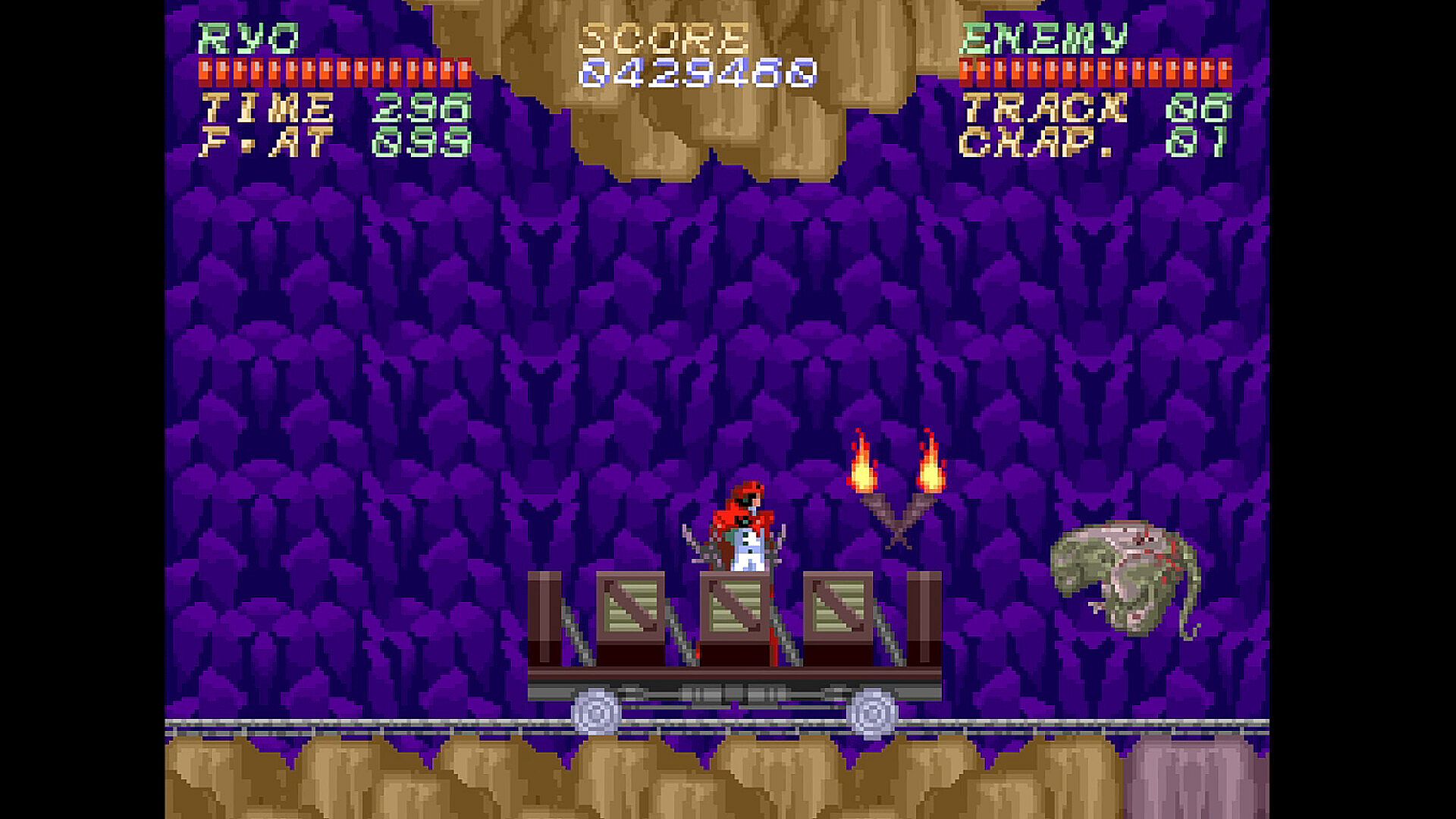
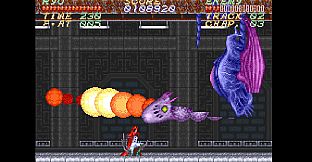
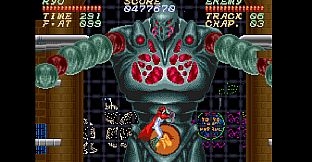
Boss encounters punctuate the six tracks, often featuring large, surreal creatures that demand pattern recognition and precise positioning. Platforming sections require careful jumps over pits, spikes, and moving platforms, with occasional auto-scrolling sequences that limit item collection opportunities.
Game Modes
The experience remains strictly single-player with no cooperative or versus options. The main campaign consists of six sequential stages that players complete in order, though save states in the re-release allow flexible resumption. Character selection at the start provides two distinct playstyles that alter combat rhythm and strategy without changing stage layouts.
Ryo emphasizes direct sword-based melee with supporting projectiles, while Maria relies more on whip attacks and different projectile behaviors. Both characters share the same protein upgrade system and ultimate form mechanics, yet their base weapons and transformation effects create noticeably different flows through the same environments.
Story and Setting
The narrative frames the action within a near-future scenario where young people escape into immersive virtual films called DMovies. Prolonged stays in these worlds lead to physical collapse, earning the victims the label of Sinkers. Government agents known as Diamond Dogs enter these digital realms to extract targets before time runs out.
The six stages unfold inside one such corrupted DMovie, presenting distorted urban and nightmarish environments populated by bizarre creatures. The premise remains largely atmospheric, with progression driven by rescue objectives rather than extensive dialogue or branching paths.
Re-Release Features
The PC version preserves the original 16-bit presentation while adding practical tools for modern play. Rewind and turbo functions let players review difficult sections or accelerate through slower moments. Save states enable checkpoint creation at any point, and multiple screen filters adjust the visual style to mimic old monitors or monochrome displays.
A gallery displays original manual and box artwork, while a jukebox provides access to the soundtrack tracks. Cheats such as infinite lives or invulnerability can be toggled for easier runs. These additions sit alongside the unaltered core experience of the 1992 release.
Is It Worth Playing?
Psycho Dream suits players who enjoy short, focused retro action platformers with character-specific upgrades and surreal enemy designs. The campaign typically lasts one to two hours on a first playthrough, making it accessible for those seeking a complete experience without long commitments.
Reception on the re-release has been mixed, with praise for the distinctive art direction and power-up system alongside criticism of the deliberate pacing and occasional emulation quirks. The low price point and inclusion of quality-of-life tools lower the barrier for fans of 1990s Japanese platformers who missed the original Japan-only launch.
Those who appreciate deliberate combat, transformation mechanics, and atmospheric stage design will find value in experimenting with both characters across multiple runs. Players seeking fast-paced action or multiplayer elements may find the single-player structure and measured tempo less engaging.