

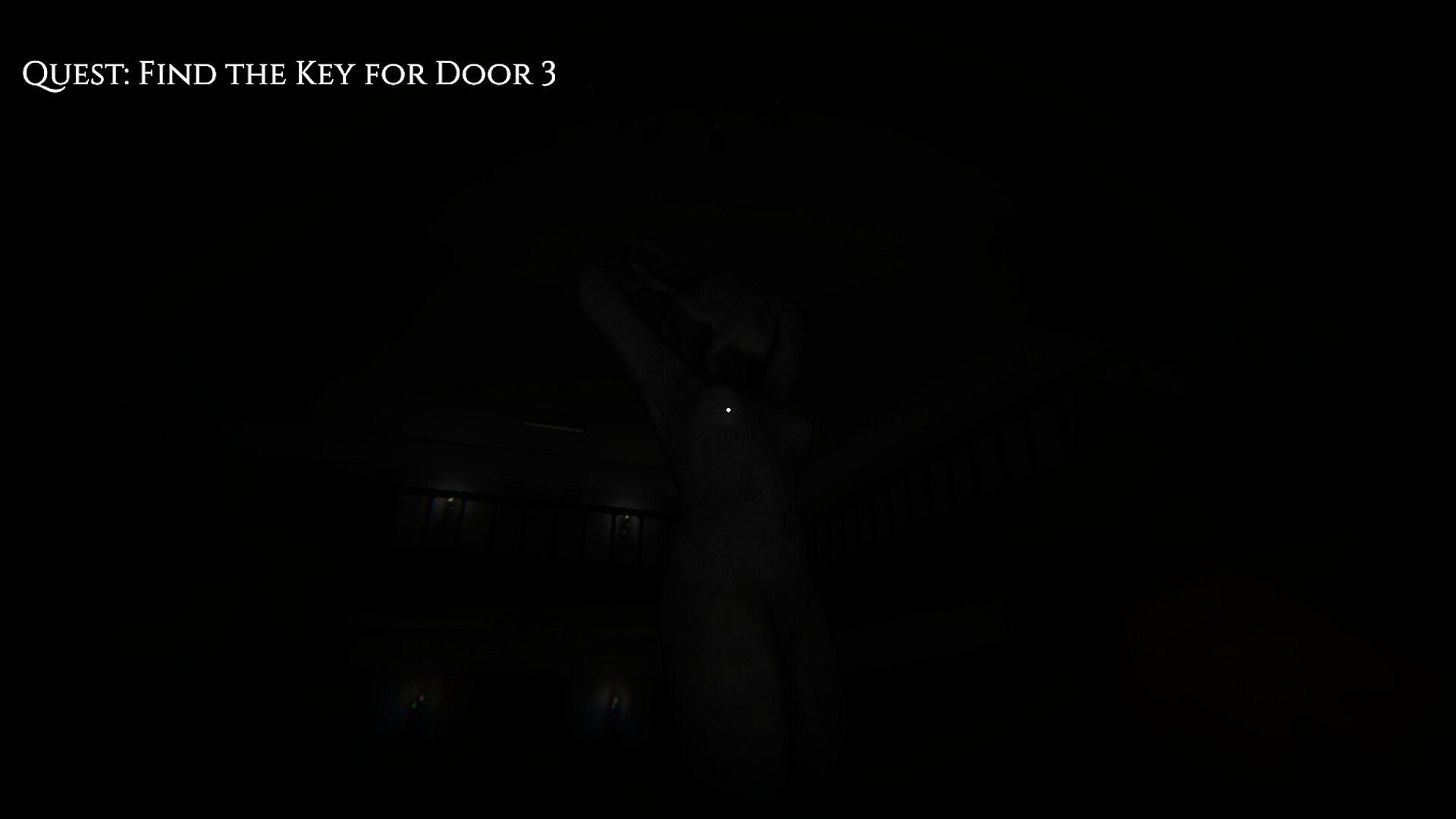
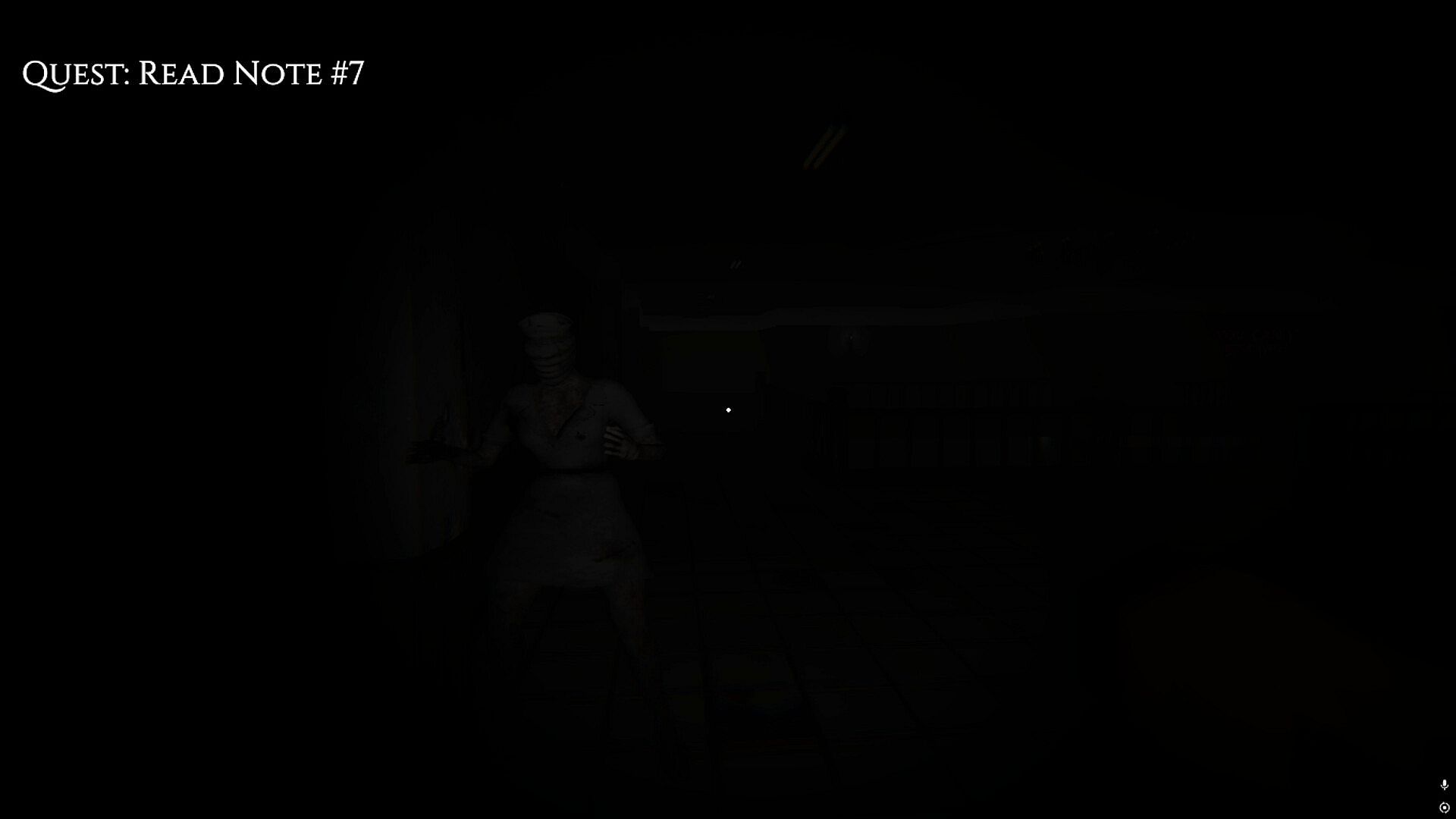
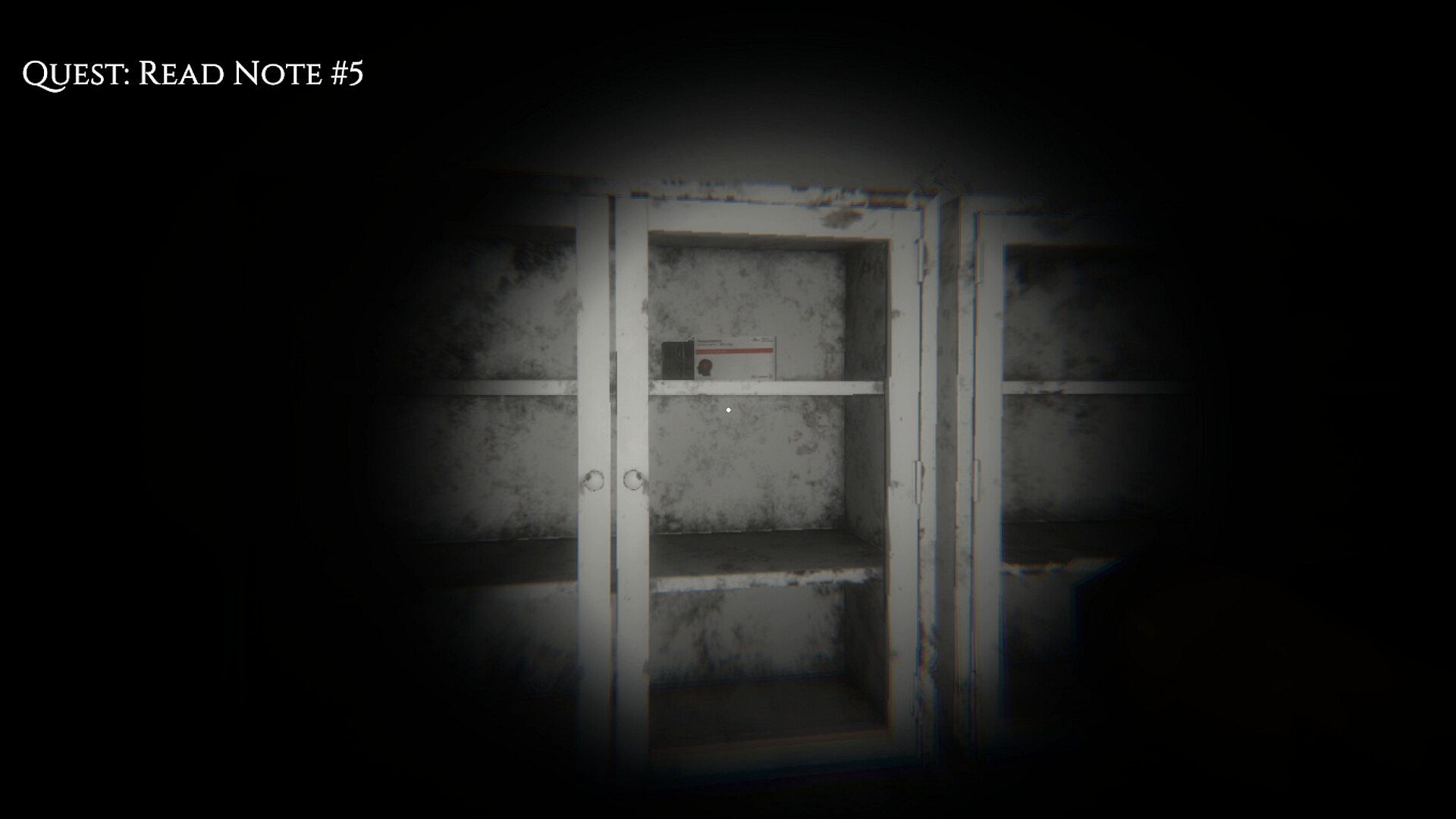
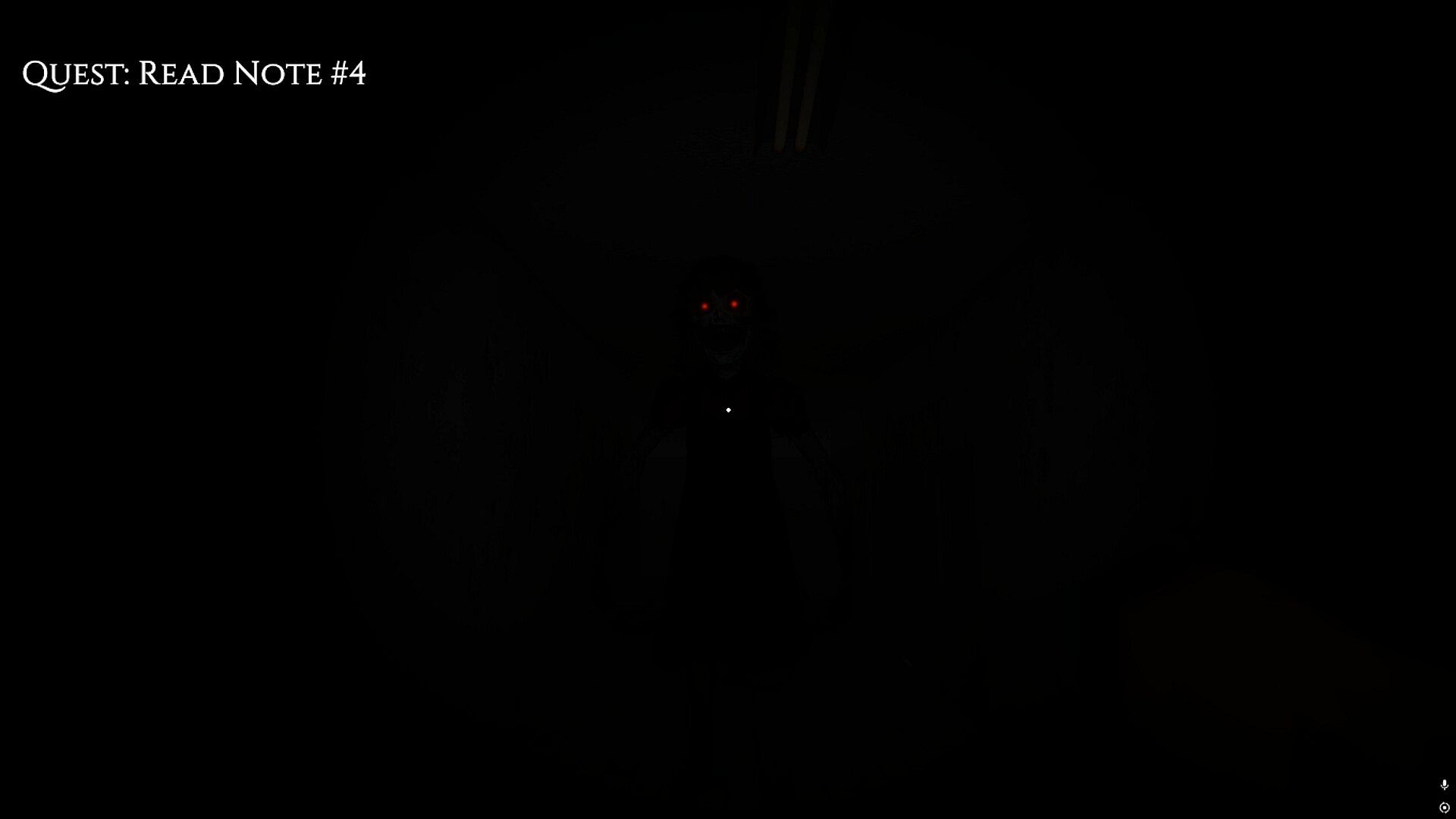
Project 17 is a single-player adventure game set in a dark, atmospheric abandoned hospital. Players take on the role of Maria, who awakens with no memory of her arrival and must navigate the empty corridors to find an exit. The experience blends exploration, puzzle solving, and light survival elements in a horror framework that emphasizes tension over direct confrontation.
Gameplay
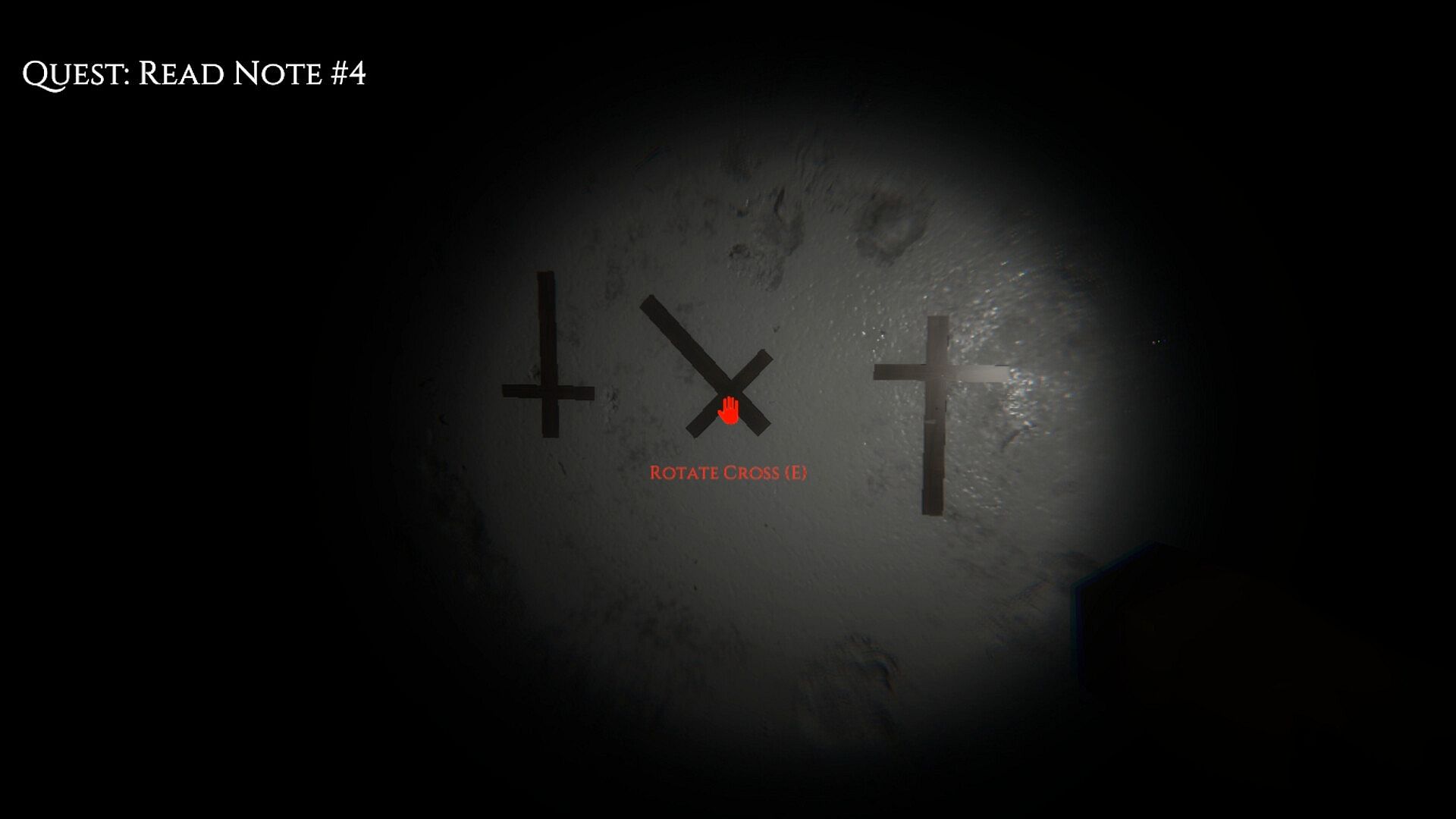
The core loop revolves around thorough exploration of the hospital's rooms and hallways. Maria searches for keys and other items needed to progress while uncovering a series of letters scattered throughout the building. These letters must be collected in a specific sequence to piece together clues about the threats inside. Puzzles draw directly from the environment and the information found in the letters, requiring players to observe details carefully and apply what they learn to unlock new sections.
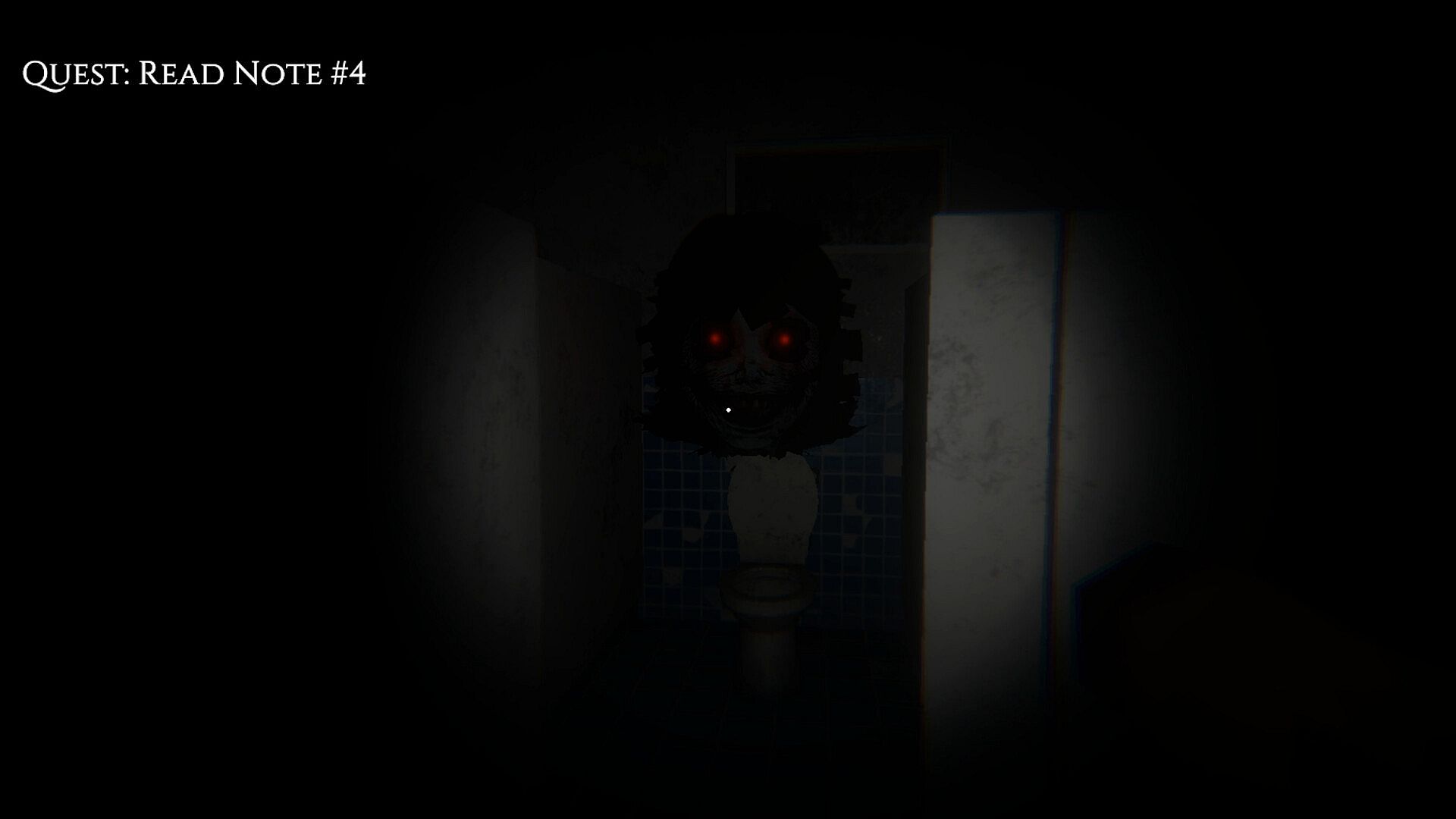
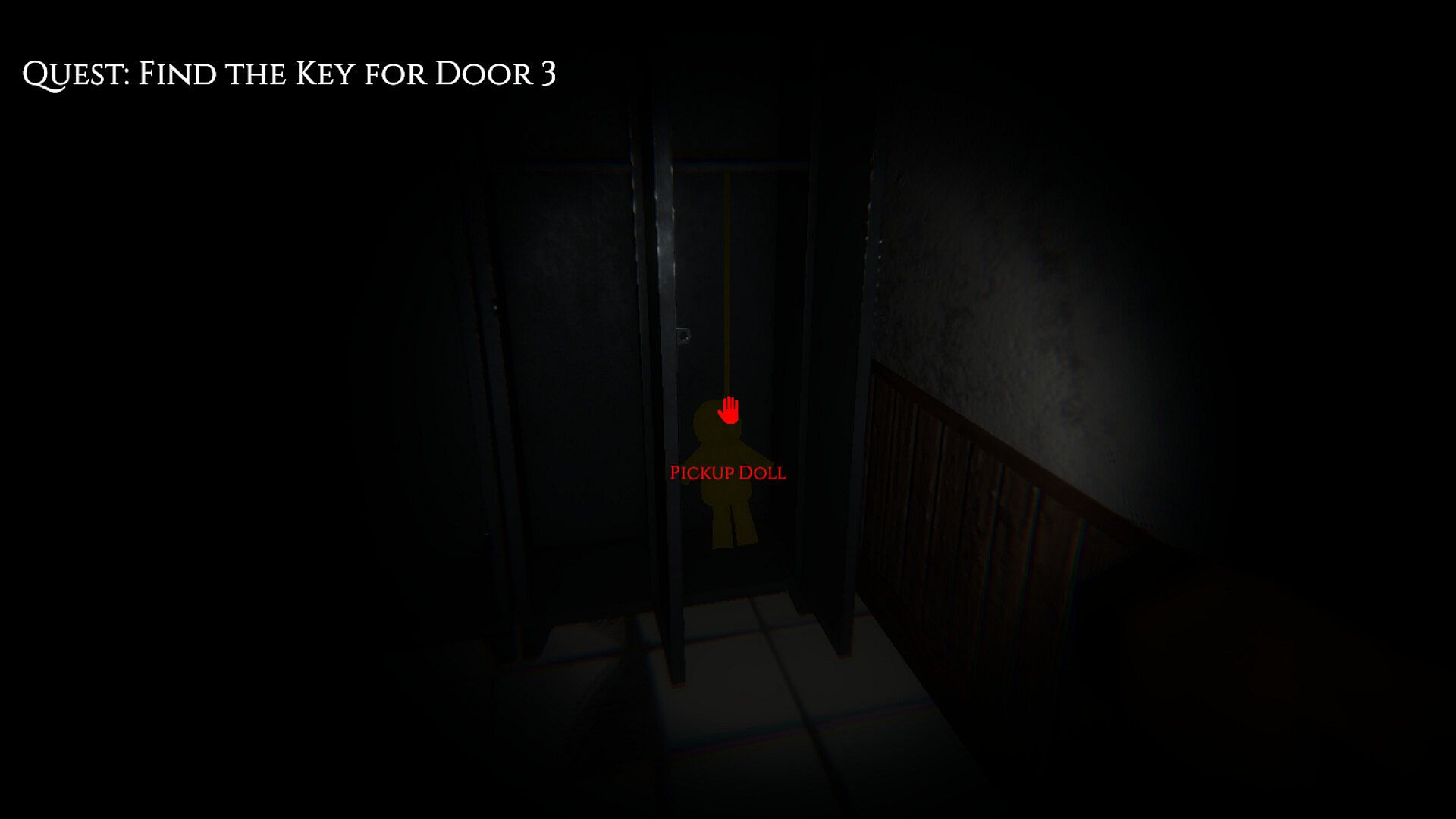
Lighting plays a central role. The flashlight serves as the primary tool for visibility, and managing battery supply becomes essential during longer explorations. Without sufficient power, hidden dangers remain obscured. Combat is minimal and non-lethal. A mysterious doll provides a temporary stun effect on enemies, creating brief windows to escape rather than engage in prolonged fights. Later in the story, Maria discovers a mysterious pill that alters her perception of events, shifting how certain areas and encounters are understood.
Additional layers come from hidden details, secrets, and collectibles placed off the main path. An optional puzzle rewards those who investigate thoroughly beyond the required route. The design encourages repeated visits to rooms to notice overlooked elements that tie into the unfolding narrative.
Game Modes
Project 17 presents a single, cohesive single-player experience without separate game modes or multiplayer components. The structure follows a linear progression through the hospital while allowing for optional exploration that enriches the story and uncovers extra content. All gameplay systems, from item collection to puzzle resolution and resource management, integrate into this focused adventure format. Players advance at their own pace, with no branching campaigns or competitive elements to alter the core loop.
Story and Atmosphere
The narrative unfolds gradually through the letters Maria finds. These documents reveal fragments of past events and hint at the creatures or forces present in the hospital. As exploration deepens, disturbing occurrences increase, some of which can be avoided by paying close attention to environmental clues. The tone builds unease through subtle changes in the surroundings and the growing sense that the facility connects to something larger and more unsettling than initially apparent. The story reaches a point where the truth about Maria's situation and the hospital's nature becomes clear, often prompting reflection on earlier choices and discoveries.
Is It Worth Playing?
Project 17 suits players who enjoy deliberate, clue-driven horror adventures that prioritize atmosphere and investigation over action or combat. The emphasis on exploration, sequential letter collection, flashlight management, and non-lethal evasion creates a tense pace that rewards patience and observation. Those sensitive to horror elements, including jump scares and disturbing imagery, should approach with caution as noted in the game's own warning. The optional secrets and extra puzzle provide additional value for completionists without extending the main path excessively. Feedback from players has highlighted the game's focus on subtle storytelling and environmental detail as strengths for fans of the genre. Availability on PC makes it accessible for those seeking a contained, narrative-focused experience in an abandoned setting.