
















Pokémon Sword è un GDR sviluppato per Nintendo Switch ambientato nella regione di Galar. Il gioco ruota attorno alla cattura e all'addestramento dei Pokémon durante un percorso fatto di battaglie ed esplorazione. Il giocatore sceglie un Pokémon iniziale e attraversa percorsi e cittadine per formare una squadra in grado di affrontare le varie Palestra.
Gameplay
Il ciclo principale prevede l'incontro con Pokémon selvatici tra l'erba alta e altri ambienti, seguiti da combattimenti a turni basati su tipi e mosse. Ogni scontro richiede scelte strategiche su attacchi, cambi e oggetti per avere la meglio sugli avversari. Il progresso è legato alla sconfitta delle otto Palestra sparse per la regione, ognuna con un Capopalestra e una squadra specializzata.
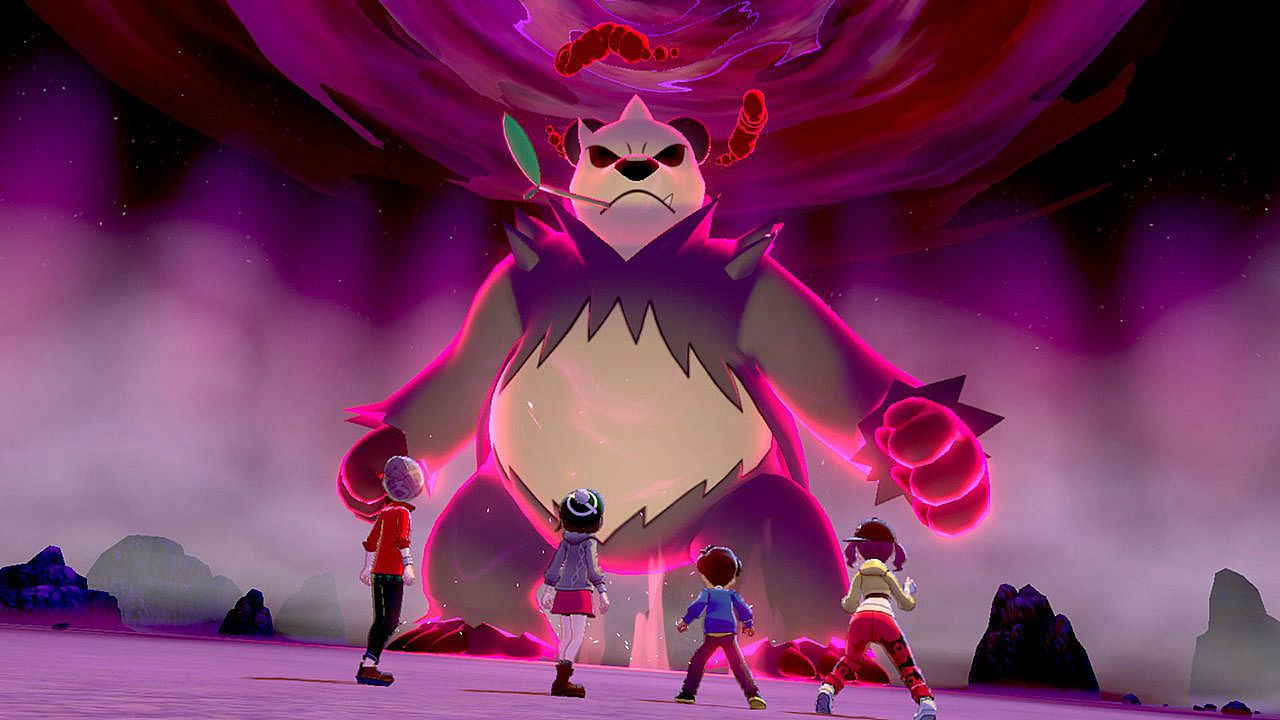
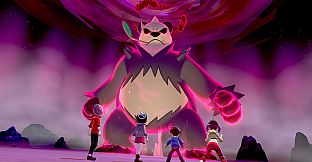
Tra le novità spicca Dynamax, che permette a un Pokémon di ingigantirsi per tre turni in determinati scontri, aumentando la potenza e trasformando le mosse in versioni più forti. Le forme Gigantamax offrono ulteriori varianti per alcuni Pokémon, con sembianze e abilità esclusive. Queste meccaniche si integrano sia nella storia sia nelle sfide opzionali.
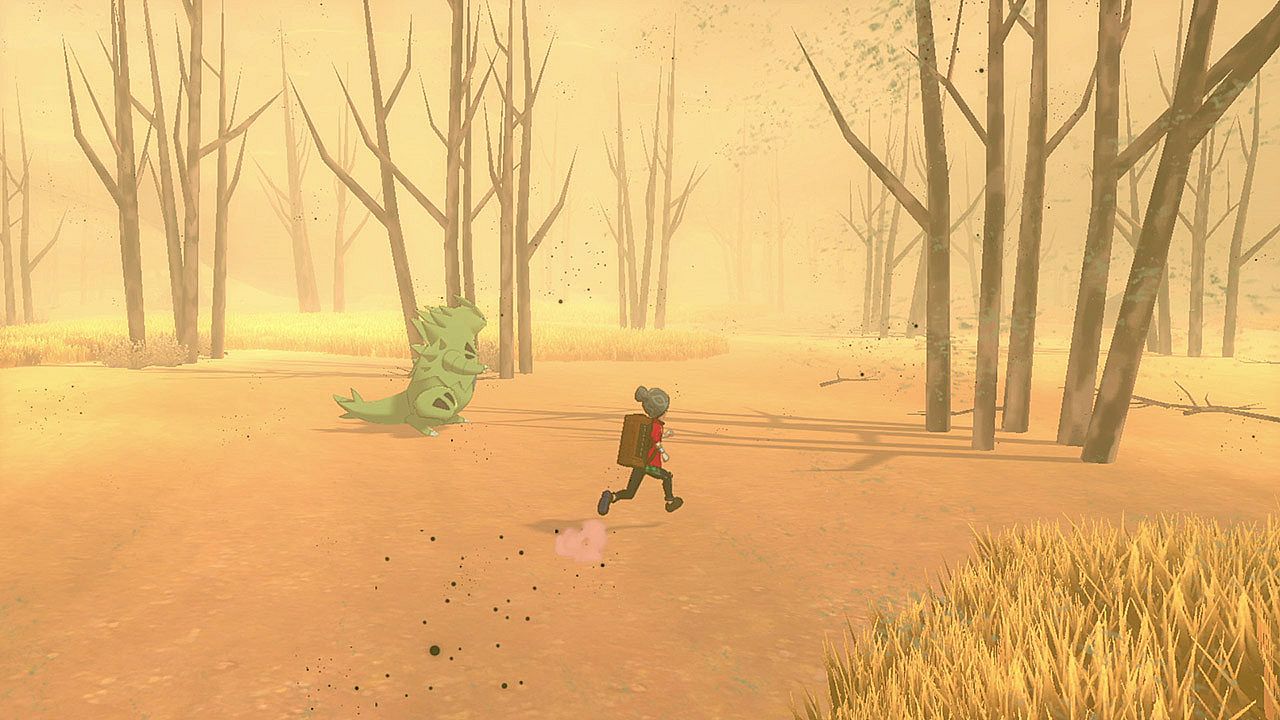
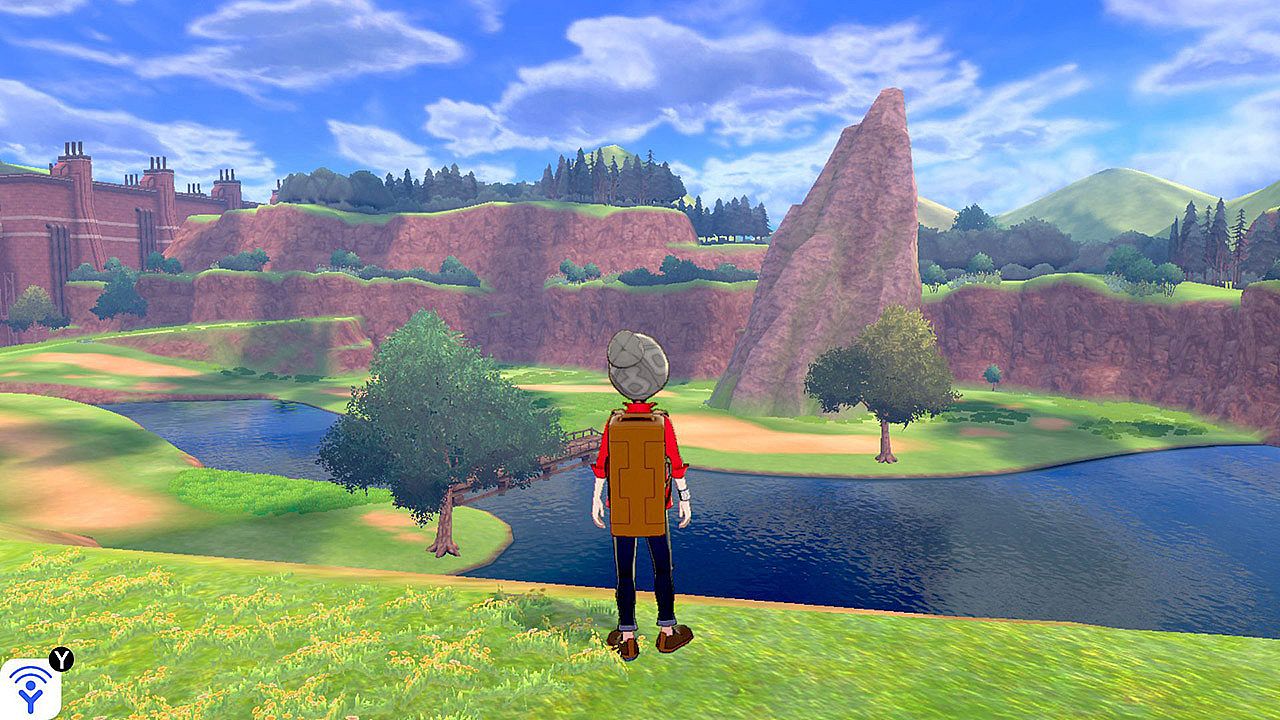
La Wild Area rappresenta il cuore dell'esplorazione libera: i Pokémon sono visibili nel mondo di gioco e non solo negli incontri casuali. Il meteo cambia dinamicamente e influenza le specie presenti, mentre la telecamera può essere ruotata per osservare meglio lo spazio aperto. In alcune zone i Pokémon selvatici di livello superiore aggiungono rischio e ricompense alla navigazione.
Modalità di gioco
La modalità principale per un giocatore segue il percorso della storia, con sfide alle Palestra, eventi narrativi e sviluppo della squadra fino alla Lega Pokémon. La struttura guida il giocatore attraverso percorsi lineari collegati da cittadine e strutture che offrono opportunità di allenamento.
Le Max Raid Battle sono la modalità cooperativa in cui fino a quattro giocatori affrontano insieme potenti Pokémon Dynamax all'interno delle tane della Wild Area. Gli scontri prevedono la rottura di barriere e premiano i partecipanti con oggetti o la possibilità di catturare il Pokémon del raid. Le partite si possono avviare in locale o online.
Ulteriori attività comprendono i combattimenti online e gli scambi con altri giocatori, utili per costruire squadre competitive al di fuori della storia principale. Queste opzioni allungano la longevità per chi vuole perfezionare strategie o completare la collezione.
Esplorazione e progressione
I percorsi tra le varie località ospitano allenatori e incontri selvatici che fanno guadagnare punti esperienza e oggetti. Nei campi sparsi nella Wild Area è possibile cucinare curry con i propri Pokémon, aumentando l'amicizia e ottenendo bonus temporanei. Questo sistema favorisce l'interazione anche fuori dai combattimenti.
Le vittorie contro le Palestra garantiscono medaglie e l'accesso a nuove zone. La mappa della regione alterna percorsi tradizionali all'ampiezza della Wild Area, bilanciando obiettivi guidati e scoperta libera. I Pokémon catturati qui spesso richiedono condizioni o livelli specifici per evolversi.
Vale la pena giocarci?
Pokémon Sword è adatto a chi apprezza la costruzione metodica della squadra e i combattimenti a turni all'interno di un'avventura regionale ben definita. L'introduzione di Dynamax e della Wild Area porta elementi nuovi rispetto ai capitoli precedenti, mantenendo il classico ciclo di collezionismo e battaglie. Chi cerca raid cooperativi o interazioni online troverà modalità dedicate che non richiedono aggiornamenti continui.
La critica ha apprezzato il ritmo fluido e la resa visiva su Switch, pur segnalando alcuni limiti nell'ampiezza complessiva. Il gioco resta pienamente giocabile a distanza di anni senza contenuti stagionali obbligatori. Si rivolge soprattutto ai fan della formula classica che preferiscono una progressione costante rispetto a un mondo completamente aperto. I nuovi giocatori beneficiano di tutorial accessibili e obiettivi chiari durante tutta la campagna.