

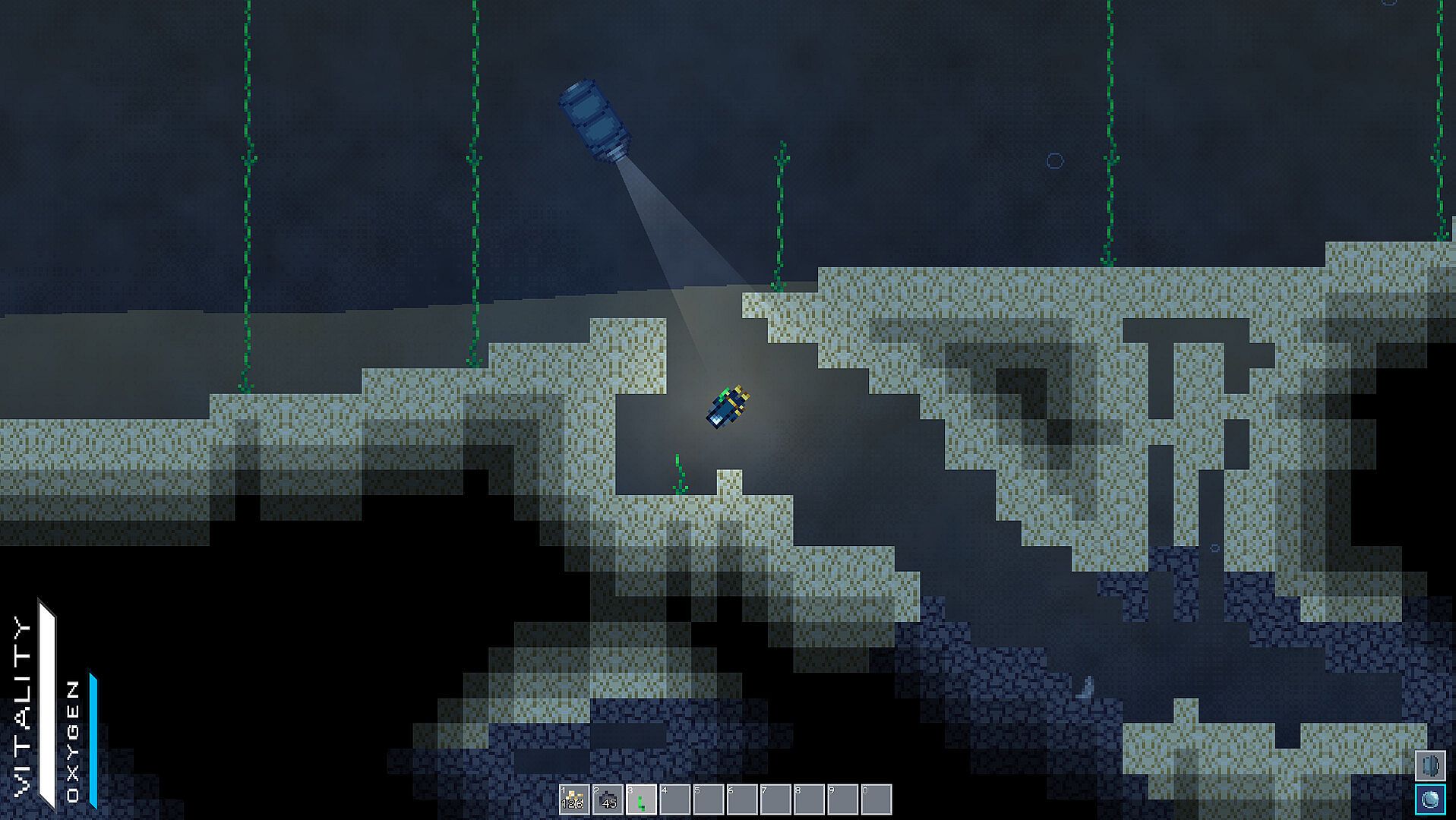
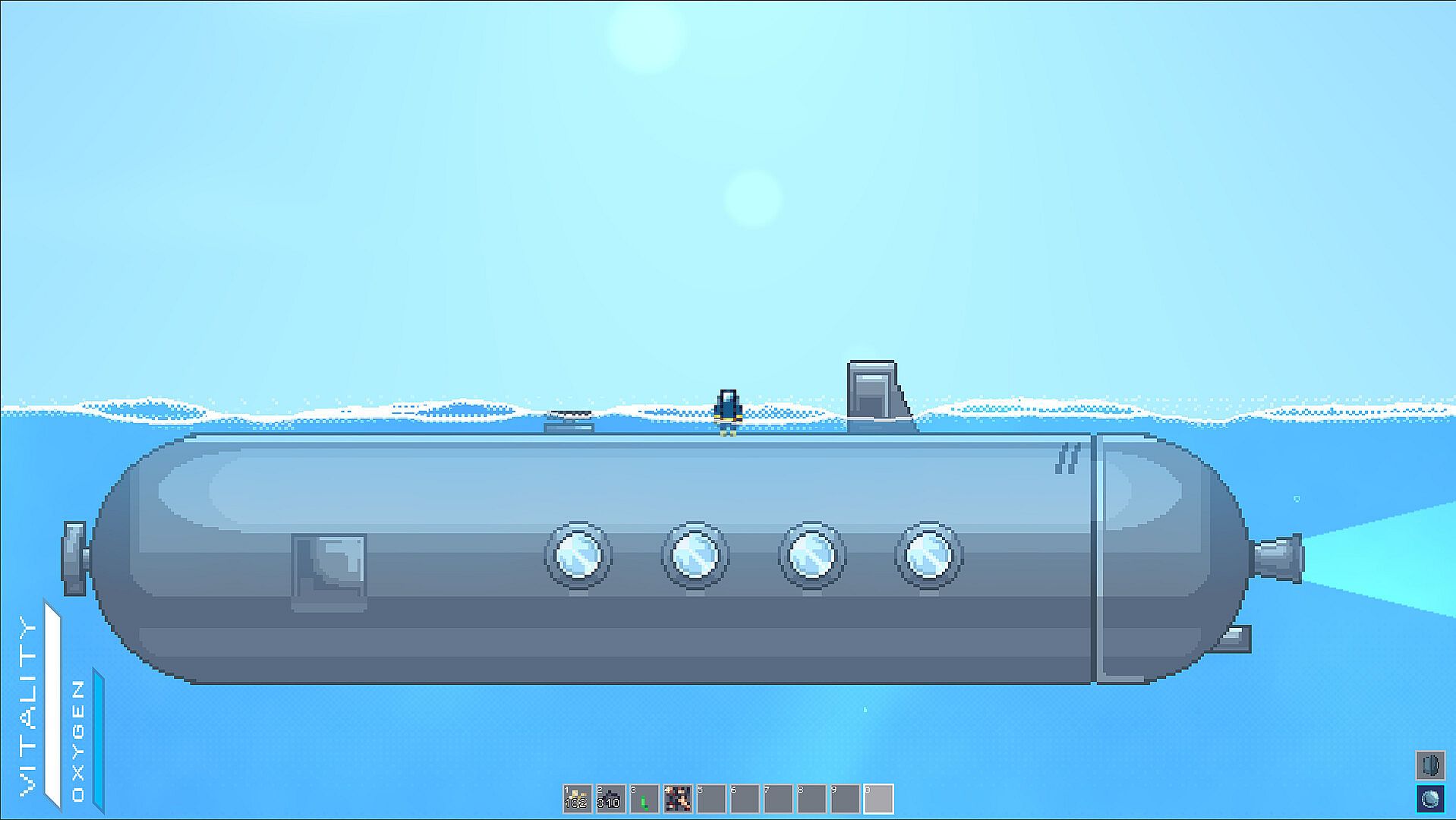
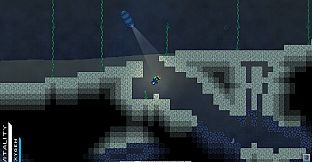
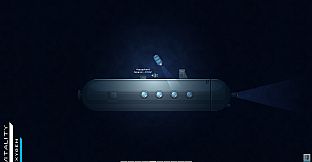
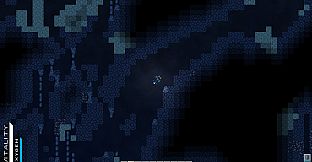
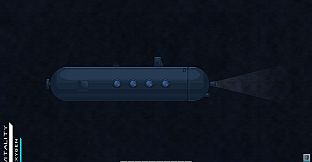
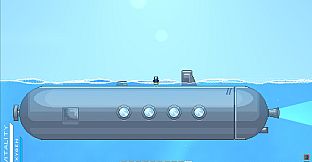
Pixel Divers è un'avventura di sopravvivenza oceanica in cooperazione a 2D, sviluppata per PC. I giocatori esplorano un mare alieno articolato in sette strati distinti, gestendo le risorse e modificando un mondo generato proceduralmente attraverso estrazione, creazione e costruzione di basi. L'esperienza unisce esplorazione e cambiamenti permanenti che si conservano tra una sessione e l'altra, sia in solitaria che in gruppo.
Gameplay
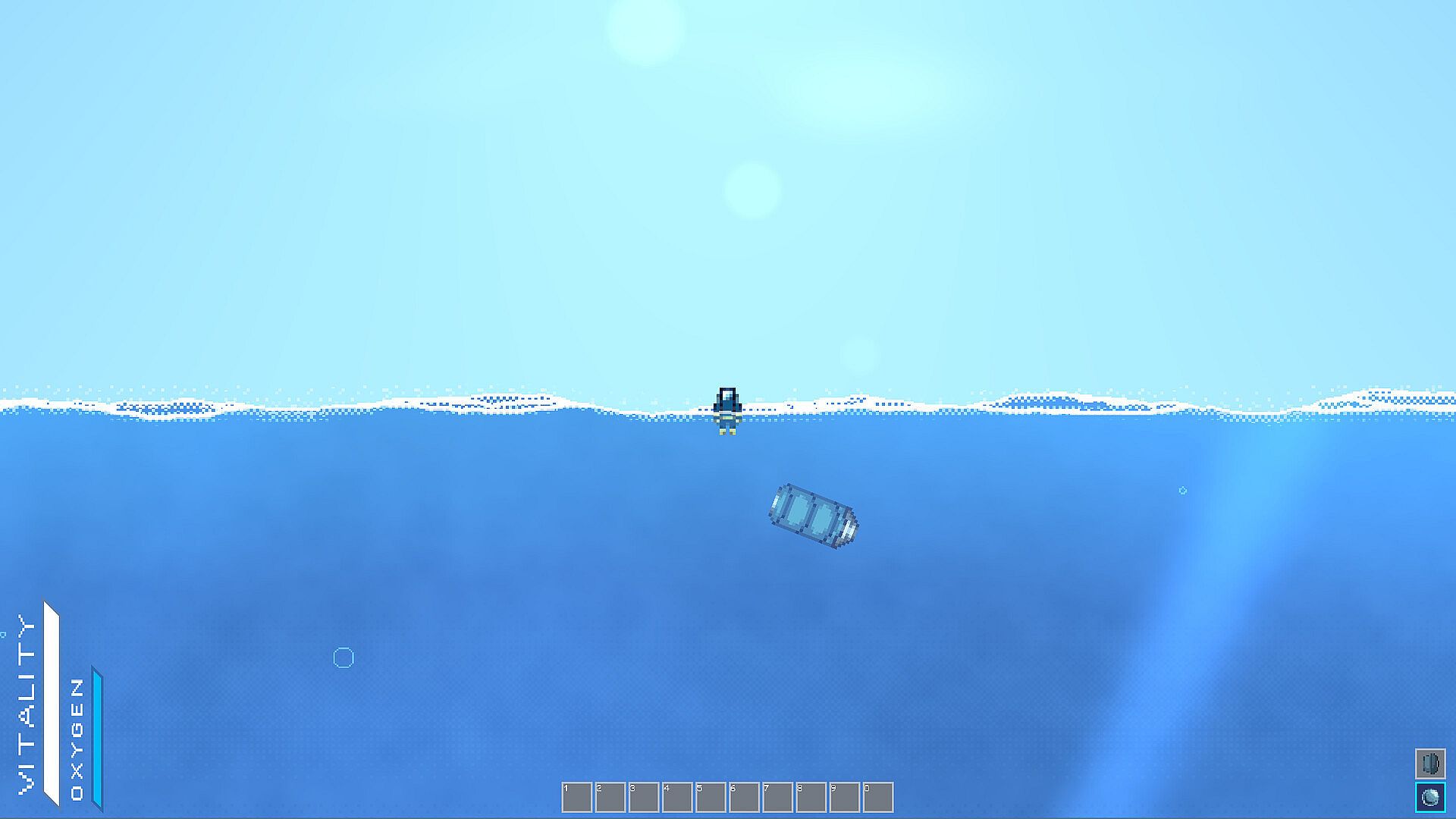
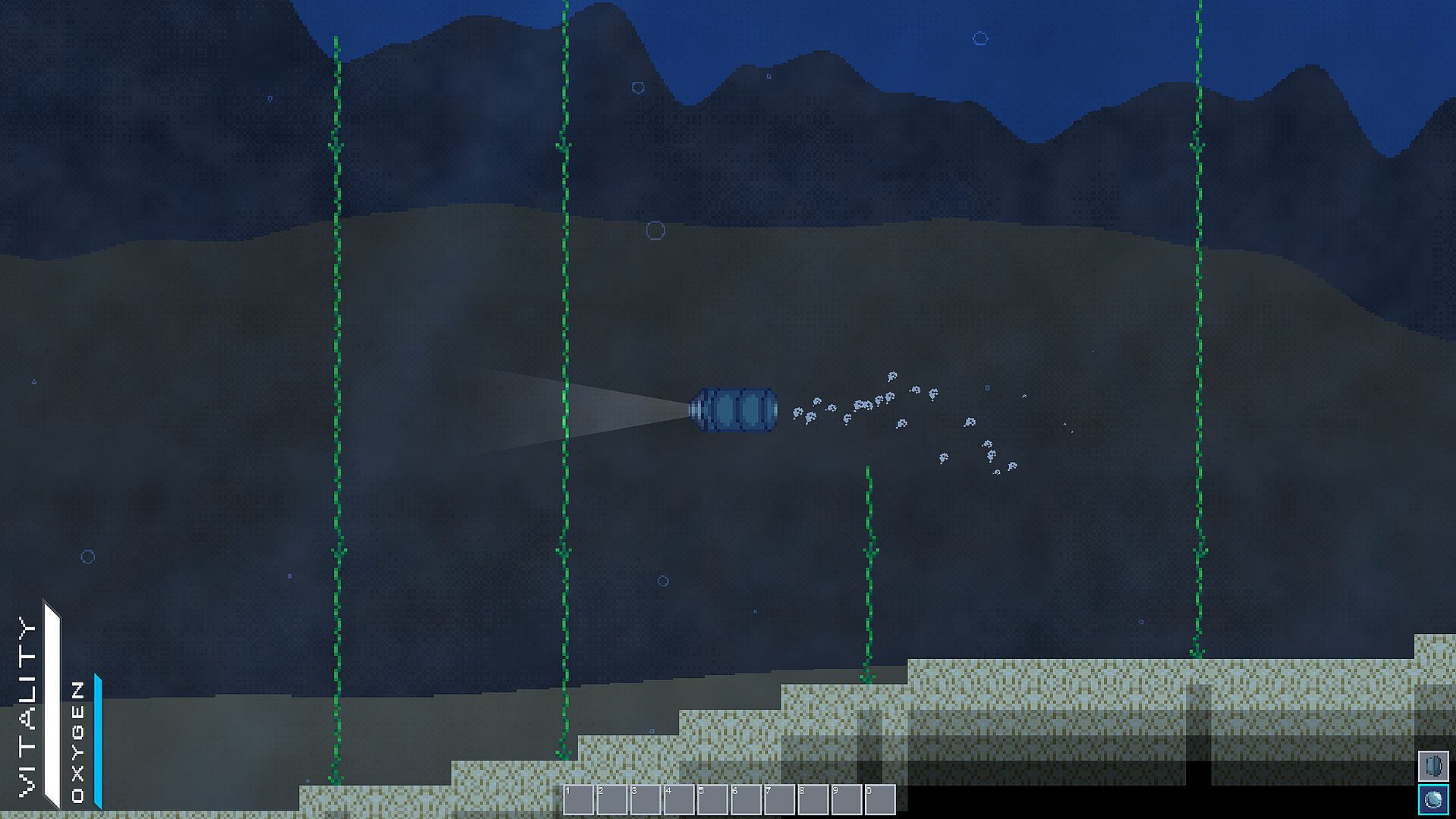
Il ciclo di gioco ruota attorno alla discesa attraverso ambienti marini sempre più ostili. Si parte dalle acque illuminate ricche di barriere coralline e relitti, per poi addentrarsi nelle zone crepuscolari, nelle profondità gelide, nei cimiteri di leviatani e nelle fosse abissali che conducono a un vuoto senza luce. Ogni strato richiede equipaggiamento e tecnologie specifiche per essere attraversato in sicurezza, poiché il mare stesso ripara i danni nel tempo e impone sottomarini più robusti per procedere oltre.
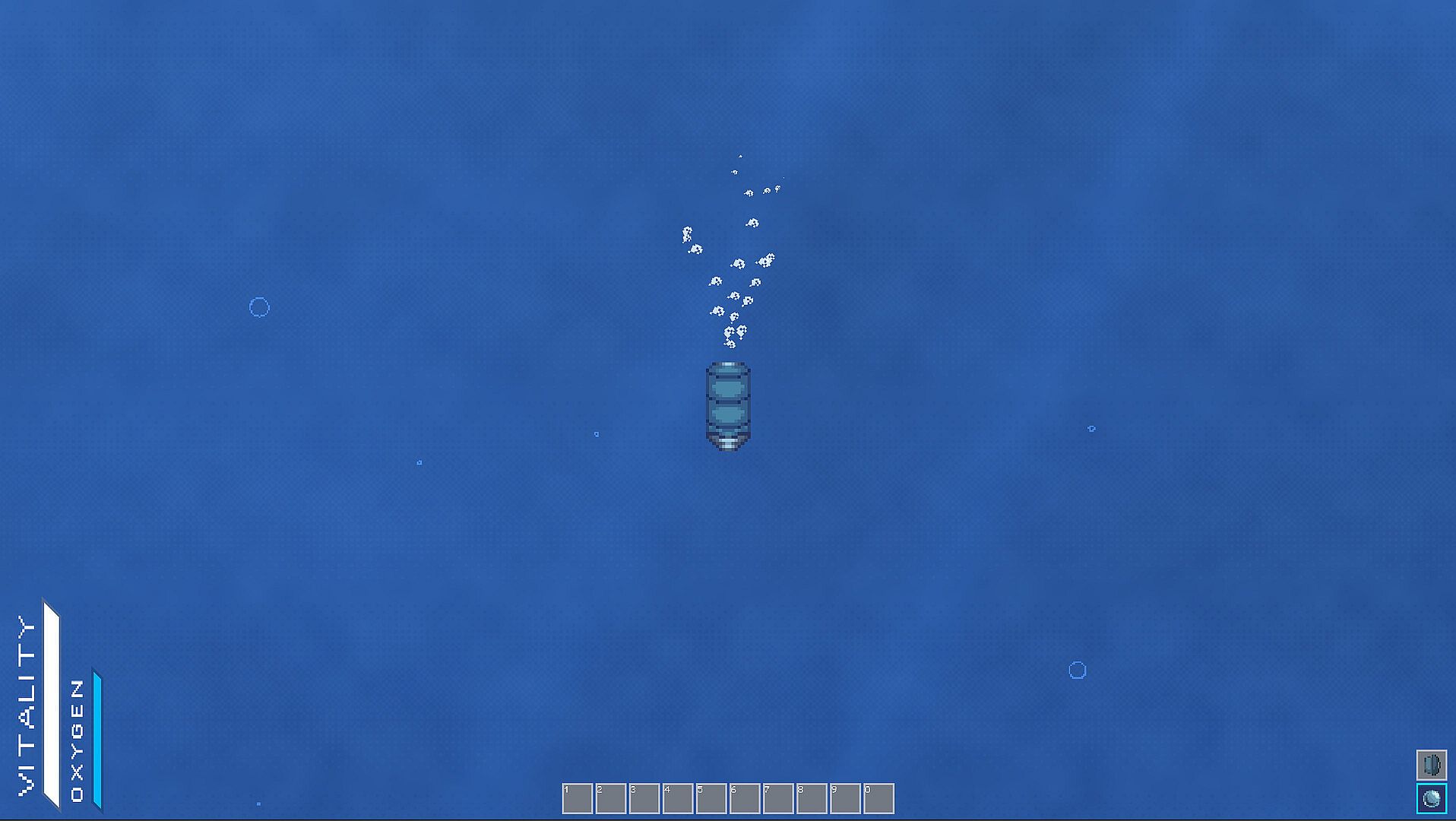
La sopravvivenza richiede di monitorare ossigeno, fame, sete e pressione. La sanità mentale cala nell'oscurità, alterando la percezione e rendendo necessari fonti di luce o basi riscaldate per contrastare l'effetto. La salute resta fissa indipendentemente dal tempo di gioco, quindi il progresso dipende da equipaggiamento migliore, sottomarini più avanzati e scelte ponderate, non da un sistema di livelli.
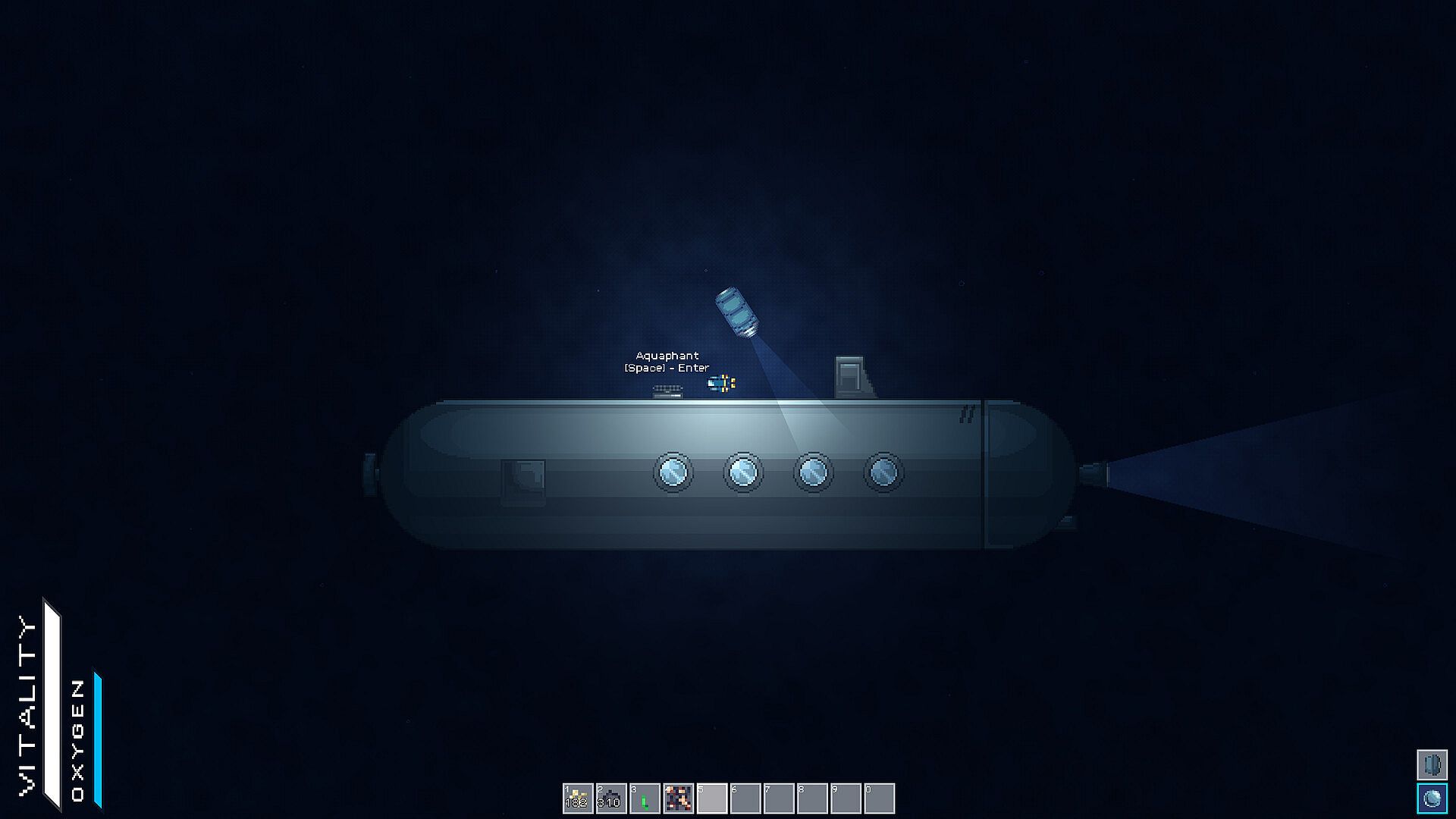
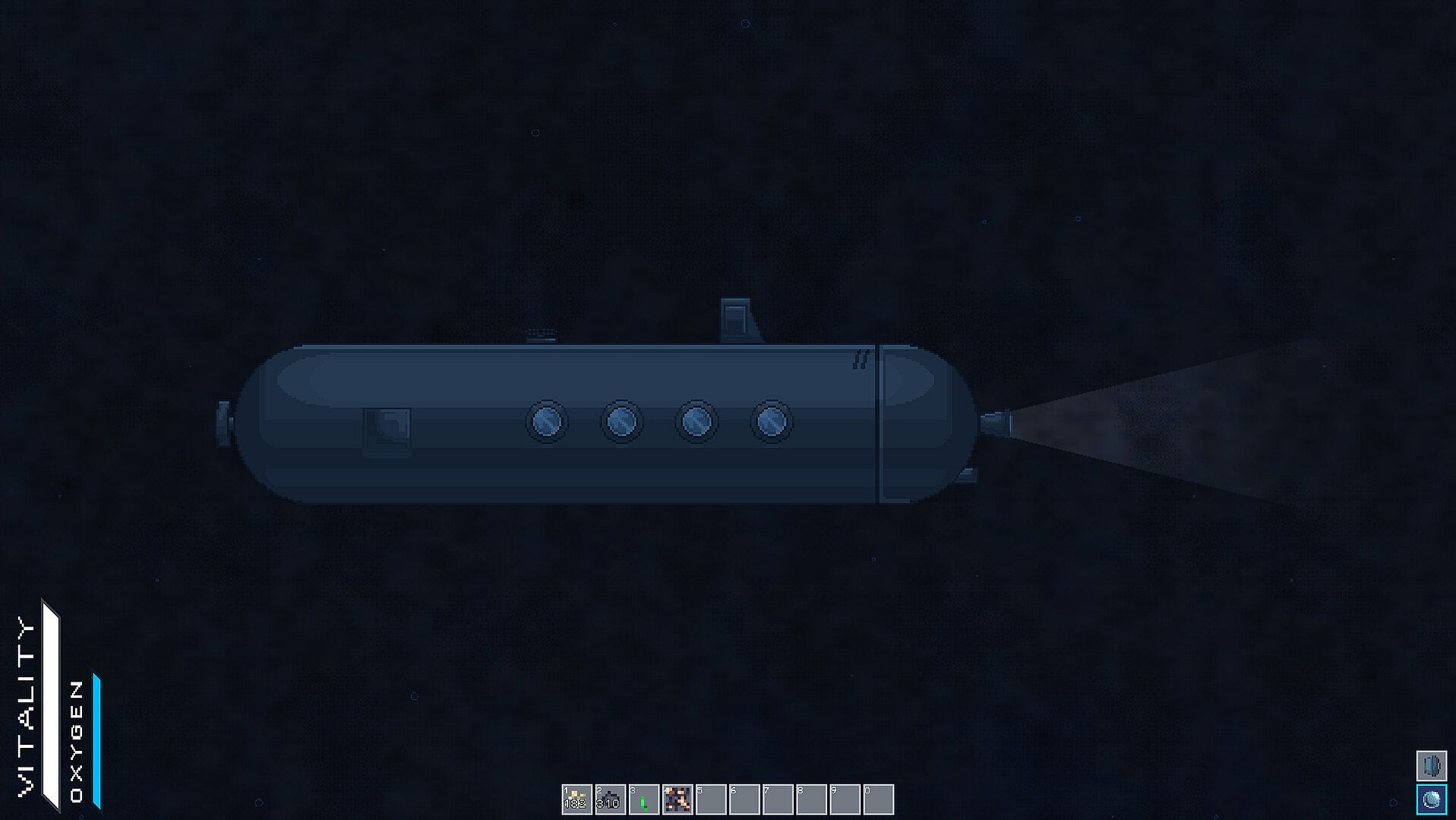
I sottomarini vanno da modelli monoposto a navi più grandi con spazio interno per il timone, postazioni d'arma e camere di compensazione. I membri dell'equipaggio possono saldare le falle durante gli scontri, mentre la chat vocale di prossimità produce comunicazioni attutite all'interno delle imbarcazioni. Il combattimento prevede arpioni, lame e un sistema di parata direzionale che rompe la postura del nemico per consentire contrattacchi. La costruzione di basi prevede habitat pressurizzati alimentati da sorgenti idrotermali, con rischi di allagamento o blackout che compromettono aria e illuminazione.
Modalità di gioco
Pixel Divers supporta il gioco in solitaria in mondi generati proceduralmente a partire da seed. I giocatori possono estrarre blocchi, scavare gallerie e costruire strutture permanenti che restano nel mondo tra una sessione e l'altra. Gli stessi mondi possono essere aperti in cooperazione per permettere agli amici di condividere esplorazione e costruzione.
Elementi opzionali giocatore contro giocatore consentono l'abbordaggio di sottomarini, l'apertura forzata di camere di compensazione, l'allagamento di corridoi e incursioni nelle basi rivali nelle zone più profonde. Queste interazioni si svolgono negli strati inferiori privi di regole, senza influire sui sistemi base di sopravvivenza e costruzione disponibili in cooperativa o in singola.
Mondo e progressione
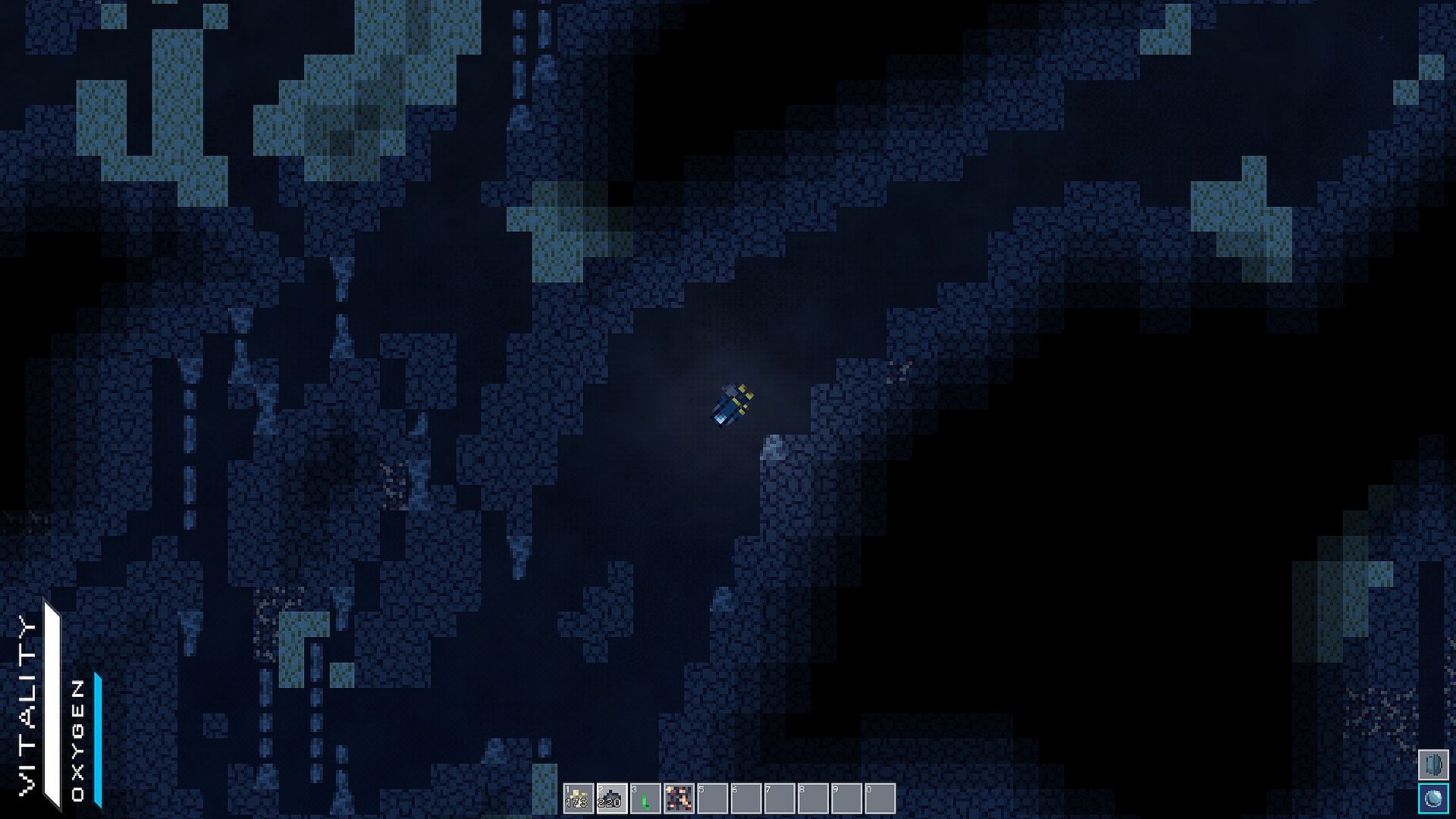
Ogni mondo generato presenta biomi, grotte, vene minerali, relitti, rovine e dungeon distinti. I predatori si aggirano oltre il raggio di luce, mentre creature più grandi sorvegliano i passaggi tra gli strati. La tecnologia avanza attraverso un albero che trasforma i materiali del fondale in leghe avanzate, tute, attrezzi e armi. Le tecnologie chiave per ogni strato fungono da traguardi che sbloccano la discesa successiva e attrezzature più performanti.
Gli elementi persistenti garantiscono che passaggi scavati, strutture costruite e oggetti immagazzinati rimangano esattamente come lasciati. Questo favorisce la pianificazione a lungo termine e visite ripetute per perfezionare le basi o ampliare le gallerie senza perdere i progressi.
Vale la pena giocarci?
Pixel Divers si rivolge a chi apprezza una sopravvivenza metodica unita a cooperazione e esplorazione in un formato 2D. La salute fissa e le minacce ambientali crescenti generano tensione basata su preparazione e lavoro di squadra piuttosto che su potenziamenti del personaggio. Chi è interessato a mondi procedurali con modifiche permanenti, gestione di sottomarini e raid competitivi facoltativi troverà qui sistemi corrispondenti.
Il gioco è ancora in fase di lancio imminente e non dispone di una versione rilasciata né di feedback da parte dei giocatori. Le funzionalità descritte sono in linea con i titoli indie di sopravvivenza consolidati che enfatizzano gestione delle risorse e progressione a strati, rendendolo un potenziale candidato per gli appassionati di esperienze analoghe una volta disponibile.