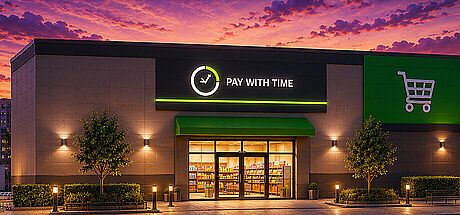



PAY WITH TIME è uno strategico indie RPG con elementi di simulazione casual ambientato in un mondo dove il denaro tradizionale non esiste più e il tempo è l'unica valuta per ogni transazione. Il giocatore gestisce un negozio, soddisfa gli ordini dei clienti, incassa pagamenti in unità di tempo e sviluppa l'attività attraverso scelte ponderate e una gestione attenta. L'esperienza unisce la manipolazione delle risorse a decisioni che influenzano la crescita e la stabilità a lungo termine.
Gameplay
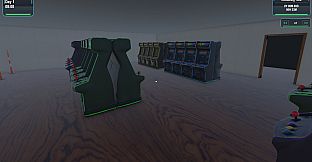
Il ciclo principale ruota intorno alla gestione del negozio in un'economia basata sul tempo. I clienti arrivano con richieste di prodotti diversi e, per evaderle, è necessario spendere tempo come pagamento, recuperandone altro dalle vendite per mantenere e far crescere l'attività. L'efficienza dipende dal bilanciare le richieste in arrivo con le risorse disponibili, evitando di esaurire le riserve.
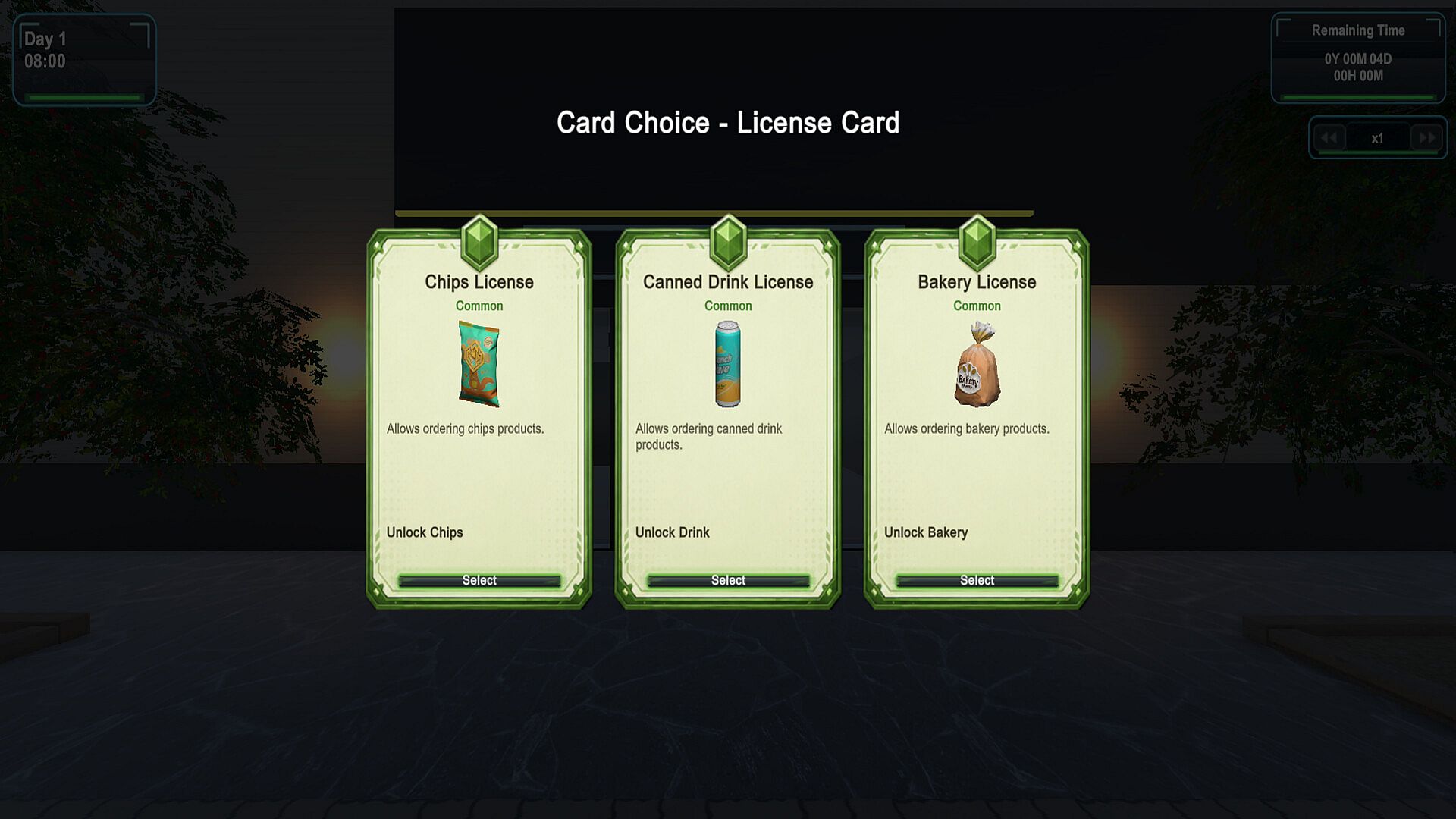
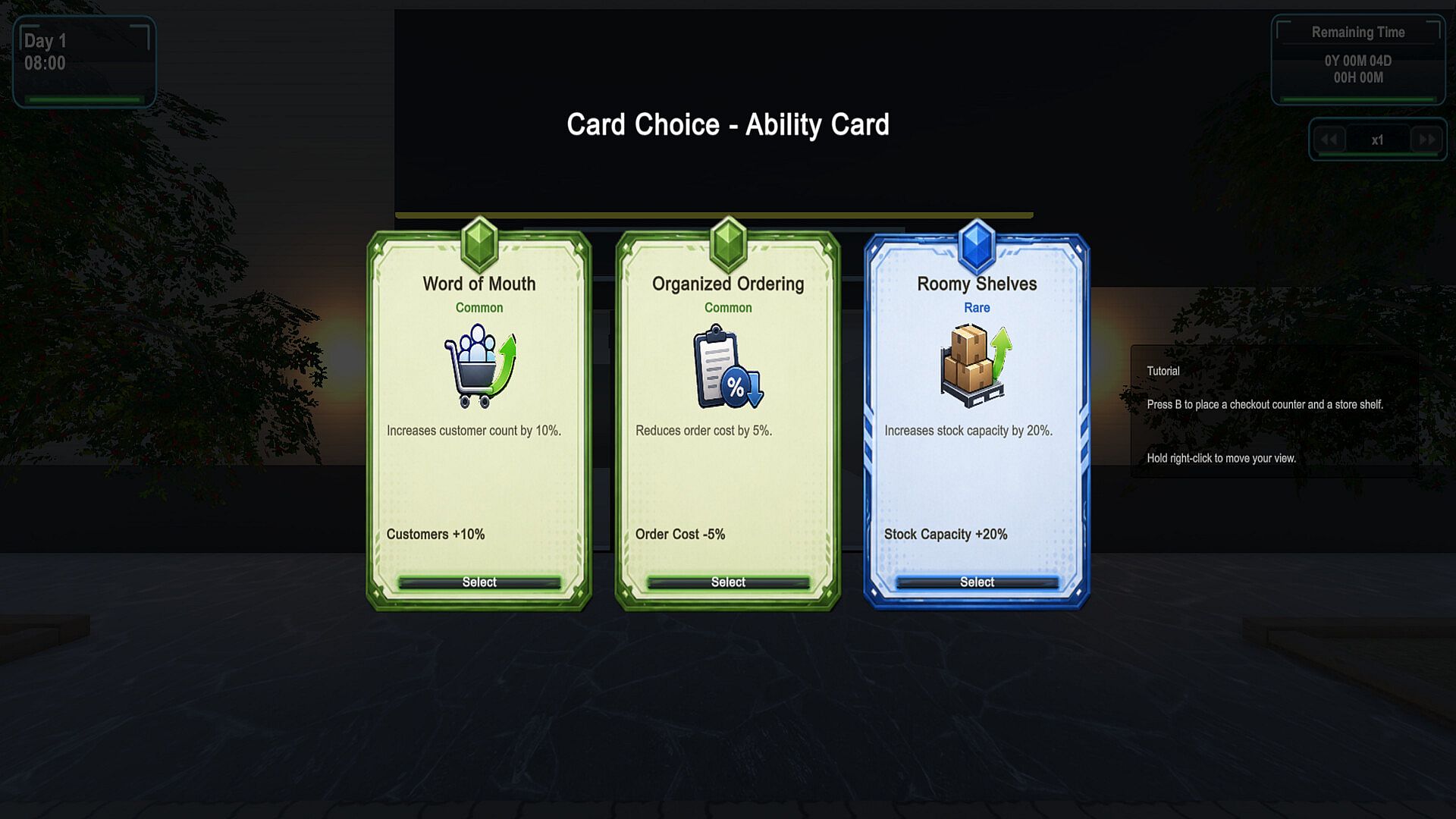
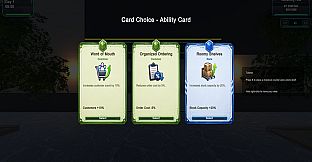
Le carte abilità rappresentano un livello strategico fondamentale. Ogni carta offre effetti specifici che modificano il funzionamento del negozio, come accelerare i tempi di servizio o alterare il valore dei prodotti. Il giocatore le raccoglie e le potenzia nel tempo per ottimizzare le operazioni e scoprire combinazioni adatte a stili di gestione diversi. Sperimentare le sinergie tra carte spinge a sessioni ripetute orientate all'ottimizzazione.
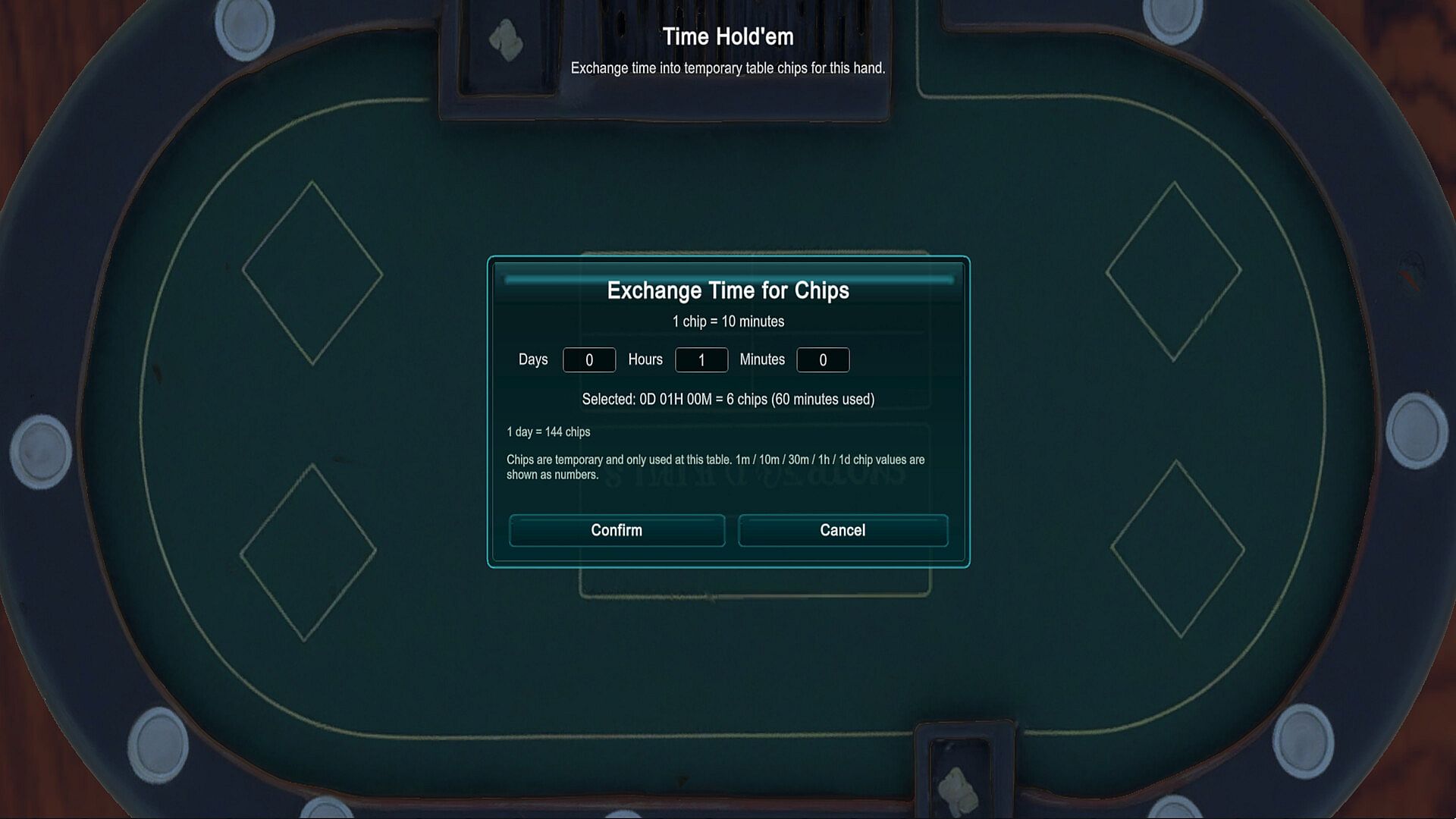
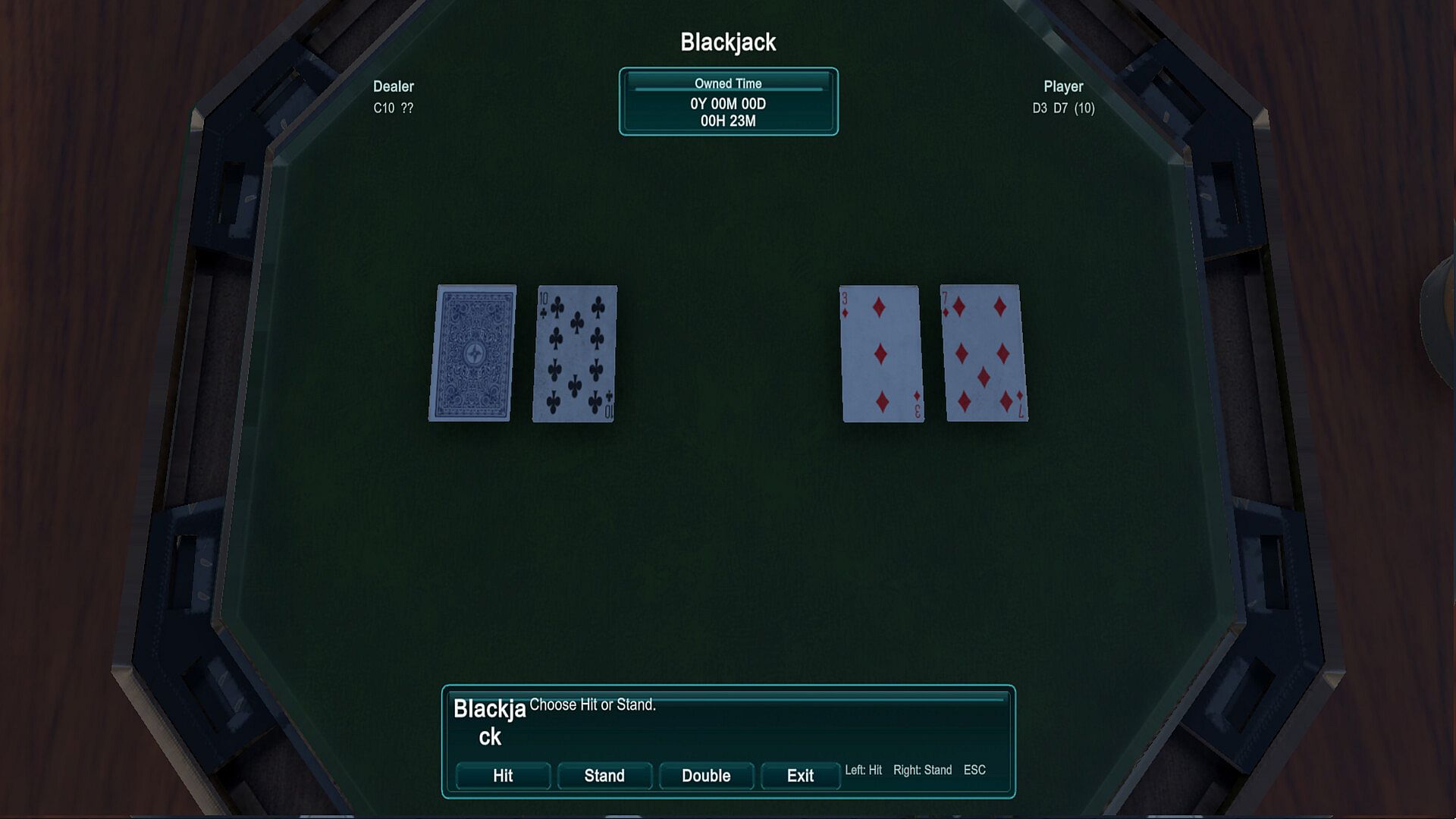
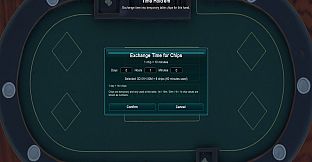
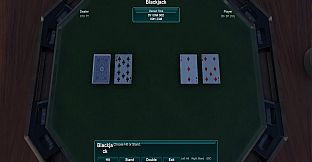
Il rischio si introduce attraverso un'area casinò dove si possono scommettere le unità di tempo accumulate su giochi come il Texas Hold'em. Le puntate vincenti generano ricompense maggiori che accelerano il progresso, mentre le perdite possono ridurre le riserve e costringere a una gestione più prudente del negozio. Questo elemento aggiunge tensione alle decisioni sulle risorse senza alterare il ritmo costante delle operazioni quotidiane.
Modalità di gioco
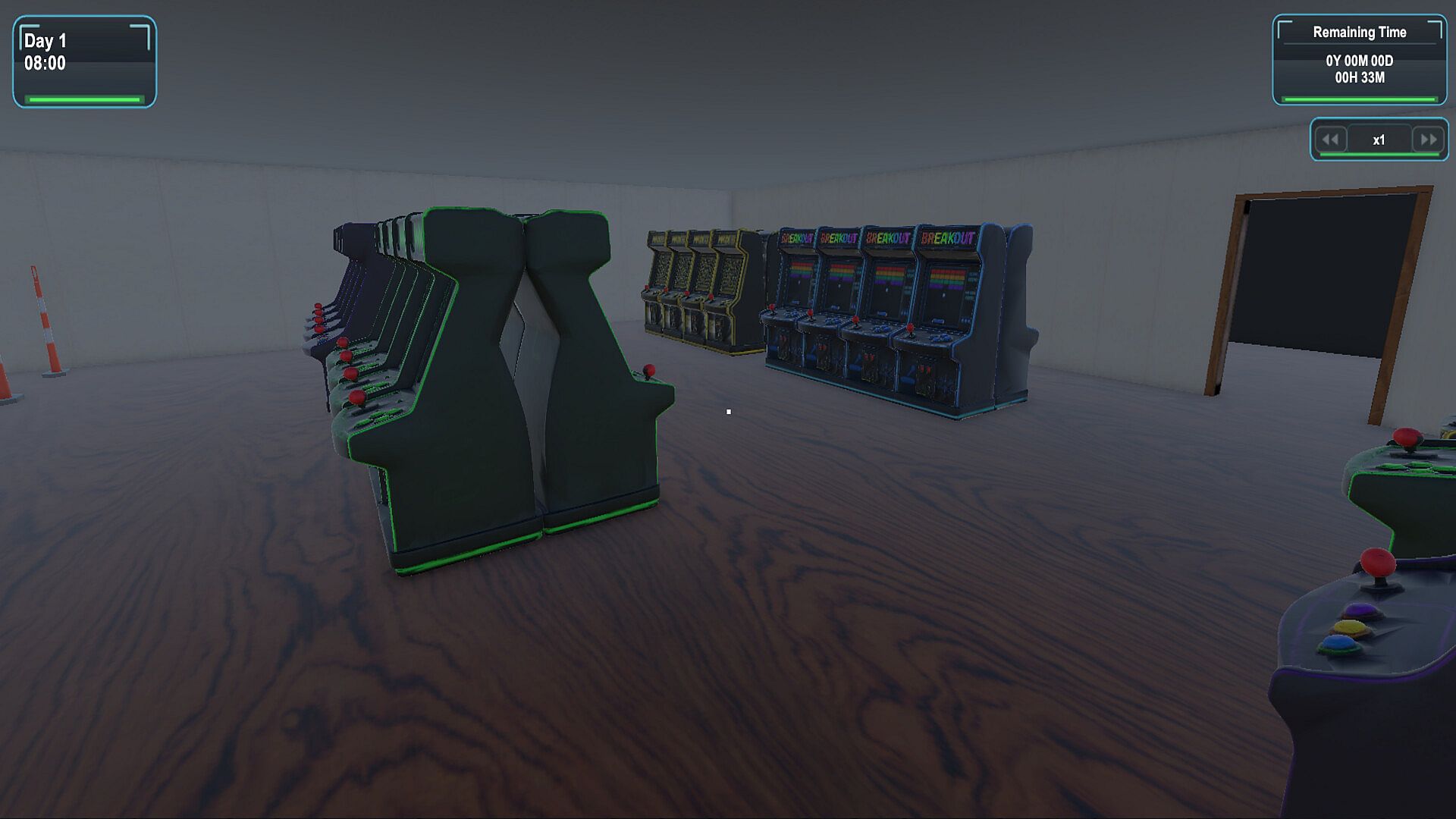
Il titolo è un'esperienza single player costruita su attività integrate e non su modalità selezionabili separatamente. La gestione del negozio costituisce la base: si elaborano ordini, si riforniscono i prodotti e si gestiscono le strutture, tutto pagato in tempo. Questa attività si espande man mano che si sbloccano nuove strutture con il tempo accumulato.
La raccolta e il potenziamento delle carte abilità procedono parallelamente al lavoro nel negozio. Le carte si ottengono attraverso il progresso e si sperimentano per modificare le meccaniche principali, creando strategie diverse per gestire il flusso dei clienti e la conversione delle risorse. Il sistema premia la scelta oculata e gli upgrade coerenti con le preferenze di gioco personali.
Il gioco d'azzardo al casinò rappresenta un'attività opzionale ad alto rischio all'interno dello stesso mondo. Scommettere tempo su giochi di carte come il Texas Hold'em offre una pausa dalle routine del negozio e una via diretta a guadagni o perdite consistenti. L'integrazione mantiene tutti gli elementi collegati al tema centrale del tempo come valuta.
Progressione ed espansione del negozio
Il tempo ricavato dalle transazioni riuscite finanzia lo sblocco di nuove strutture che aumentano la capacità del negozio e la varietà dei prodotti. I potenziamenti delle carte abilità migliorano ulteriormente queste strutture, consentendo operazioni su scala maggiore nel corso delle sessioni. Il sistema di progressione privilegia l'accumulo costante e l'allocazione intelligente rispetto a un avanzamento lineare.
I miglioramenti delle strutture influenzano direttamente l'efficienza con cui il tempo circola nel negozio. Le nuove opzioni modificano le interazioni con i clienti e aprono flussi di entrate aggiuntivi, mantenendo però il rischio di esaurire le risorse temporali. Si crea così un ciclo in cui una pianificazione accurata porta a una crescita sostenibile.
Vale la pena giocarci?
PAY WITH TIME si rivolge a chi apprezza le simulazioni gestionali abbinate a una strategia leggera e a elementi di rischio occasionali. Il concetto di tempo come valuta offre una prospettiva originale sulla gestione delle risorse, legando ogni decisione a un unico bene limitato. Chi cerca titoli indie con progressione in stile RPG attraverso le carte e costruzione di negozi orientata alla simulazione troverà i sistemi coerenti e rigiocabili grazie alle diverse strategie con le carte.
Il gioco è uscito a luglio 2026 con le sue caratteristiche principali già complete, tra cui il ciclo del negozio, le carte abilità e l'integrazione del casinò. Non sono ancora stati annunciati aggiornamenti post-lancio o contenuti stagionali, quindi l'esperienza rimane focalizzata sul design iniziale. Si rivolge soprattutto a giocatori solitari che preferiscono un ritmo riflessivo rispetto all'azione veloce o al multiplayer competitivo.
Nel complesso, il titolo propone un ciclo single player coerente incentrato sulle decisioni legate all'economia del tempo. Gli appassionati di strategia casual e simulazione che apprezzano meccaniche rischio-ricompensa in un contesto contenuto lo troveranno coinvolgente per più sessioni. Chi preferisce narrazioni ampie o battaglie su larga scala potrebbe invece valutare la portata più ristretta prima di iniziare.