


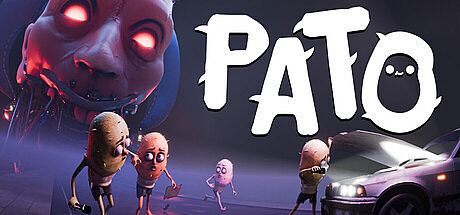


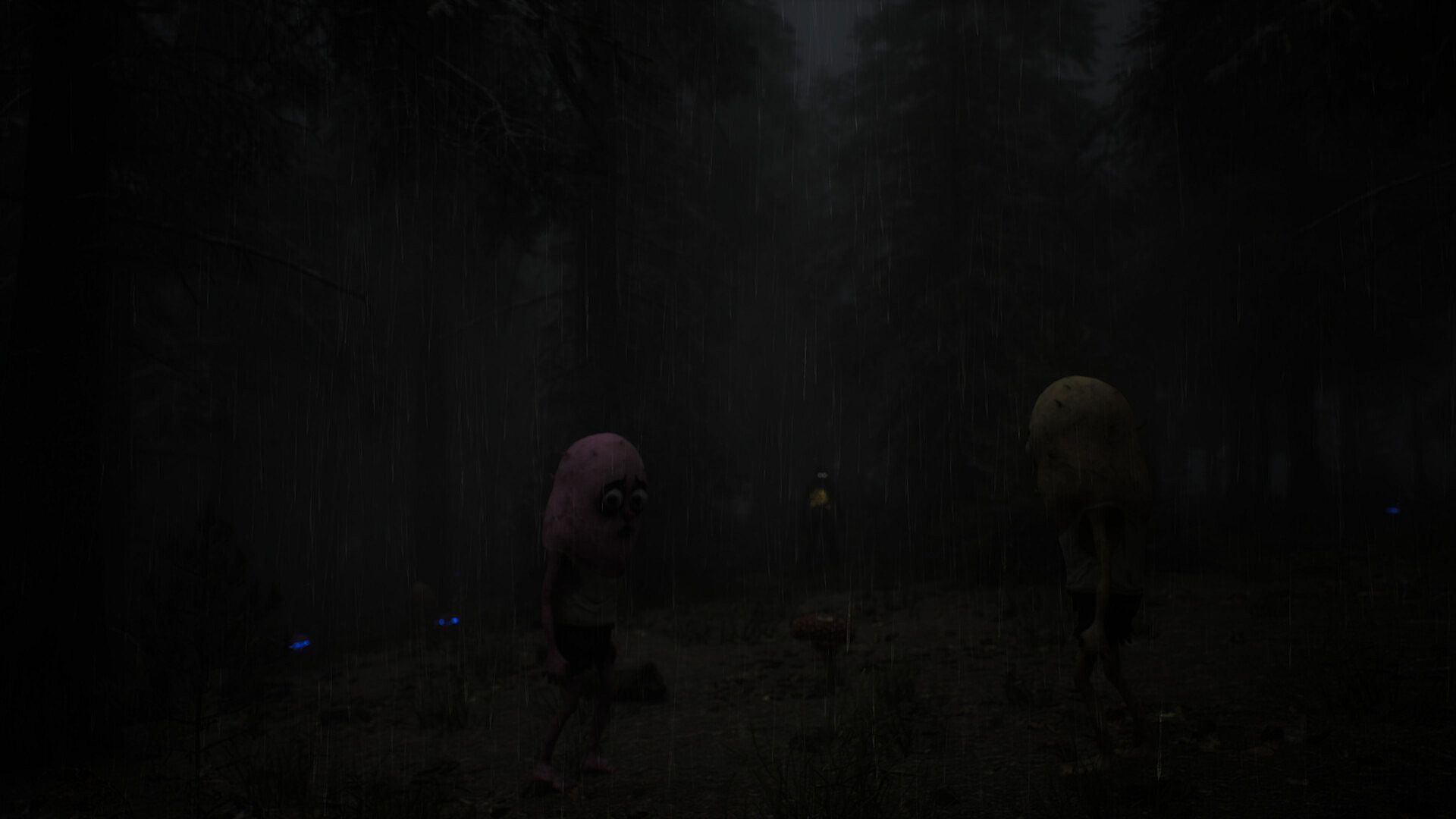
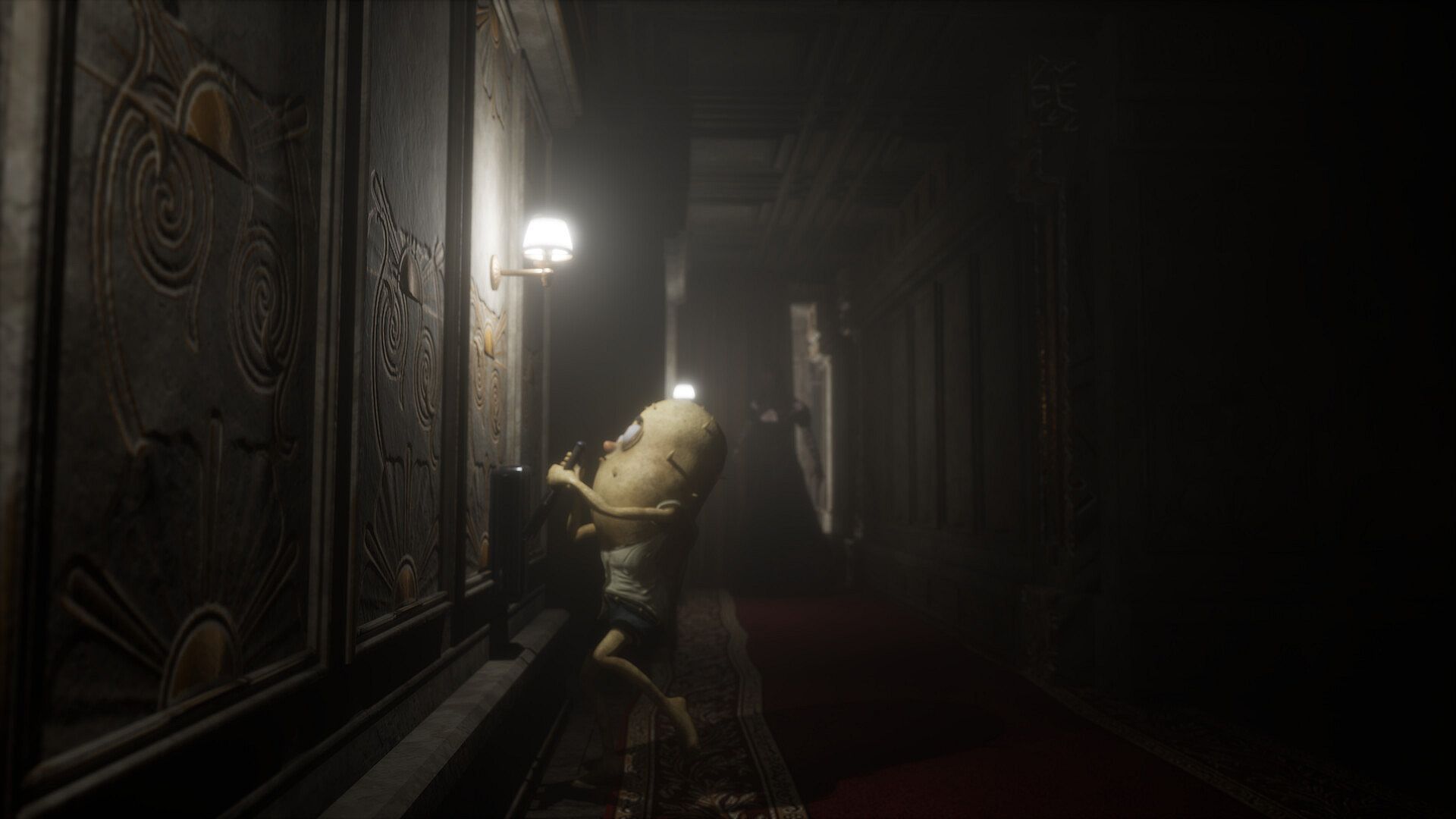
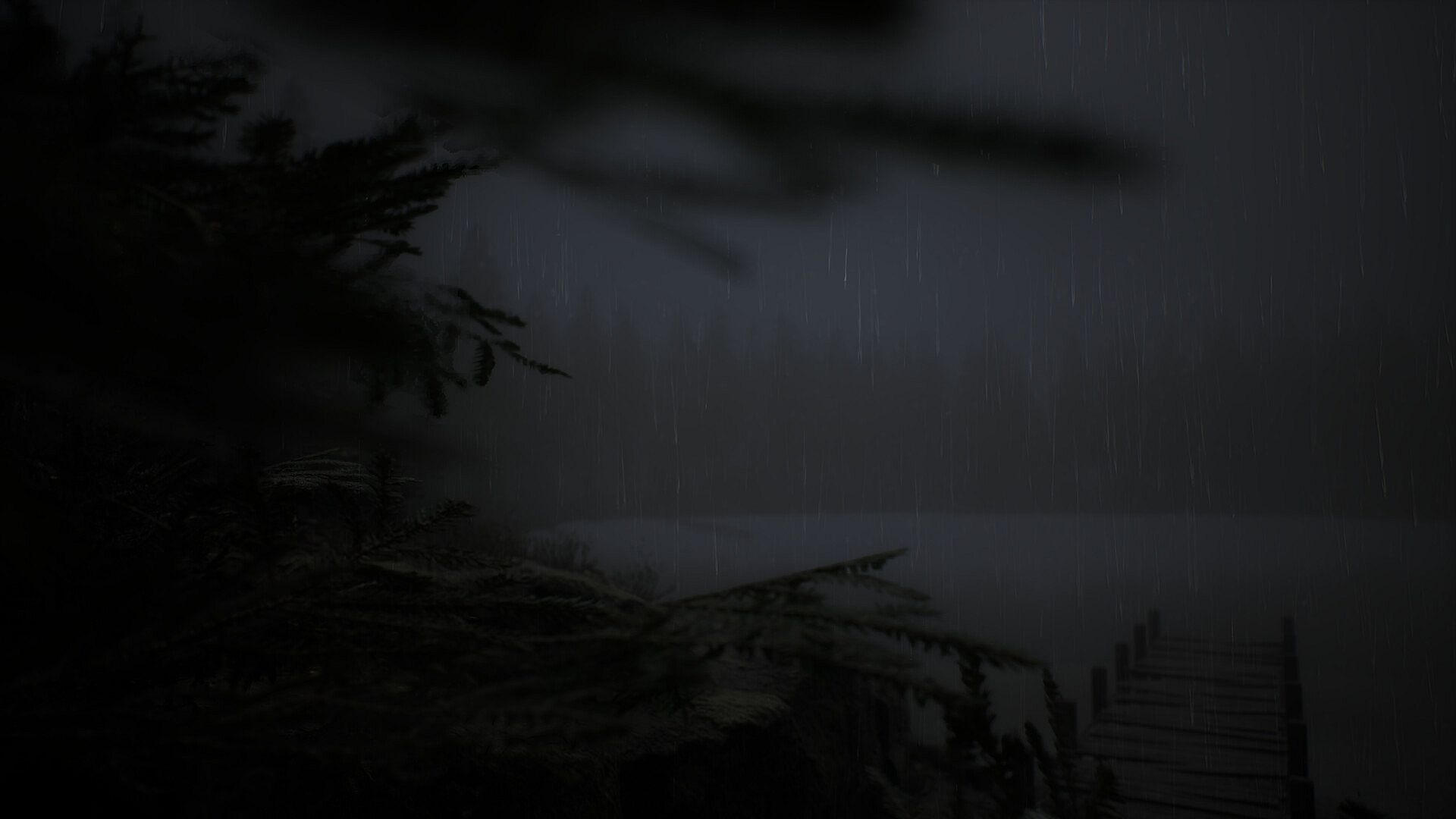

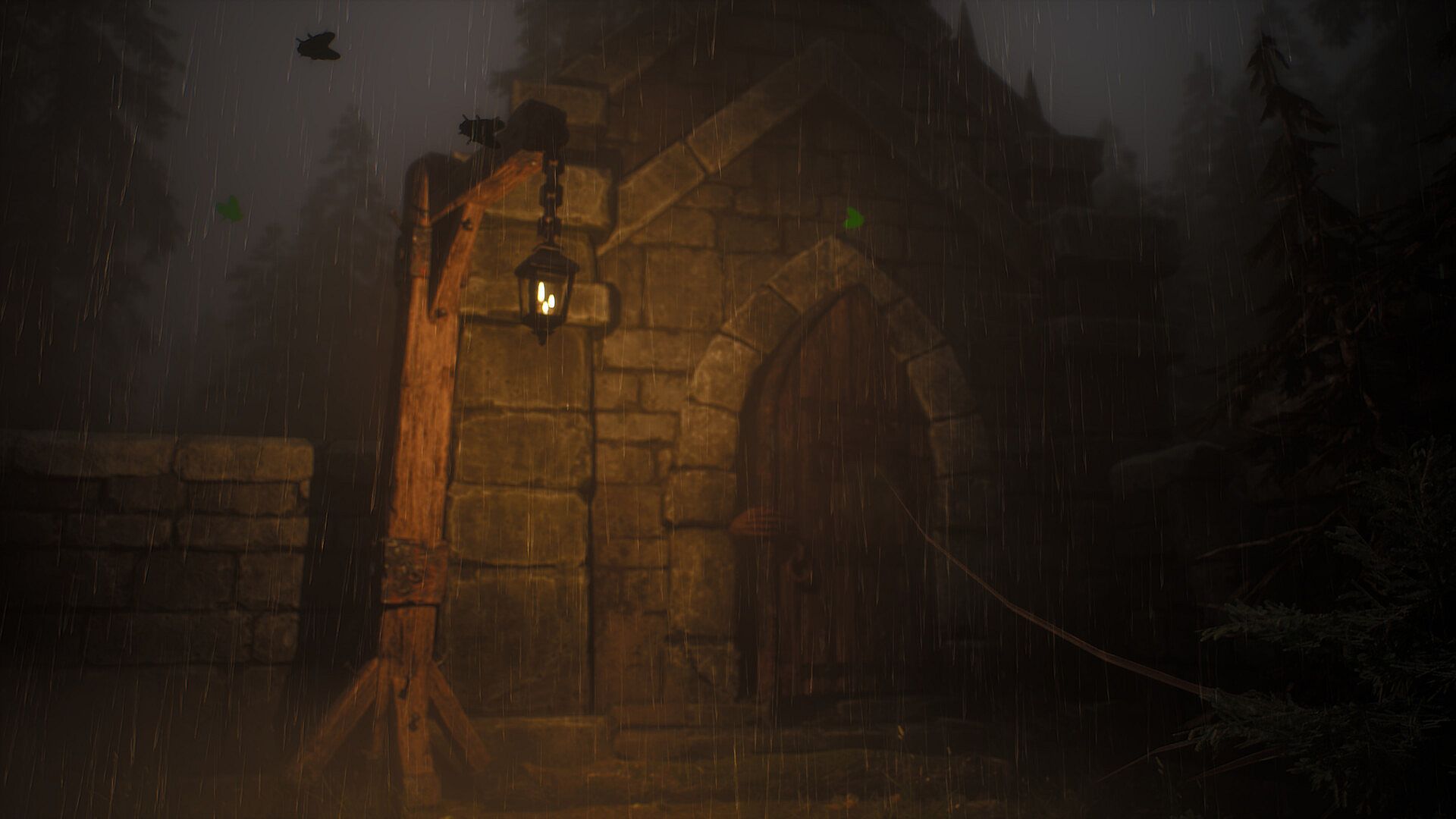
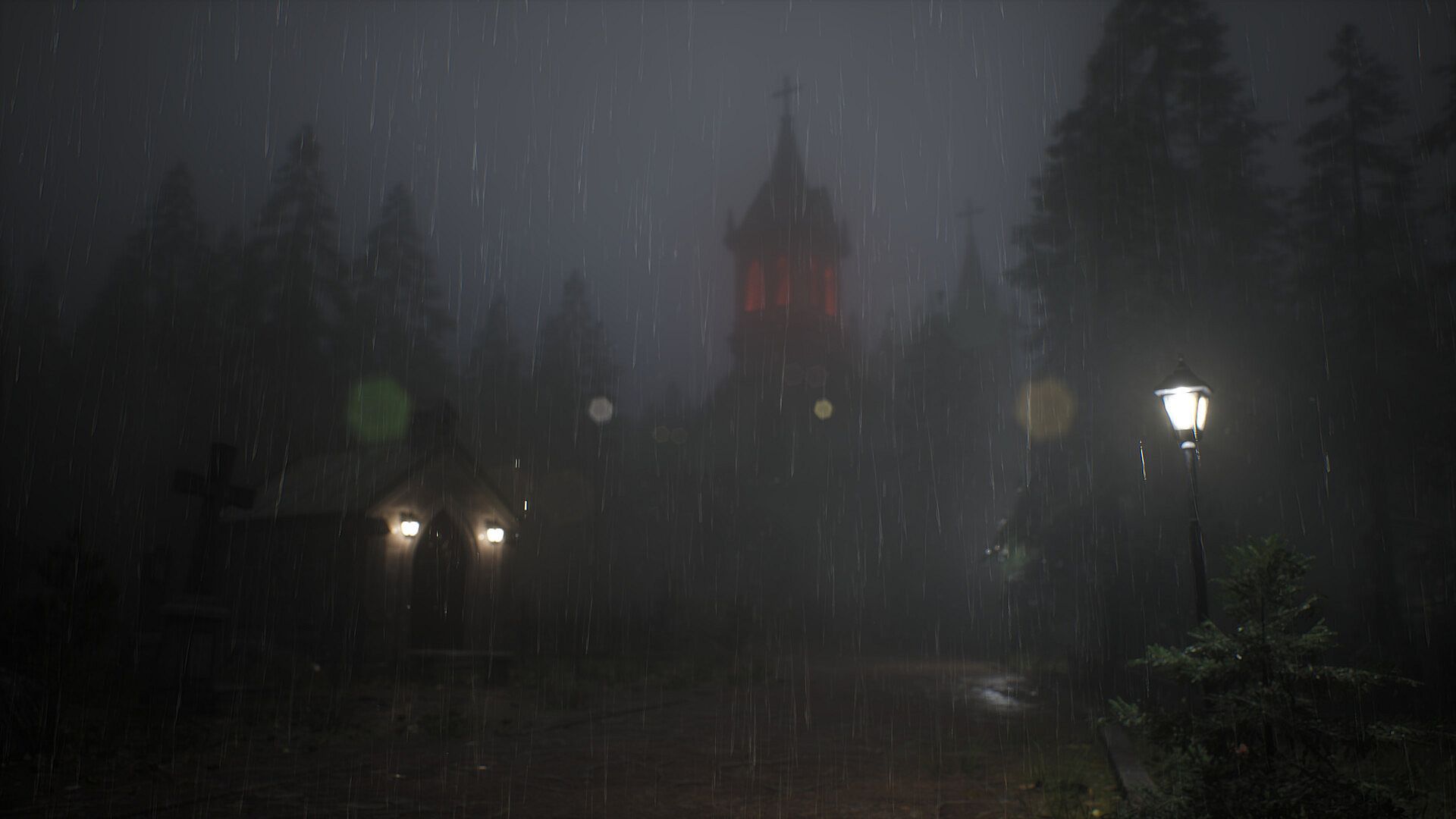
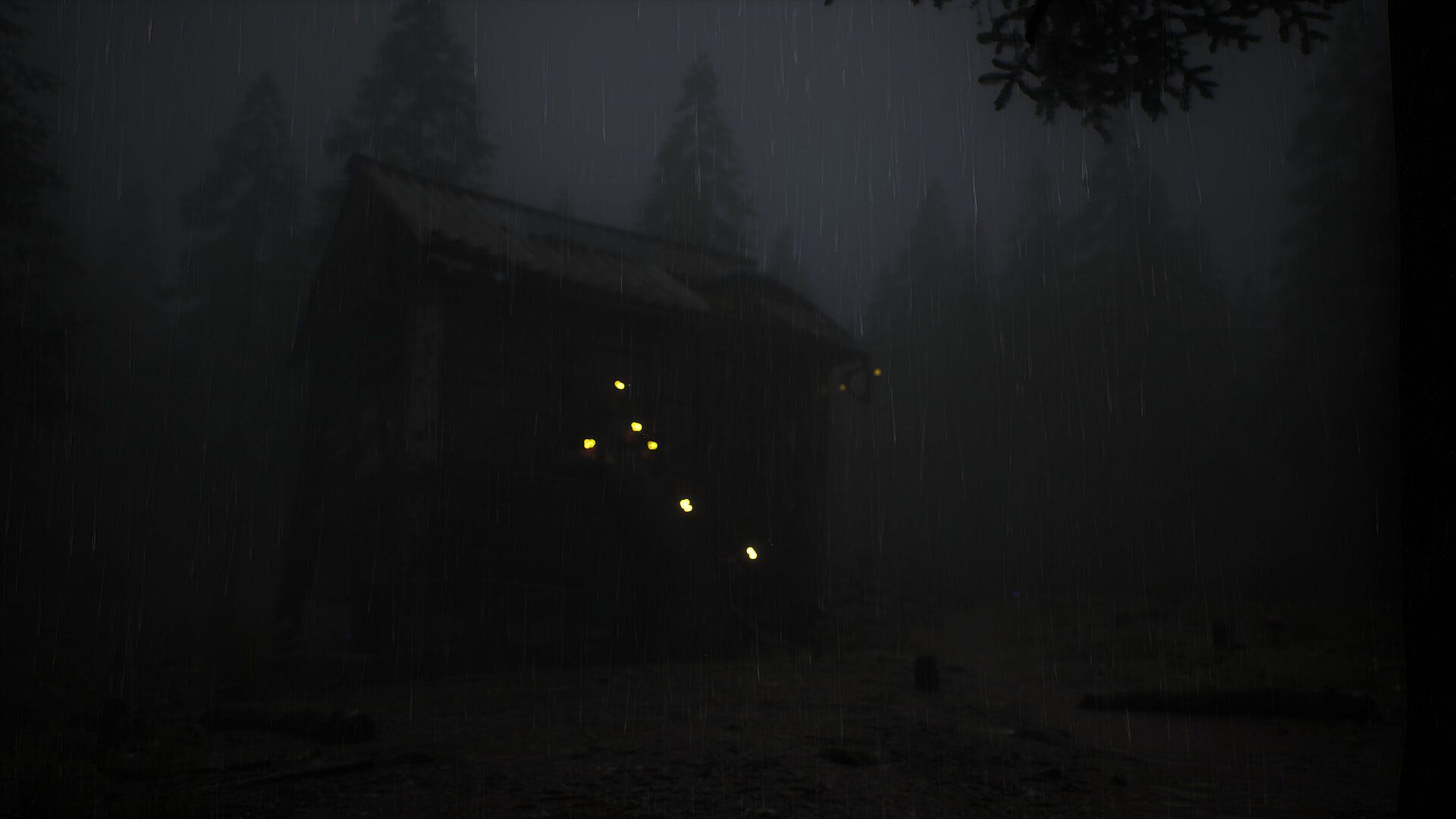
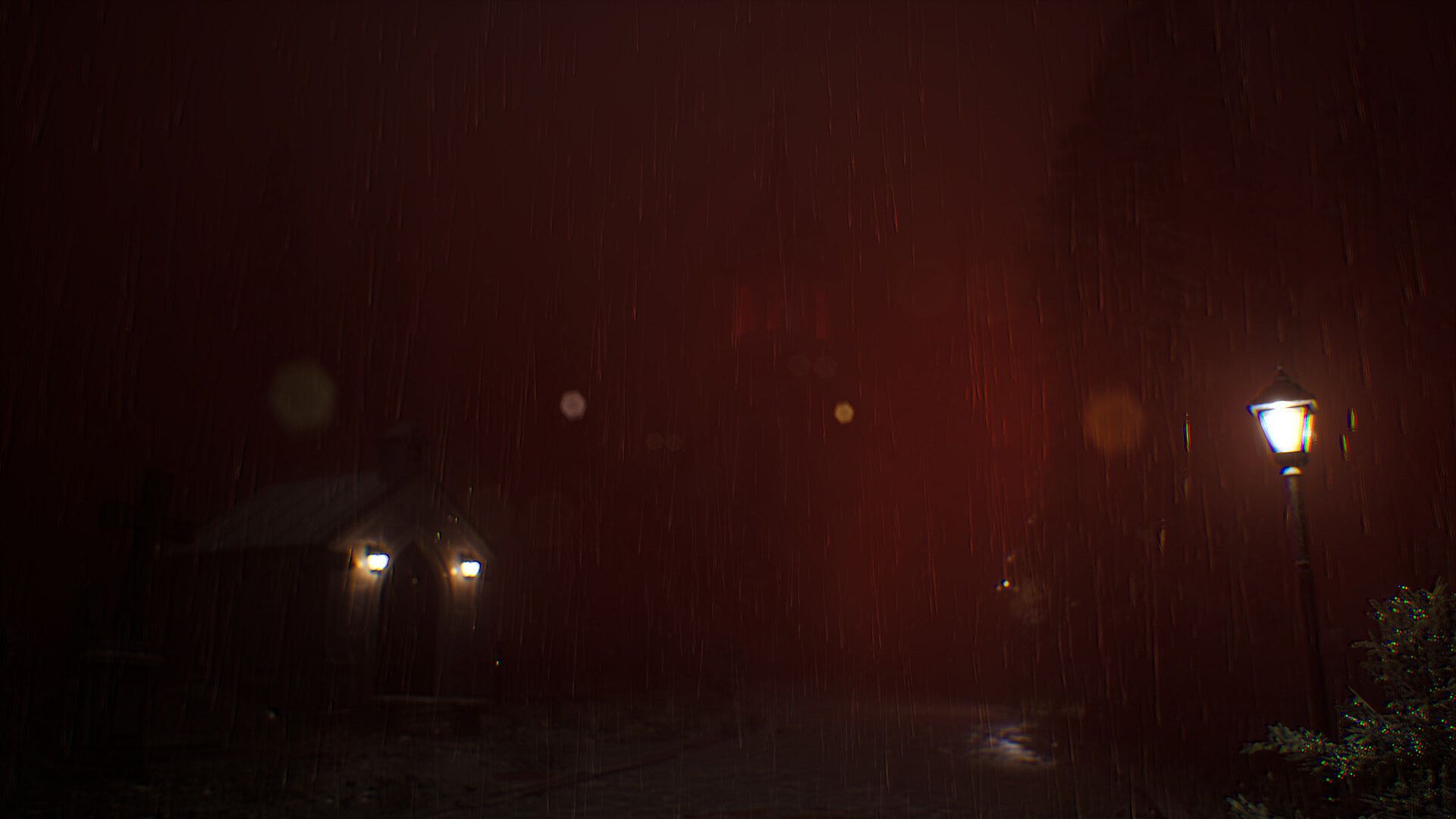
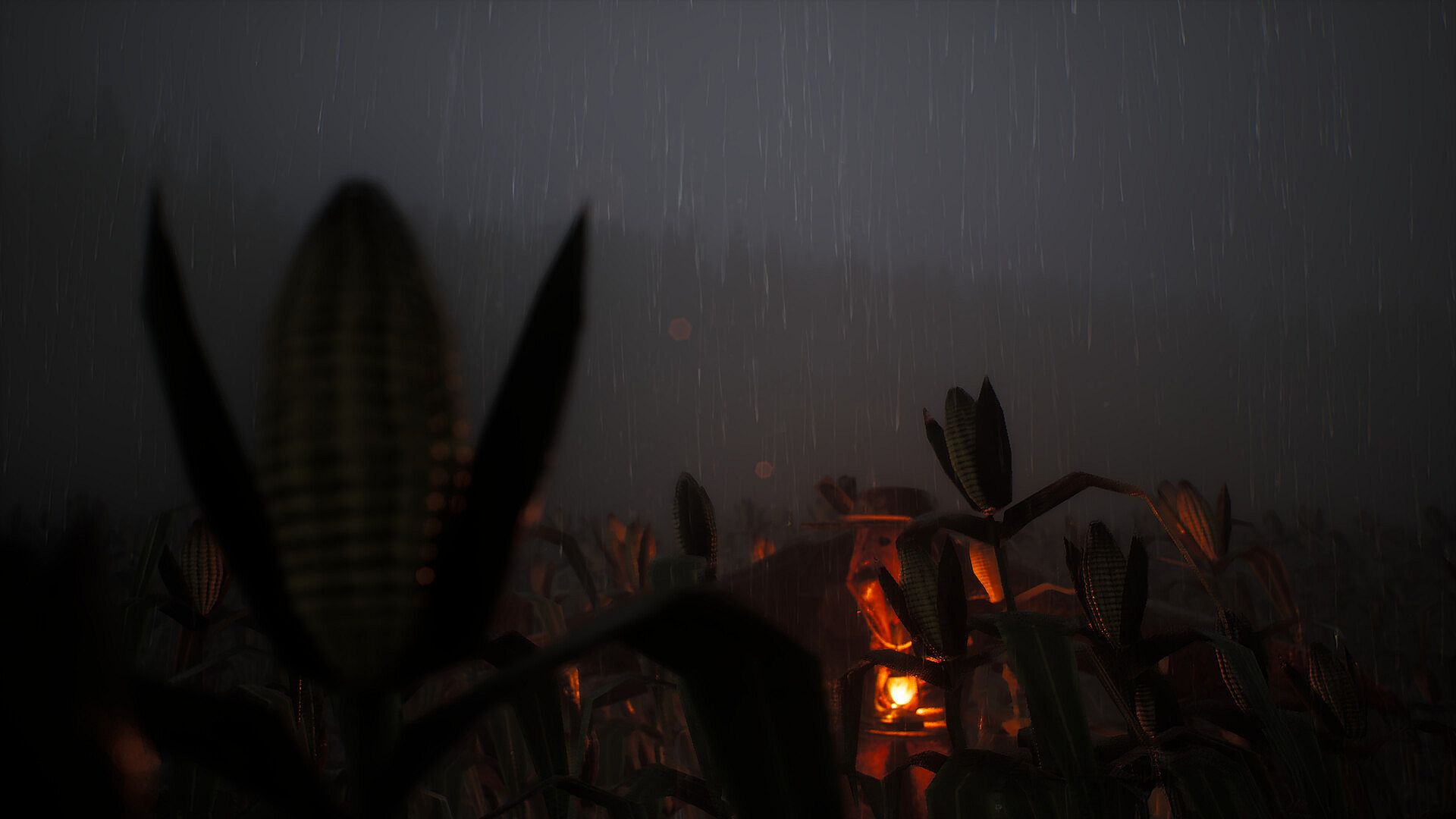









PATO is an action, indie, and adventure game for PC in which players control potatoes navigating a fog-shrouded forest filled with hostile creatures. Something fell from the sky, driving people mad and awakening the potatoes, who now face constant threats from entities determined to mash them. Up to four players work together online to locate scattered car parts, repair a vehicle in the parking lot, and escape before the environment turns lethal.
Gameplay
The core loop centers on exploration and survival in a dense, foggy woodland where visibility is minimal. Players rely on provided tools such as walkie-talkies, flashlights, and a broadcaster that projects voices across the map to coordinate movements and share information. Staying in contact proves essential, yet the system carries inherent risk because not every voice heard belongs to a teammate. Monsters approach from multiple directions, including the sky, water, and ground, forcing constant awareness through sound rather than sight. The fog intensifies over time, increasing aggression from threats and demanding quicker decisions during resource gathering and navigation. Death transforms a player into a crying baby pato that teammates can carry for rescue or, in some cases, kick aside, adding layers of cooperation and occasional friction to group dynamics. Customization options allow players to alter their potato's colors for visual distinction during sessions.
Game Modes
The game supports online co-op for one to four participants, with no separate single-player campaign or additional named modes confirmed. Sessions revolve around the shared objective of assembling the car while managing the escalating dangers of the forest. Voice chat integration serves as both a coordination aid and a potential liability, as environmental threats can intercept or mimic communications to mislead the group. Players decide whether to remain close or split tasks, but isolation heightens vulnerability in the low-visibility setting.
Key Mechanics and Atmosphere
Sound design drives tension, with the broadcaster enabling long-range calls that monsters may exploit to create confusion. Flashlights provide limited illumination, emphasizing careful movement and listening for approaching dangers. The progression mechanic ties survival duration to rising difficulty, as prolonged stays in the fog trigger more aggressive enemy behavior. The potato theme extends to player avatars, with death resulting in the distinctive crying baby pato form that shifts control dynamics within the team. These elements combine into a focused experience centered on communication, quick thinking, and group accountability rather than combat or complex crafting systems.
Who the Game Targets
PATO suits players interested in co-op survival adventures that prioritize audio cues and voice interaction over traditional visual combat. The setup appeals to groups comfortable with tense coordination under pressure, where one misheard instruction or misplaced trust can end a run. Customization remains light, keeping attention on the core escape objective and the unpredictable threats that emerge from the fog. Sessions emphasize short-term planning and adaptability, fitting groups seeking repeated attempts at the same core challenge with varying outcomes based on decisions made.
Is It Worth Playing?
The experience delivers a distinct co-op loop built around voice mechanics and environmental hazards that reward attentive listening and teamwork. Players who enjoy games where communication becomes both asset and vulnerability will find the setup engaging, particularly in sessions with consistent friends who can adapt to the crying baby pato mechanic and the risks of the broadcaster. Availability on PC supports straightforward online play without additional requirements beyond standard co-op features. Those drawn to atmospheric indie adventures with simple objectives amplified by sound-based tension and group decision-making may find repeated playthroughs satisfying, while players preferring solo campaigns or heavily combat-focused titles might look elsewhere. The current state centers on the described 1-4 player co-op format with no confirmed seasonal updates or expansions at this time.











