


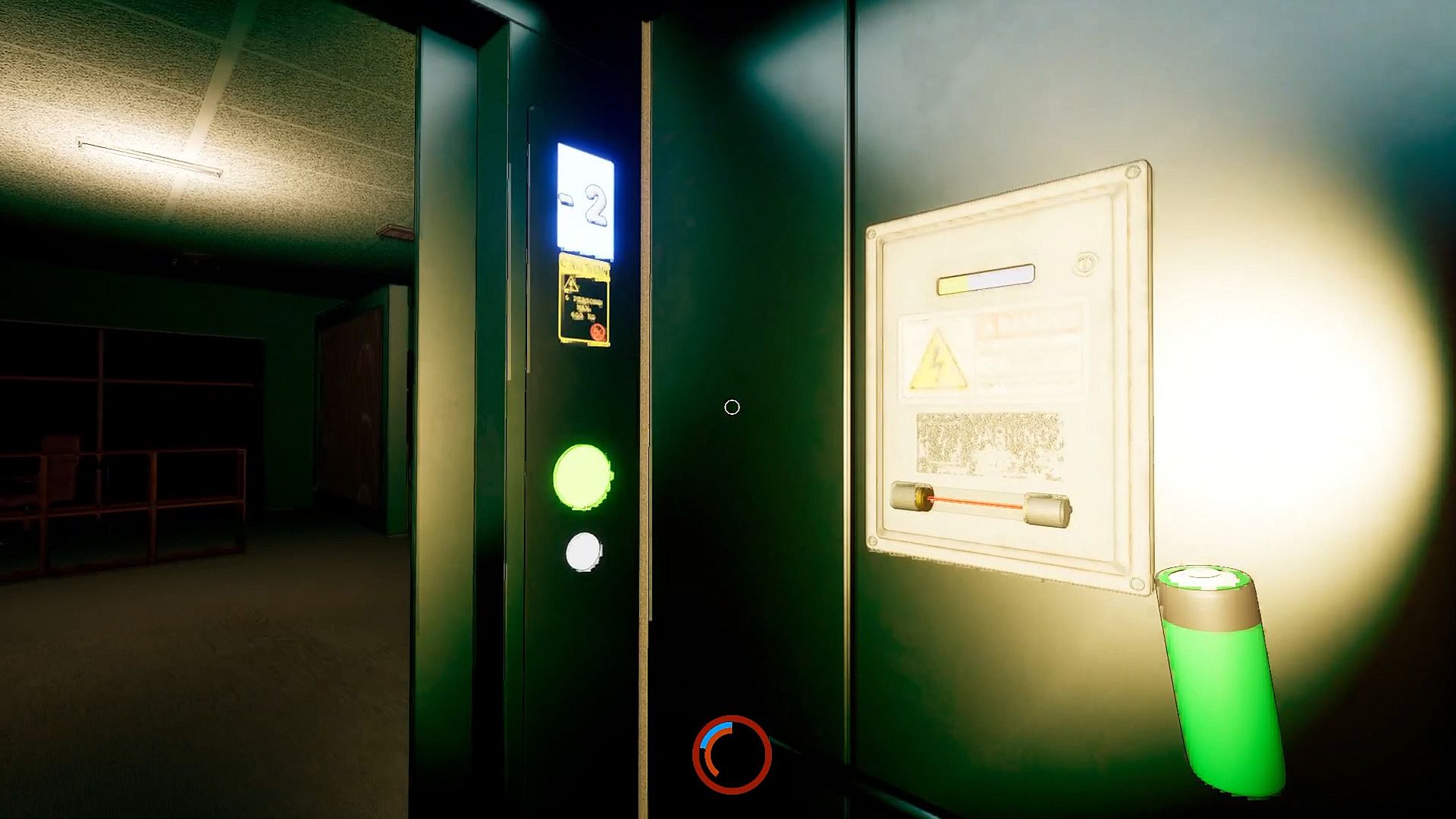
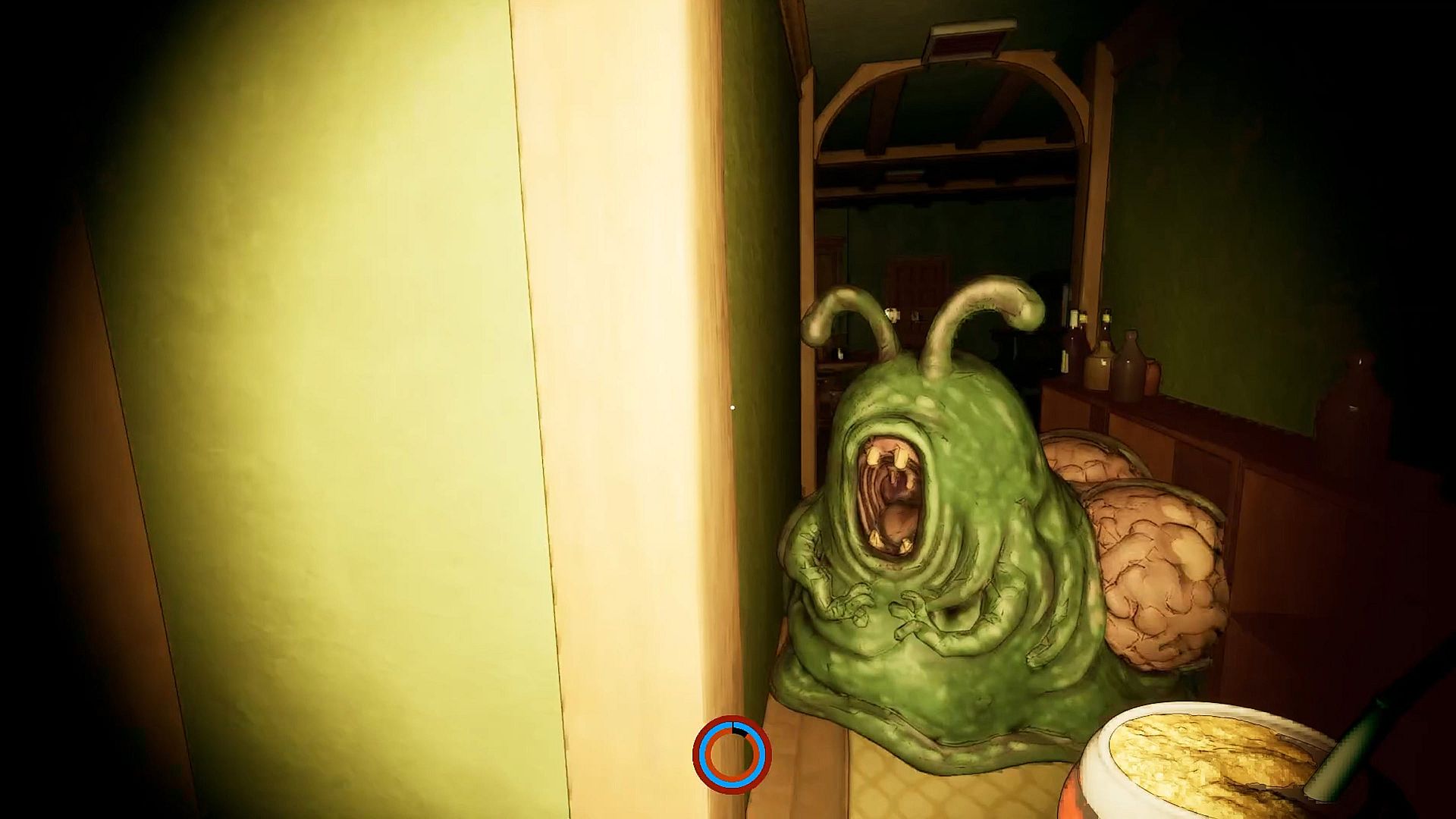
Panchito Delivery: Project Elevator is a first-person horror adventure game that blends claustrophobic tension with roguelite progression. Players take on the role of a delivery worker whose routine task turns into a fight for survival inside an endless building filled with shifting threats and limited resources.
Gameplay
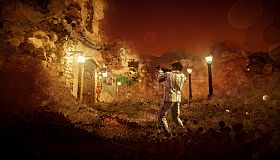
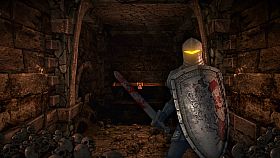
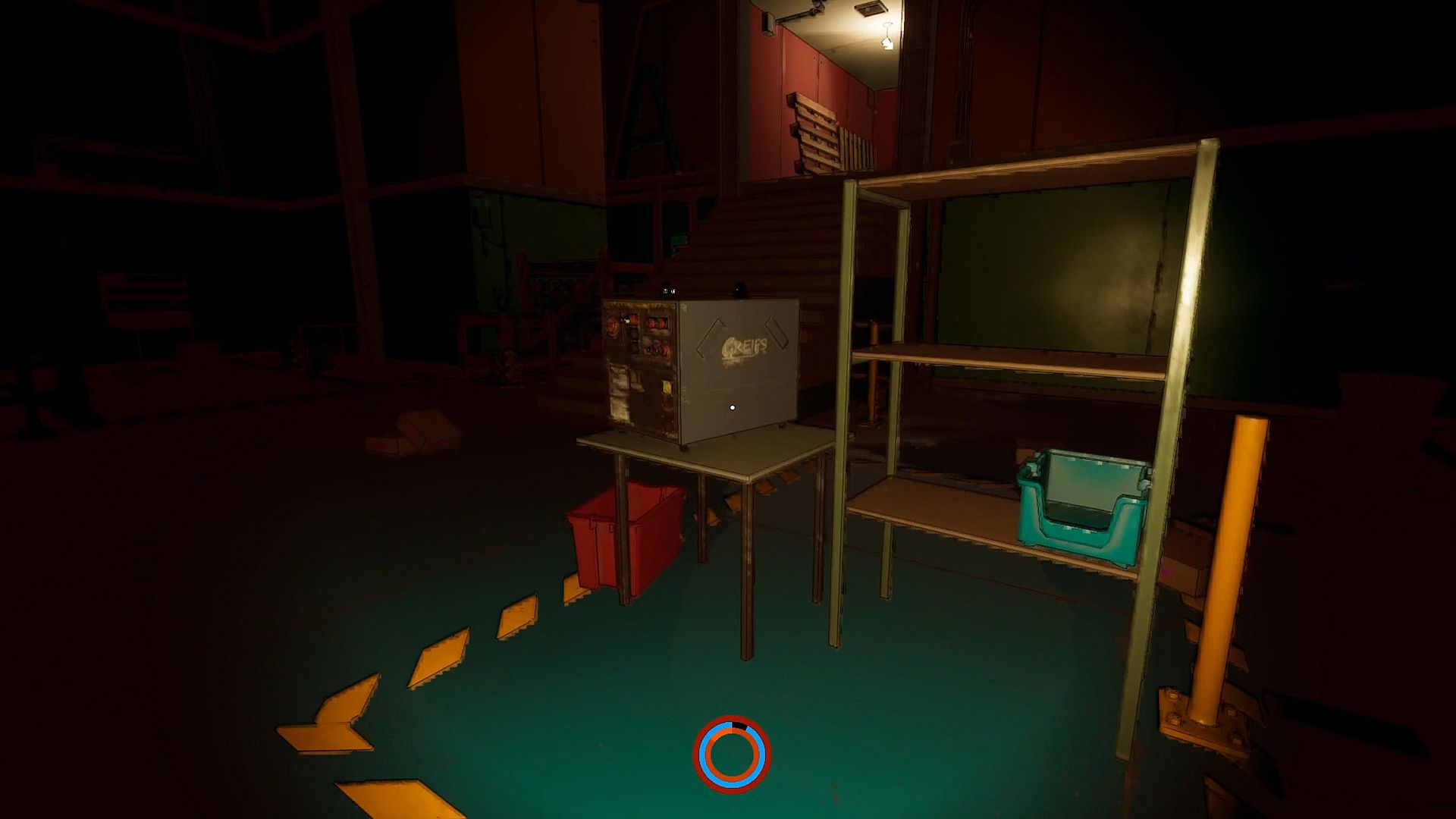
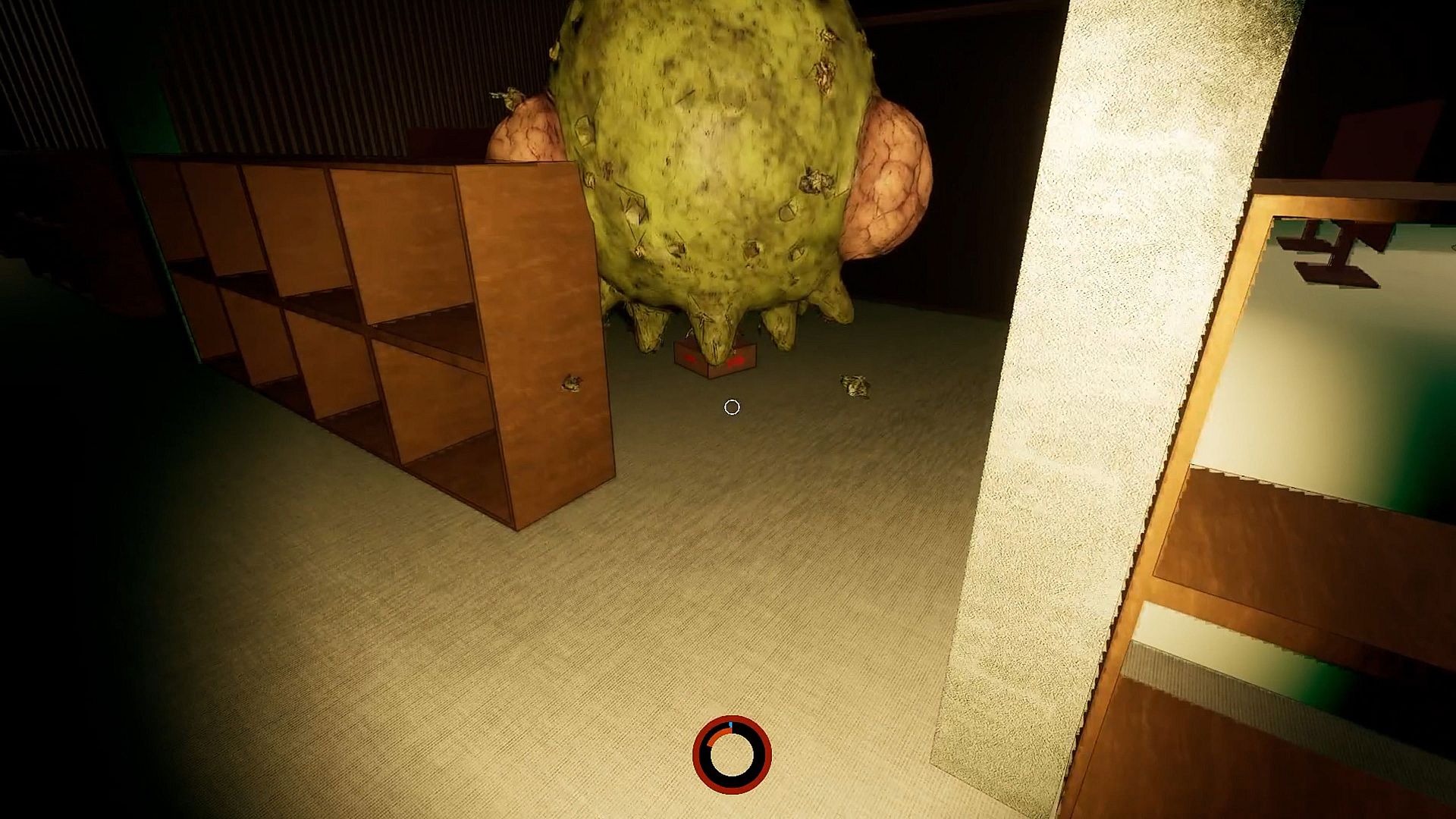
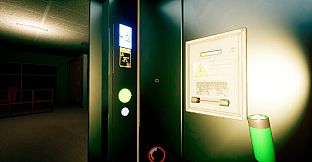
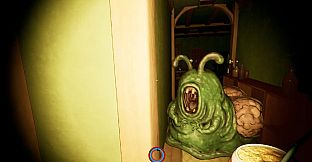
The core loop centers on navigating dark corridors and rooms across multiple floors while managing fuel and batteries to keep an elevator running. Each attempt begins in the lobby, where the player loads a package and ascends floor by floor toward the top. Stealth plays a key role because entities hide in the shadows, forcing careful movement and reliance on sound cues from the binaural audio design. Dynamic lighting adds pressure, as players must decide whether to enter unlit spaces for supplies or risk the elevator failing and leaving them exposed.
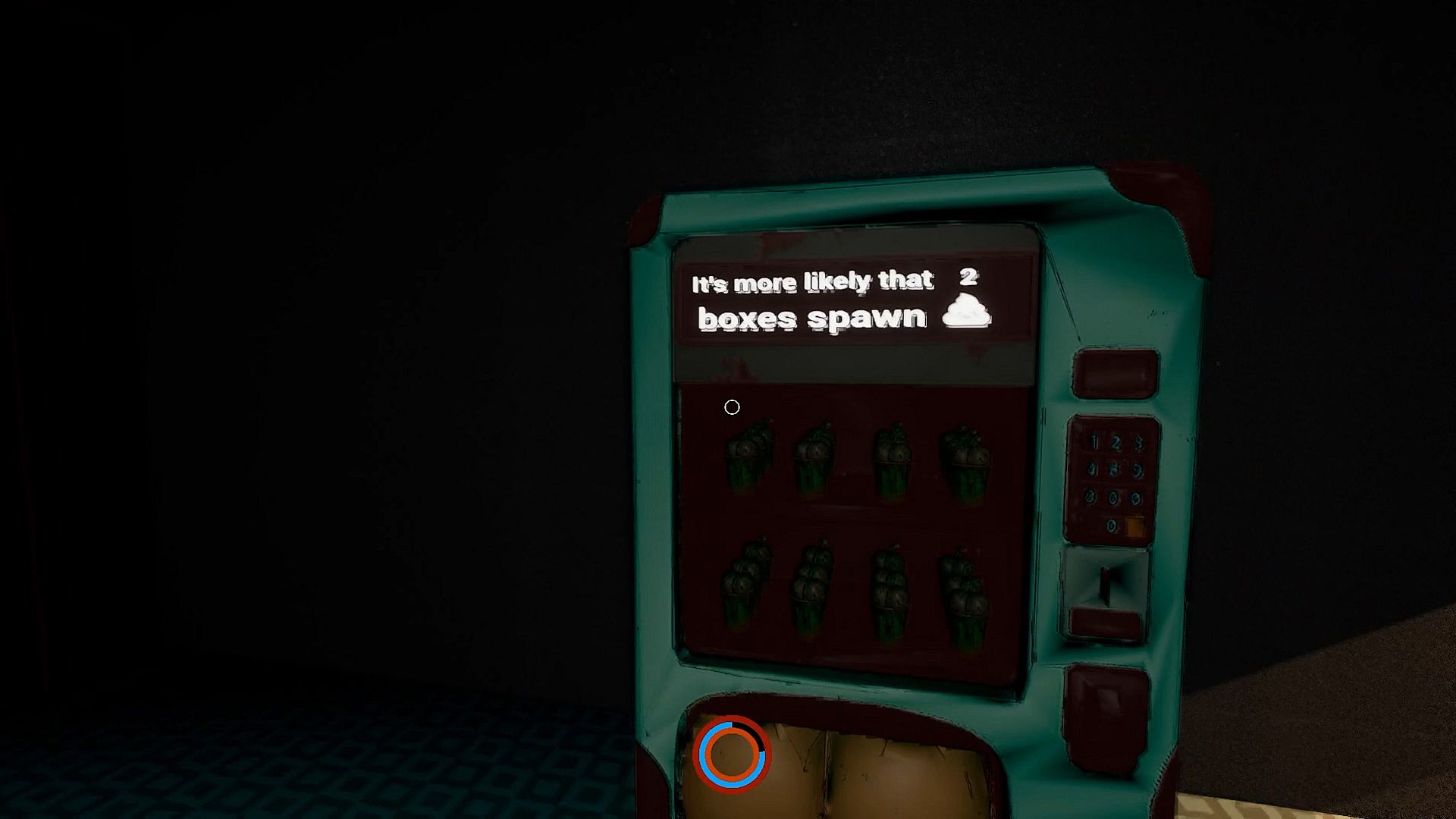
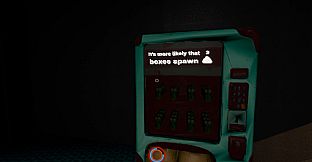
Resource management forms the backbone of every run. Batteries power lights and tools, while fuel keeps the elevator operational between floors. Depleting either resource can trigger deadly consequences, so players weigh short-term risks against long-term survival. Death sends the character back to the lobby, but collected resources carry over in the form of permanent upgrades that improve future attempts. This creates a steady sense of progression even after repeated failures, as each loop teaches new patterns about enemy behavior and optimal paths through the building.
Game Modes
The experience focuses on a single-player roguelite structure built around repeated runs through procedurally varied floors. There are no separate competitive or cooperative modes described. Instead, the game emphasizes solo survival runs where the objective remains consistent: deliver the package to the top floor while adapting to the unique layout and threats on each level. The roguelite elements mean every death resets the current ascent but rewards persistence through unlockable advantages that alter starting conditions or resource efficiency on subsequent tries.
Key Mechanics and Atmosphere
The building itself acts as the main antagonist, with no two floors repeating exactly. Exploration rewards players who risk venturing off the main path for extra supplies, yet the constant threat of entities demands quick decisions. Binaural sound design heightens immersion by making distant noises or footsteps critical warning signs before visual confirmation. Limited visibility from dynamic lighting further encourages players to listen first and move only when necessary. These systems combine to create a tense loop of scavenging, stealth, and elevator maintenance that repeats with increasing familiarity and improved tools.
Is It Worth Playing?
This title suits players who enjoy first-person horror paired with roguelite retry loops and careful resource decisions. The emphasis on stealth and audio cues delivers consistent tension without relying on jump scares alone. Those who appreciate games where failure teaches concrete improvements will find the progression system rewarding. Availability on PS5 makes it accessible to console players seeking a focused indie horror experience centered on atmosphere and mechanical tension rather than expansive worlds or multiplayer features. If the described blend of claustrophobia, limited resources, and persistent upgrades aligns with personal preferences, the game offers a direct and replayable challenge built around its core delivery objective.