



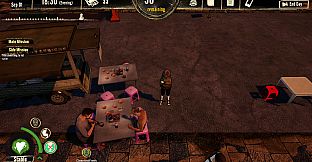
No Place in the City is a simulation adventure game set in an urban environment where players start with almost nothing and work to build stability through daily routines and decisions.
Gameplay
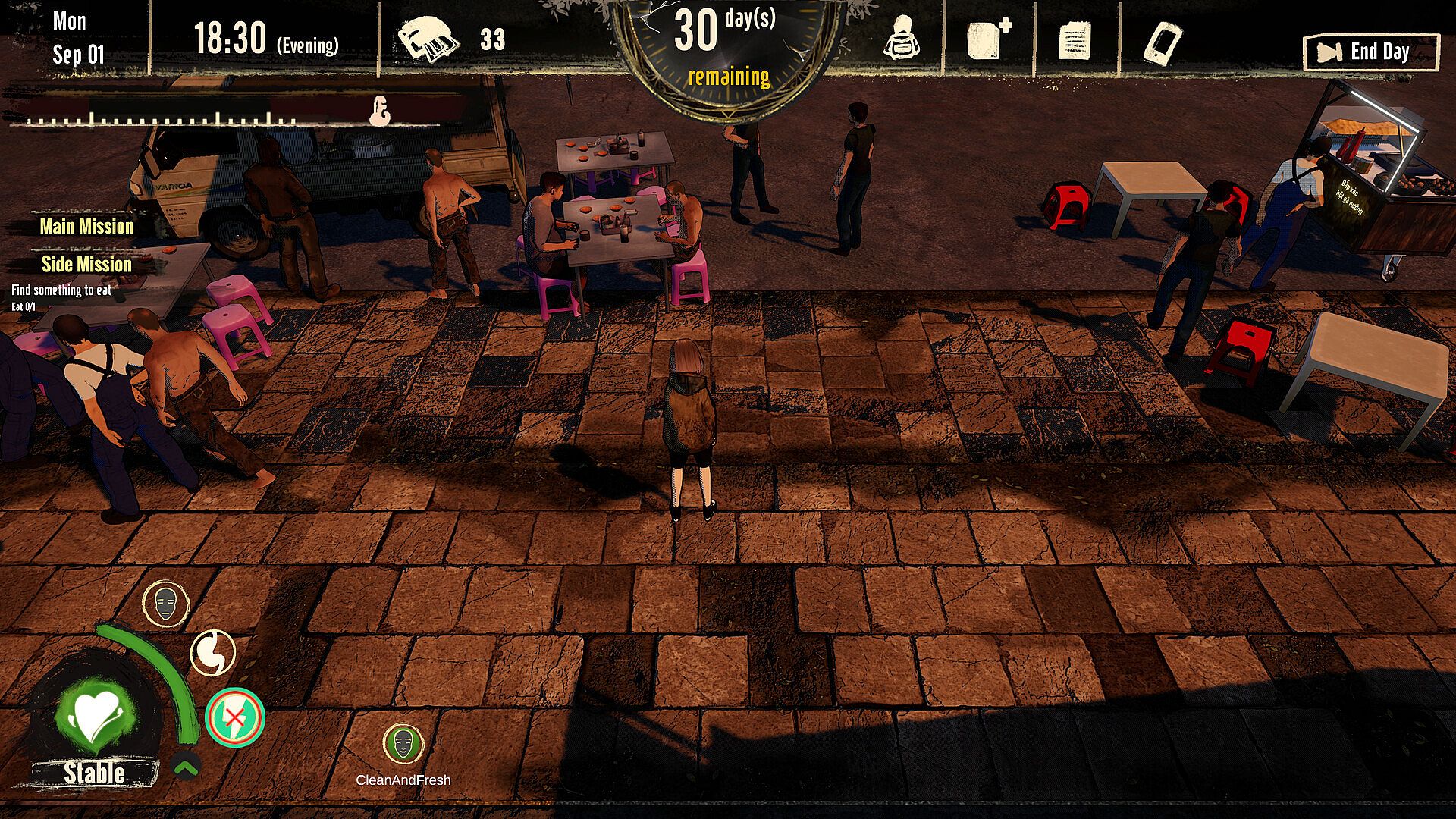
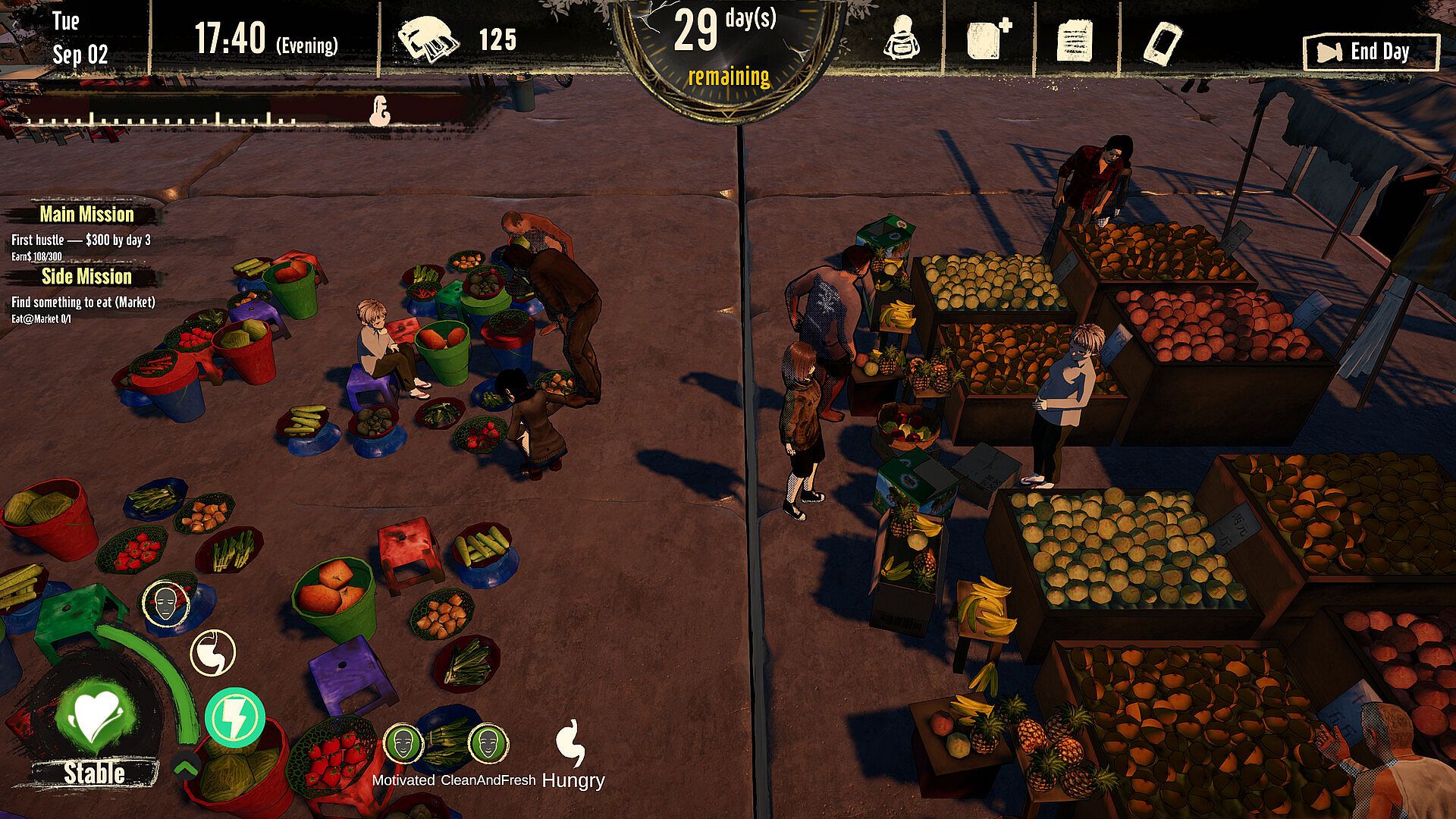
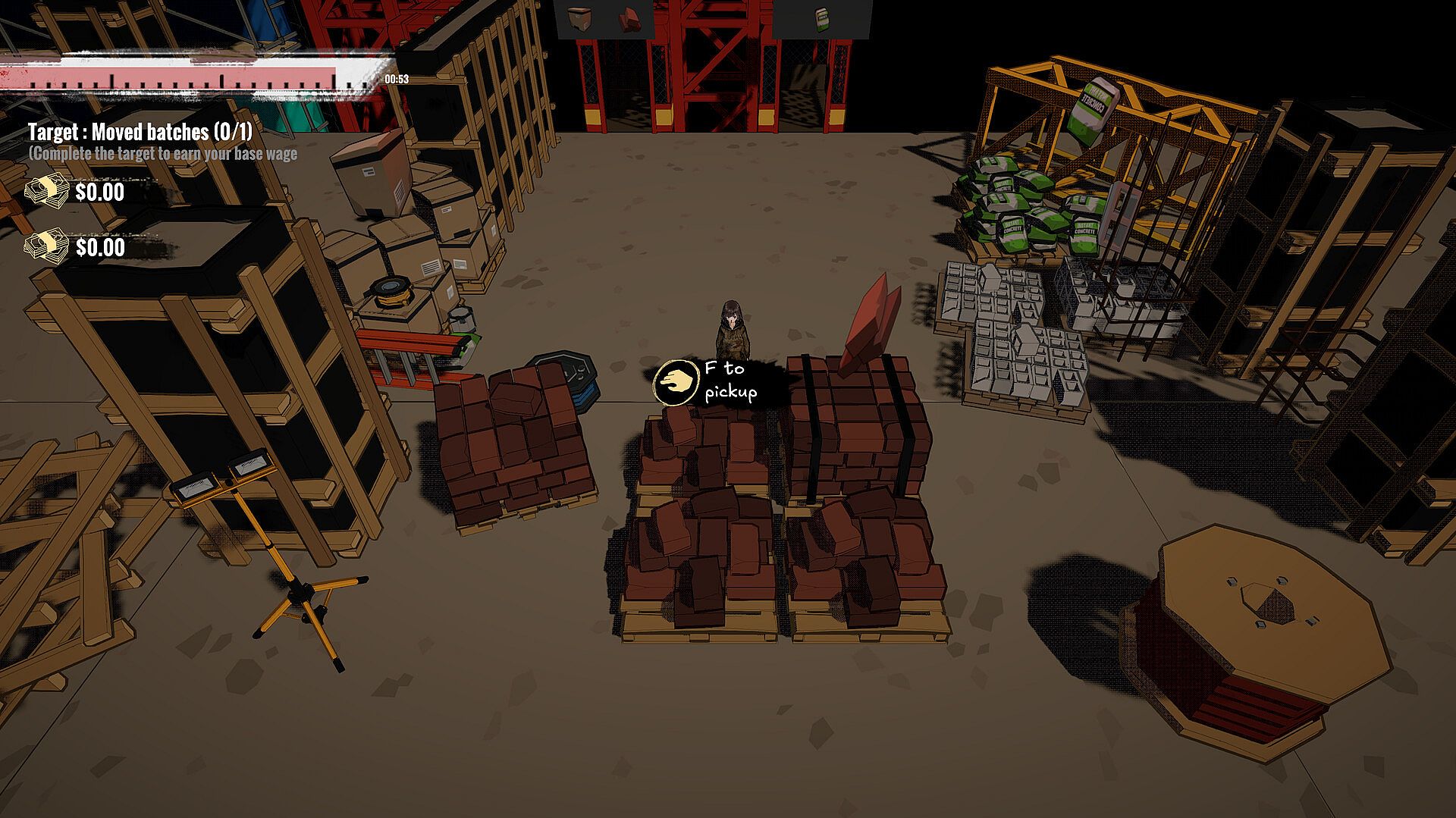
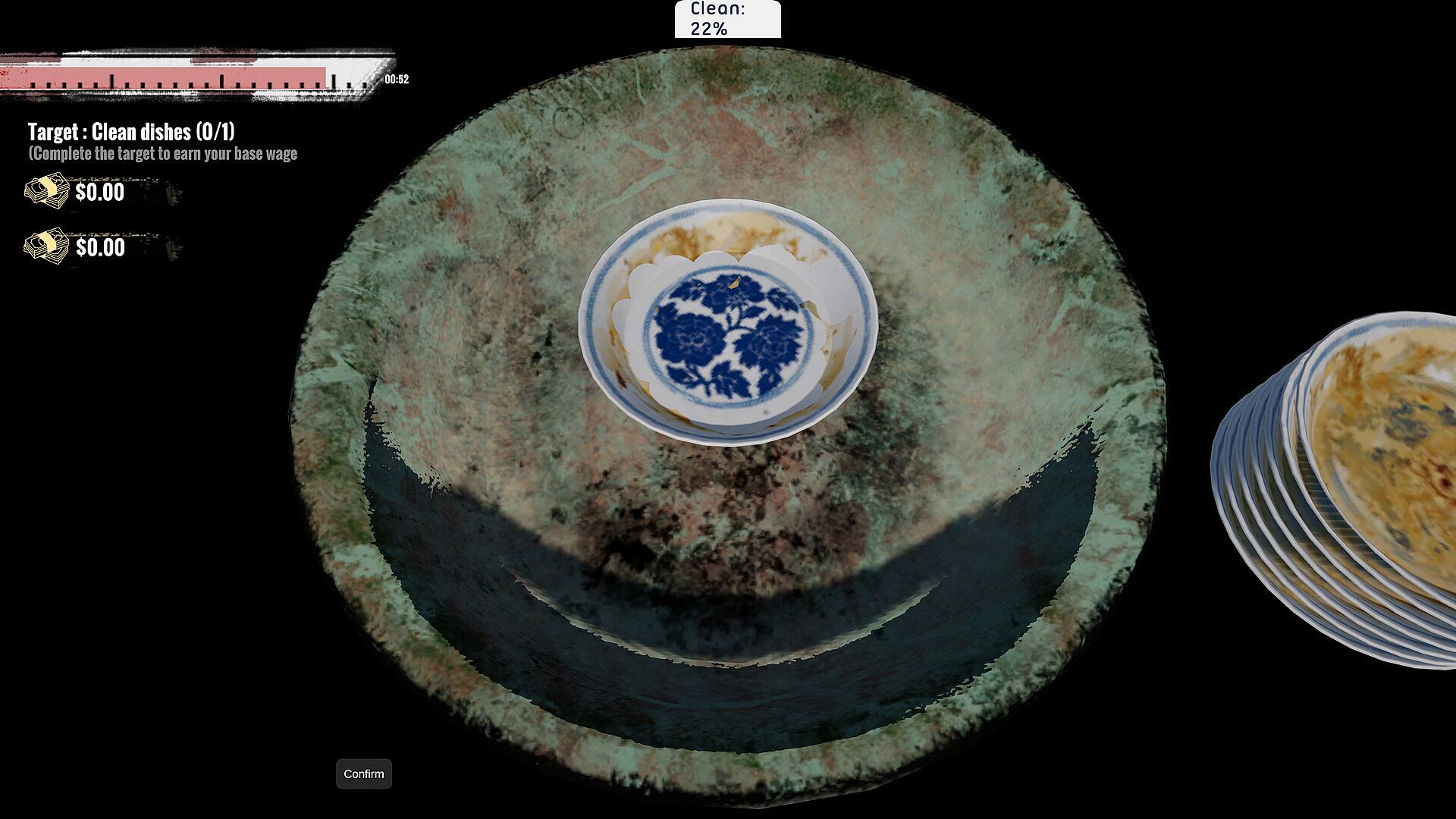
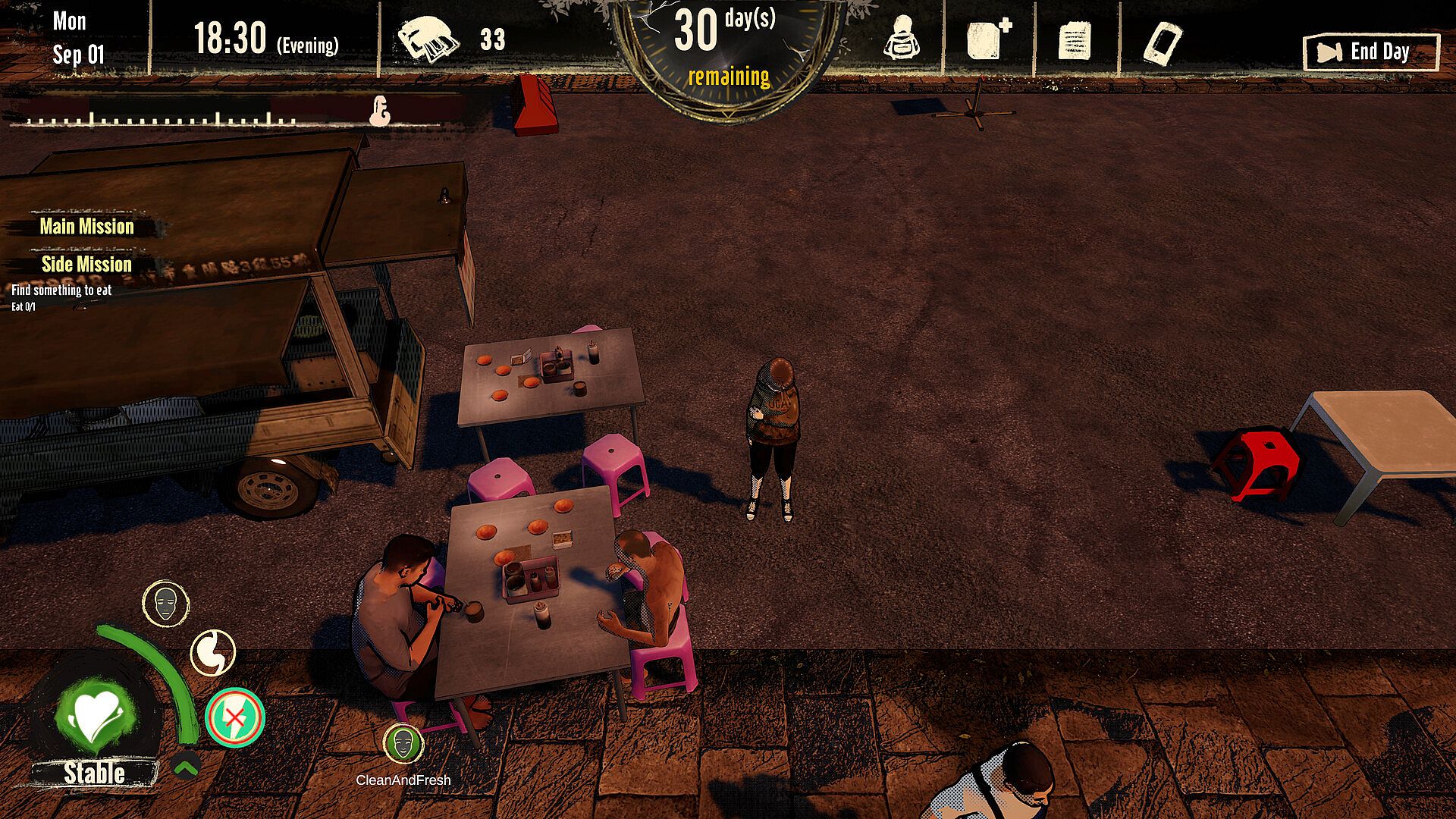
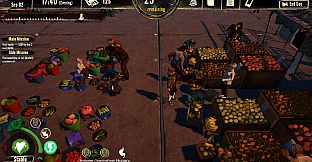
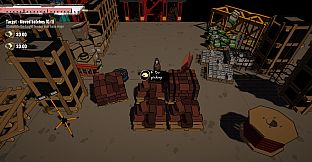
The core loop centers on managing a character's basic needs while navigating an unfamiliar city. Players begin by seeking out entry-level labor positions that offer distinct rhythms and tasks. Earnings cover routine costs such as food and rent, while additional stats including hunger, fatigue, hygiene, mood, and stamina influence performance throughout each day. Overworking can increase income but risks exhaustion, so balancing rest with productivity forms a key part of progression. As stability improves, new job opportunities open up gradually.
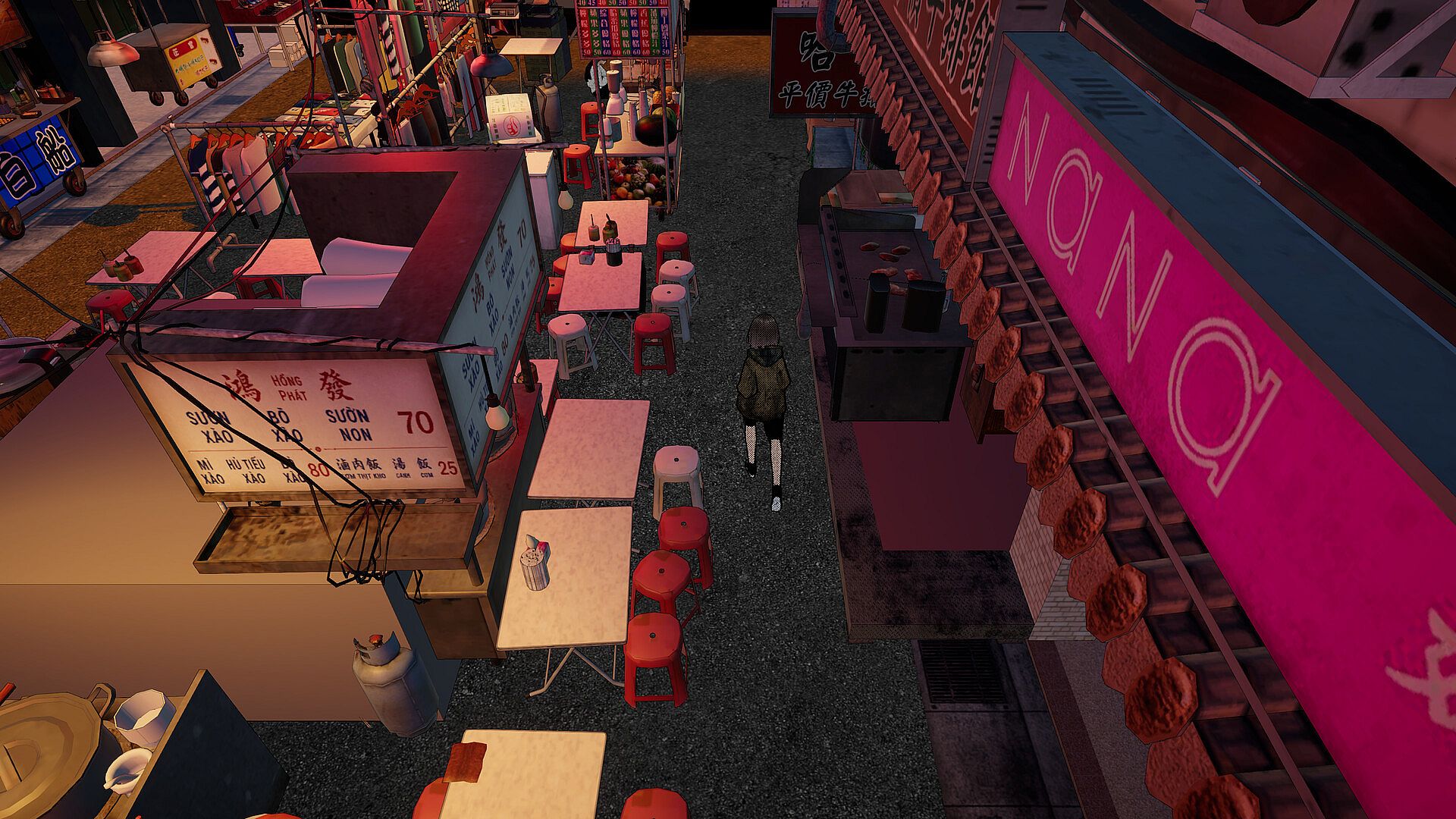
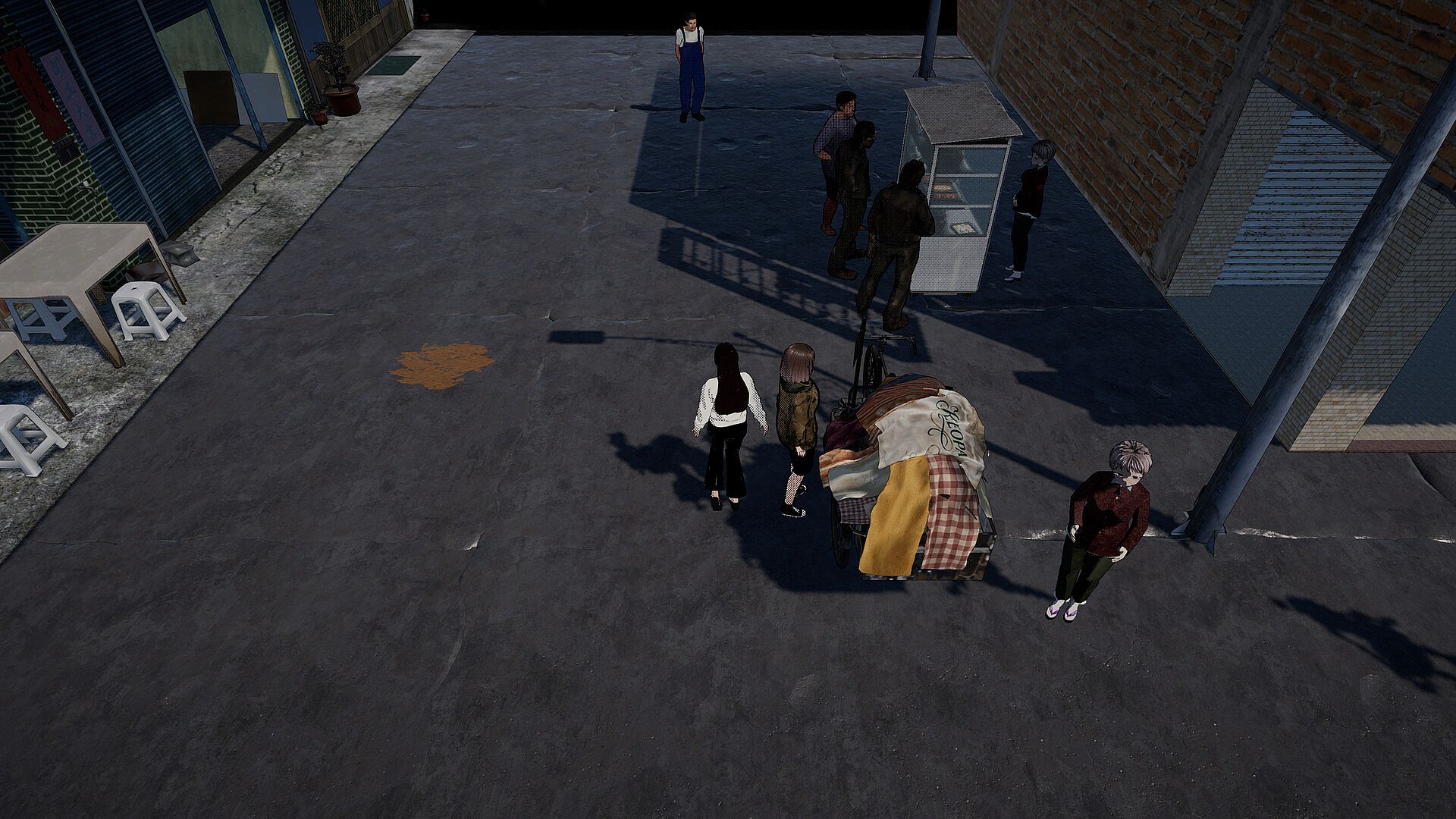
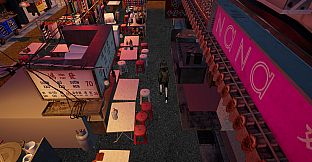
Exploration takes players through markets, streets, parks, and neighborhoods that shift with the time of day. Shops and activities follow realistic schedules, with night markets appearing after dark. The environment functions as a living space rather than a simple backdrop, encouraging players to learn its patterns through repeated visits.
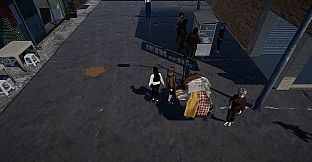
Interactions with residents add layers to the experience. Some encounters last a single day while others develop over longer periods. Choices arise without clear correct answers, and players decide whether to offer help based on their own limited resources.
Game Modes
The game operates as a single-player experience focused on personal progression through daily cycles. There are no separate competitive or cooperative modes. Instead, the structure emphasizes one continuous story shaped by job choices, resource allocation, and social decisions. Players advance by improving their situation step by step, with the city itself providing the main setting for all activities.
City Life and Daily Management
Every day requires attention to multiple systems that interconnect. Simple jobs provide starting income, but players must track how work affects physical and mental states. Food, shelter, and personal care compete for limited funds, forcing trade-offs that feel grounded in ordinary urban challenges. The city's changing atmosphere throughout the day adds variety to movement and timing of activities.
Resident stories introduce optional depth. Some individuals share brief moments while others reveal ongoing struggles. These elements tie into the central theme of finding footing without heroic ambitions. Decisions about assistance reflect the player's current circumstances rather than abstract morality.
Is It Worth Playing?
The game targets players who enjoy realistic life simulation with adventure elements centered on personal survival and gradual improvement. Its focus on managing everyday needs in a dynamic city setting appeals to those interested in thoughtful pacing over action or combat. Since the title remains in development with a planned release, current details rest on the described systems of job progression, need management, and environmental interaction. Fans of similar urban or life sim experiences may find the approach familiar and engaging once available.