


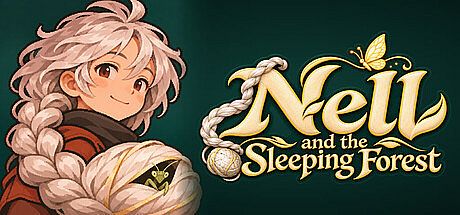


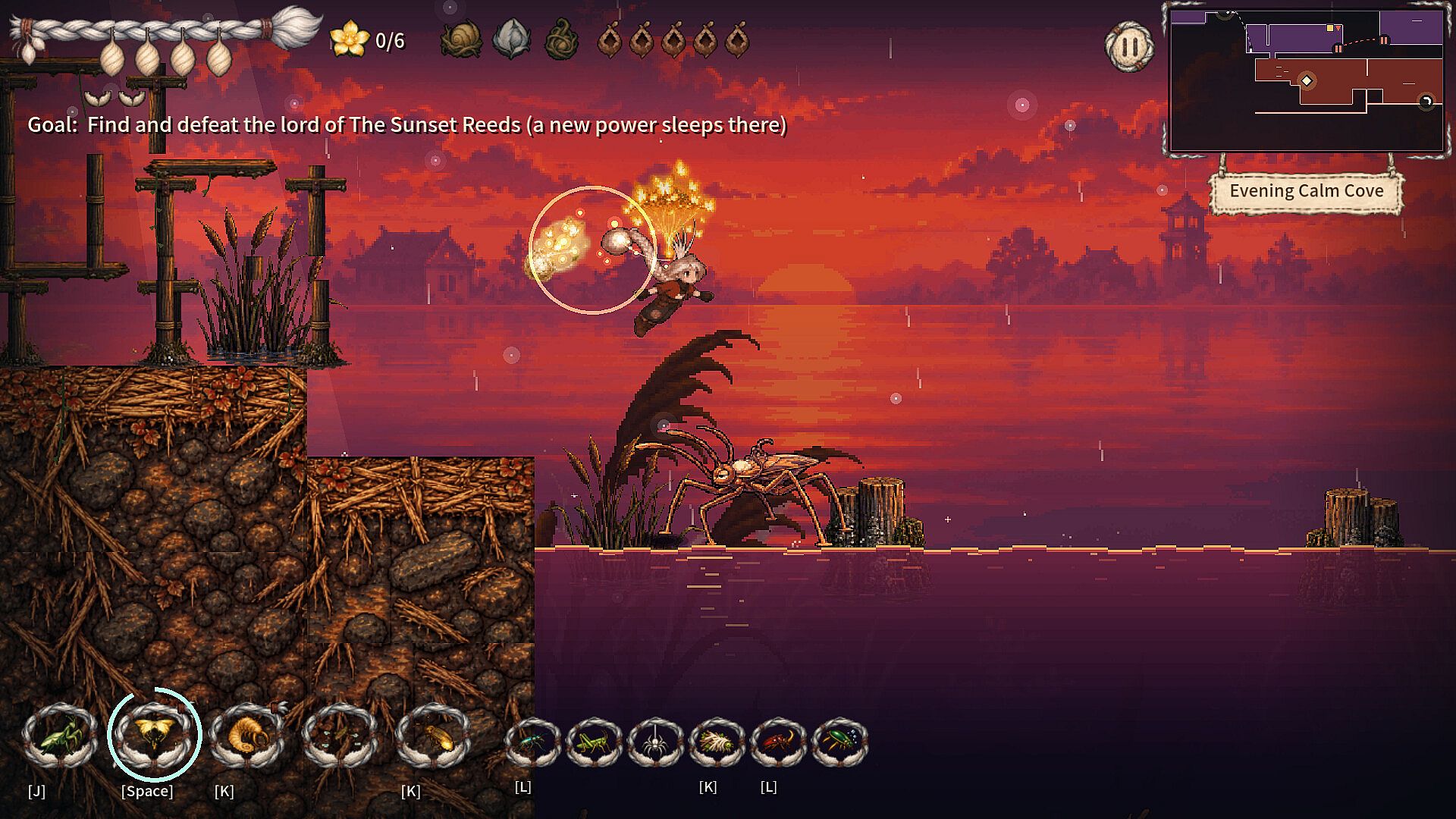
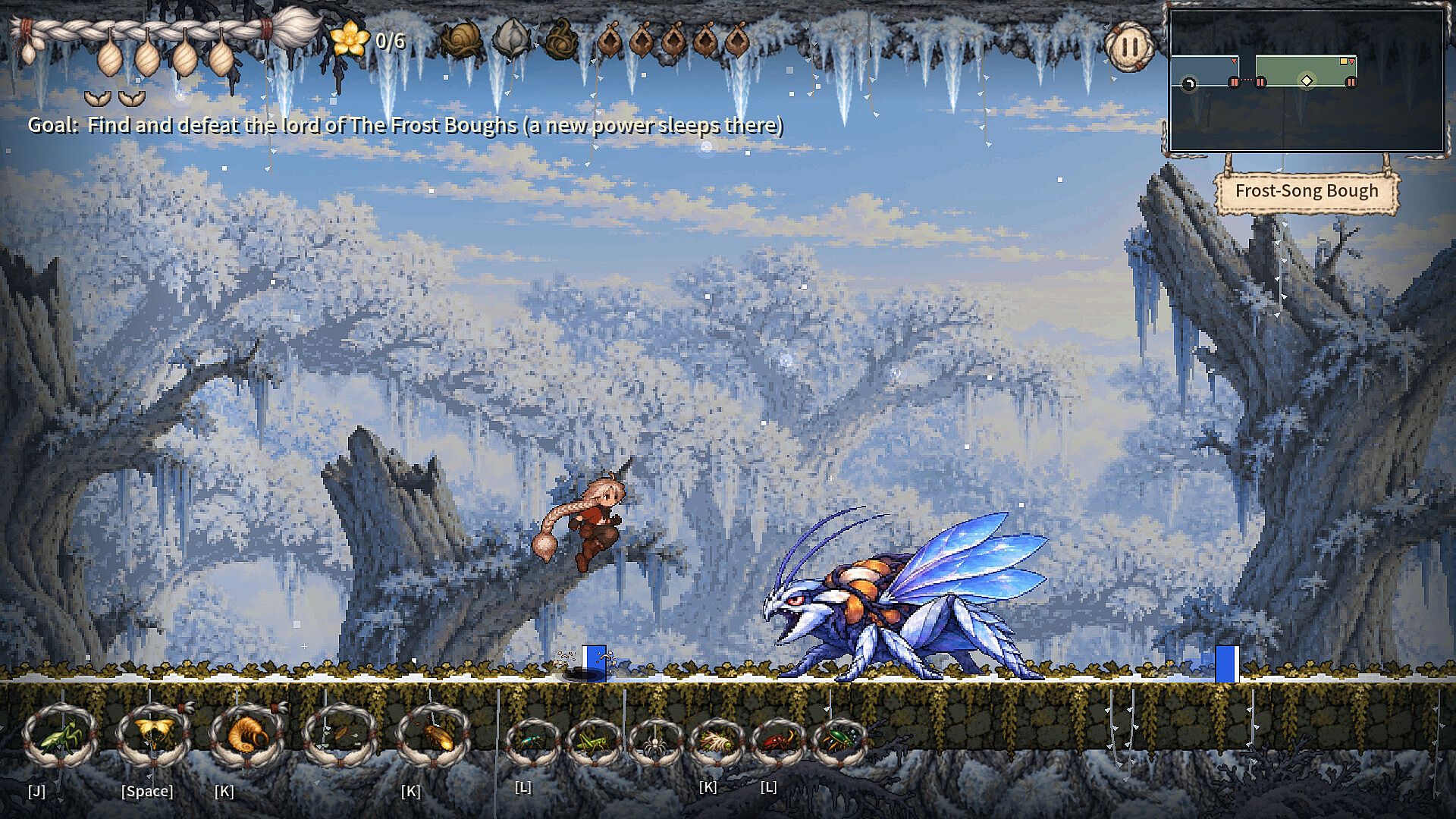
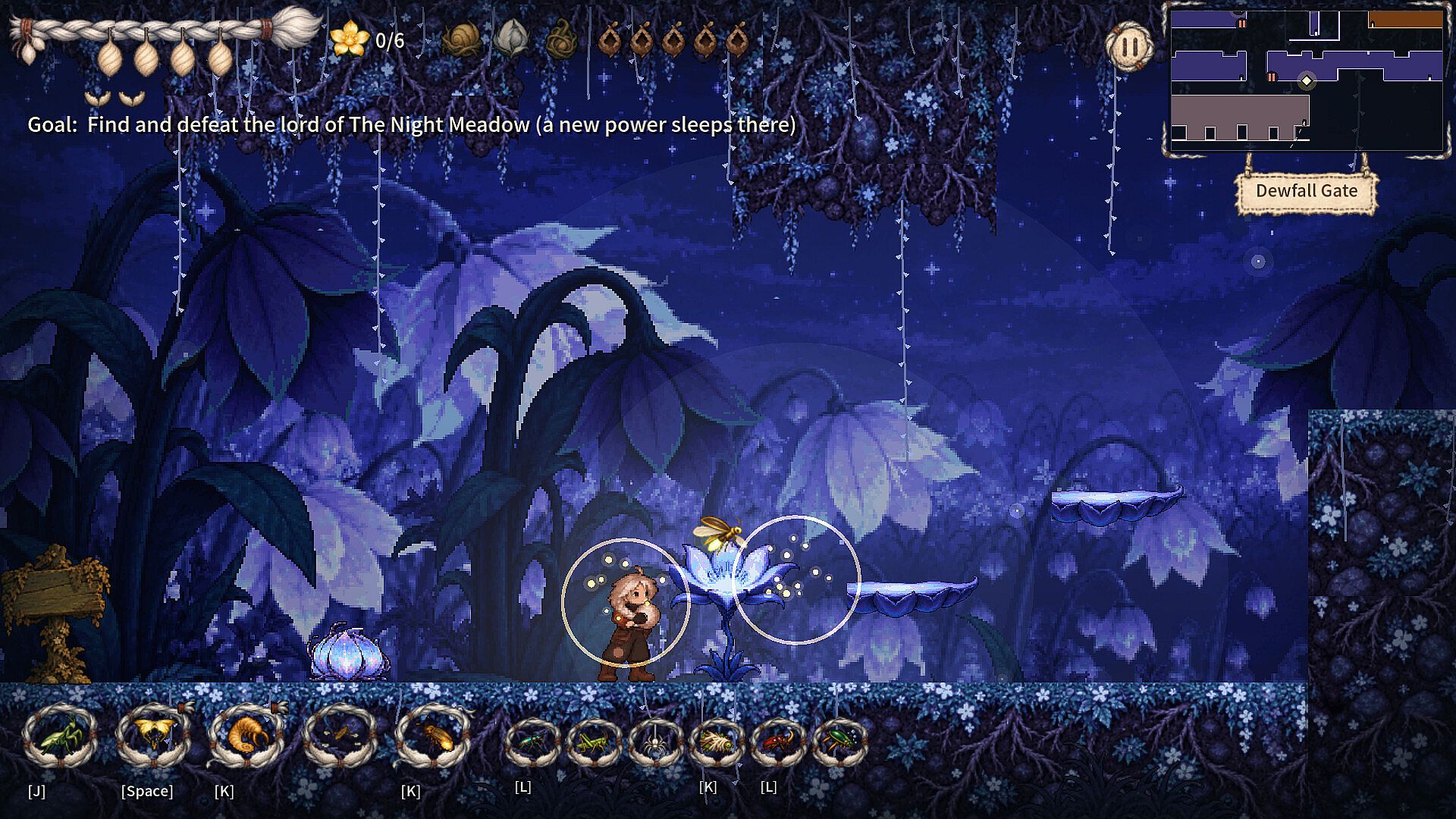
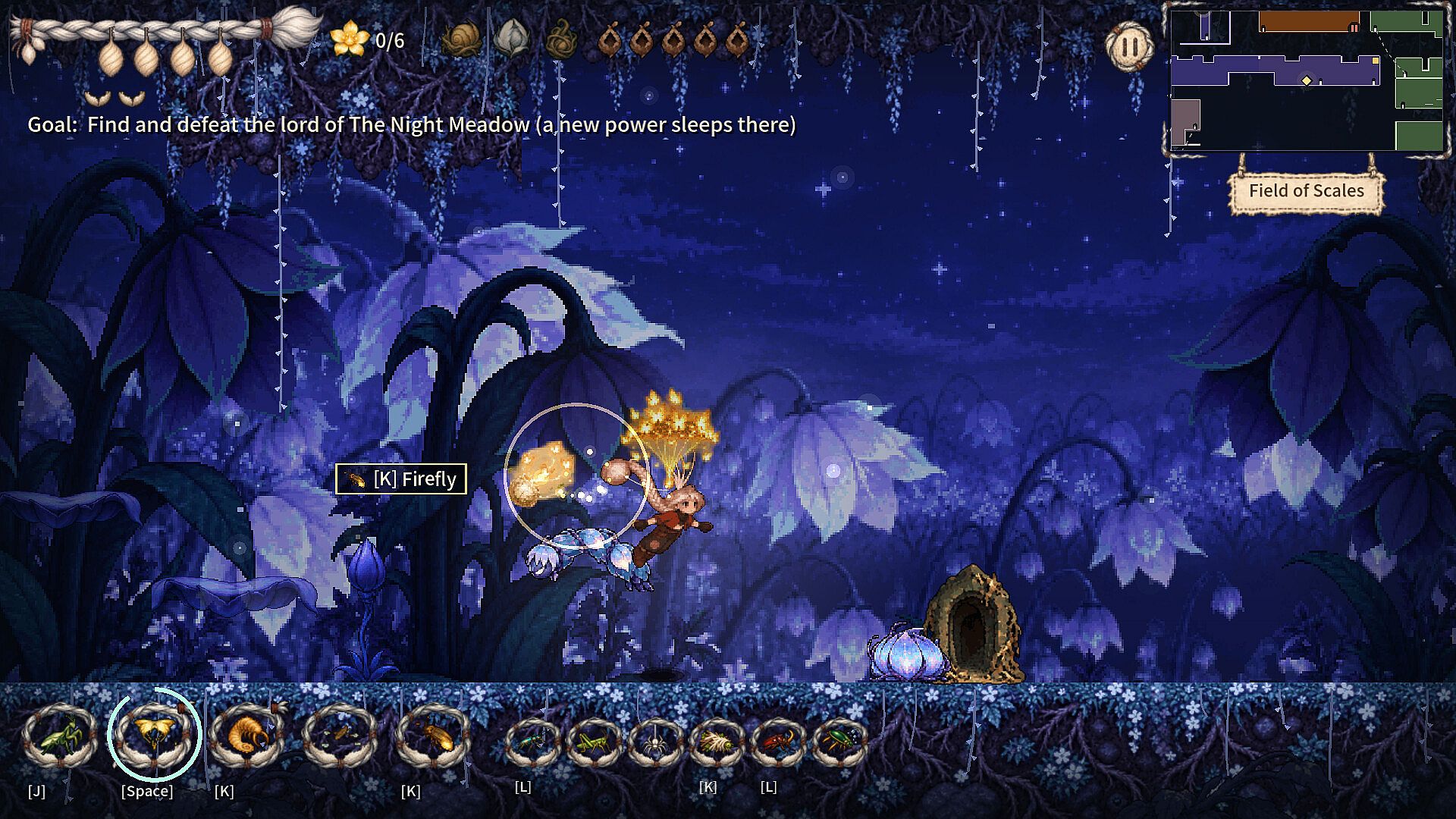
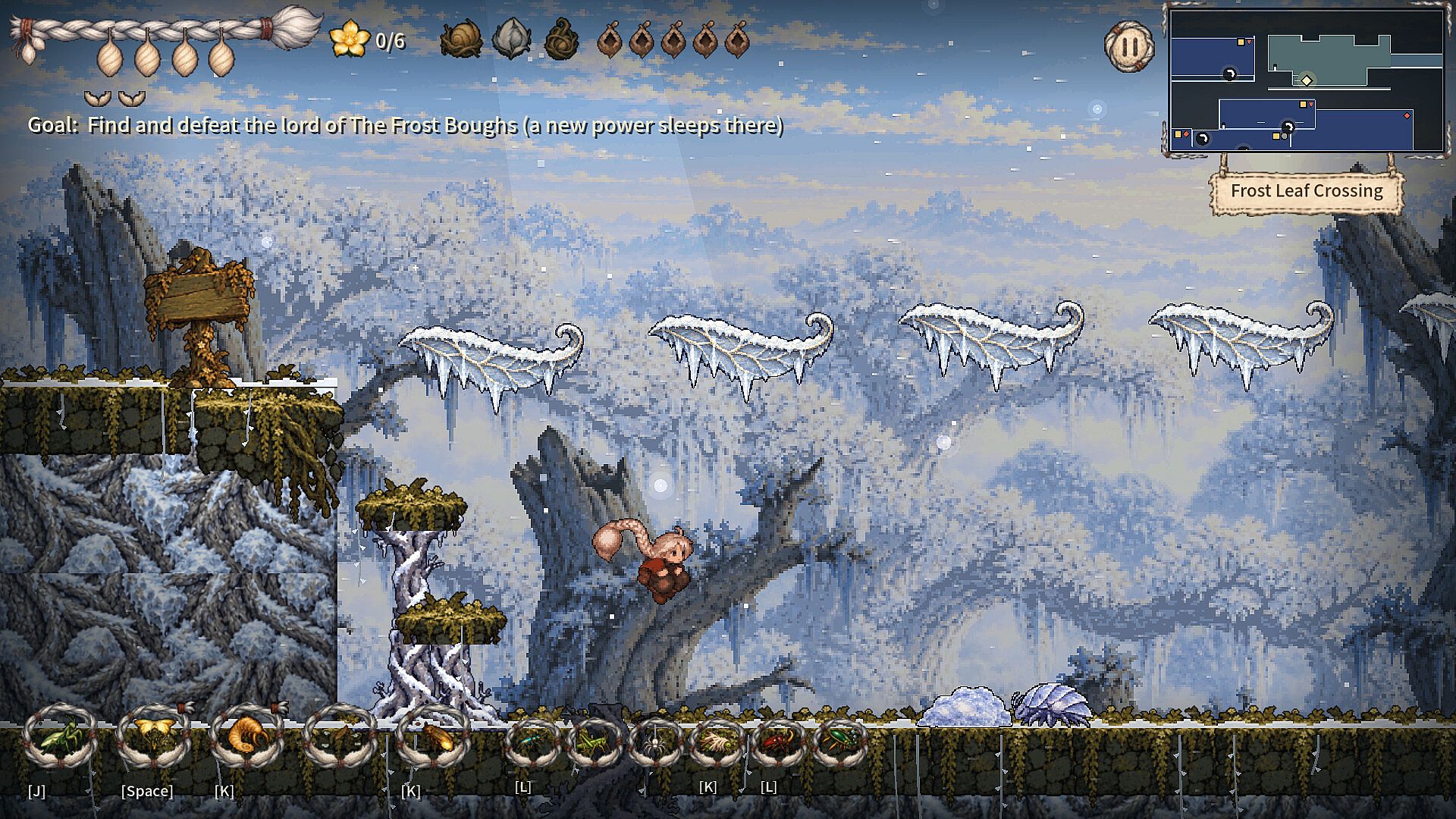
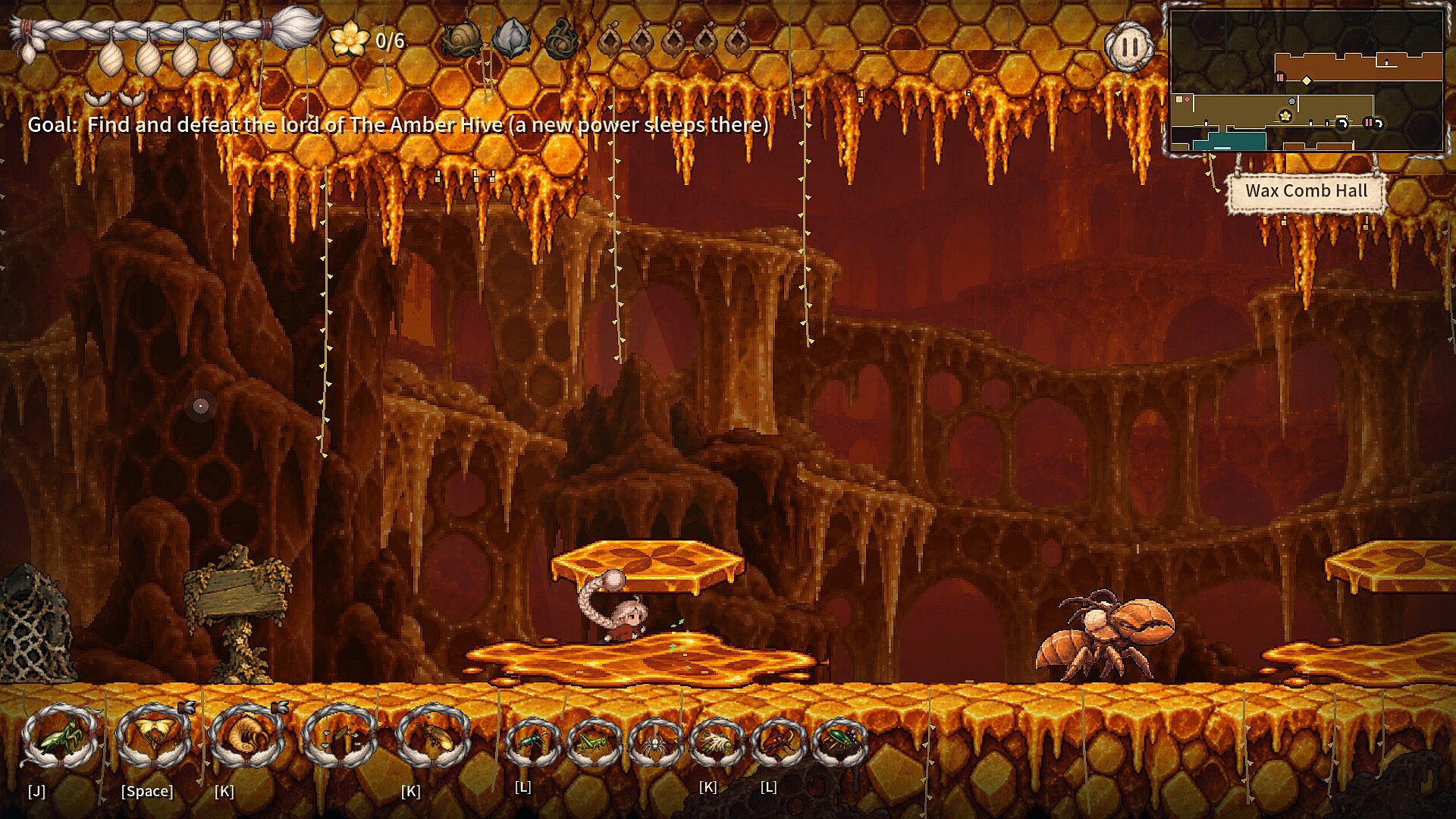
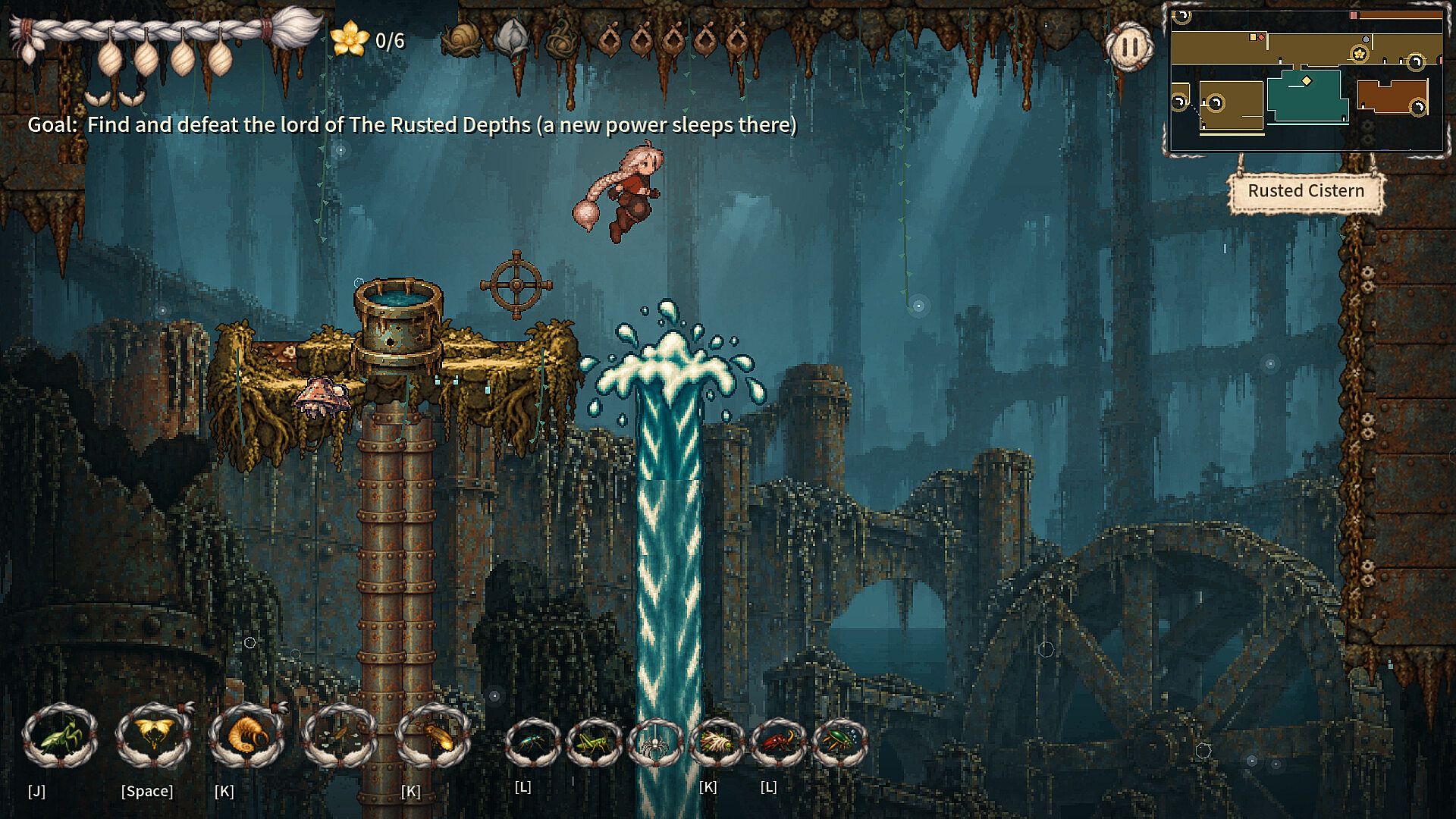
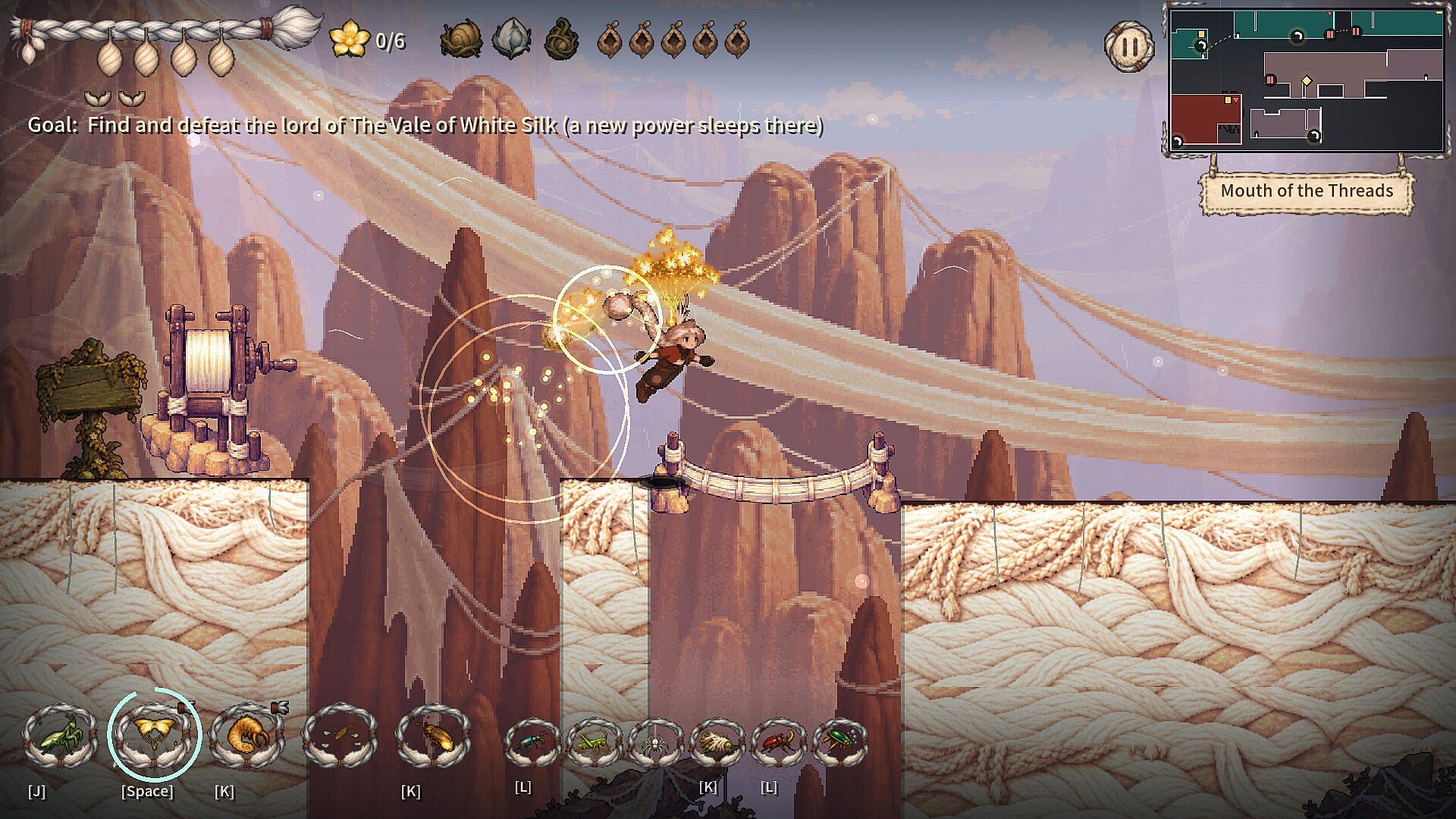
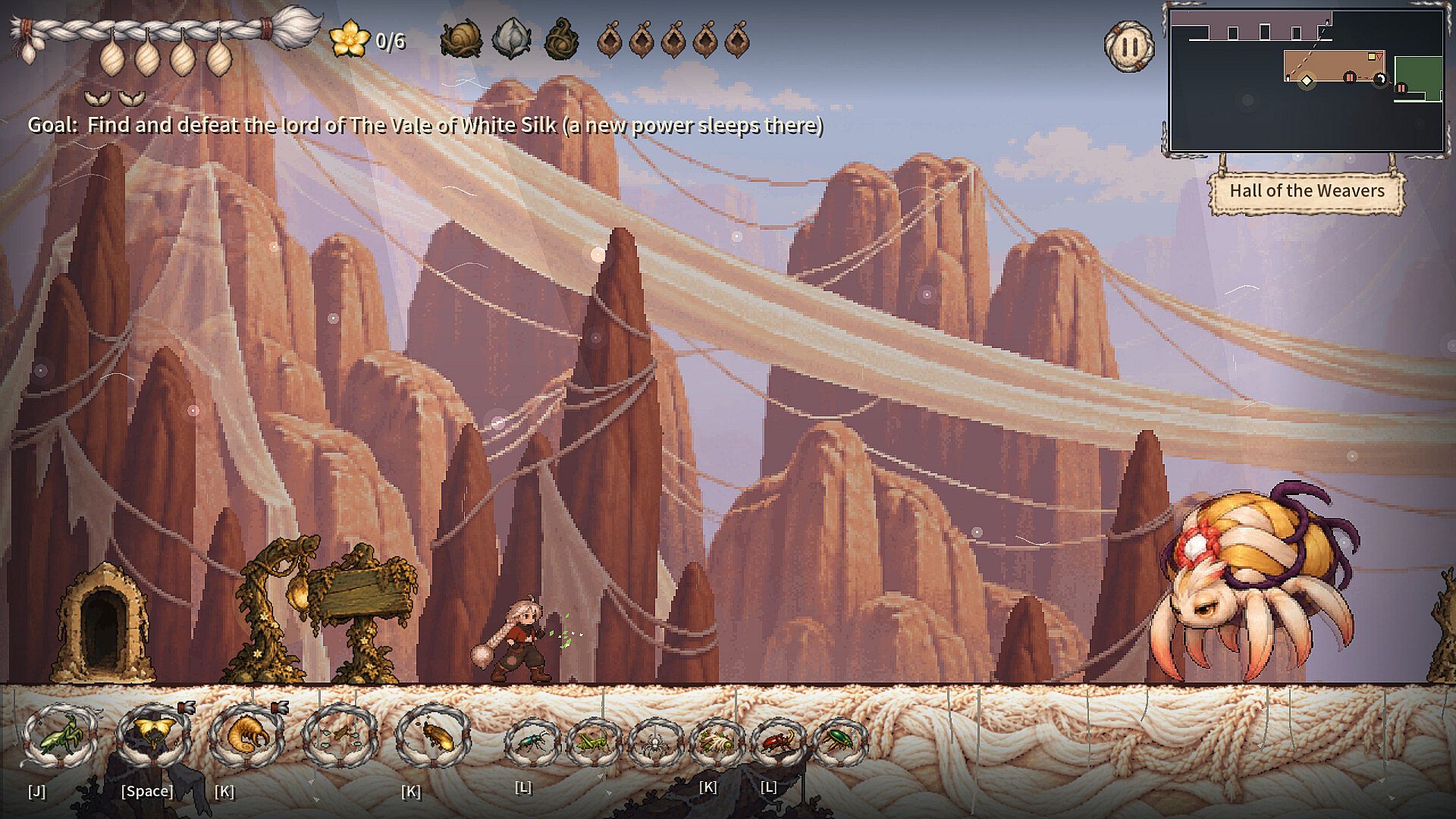
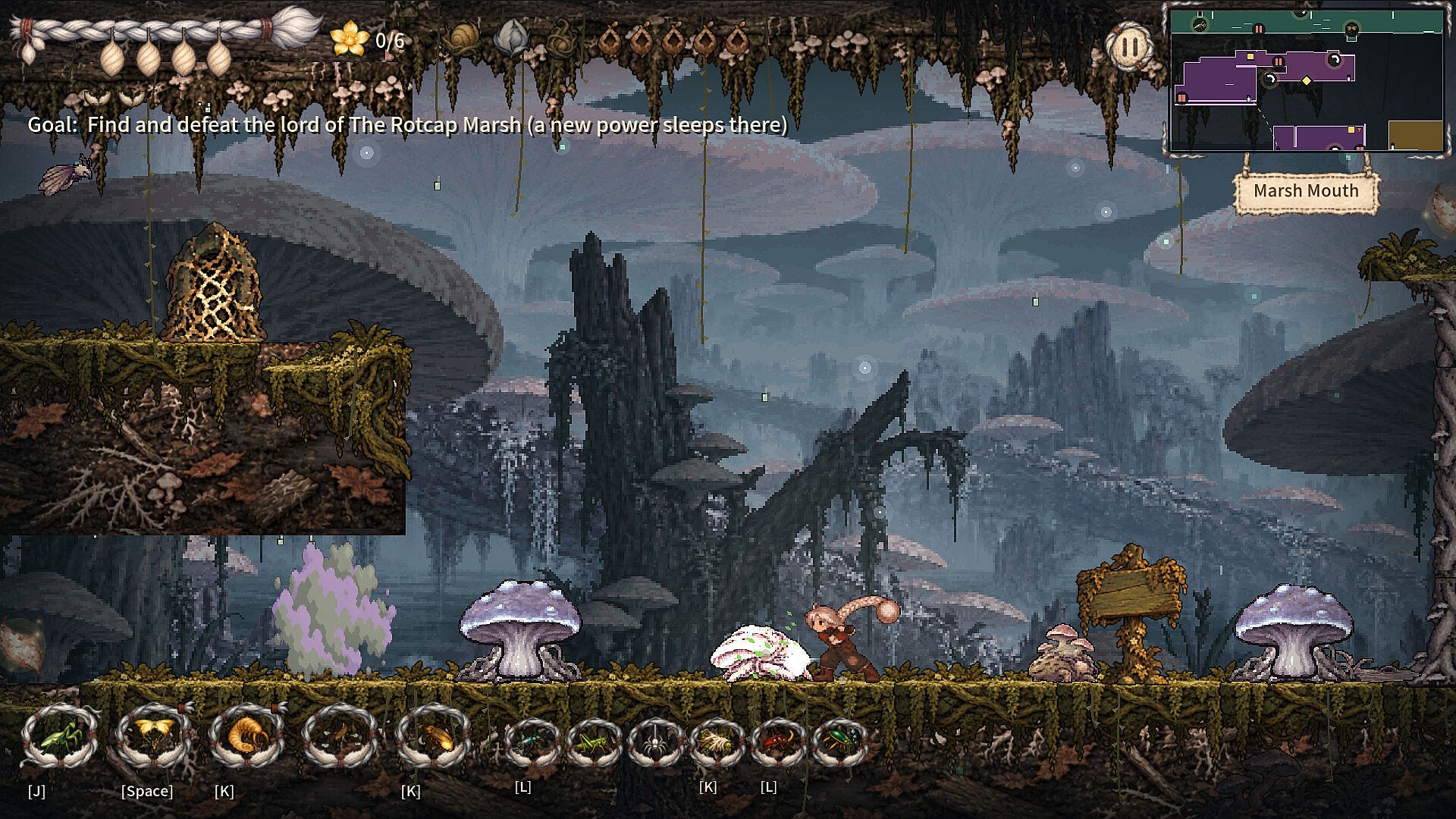
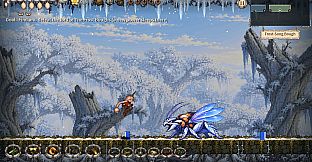
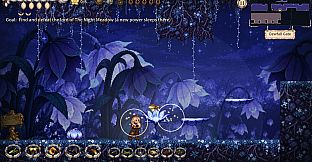
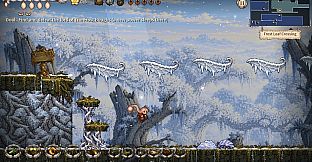
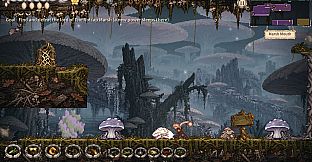
Nell and the Sleeping Forest is an action, indie, and adventure game built around exploration and creative problem solving in a single-player experience. The player controls Nell, a girl returning to a forest that has fallen into dormancy after its people sealed off the garden and wind paths to protect against sandstorms. Insects emerge from a cocoon at the end of her long braid, and these creatures become the key to reopening paths and reviving the cycle of life across linked regions.
Gameplay
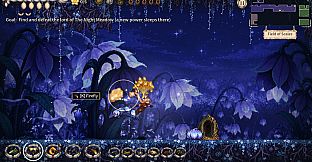
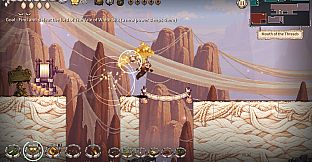
The core loop centers on using different insects to reshape how Nell moves through the environment and overcomes obstacles. A mantis delivers precise cuts to clear barriers. Butterflies allow gliding across gaps. An antlion can sink sand under boulders to create new routes. Fireflies reveal hidden roots in dark areas. Each new insect type redefines previously blocked sections, turning dead ends into traversable space without requiring the player to backtrack in frustration.
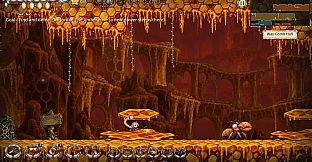
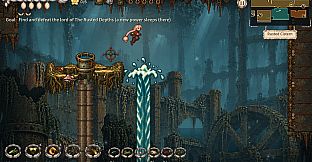
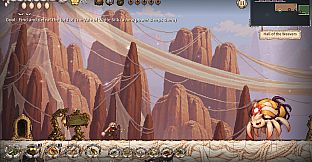
The world consists of distinct regions such as the Ruined Garden, Sand Channels, Root Glasshouse, Rotcap Marsh, Frost Boughs, Amber Hive, and Ringing-Stone Tower. These areas vary in visual style, terrain challenges, enemy types, and interactive mechanisms, yet remain connected through a network of shortcuts and optional side paths. Progress feels organic as discoveries in one zone often open indirect routes to others.
Back at the garden home, players plant cocoon shards to increase health capacity. Braid ties can be equipped to modify how the insects function, adding layers of customization to movement and interaction styles. Combat against bosses emphasizes observation: each powerful enemy has clear attack tells that signal safe windows for counterplay. Defeats provide information on missed opportunities, encouraging refined approaches on subsequent attempts. Root-built hulks serve as major guardians tied to regional lords, while smaller mid-bosses appear at the ends of side paths. The narrative avoids a conventional villain, focusing instead on Nell gradually reclaiming the forest as a shared living space with the insects rather than forcing a return to its former state.
Game Modes
The game offers a single-player campaign centered on exploration and incremental discovery. No separate multiplayer or competitive modes exist. Progression occurs through a connected world that rewards careful observation and repeated visits to previously inaccessible areas. Side paths and optional encounters provide additional depth without altering the main structure, allowing players to pace their own journey through the regions.
Exploration and Progression
Travel relies on the insects to reinterpret the landscape. What begins as an impassable sand channel or darkened root system gains new meaning once the right creature is available. The interconnected layout encourages players to test different routes and note how abilities interact with specific terrain features. Health upgrades from cocoon shards and insect modifications from braid ties support longer excursions into tougher zones. Boss encounters integrate into this flow, serving as skill checks that reward pattern recognition over raw power.
Is It Worth Playing?
Players who enjoy deliberate, ability-driven exploration in a compact indie package will find a strong match here. The emphasis on readable boss patterns and the way new insects continually refresh familiar spaces creates a satisfying sense of growth. The story presents a quiet, non-confrontational approach to restoration that suits those seeking thoughtful adventure rather than high-stakes conflict. Because the game focuses on single-player discovery without additional modes or live-service elements, it appeals most to those comfortable with self-paced progression through a hand-crafted world. Those drawn to insect-themed traversal mechanics and interconnected environments will likely appreciate the consistent focus on meaningful ability upgrades and environmental reinterpretation.











