




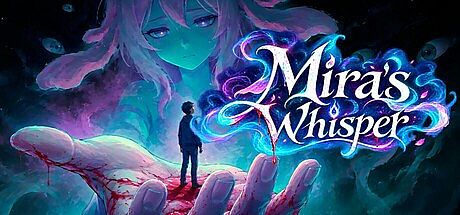


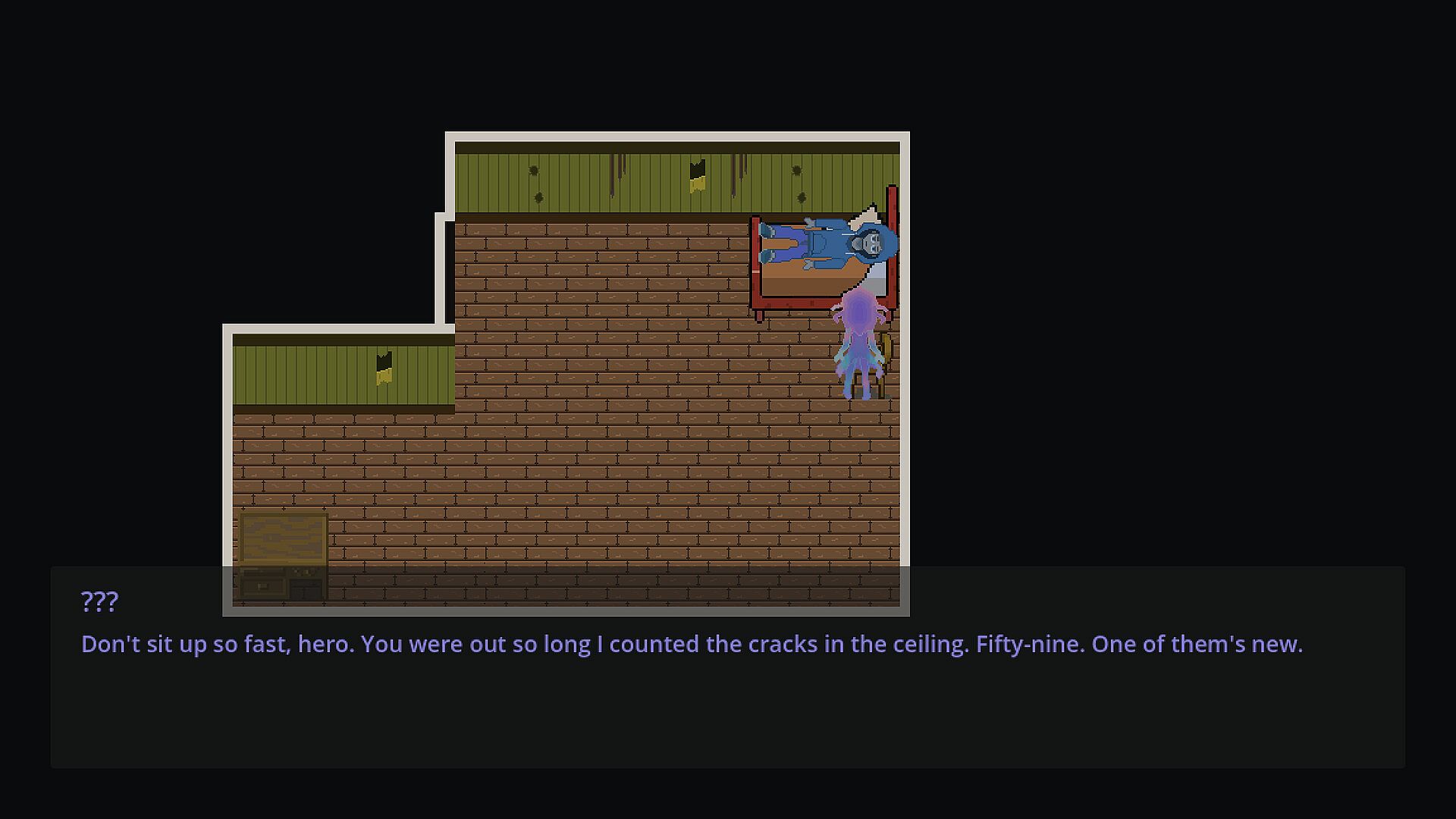
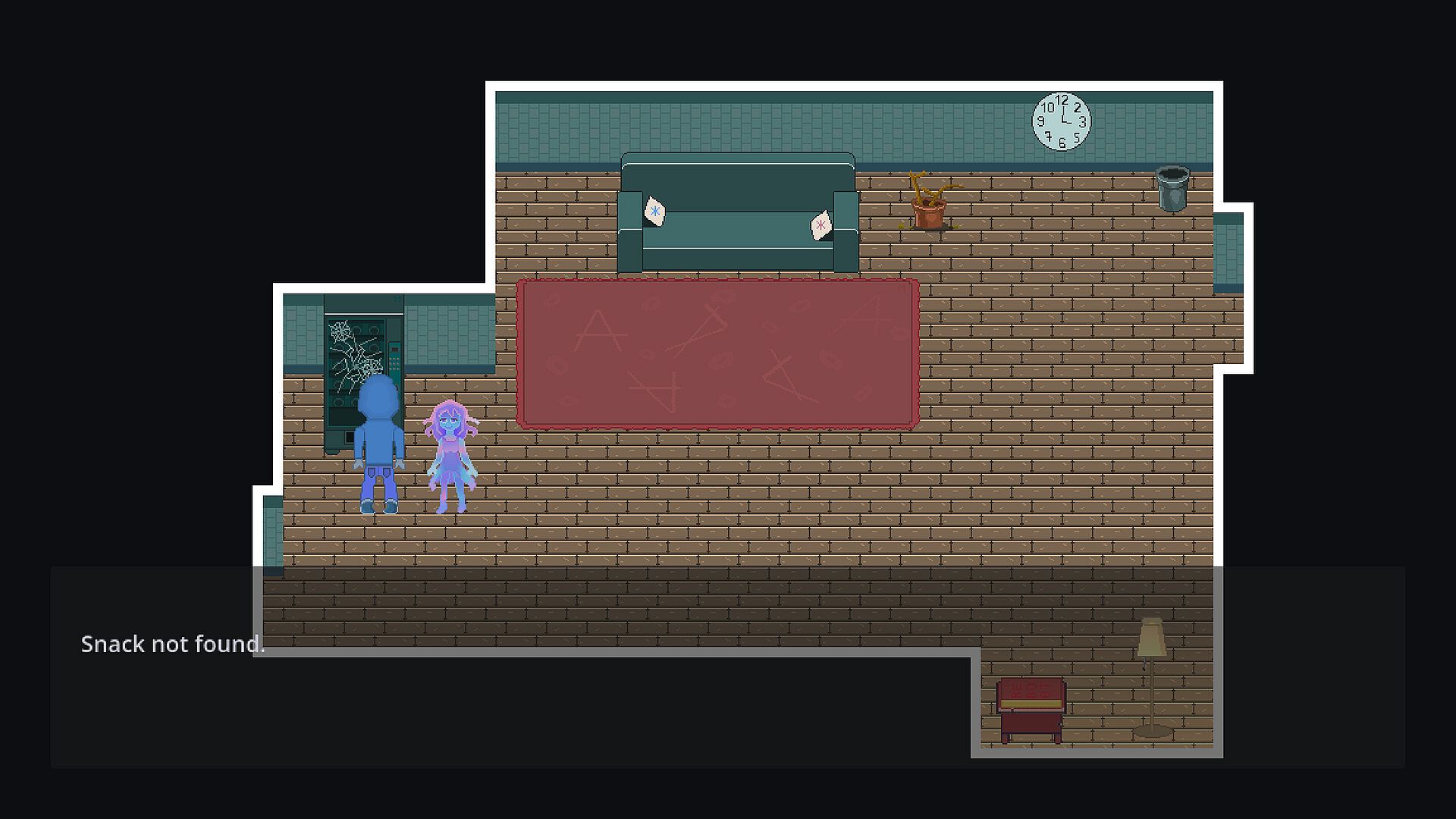
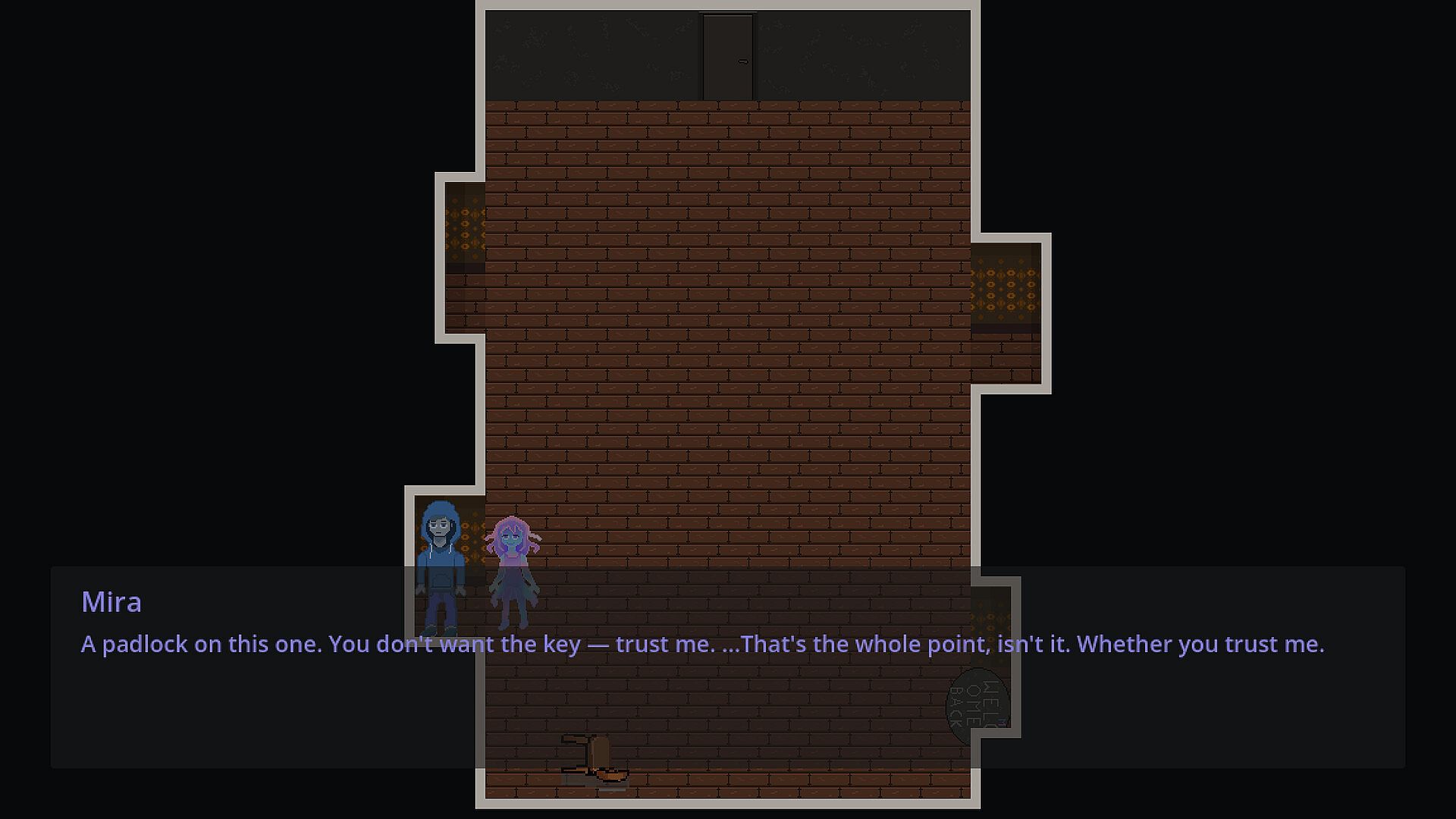
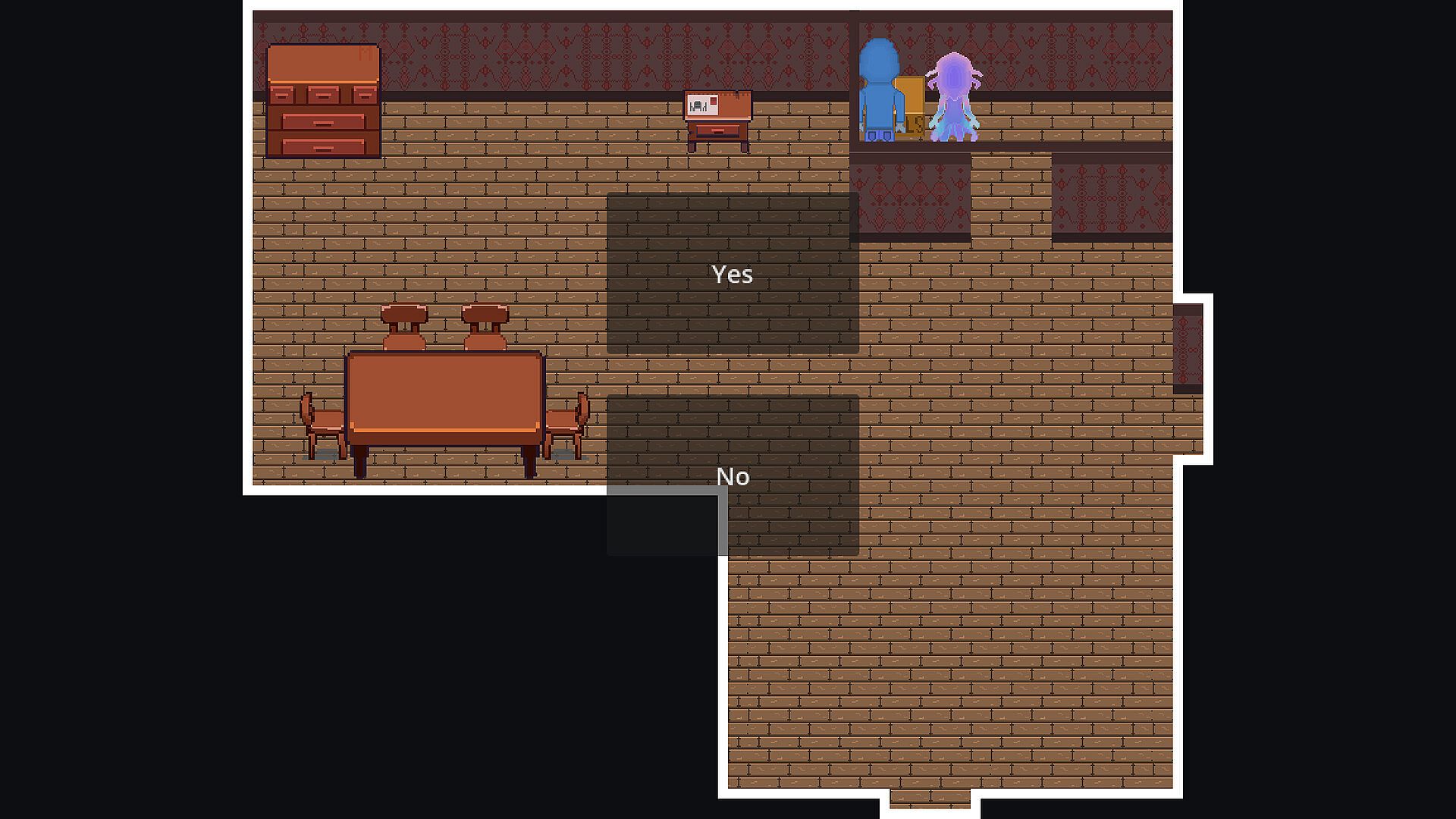
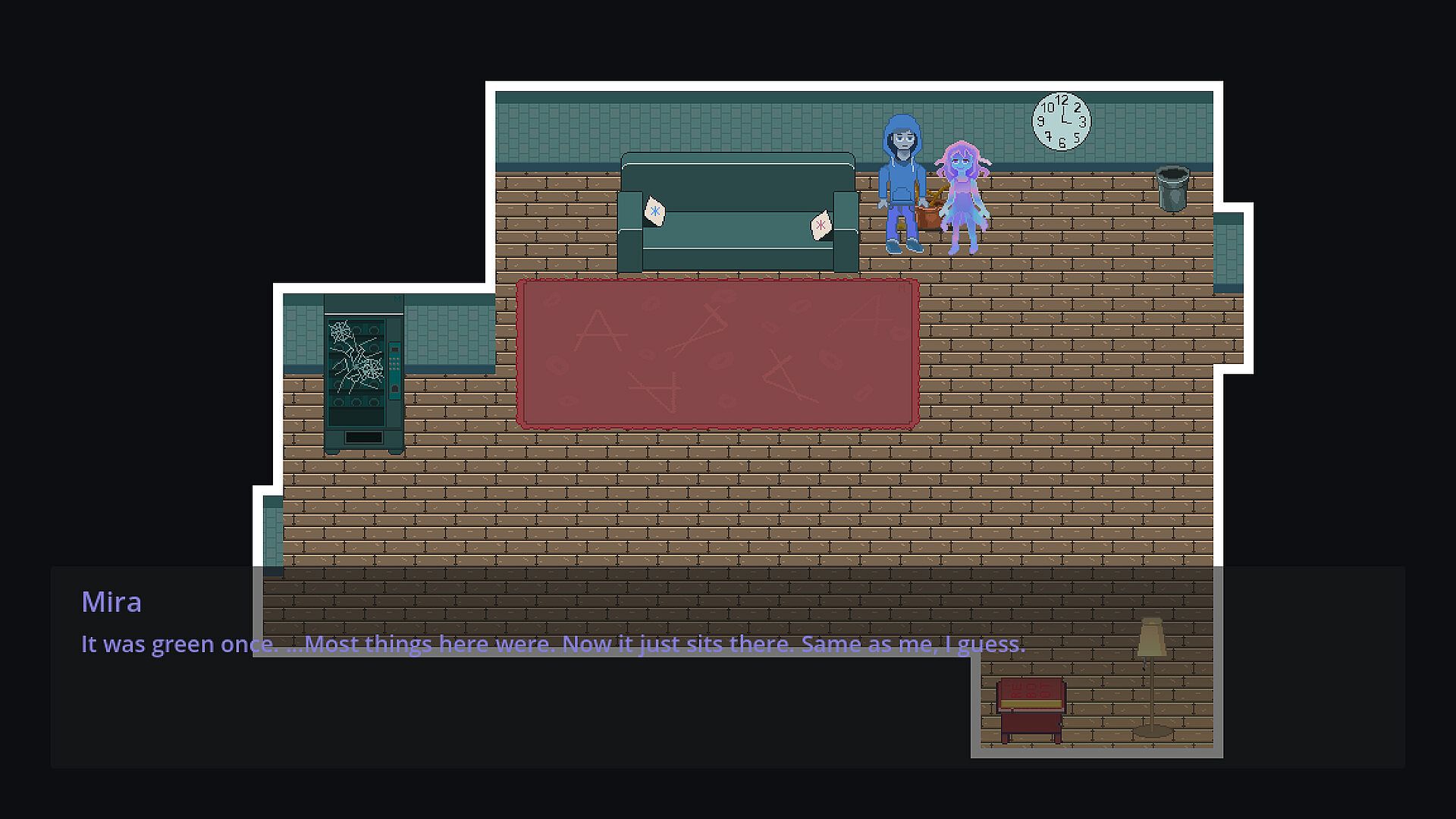
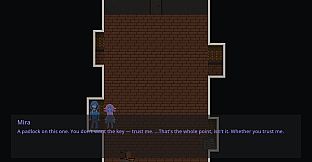
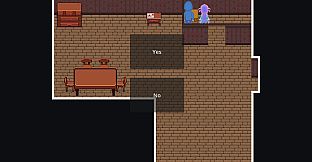
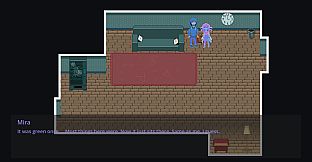
Mira's Whisper is a top-down psychological horror game that centers on themes of trust, memory, and personal revelation. Players step into a confined house setting where interactions with a ghostly companion named Mira drive the experience forward through dialogue choices and environmental exploration. The game blends adventure elements with casual puzzle solving in a pixel-art style that emphasizes atmosphere over sudden shocks.
Gameplay
The core loop involves moving through a hand-drawn house viewed from above, inspecting objects and memory fragments scattered throughout the rooms. Environmental puzzles draw directly from the protagonist's forgotten past, requiring players to piece together clues to progress. Branching dialogue with Mira forms a central system where responses influence a trust level that alters lighting, sound design, and the companion's behavior in real time. Higher trust keeps the environment more inviting while allowing certain details to remain hidden, whereas lower trust reveals harsher elements and shifts visual cues such as reflections in mirrors. This trust value accumulates across the entire playthrough and determines which of several endings players reach based on how much of Mira's account and their own history they accept.
Game Modes
Mira's Whisper operates as a single-player experience with no multiplayer components or separate modes. The narrative unfolds in one continuous campaign where every choice builds toward personalized outcomes. Exploration remains open within the house layout, allowing players to revisit areas and examine items at their own pace while the trust mechanic ensures that repeated playthroughs can surface different interpretations of the same events.
Story and Atmosphere
The story unfolds through Mira's guidance and the house's responsive environment. Players begin with no recollection of their shared history and gradually uncover layers of events that may represent protection, deception, or self-deception. Pixel-art visuals and subtle audio shifts reinforce the psychological tone, creating a slow-burn tension that rewards careful observation of Mira's reactions and the changing state of each room. The design draws players into questions about reliability and buried truths without relying on external threats or combat.
Who It's For
This title suits players who enjoy story-driven adventures focused on dialogue and deduction rather than action or fast pacing. Those drawn to intimate, choice-heavy narratives in indie horror will find the trust system provides meaningful replay value through altered perspectives on the same memories. The casual accessibility of the puzzles combined with the adventure structure makes it approachable for fans of reflective experiences that prioritize emotional weight and multiple conclusions.
Is It Worth Playing?
With the game still listed as coming soon and no player reviews available yet, its value rests on the described mechanics of trust-driven changes and memory-based puzzles. The single-player format and emphasis on quiet, personal horror position it for those seeking a contained narrative experience similar in tone to other slow-burn indie titles. Wishlisting allows notification for the demo release, after which direct play will clarify whether the trust system delivers on its promise of shifting realities and endings. The pixel-art presentation and reactive companion offer a focused alternative to more intense horror formats.











