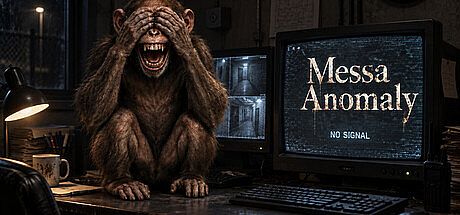


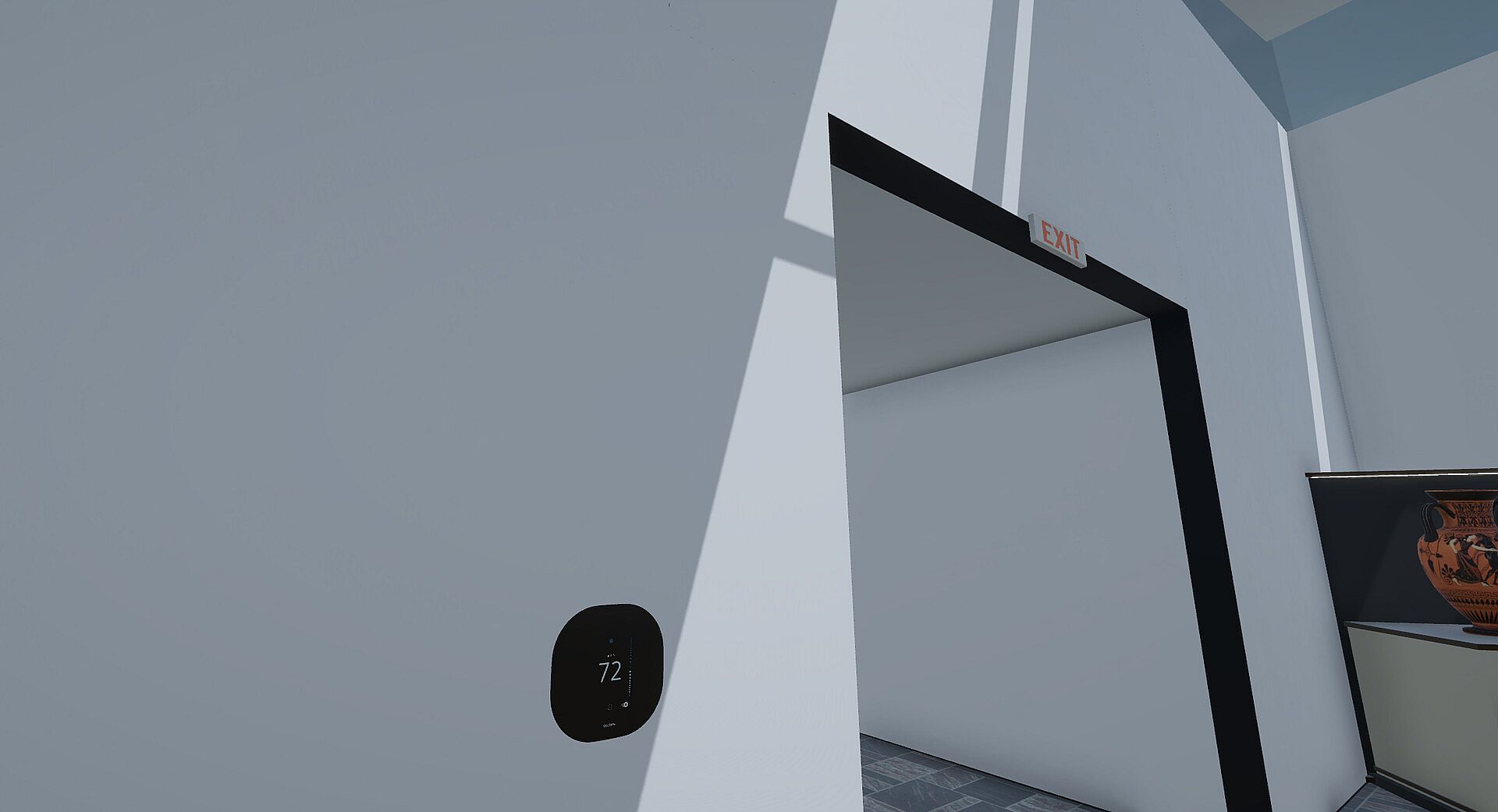
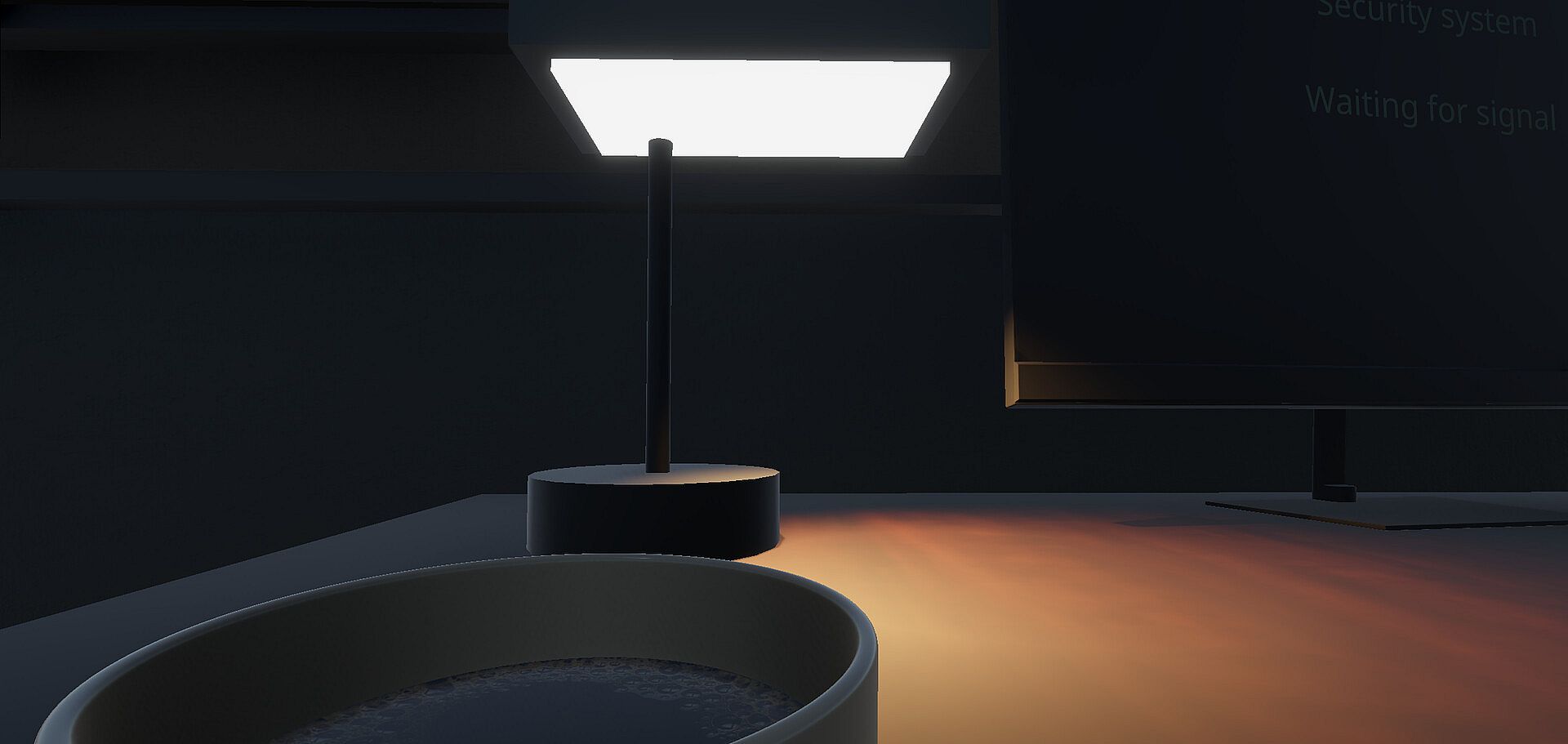
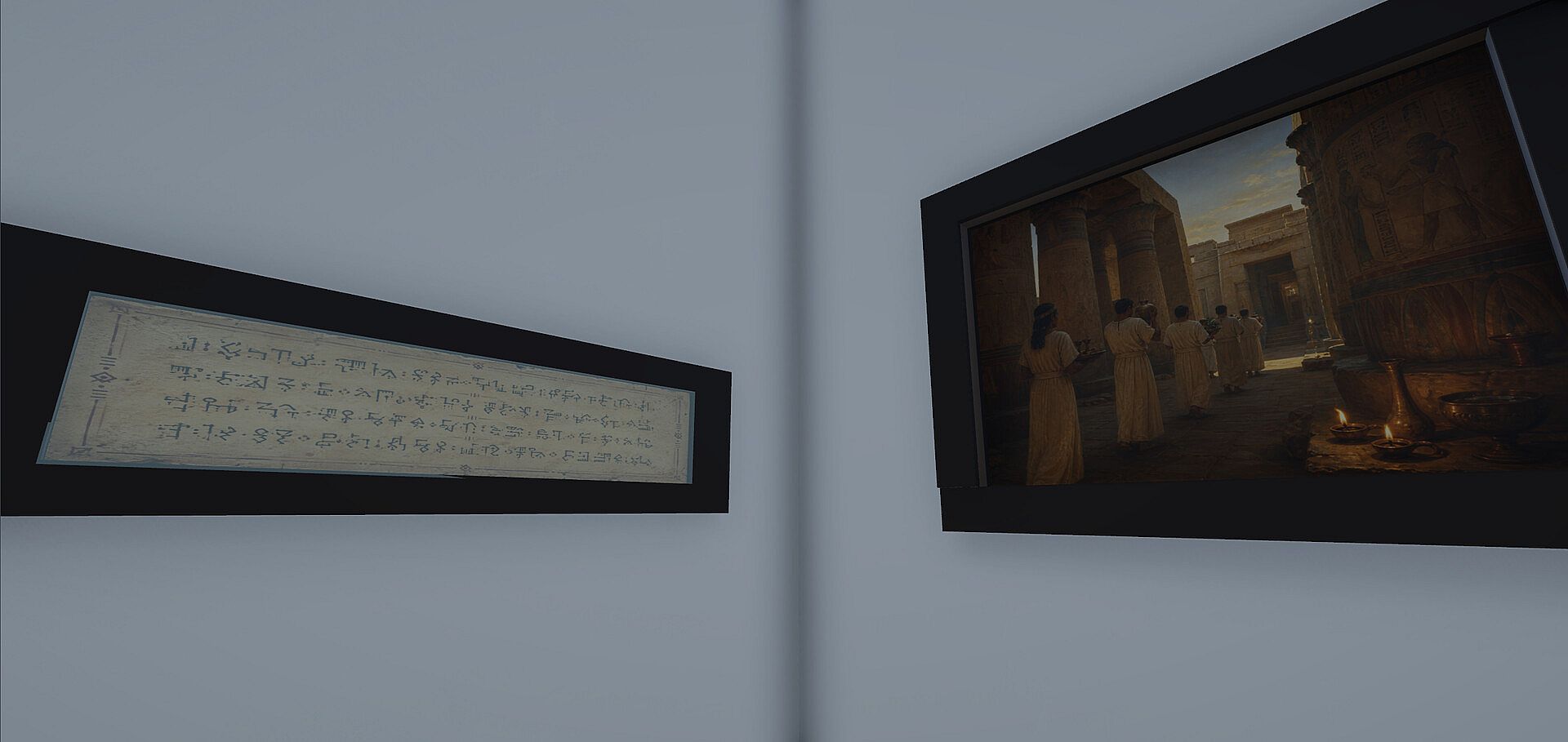
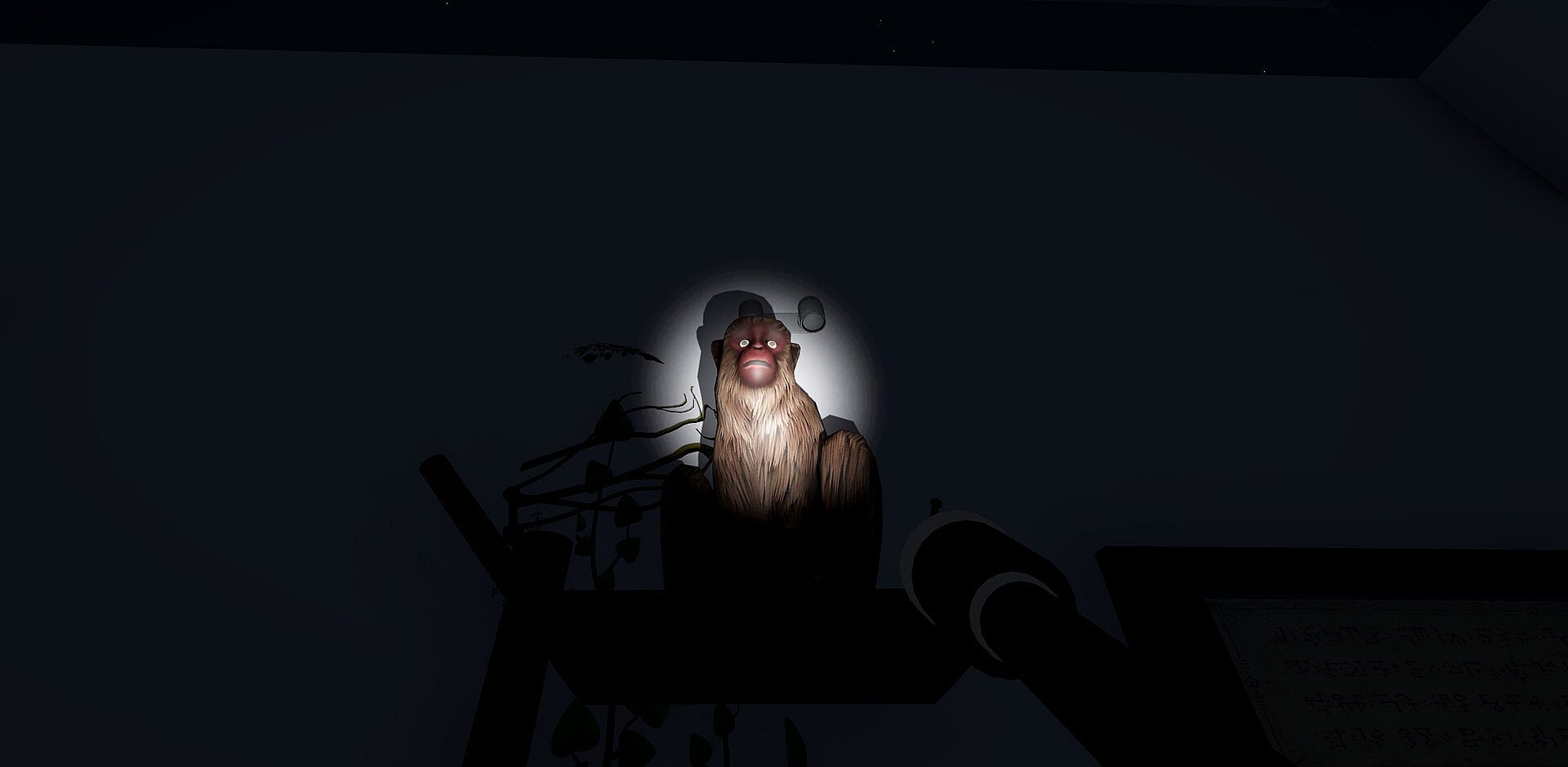
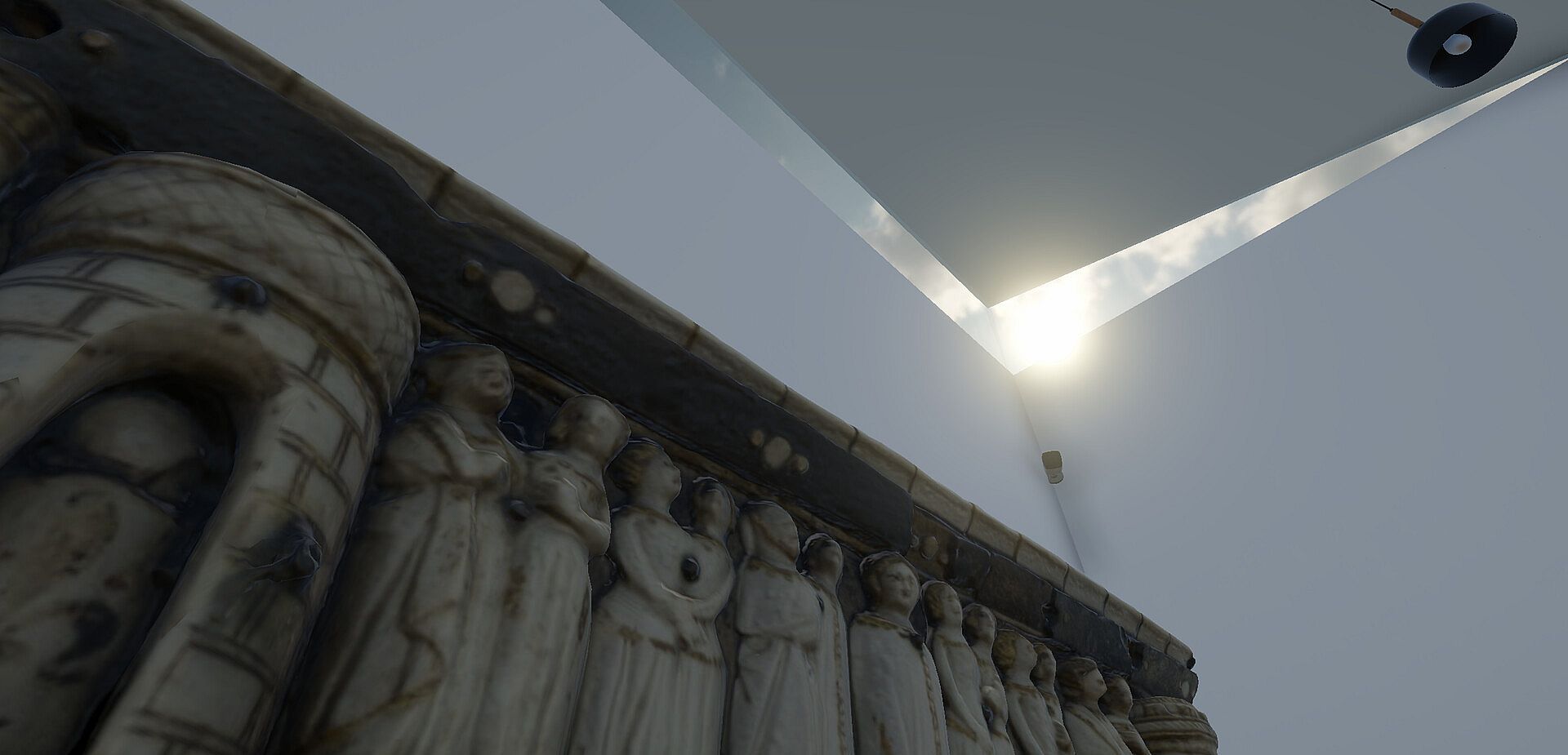
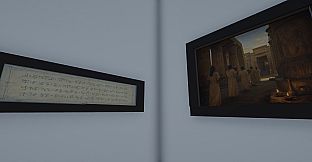
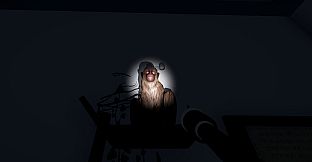
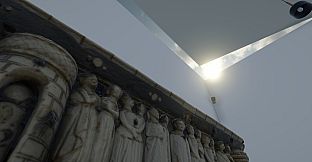
Messa Anomaly is a first-person psychological horror game built around observation, memory, and the fear of subtle changes in familiar spaces. Set on PC as an indie simulation adventure title, the experience places players in a museum during an endless night shift. Corridors repeat, exhibits shift without warning, and the only way forward involves careful attention to detail rather than action or combat.
Gameplay
The core loop centers on walking through museum corridors while studying exhibits and environmental details. Players examine patterns in the displays, lighting, and layout to identify when something has altered from the previous pass. Anomalies appear as displaced objects, broken visual patterns, unexpected sounds, or figures positioned where they do not belong. Memory serves as the primary tool, requiring players to recall the exact state of each area from earlier loops.
Progress depends on accurate decisions about whether a corridor remains unchanged or contains an anomaly. Correct identification advances the player toward an exit, while errors reset progress deeper into the museum. Random events ensure each attempt presents new variations, keeping the observation process unpredictable. Atmospheric lighting and sound design reinforce the sense of isolation in the empty museum halls, with no combat mechanics to interrupt the focus on perception.
Every playthrough emphasizes attention to small inconsistencies. The absence of traditional enemies or weapons means survival hinges entirely on noticing and responding to these shifts before they compound into deeper entrapment.
Game Modes
The game operates as a single-player experience with no separate multiplayer or competitive modes. The central structure revolves around repeated traversals of the museum corridors, where each loop builds on the last through the accumulation of observed changes. Players manage their path by choosing to continue or backtrack based on detected anomalies, creating a progression system driven by personal judgment rather than external objectives or timers.
Randomized elements within the loops introduce variety without altering the fundamental rules. The focus remains on solitary exploration and decision-making, with the museum itself serving as the sole environment across all attempts. This unified approach keeps the emphasis on memory retention and pattern recognition rather than switching between distinct rule sets.
Atmosphere and Setting
The museum environment provides a contained yet shifting backdrop that supports the psychological tension. Exhibits range from standard displays to increasingly unsettling arrangements as anomalies accumulate. Sound cues and visual distortions heighten the unease without relying on jump scares or direct threats. The looping corridors create a sense of disorientation that mirrors the theme of unreliable perception.
Details such as object placement, lighting consistency, and auditory elements form the basis for detection. The setting avoids expansive worlds in favor of intimate, repeatable spaces that reward repeated scrutiny. This design choice aligns with the simulation and adventure genres by turning routine observation into the central activity.
Is It Worth Playing?
Messa Anomaly suits players who enjoy deliberate, observation-driven horror without combat or resource management. The mechanics reward patience and recall, making it a fit for those interested in psychological experiences centered on memory and subtle environmental storytelling. As a single-player title on PC, it offers focused sessions where attention to detail determines outcomes.
Since the game remains in development with a planned release, its current state consists of the core anomaly-hunting loop described in official materials. Fans of similar indie horror titles that prioritize perception over action may find the approach engaging once available. The lack of combat and emphasis on random variations support replayability through different anomaly placements each time.
Those seeking fast-paced action or multiplayer elements should look elsewhere, while players drawn to atmospheric single-player adventures built on careful examination will find the described systems a direct match for that preference. The title stands as an independent experience without reliance on established franchises or additional content layers.