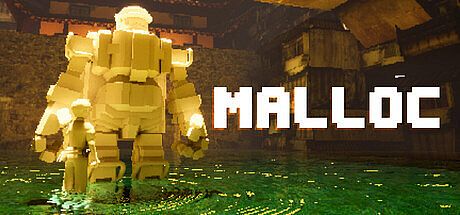


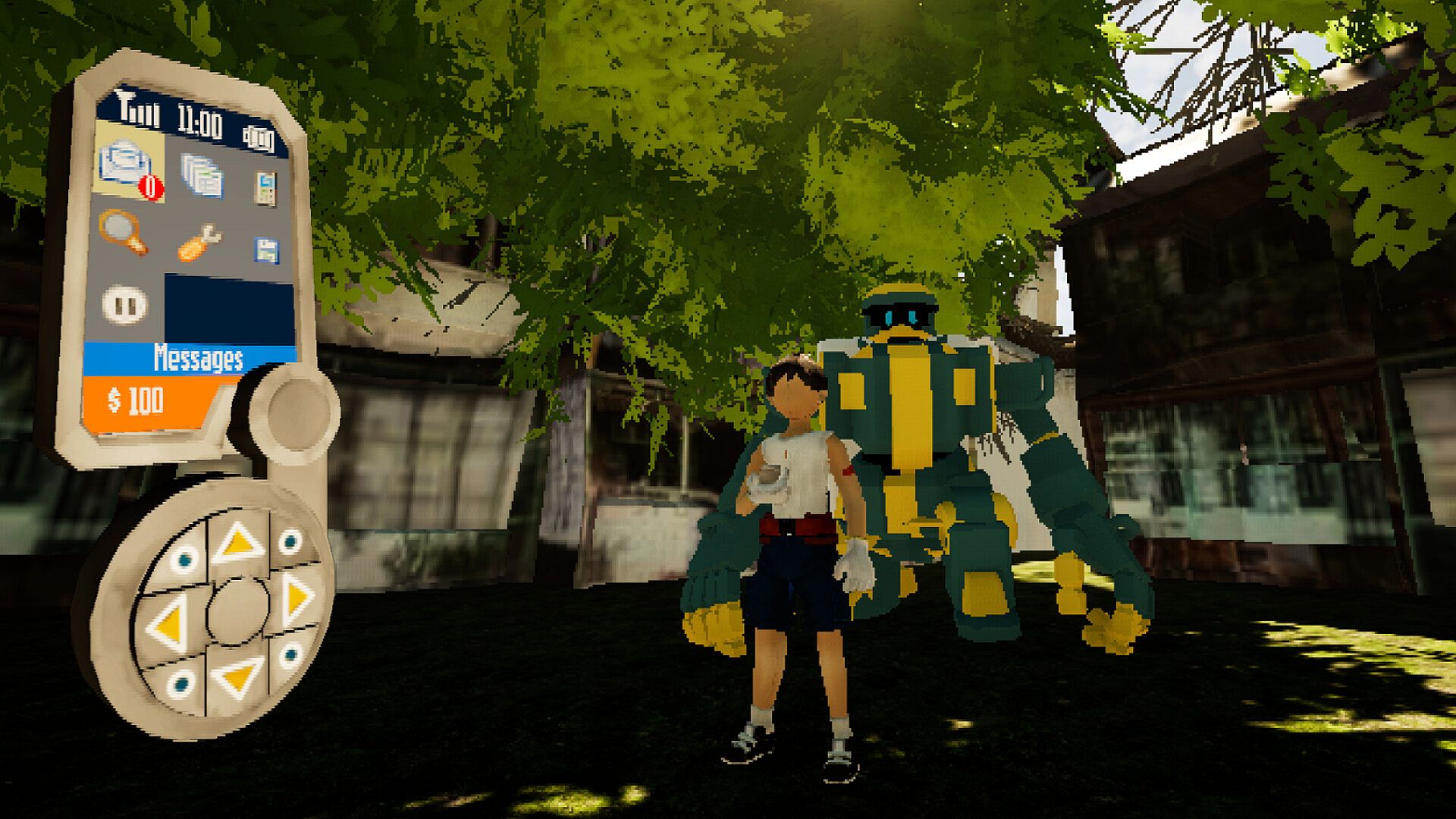
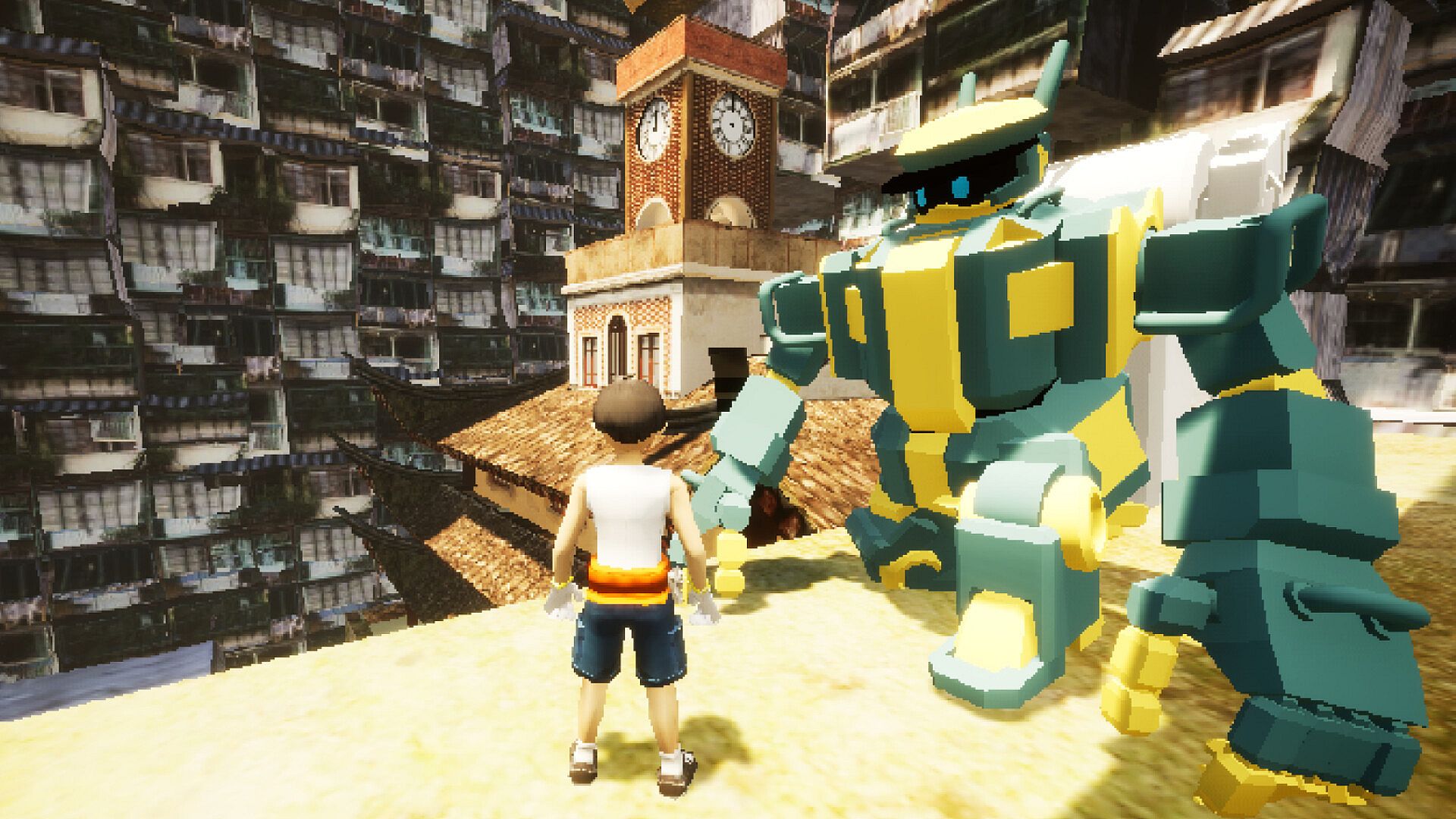
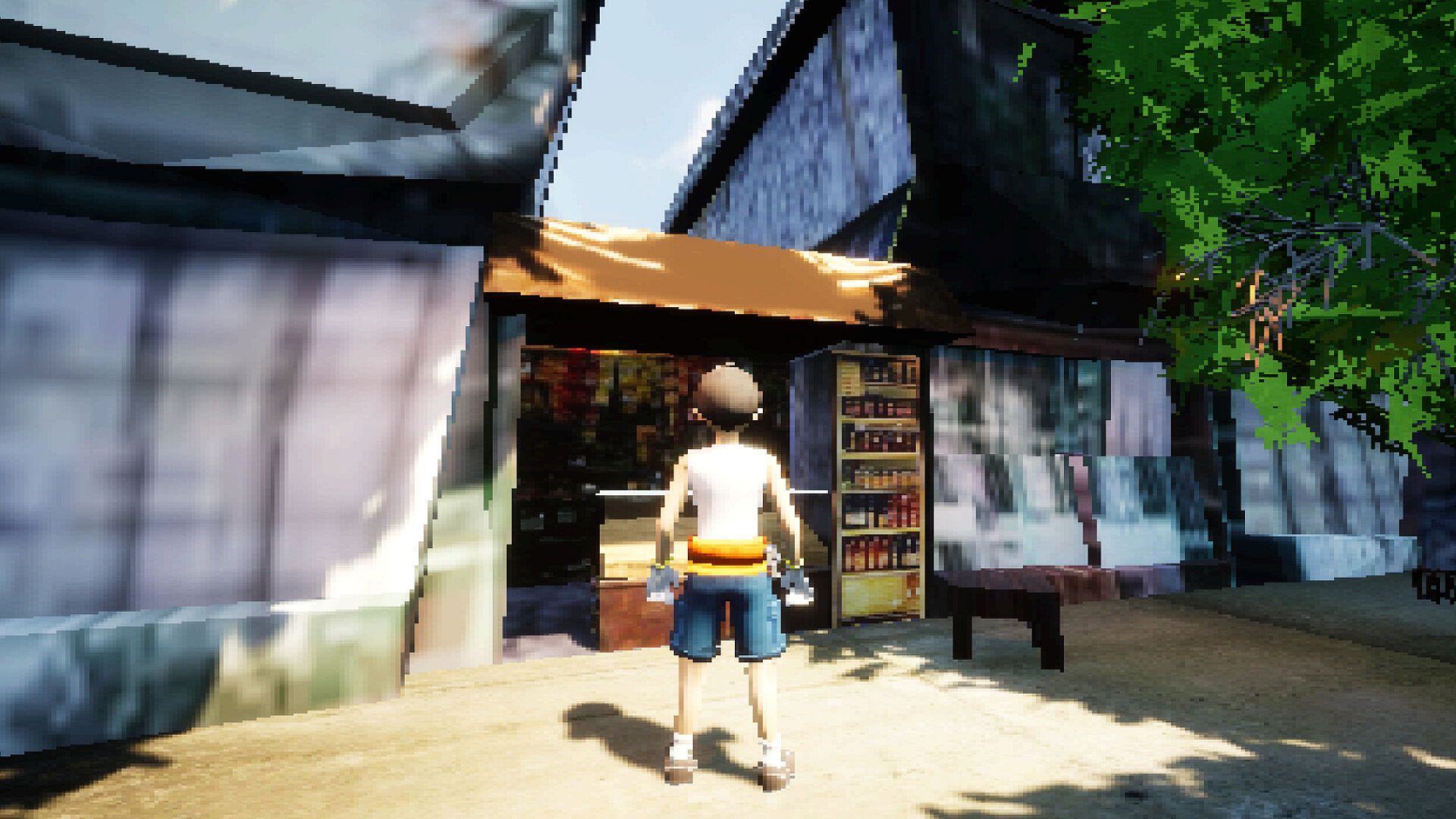
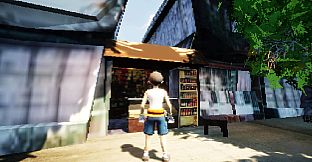
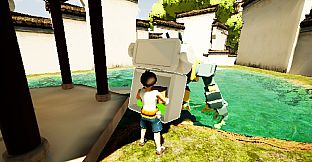
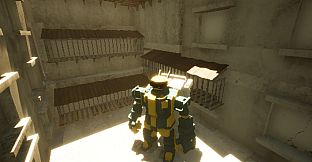
Malloc is an indie casual adventure game built around quiet exploration and gentle restoration in a compact, nostalgic setting. Players step into a maze-like city inspired by Y2K-era Chinese urban design, where every street and alley holds small details that reward careful observation. The experience unfolds over a short afternoon, blending on-foot wandering with occasional time spent inside a utility mech equipped for practical tasks.
Gameplay
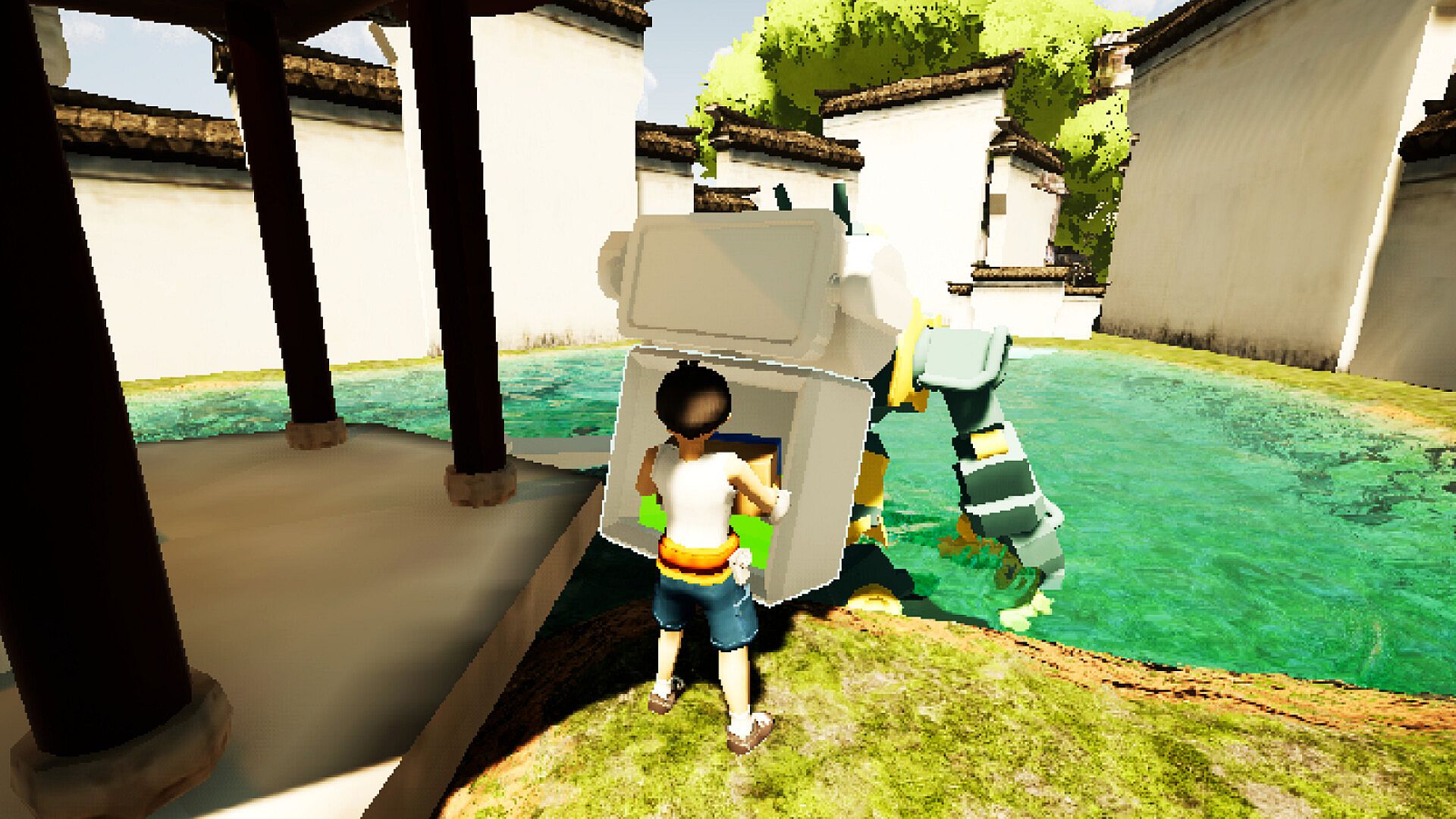
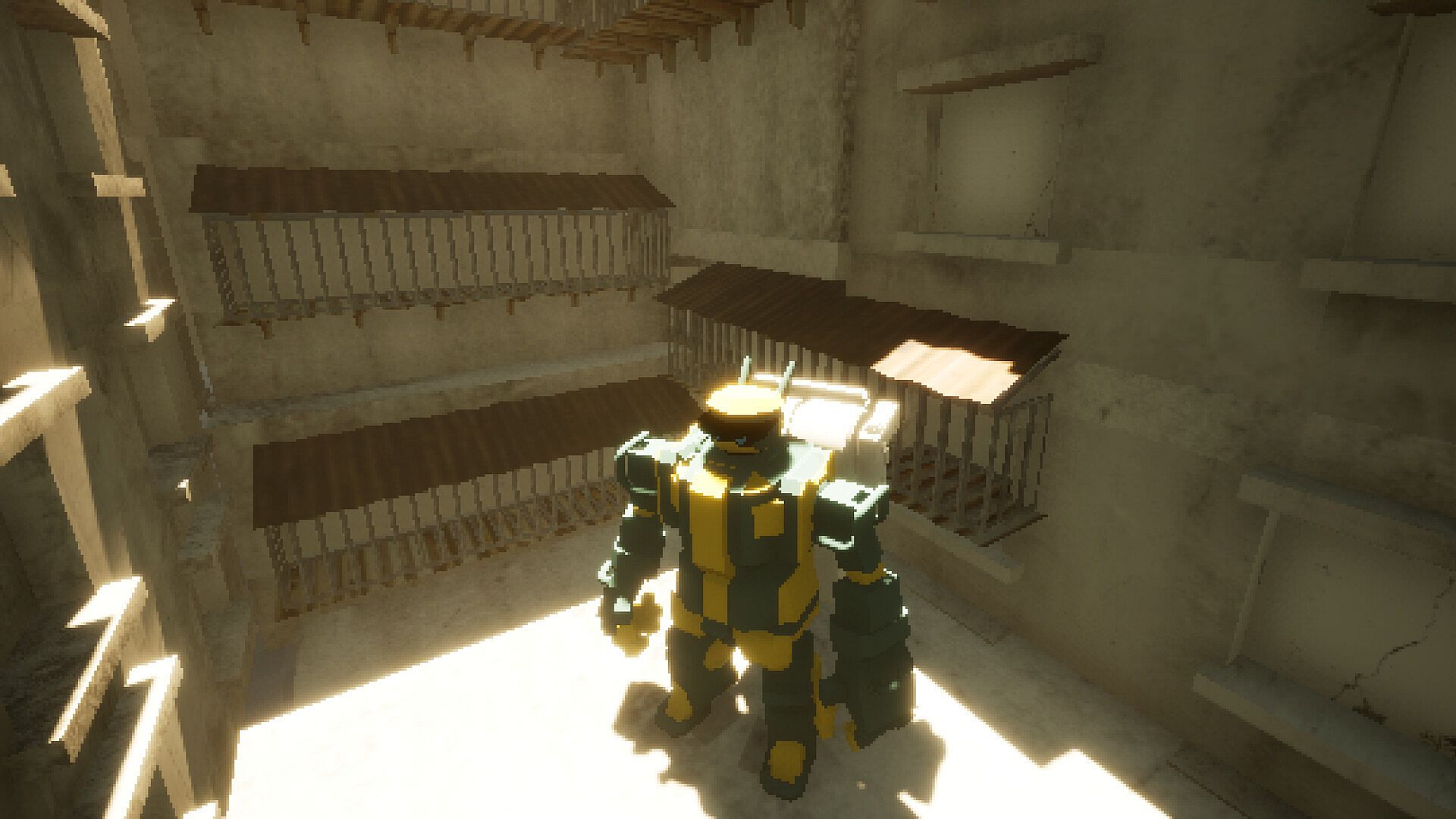
The core loop centers on moving through the dioramic city at a relaxed pace. Streets wind in unexpected patterns, revealing hidden corners and layered environments that feel lived-in yet abandoned. On foot, movement stays simple and direct, letting players linger over architectural details or peer into overlooked spaces. Switching to the utility mech changes the scale and adds new tools for reaching elevated areas or clearing minor obstacles.
Repair work forms a steady rhythm. Players identify damaged infrastructure, apply the mech's tools to fix it, and watch the surrounding area respond with subtle signs of renewal. Lights flicker back on, pathways clear, and ambient activity increases. These moments tie directly into the game's focus on incremental change rather than dramatic set pieces.
Interactions with remaining residents add personal touches. Each encounter stays brief and observational, centered on small favors that align with the restoration theme. The overall pace stays unhurried, encouraging players to revisit sections after repairs to notice how the city shifts.
Game Modes
Malloc presents a single, cohesive single-player experience without separate competitive or multiplayer modes. The entire session flows as one continuous exploration and restoration journey. Progress builds through the act of traversing streets, operating the mech, and completing repairs in sequence. There are no branching campaigns, challenge variants, or online components to switch between.
This structure keeps the focus narrow and intentional. Players move from one district to the next, using both walking and mech piloting as needed to access new areas and complete tasks. The absence of additional modes reinforces the game's identity as a short, self-contained atmospheric piece rather than a title with replay systems or varied play styles.
Setting and Atmosphere
The city draws from specific Y2K Chinese urban references, resulting in a visual style that mixes concrete blocks, neon remnants, and everyday signage. Interiors and exteriors feel like miniature dioramas, with tight framing that highlights texture and layout over vast scale. Light and shadow play across surfaces, while distant sounds and small environmental changes help sell the sense of a place slowly waking up.
Seasonal cues point to a warm summer afternoon, with soft lighting and open skies that contrast the maze-like streets below. The nostalgic tone comes through in architectural details and the quiet presence of leftover human traces, all without overt exposition. This backdrop supports the casual pace and keeps attention on the act of moving through and tending to the environment.
Is It Worth Playing?
Malloc suits players who enjoy short, focused indie adventures centered on exploration and light interaction. Its compact length fits easily into a single sitting, making it accessible for those seeking a low-pressure experience rather than extended campaigns. The combination of foot travel, mech piloting, and visible city restoration creates a satisfying loop for anyone drawn to atmospheric casual titles.
Those who prefer dense narratives, combat systems, or long-term progression may find the scope limited. The game delivers its intended mood through steady, observable changes in the environment and brief resident encounters. For the right audience, the nostalgic setting and hands-on repair mechanics provide a distinctive, self-contained outing that stands apart from larger open-world adventures.