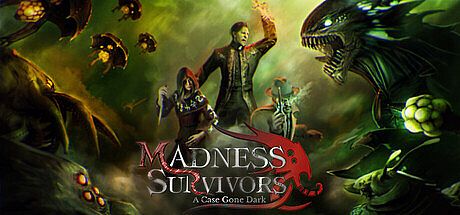


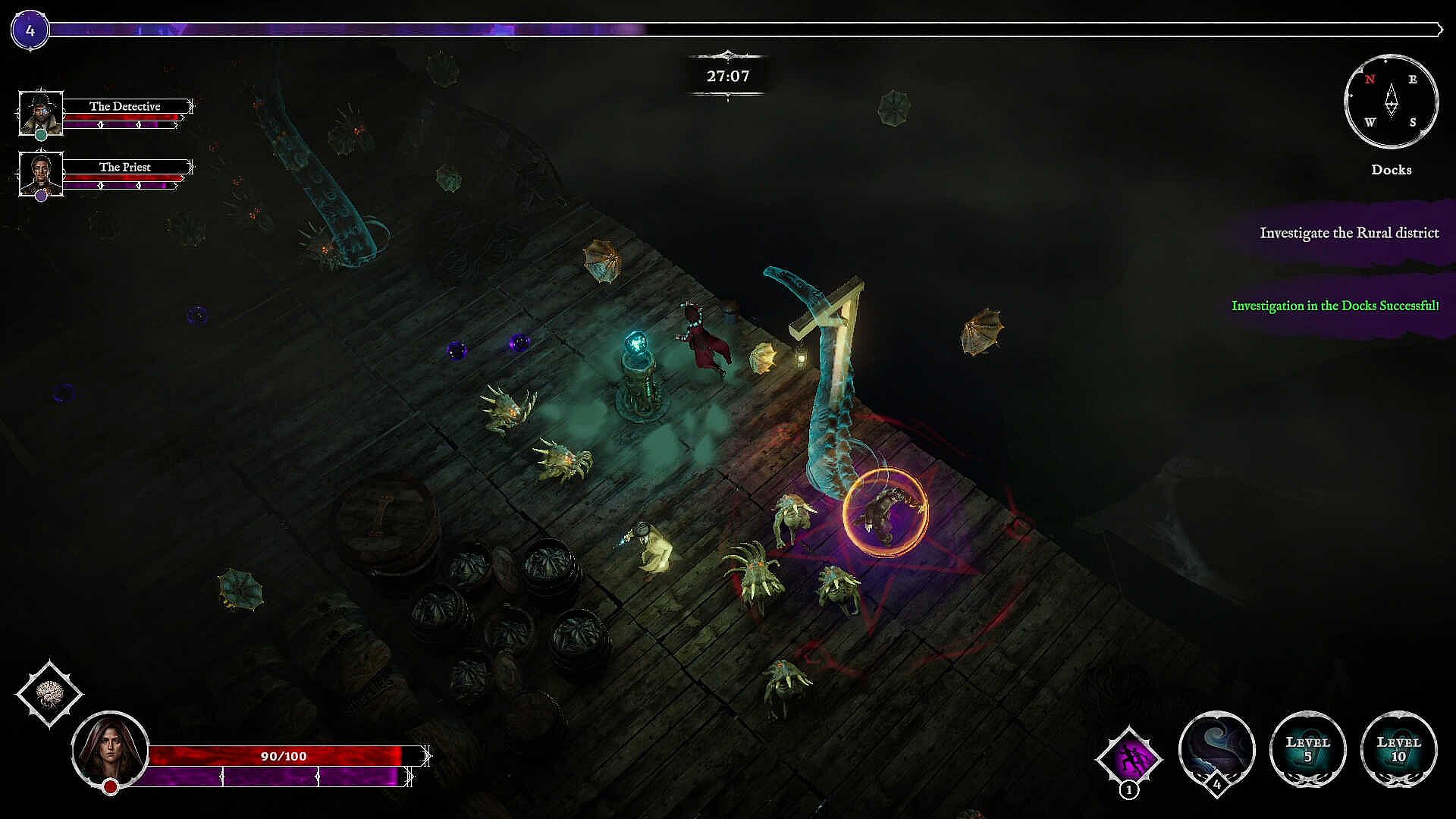
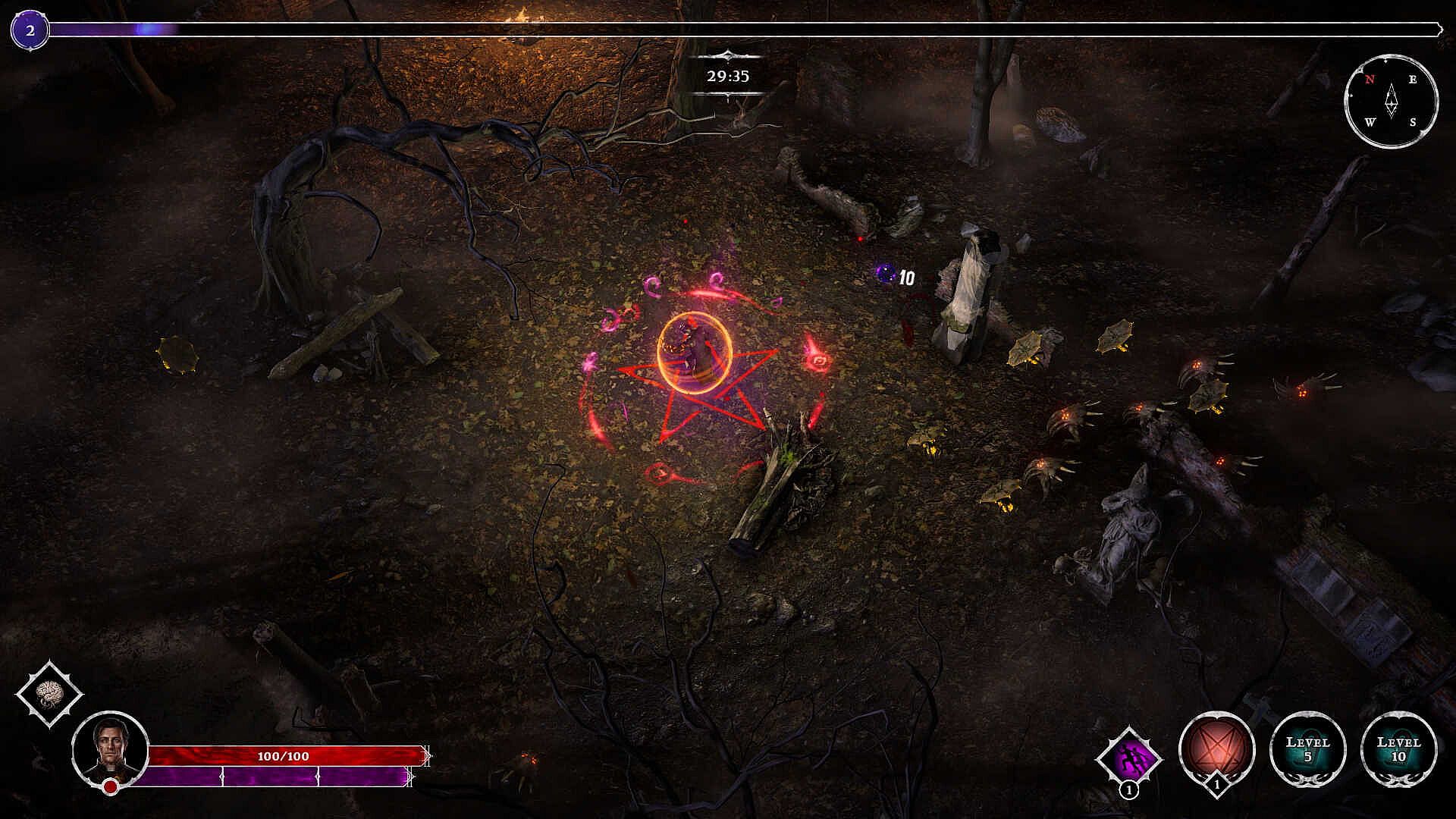
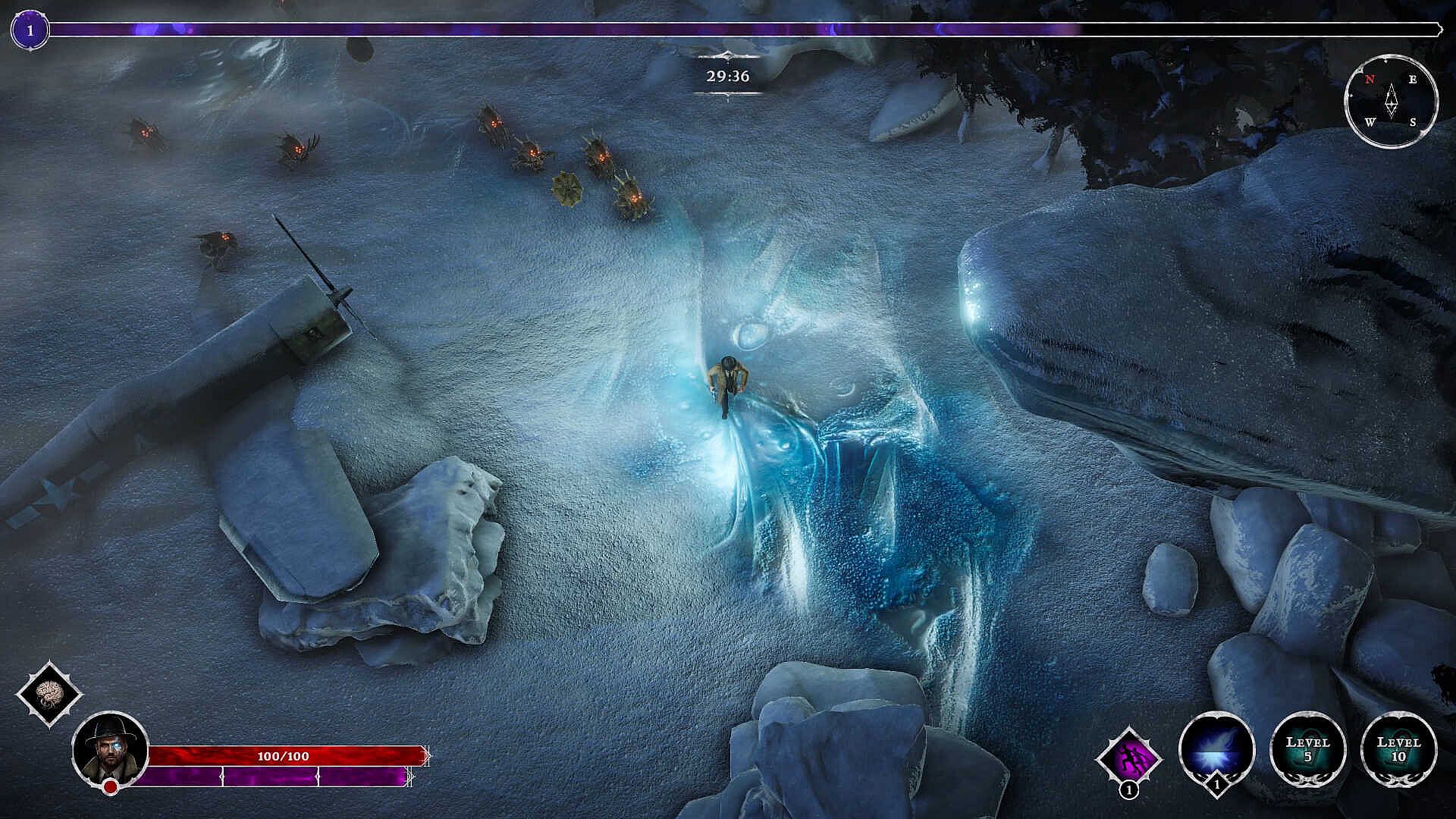
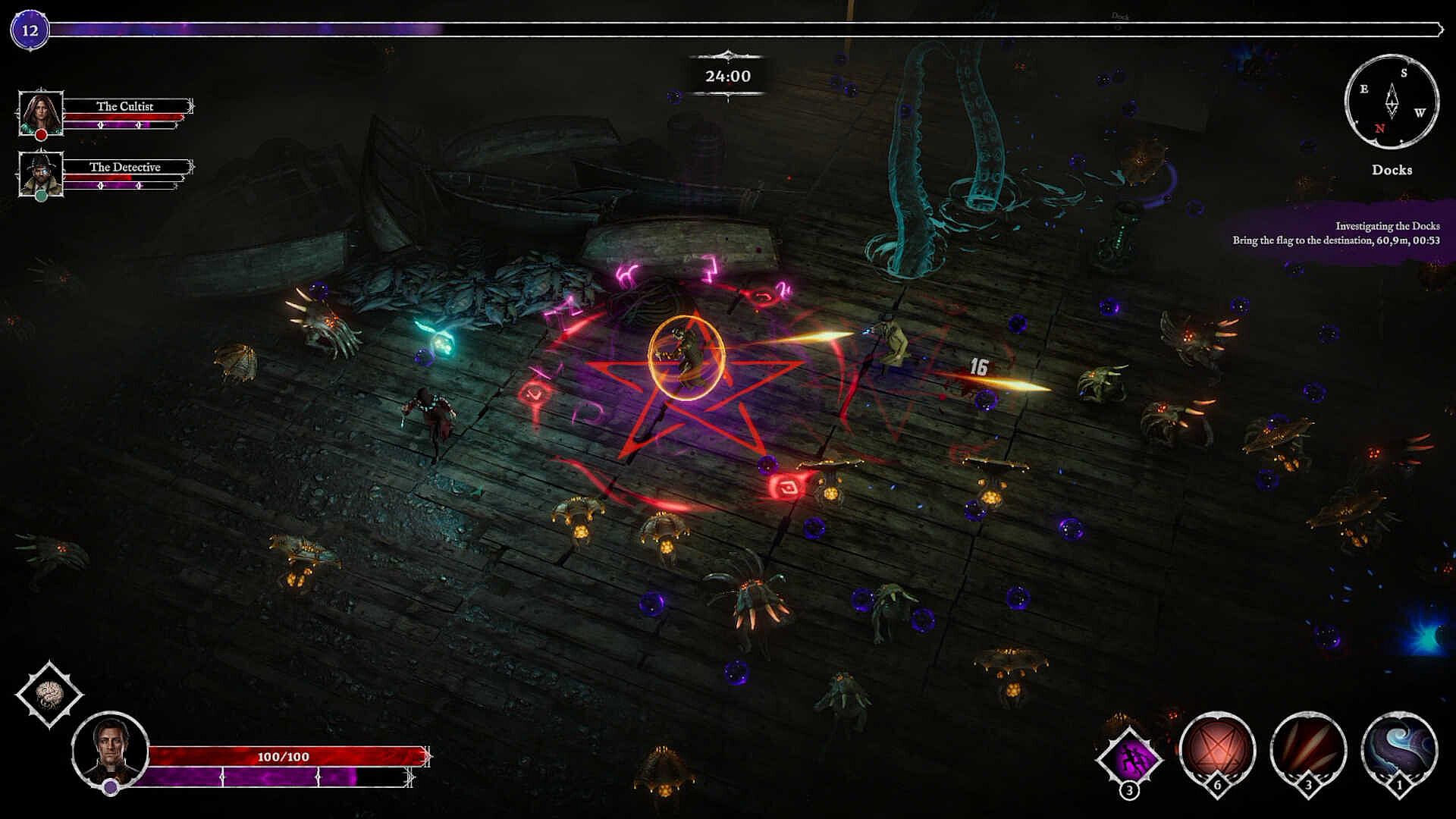
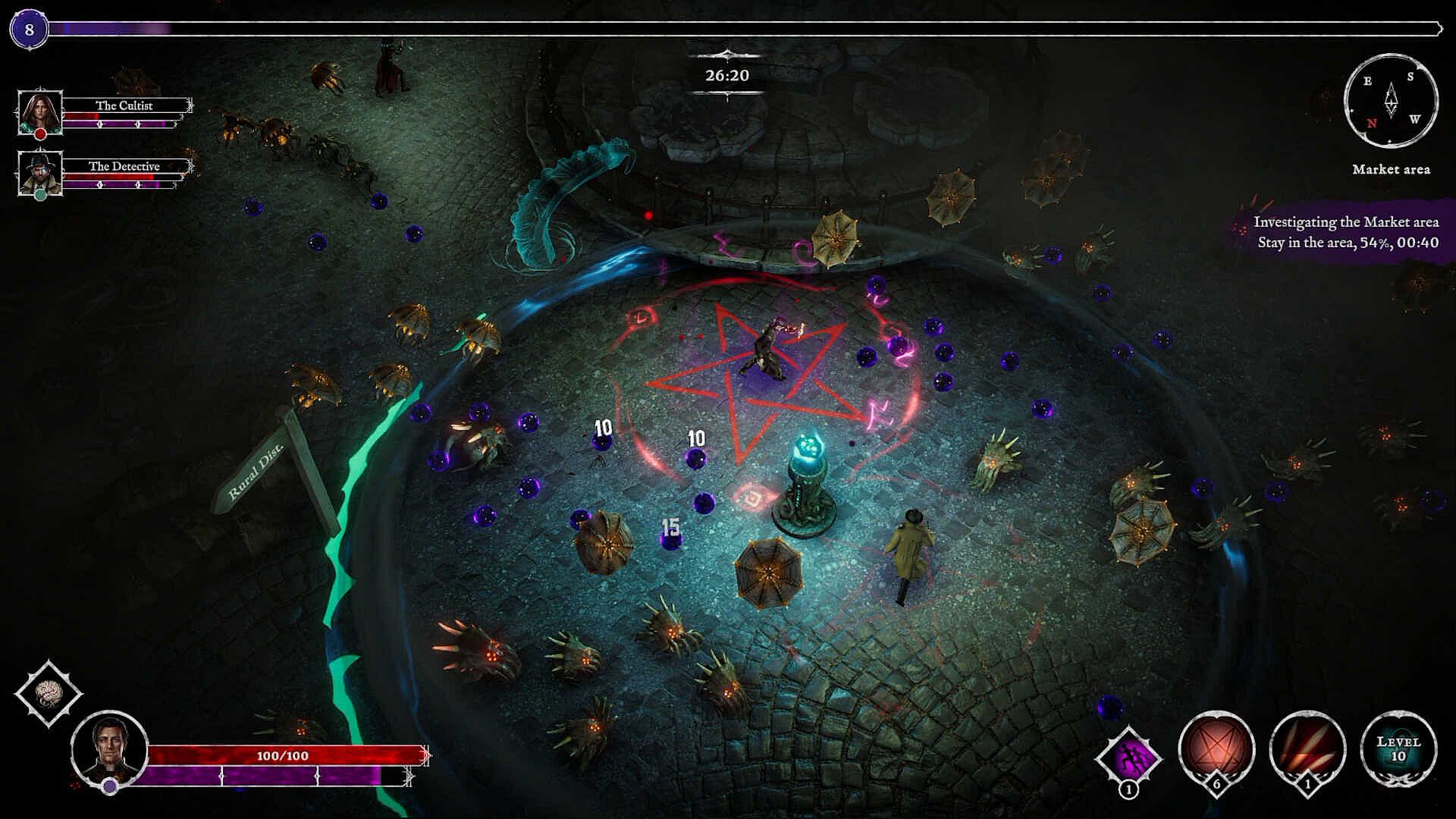
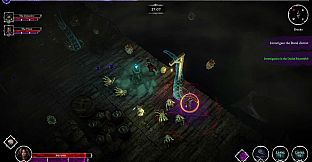
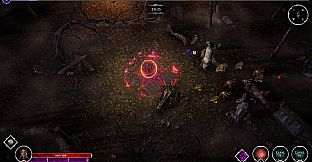
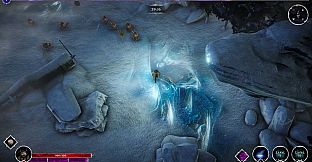
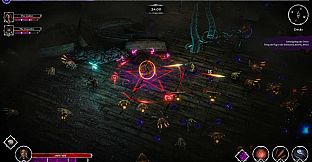
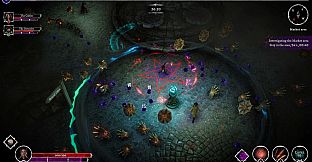
Madness Survivors: A Case Gone Dark è un action roguelike bullet-heaven ambientato in un mondo lovecraftiano, dove antichi orrori si risvegliano dopo un rito senza nome che evoca divinità dimenticate. I giocatori vestono i panni di investigatori condannati, costretti a sopravvivere a ondate di creature abissali mentre raccolgono indizi per localizzare e affrontare boss colossali prima che la follia travolga il gruppo. Il titolo supporta sessioni in singolo o cooperative fino a quattro giocatori su PC.
Gameplay
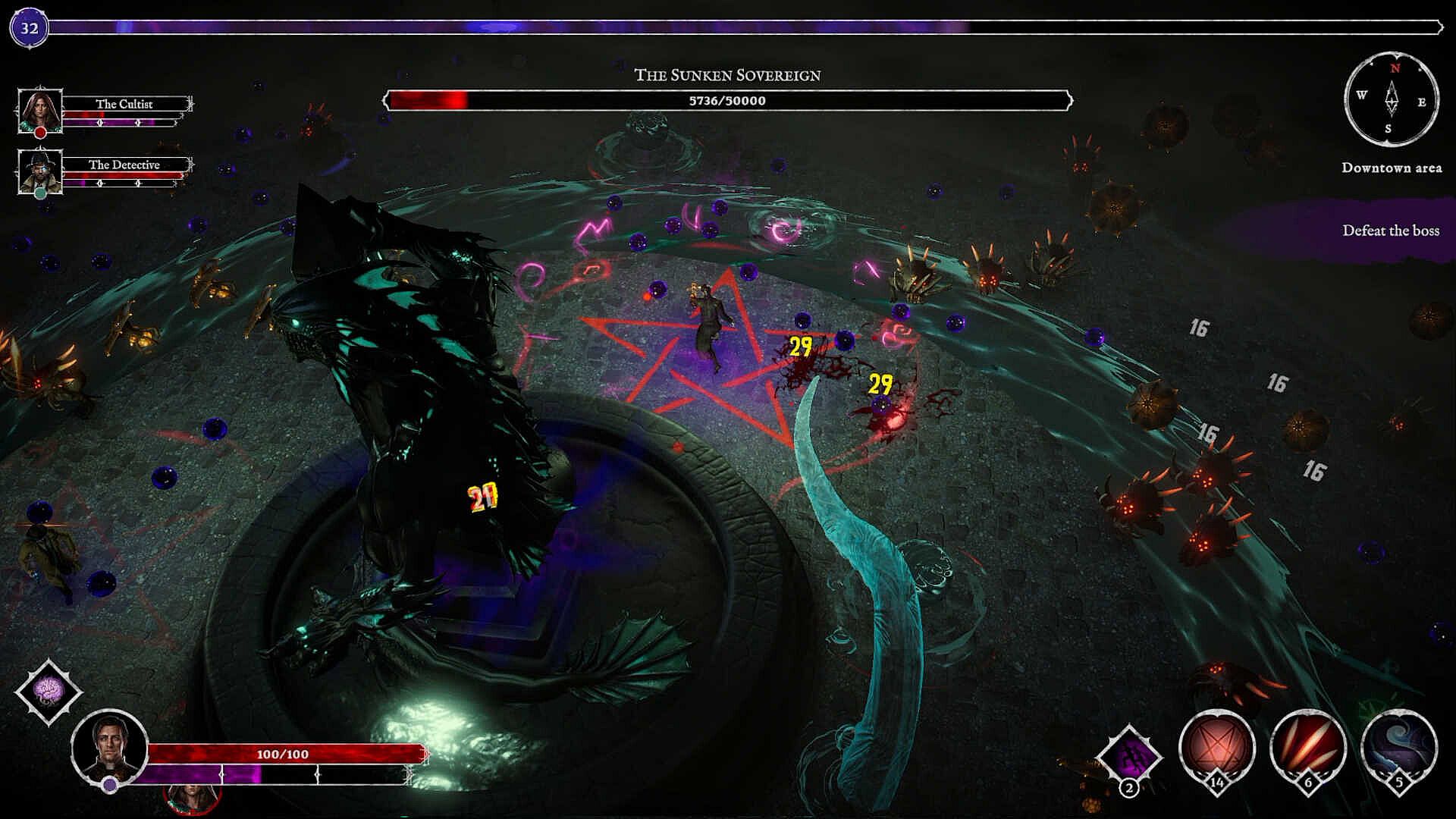
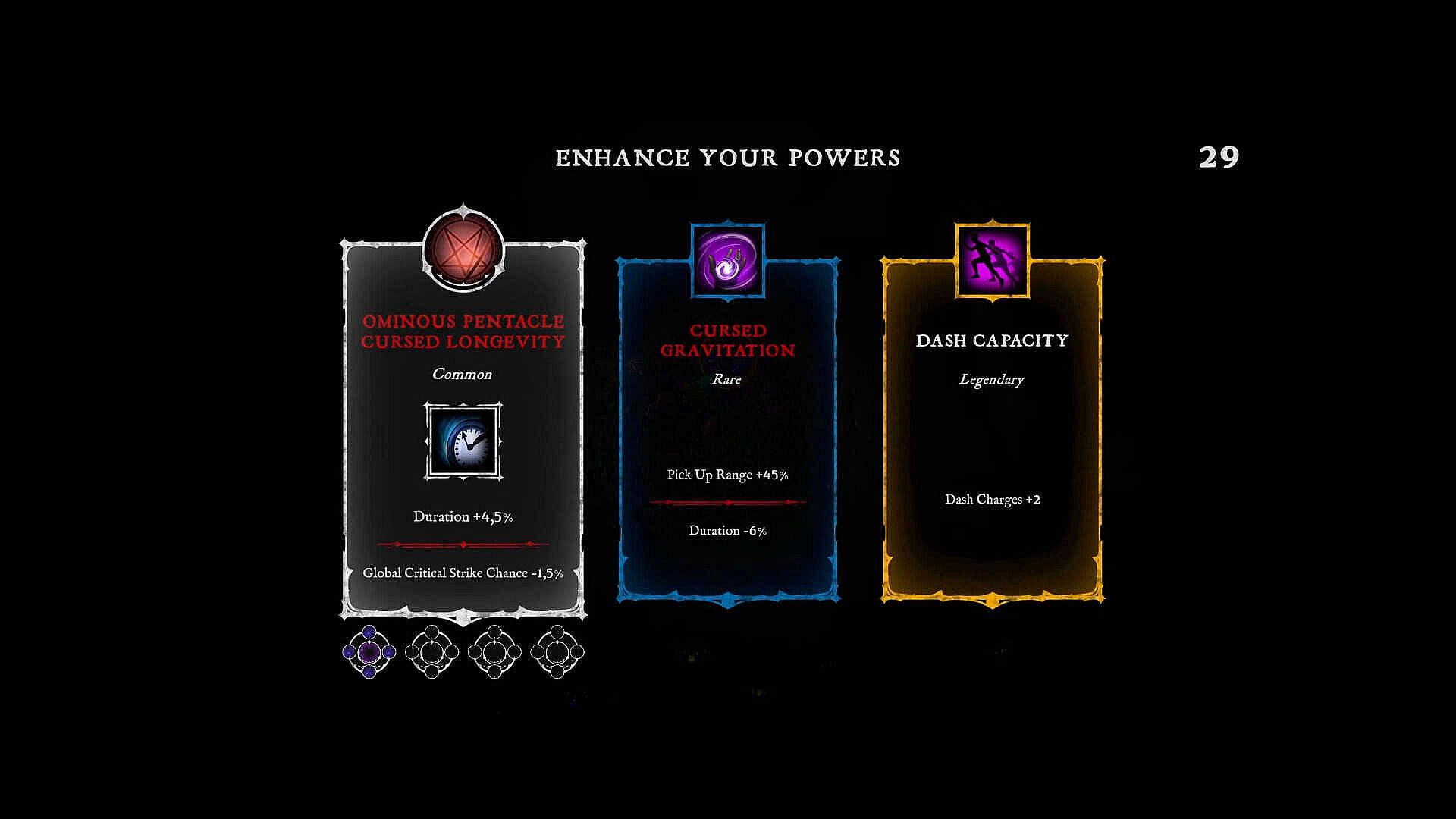
Il ciclo di gioco unisce un combattimento frenetico in stile bullet-heaven alla progressione tipica dei roguelike e a elementi investigativi. Orde di mostri ripugnanti emergono senza sosta dall'oscurità, costringendo i giocatori a padroneggiare poteri occulti e a perfezionare le build attraverso upgrade per aprirsi un varco tra sciami travolgenti. Il combattimento premia il posizionamento e l'uso delle abilità mentre migliaia di creature si riversano in formazioni compatte.
L'esplorazione è strettamente legata alla sopravvivenza. I giocatori perlustrano la mappa in cerca di indizi che fanno avanzare il caso e rivelano i covi nascosti dei boss. Ogni run si trasforma in una corsa contro il tempo, con il gruppo che ricostruisce frammenti di una storia già conclusa in tragedia. Raccogliere abbastanza indizi fa comparire il covo, dando il via a scontri contro orrori eldritch di proporzioni enormi dotati di meccaniche uniche, attacchi devastanti e poteri che alterano il campo di battaglia.
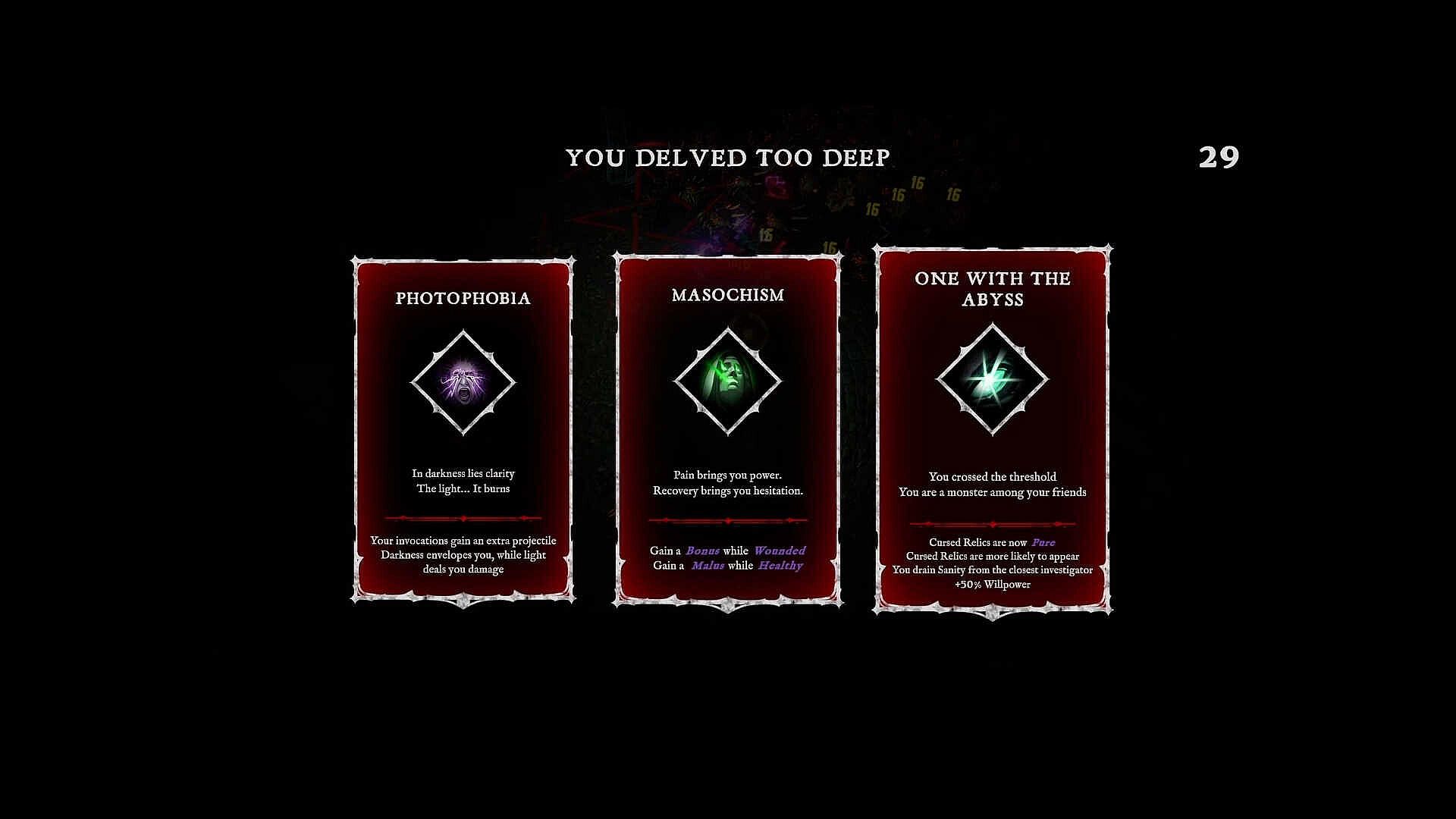
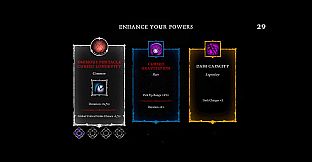
La scelta del personaggio aggiunge varietà a ogni tentativo. Tra gli investigatori disponibili ci sono un Detective temprato, un Sacerdote disperato e un Cultista pericoloso. Ognuno possiede abilità, tratti passivi, armi e stili di gioco differenti che influenzano lo sviluppo delle build e la gestione delle minacce. Decine di poteri occulti permettono ulteriori personalizzazioni, mentre la follia funge sia da rischio che da strumento per avvicinarsi a forze proibite.
Game Modes
L'esperienza principale ruota attorno a run cooperative di sopravvivenza che mescolano difesa contro le orde, raccolta di indizi e caccia ai boss. Le sessioni supportano da uno a quattro giocatori, favorendo il coordinamento delle build, la condivisione delle scoperte e la protezione reciproca durante scontri prolungati. Il gioco in singolo segue la stessa struttura, ma richiede maggiore autonomia nella gestione di sciami e indagini.
Ogni sessione integra elementi roguelike attraverso la generazione procedurale di ondate nemiche, scelte di poteri ed esplorazione della mappa. L'obiettivo resta resistere il tempo necessario per chiudere il caso, localizzando e sconfiggendo gli ultimi orrori, con la sconfitta che può derivare sia dal numero schiacciante di nemici sia dagli effetti cumulativi della follia.
Character Choices and Progression
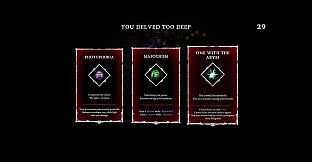
La selezione dell'investigatore determina l'approccio a ogni run. Personaggi diversi modificano le armi iniziali, i bonus passivi e il modo in cui i poteri occulti interagiscono con l'ambiente e i nemici. Gli upgrade durante la partita rafforzano le invocazioni, mentre il rischio di follia introduce compromessi che possono potenziare le abilità a scapito del controllo o della sanità mentale.
La composizione del team è fondamentale in multiplayer. I giocatori coordinano i ruoli, si proteggono a vicenda durante le fasi di sciame intenso e si dividono i compiti tra combattimento e ricerca di indizi. Il sistema premia la sperimentazione su più tentativi, con build che evolvono e nuove combinazioni che emergono dai poteri e dai tratti disponibili.
Is It Worth Playing?
Il titolo si rivolge a chi apprezza il combattimento roguelike bullet-heaven unito a tematiche lovecraftiane e a meccaniche investigative cooperative. L'unione di sopravvivenza contro le orde, creazione di build e raccolta di indizi guidata dalla narrazione genera un ciclo mirato che valorizza sia l'abilità individuale sia il coordinamento di gruppo. Dopo il recente annuncio e con una fase di playtest attiva, il gioco è ancora in sviluppo da parte di Wild Shape Games, permettendo ai giocatori interessati di provare in anticipo i sistemi principali.
Chi è attratto da un'azione frenetica contro orde mostruose, dalla varietà legata ai personaggi e dall'orrore atmosferico troverà le meccaniche verificate in linea con queste preferenze. L'assenza di recensioni consolidate in questa fase suggerisce di seguire gli aggiornamenti dello sviluppatore prima di procedere all'acquisto completo.