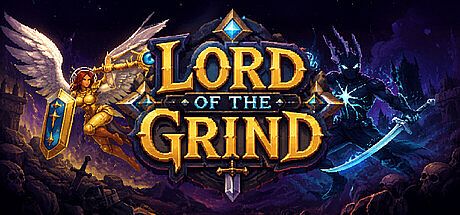


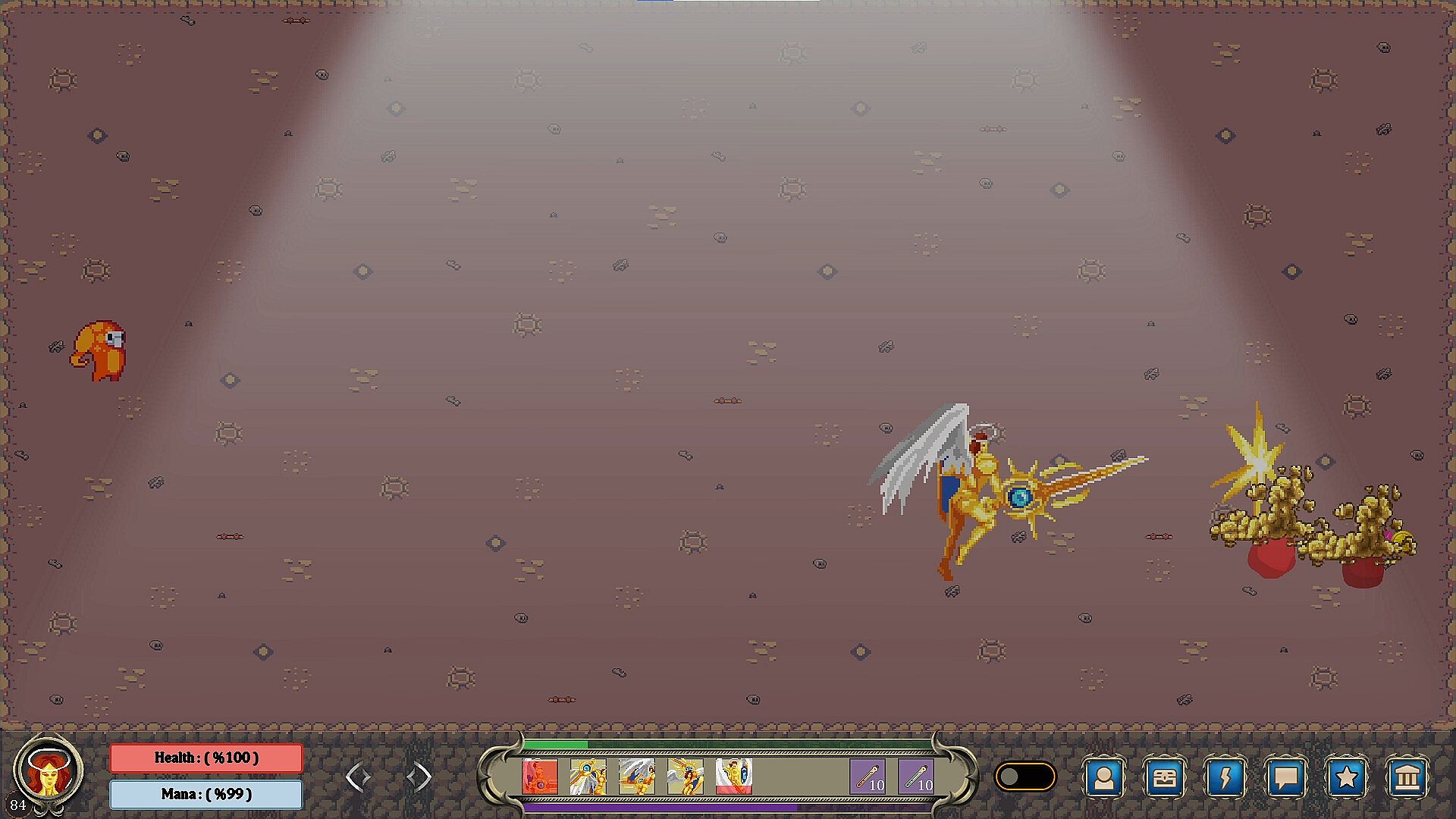
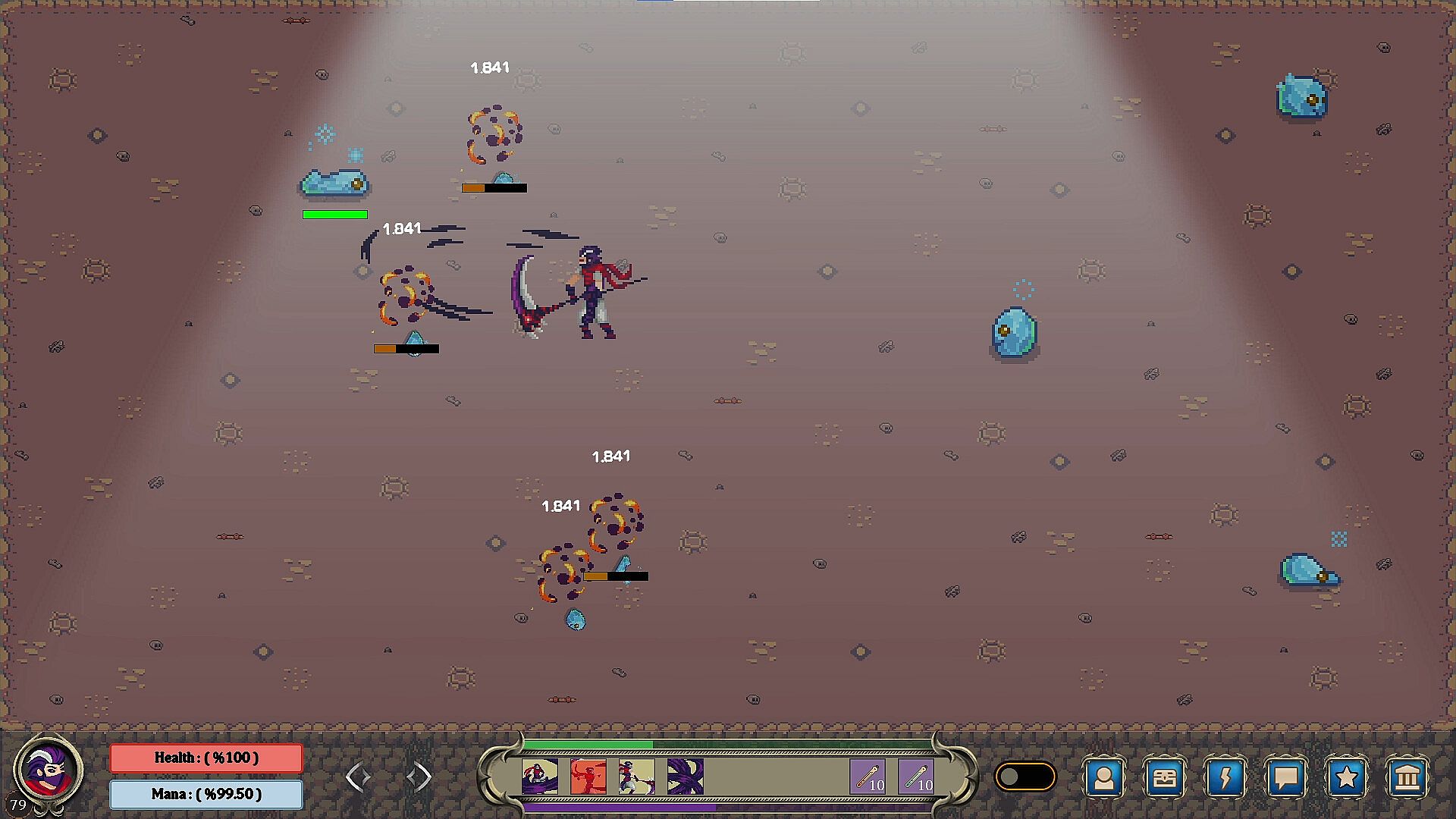
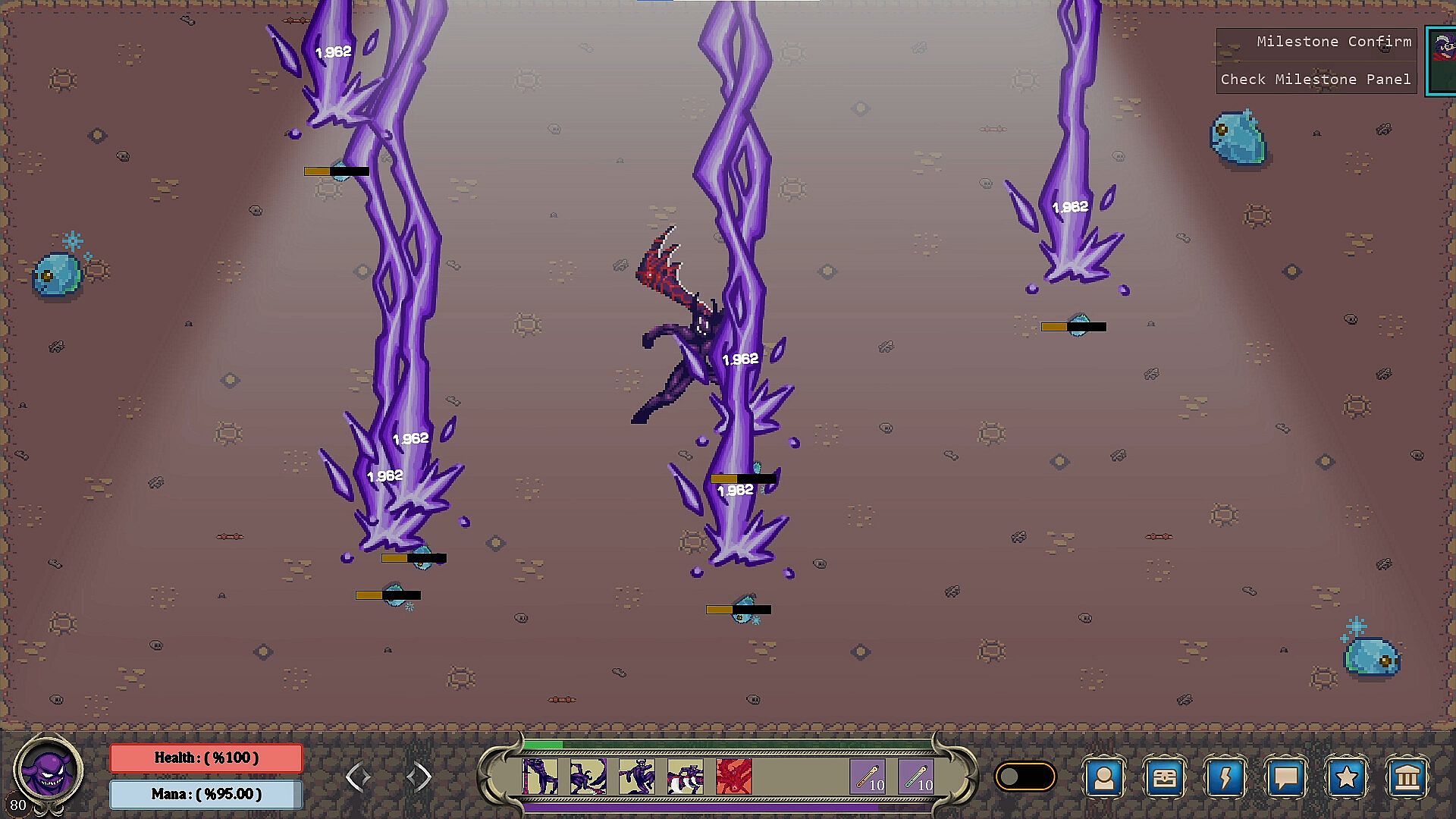
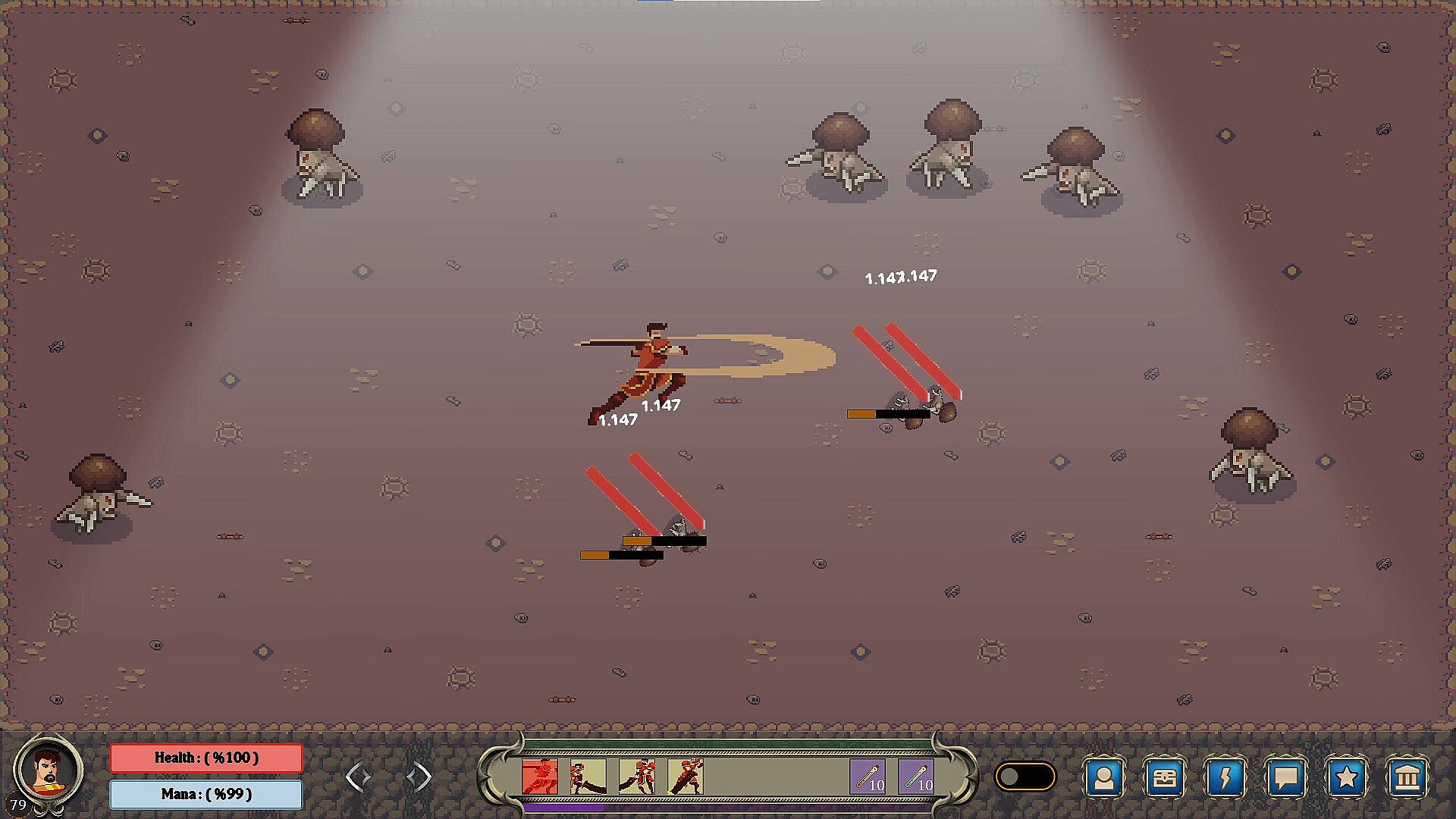
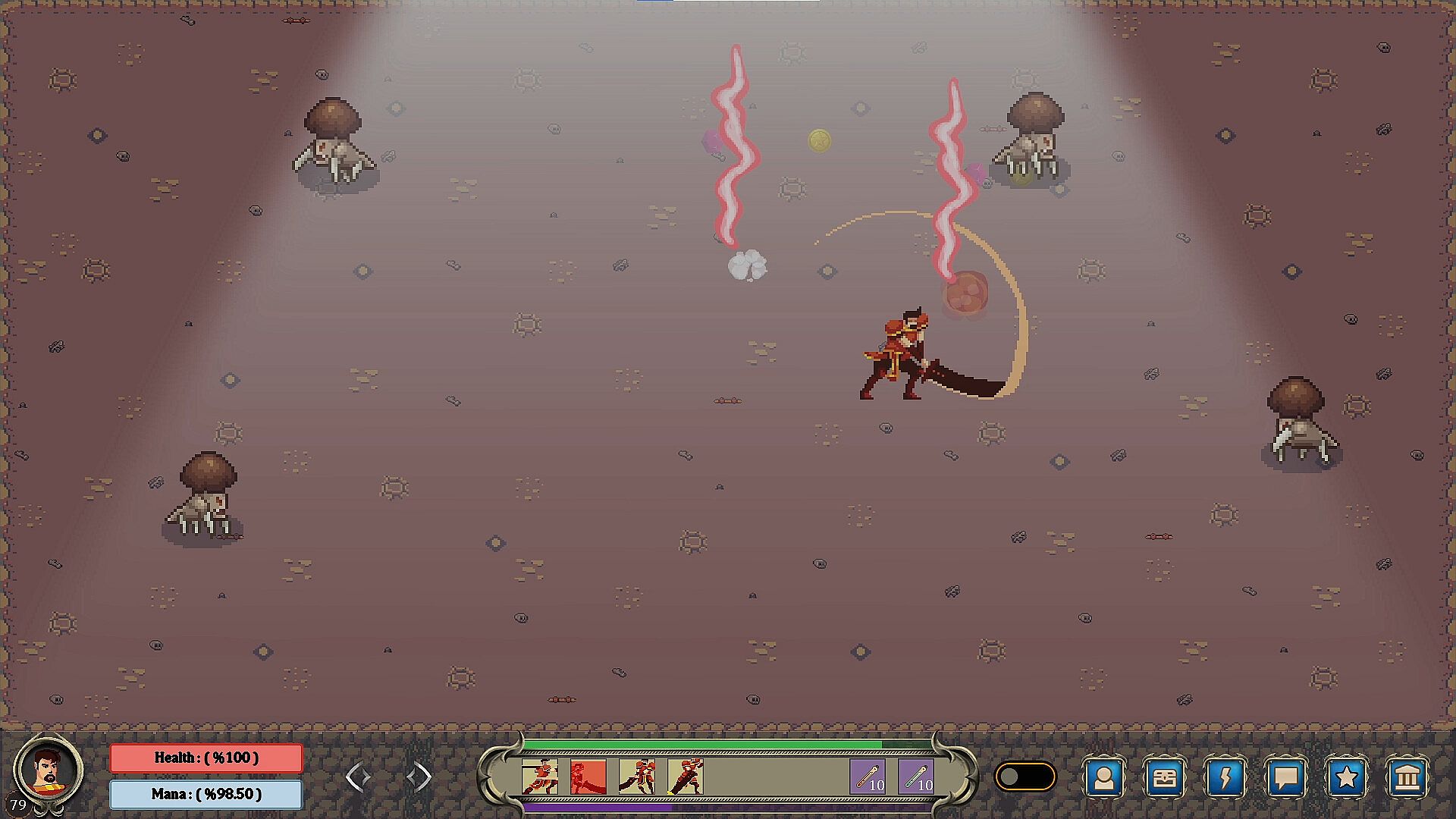
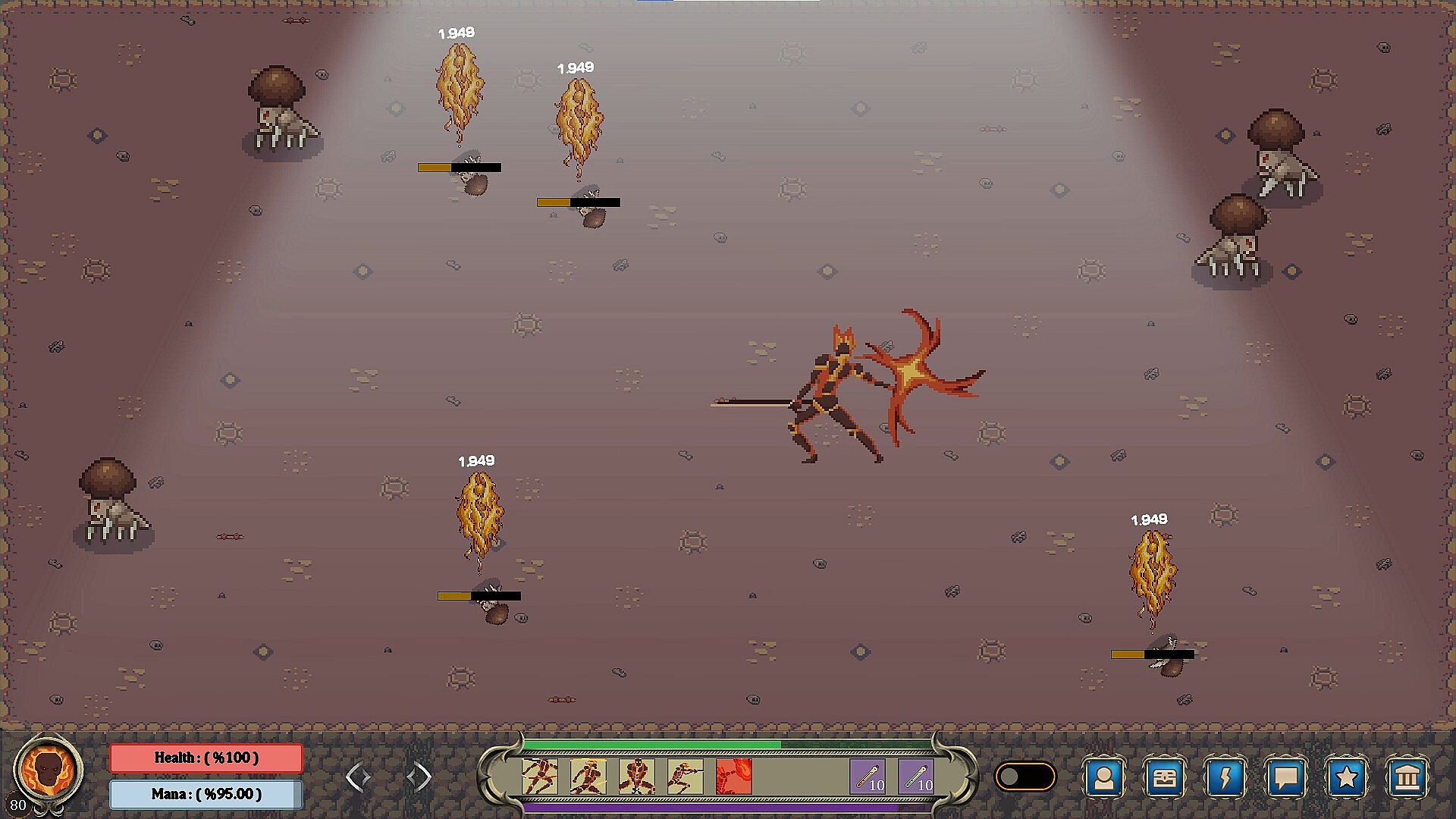
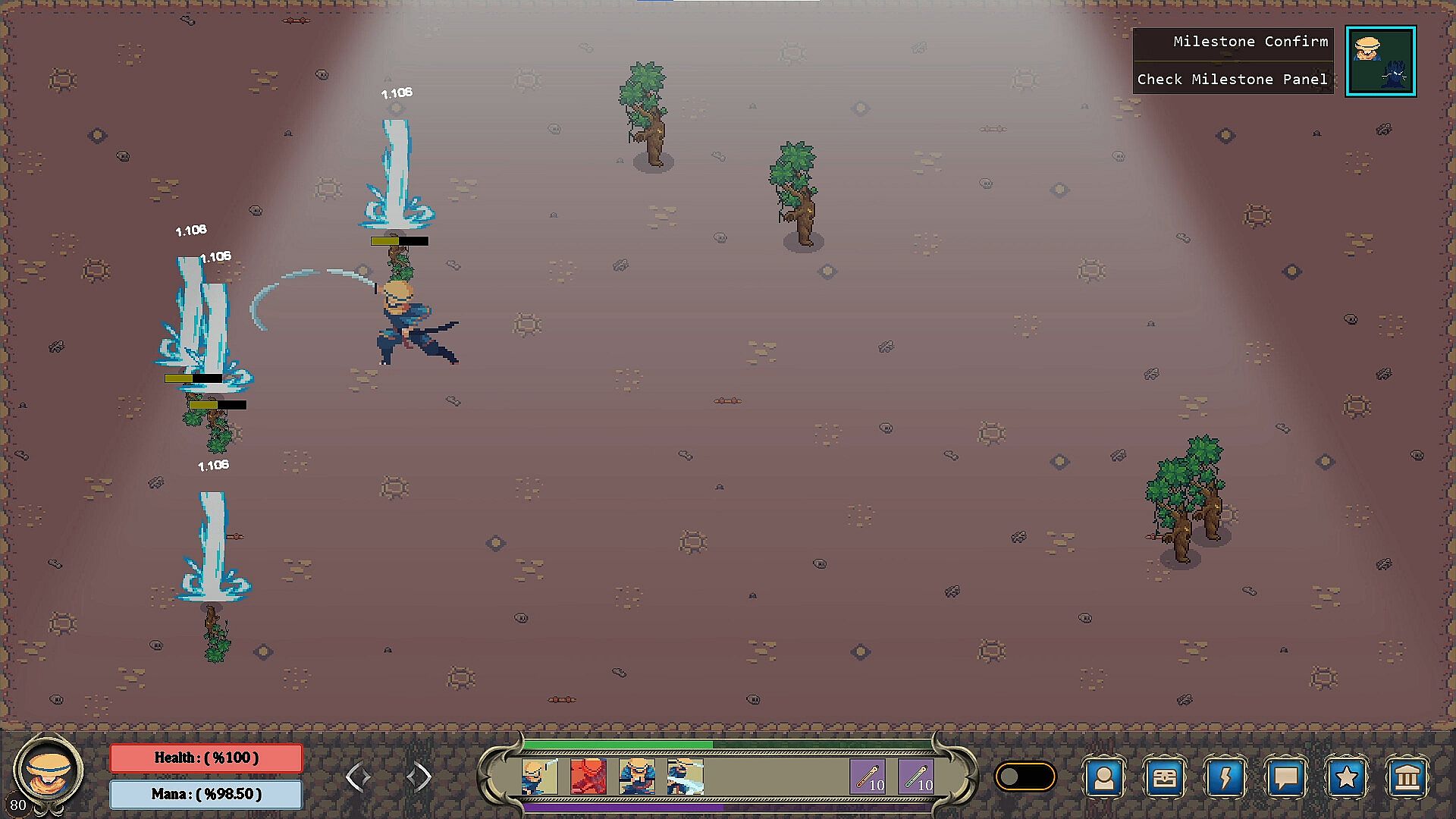
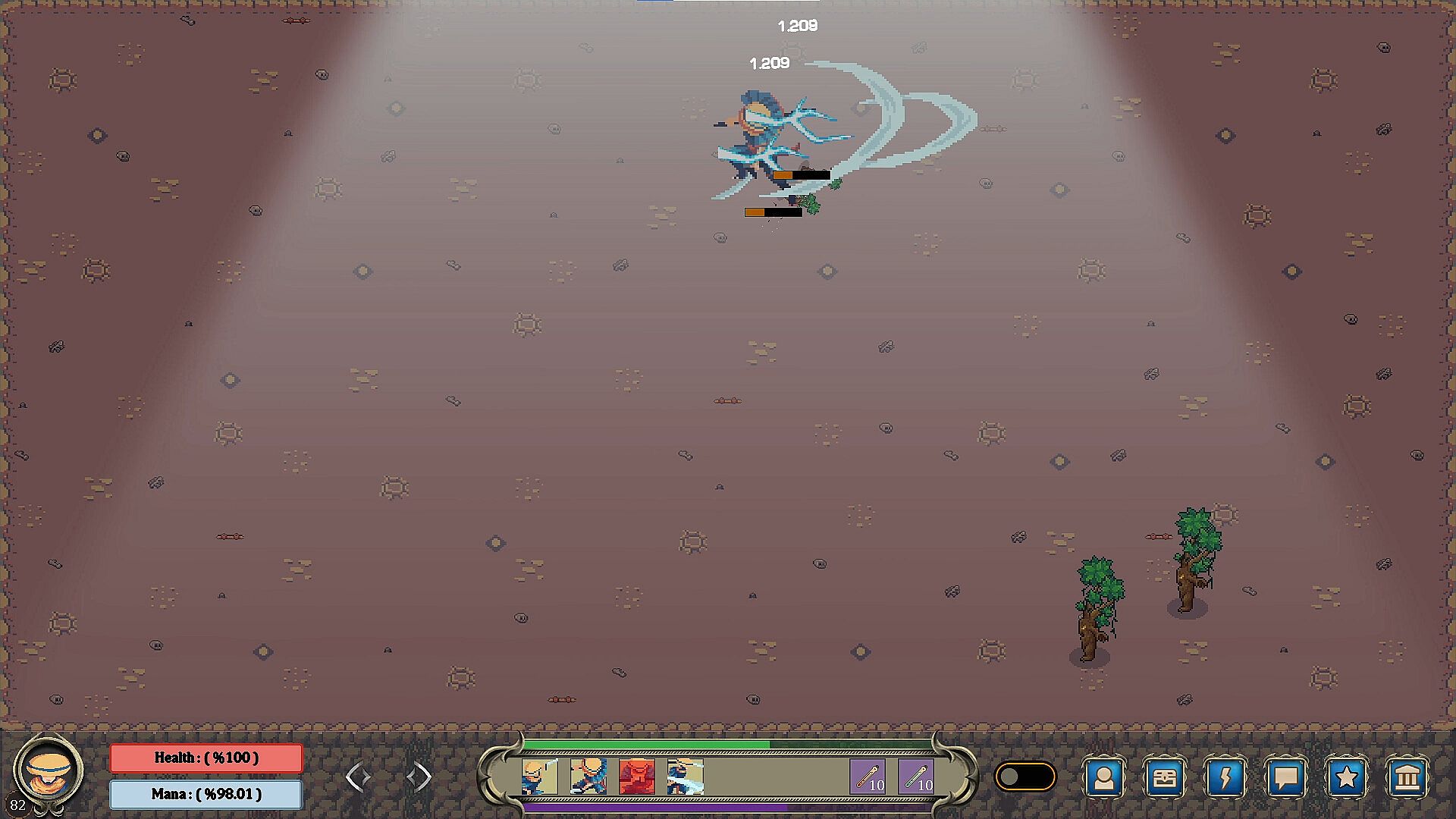
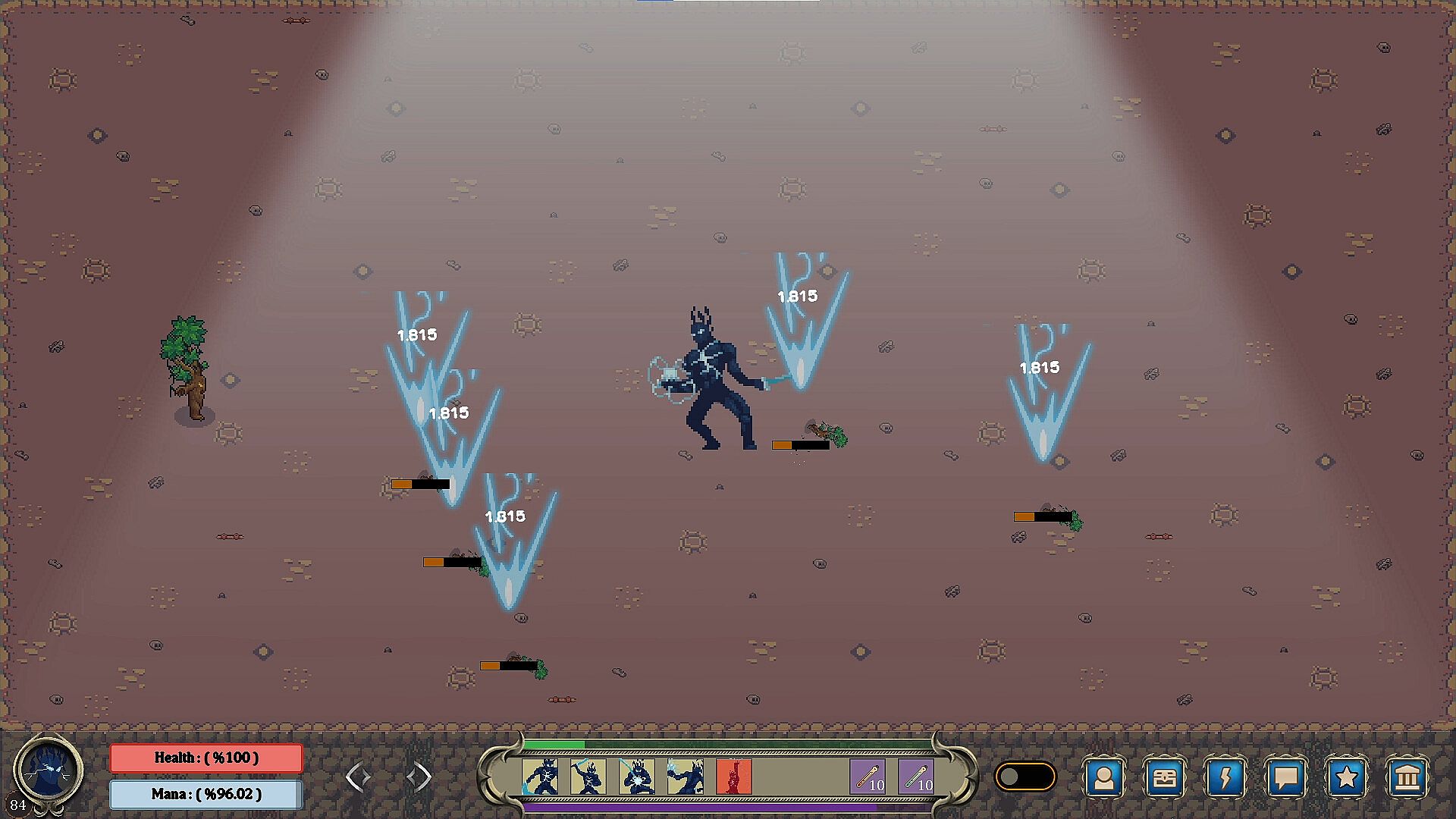
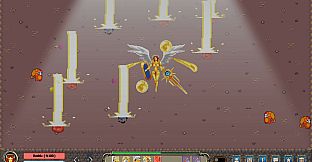
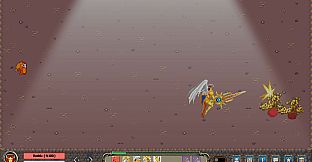
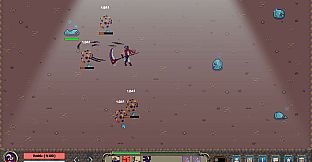
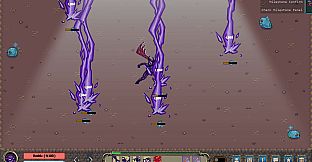
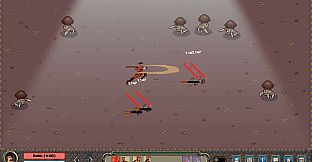
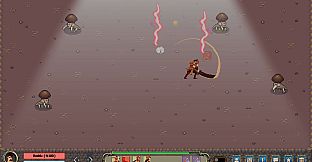
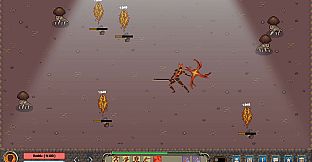
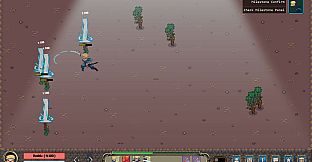
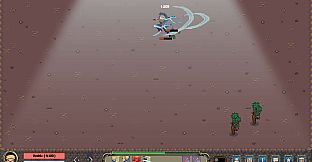
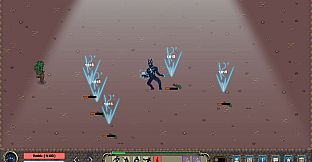
Lord of the Grind è un Action RPG single-player in 2D incentrato su grind nei dungeon, raccolta di risorse, accumulo di loot, crafting e progressione prolungata del personaggio su PC.
Gameplay
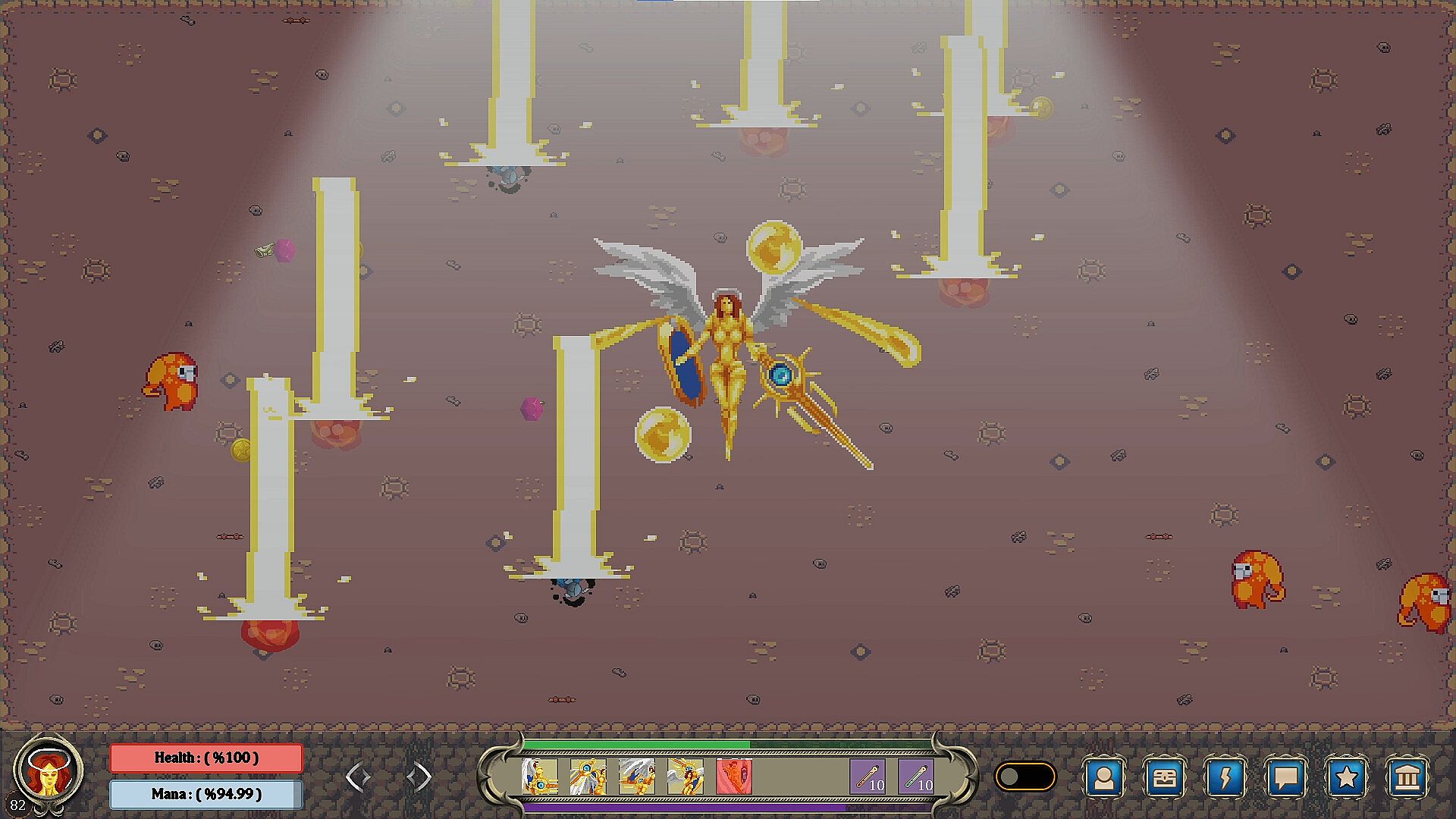
Il ciclo di gioco si basa sulla discesa nei piani dei dungeon con combattimenti in tempo reale. Si può scegliere tra nove personaggi, ognuno con meccaniche proprie per attacco, difesa e movimento. I progressi arrivano da run ripetute che forniscono equipaggiamento, accessori e materiali da usare nel crafting e in un sistema di potenziamento permanente del nucleo di potere. La gestione dell'inventario influisce direttamente sull'efficienza con cui il bottino si trasforma in forza: spazio e organizzazione determinano quanto ogni run contribuisca al potenziamento. Lo stile grafico in pixel art 2D mantiene l'attenzione su schemi nemici e boss chiari, senza distrazioni visive.
Le risorse si ottengono sia in sessione attiva sia tramite un sistema AFK opzionale. Durante il gioco attivo si controllano direttamente gli scontri contro nemici e boss vari; l'opzione AFK permette di accumulare ricompense anche in assenza del giocatore, alternando fasi di grind manuale a fasi di raccolta passiva. La crescita a lungo termine deriva dall'accumulo di upgrade, dalla personalizzazione dello stile di gioco e dal raggiungimento di piani sempre più profondi con personaggi nuovi o già usati.
Modalità di gioco
L'esperienza resta interamente single-player, senza opzioni multiplayer o co-op. All'interno di questo quadro si alternano due approcci principali: run attive continue che mettono alla prova riflessi e conoscenza dei nemici, e grind AFK per accumulare risorse ed esperienza senza input costante. Entrambi alimentano gli stessi sistemi di loot, crafting e avanzamento del personaggio; la scelta influisce solo sul ritmo, non sui contenuti disponibili. I piani del dungeon fungono da struttura comune, con difficoltà crescente e ricompense migliori man mano che si scende.
Progressione del personaggio e sistemi
I nove personaggi offrono punti di partenza e percorsi di crescita differenti. Ognuno interagisce in modo unico con accessori ed equipaggiamento, favorendo sperimentazioni in più playthrough. Il sistema di potenziamento permanente del nucleo di potere funge da hub centrale per i miglioramenti duraturi, mentre il crafting trasforma le risorse raccolte in potenziamenti mirati. Gli strumenti di inventario aiutano a ordinare e selezionare il bottino in modo che ogni run si traduca in un aumento misurabile di forza. L'insieme di questi elementi sostiene sessioni prolungate focalizzate su guadagni incrementali piuttosto che su eventi narrativi isolati.
Vale la pena giocarci?
Il titolo si rivolge a chi apprezza dungeon crawl metodici e costruzione graduale del personaggio in un contesto single-player. La combinazione di combattimento in tempo reale e opzione AFK si adatta sia a sessioni intensive sia a progressi in background. Poiché il gioco non è ancora uscito e non ha recensioni, la decisione dipende da quanto i sistemi descritti corrispondano alle preferenze personali per gli RPG basati su loot. Chi valorizza grind a lungo termine e stili di personaggio multipli potrebbe trovare la struttura interessante al lancio previsto per Q4 2026.