




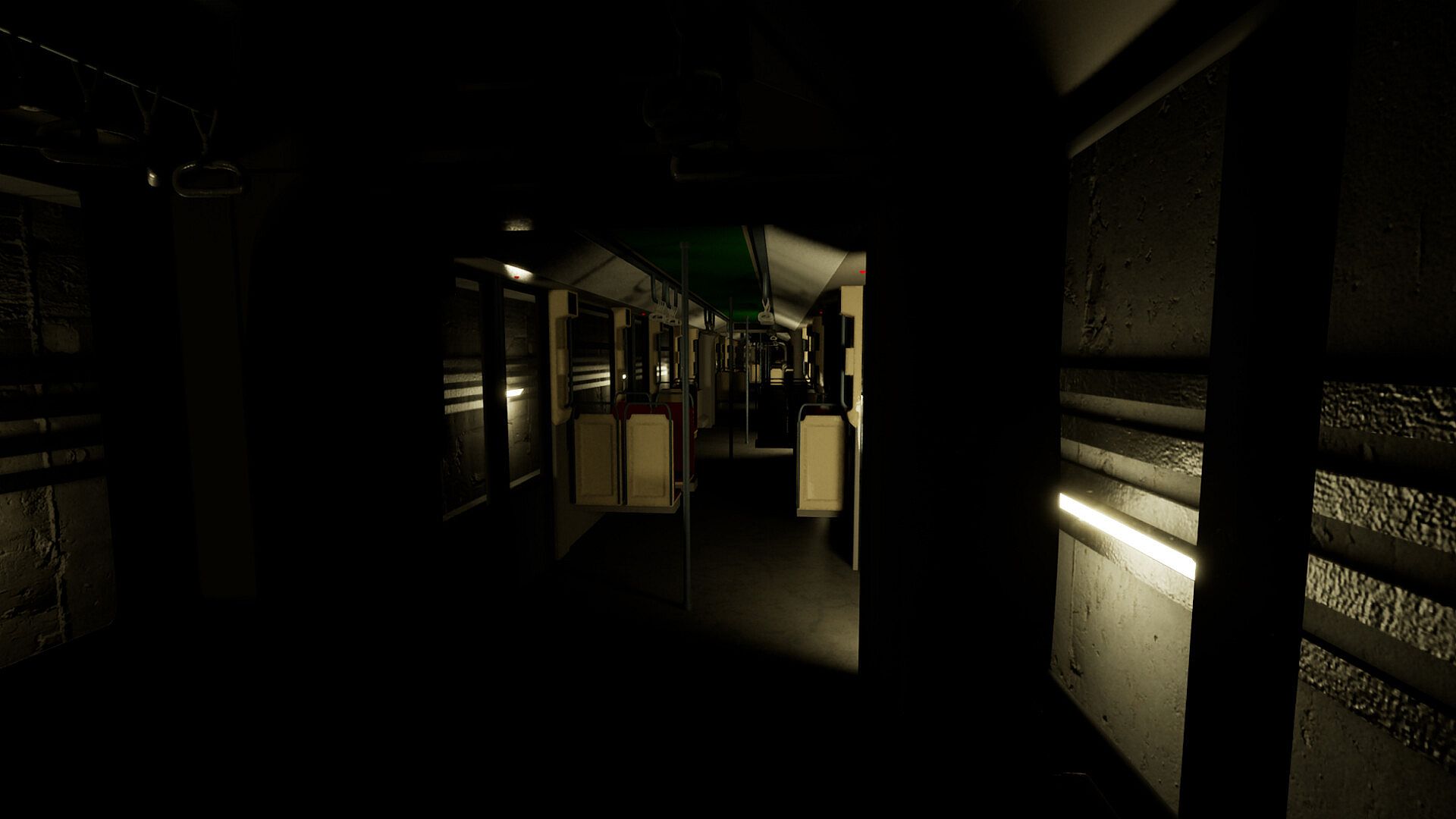
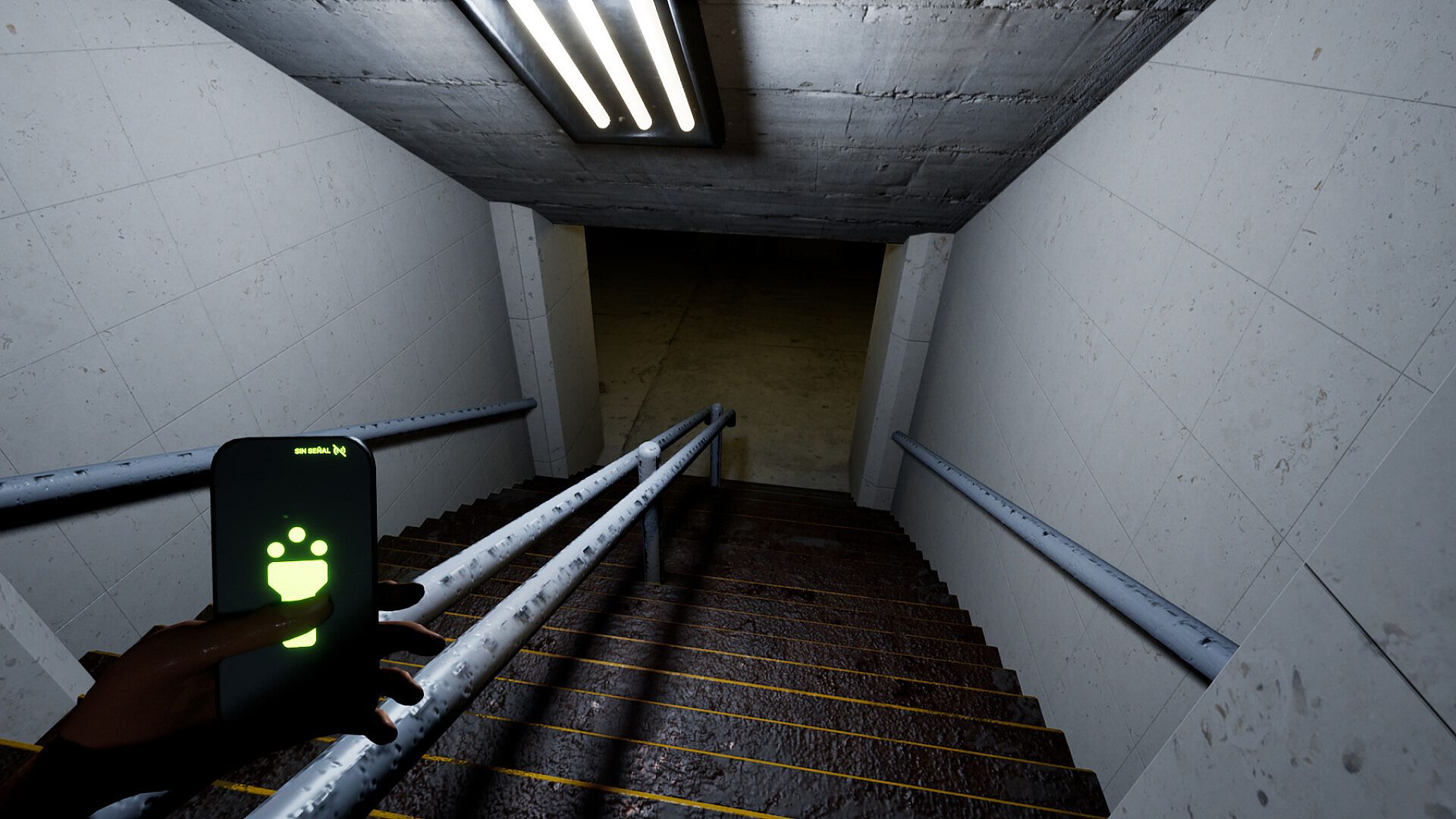
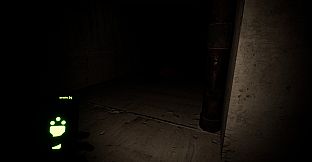
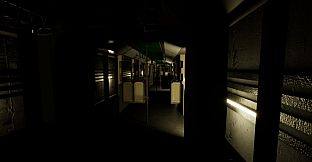
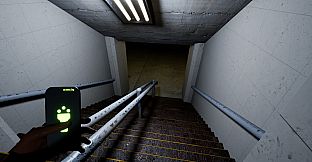
Liberty Station is a first-person psychological horror and puzzle game set in the confined spaces of an abandoned subway environment. Players take on the role of someone trapped underground, navigating through eerie, dimly lit areas while confronting isolation and unsettling occurrences to reach an exit.
Gameplay
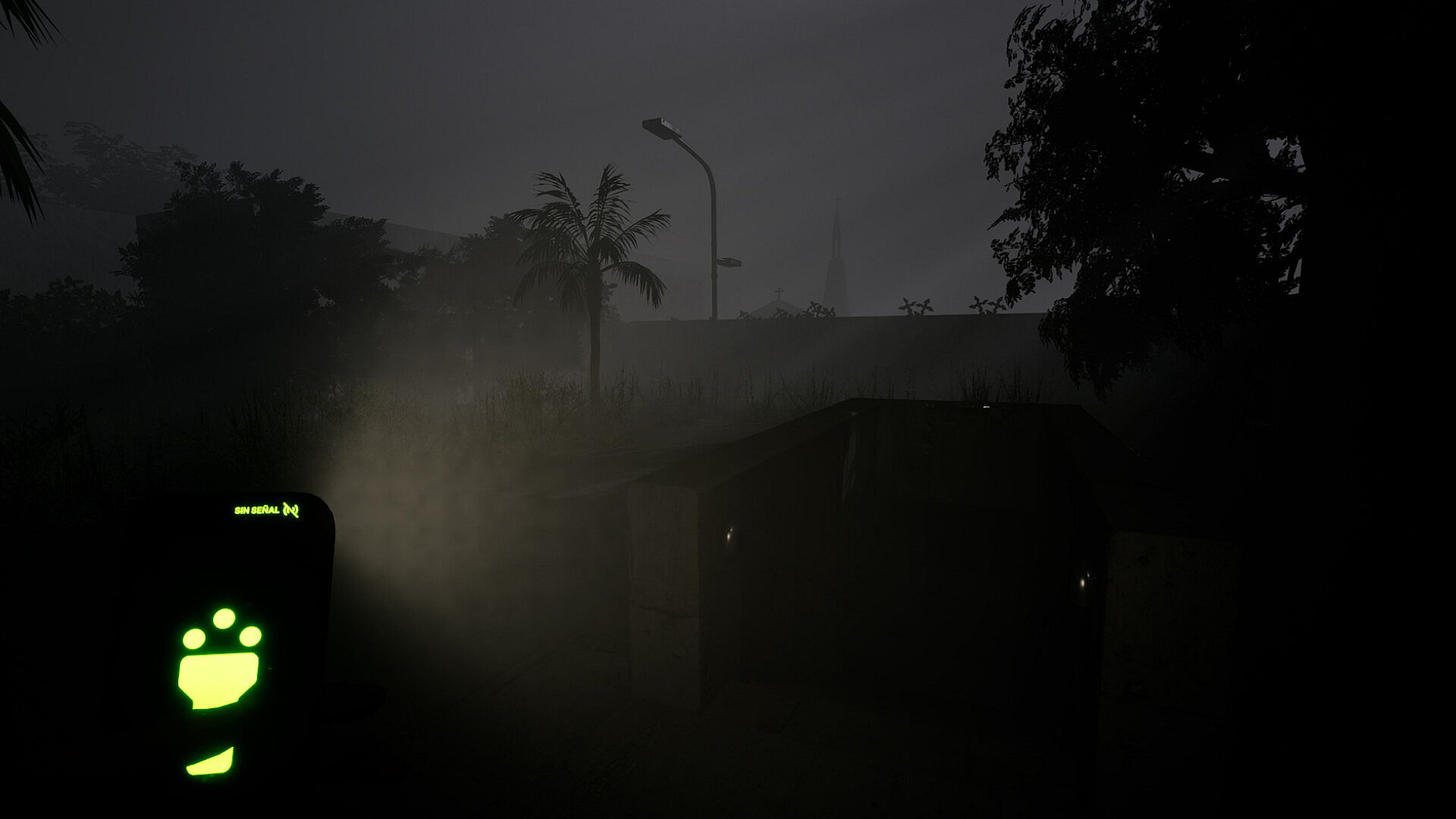
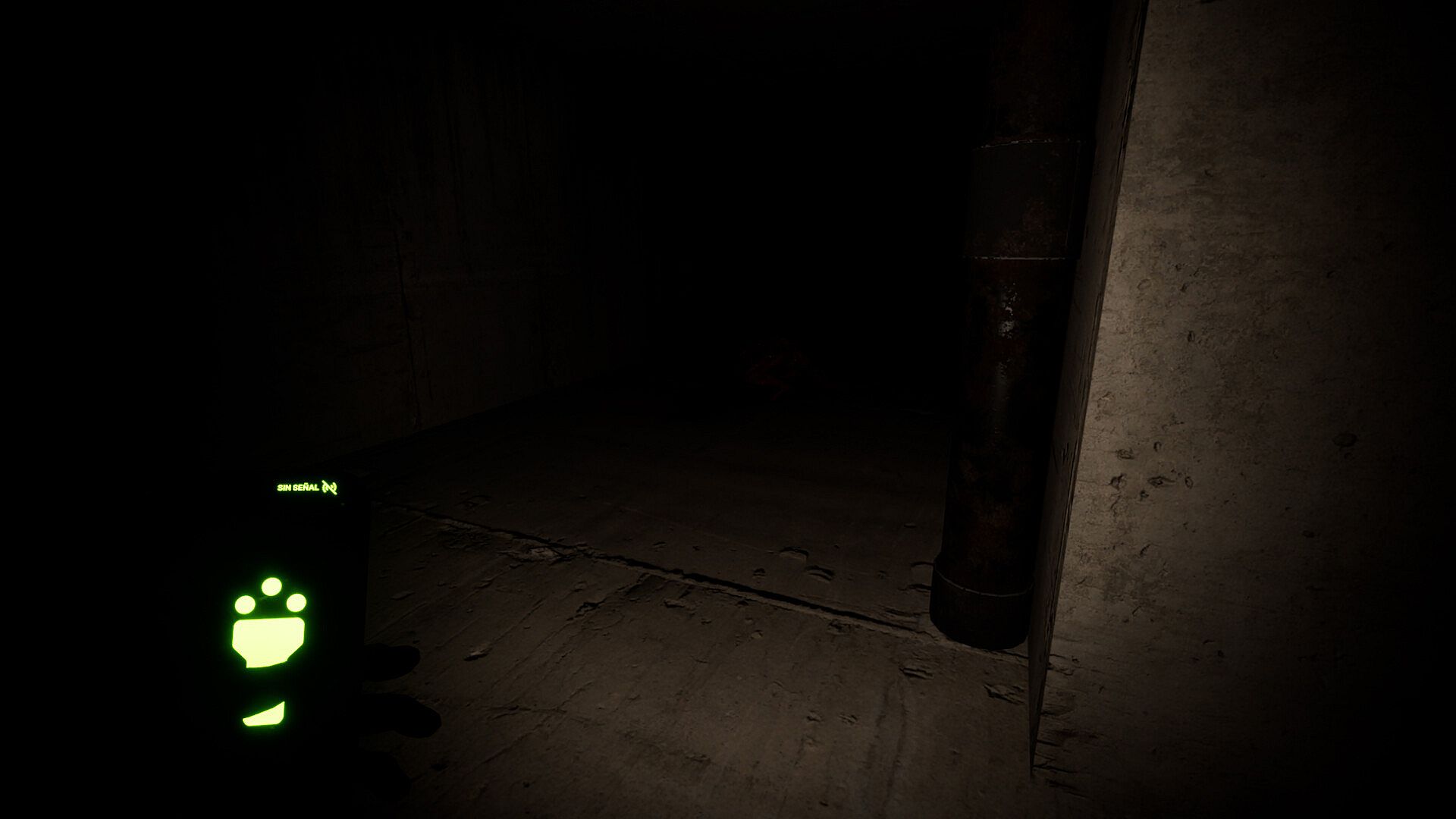
The core loop centers on exploration and careful observation within detailed three-dimensional spaces. Limited visibility forces players to rely on sound cues and gradual movement to uncover paths forward. Tension builds through the repetitive nature of certain areas and the absence of external assistance, turning simple navigation into a test of patience and attention to environmental details.
Problem-solving forms the main interaction method. Players examine objects, listen for audio shifts, and piece together clues from the surroundings to progress. The sound design emphasizes every footstep and distant noise, heightening the sense of vulnerability in the empty tunnels and carriages.
Game Modes
Liberty Station offers only a single-player campaign. No cooperative, competitive, or multiplayer options exist, keeping the focus entirely on the solitary journey through the abandoned setting.
Atmosphere and Setting
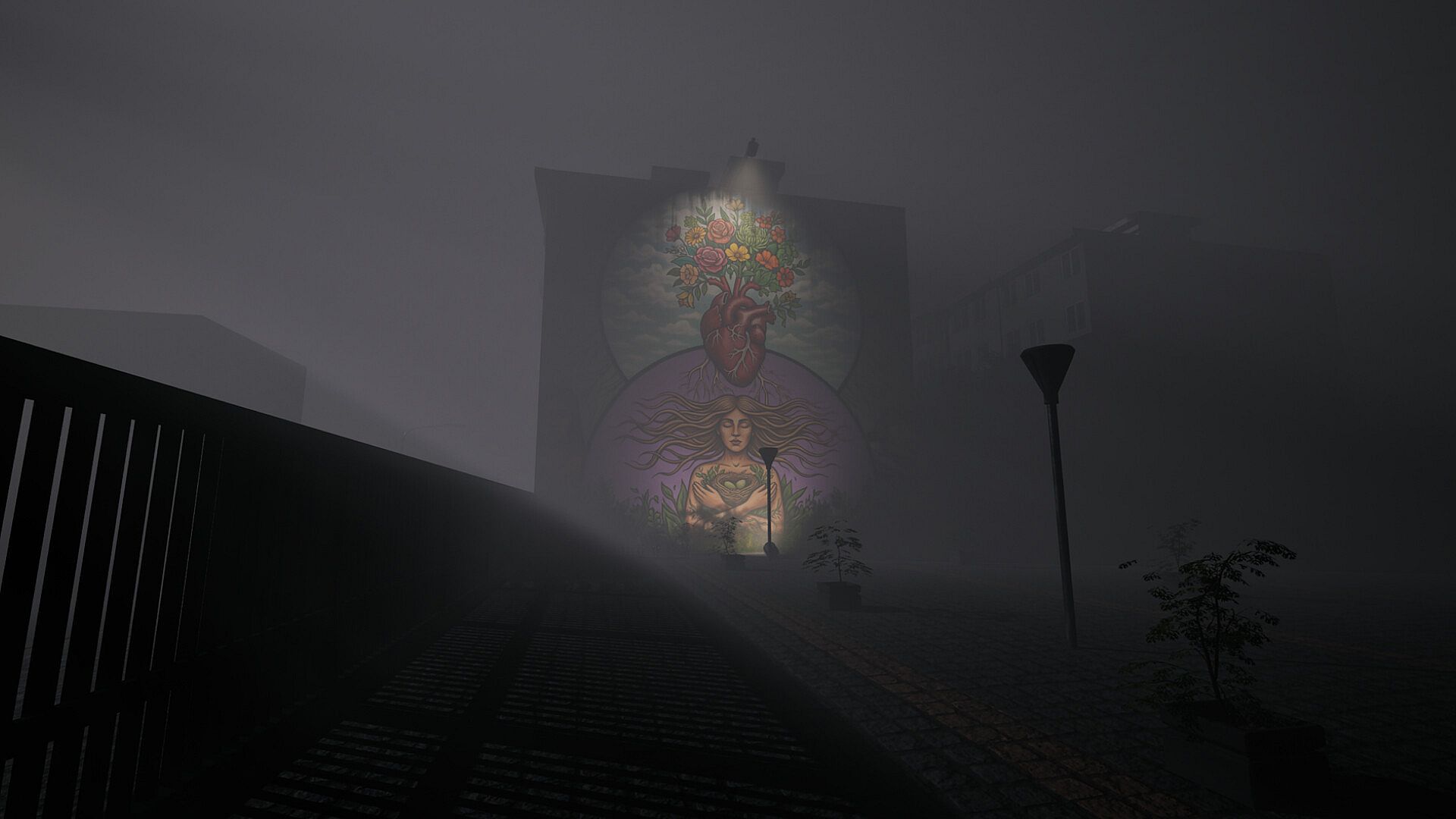
The game builds its experience around a suffocating sense of place. Detailed environments capture the decay of an old transit system, with flickering lights and echoing acoustics that reinforce feelings of entrapment. The design draws players into a world where silence itself becomes a source of unease, and every new discovery adds to the mounting pressure.
Is It Worth Playing?
This title suits players who enjoy short, focused horror experiences centered on atmosphere and deduction rather than combat or complex systems. Its strength lies in delivering an intense, contained session that emphasizes psychological pressure through isolation and environmental storytelling. Those seeking longer campaigns or varied gameplay loops may find the brevity limiting, while fans of puzzle-driven horror will appreciate the deliberate pacing and attention to audio-visual details that sustain unease throughout the playtime.












