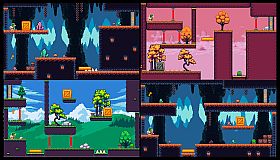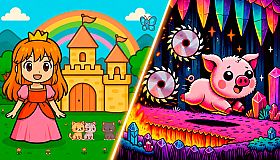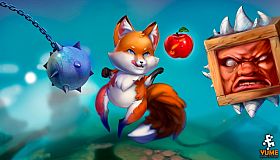


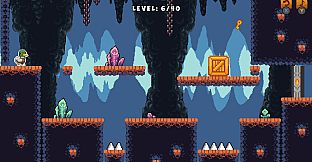
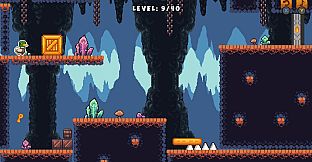
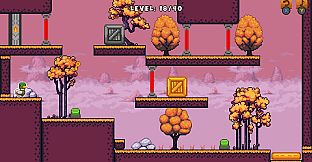
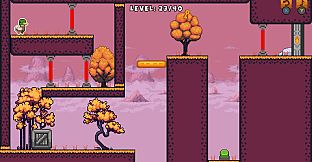
KeyQuack Quest and Hamventure is an action platformer bundle for PC that pairs two distinct retro-style experiences from Yume Game Studio. One title centers on a mallard navigating trap-filled stages to gather keys and reach exits, while the other follows a pig through puzzle-oriented levels packed with reactive hazards. Both emphasize precise movement and forward planning over raw speed, delivering compact sessions that reward careful observation of each stage layout.
Gameplay
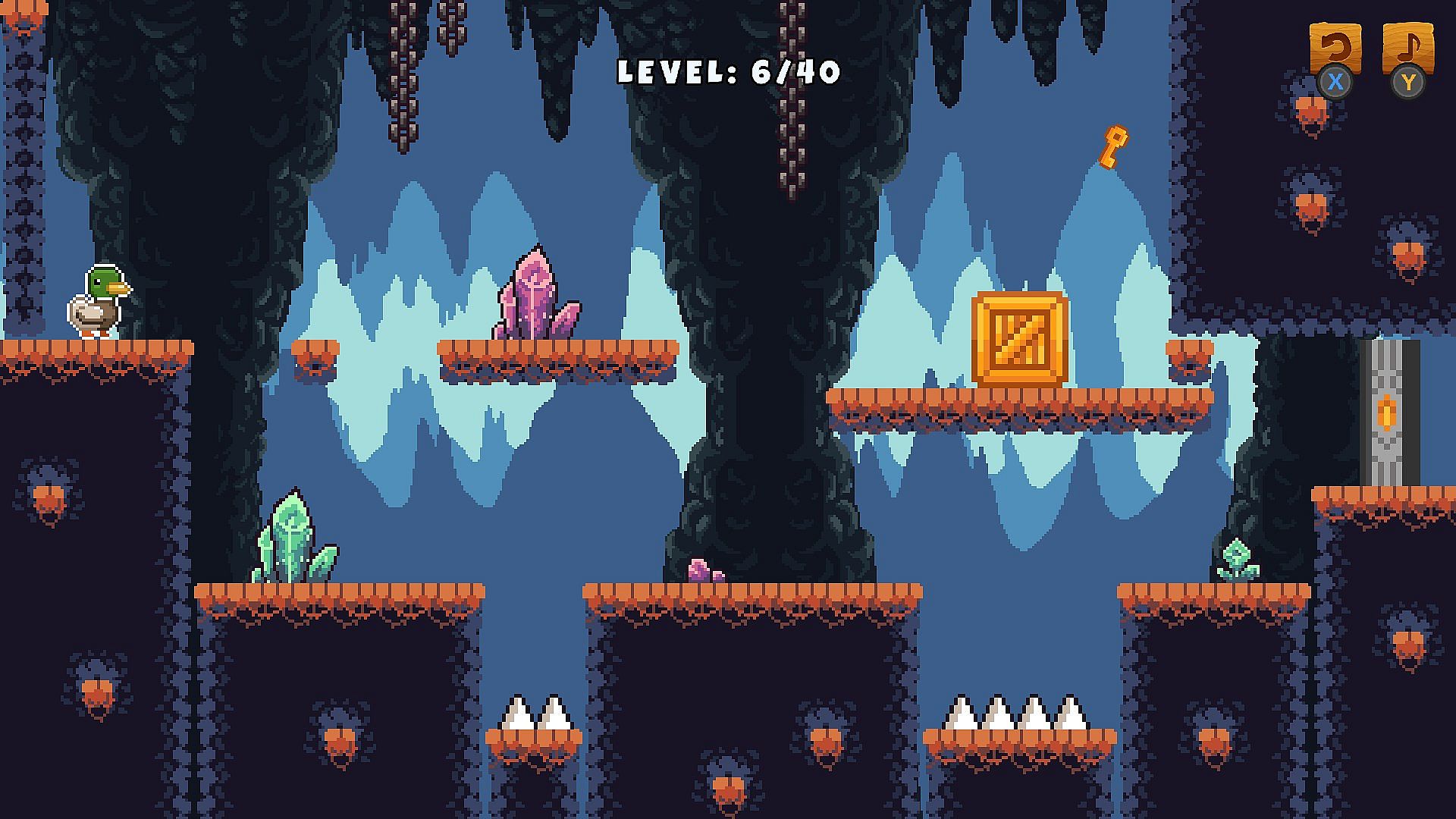
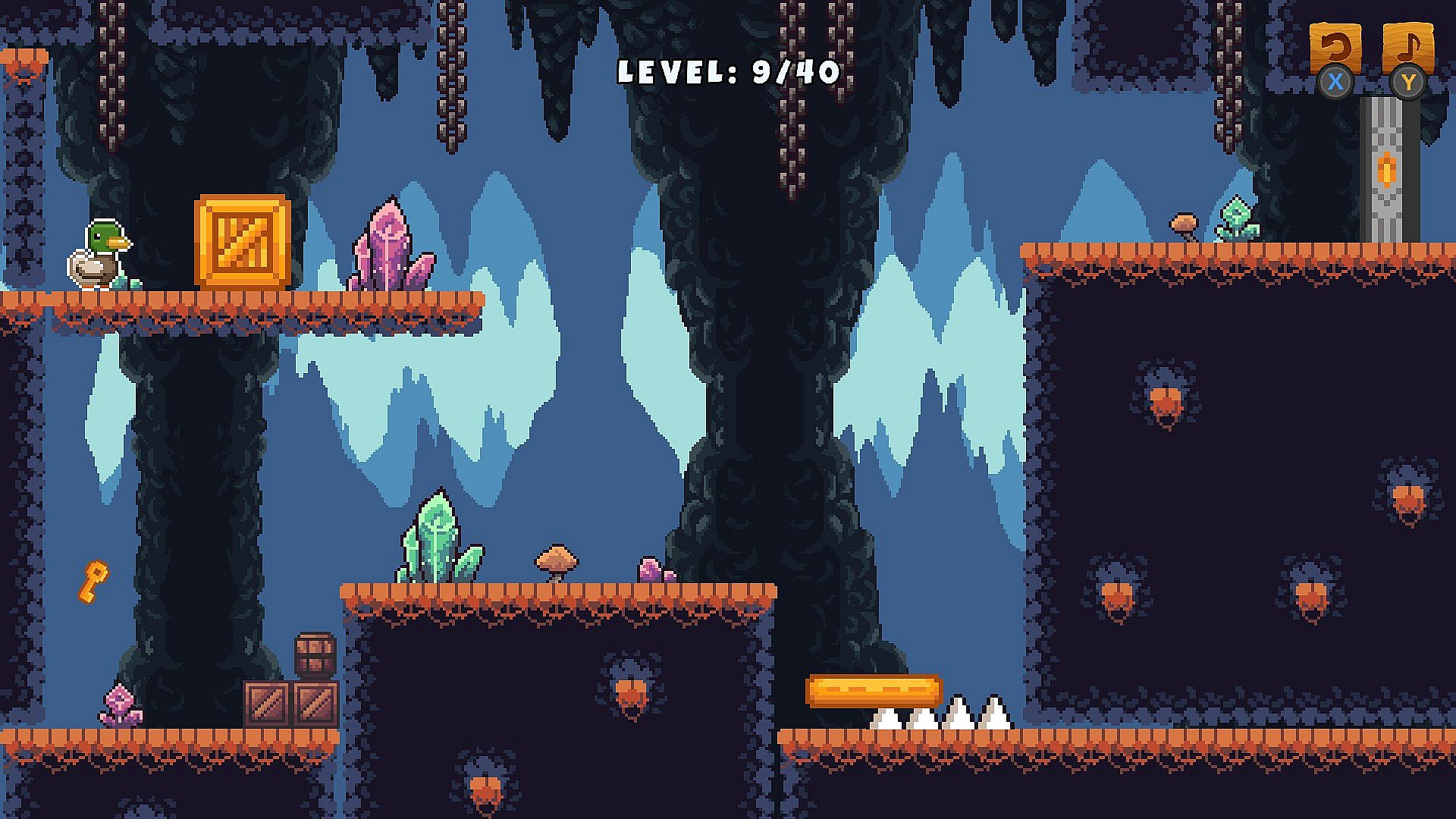
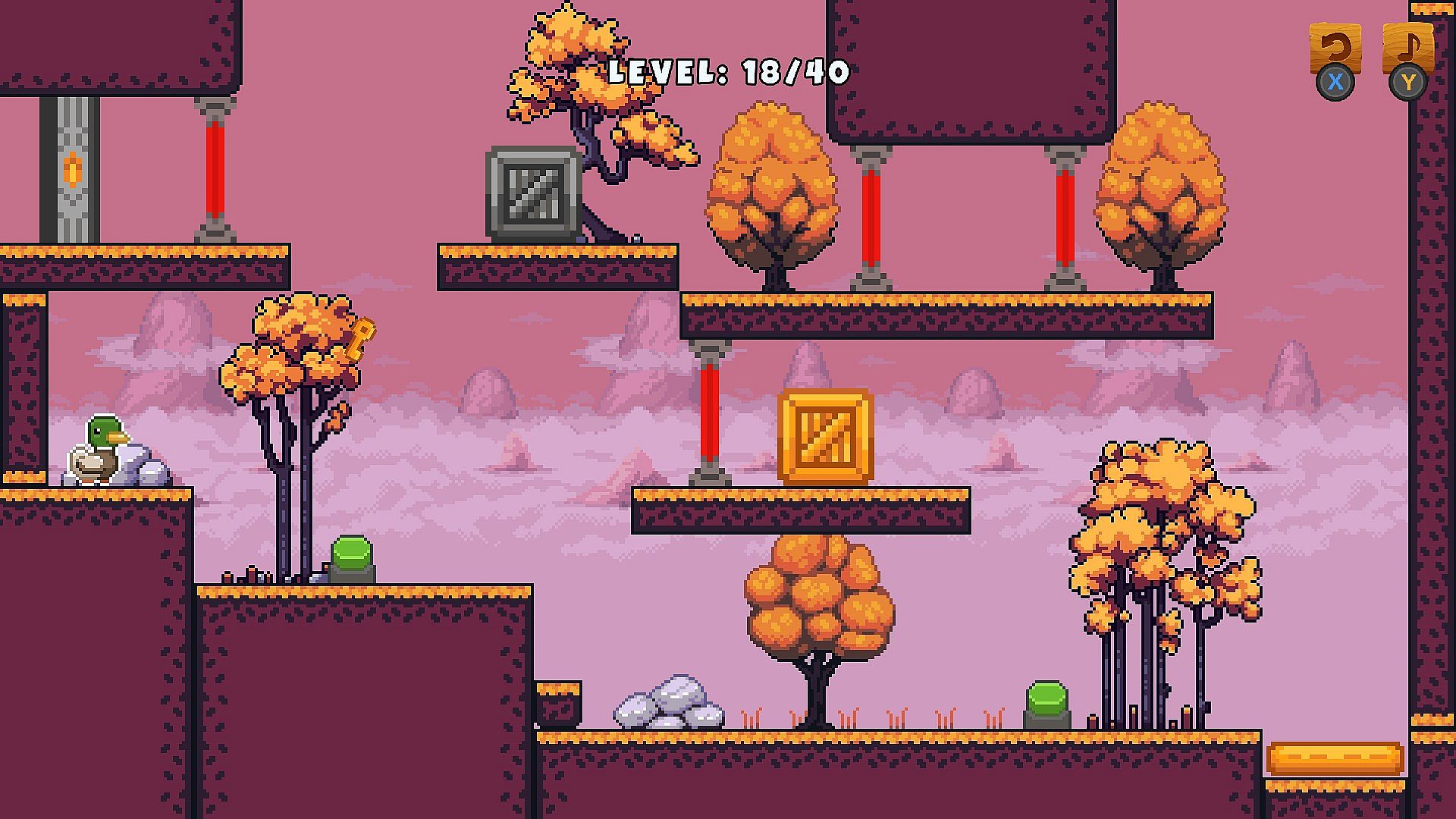
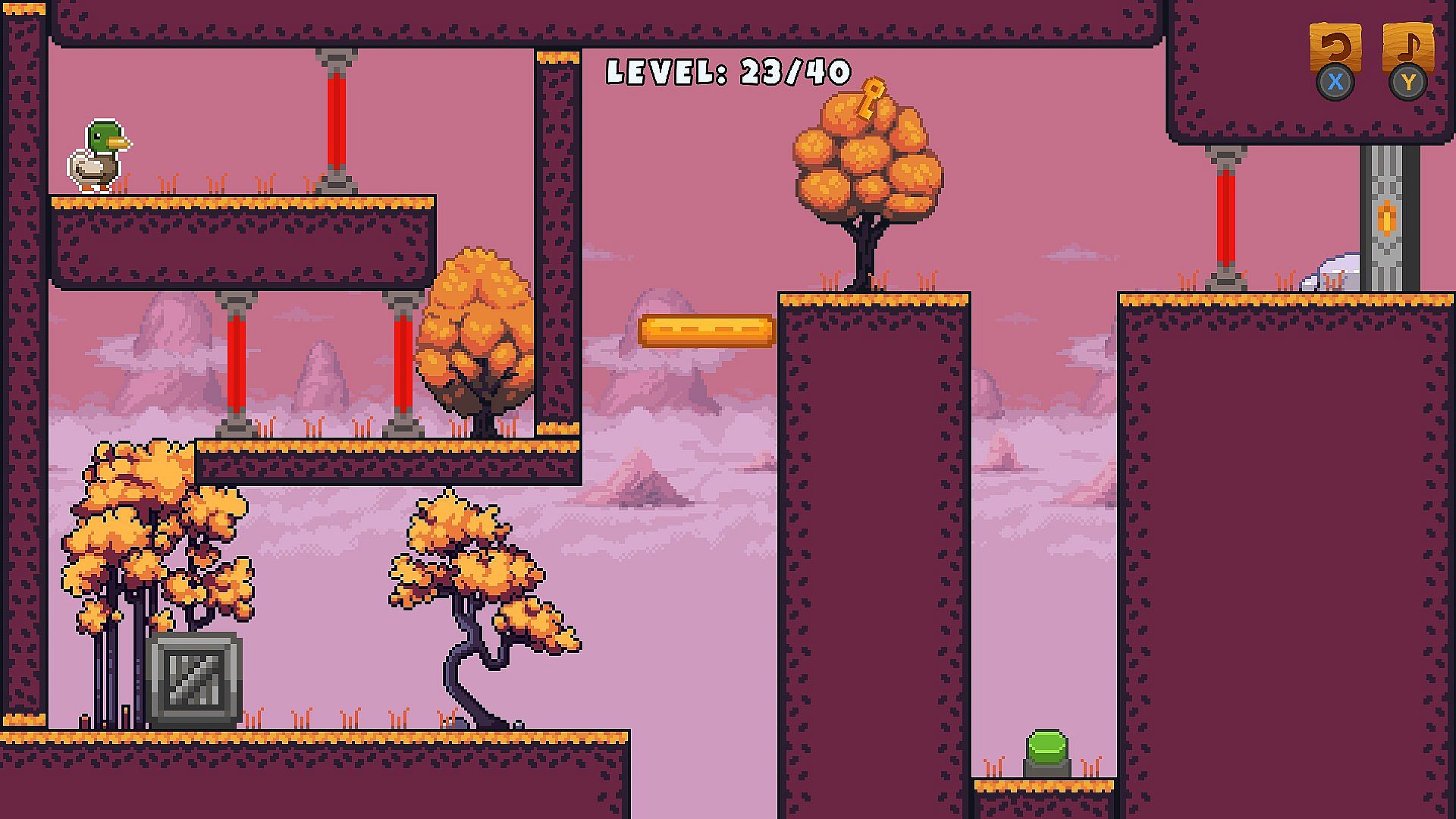
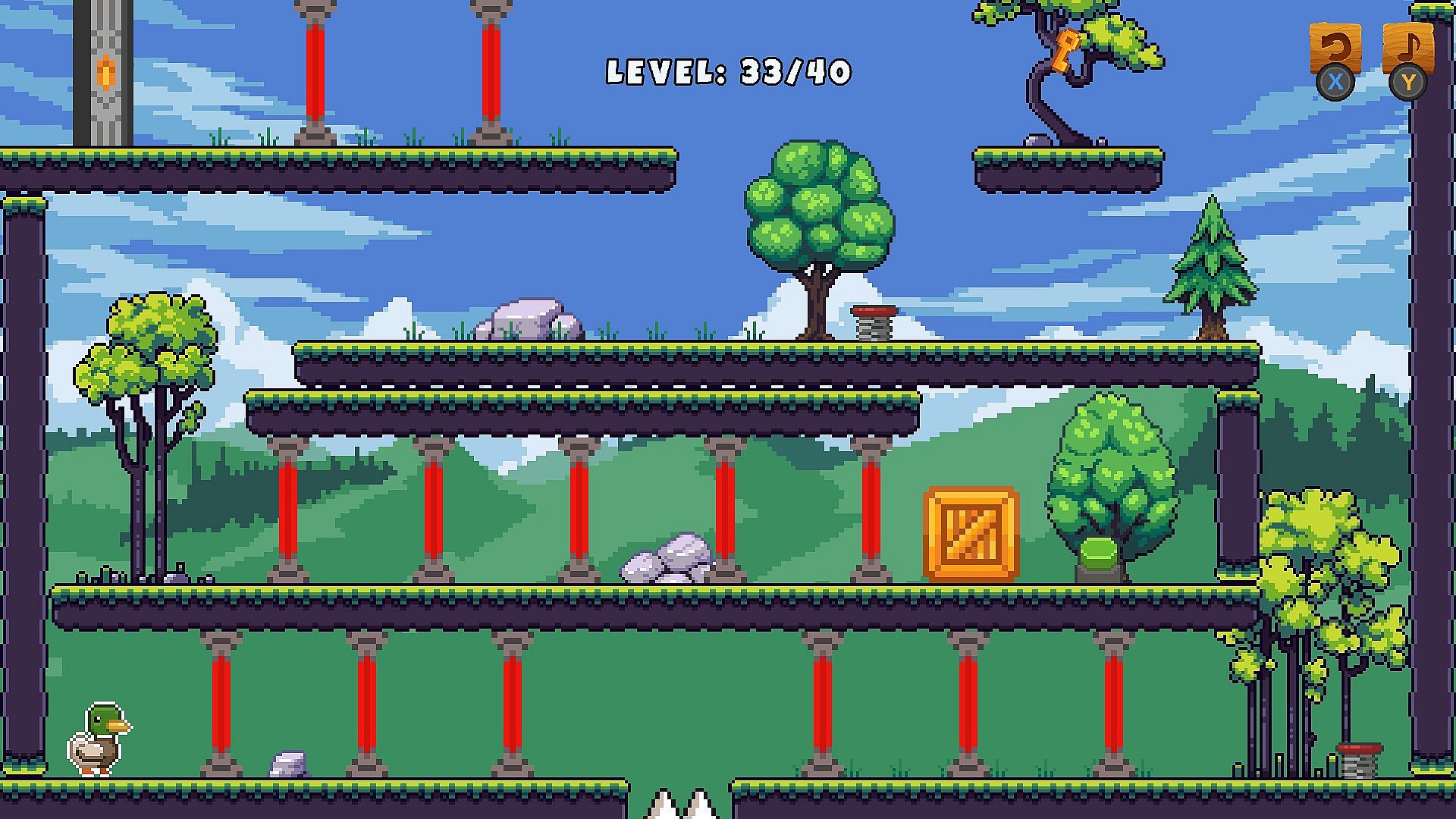
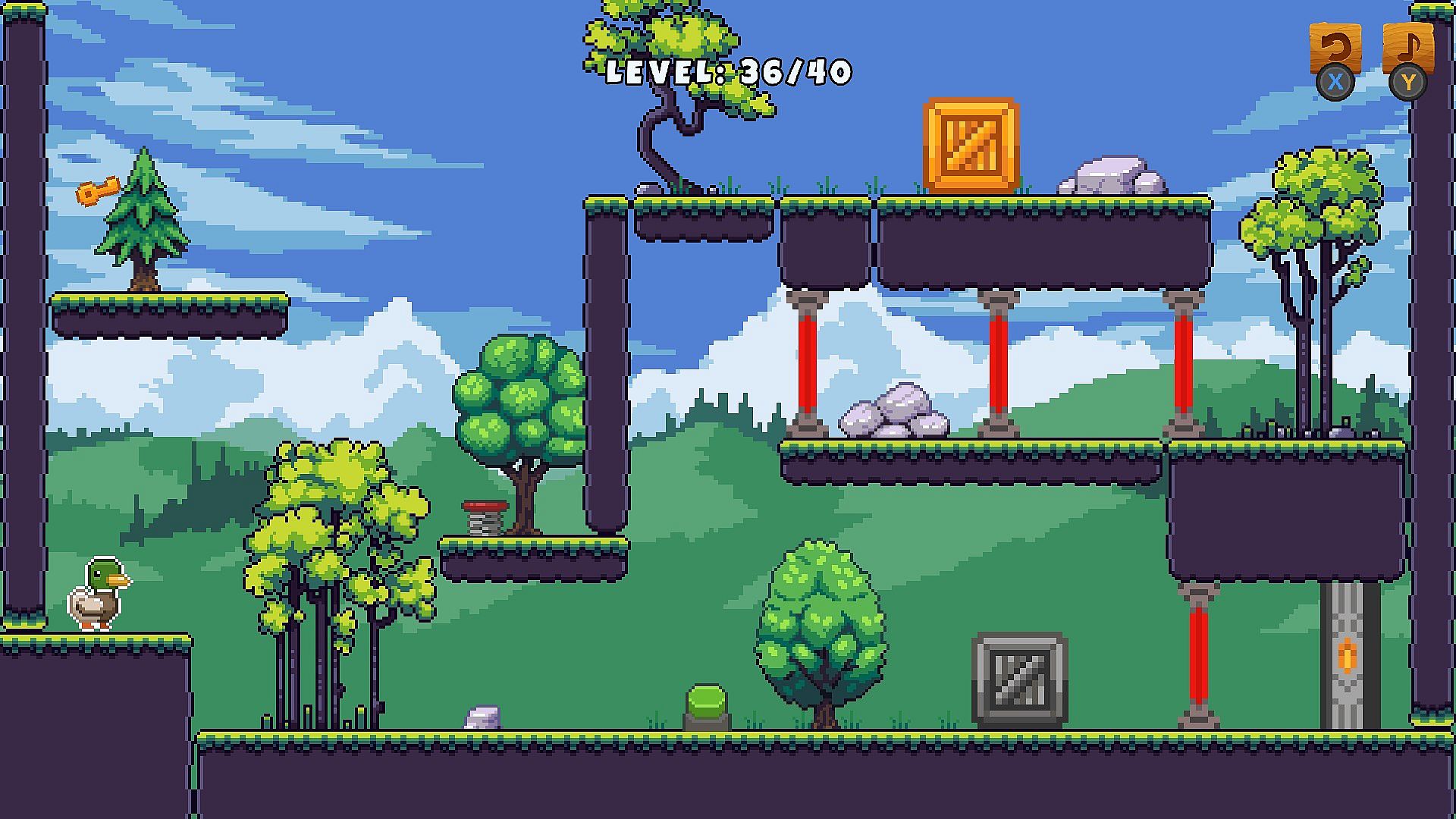
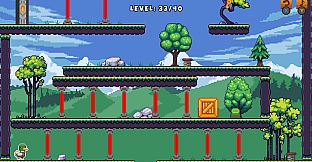
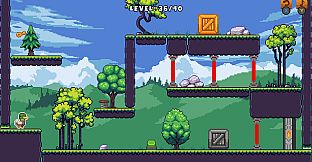
KeyQuack Quest places players in control of a duck protagonist across stages that grow steadily more demanding. The core loop involves locating keys scattered through pixel-art environments, dodging hazards, and locating the exit door without unnecessary risks. Responsive controls allow for tight jumps and positioning, yet success often hinges on studying trap placements and timing movements to avoid patterns that activate on approach or contact.
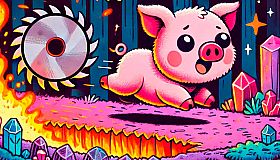
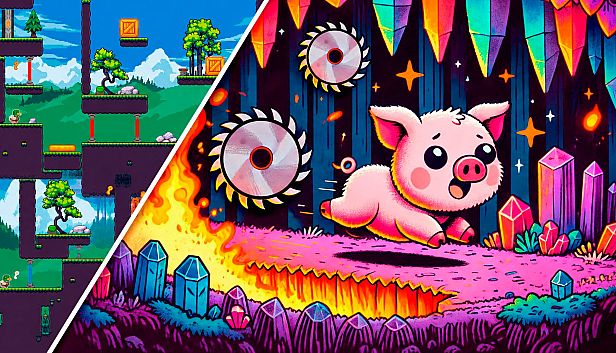
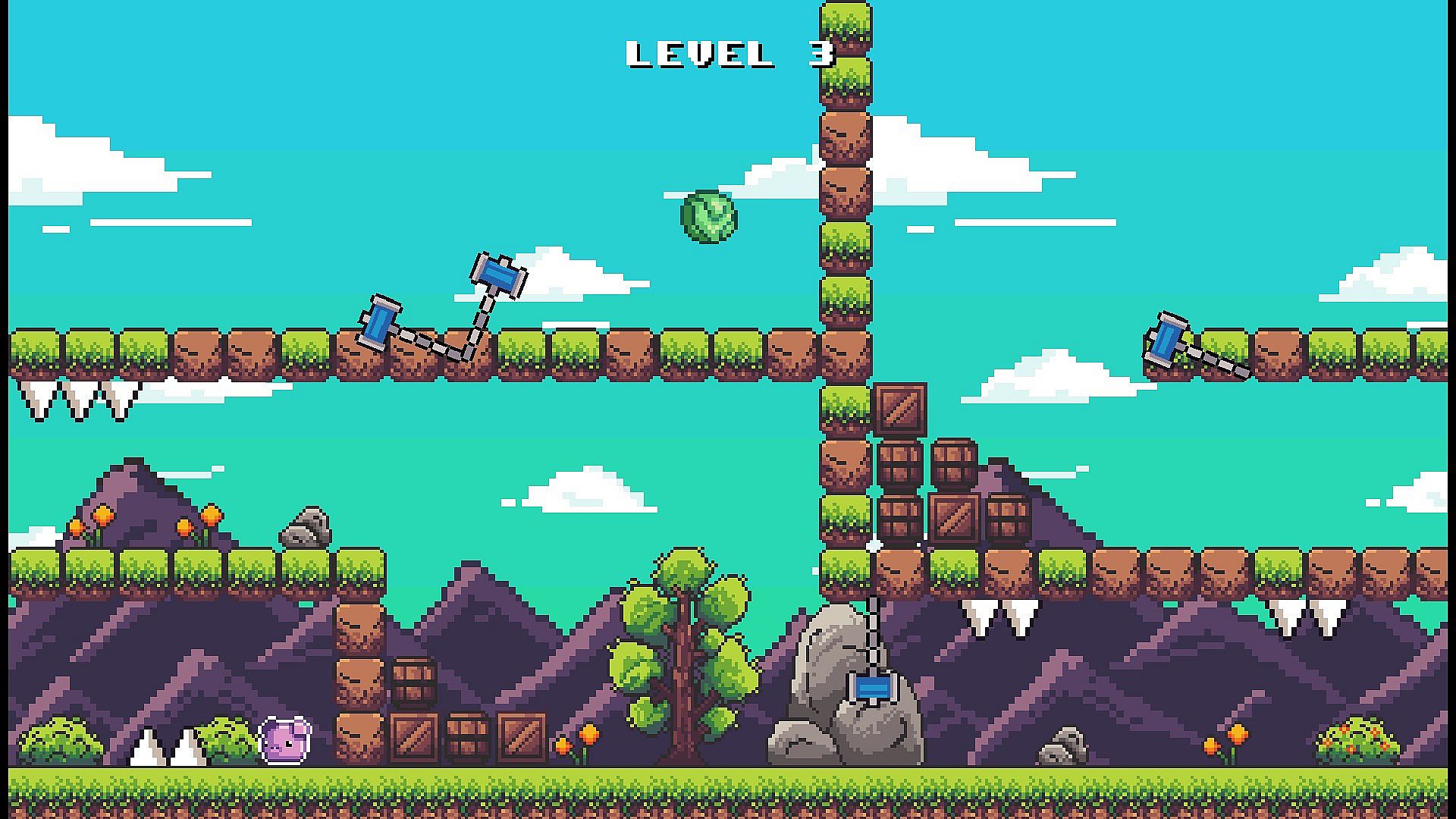
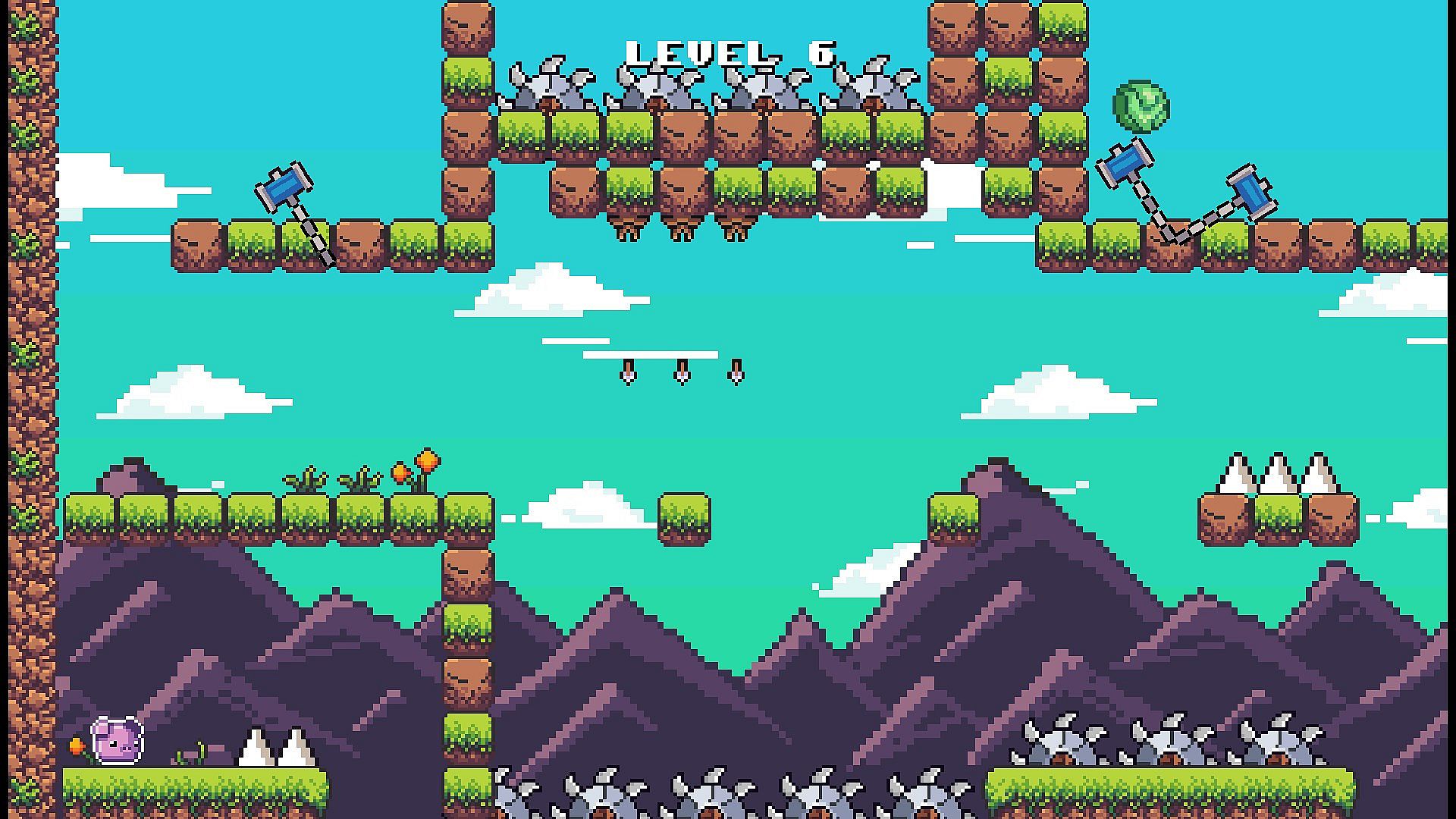
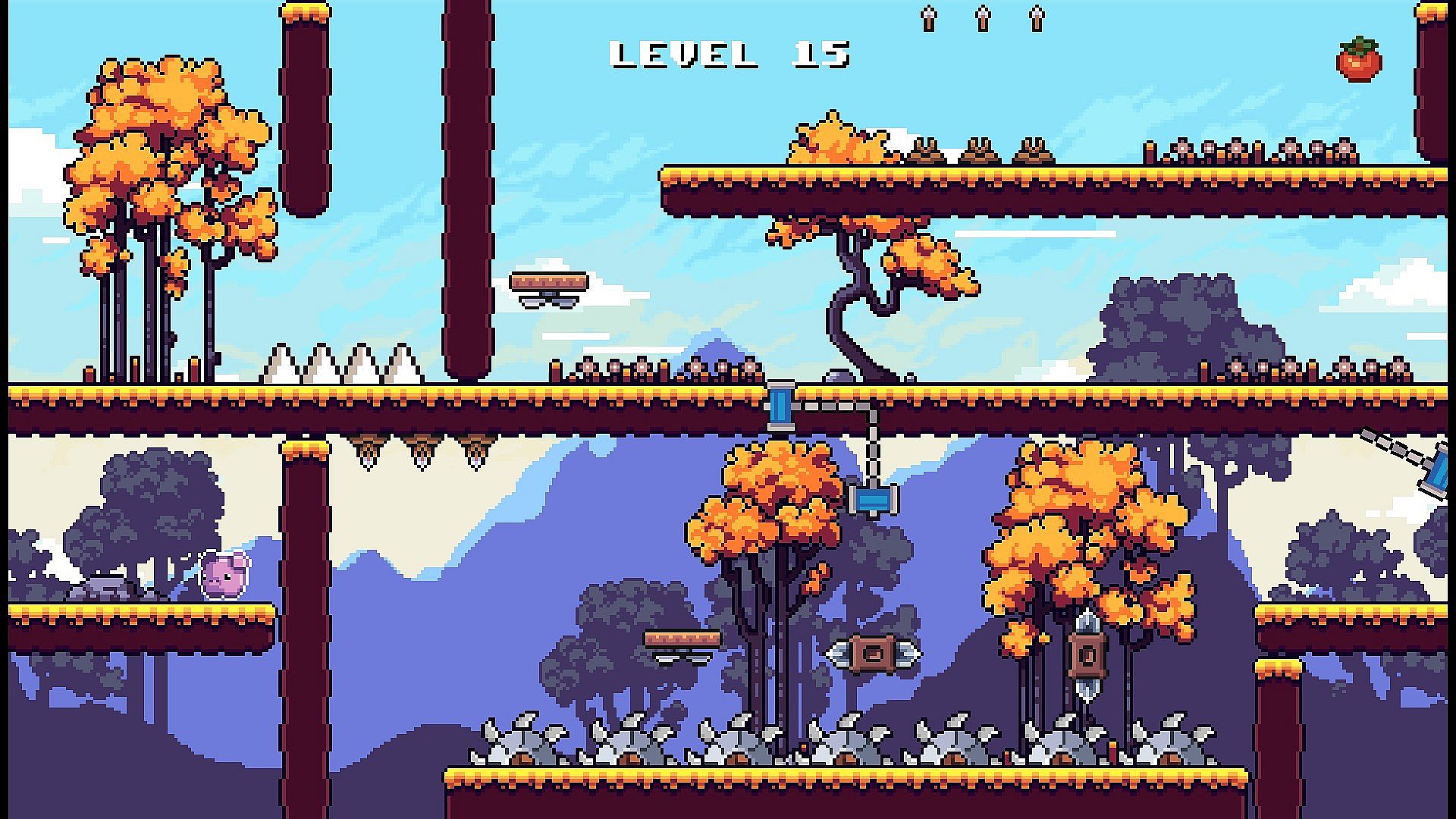
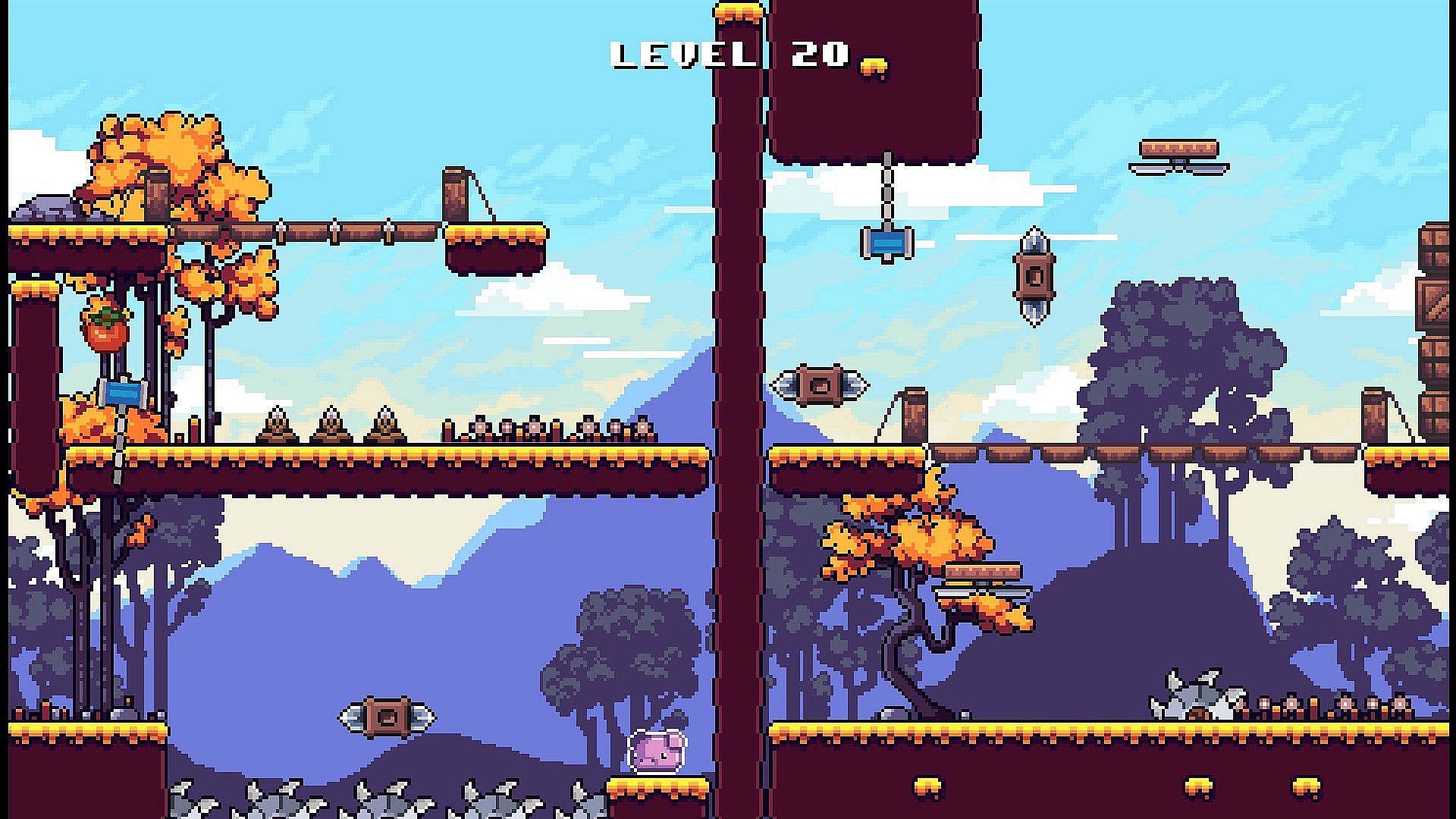
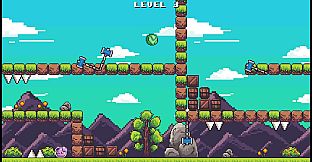
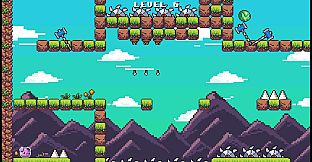
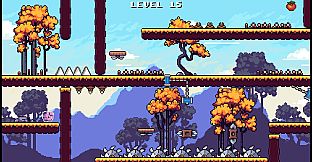
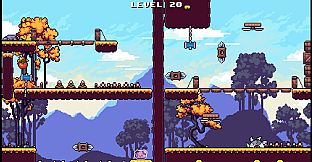
Hamventure shifts focus toward puzzle elements within its platforming framework. The pig character traverses exactly forty levels where spikes, saws, and arrows respond dynamically to player actions. Each stage presents fresh configurations that encourage pausing to assess safe paths before committing to a jump or route. Traps do not simply sit idle; many trigger or reposition based on proximity or timing, turning simple traversal into a sequence of calculated decisions.
Both games share a commitment to short, repeatable play sessions. Levels build on prior mechanics without overwhelming newcomers, while the retro pixel presentation keeps visual clarity high even during precise maneuvers. The duck and pig protagonists each carry distinct charm through their animations and design, reinforcing the nostalgic feel without adding unnecessary complexity.
Game Modes
KeyQuack Quest and Hamventure operate exclusively in single-player format. There are no cooperative, competitive, or online components. Progression occurs through sequential levels in each title, with no branching paths or alternate routes confirmed beyond the main stage order. Players advance by completing objectives in the presented order, focusing entirely on individual mastery of movement and hazard avoidance.
The structure supports quick restarts and targeted practice on specific stages. Completion tracking appears through simple level counters, allowing players to measure progress without additional systems or modifiers. This straightforward approach keeps attention on the platforming fundamentals rather than layered progression trees.
Level Design and Challenges
Stages in both games prioritize thoughtful layout over spectacle. KeyQuack Quest arranges traps and keys to reward route planning, with later levels introducing tighter spaces and more overlapping hazards. The emphasis remains on consistent execution once a safe sequence is identified.
Hamventure extends this principle across its full set of forty levels. New situations appear regularly, often combining multiple trap types in ways that require re-evaluating standard jump timing. Arrows and saws that react to movement add a layer of prediction, while spikes serve as more static but still punishing obstacles. The design avoids filler by ensuring nearly every element contributes to the decision-making process.
Is It Worth Playing?
KeyQuack Quest and Hamventure suit players who enjoy deliberate, short-form platformers with a retro aesthetic. The games reward observation and planning more than split-second reflexes, making them accessible for sessions that last minutes rather than hours. Achievement lists indicate full completion is possible in under thirty minutes per title when focused, which aligns with their compact scope.
Those seeking nostalgic pixel-art experiences or straightforward single-player challenges will find the responsive controls and clear objectives satisfying. The bundle format provides two complementary takes on the same core loop without requiring long-term investment. Players who prefer games that can be picked up and set down easily, or who appreciate puzzle-platformer hybrids that emphasize smart positioning, will likely appreciate the direct approach here. New releases from smaller studios like this one often appeal most to fans of precise 2D movement who value clarity over expansive features.