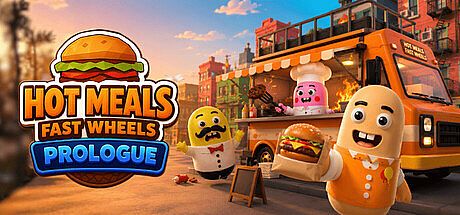


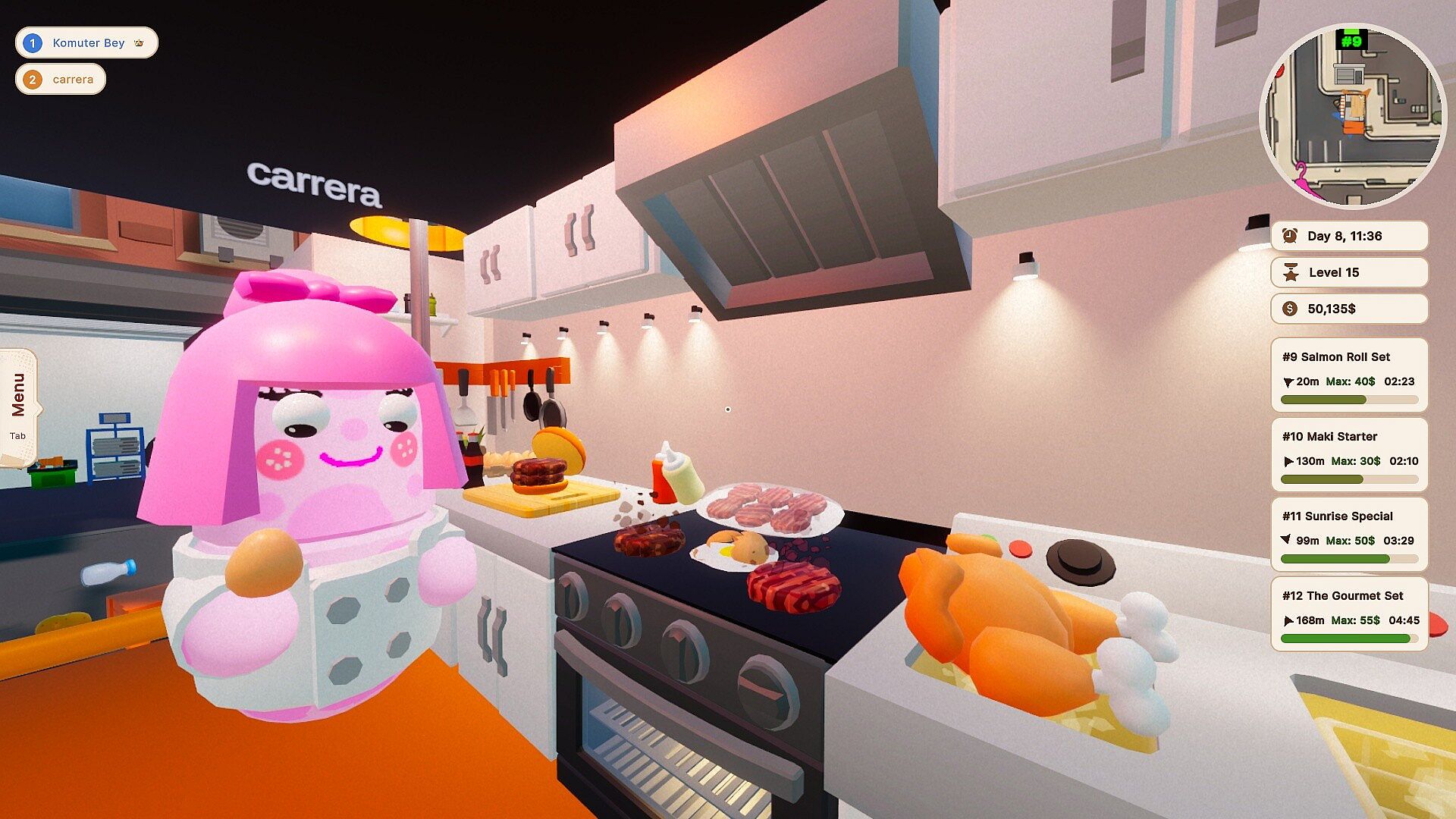
Hot Meals Fast Wheels - Prologue is an action simulation game that blends cooking, driving, and resource management in a single food truck experience. Players take on the role of a food truck owner struggling with bank payments, gathering ingredients, preparing meals on the move, and completing deliveries before time runs out or finances collapse.
Gameplay
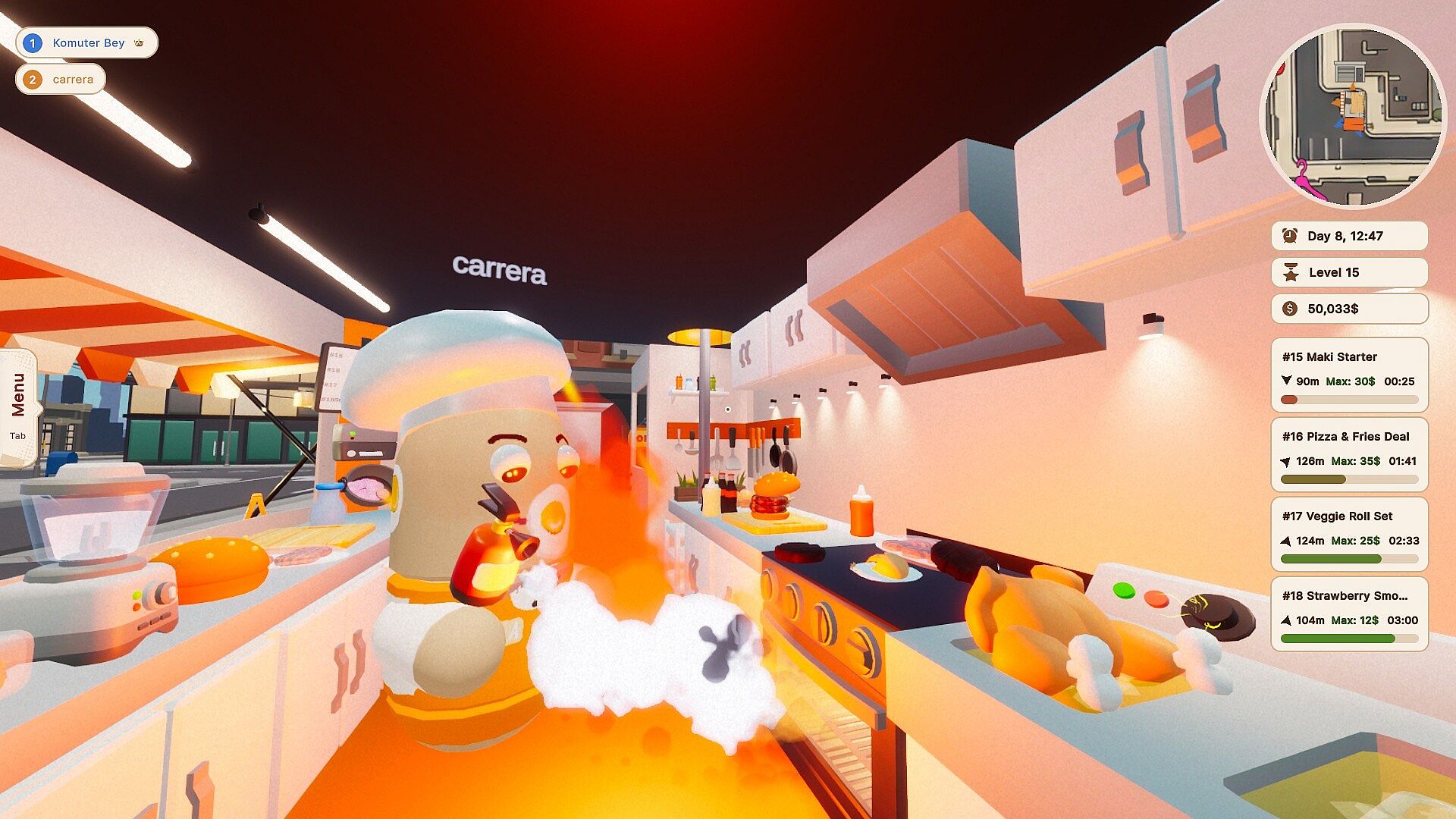
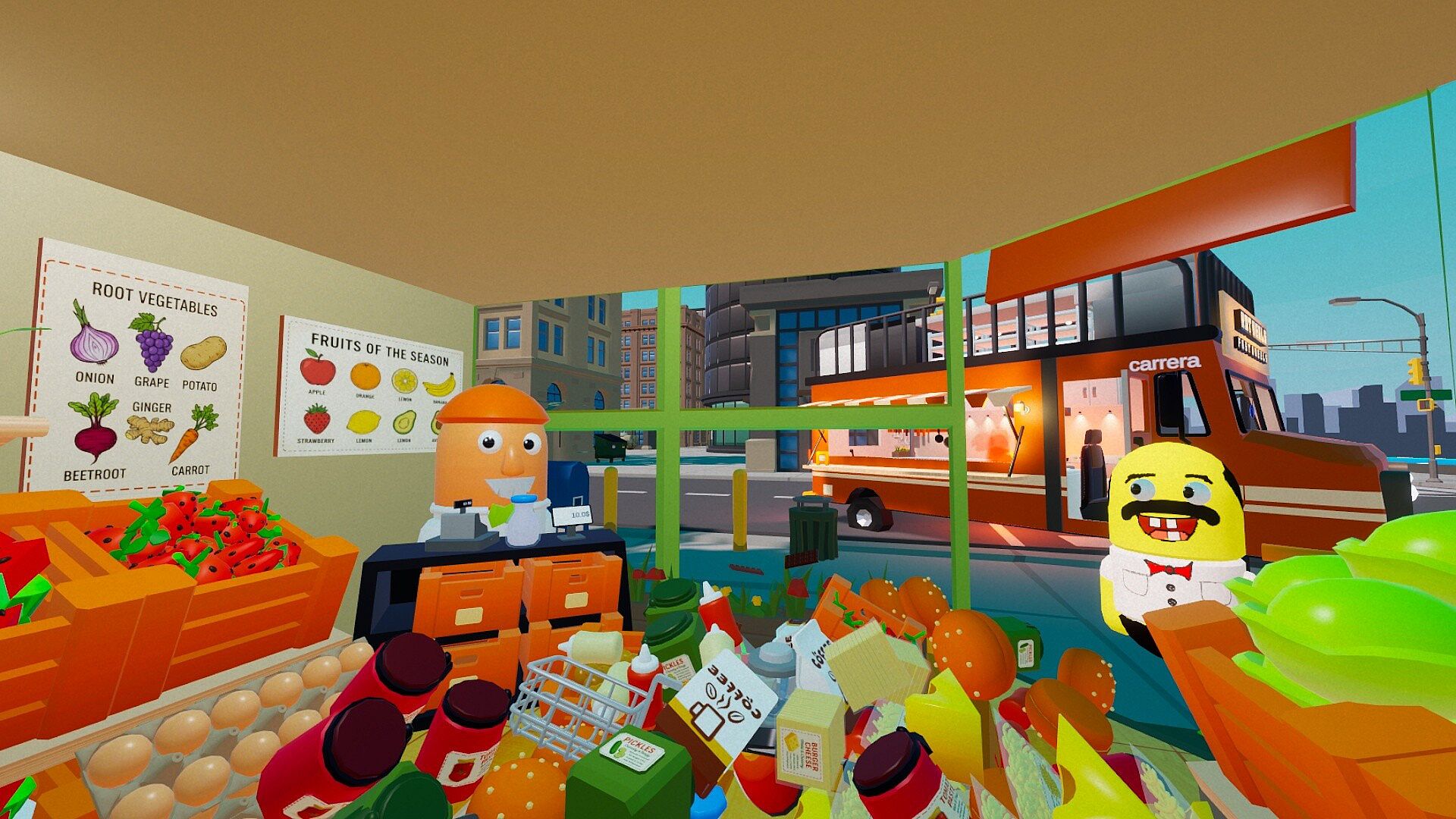
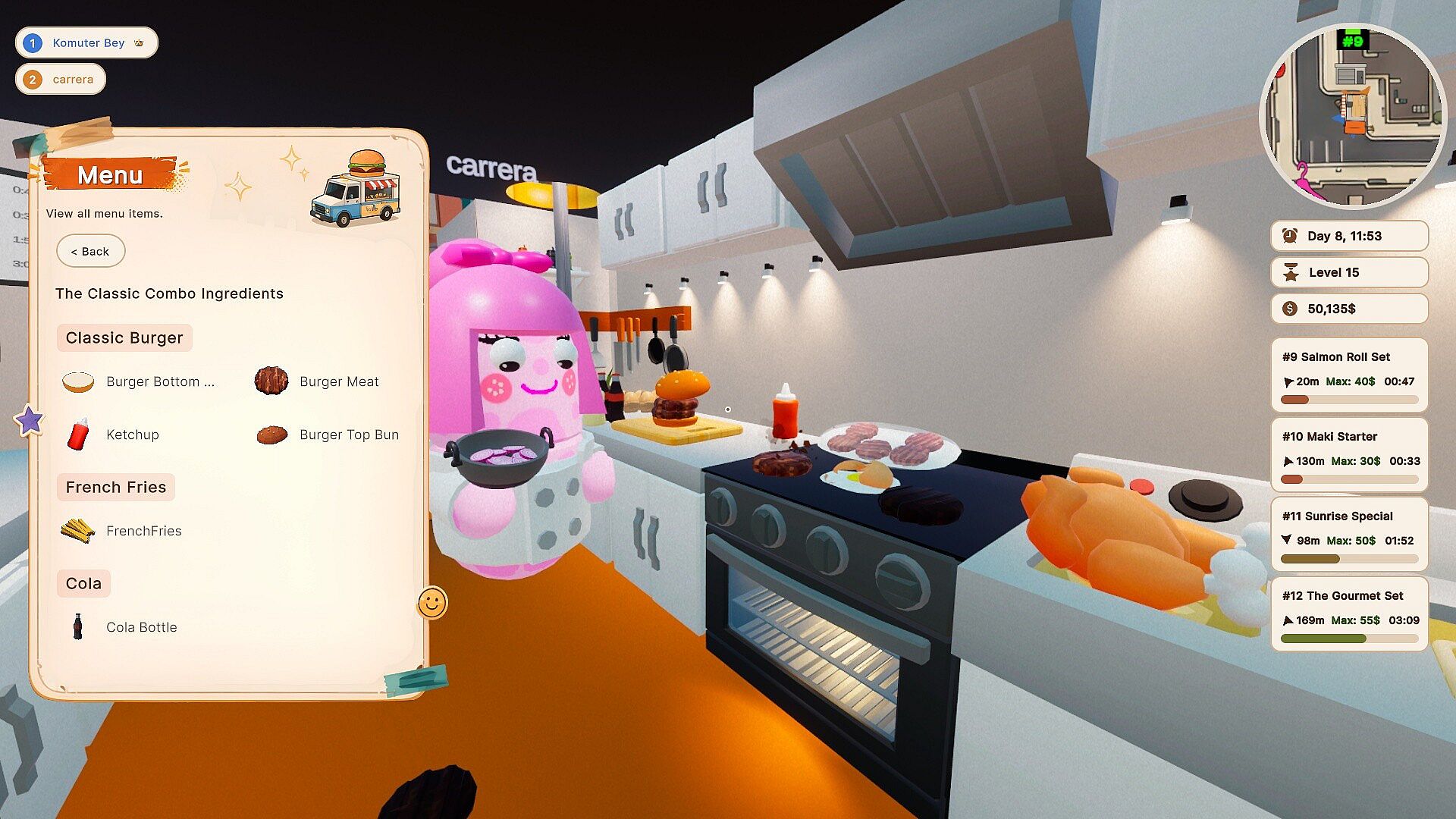
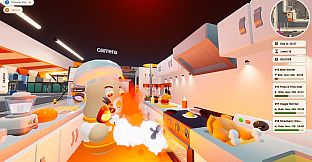
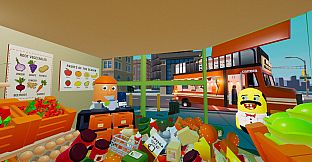
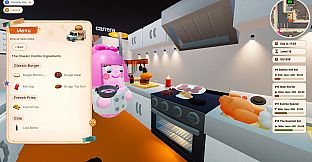
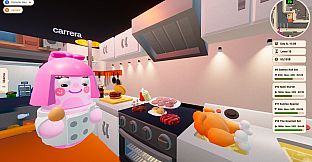
The core loop centers on preparing for daily service and executing it under pressure. Before opening, players explore the city to purchase ingredients from various shops, with poor choices or shortages forcing adjustments once service begins. Inside the caravan kitchen, cooking involves chopping, frying, assembling, and plating items such as burgers and pizzas while the vehicle travels through urban streets.
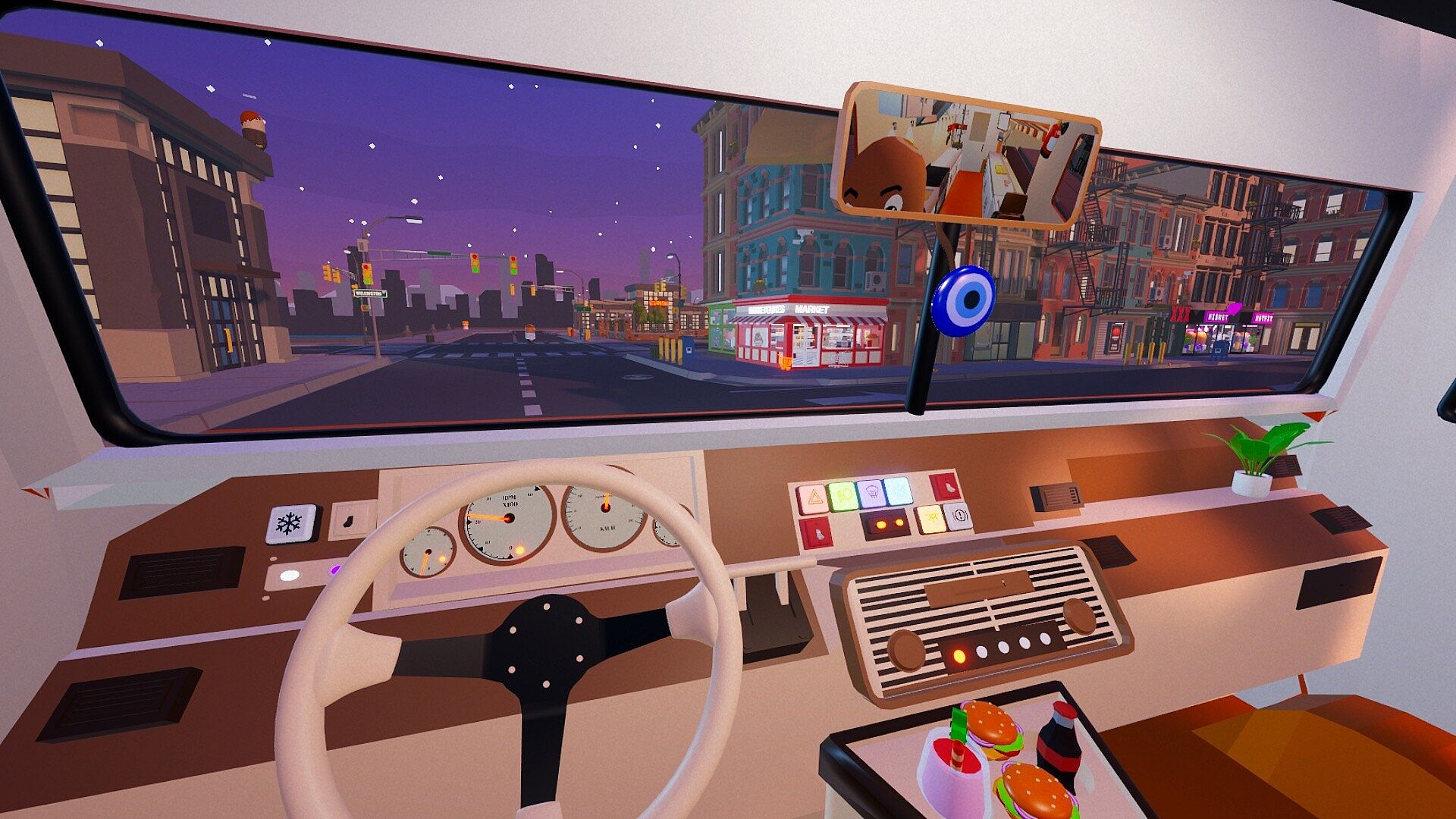
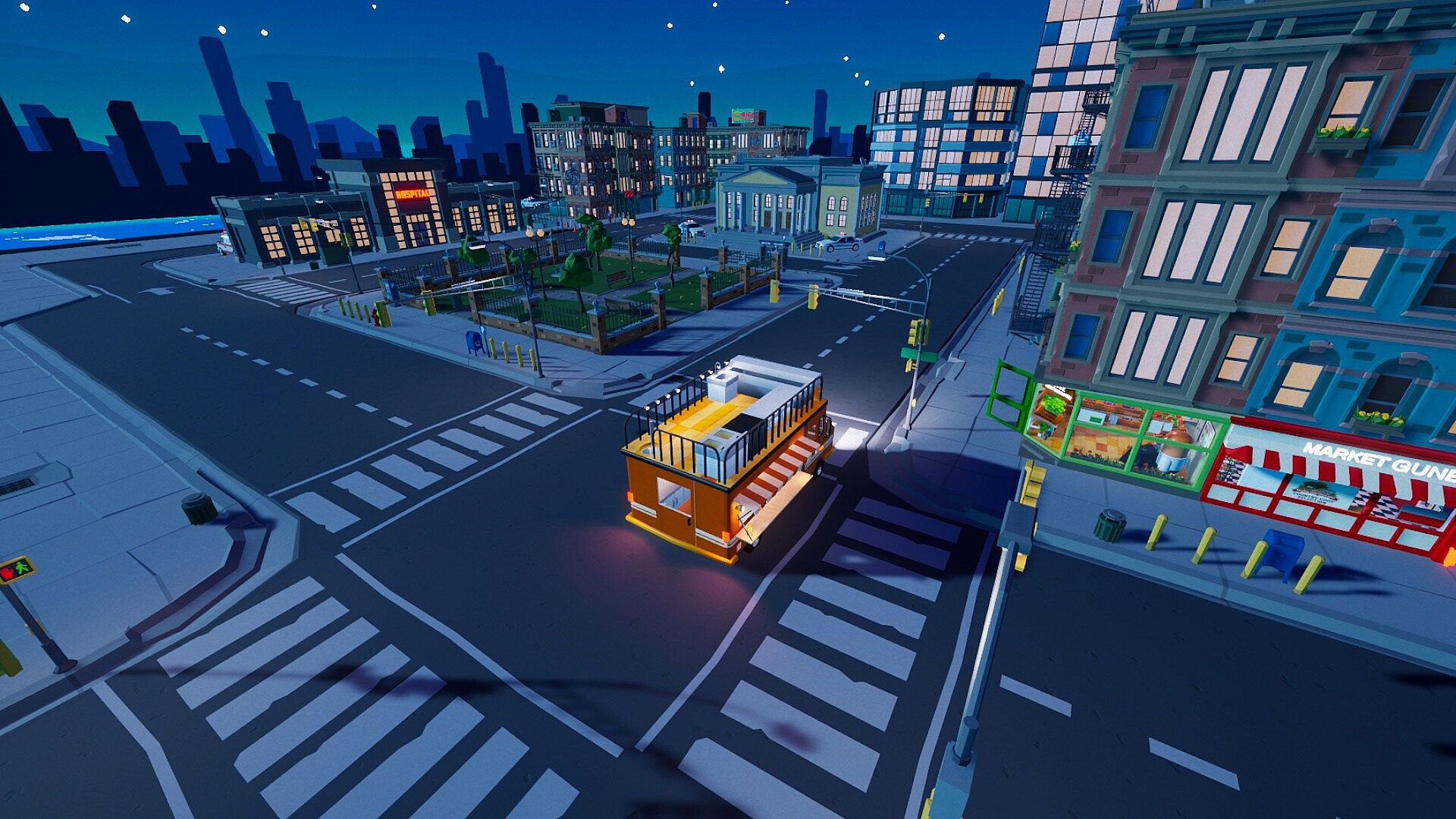
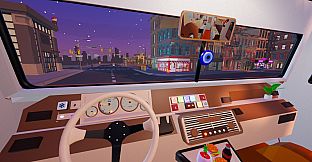
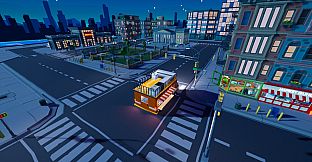
Driving forms an active part of the process rather than a separate phase. The truck moves continuously, requiring route management and control to reach delivery spots on time. Physics simulation means sudden stops or collisions send ingredients and finished dishes flying, turning small errors into larger setbacks. Delivery requires throwing completed orders accurately to waiting customers, with successful handoffs boosting earnings and mistakes cutting into profits.
Additional layers include adapting to dynamic weather that affects handling and visibility, plus random events that interrupt the routine. Progression across days introduces new menus, stricter time limits, and more complex scenarios, encouraging repeated attempts to refine strategies and recover from mishaps.
Game Modes
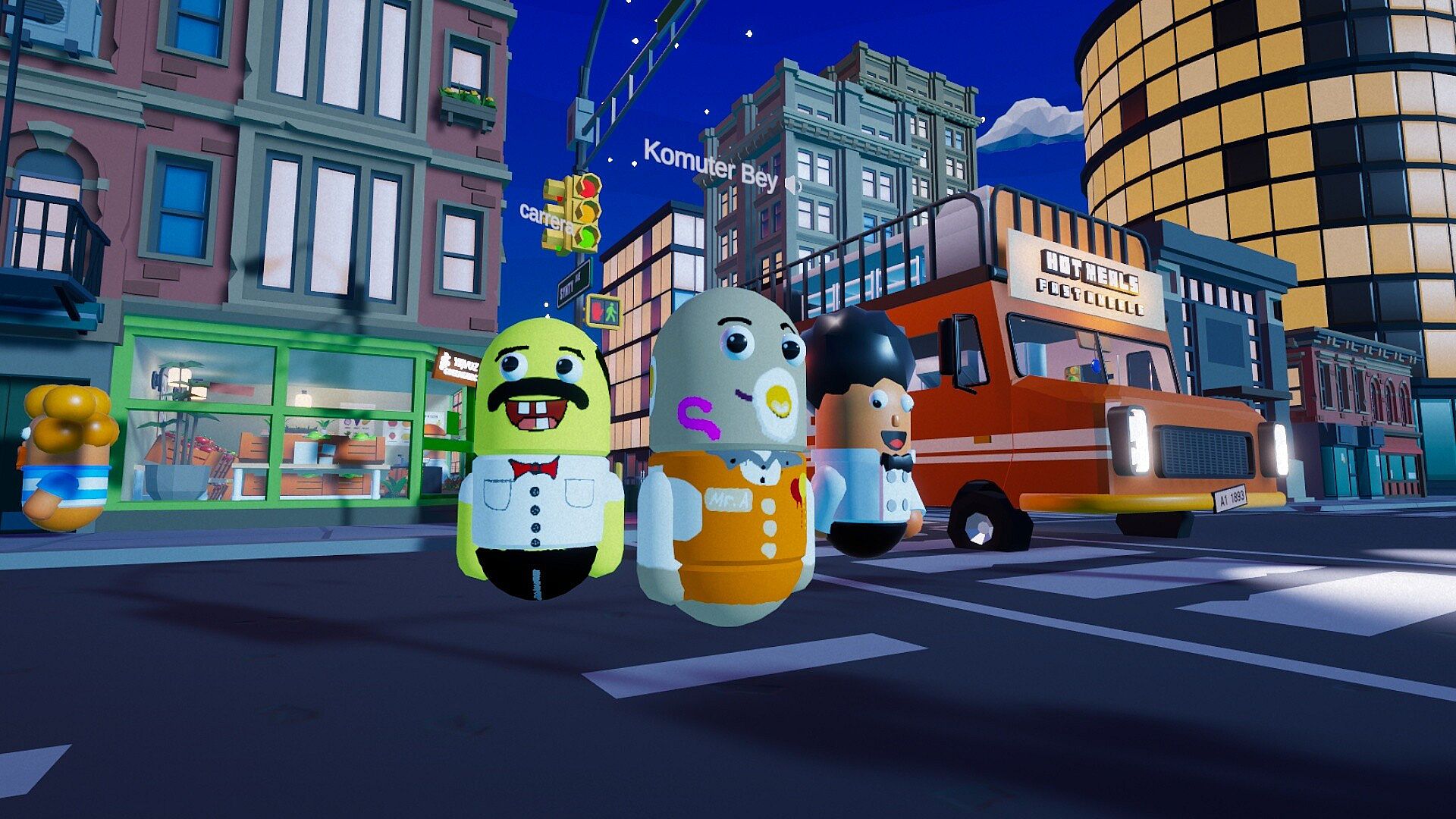
Play supports both solo runs and online co-op sessions for up to four participants. In solo mode, one player handles shopping, cooking, driving, and deliveries in sequence, managing all tasks amid the moving kitchen environment. Co-op divides responsibilities across the team, allowing specialization such as one player focusing on the wheel while others handle kitchen stations.
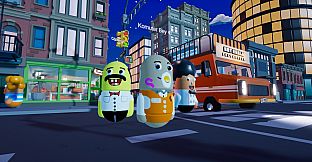
When three or more players join, the driver character shrinks in size, severely limiting forward visibility and forcing reliance on verbal directions from teammates. This mechanic heightens coordination demands without changing the fundamental objectives of ingredient prep, meal assembly, and timely delivery. Daily progression serves as the main structure, with each new day presenting fresh challenges that build on previous performance.
Key Mechanics and Features
Physics interactions drive much of the tension, as vehicle movement directly impacts kitchen stability and item placement. Players must balance speed for faster deliveries against the risk of spills or fires from rough driving. Shopping requires planning to match expected orders, while customer satisfaction depends on both speed and accuracy in tossing meals to the correct locations.
Customization options include various outfits and character painting to personalize the crew. Difficulty scales naturally through tighter roads, faster order volume, and escalating events as days advance. The game emphasizes adaptation over perfection, rewarding teams that communicate and improvise when plans unravel.
Is It Worth Playing?
The experience suits players who enjoy chaotic co-op simulations where teamwork and quick thinking matter more than polished execution. Solo play offers a solid test of multitasking, though the design shines brightest with friends coordinating roles and reacting to physics surprises. A demo version has received mixed feedback, highlighting both the appeal of the concept and areas needing refinement in controls and balance.
With ongoing updates addressing handling, user interface, and physics responsiveness, the title continues to evolve in its current state. Those drawn to food truck management combined with real-time driving and cooking will find a distinctive loop here, particularly if they appreciate sessions that can spiral into memorable disorder. Availability on PC makes it accessible for short or extended play sessions focused on debt repayment and service survival.