


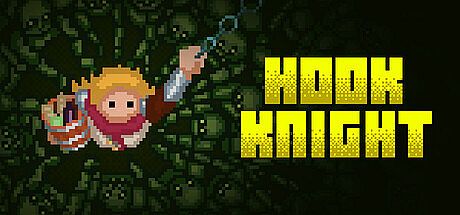


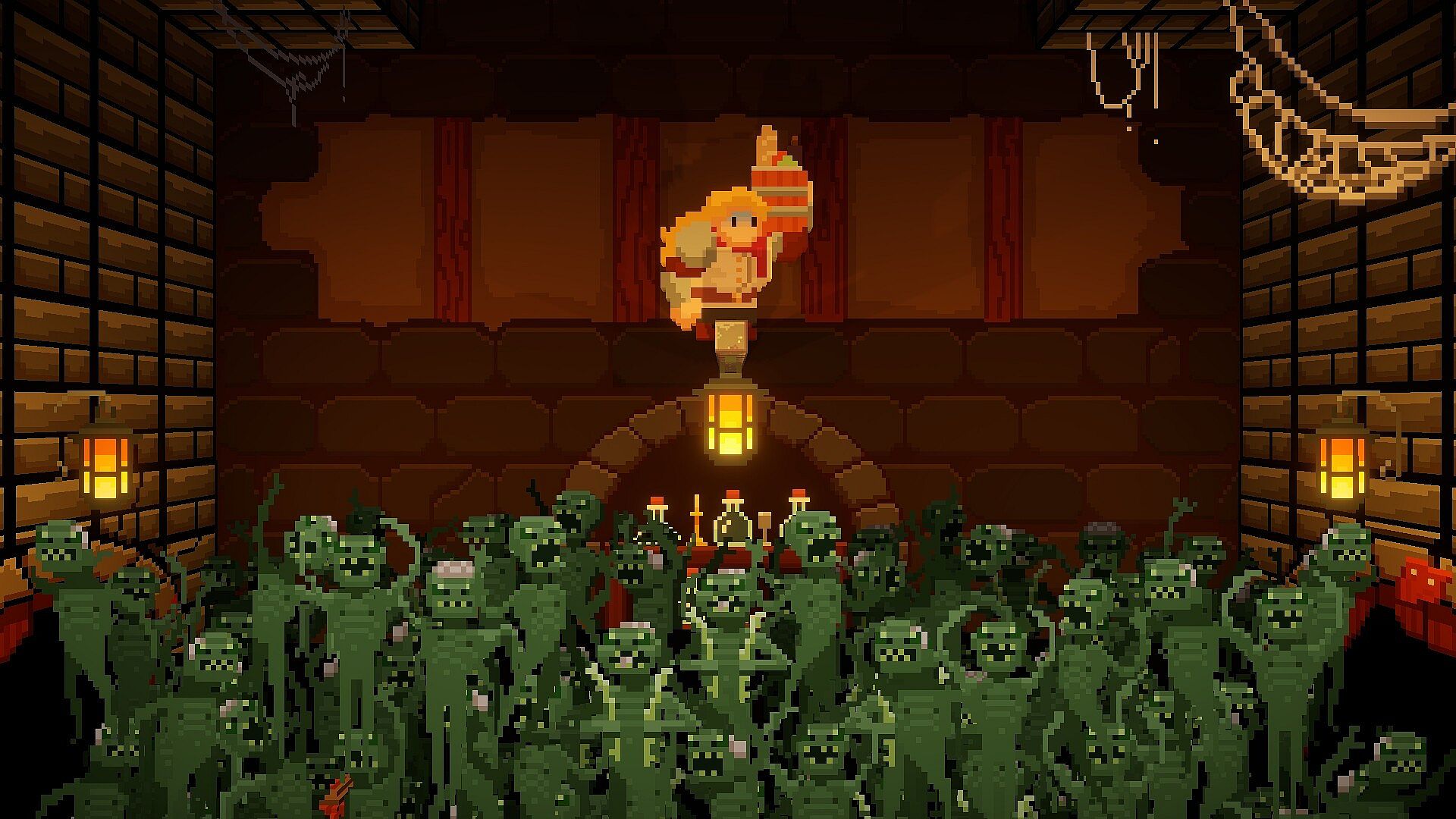
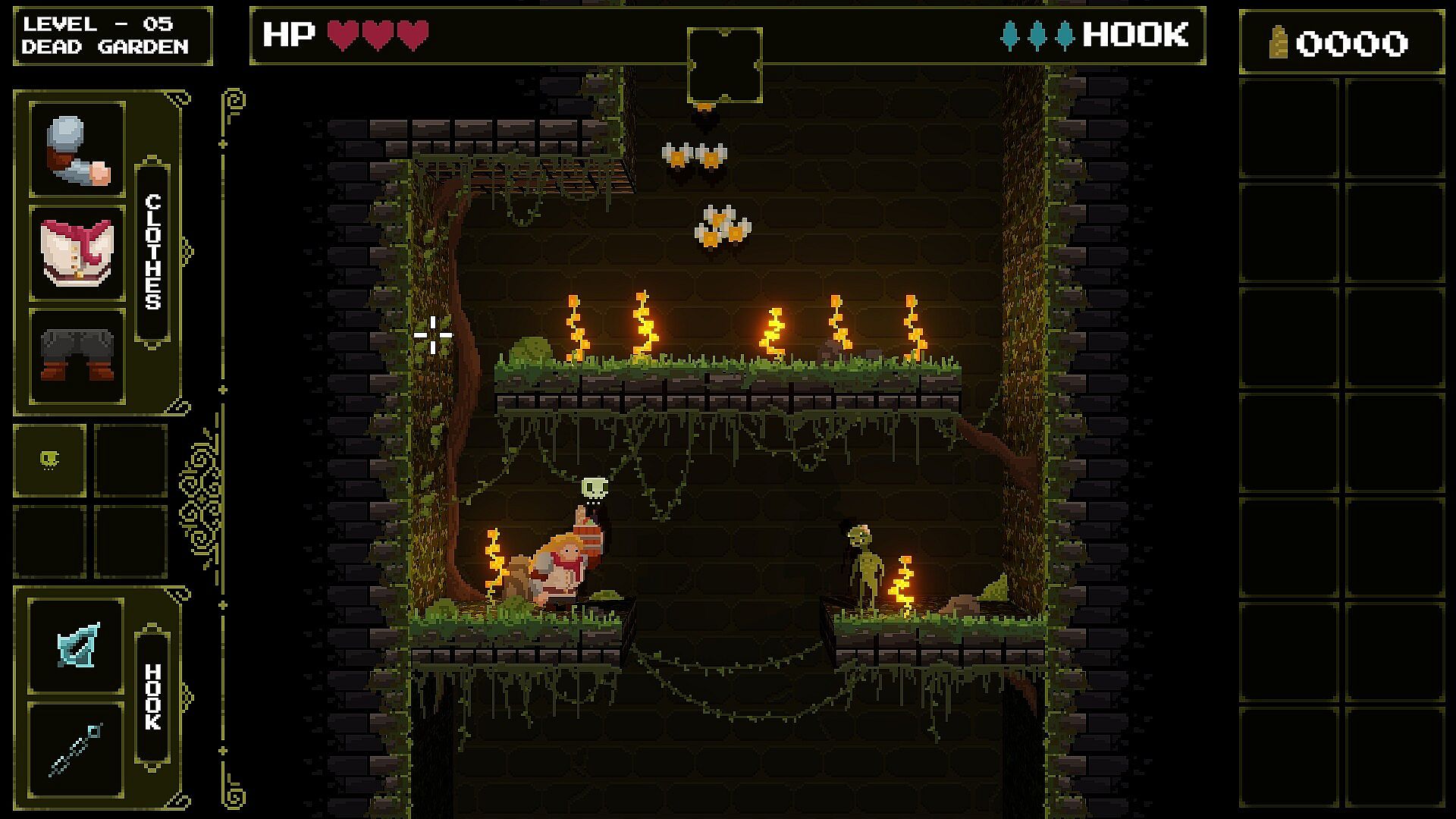
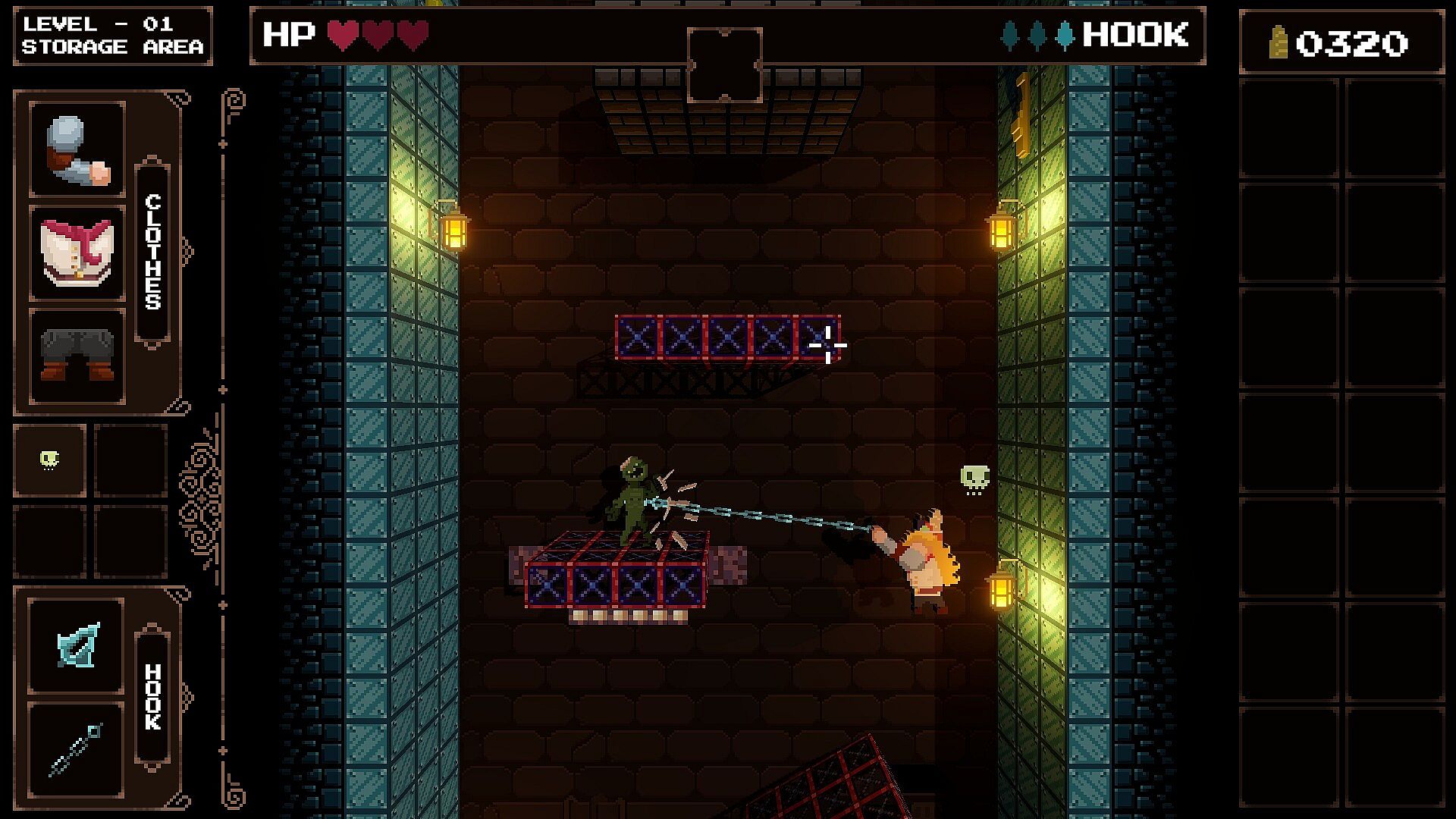
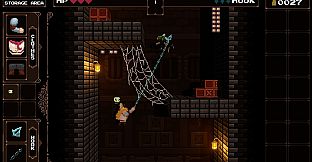
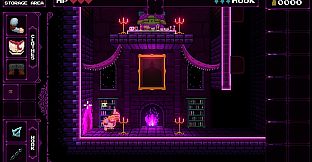
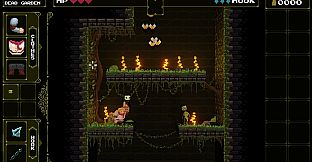
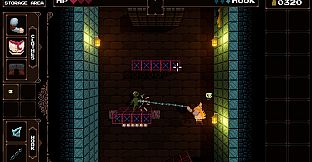
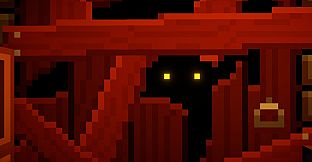
Hook Knight is a vertical action roguelite built for PC that drops players into a medieval zombie apocalypse rendered in distinctive 2.5D pixel art. You take control of Boric, a knight tasked with scavenging supplies for communities struggling to survive the undead outbreak. A routine supply run turns into a desperate climb when the horde awakens, forcing an ascent through a towering structure filled with threats.
Gameplay
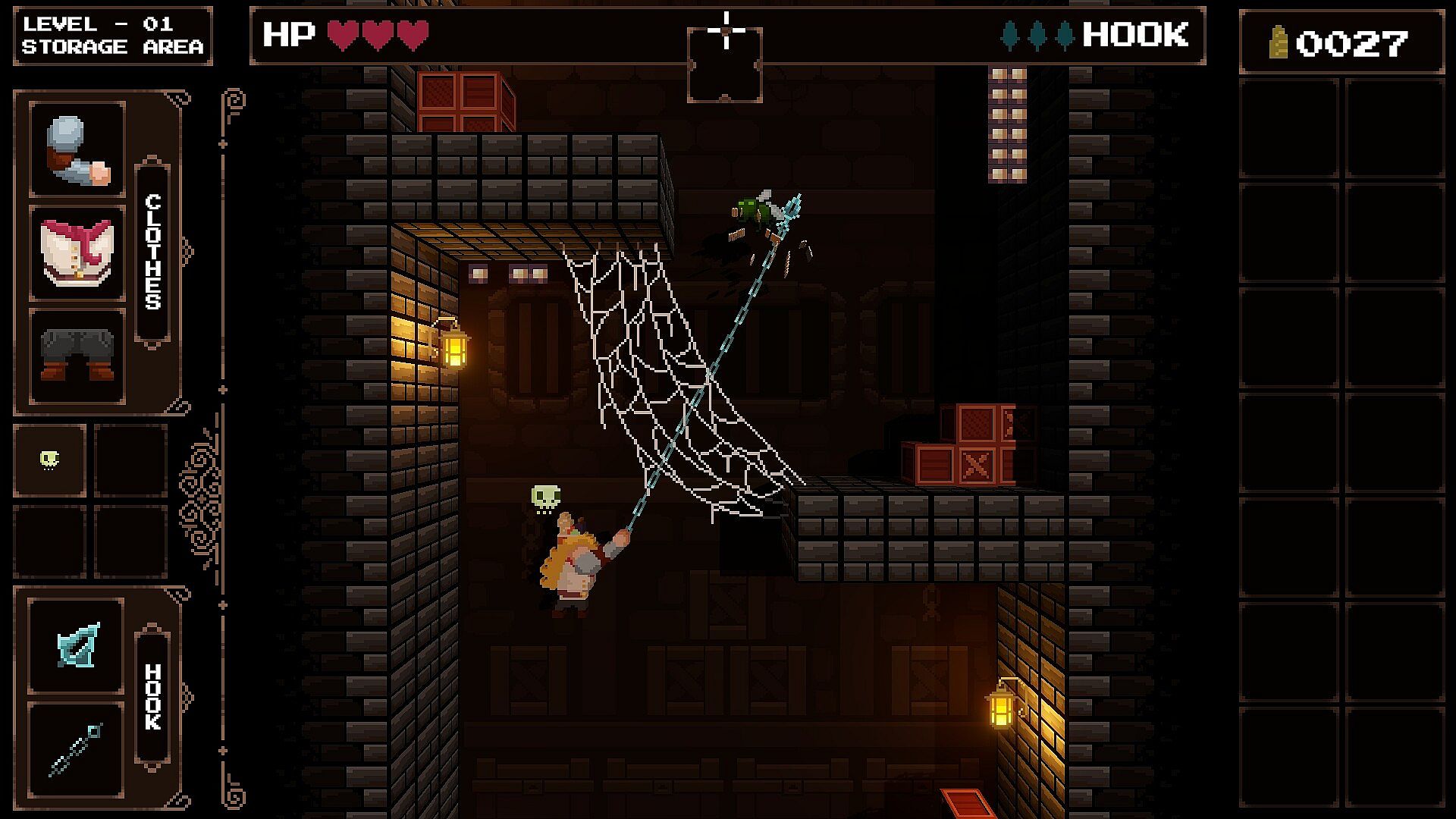
The core loop revolves around upward momentum and precise grappling-hook movement. Boric swings, launches, and chains grapples to gain height while staying ahead of the pursuing undead. Momentum matters: a well-timed swing carries the knight farther and faster, while a mistimed release or collision can send him tumbling back toward the horde. Players must read the environment quickly, spotting ledges, chains, and safe footholds amid the chaos of abandoned laboratories and twisted magical chambers.
Supply gathering adds tension to every ascent. Hidden storerooms contain food, materials, and other resources needed by survivors outside the tower. Detours increase the risk of losing ground to the horde, so each choice weighs immediate reward against long-term survival. A fall does not end the run outright, but it narrows the gap between knight and enemies, demanding quick recovery and renewed focus on the next foothold.
Traversal rewards mastery of physics and timing. The hook serves as both escape tool and combat aid, allowing players to launch into enemies or redirect momentum mid-air. Runs stay focused and brief, typically lasting between four and seven minutes, encouraging repeated attempts without long sessions of downtime.
Game Modes
Hook Knight structures its experience around repeated ascents through the same core tower environment. Each attempt begins at the base and pushes upward through procedurally varied sections of laboratories, containment areas, and magical spaces. The emphasis remains on single-player runs that test traversal skill and decision-making under pressure rather than extended campaigns or competitive play.
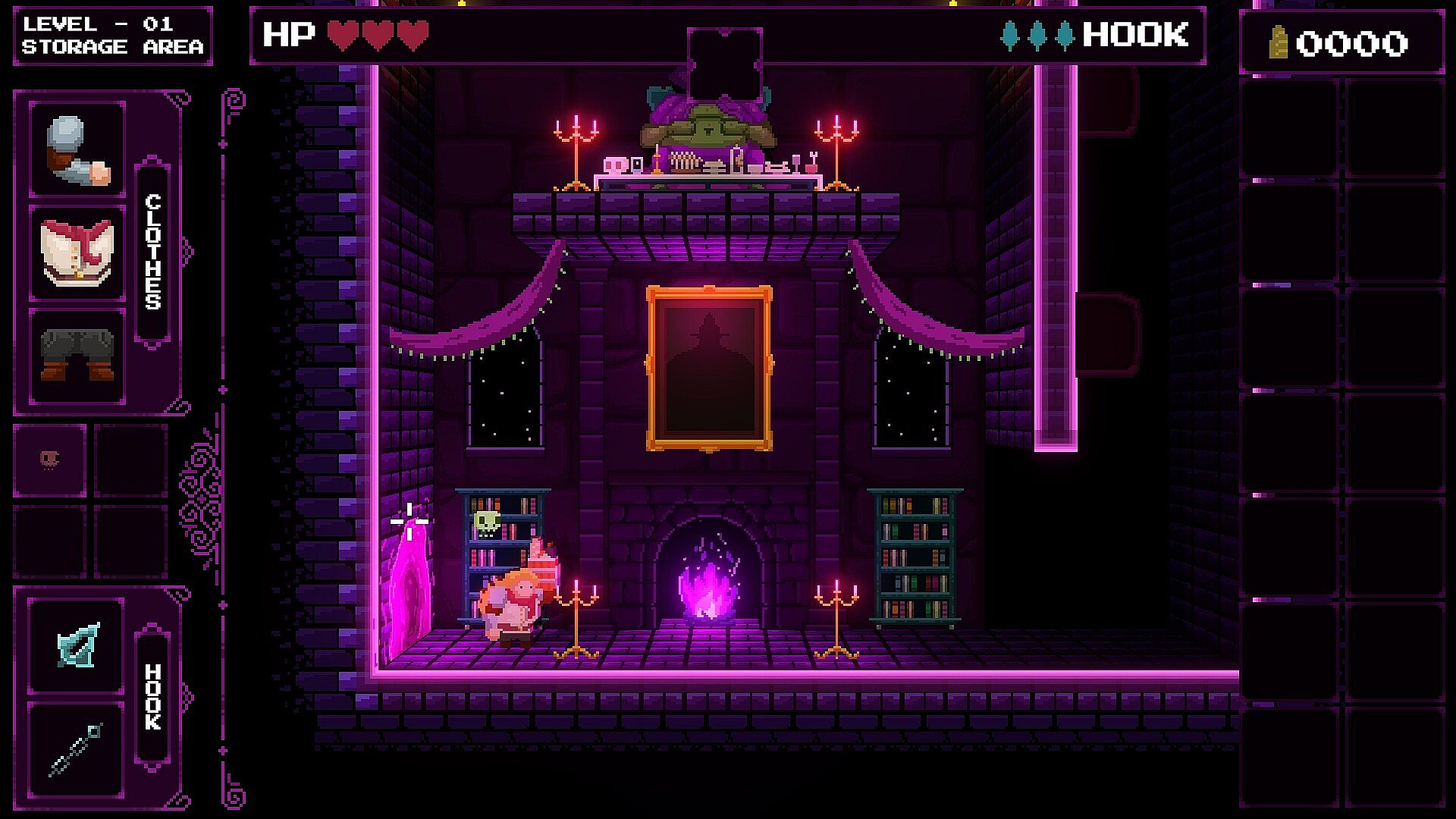
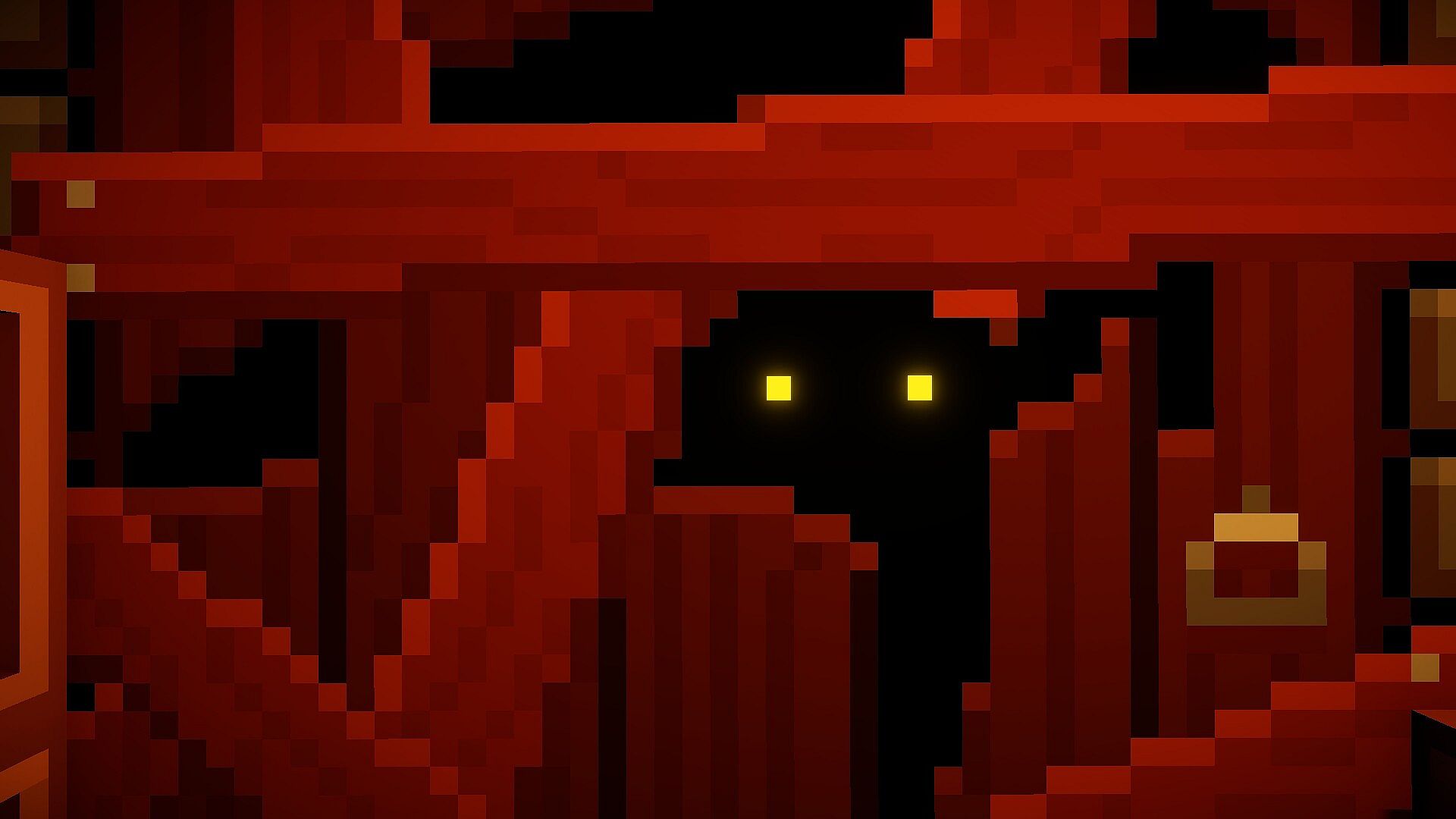
Progression ties directly to what players carry out of each run. Successful climbs deliver supplies that can be traded with an unlikely ally: a zombie wizard whose priorities have shifted from brains to provisions. These trades unlock perks and upgrades that alter future attempts, creating variety without changing the fundamental goal of reaching higher ground.
Setting and Atmosphere
The tower itself tells the story of a failed experiment with eternal life that unleashed the catastrophe. Players move through its remains, encountering signs of the disaster in broken chambers and corrupted magical zones. The world blends dark themes with a playful tone, evident in the contrast between the grim zombie horde and the eccentric zombie wizard who offers upgrades.
Pixel art combines with 3D environmental depth to give the vertical spaces a tangible sense of scale. Lighting and color shifts mark different tower levels, helping players orient themselves during fast climbs while maintaining the retro aesthetic that defines the presentation.
Progression and Upgrades
Each run contributes to a growing set of options for subsequent attempts. Perks and upgrades obtained through trade with the zombie wizard reshape movement, combat, or resource management. Players experiment with different combinations to find approaches that suit their preferred climbing style or risk tolerance.
The risk-reward loop extends beyond movement. Gathering extra supplies can yield stronger upgrades, yet every extra second spent in a storeroom brings the horde closer. This balance keeps decisions meaningful even in short sessions.
Is It Worth Playing?
Hook Knight suits players who enjoy momentum-driven platforming and short, repeatable roguelite runs. The grappling mechanics reward practice and precision, while the supply-gathering tension adds meaningful choices to each ascent. Those drawn to focused indie action experiences on PC will find a distinctive vertical challenge that emphasizes skill and quick decision-making over lengthy exploration or complex narratives.
- Ideal for fans of physics-based traversal and tight run times
- Offers clear feedback on movement mastery through repeated attempts
- Balances gathering risk with escape urgency in a compact package









