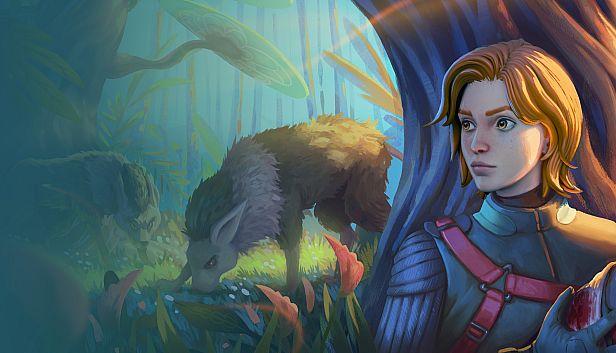



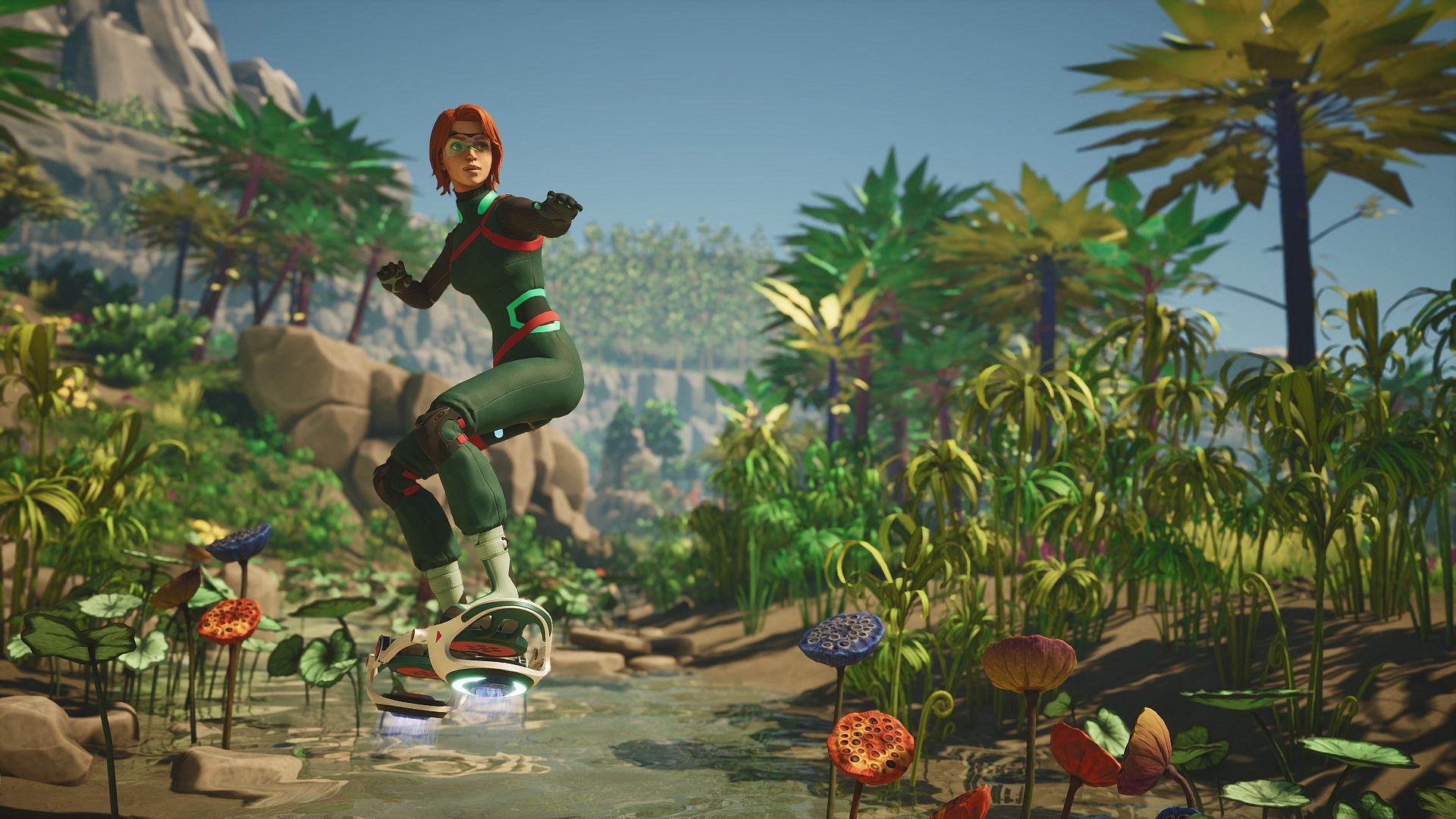
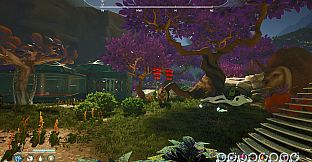
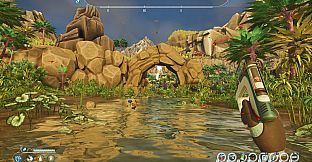
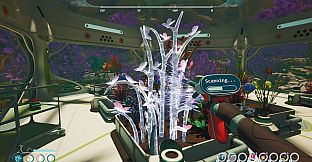
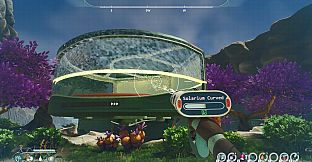
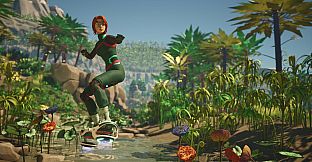
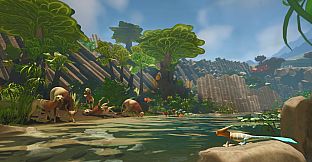

Honeycomb: The World Beyond is a first-person survival sandbox adventure game developed by Frozen Way and released on September 8, 2026, for PlayStation 5 among other platforms. Players take on the role of Hennessy, a bioengineer working for EON Corp, who lands on the alien planet Sota7 to study its ecosystems and gather knowledge that might help address Earth's environmental challenges.
Gameplay
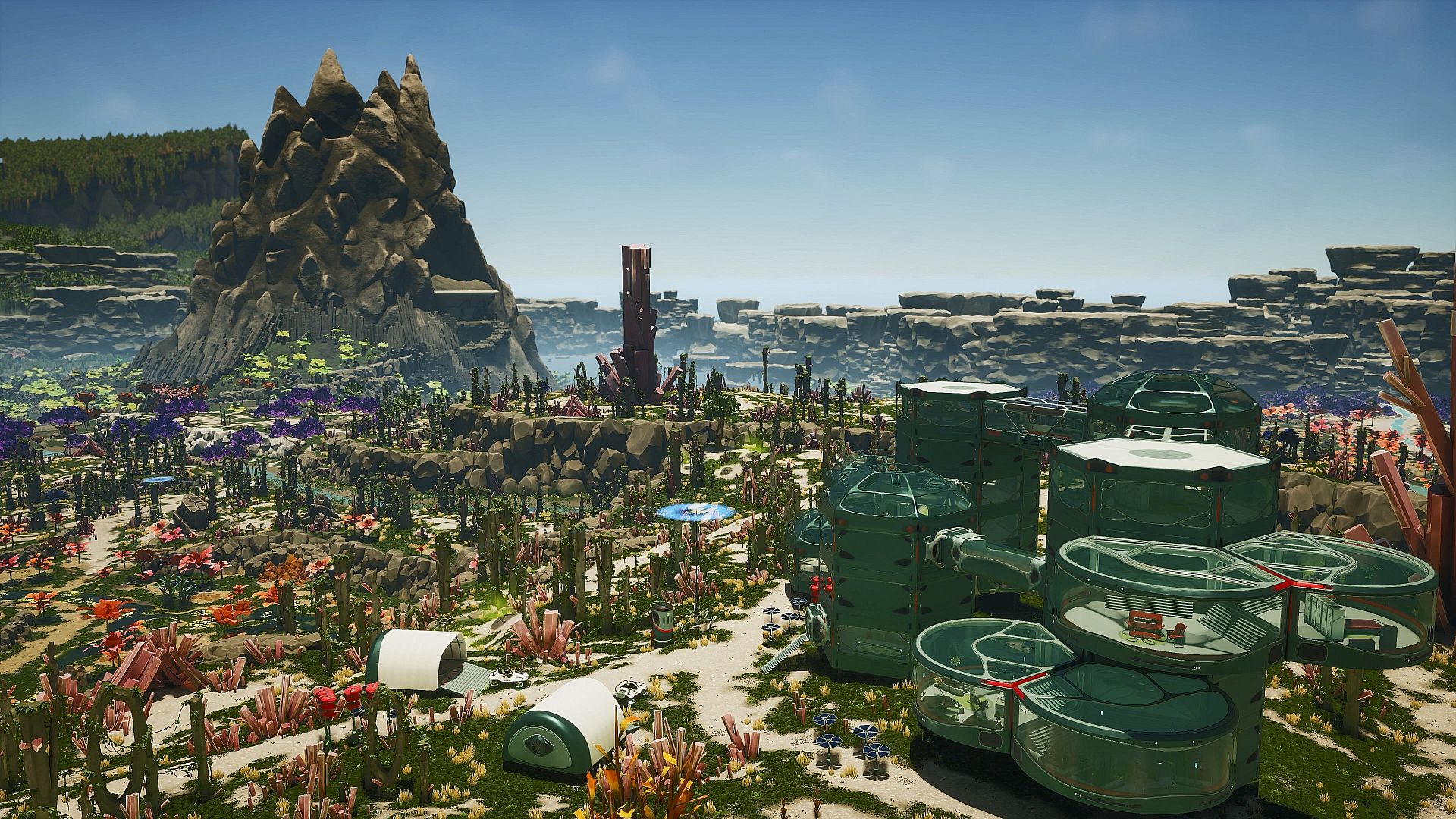
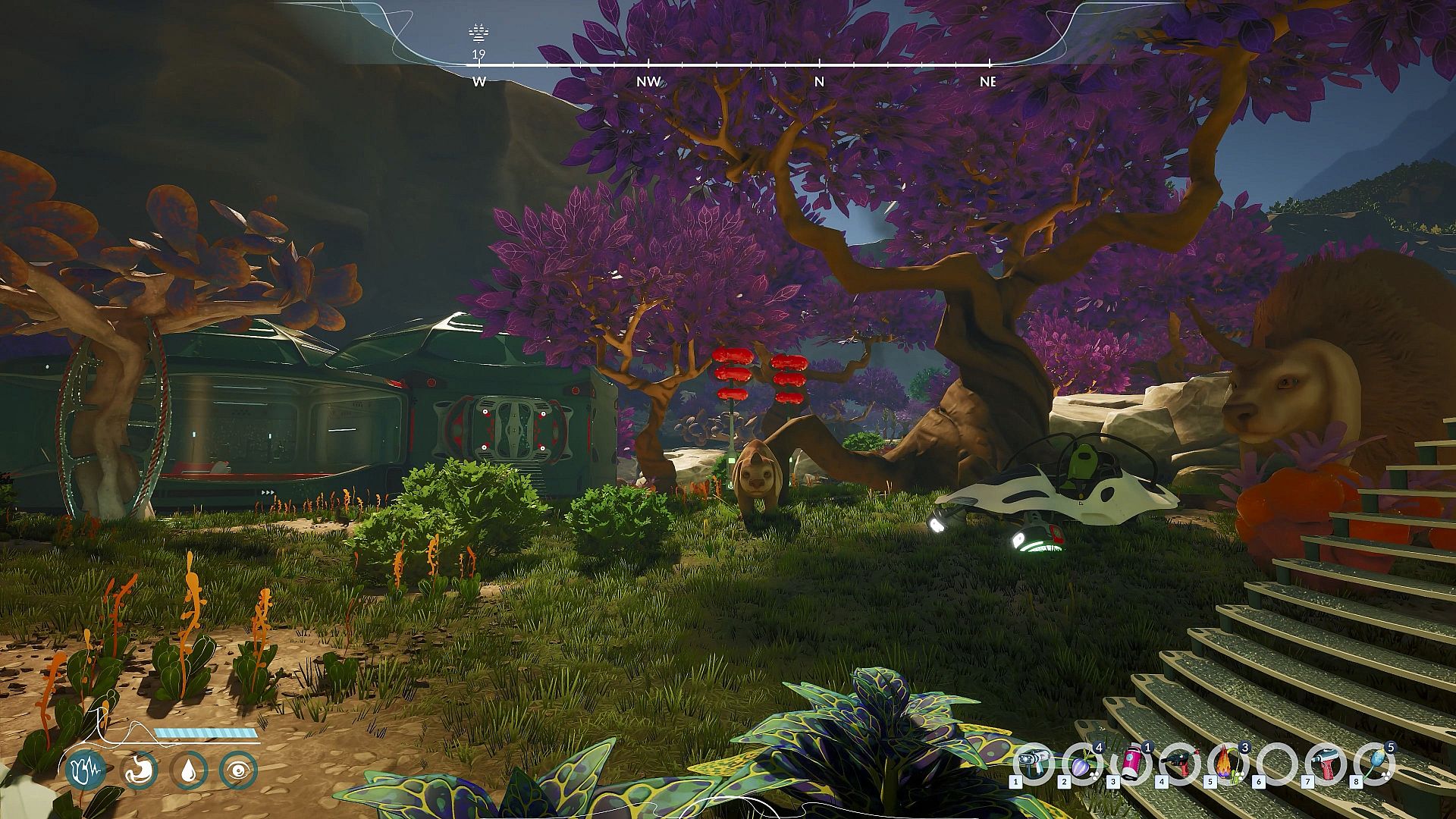
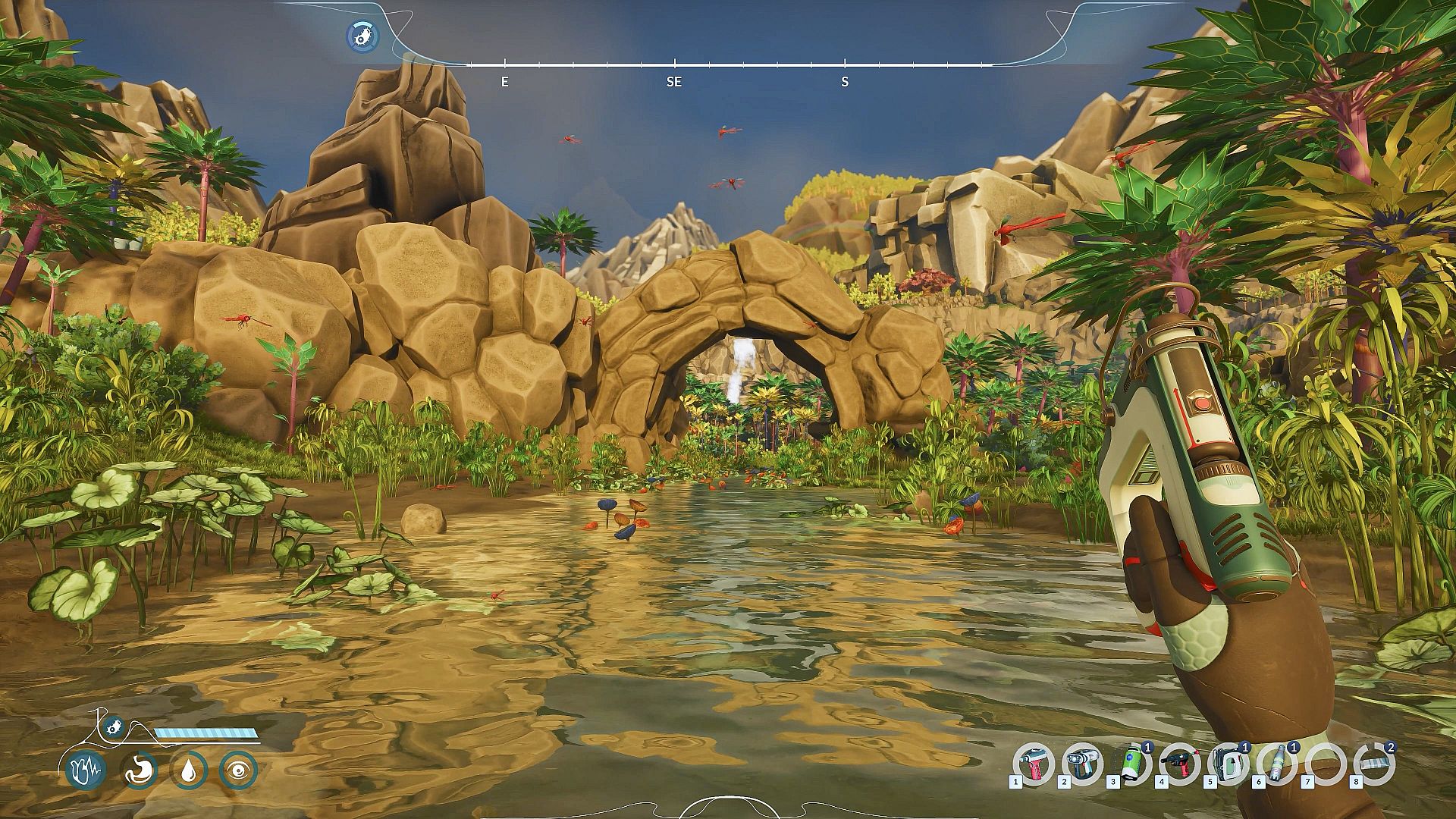
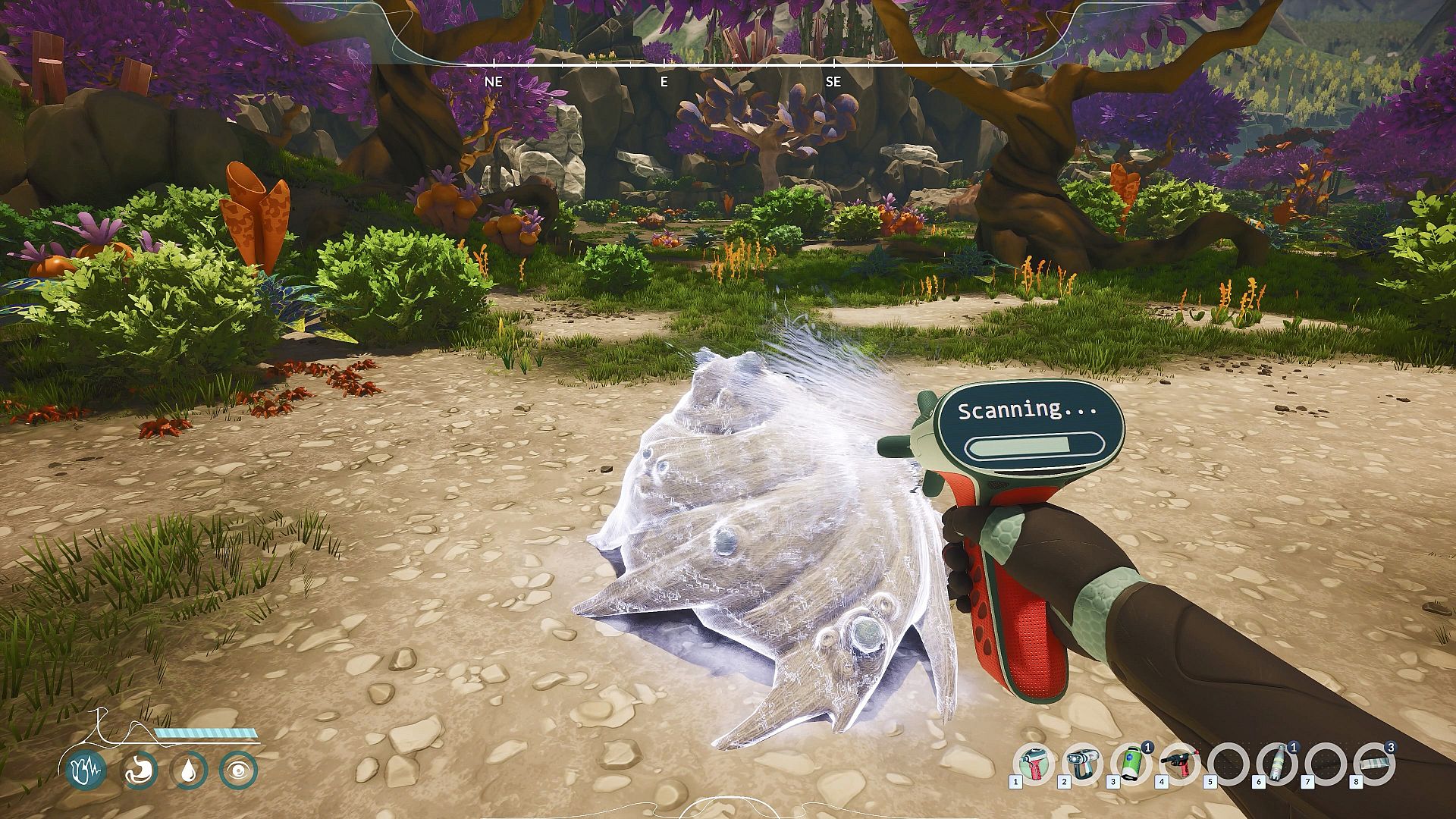
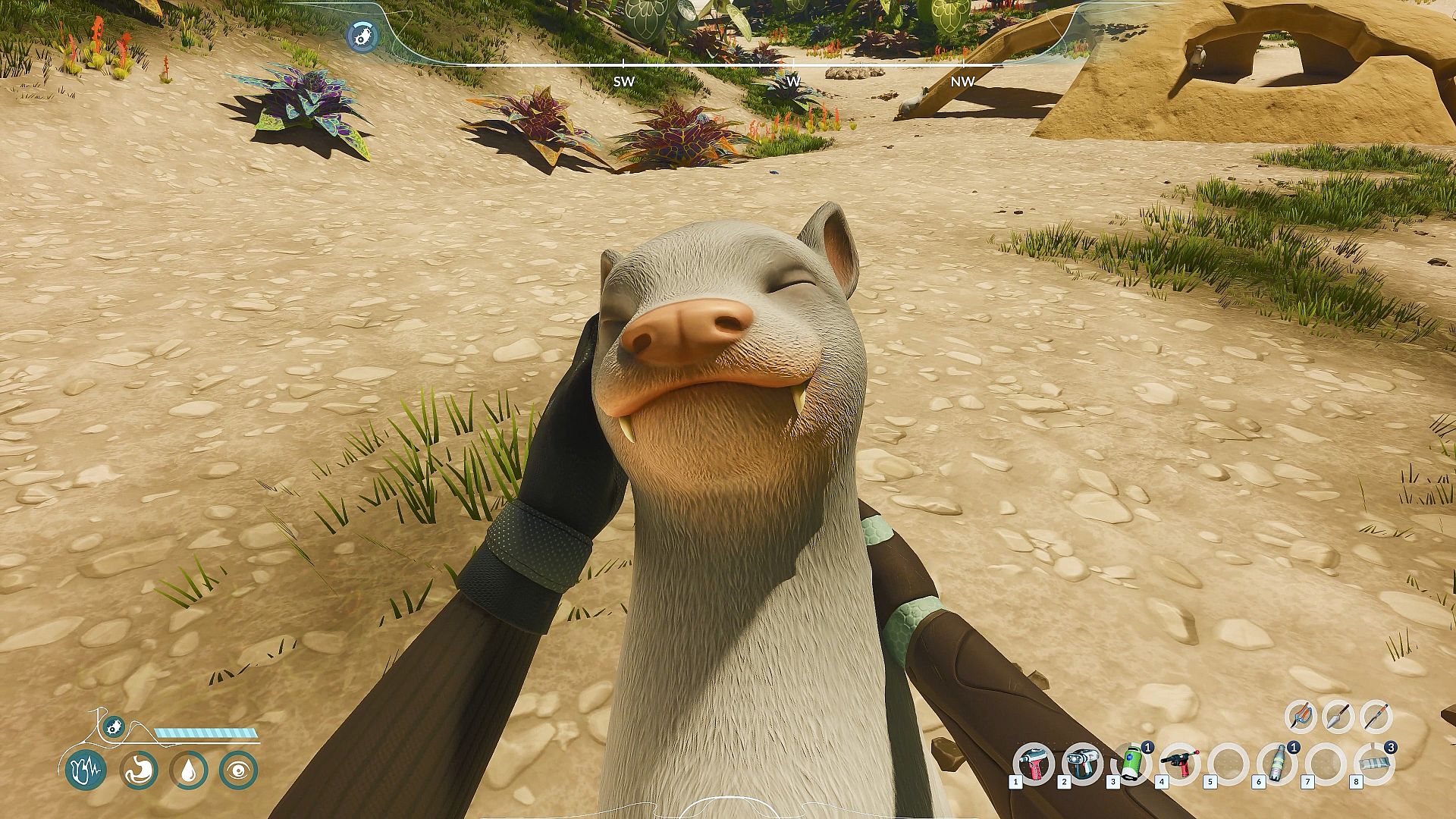
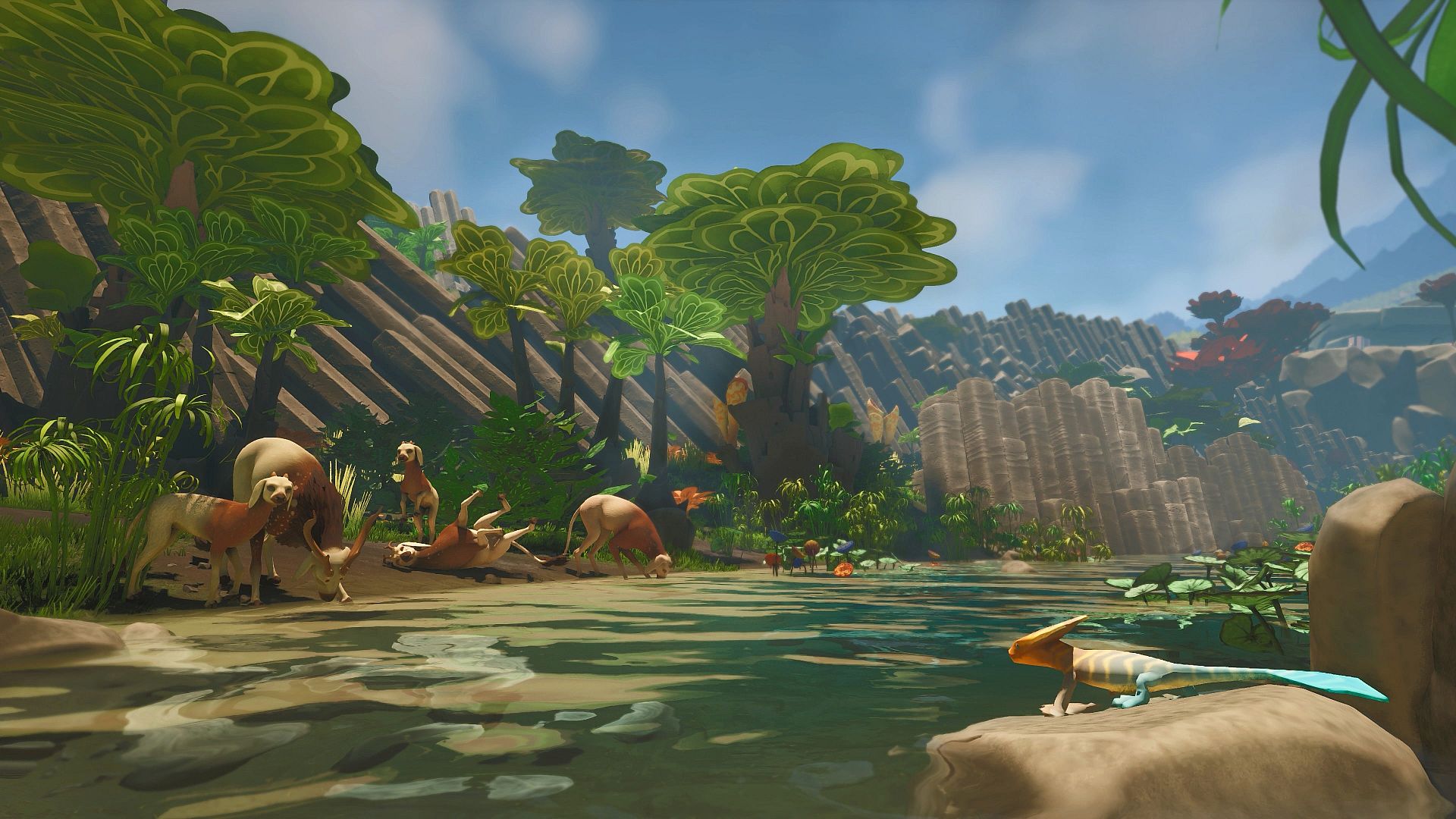
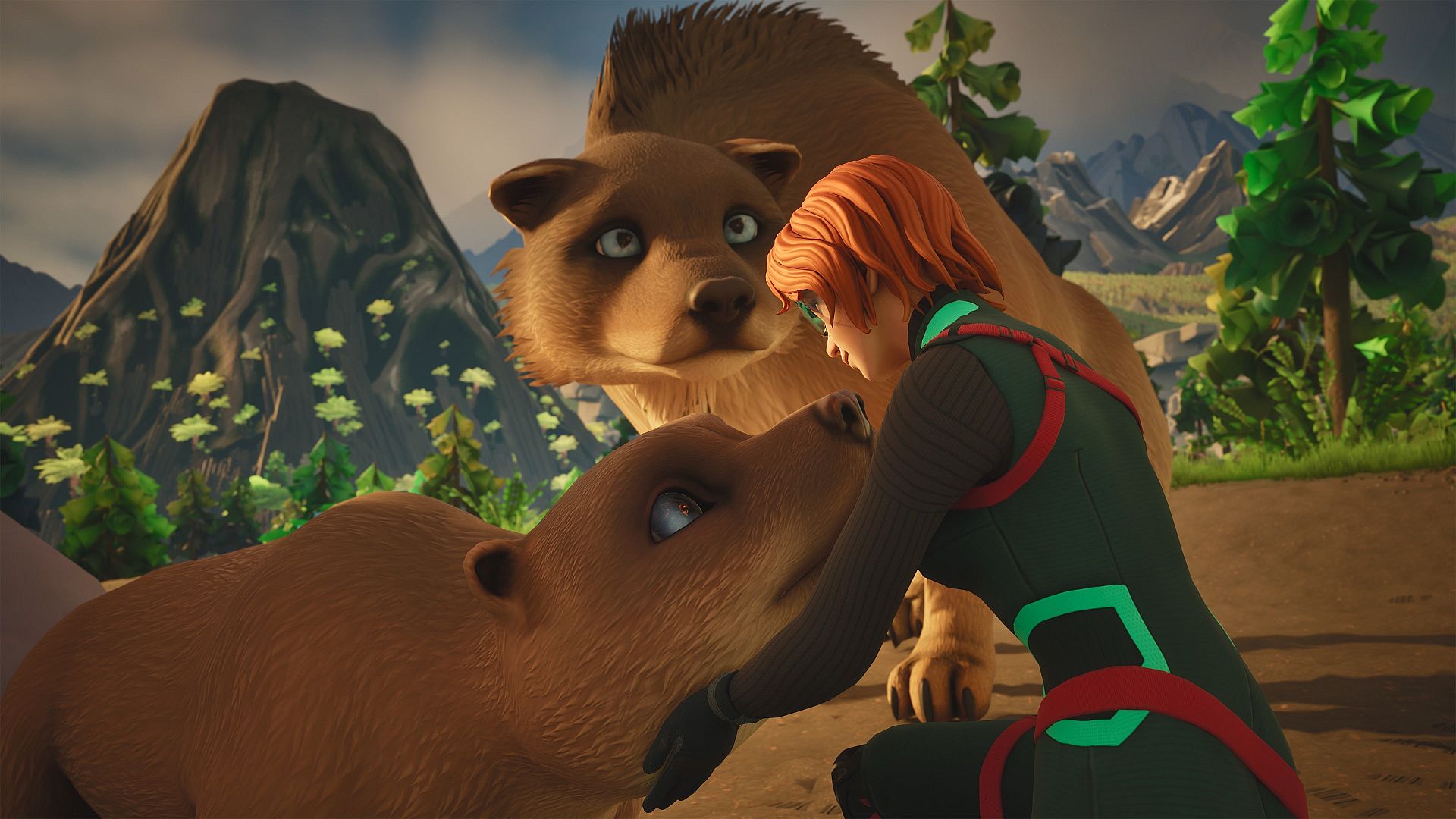
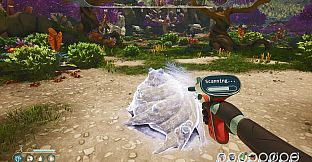
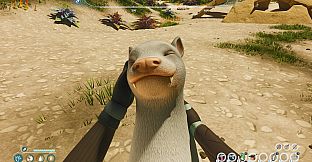
The core loop centers on exploration, observation, and experimentation in a living alien environment. Sota7 features varied biomes including forests, jungles, open fields near a volcano, and underground caverns, each populated with distinct plants and creatures. Players scan flora and fauna to analyze their properties, gather resources, and craft tools or equipment needed for longer expeditions. Survival involves managing risks from the environment and wildlife, where some creatures remain neutral while others pose threats that require careful distance or quick retreat rather than direct confrontation.
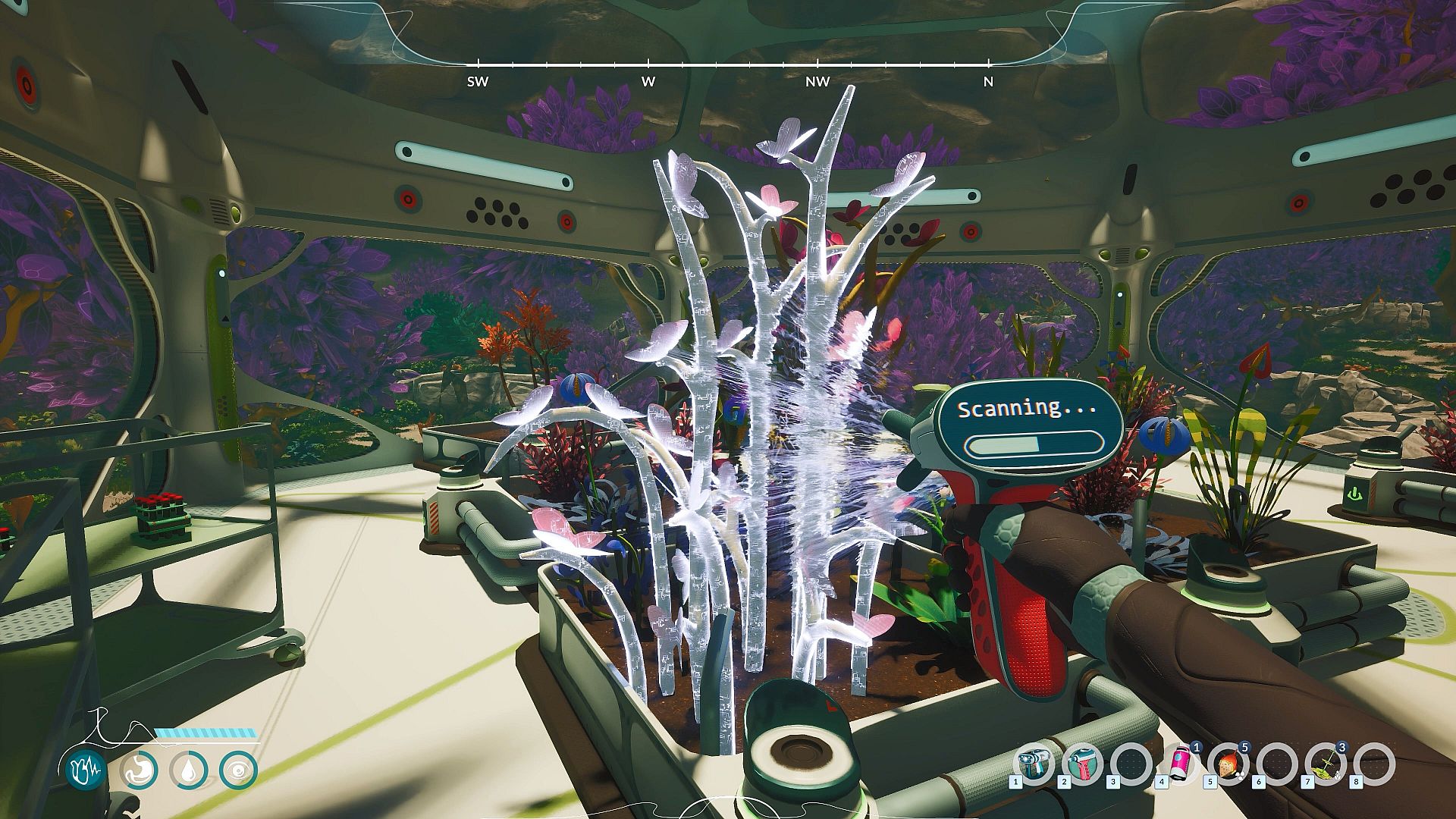
Bioengineering forms the central progression system. Players synthesize plant traits through techniques such as grafting and allogamy, then apply similar methods to manipulate animal DNA for physical alterations. Experiments occur in a laboratory setting within the base, where results are tested and refined to unlock new capabilities or resources. This process encourages repeated trips into the wild to collect fresh samples and observe outcomes in the field.
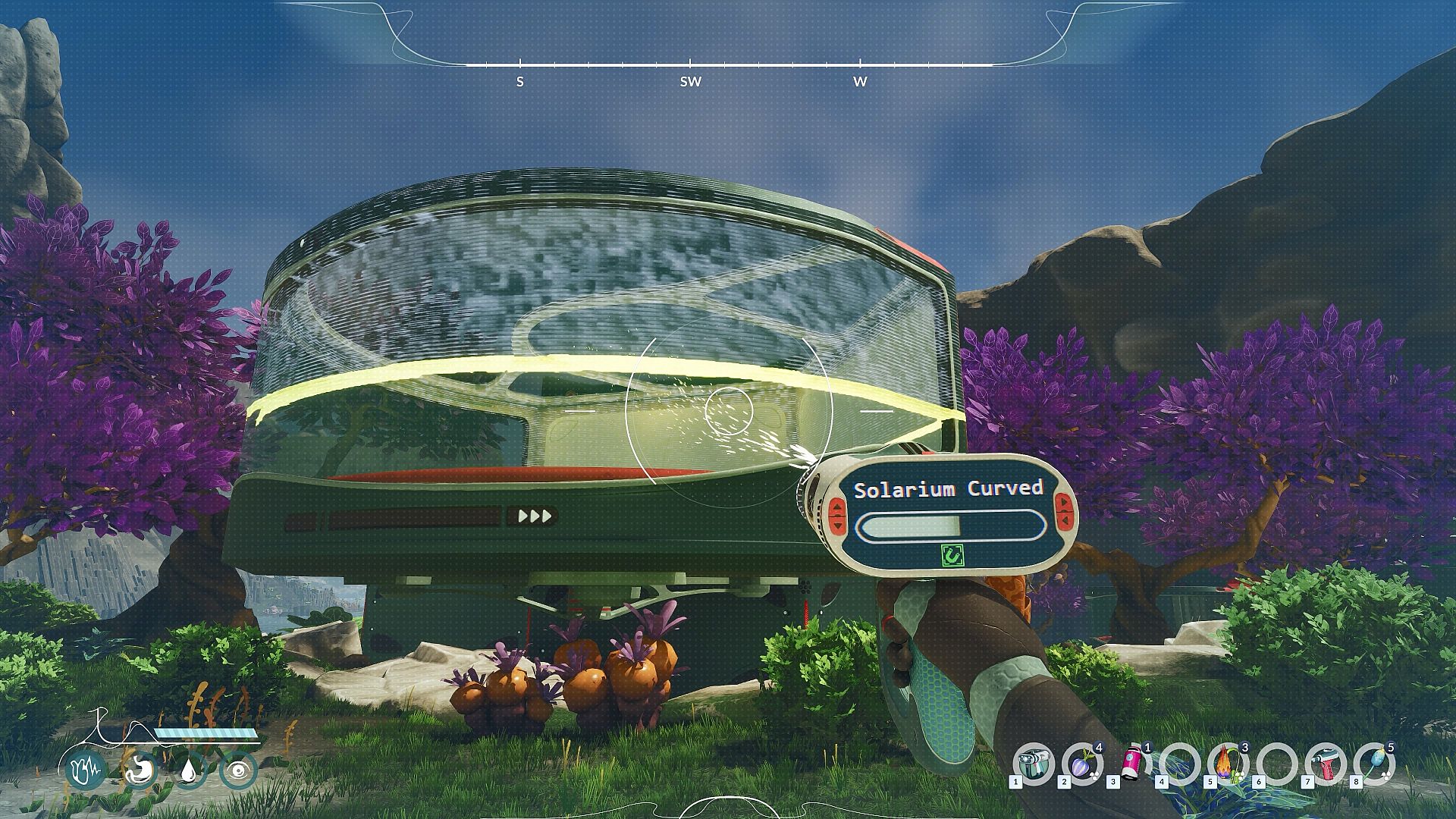
Base construction supports these activities. Resources collected during outings allow players to erect and expand modular facilities for shelter, crafting, research, and storage. The base serves as a hub for organizing findings, preparing expeditions, and scaling operations as research advances. Tools and blueprints facilitate efficient building tailored to specific needs like expanded lab space or better resource processing.
Game Modes
The game operates as a single-player experience focused on personal discovery and self-directed progress. There are no separate competitive or cooperative modes. Instead, the entire campaign unfolds through open-ended survival sandbox mechanics where players set their own pace for exploration and experimentation. Progression ties directly to scientific milestones, such as successful crossbreeds or expanded base infrastructure, rather than scripted objectives or multiplayer interactions.
Exploration and Survival Systems
Navigation across Sota7 rewards curiosity with new species and materials. Players learn creature behaviors and plant interactions through direct study, using specialized instruments for sampling instead of generalized tools. This approach creates a methodical loop of identification, collection, analysis, and application. Dangers arise from unfamiliar terrain, weather, or aggressive lifeforms, pushing players to adapt equipment and strategies based on accumulated data. Resource management remains practical, emphasizing preparation for deeper ventures into less charted areas.
Is It Worth Playing?
Early player feedback on Steam shows mostly positive reception, with 78 percent approval from initial reviews. Critics have highlighted the bioengineering mechanics as a fresh take on survival gameplay, praising the emphasis on understanding ecosystems over combat. The title suits those interested in deliberate, science-oriented progression within an alien setting, where creativity in crossbreeding and base design drives engagement. It launched simultaneously across platforms with a preceding demo available for testing the core systems. For players drawn to exploration and experimentation in a non-violent survival context, the game delivers a focused experience centered on these verified strengths.