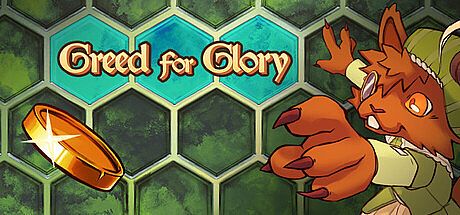


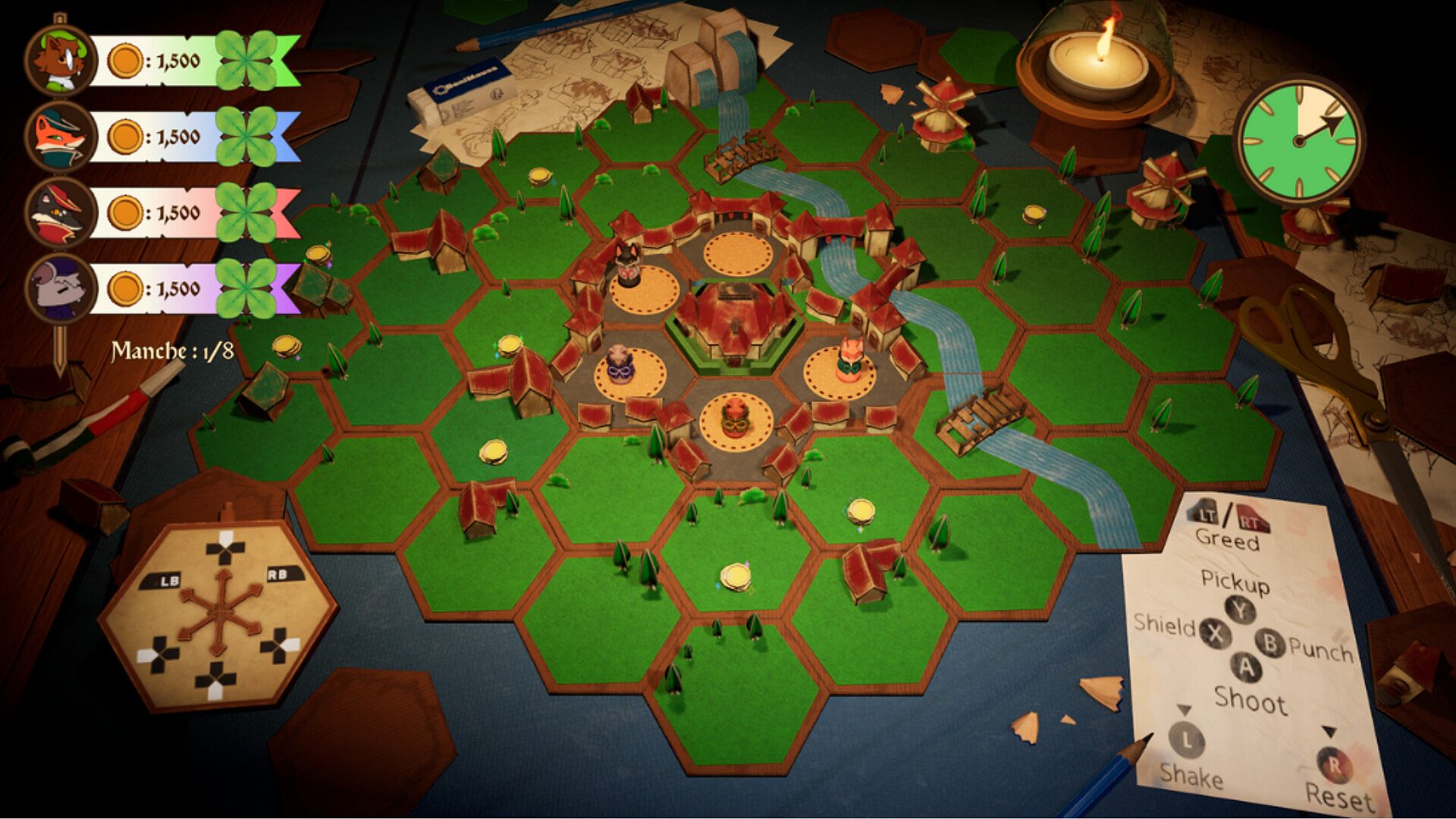
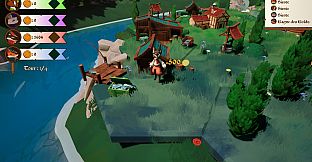
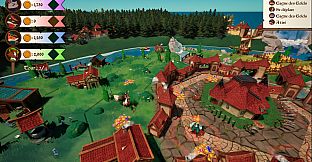
Greed for Glory is an indie action strategy game for PC that centers on outmaneuvering opponents to claim the most wealth. Players compete across a shared map in a structured competition that unfolds over eight rounds. The objective remains clear from the start: gather riches while preventing rivals from holding onto theirs.
Gameplay
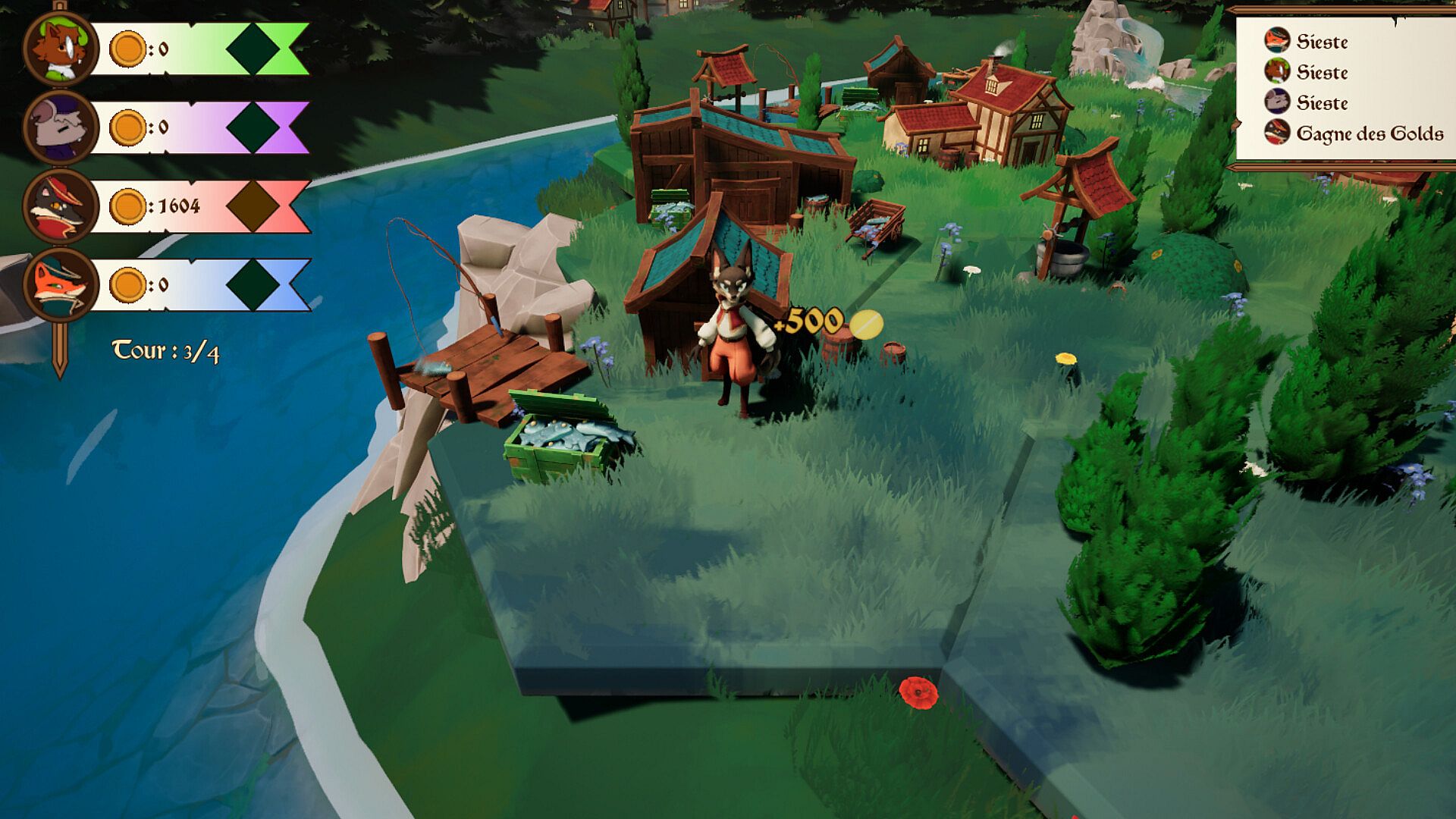
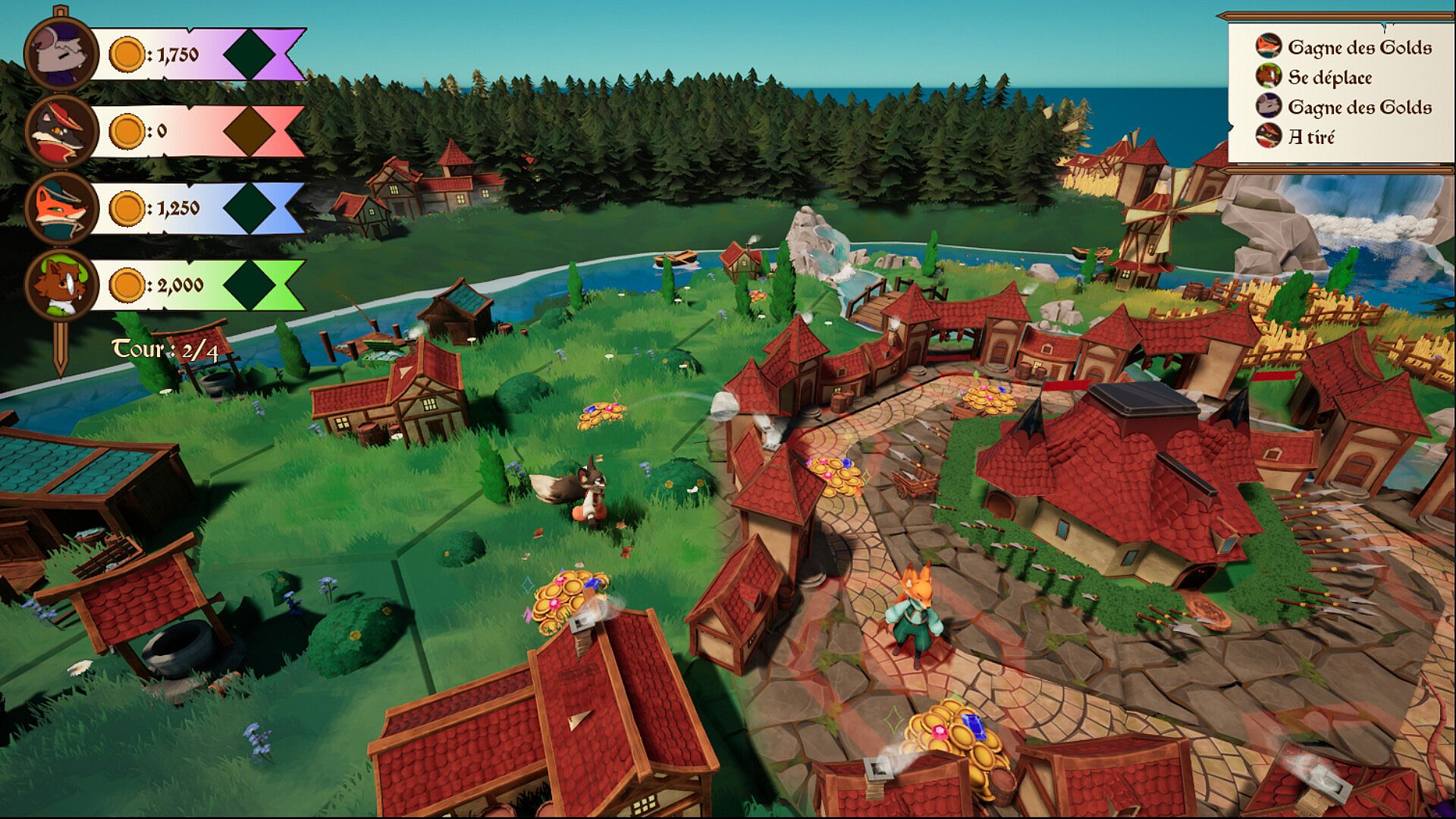
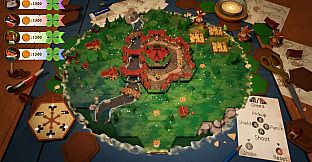
The core loop splits each round into two distinct phases. In the preparation phase, participants select and arrange four actions in advance. These choices determine movement across the map, resource collection, and potential interactions with other players. The action phase then executes those plans in sequence, revealing outcomes as events trigger and alter trajectories.
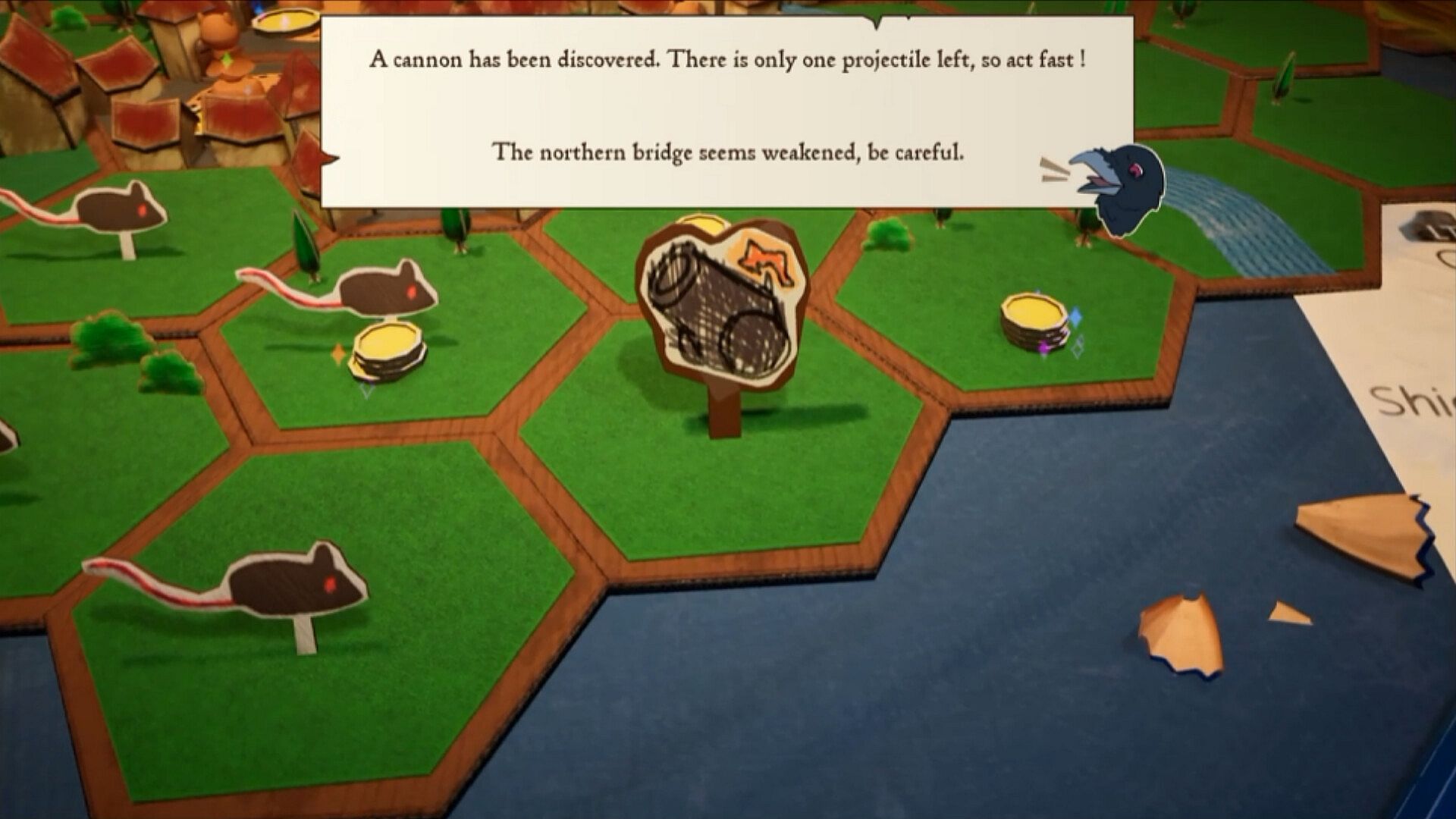
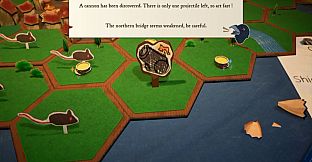
Travel forms a central element. Participants move to different locations in search of riches, with opportunities to intercept or claim wealth held by competitors. Events introduce variability, shifting available options or forcing adjustments mid-round. Success depends on anticipating how plans interact with these changes and with the decisions of others.
Resource management and timing matter throughout. Actions must balance exploration with direct competition, as stealing wealth from rivals serves as a primary path to victory. The eight-round structure builds tension, with early decisions influencing later opportunities and overall standings.
Game Modes
The game operates primarily through a single competitive format that pits multiple players against one another in the eight-round format. Every participant follows the same preparation and action structure, creating direct comparisons of planning skill and adaptability. No separate single-player campaigns or cooperative variants appear in the core experience.
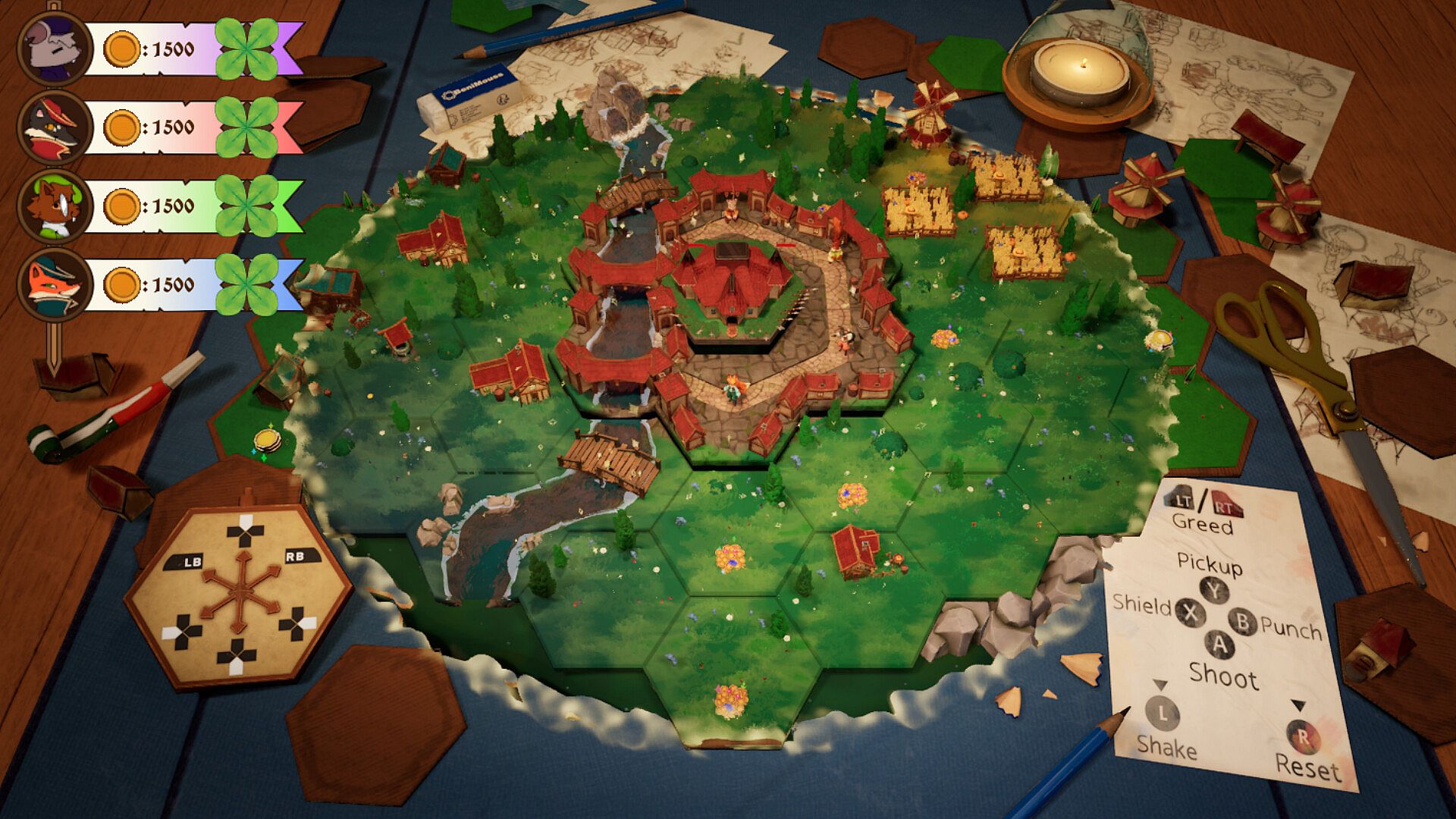
Within this format, the map serves as the shared arena. Players navigate it simultaneously in spirit, though execution happens in the action phase. Events add a layer of unpredictability that affects all participants, encouraging flexible strategies rather than rigid paths.
Key Mechanics
Action planning stands out as the defining system. Limiting choices to four per round forces prioritization and foresight. Players must consider not only their own goals but also how opponents might respond or interfere during execution.
Map traversal and wealth transfer mechanics tie directly into the competitive goal. Movement opens access to riches, while the ability to steal from others rewards aggressive positioning. Events function as modifiers that can accelerate, hinder, or redirect progress for anyone involved.
- Eight-round structure builds cumulative pressure
- Preparation phase emphasizes deliberate choice
- Action phase reveals interactions and outcomes
- Events create dynamic shifts in every round
Who This Game Appeals To
Fans of strategy titles that reward careful planning over pure reflexes will find the preparation and execution split engaging. The multiplayer focus suits those who enjoy direct competition without complex faction systems or lengthy tutorials. Indie enthusiasts looking for concise yet replayable sessions may appreciate the focused scope on wealth accumulation and interference.
Is It Worth Playing?
The game delivers a tight loop built around planning four actions and watching them resolve amid events and rival interference. This structure creates repeated opportunities to refine approaches across the eight rounds. Players who value anticipation and adaptation over open-ended building or large-scale campaigns may find the format rewarding. Availability on PC keeps the experience accessible for those seeking a straightforward multiplayer strategy session without additional layers. The emphasis on stealing wealth and navigating events keeps each round distinct, supporting multiple plays as strategies evolve.