

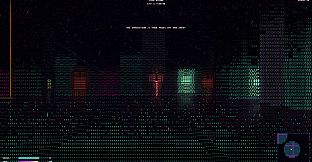
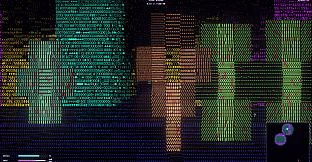
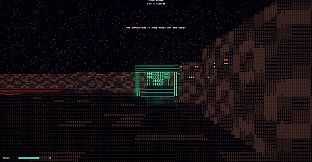
GLYPHTRIP is a raycast ASCII dungeon-crawling roguelike action game set on PC. Players navigate fragmented, increasingly abstract realms using only a short dash as their weapon in a single-player experience built around momentum, rhythm, and escalating disorientation.
Gameplay
The core loop centers on exploration through procedurally generated floors mixed with hand-drawn pages. Movement relies on a dash mechanic that sends enemies flying into walls, each other, or hazards when contact occurs. Momentum transfers between bodies, turning crowded spaces into chaotic chains of collisions. Twelve distinct glyph types appear throughout the dungeon, each with unique behaviors that players must learn through direct encounters rather than tutorials.
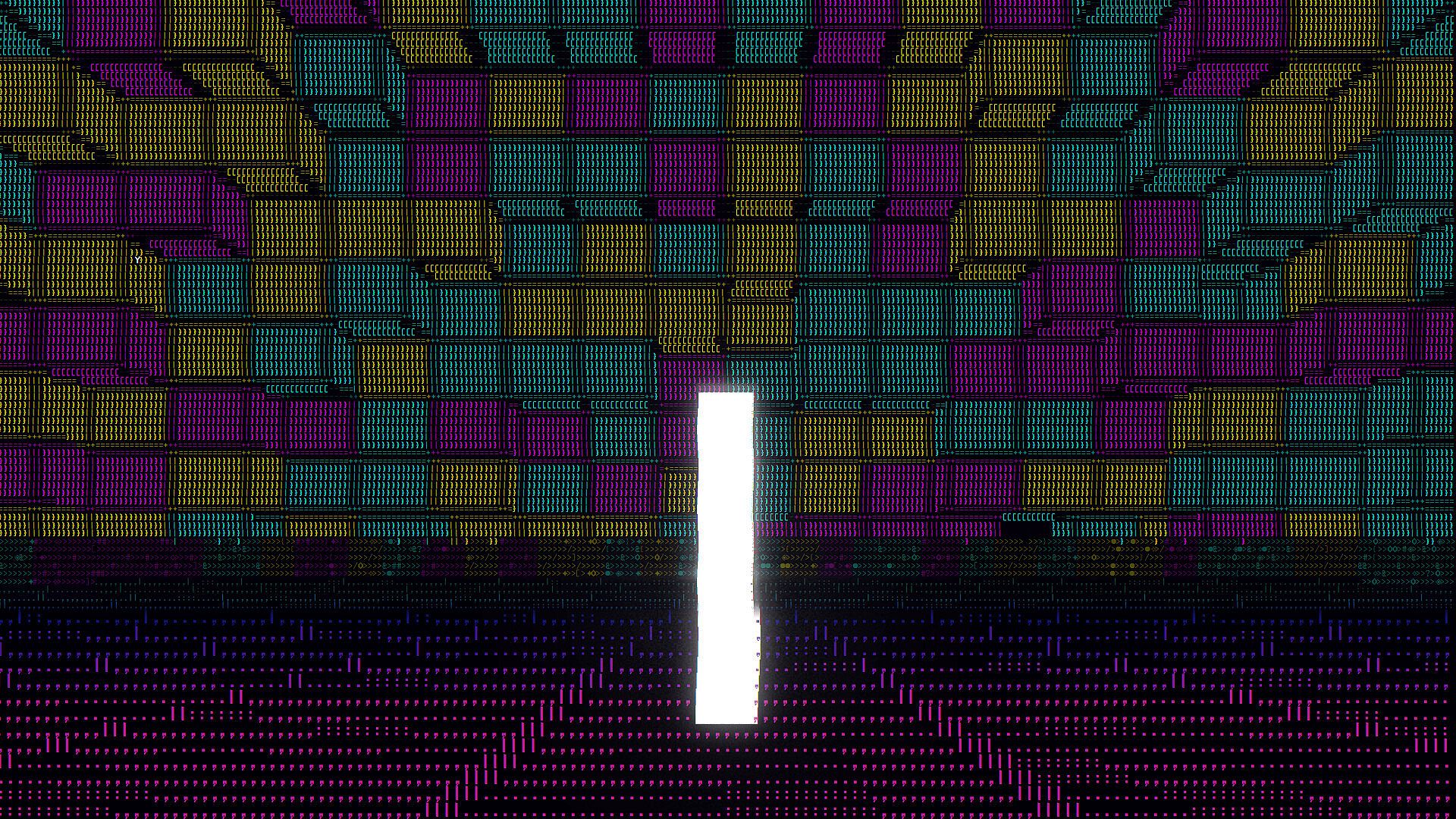
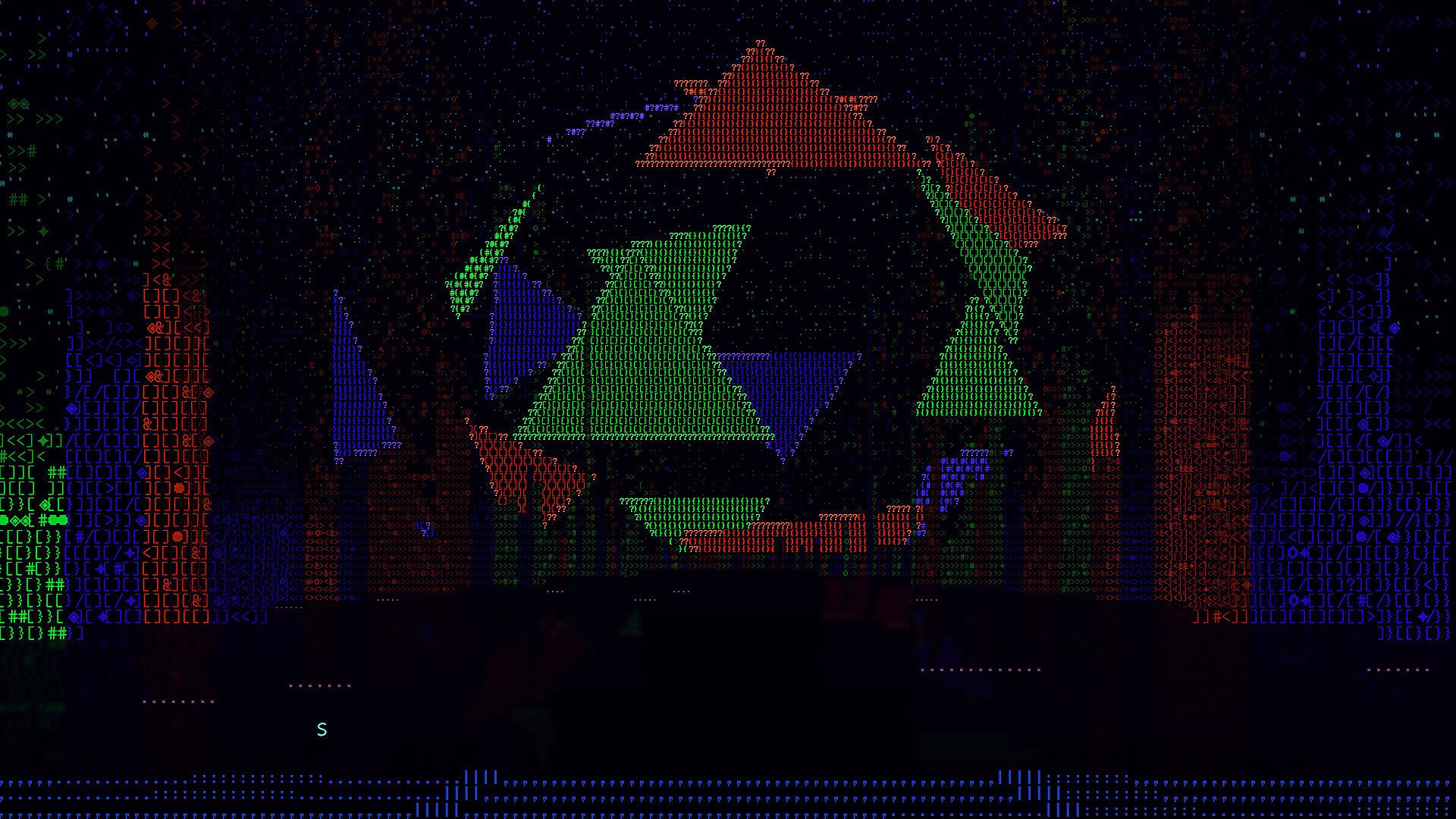
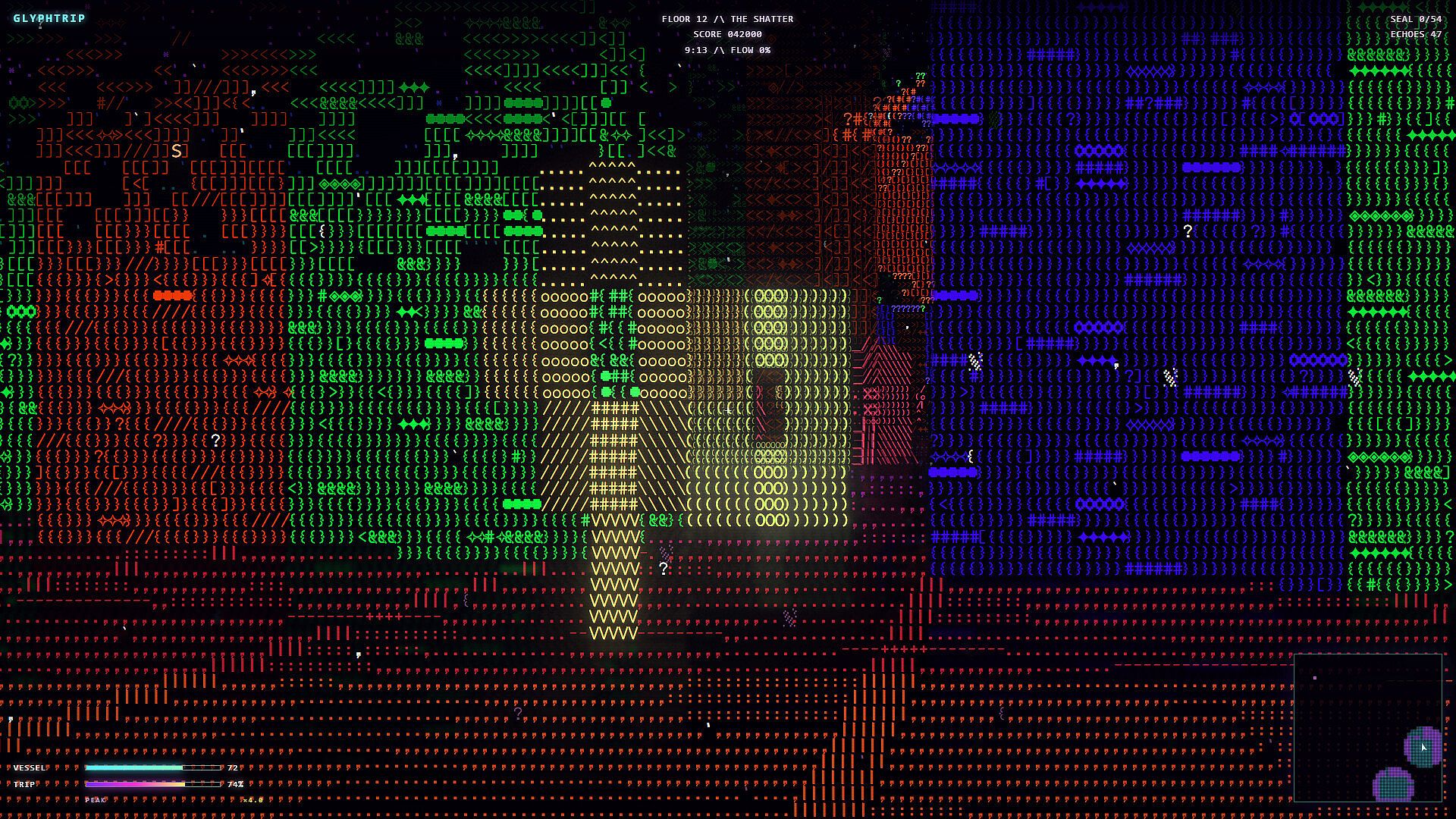
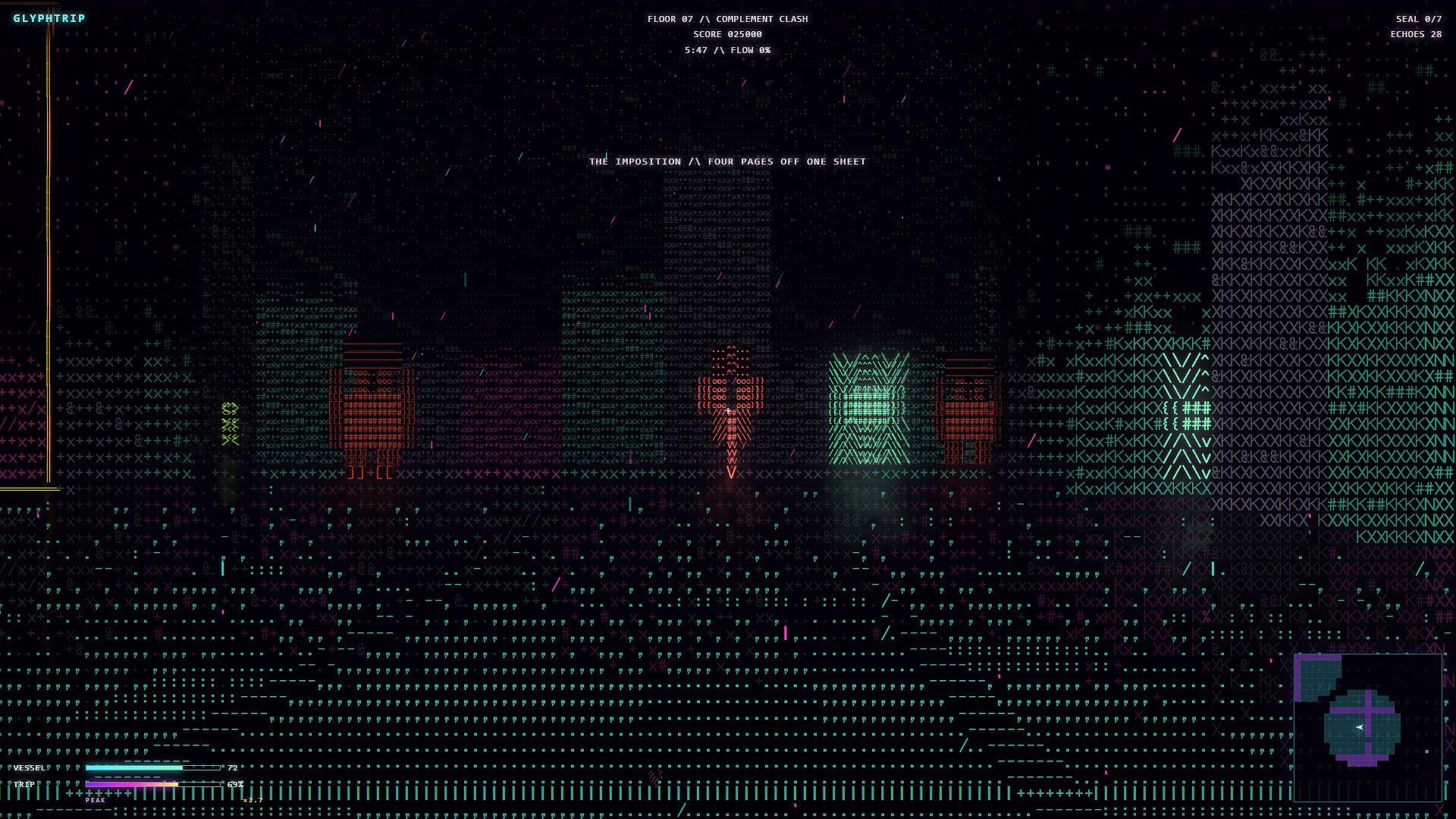
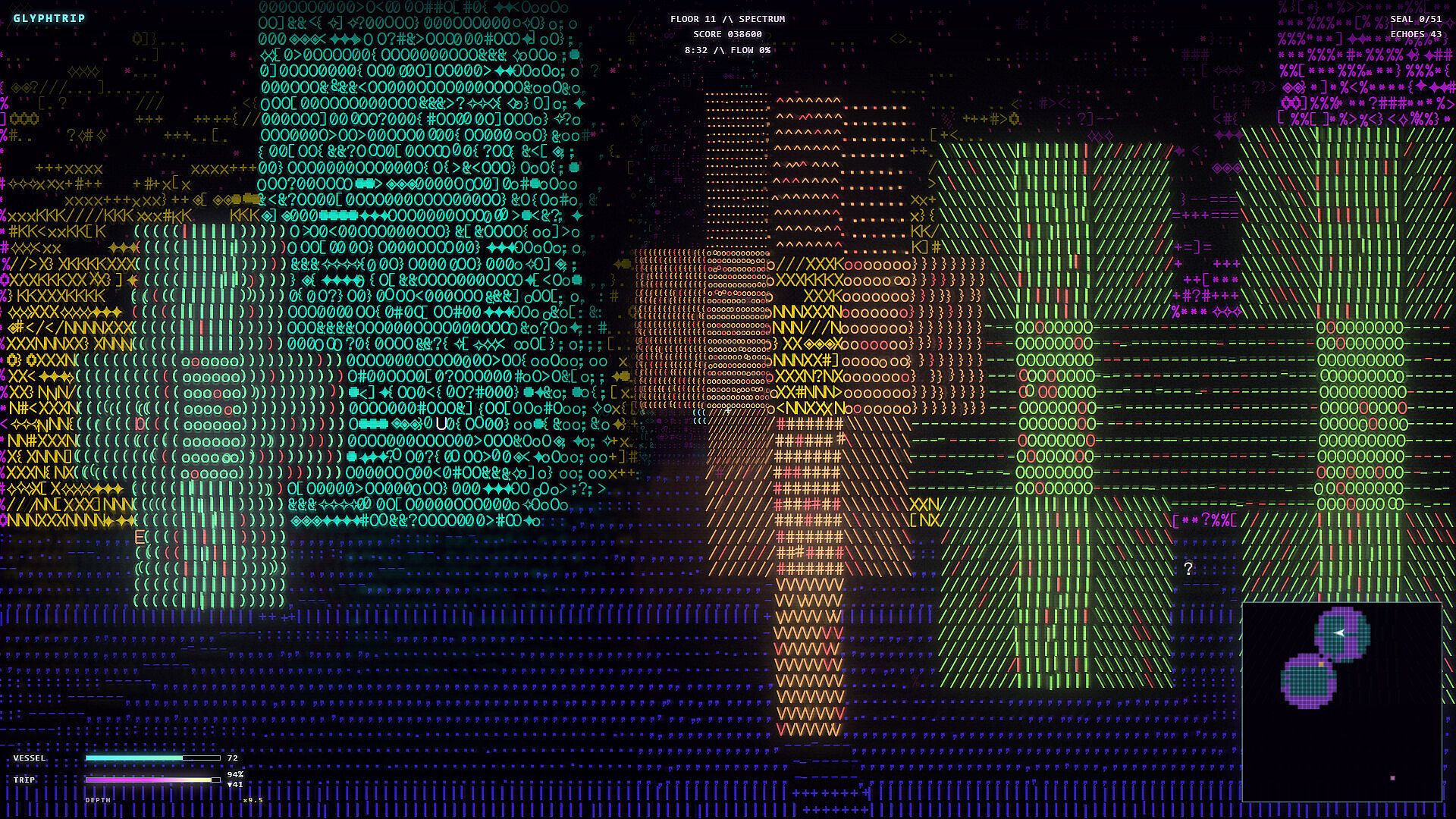
Progression ties directly to the TRIP meter. Kills increase this value, raising the score while accelerating the pace and shifting visual and auditory cues. Reaching 100 triggers a SINK phase where reality distorts and the environment becomes harder to interpret. Floors advance through five visual strata, beginning in MONOCHROME and progressing through THE BLUE, COMPLEMENT CLASH, SPECTRUM, and THE SHATTER. Over fifteen floors form each descent, with some layouts featuring chasms, soft walls, folding space, or portals that connect distant sections of a page.
A 53-track original soundtrack integrates tightly with level design. Rooms and events often align with specific songs or musical bars, and certain hidden spaces exist only for the duration of a track. The Lexicon tracks 125 entries covering places, events, and accidental discoveries, unlocking an archive as it fills.
Game Modes
Three editions alter difficulty without changing core content. LARGE PRINT caps incoming damage and offers occasional escapes from lethal blows. FIRST PRINTING follows the original balance. UNCUT removes safety features for a stricter challenge. Players select an edition at the start of each run.
Five escalating loops introduce new LAWS after each successful descent. The second loop draws all floors from hand-drawn pages. Later loops add early enemy spawns, faster pursuit mechanics, and persistent effects that prevent full recovery between runs. Relics carried from one descent influence subsequent attempts, scaling both player capabilities and enemy pressure.
Visual and Audio Design
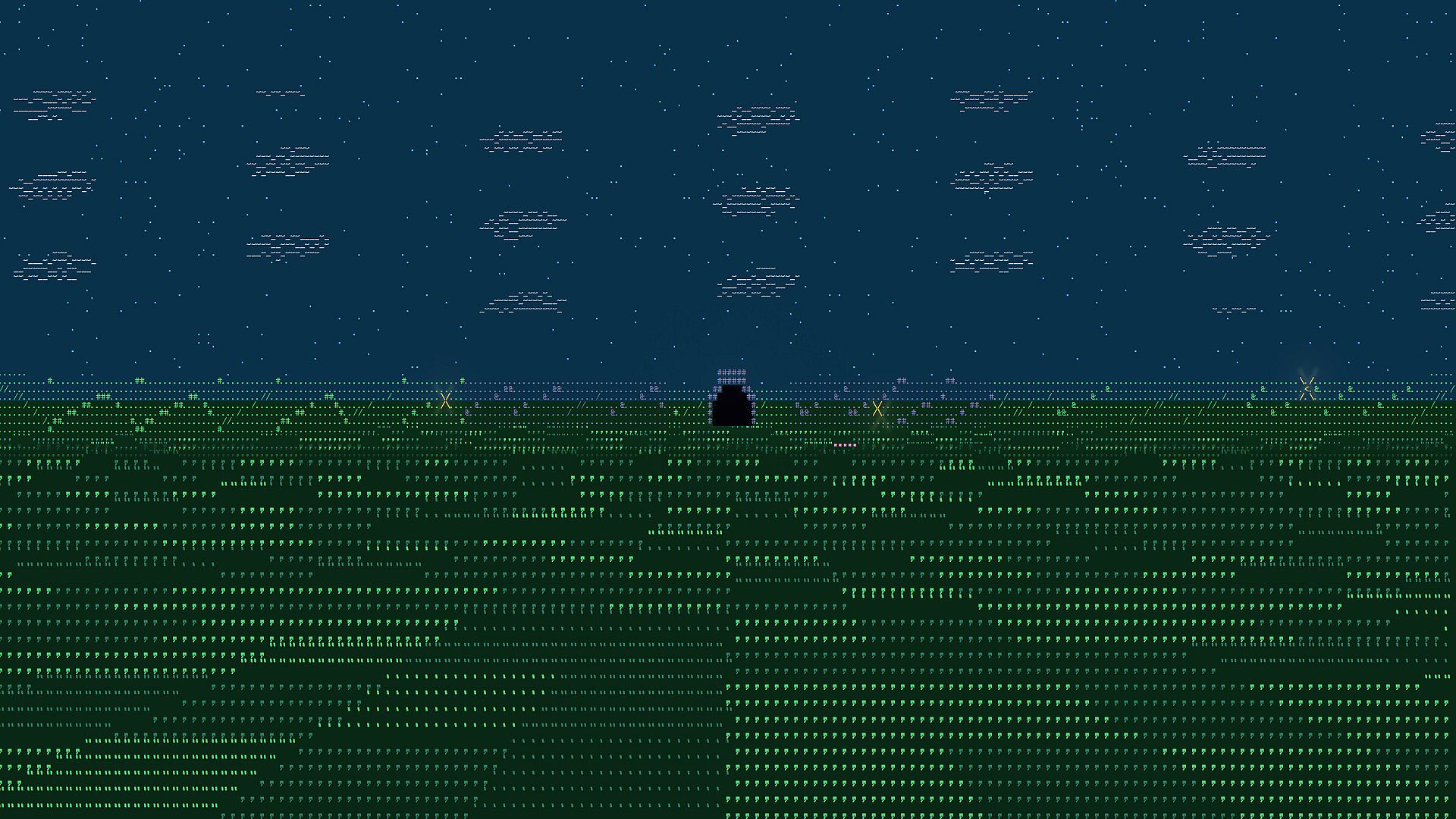
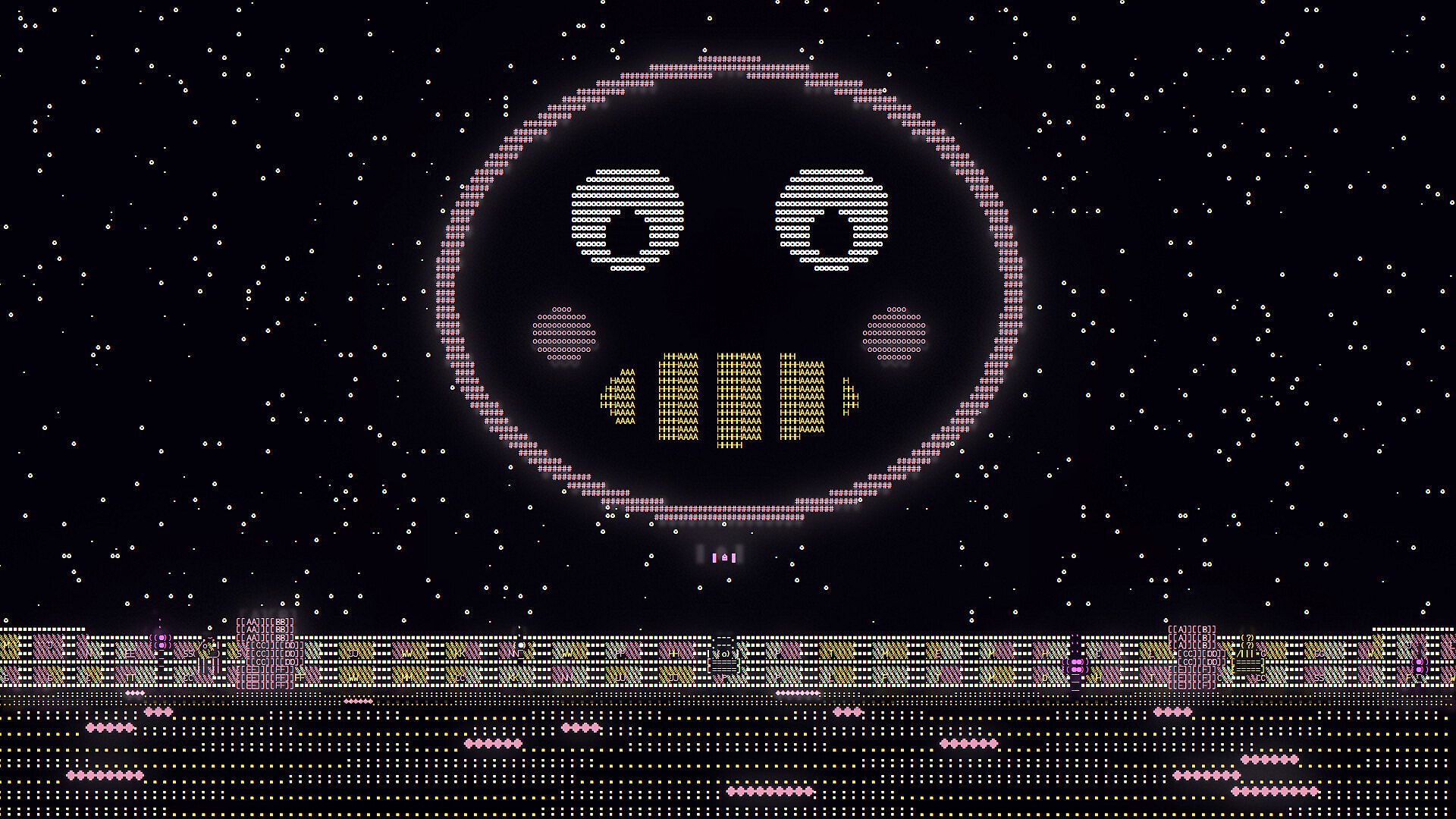
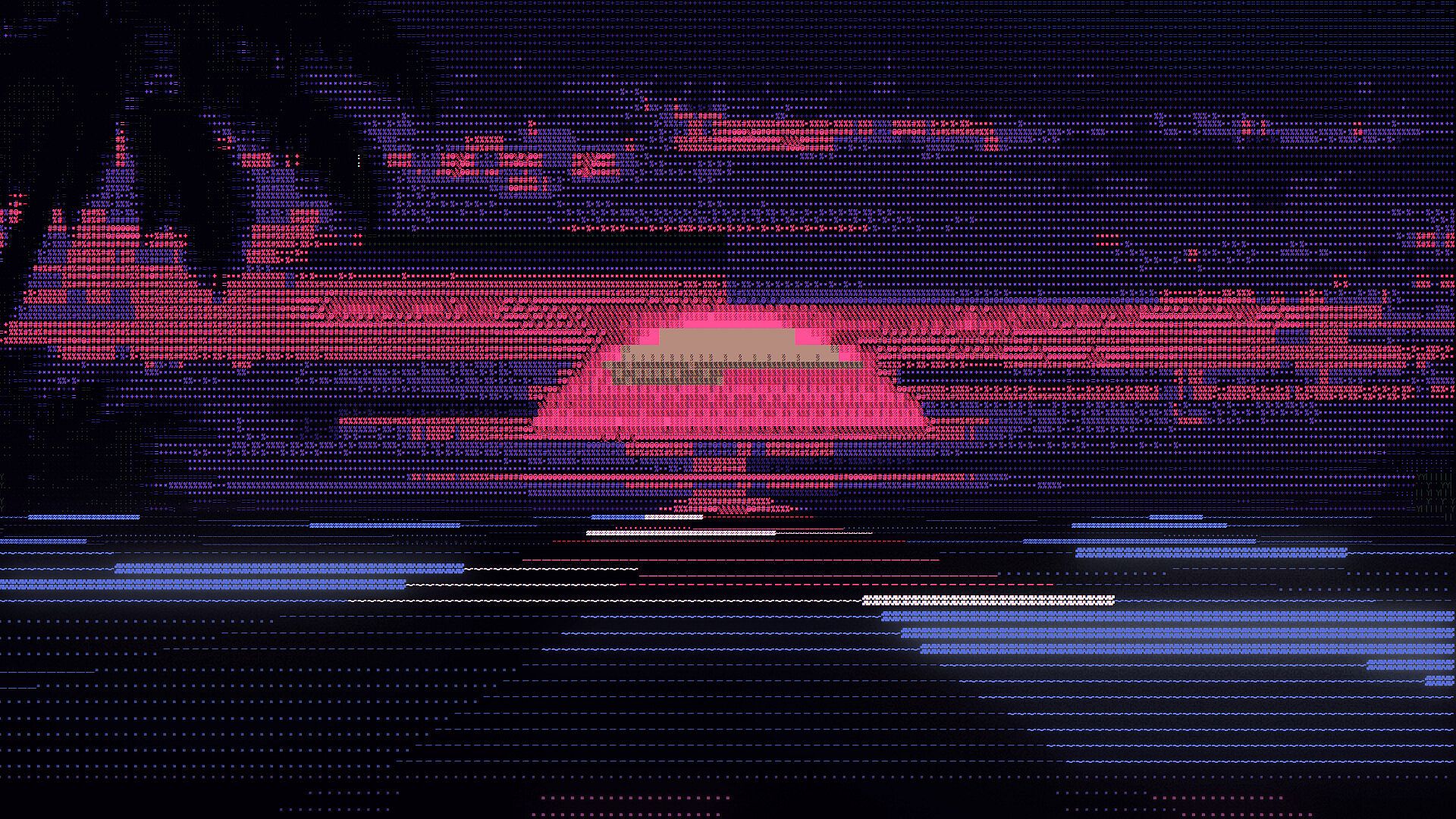
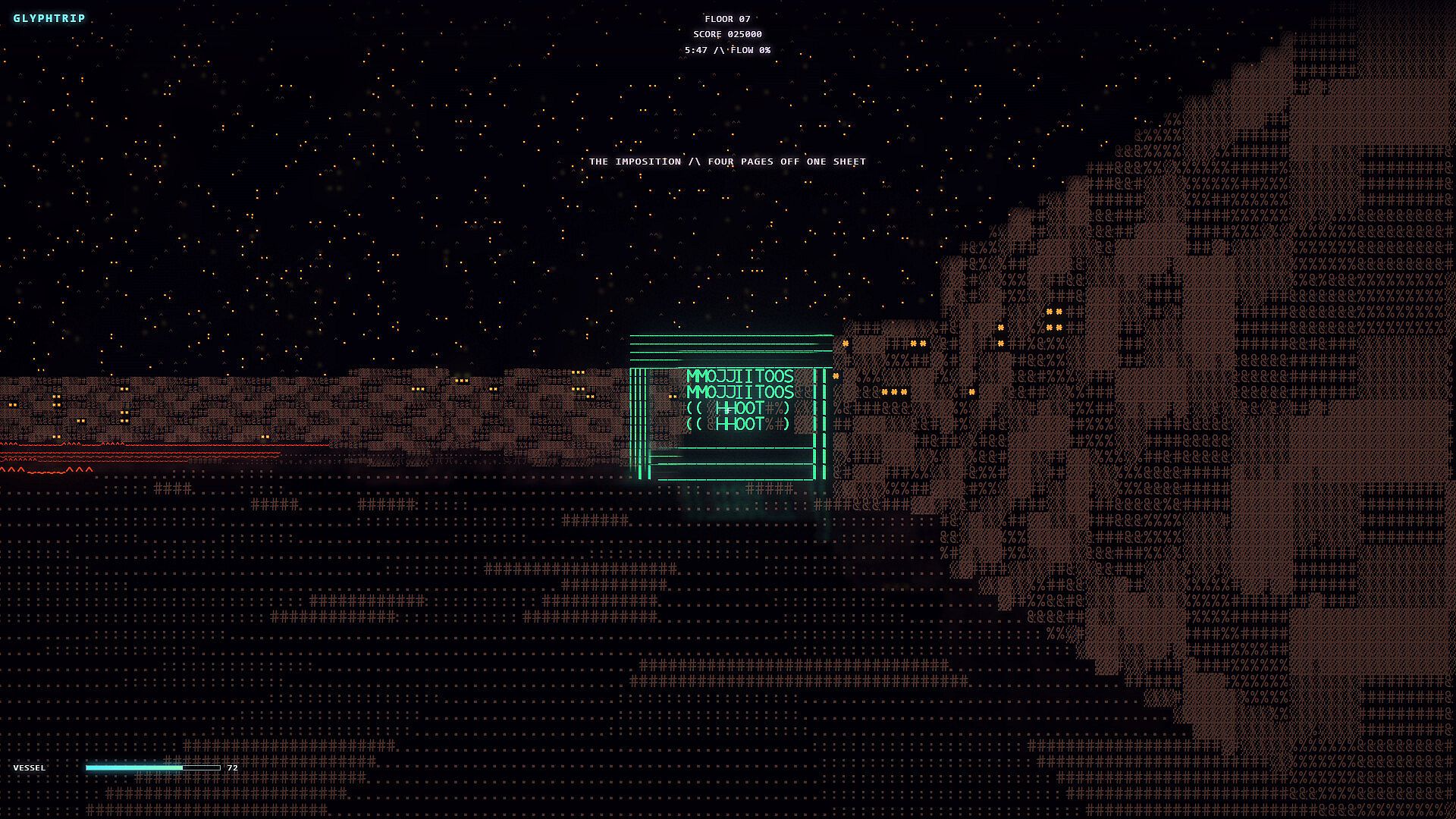
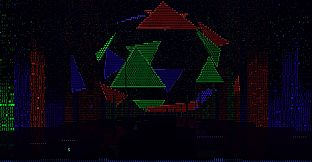
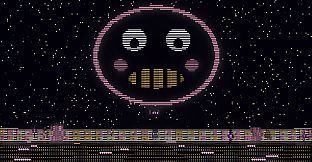
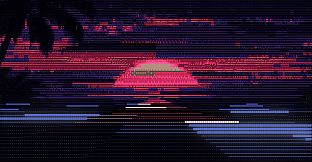
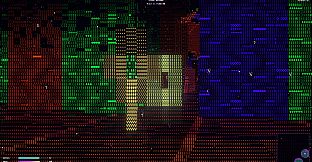
ASCII rendering combines with raycasting to create a stark, terminal-like aesthetic that evolves across strata. Hand-drawn elements appear at fixed depths and introduce irregular layouts such as windows between pages or rooms that fold space. The soundtrack drives both pacing and discovery, with events timed to musical cues and hidden Elsewheres tied to individual tracks.
Photosensitive mode reduces flashing effects and high-contrast patterns, while a still-camera option holds the view steady. These settings remain adjustable at any time.
Is It Worth Playing?
GLYPHTRIP targets players who enjoy roguelikes that emphasize learning through experimentation and momentum-based combat over traditional shooting or melee. The dash-only system and TRIP-driven distortion create a distinctive loop where success depends on positioning, chain reactions, and adapting to shifting rules across loops. Features such as the integrated soundtrack, Lexicon tracking, and edition choices provide replay structure without external progression systems.
The game remains in a pre-release state with no user reviews available. Those drawn to single-player roguelikes that blend procedural and hand-crafted spaces, rhythmic audio design, and escalating meta-changes may find the described mechanics compelling once it launches. Availability on PC includes controller support, key rebinding, and three save slots.