




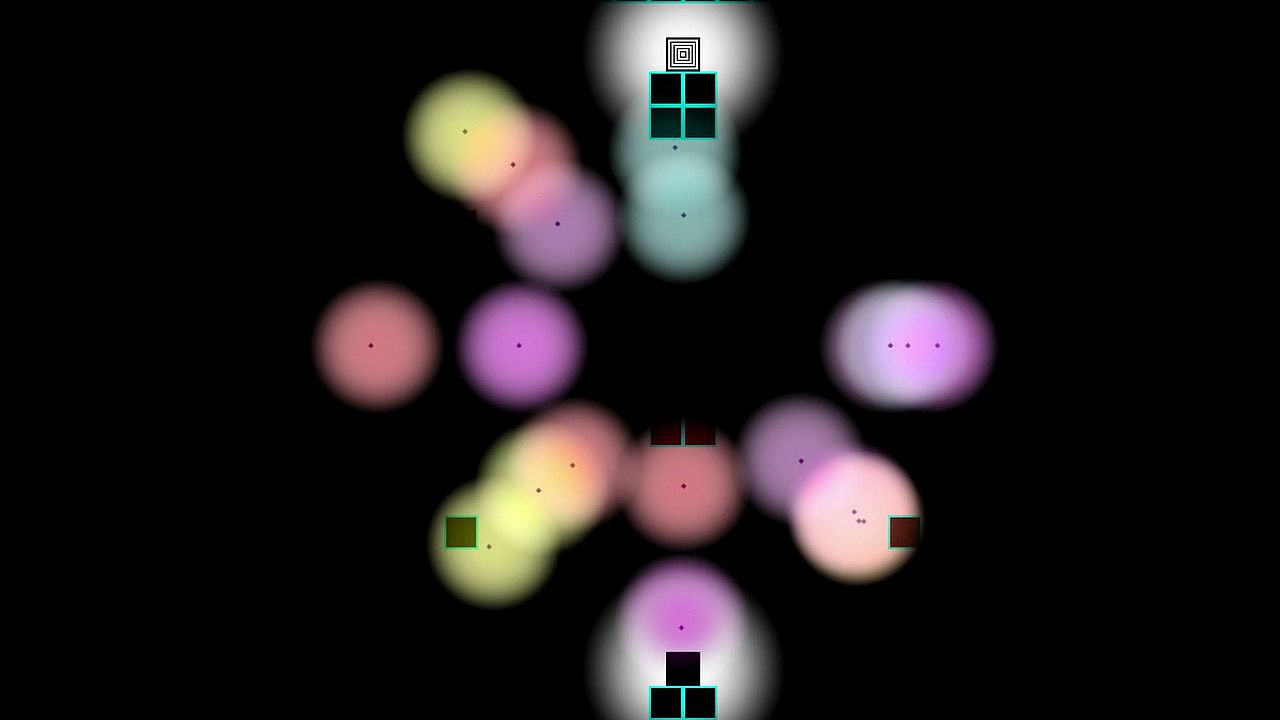
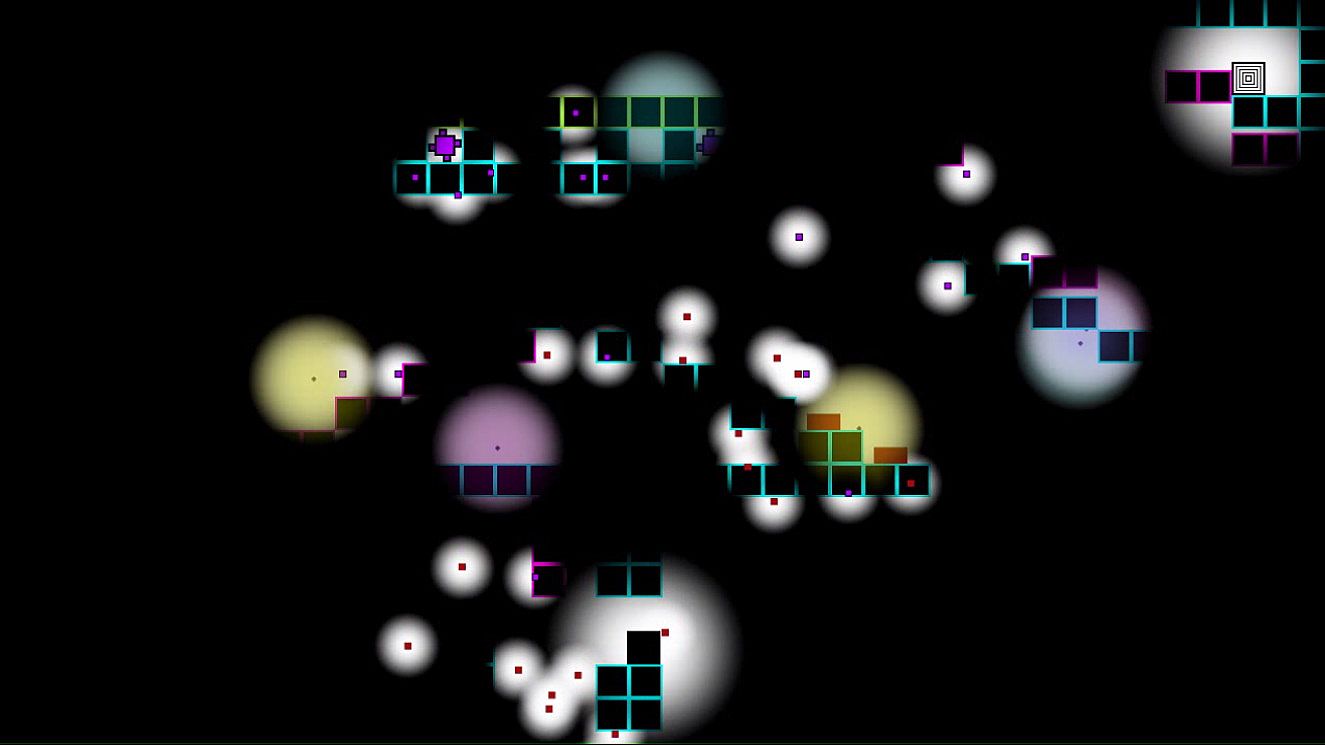
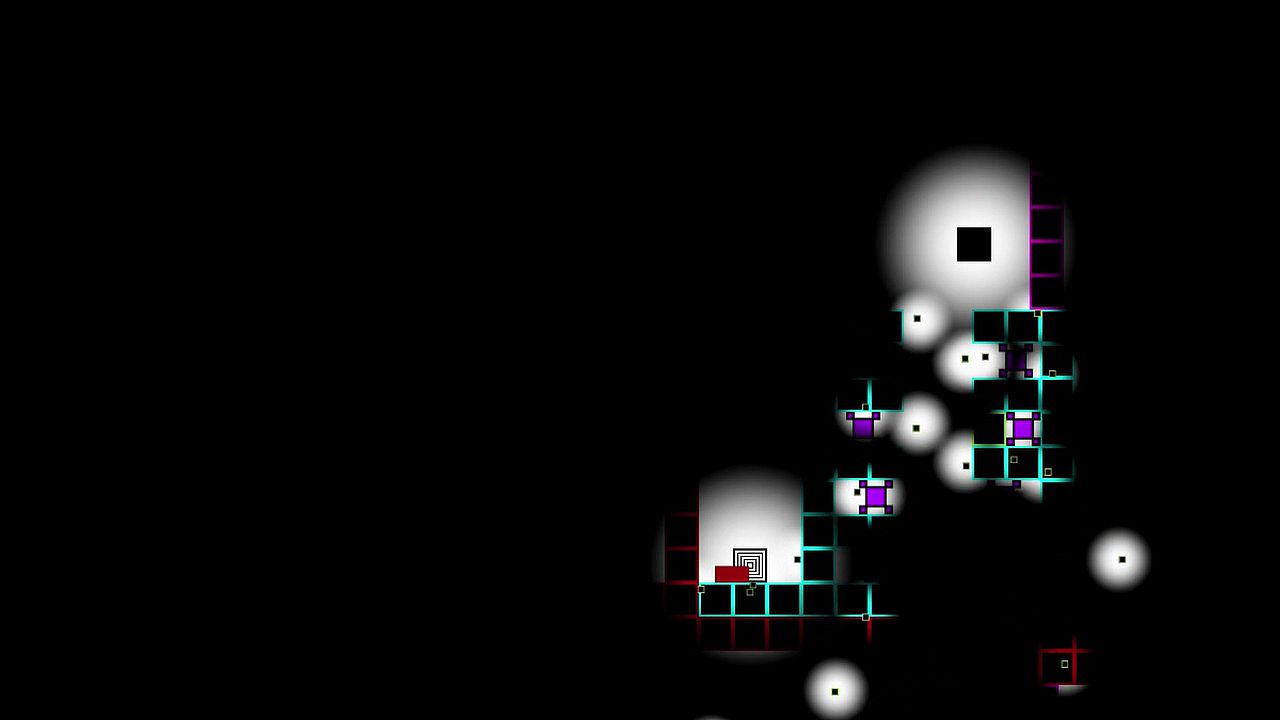
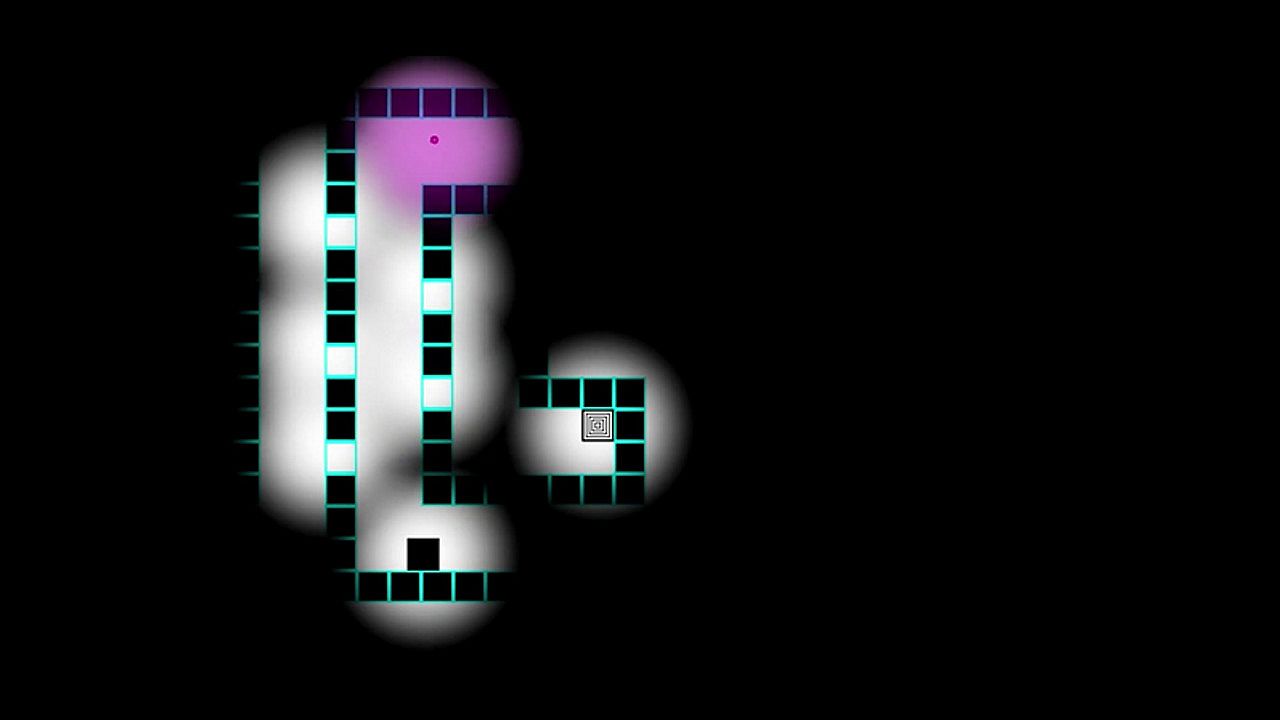
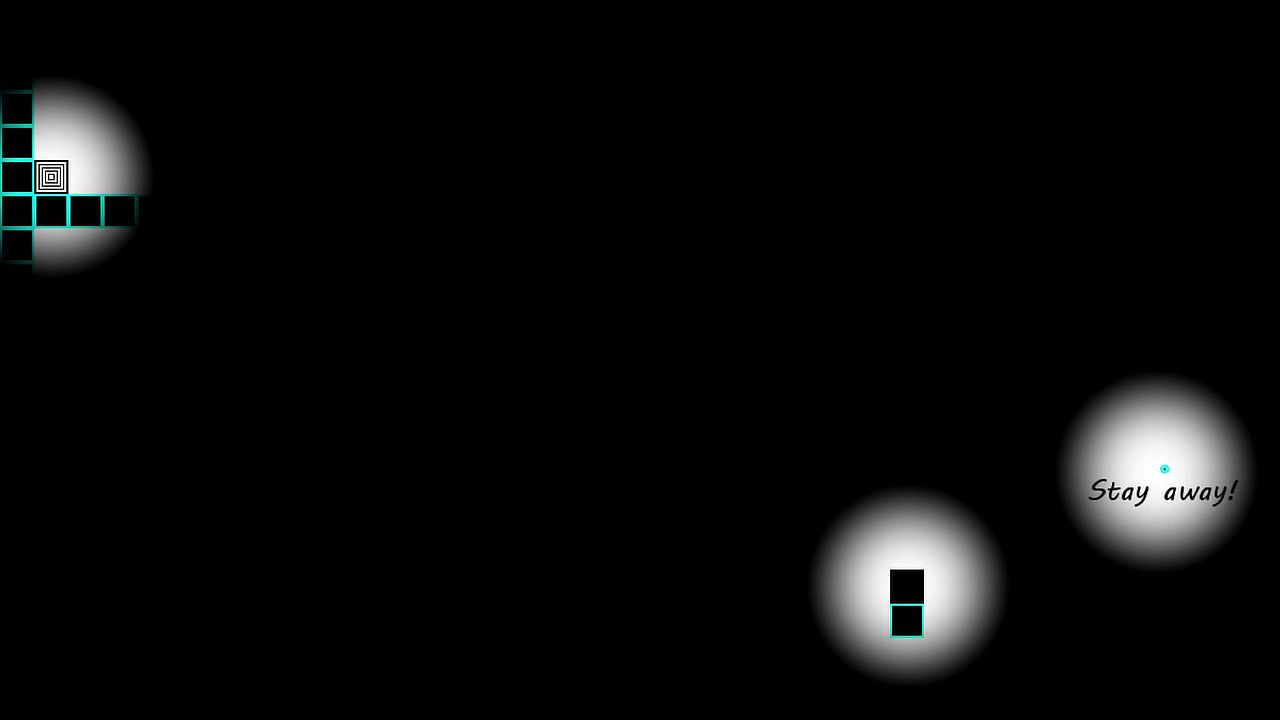
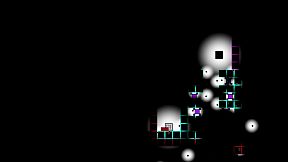
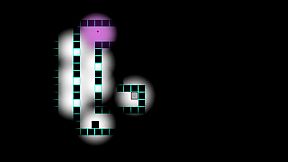
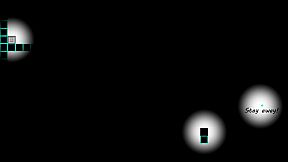
GLO is a difficult indie puzzle platformer that places players in complete darkness for most of each stage. The core experience revolves around navigating 2D side-scrolling levels where only a small aura around the controllable square character and occasional light sources provide visibility. Players must rely on memory, precise timing, and glowing projectiles to map out platforms, avoid hazards, and reach the exit.
Gameplay
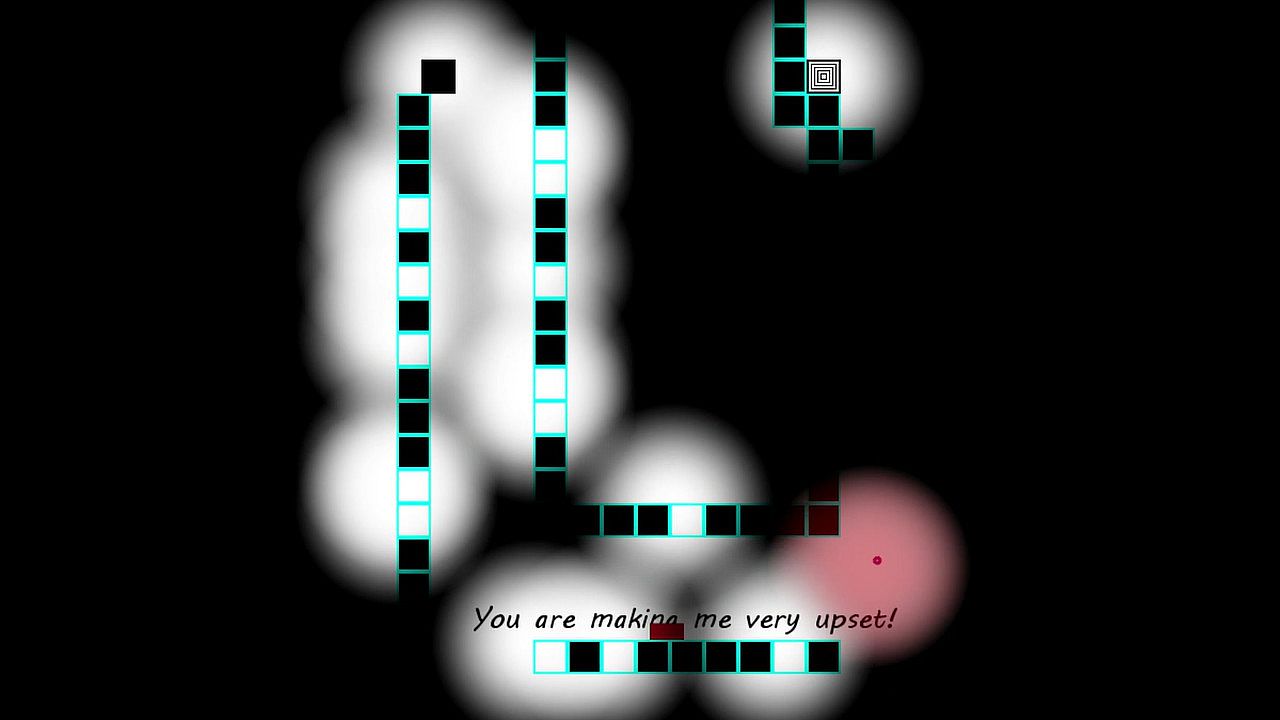
The gameplay centers on limited visibility mechanics that force careful exploration and repeated attempts. The square character emits a faint glow that reveals only a short distance ahead, while shooting projectiles creates temporary light trails that illuminate walls, floors, and enemies until they connect with something. These projectiles also destroy floating enemies that drift toward the player. Platforming requires exact jumps, including a double jump and wall climbing through rhythmic wall jumps. Levels feature one-hit deaths from falls, traps, or enemy contact, sending the player back to the start of the current room. New environmental elements and hazards appear progressively, such as disintegrating blocks or instant-kill surfaces, which demand adaptation after each major checkpoint.
Controls emphasize precision and responsiveness, allowing players to plan routes by firing multiple projectiles in advance or attempting sections blind. Enemy deaths and certain projectiles can provide additional light sources during play. The design encourages experimentation with shooting patterns while managing the constant threat of restarting sections due to minor positioning errors.
Game Modes
The primary mode consists of a linear campaign spanning 100 levels divided into segments separated by boss encounters. Each segment introduces fresh mechanics or obstacles that build on prior skills. Four boss fights occur at set intervals, presenting larger challenges that test the same core systems of light projection and platforming under pressure.
Speedrun mode adds a timer to the main levels, allowing players to track completion times across the full set of stages. This mode supports repeated practice runs and personal best tracking without altering the underlying level layouts or visibility rules. No other modes exist beyond these two options.
Story and Atmosphere
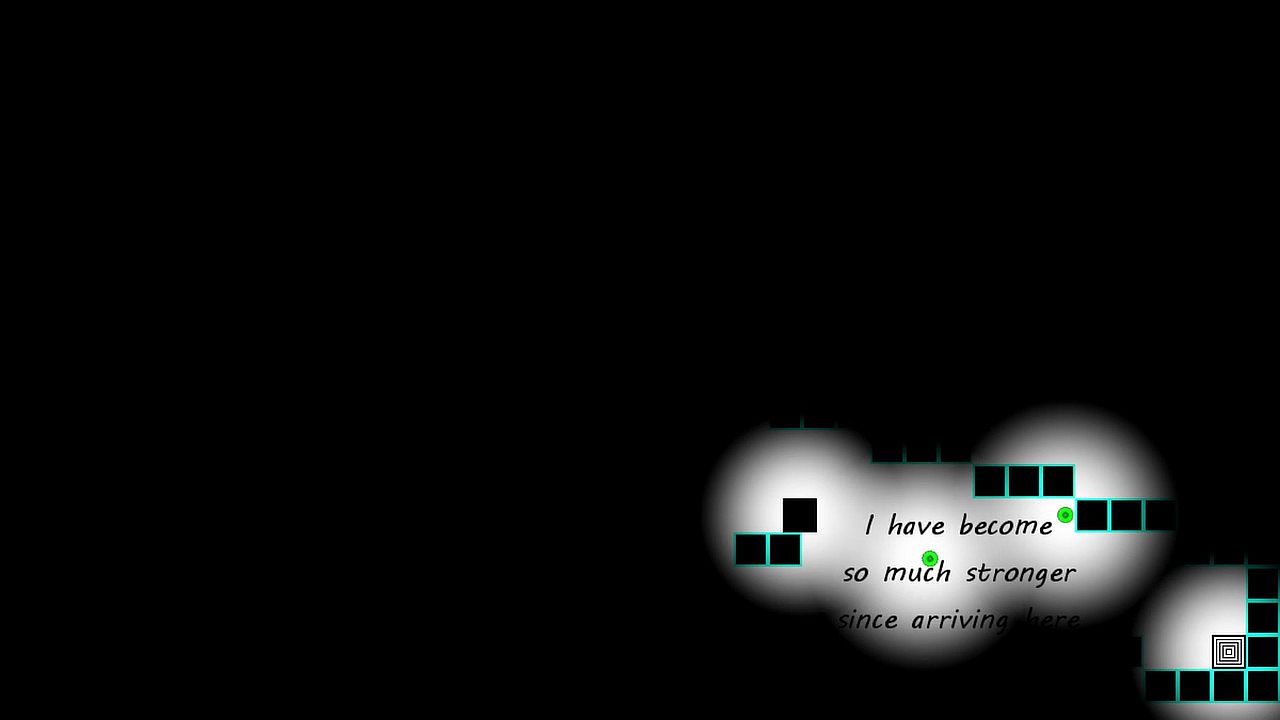
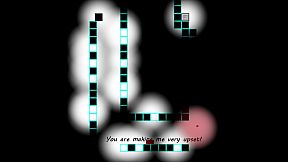
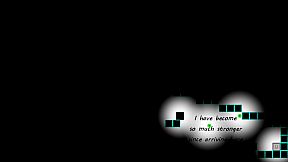
Messages scrawled on walls provide narrative fragments that players uncover as they progress. These writings convey a sense of being observed in an unknown environment, gradually revealing details about the shadowed world and the character's situation. The abstract visual style uses minimal shapes and pure darkness punctuated by light effects to heighten tension and curiosity. An atmospheric soundtrack integrates with the environment, shifting tone to match moments of isolation and discovery without overpowering the focus on mechanical challenge.
Is It Worth Playing?
GLO appeals specifically to players who seek demanding precision platformers that emphasize trial and error alongside a distinctive visibility gimmick. The 100 levels deliver consistent mechanical depth, with the speedrun option extending replay value for those who master the systems. Reception highlights the rewarding sense of accomplishment after overcoming difficult sections, though some note an uneven difficulty progression and boss encounters that can feel less consistent than standard levels. The game remains available as a single-player experience with no ongoing updates or additional content. Those comfortable with high frustration levels and short, focused sessions will find it a worthwhile niche title, while players preferring gradual difficulty or more forgiving visibility may find the core loop too punishing.