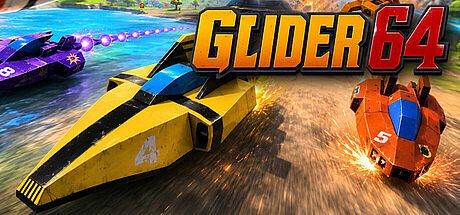


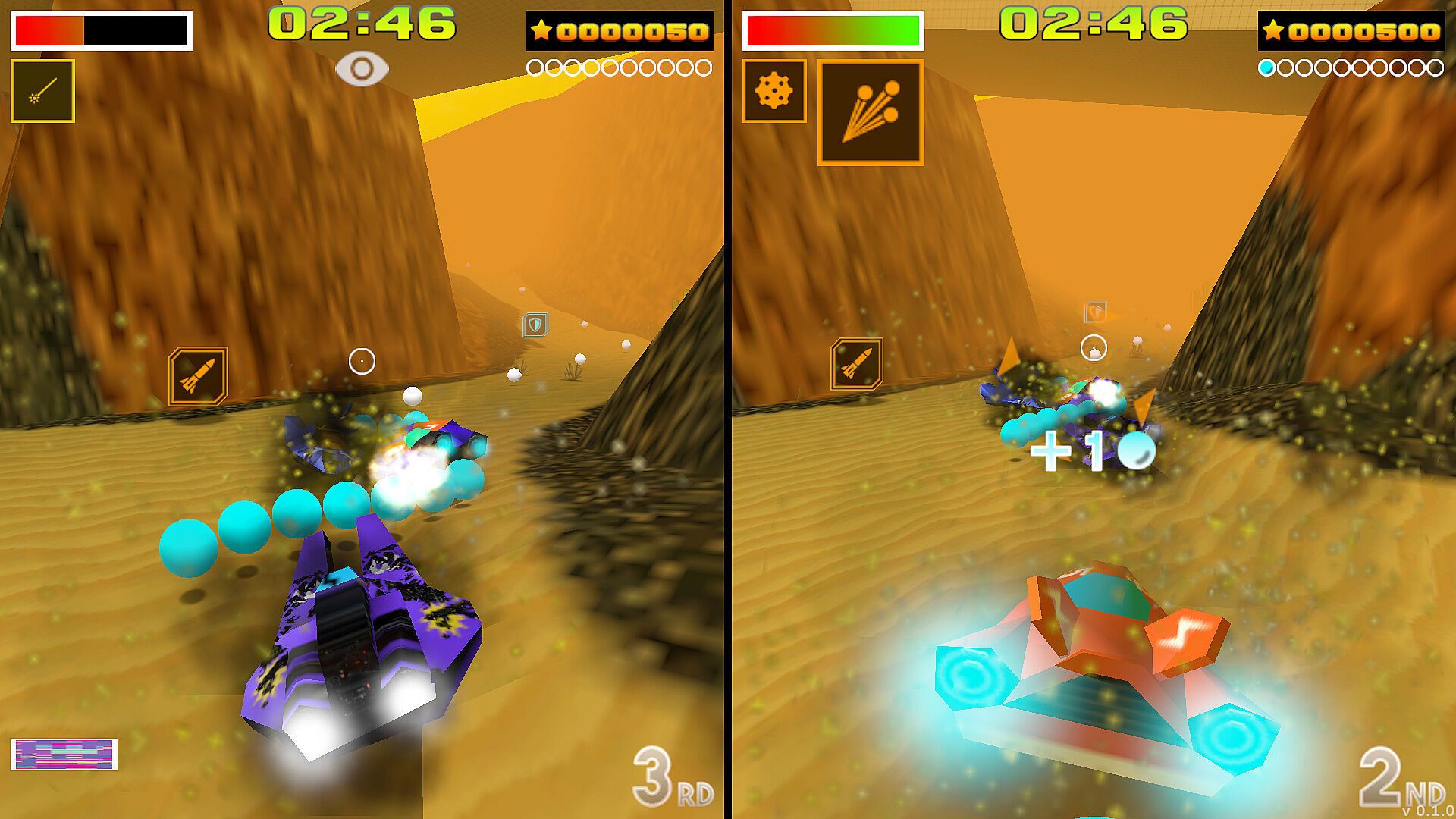
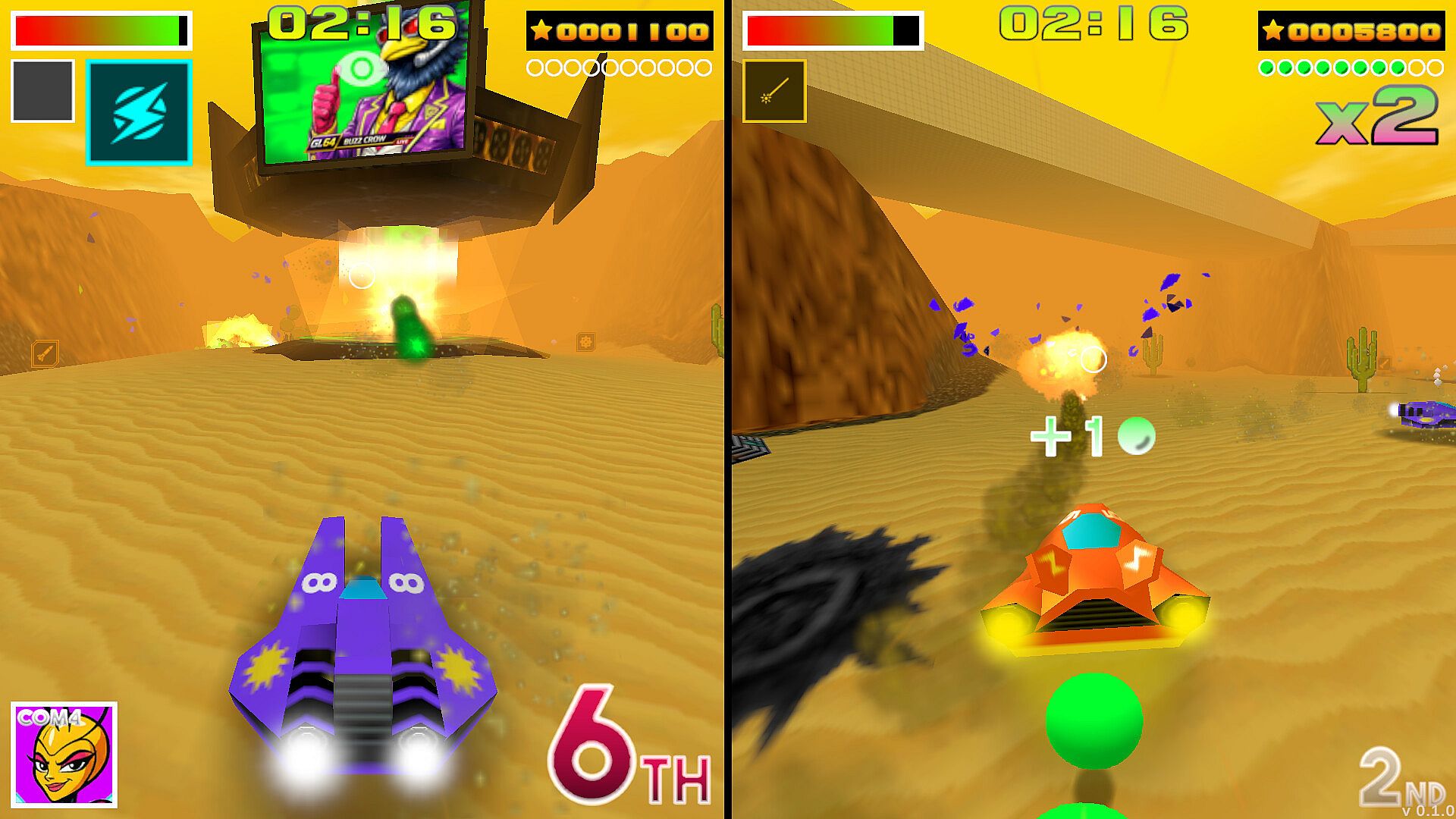
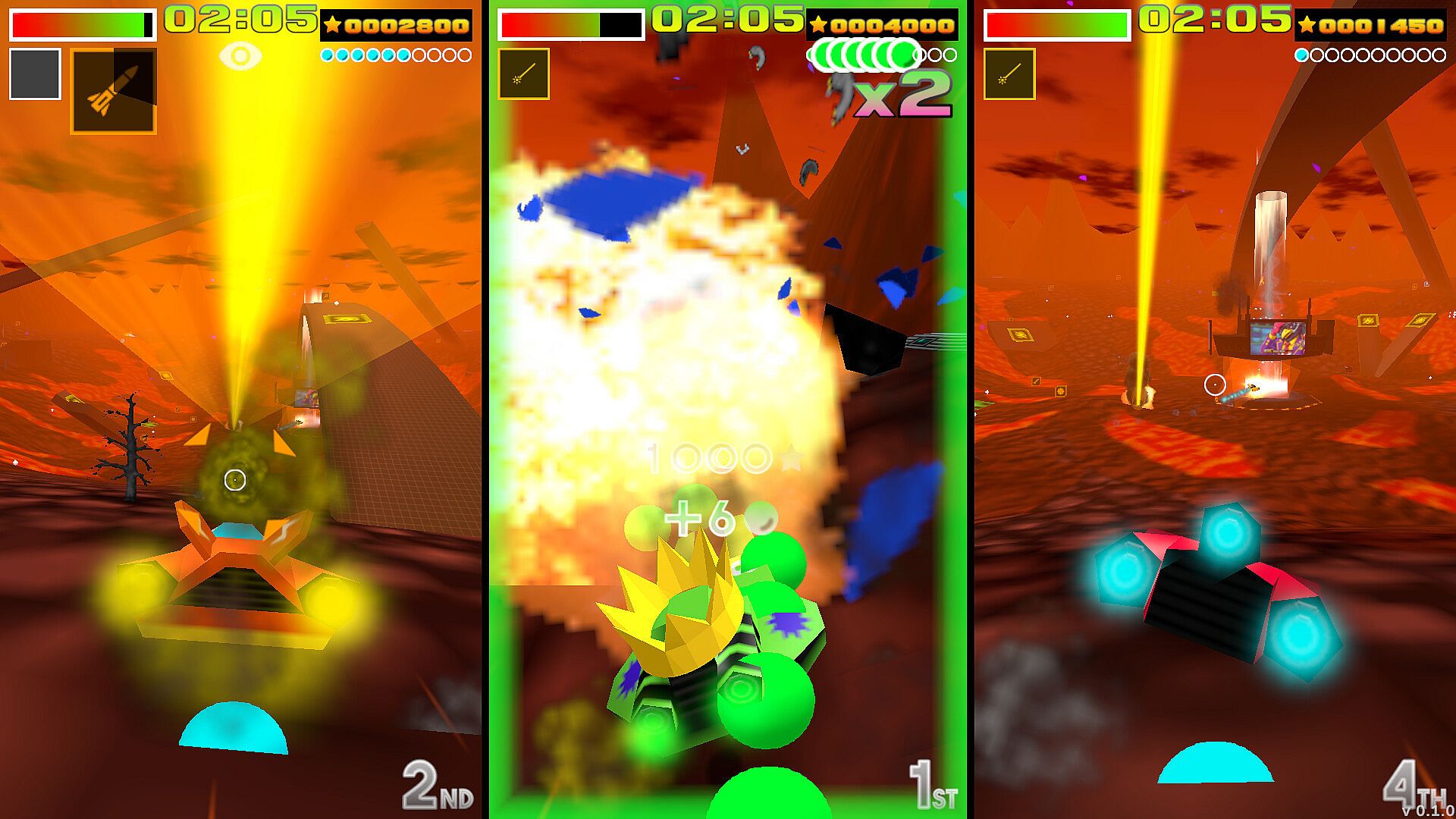
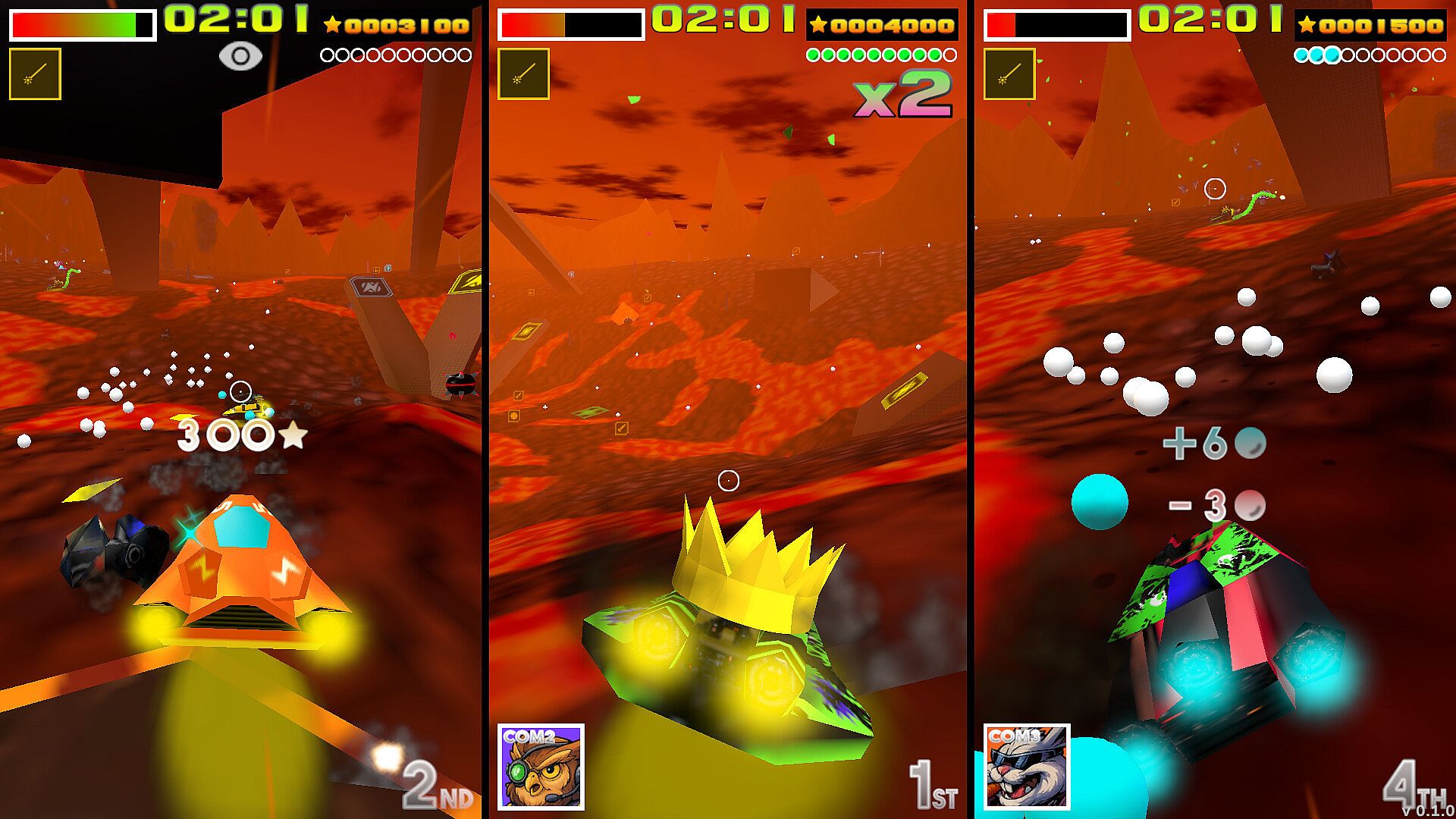
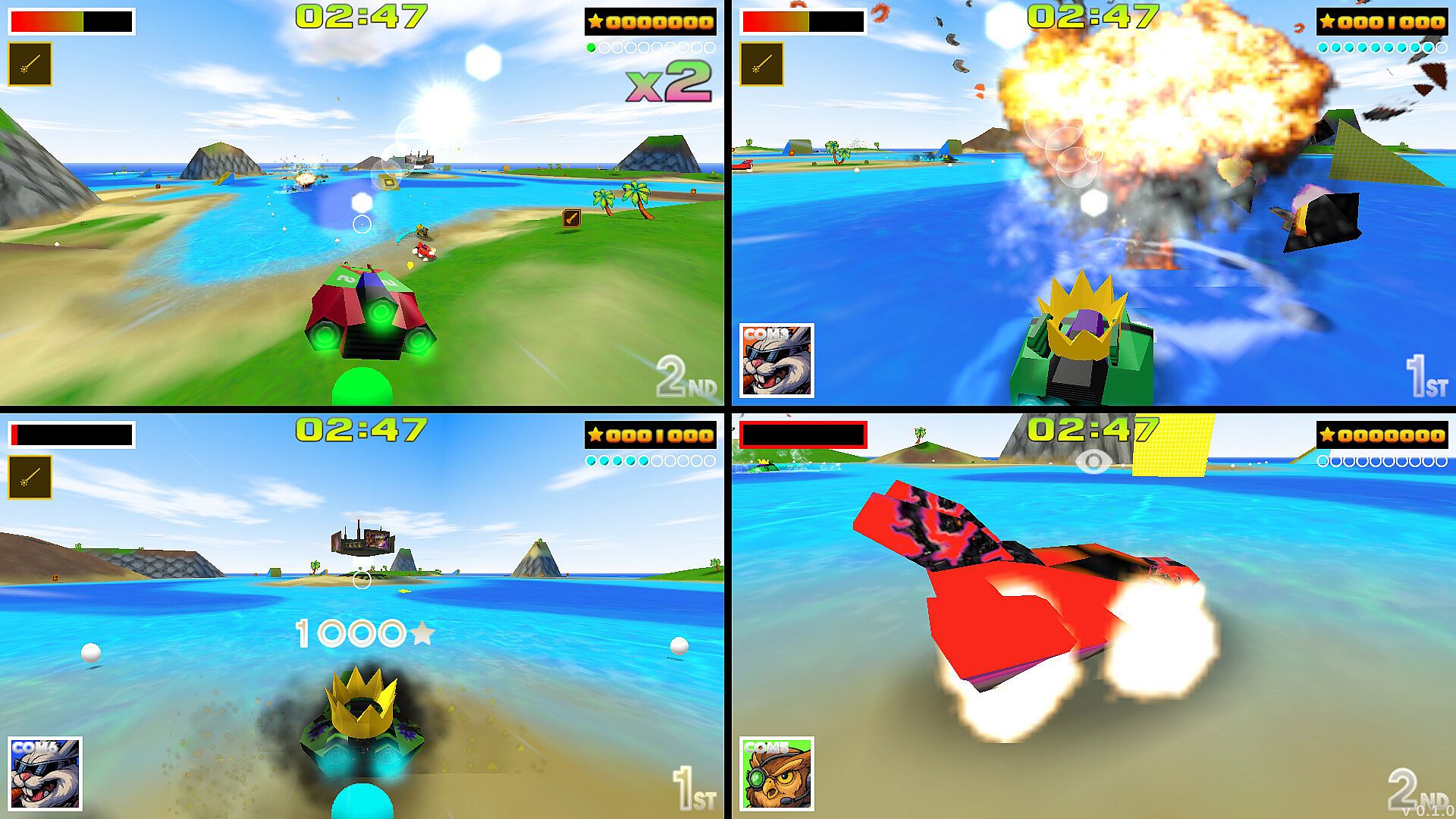
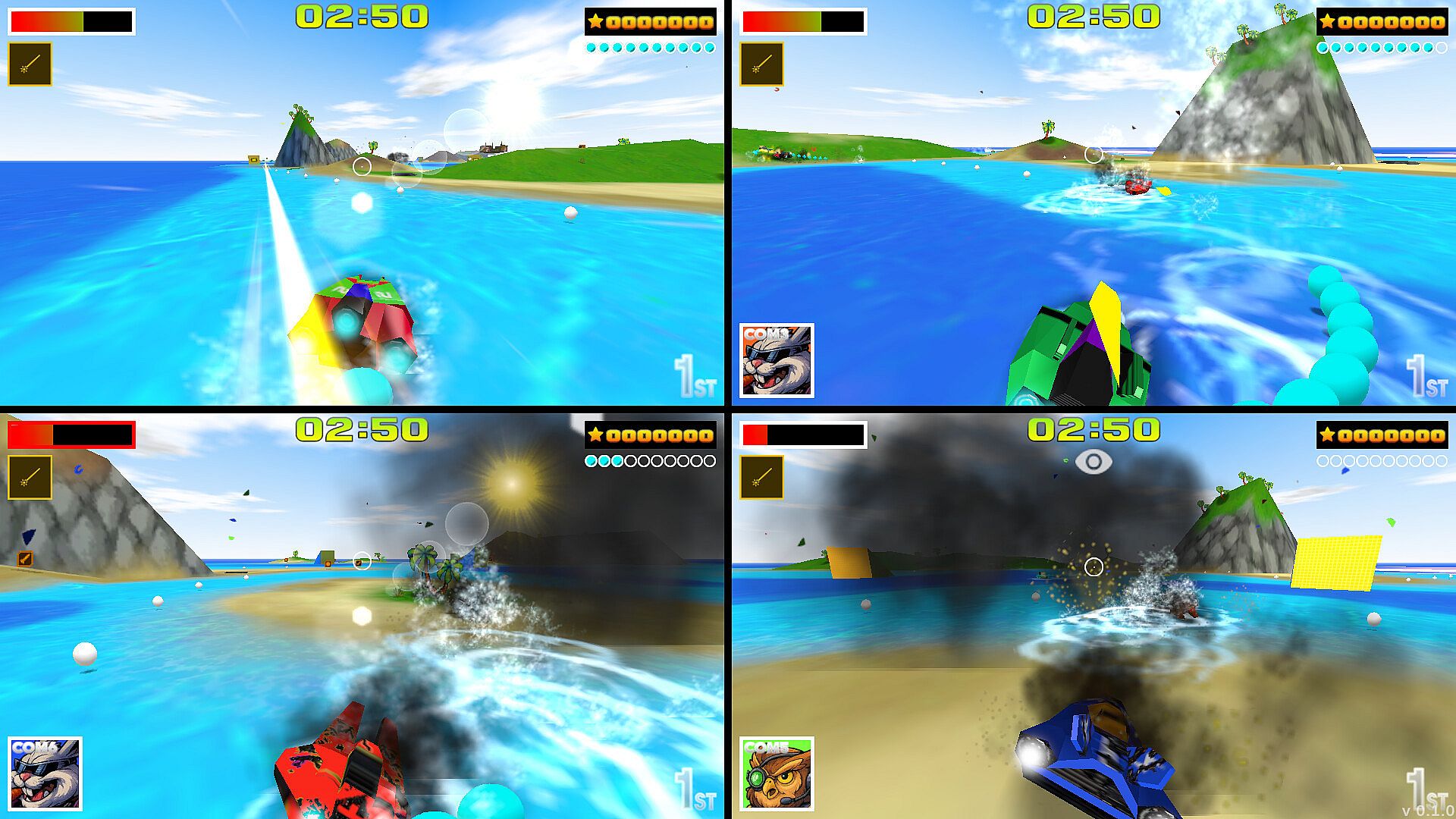
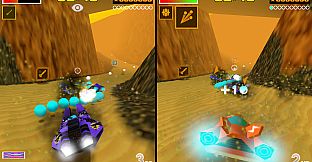
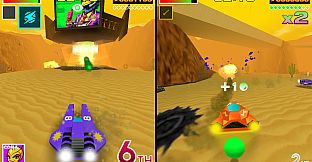
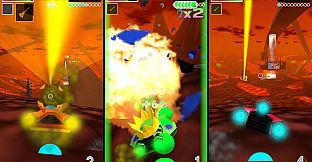
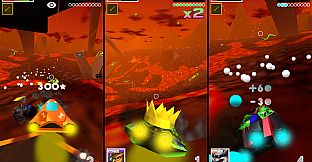
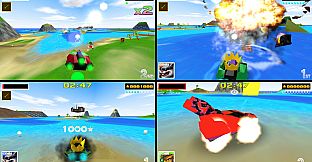
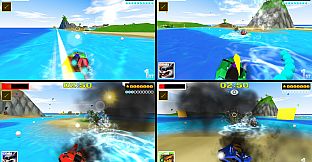
Glider64 è un arcade action dal sapore retrò ambientato in un futuro dove si pratica lo sport competitivo degli hover-glider, noto come Glider League. I giocatori pilotano alianti attraverso arene diverse, puntando su velocità, raccolta e scontri diretti per superare gli avversari. Il cuore del gioco consiste nel raccogliere sfere di energia luminose per creare combo di punteggio, quindi consegnarle attraverso un Gate mentre si respingono gli attacchi degli avversari. Le partite richiedono decisioni rapide e movimento continuo, con uno stile visivo low-poly che richiama l'estetica delle console di fine anni '90.
Gameplay
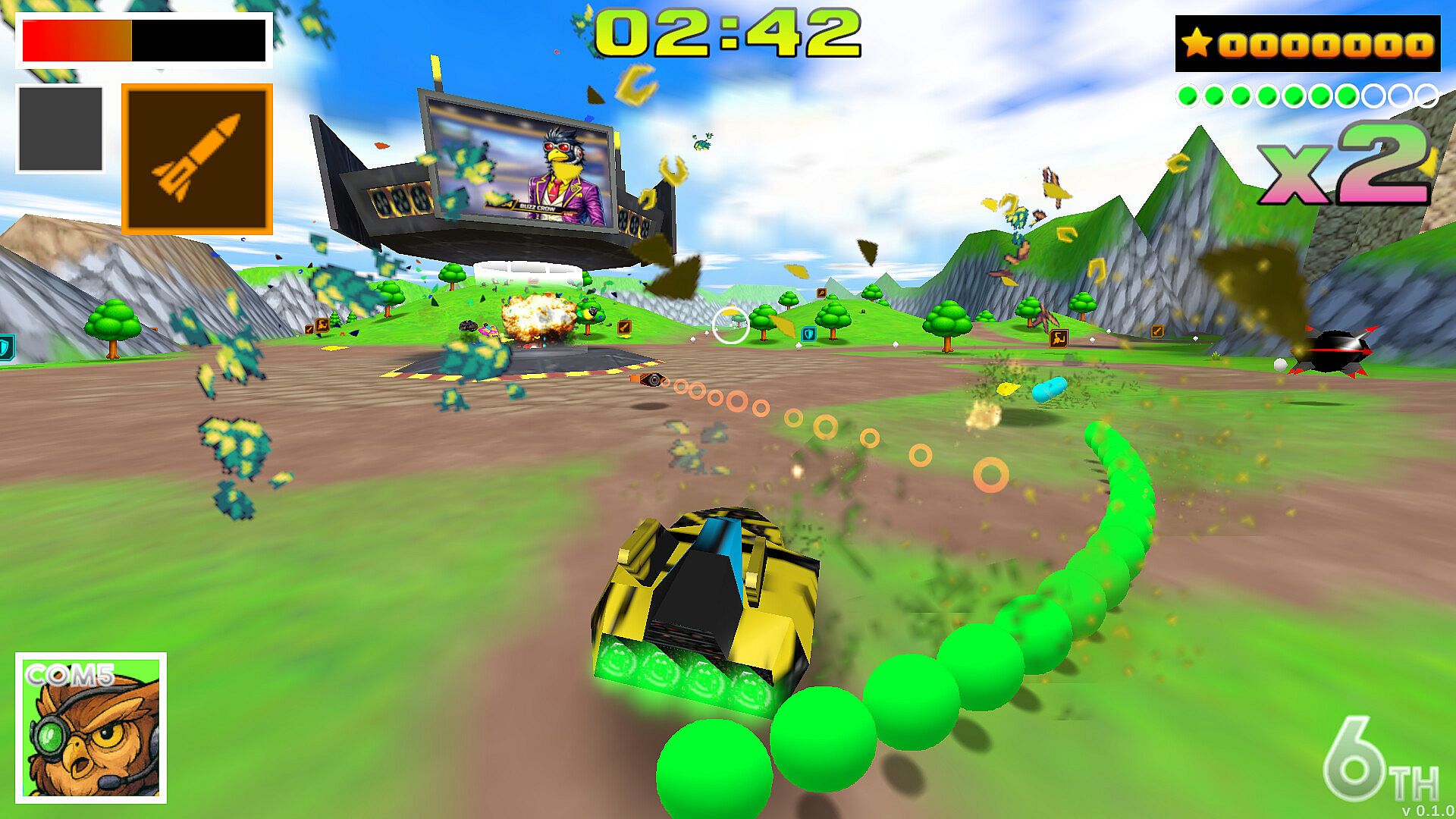
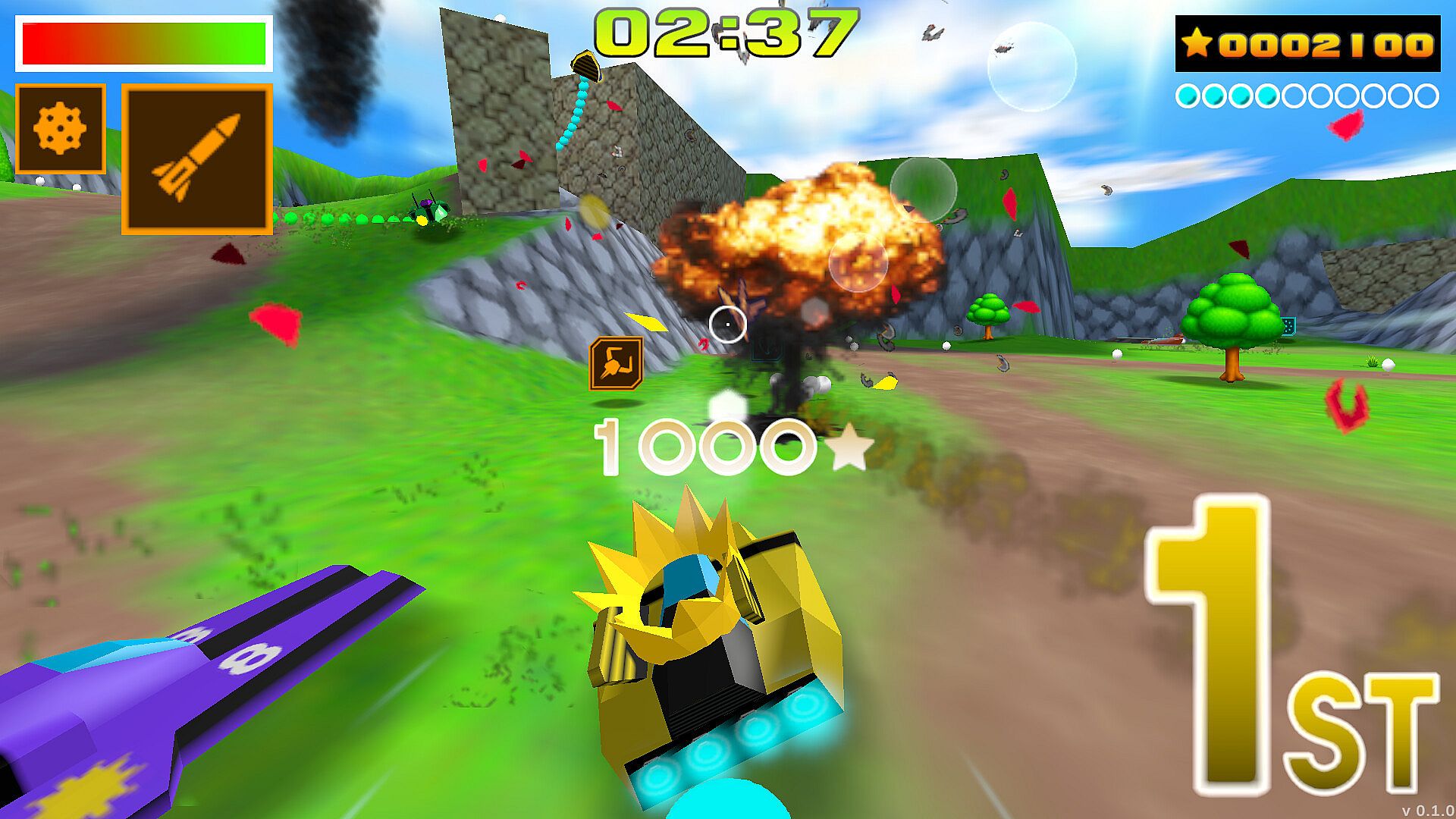
Il gameplay si basa sulla raccolta di Energy Balls per formare la catena più lunga possibile, prima di correre al Gate per la consegna. Gli avversari possono interrompere il processo con attacchi diretti o rubando le catene, creando continui cambi di vantaggio. Il combattimento integra un arsenale di armi e strumenti: razzi teleguidati, colpi di railgun, mine, scudi e un Grabber per sottrarre le catene rivali. Durante le partite compaiono power-up che offrono vantaggi temporanei, mentre ogni arena presenta pericoli, scorciatoie ed elementi tattici che premiano una navigazione precisa.
Il design delle arene riprende lo stile classico degli arcade, con ambientazioni che vanno da spiagge assolate a colline verdi, pozze di lava, paesaggi ghiacciati, città futuristiche e canyon antichi. Ogni scenario introduce rischi e opportunità distinti che influenzano movimento e scelte di combattimento. Lo stile visivo resta colorato e stilizzato, privilegiando la chiarezza durante le azioni veloci rispetto al dettaglio fotorealistico. Il multiplayer locale permette di sfidare gli amici sulla stessa console, favorendo sessioni ripetute in cui emergono le differenze di abilità nella gestione delle catene e nei tempi di gioco.
Game Modes
Al momento il gioco propone partite competitive in cui i piloti cercano di costruire e consegnare il punteggio più alto attraverso le catene di Energy Ball. Queste sfide supportano sessioni di multiplayer locale incentrate sul confronto diretto e sulla possibilità di rimonta tramite il furto delle catene. La struttura incoraggia il replay grazie a regole semplici che premiano l'allenamento nel movimento, nell'uso delle armi e nella conoscenza dell'arena. Ulteriori modalità e funzionalità sono previste in futuro, ma nomi e dettagli non sono ancora confermati.
Le partite includono il commento in tempo reale del personaggio Buzz Crow, che reagisce a giocate ed errori. Questo elemento aggiunge personalità senza modificare le meccaniche di base. L'attenzione resta sulle sessioni in stile arcade, accessibili ai nuovi giocatori ma con profondità per chi vuole perfezionare tecniche di costruzione delle catene e posizionamento in combattimento.
Arenas and Visual Style
Le arene variano per tema e disposizione, ognuna con pericoli e percorsi unici che influenzano la strategia. Spiagge e colline verdi offrono spazi aperti ideali per le prove di velocità, mentre pozze di lava e zone ghiacciate introducono sfide ambientali che richiedono tempismo accurato. Città futuristiche e canyon antichi aggiungono verticalità e passaggi stretti, favorendo il controllo preciso dell'aliante e le tattiche di imboscata. La direzione artistica low-poly mantiene un'atmosfera retrò coerente in tutte le location, concentrando l'attenzione sugli elementi di gioco leggibili durante gli scontri più intensi.
Le interazioni tra armi e power-up sono legate direttamente alla navigazione dell'arena. Posizionare mine vicino alle scorciatoie o usare gli scudi durante l'avvicinamento al Gate può trasformare situazioni difensive in opportunità di punteggio. L'insieme della presentazione supporta partite rapide e distinte in base alla scelta dell'arena e al livello di aggressività dei giocatori.
Is It Worth Playing?
Glider64 non è ancora uscito: il lancio è previsto per il 2027. I sistemi descritti ruotano attorno a raccolta veloce, consegna delle catene e interferenza con le armi in un formato multiplayer locale che favorisce sessioni brevi e ripetute. Chi apprezza gli action arcade con punteggio competitivo e interazione diretta tra giocatori potrebbe trovare interessante la meccanica delle catene di sfere energetiche e la varietà delle arene una volta disponibile. Il gioco si rivolge a chi cerca un combattimento basato sull'abilità sovrapposto a obiettivi semplici, con enfasi sui ribaltamenti tramite furto delle catene e tempismo dei power-up. Non esistono ancora recensioni né dati sulle prestazioni, quindi l'interesse si basa sulle caratteristiche illustrate e sulla promessa di contenuti aggiuntivi dopo il lancio. I requisiti di sistema indicano compatibilità con una vasta gamma di hardware, inclusi i setup meno recenti.