


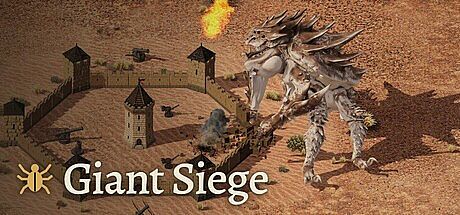


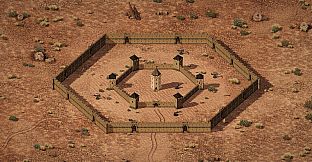
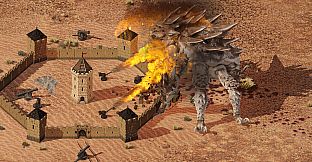
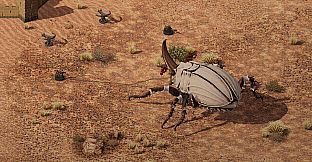
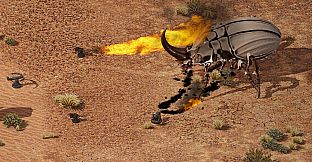
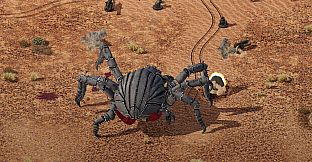
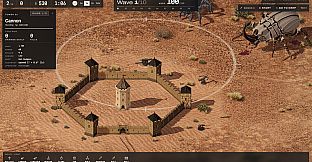
Giant Siege delivers a fresh approach to tower defense within the action and strategy genres as an indie title developed for PC. Instead of managing defenses against endless groups of minor enemies, the game centers on confronting individual giant monsters that each function as a demanding boss encounter. Players must observe incoming threats, adapt their setups on the fly, and leverage targeted attacks along with environmental interactions to prevail across successive waves.
Gameplay
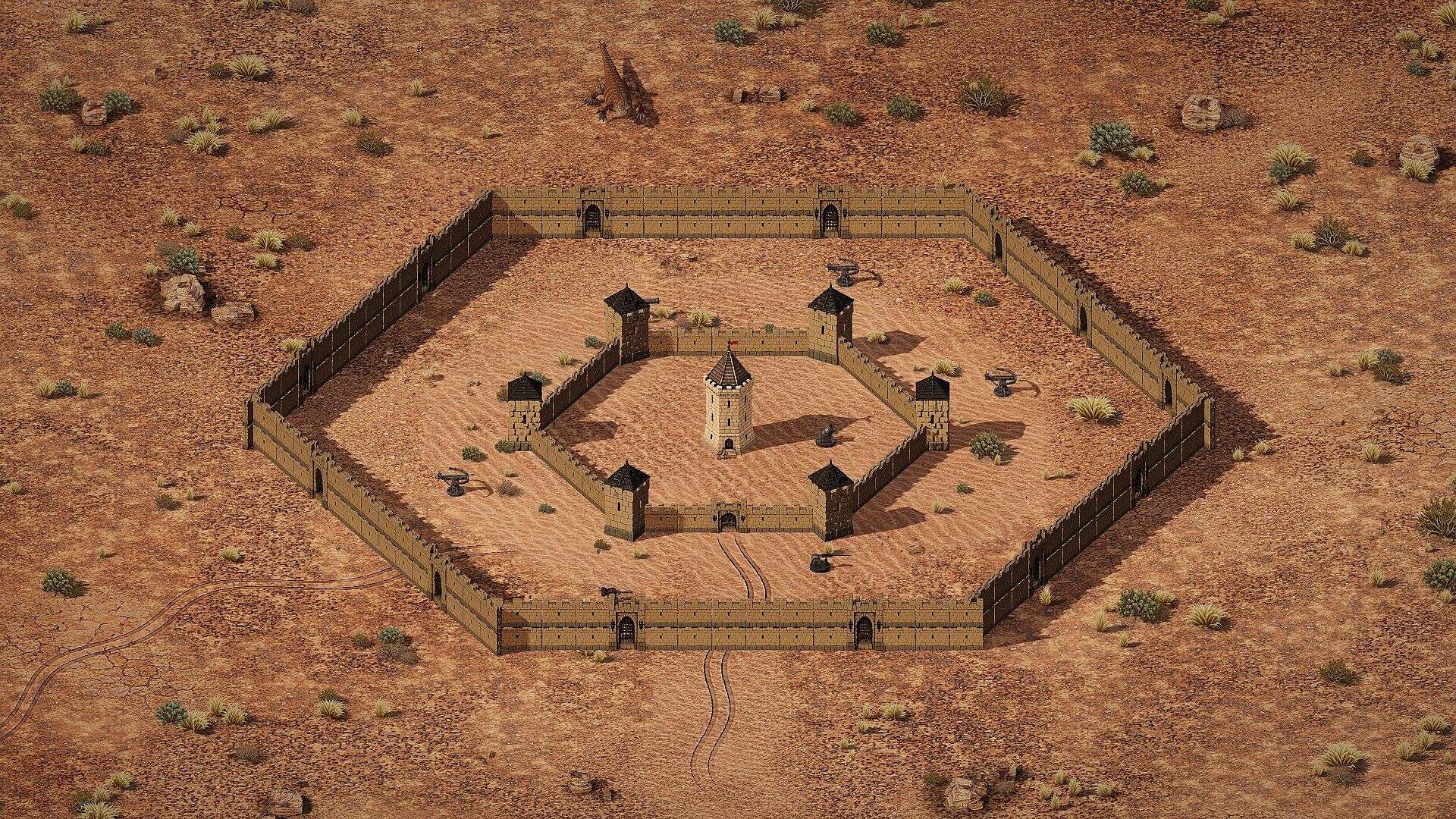
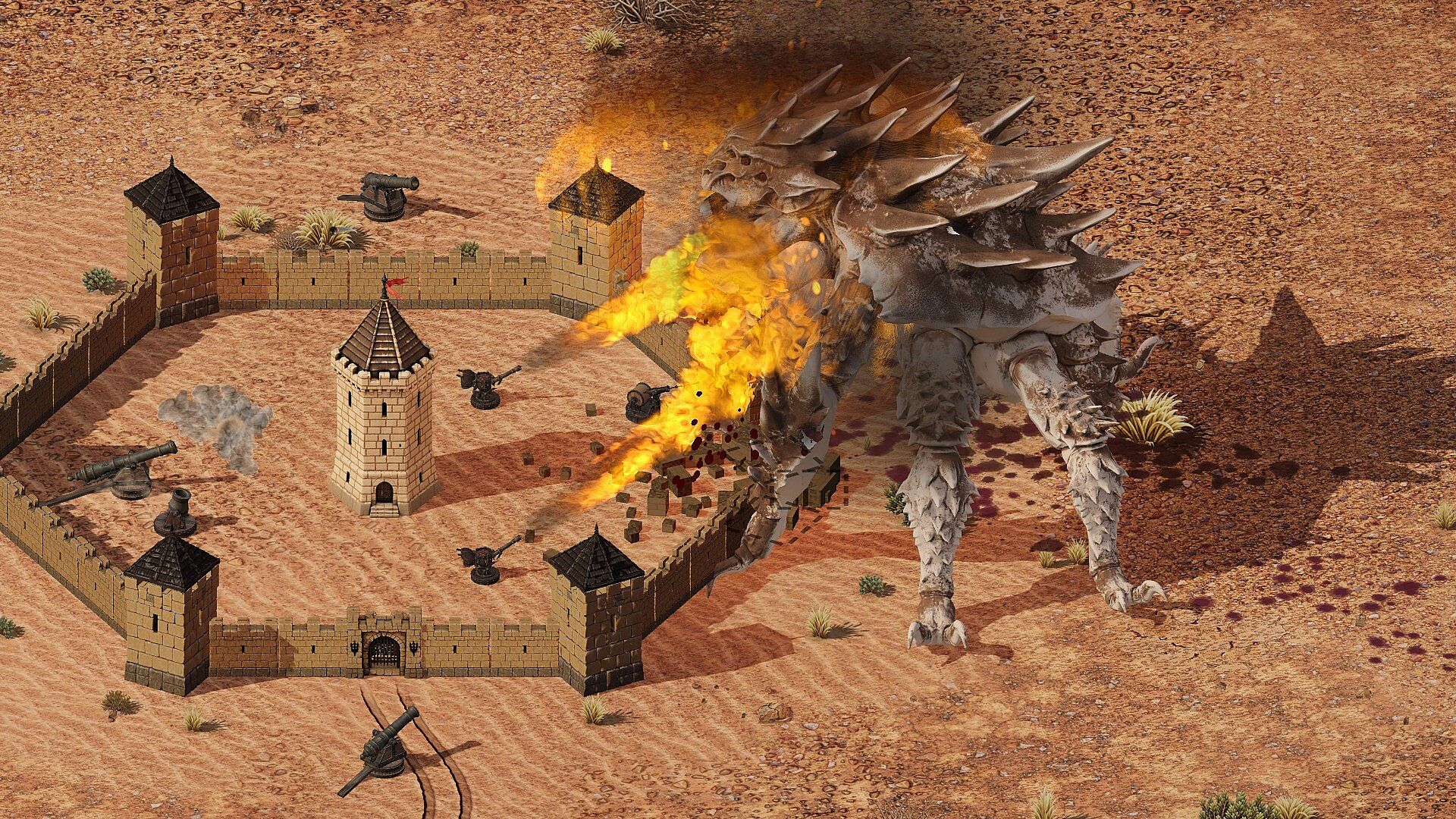
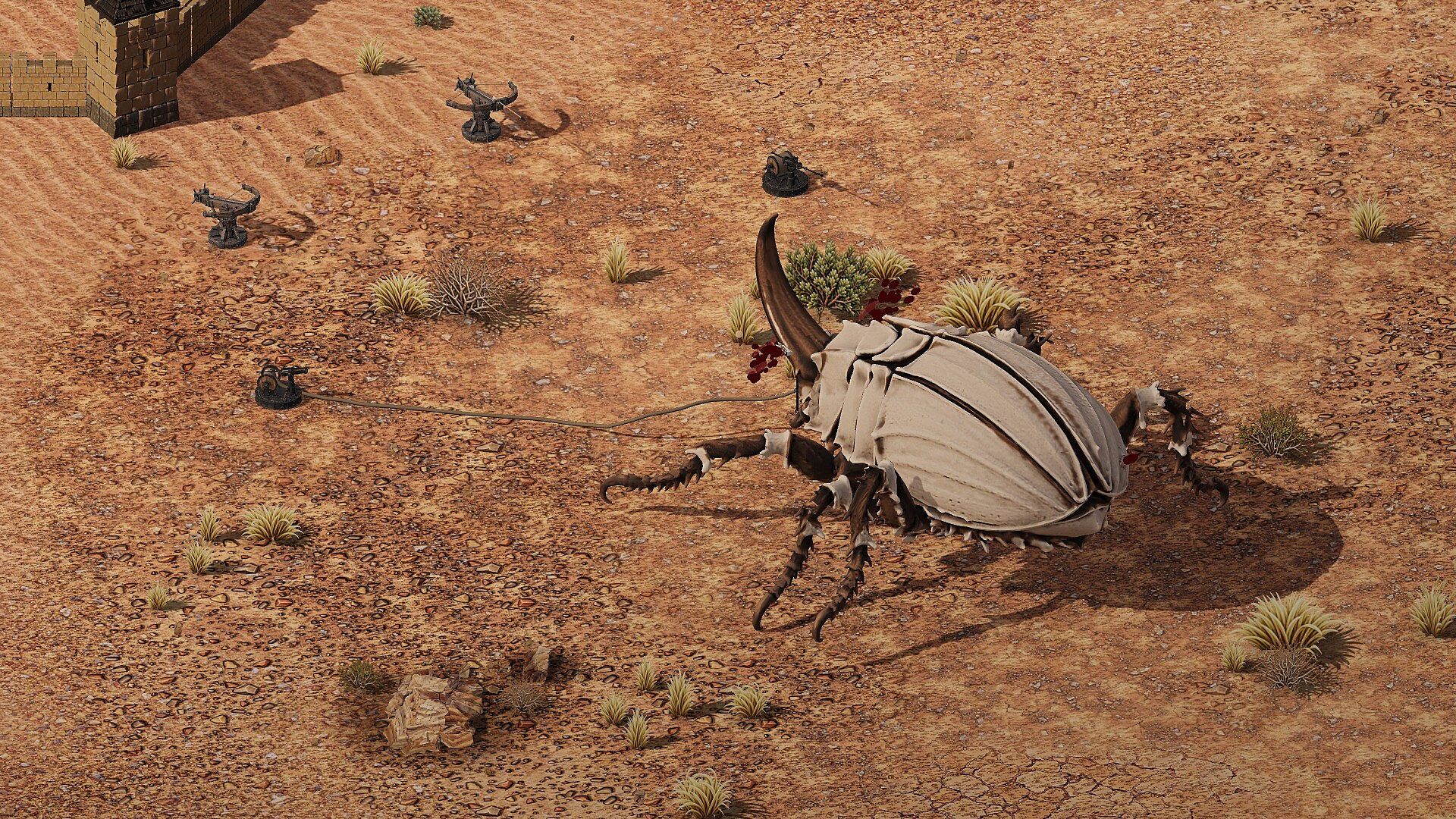
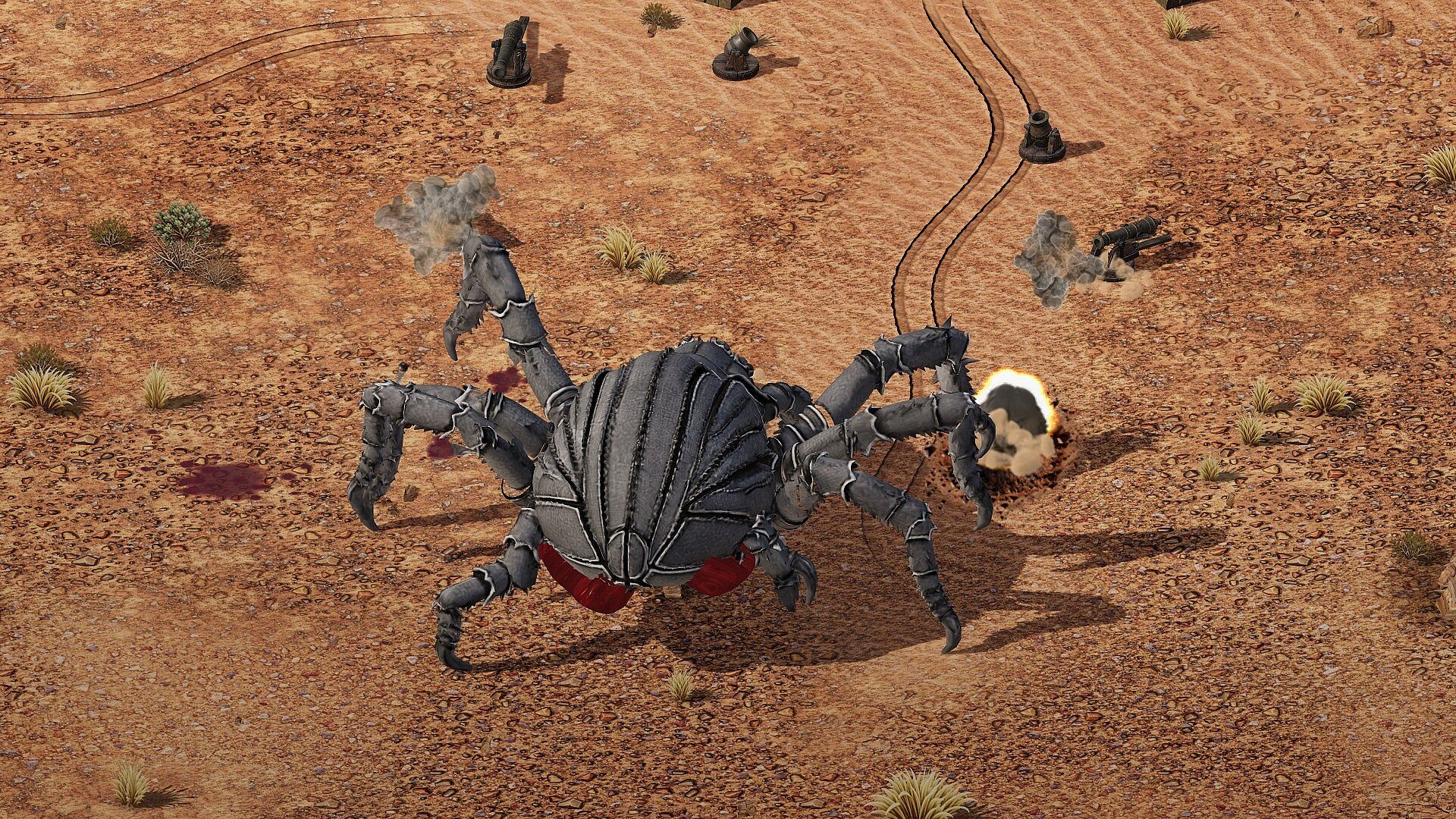
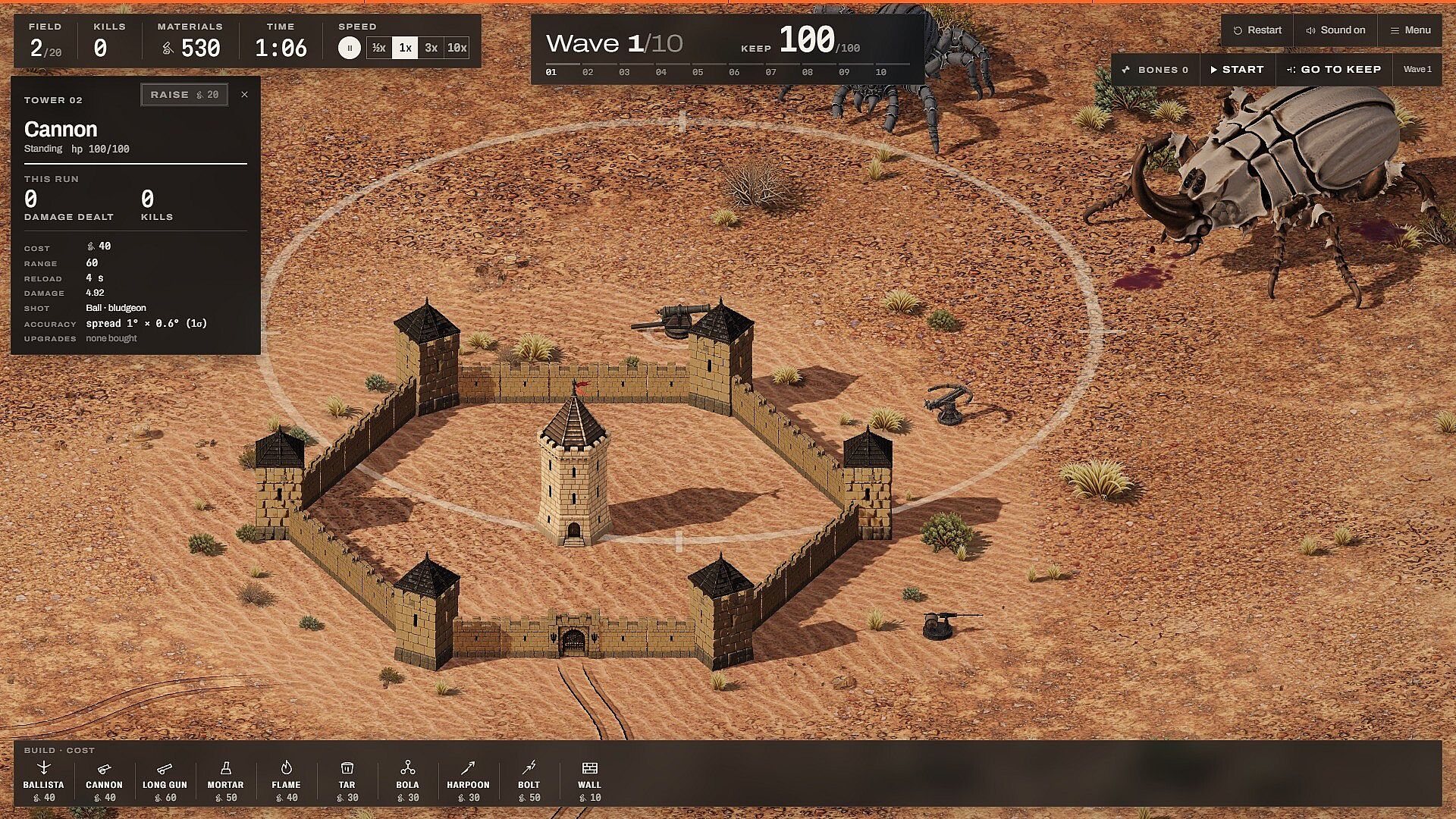
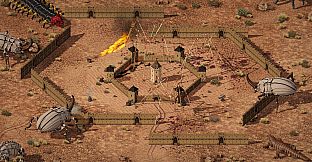
The core loop requires careful preparation before each monster arrives. Defenses consist of towers and walls positioned to counter specific monster traits, since abilities like wall destruction, climbing, digging, regeneration, or targeted protection can render previous strategies ineffective. Every projectile or ability interacts with actual body sections on these large creatures, allowing players to prioritize armor plating for breakthrough or limbs for mobility reduction through tools such as harpoons.
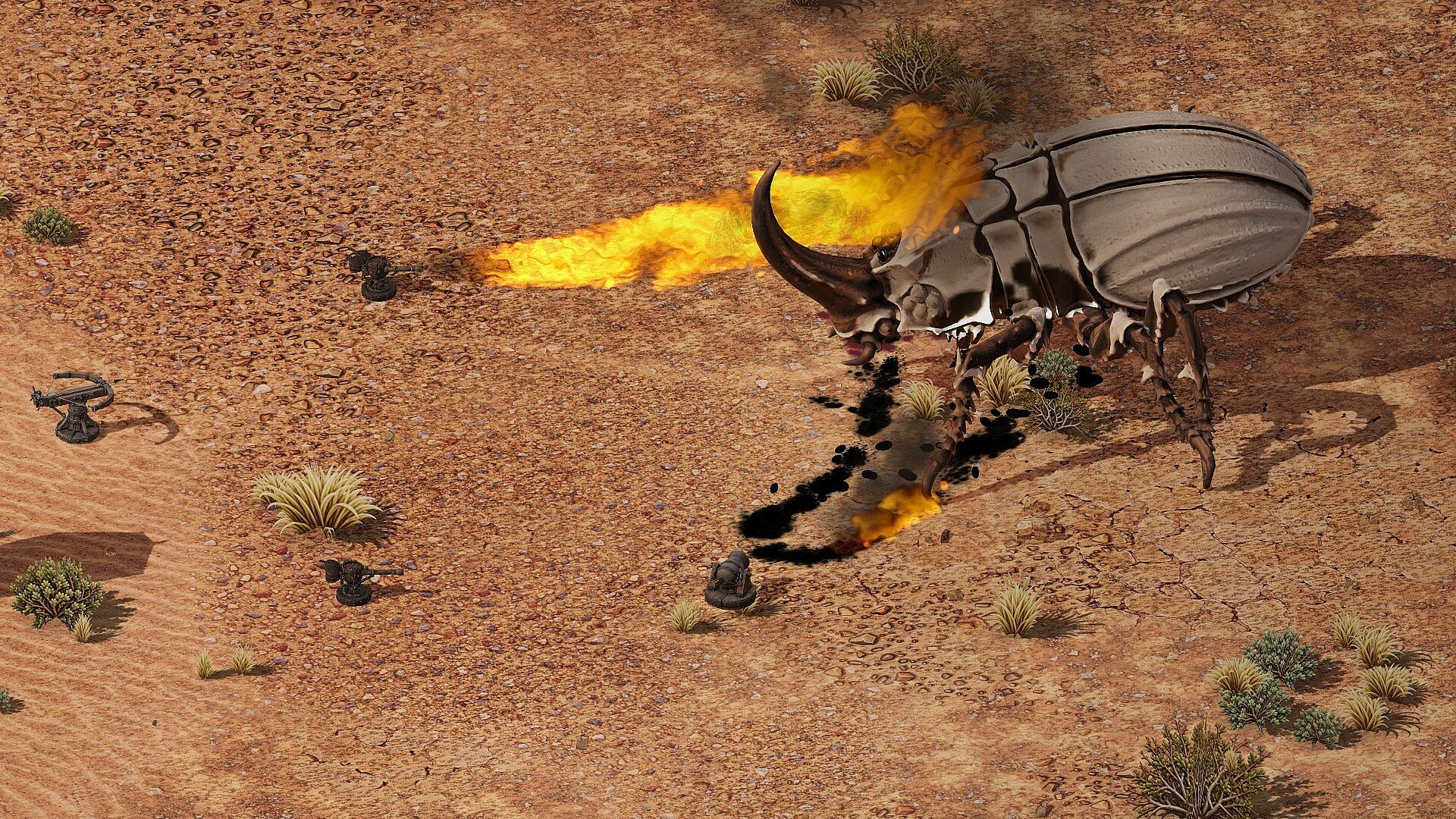
Physics systems enable creative combinations that extend beyond basic placement. Coating areas with hot tar followed by ignition from flame towers creates spreading fire hazards, while adding conductive elements to lightning towers can intensify effects during stormy conditions. These interactions reward experimentation and precise timing rather than static builds.
Resources gathered from defeated monsters in the form of bones and hearts fund a substantial upgrade tree. Purchases remain permanent even after a keep falls, encouraging long-term investment in preferred defensive options and offensive tools across multiple attempts.
Game Modes
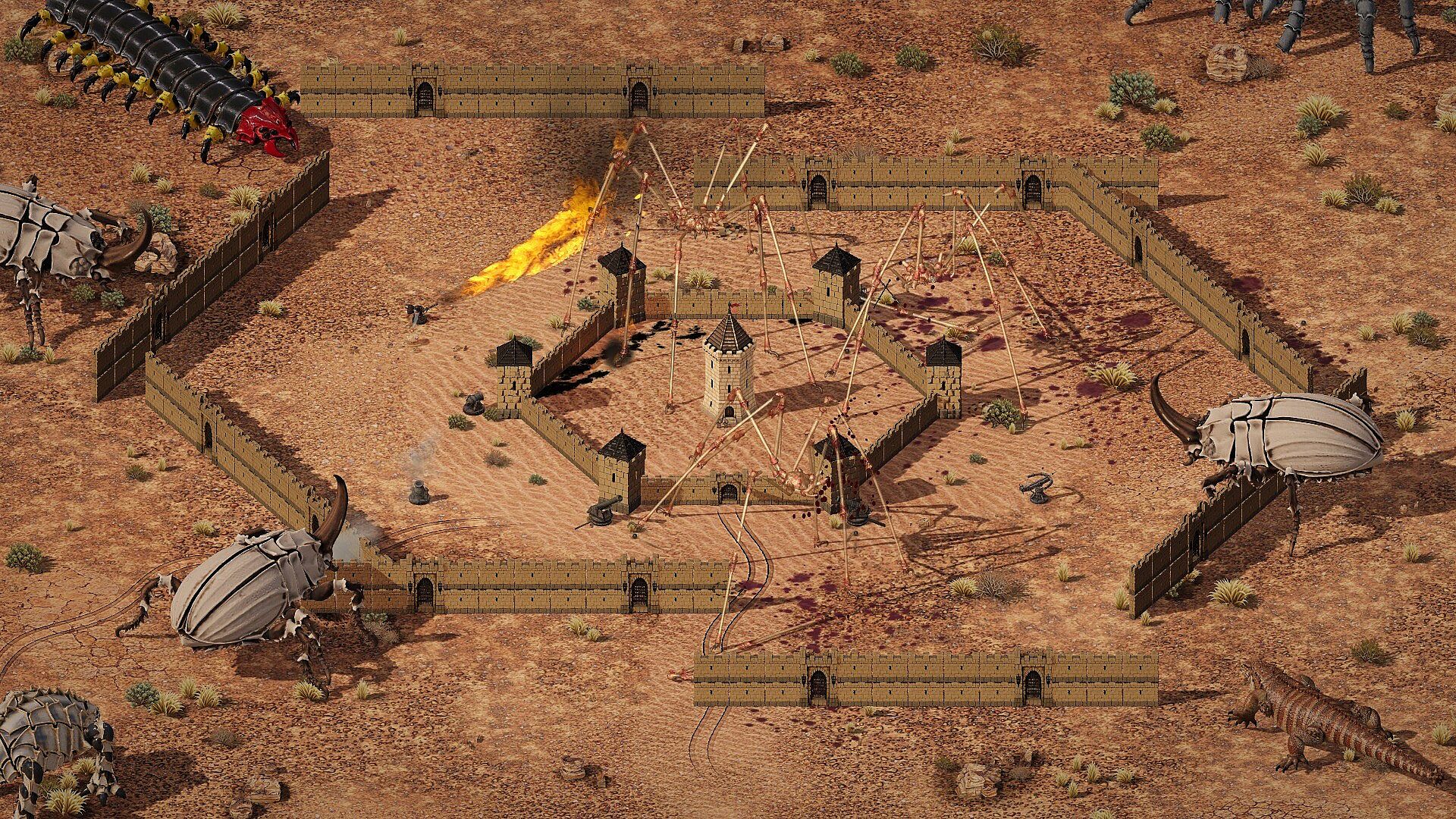
The experience focuses on wave-based survival where each stage pits the player against one massive monster at a time. The starting desert map structures this as a sequence of ten distinct encounters, each introducing new strengths, weaknesses, and movement patterns that demand fresh defensive configurations.
Expansion content in the full release introduces additional maps along with variations in weather and an expanded roster of monsters and towers. This structure emphasizes adaptation over repetition, with the single-player progression serving as the primary way to engage with the mechanics.
Progression Systems
Success depends on learning monster behaviors through direct observation and adjusting tower placements, wall configurations, and ability synergies accordingly. The upgrade tree supports repeated play by carrying forward acquired improvements, which helps offset setbacks from failed defenses.
Body-part targeting adds a layer of precision, turning each fight into a puzzle of identifying vulnerabilities while managing the monster's active threats. Resource management ties directly into these decisions, as fallen enemies provide the means to strengthen future attempts without resetting prior progress.
Is It Worth Playing?
Giant Siege suits players who appreciate tower defense that rewards observation, adaptation, and creative use of physics rather than rote placement of standard units. Its emphasis on boss-style waves and persistent upgrades creates a focused loop centered on problem-solving with each new monster.
Those drawn to indie strategy titles with unique twists on established genres will likely find the desert starting sequence and expansion potential engaging. The game avoids overwhelming complexity in favor of clear cause-and-effect interactions between defenses and monster abilities, making it accessible for fans of thoughtful single-player experiences.











