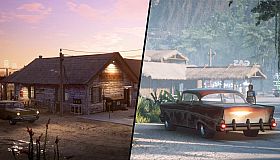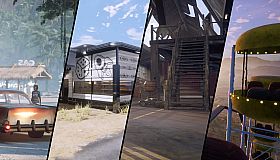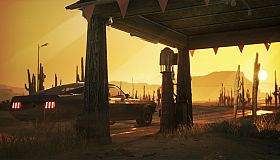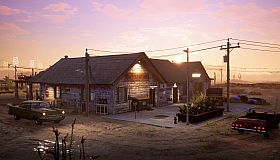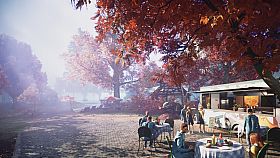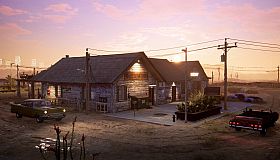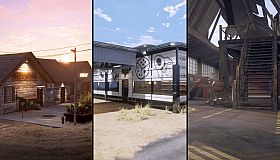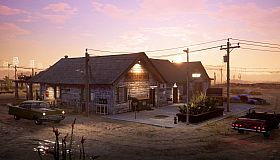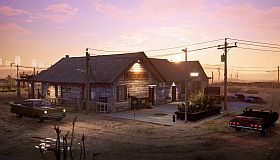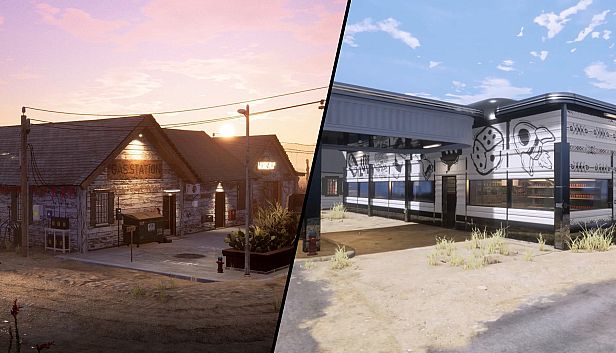


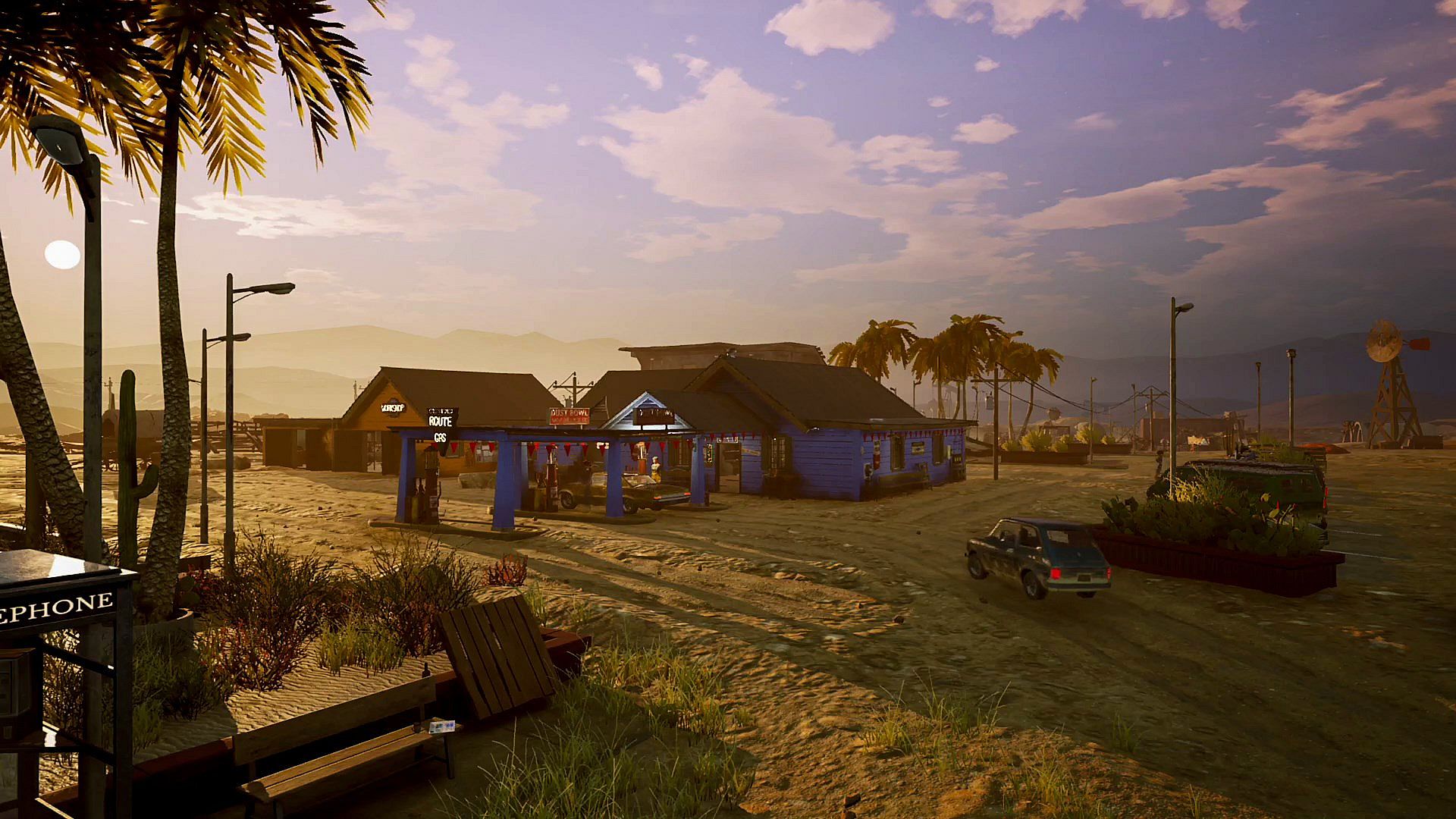
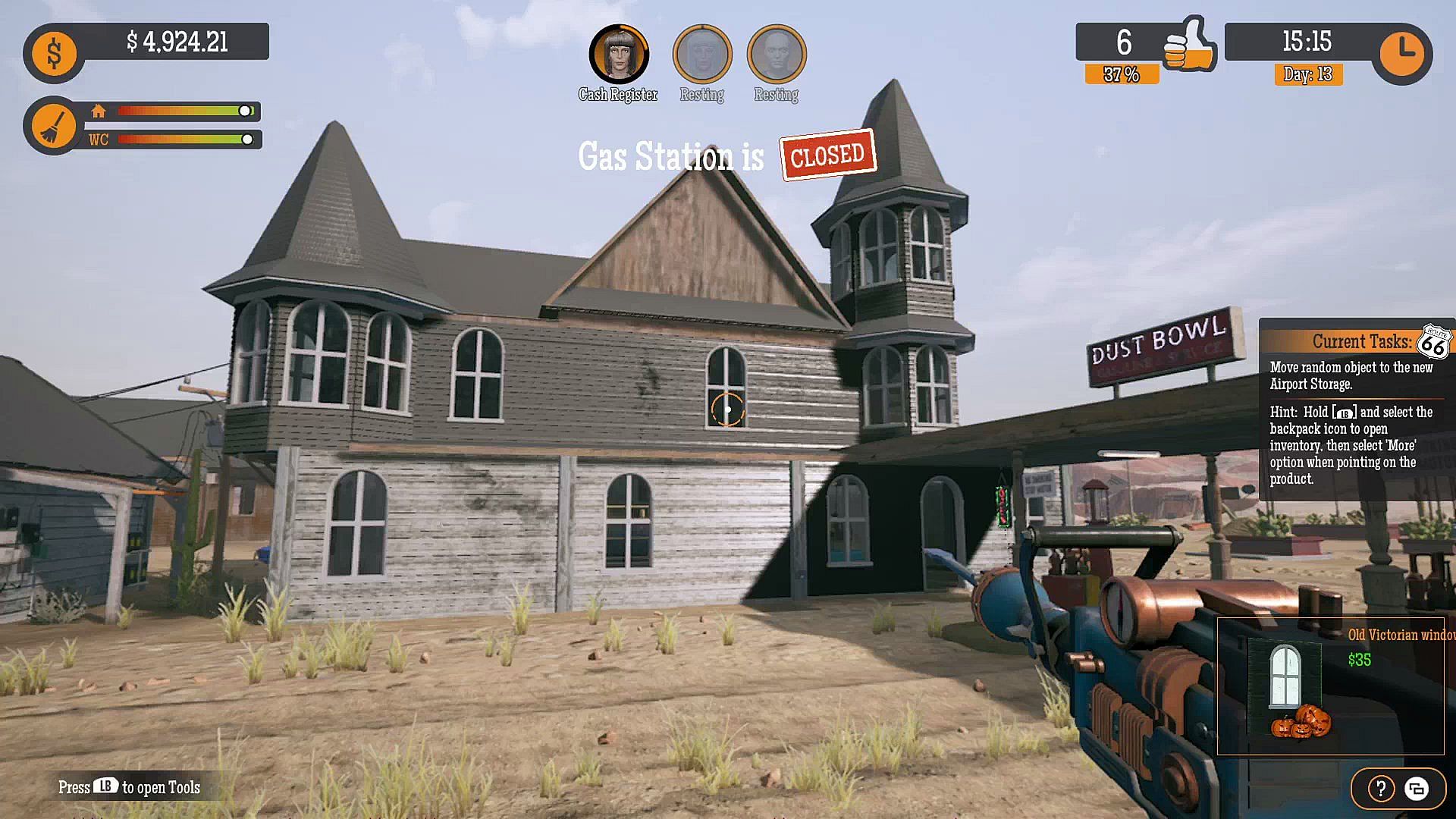
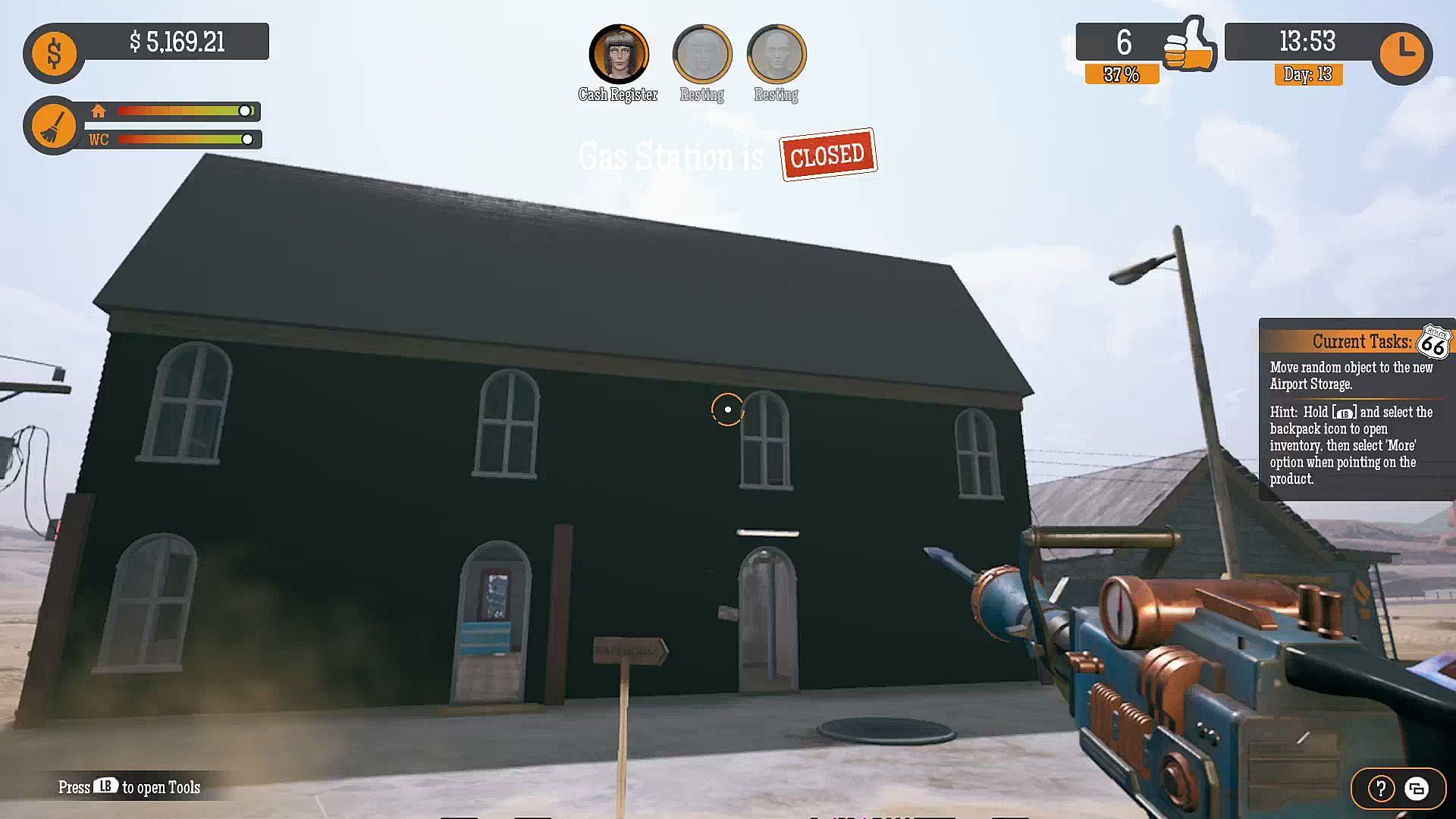
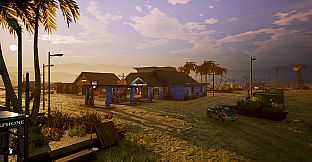
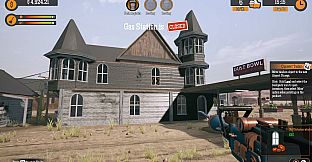
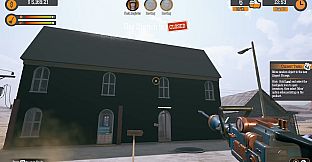
Gas Station Simulator is a business simulation game set in a desert environment where players purchase an abandoned gas station and work to restore and grow it into a profitable operation. The experience centers on renovation, customer service, expansion choices, and ongoing management decisions that affect daily operations and long-term success.
Gameplay
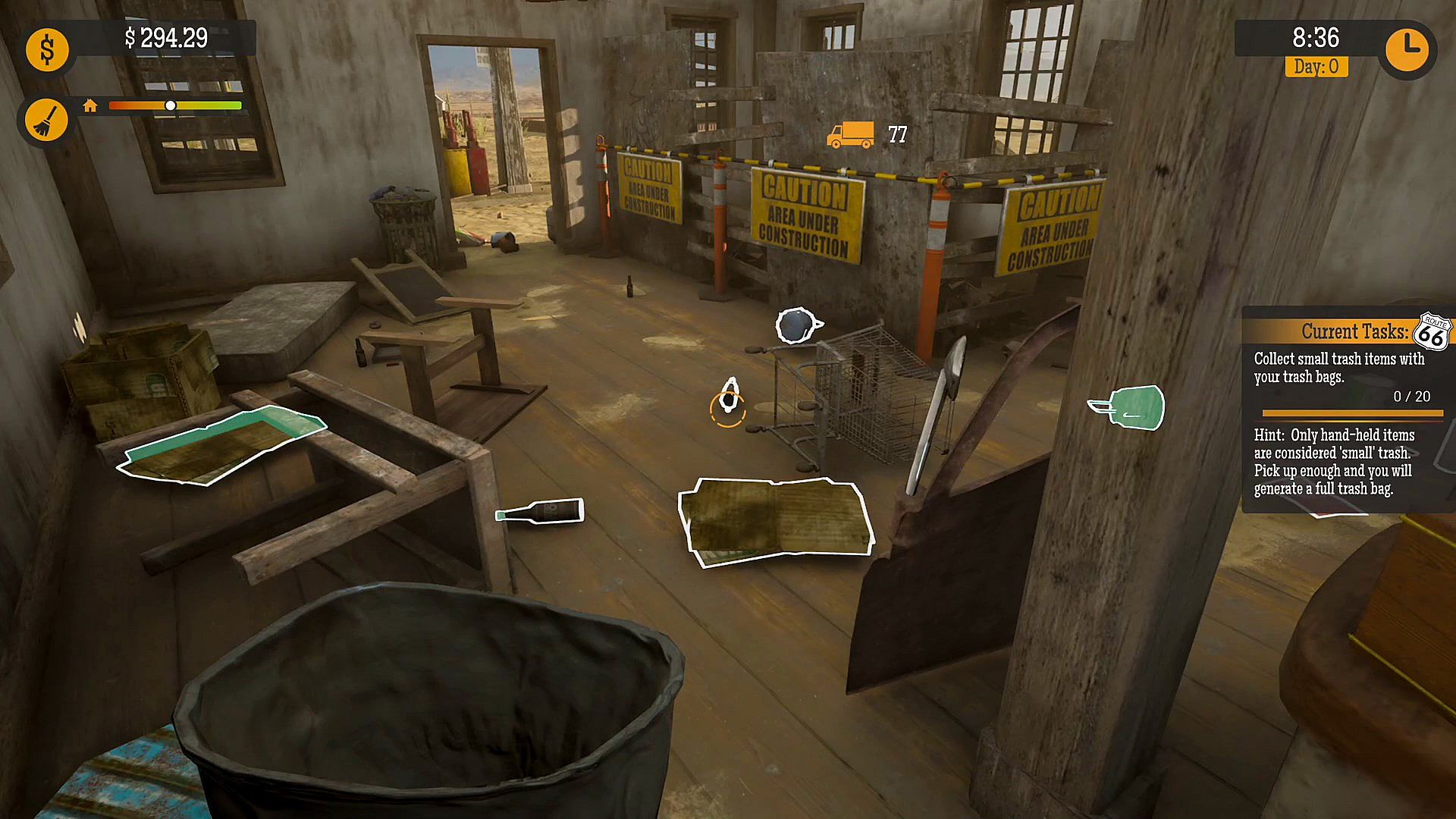
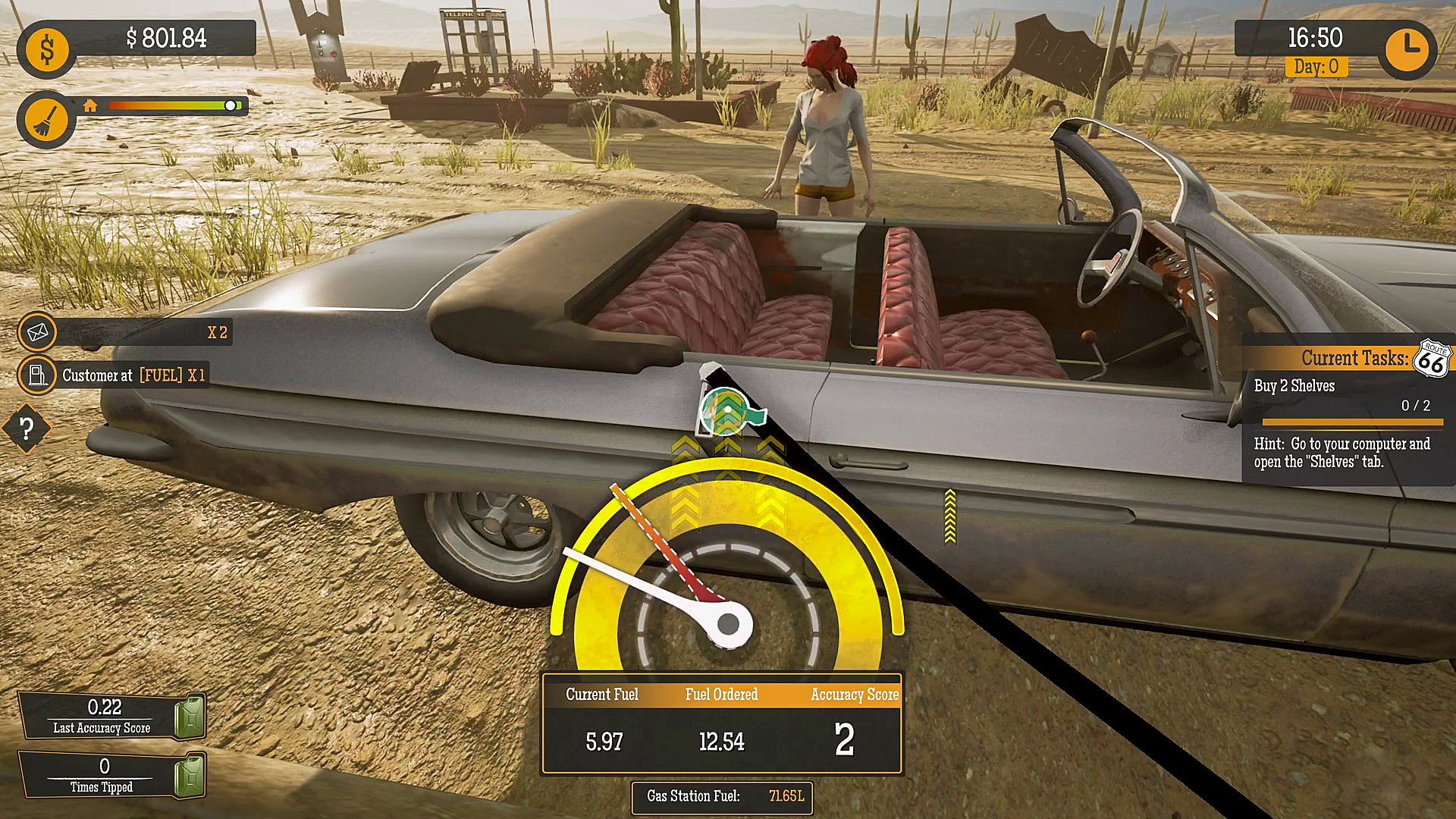
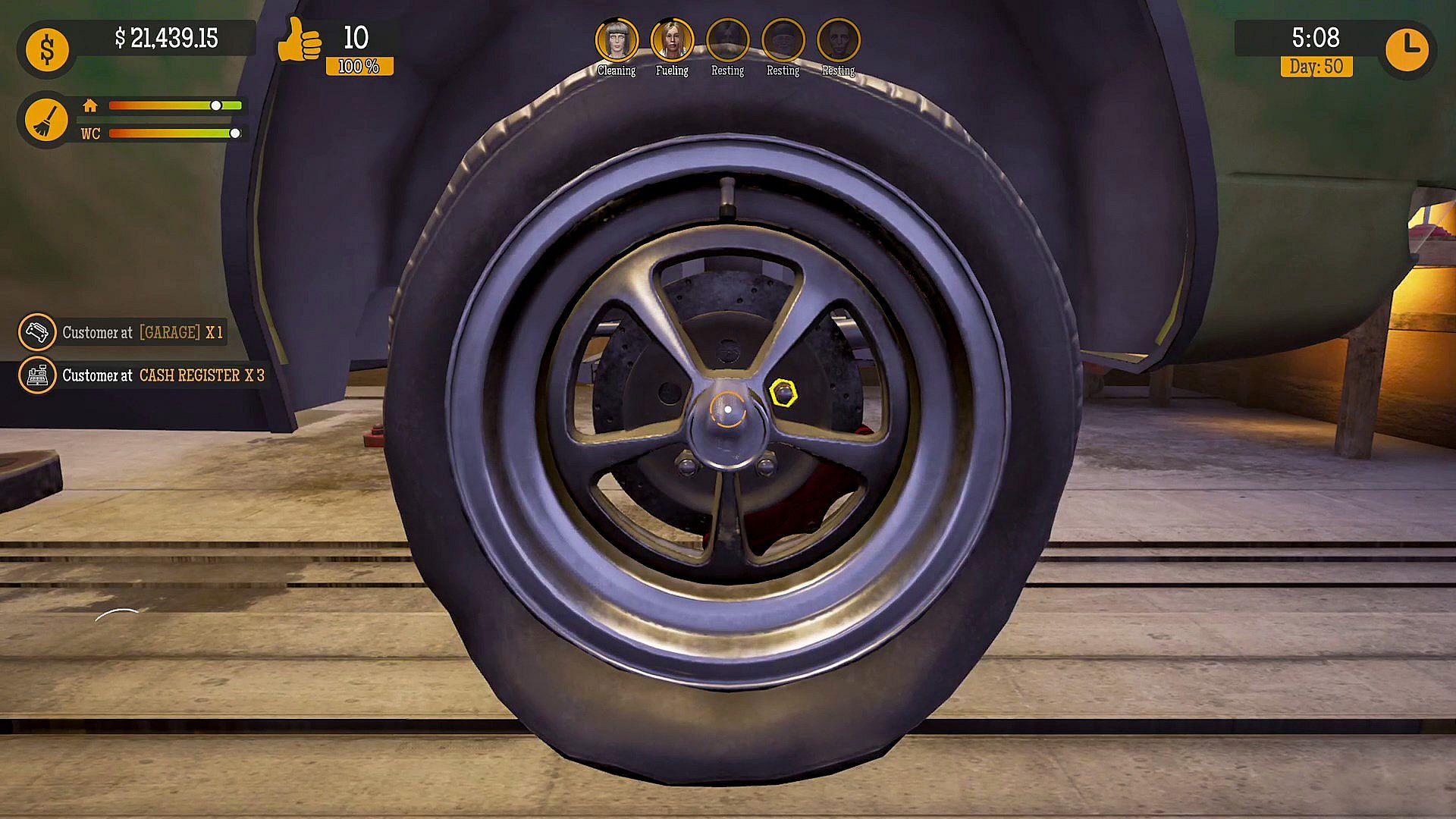
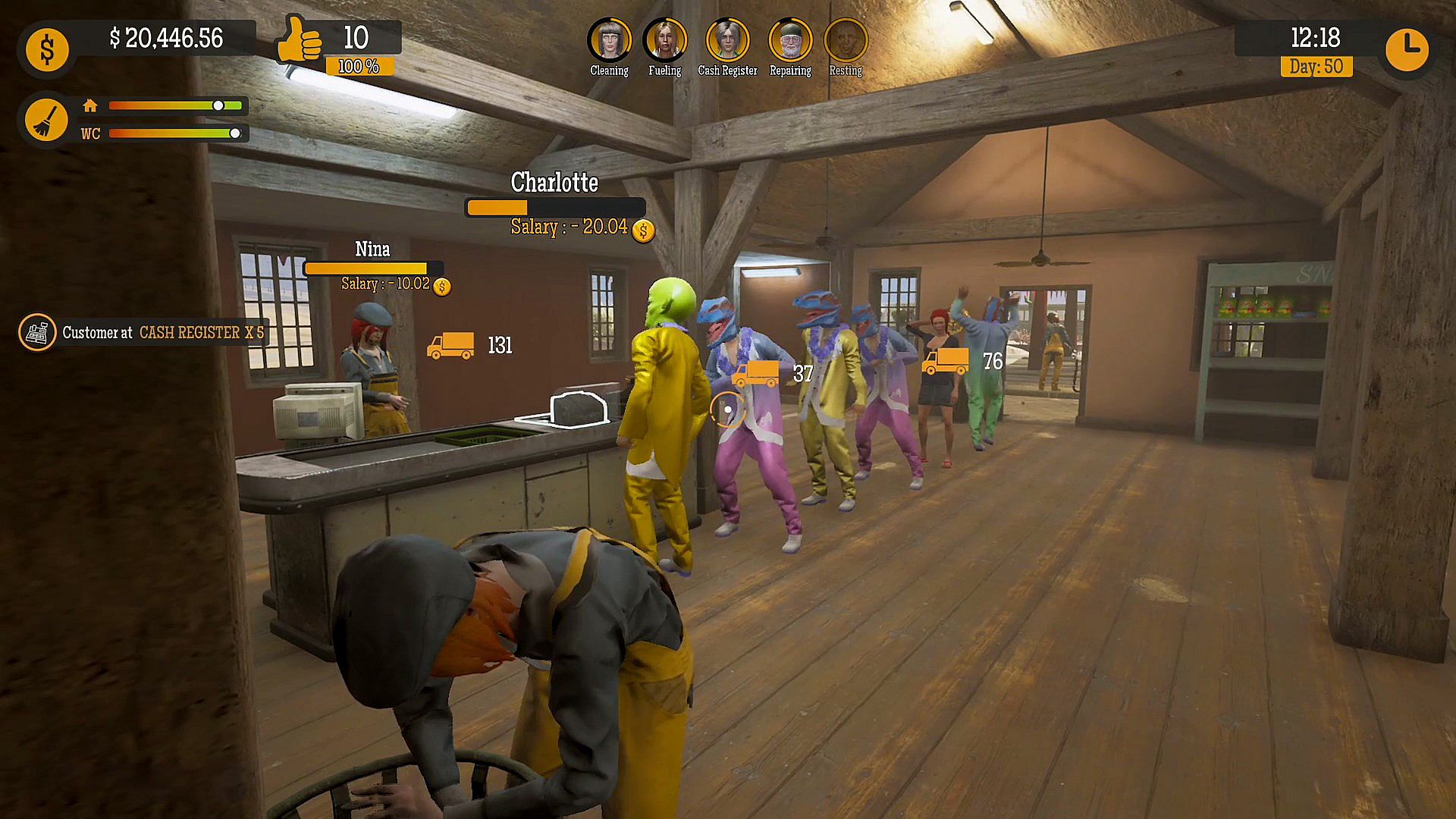
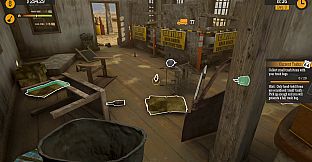
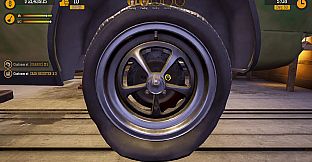
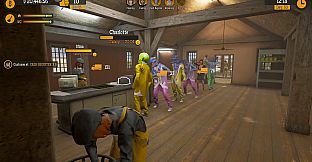
Players begin by clearing debris and repairing the initial structures before opening for business. Daily tasks include pumping fuel, processing sales at the register, and handling vehicle repairs once a workshop is added. Time pressure builds during busy periods, requiring players to prioritize tasks such as restocking shelves or directing customer flow to avoid complaints.
Expansion options range from basic additions like restrooms and a small shop to larger projects including a full workshop for car repairs and a warehouse for bulk storage. Each new service draws different types of customers and generates additional revenue streams. Stock management plays a central role, as players must order supplies at favorable prices and monitor inventory to prevent shortages that interrupt sales.
Employees can be hired to assist with routine work. These workers gain experience over time based on the tasks they perform, improving efficiency in areas like fueling or repairs. Players decide how much direct control to maintain over supplies and staffing, with deeper involvement yielding better financial results but demanding more attention.
Game Modes
Gas Station Simulator functions as a single-player simulation without distinct multiplayer or competitive modes. The entire experience unfolds through one continuous management scenario that starts with a rundown station and progresses through player-driven growth. All activities tie into the central loop of cleaning, building, serving, and optimizing the business.
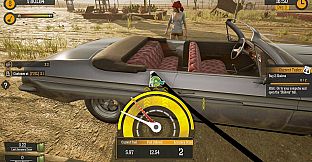
Minigames appear as part of core tasks, such as precise fuel pumping sequences and cash register operations that test timing and accuracy. These elements integrate directly into the simulation rather than standing apart as optional challenges.
Customization and Expansion
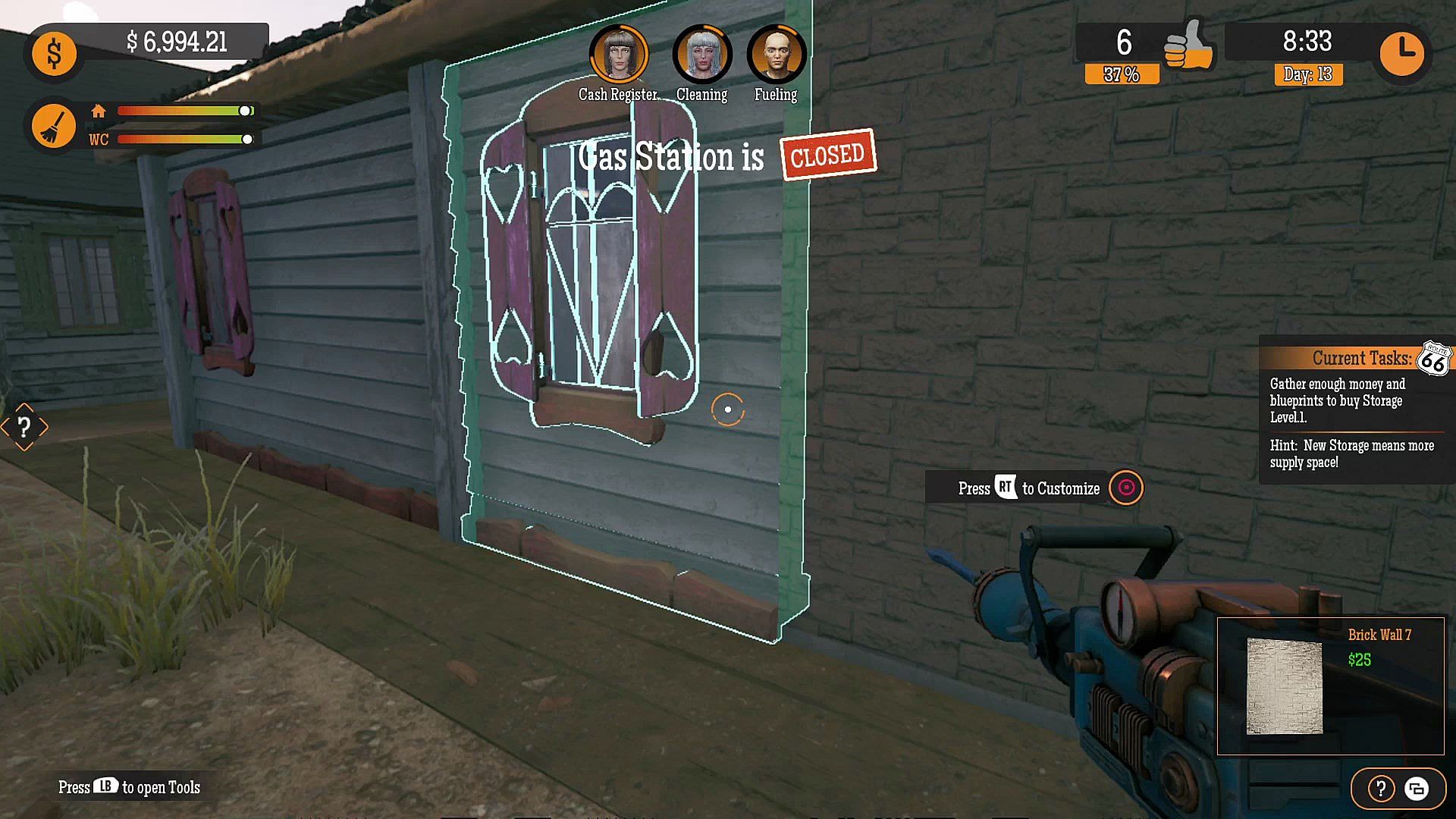
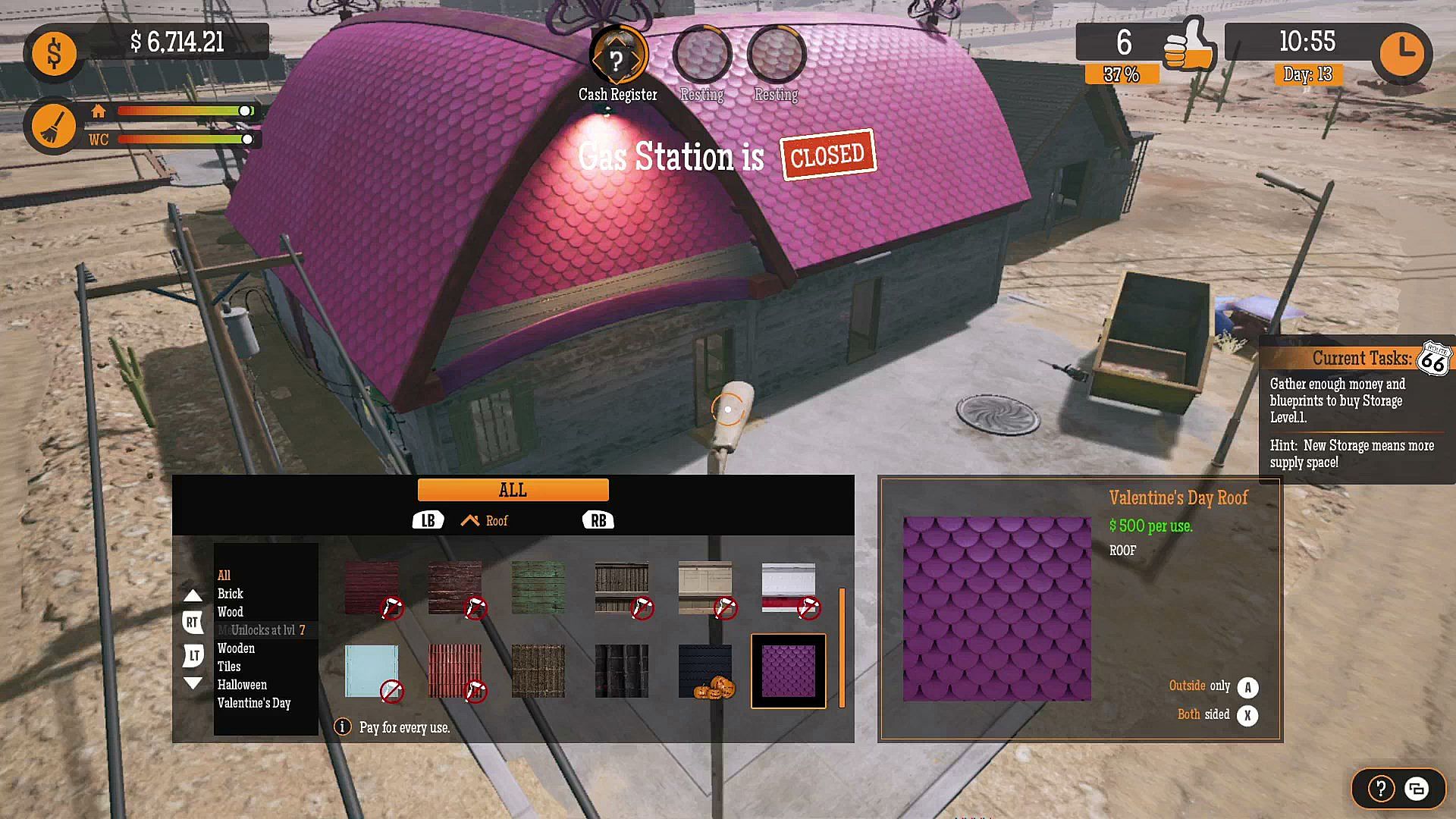
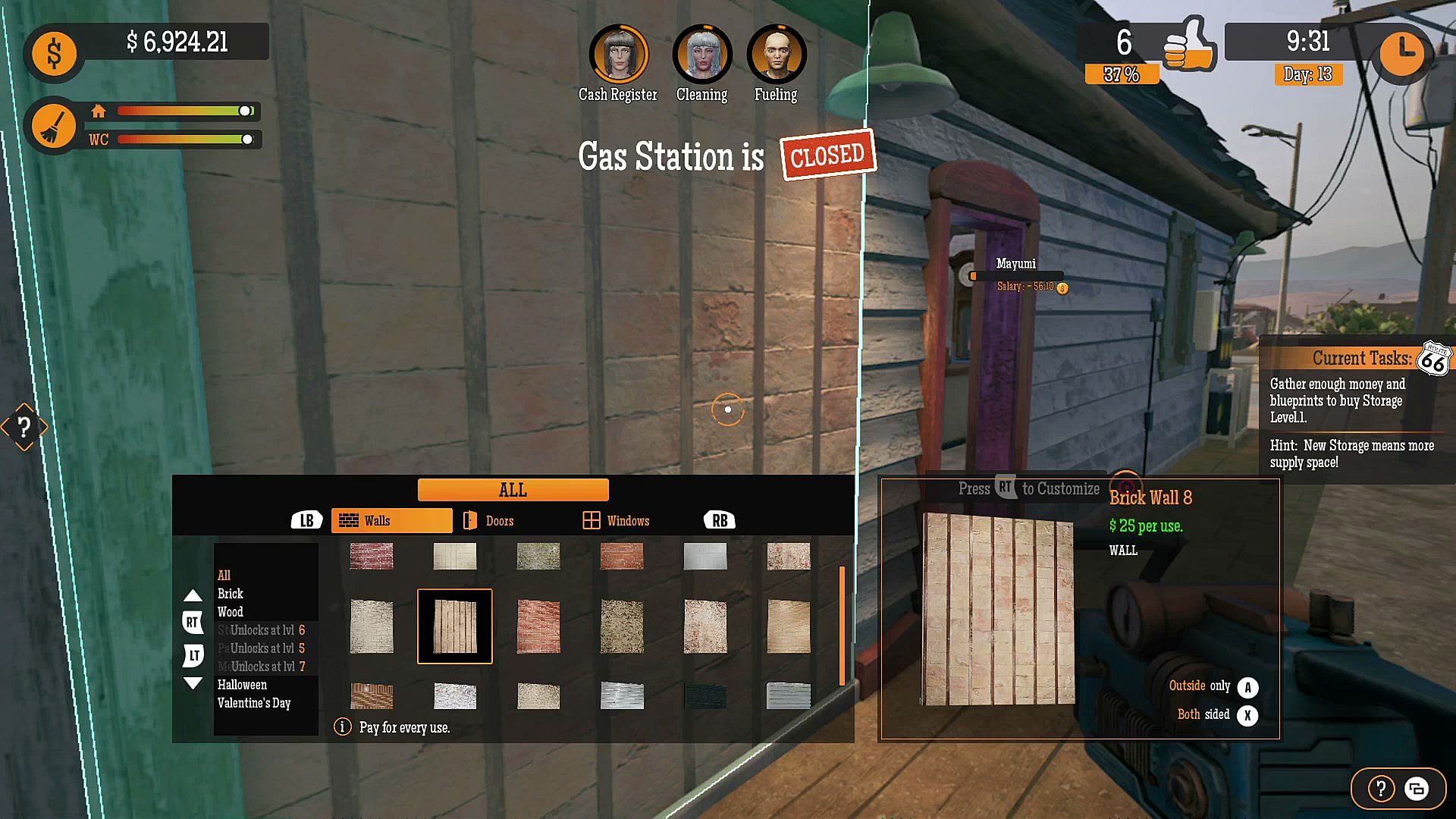
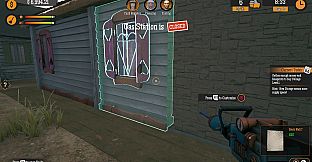
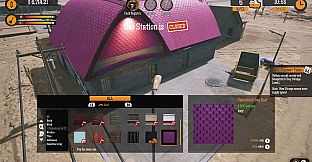
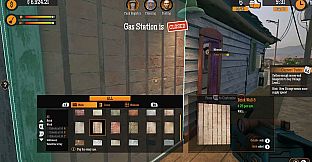
Beyond basic repairs, players gain tools to reshape interiors by altering walls, repositioning fixtures like registers and trash cans, and applying custom artwork to surfaces. Adjustable painting tools allow creation of murals or small details that combine with existing designs. Warehouse and workshop areas receive dedicated options for furniture, lighting, and banners that enhance both function and appearance.
These changes influence customer attraction, as more distinctive stations draw larger crowds. Decorations range from purchasable items to those unlocked through gameplay progress, encouraging ongoing refinement of the station layout and style.
Is It Worth Playing?
The game appeals to players who enjoy methodical building and resource management in a relaxed single-player setting. Its core loop of incremental improvements and customer interactions provides steady progression for those willing to handle repetitive service tasks alongside strategic decisions about hiring and inventory.
Reception highlights the addictive quality of watching the station evolve from a derelict site into a bustling hub, though some note the routine nature of daily operations. The title suits individuals comfortable with simulation mechanics focused on time allocation and incremental upgrades rather than action or narrative elements. Availability on Xbox Series X|S makes it accessible for console players seeking this style of business management experience.