

Free Company is a co-op tactical RPG set in the closing years of the first millennium. Players lead a band of sellswords through a fractured medieval landscape where contracts from kings, bishops, and caliphs offer steady pay amid widespread uncertainty about the approaching year 1000.
Gameplay
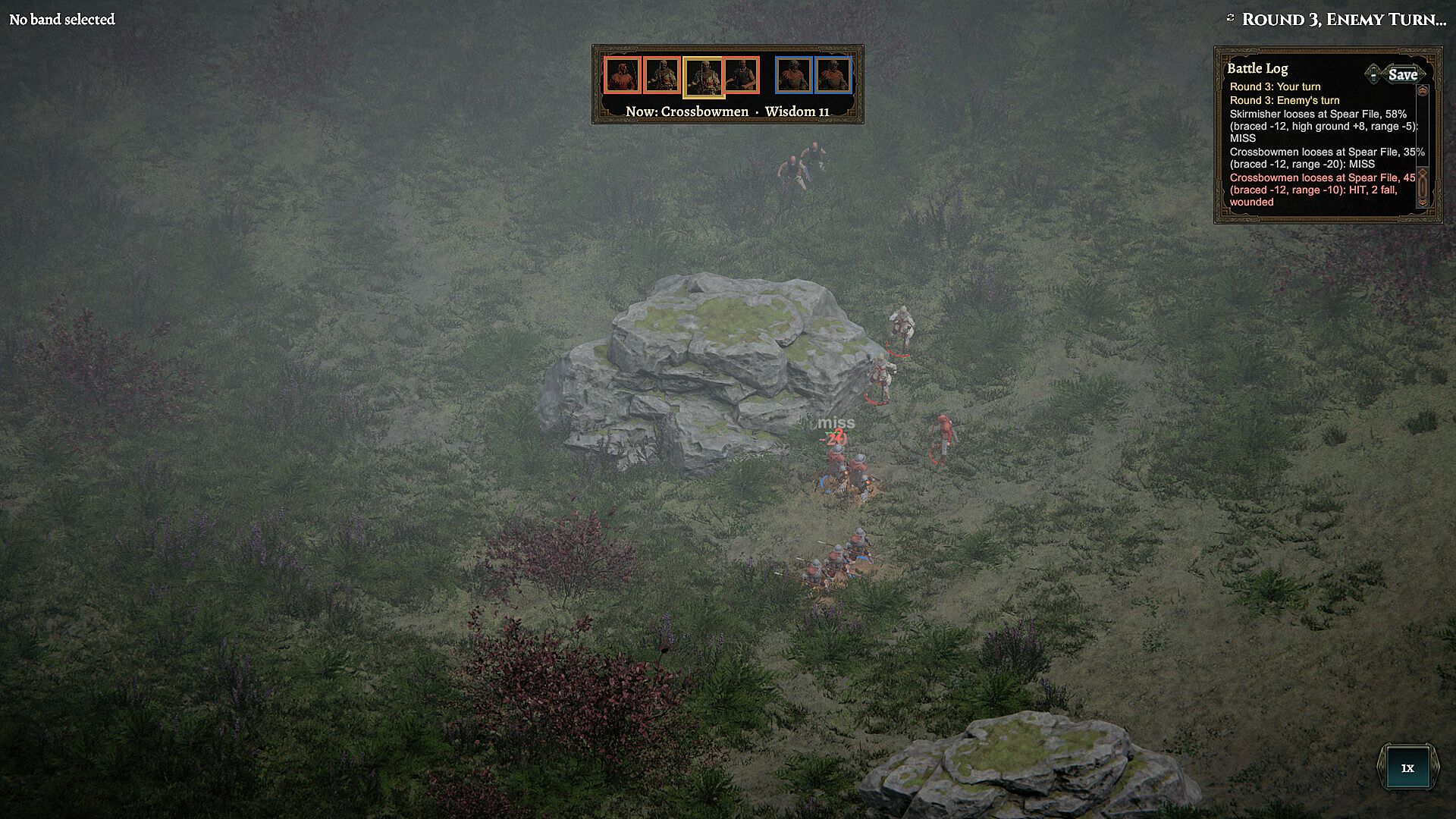
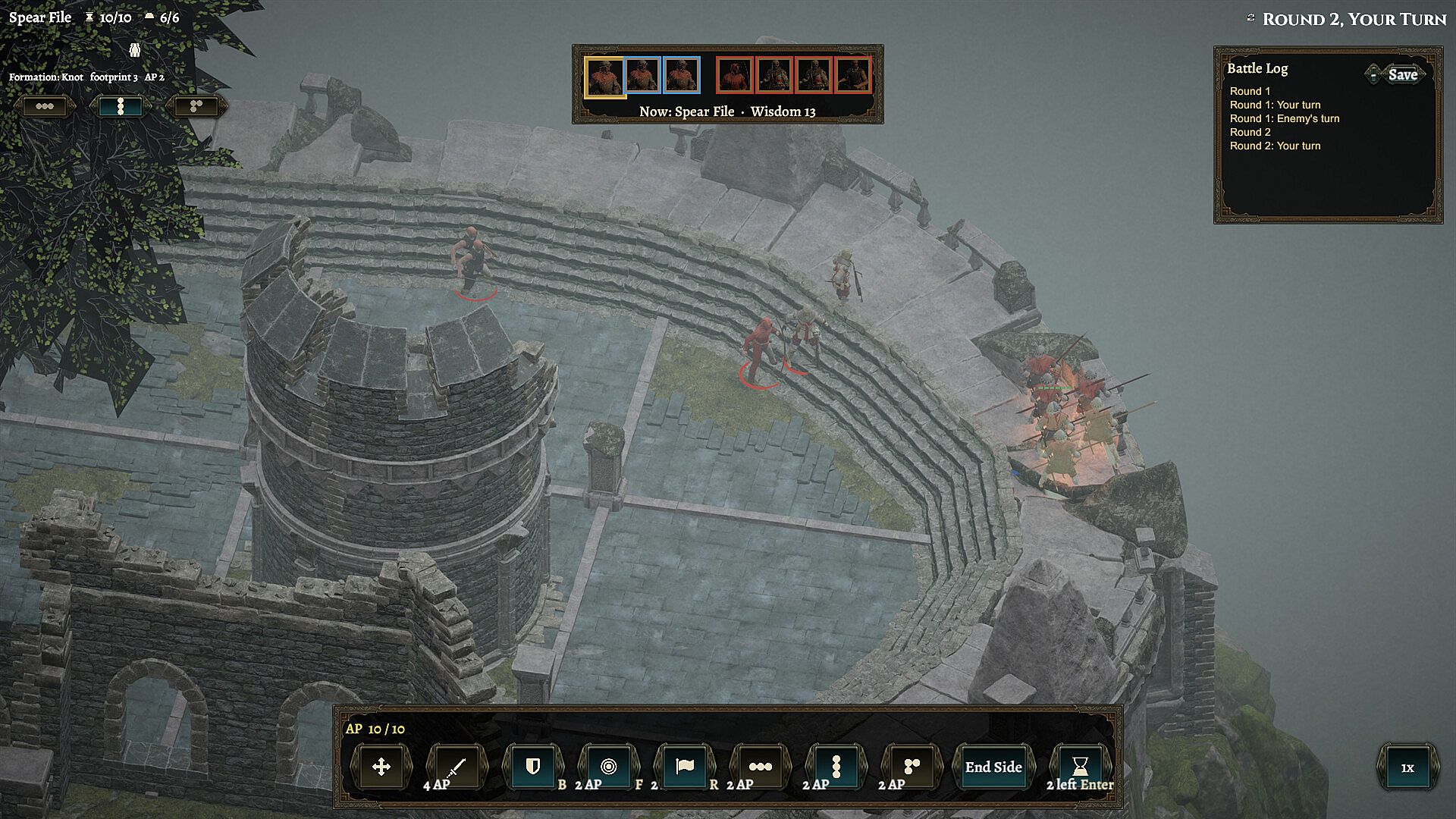
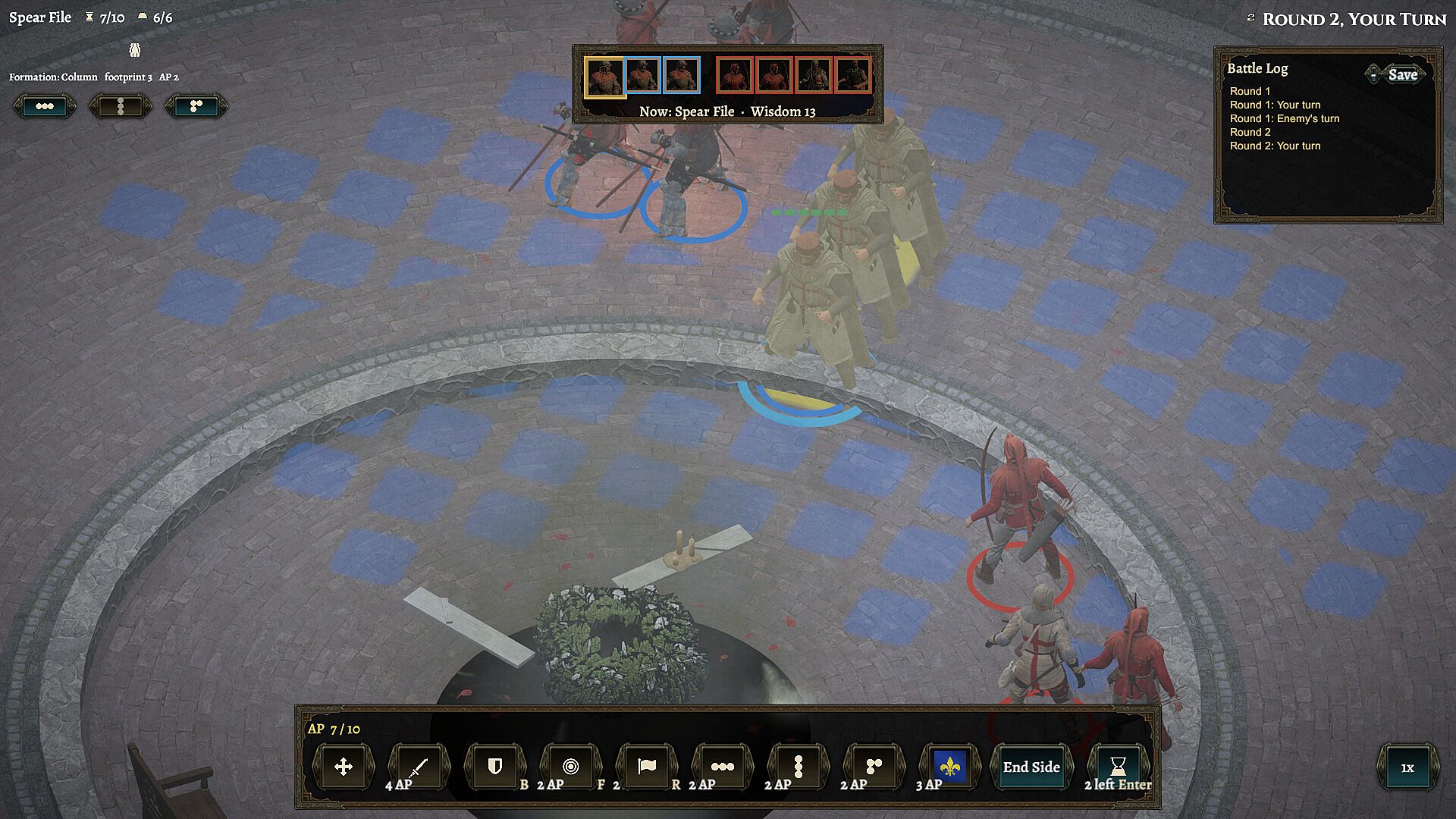
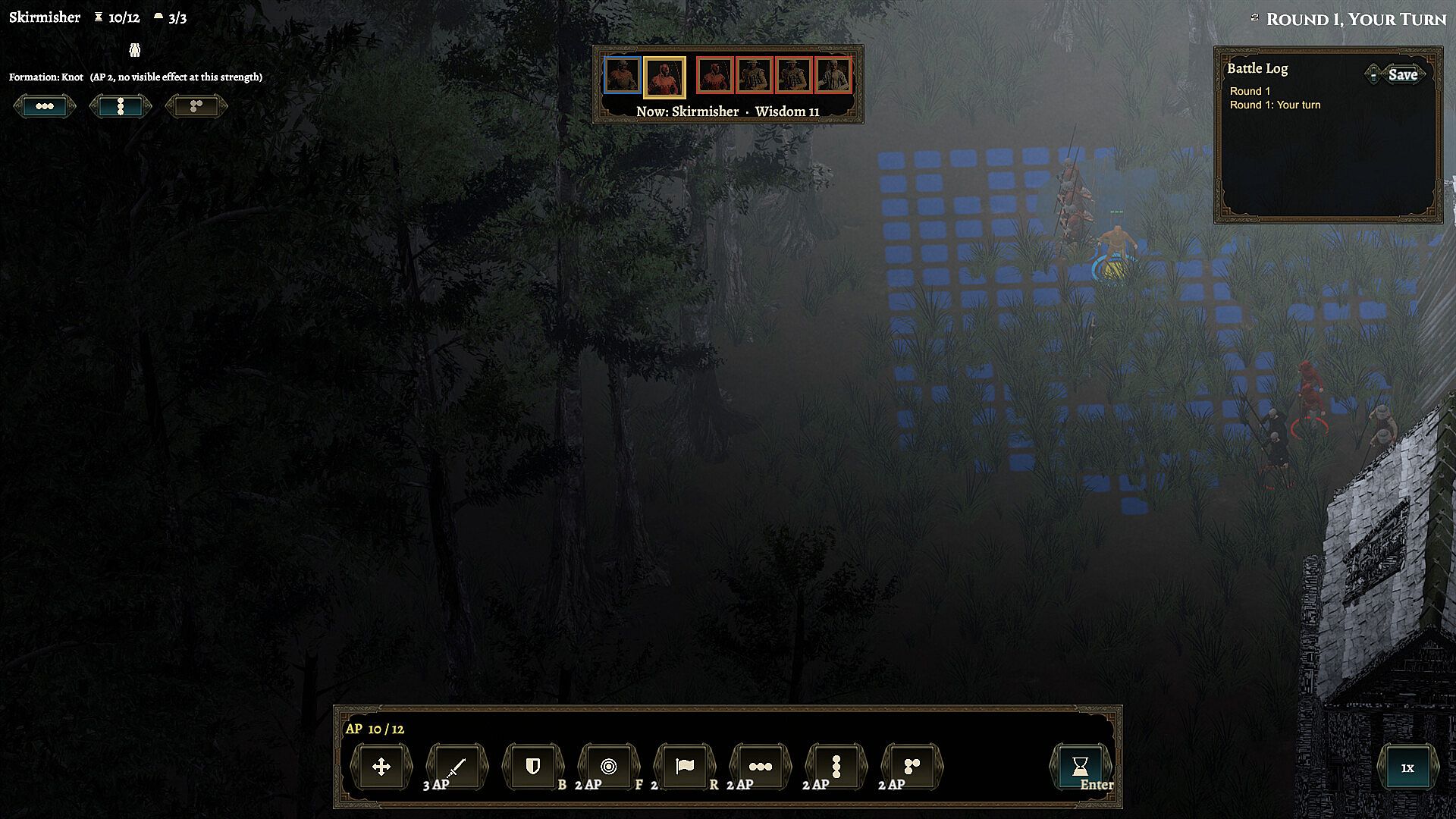
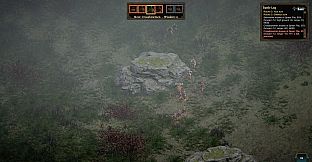
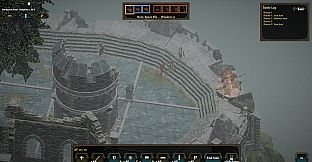
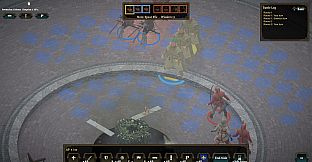
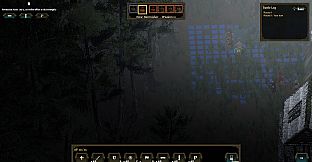
The core loop centers on managing a company of war-bands rather than individual soldiers. Each unit consists of a named captain who leads a file of men into battle. Combat unfolds in a deep turn-based system that tracks action points, reaction interrupts, cover, reach, and the formation of shield walls. Weapons behave with historical weight: maces and crossbows penetrate mail while arrows do not, and fire can panic horses. Losing a captain creates a permanent setback because permadeath removes that veteran from the roster entirely. Between fights the player recruits from a cast of hard-bitten captains drawn from Norman, Byzantine, Berber, and other backgrounds, each carrying personal quirks and banter that surface during downtime. Attrition is constant, so preserving experienced fighters becomes a strategic priority across every contract.
Game Modes
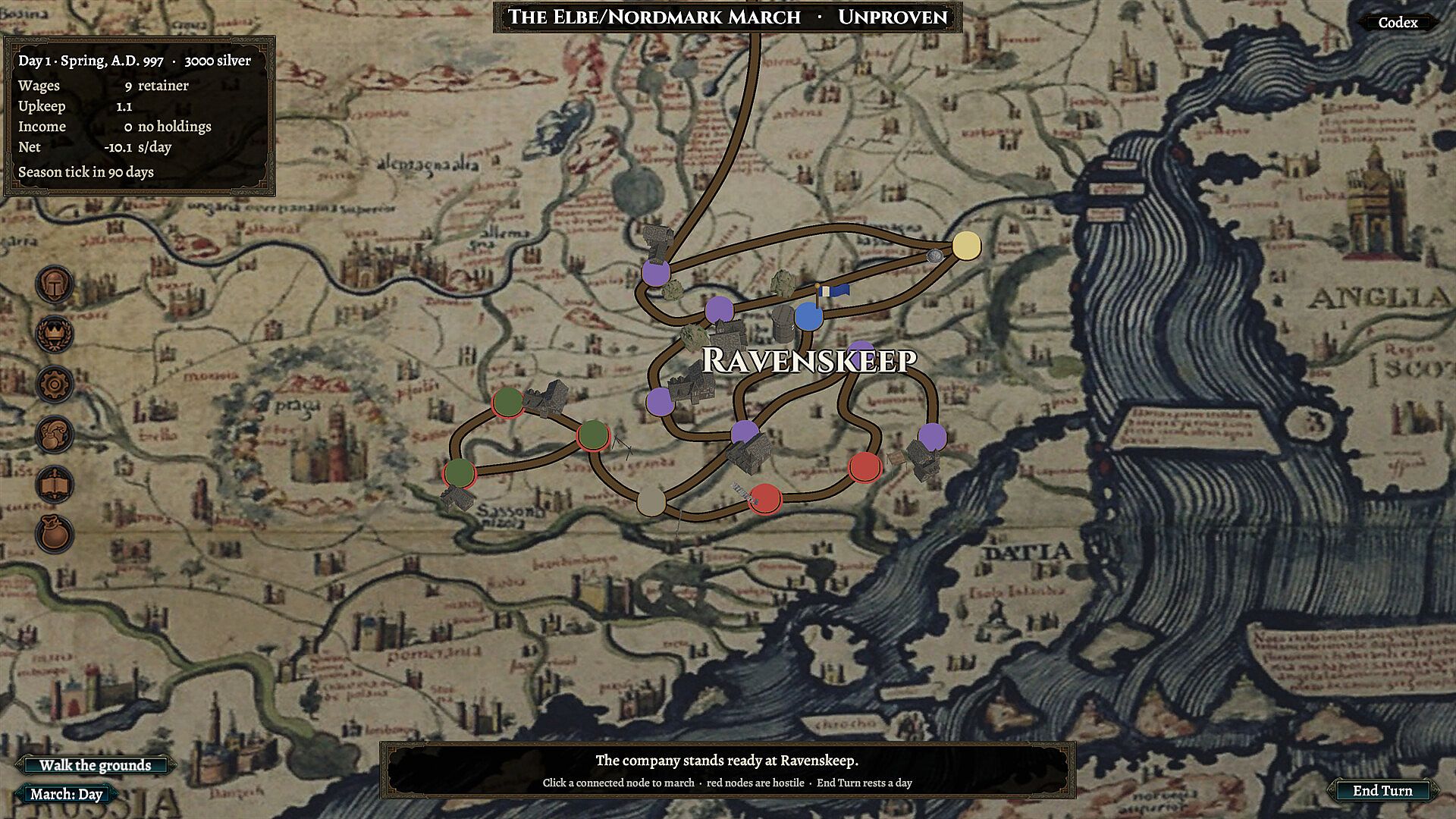
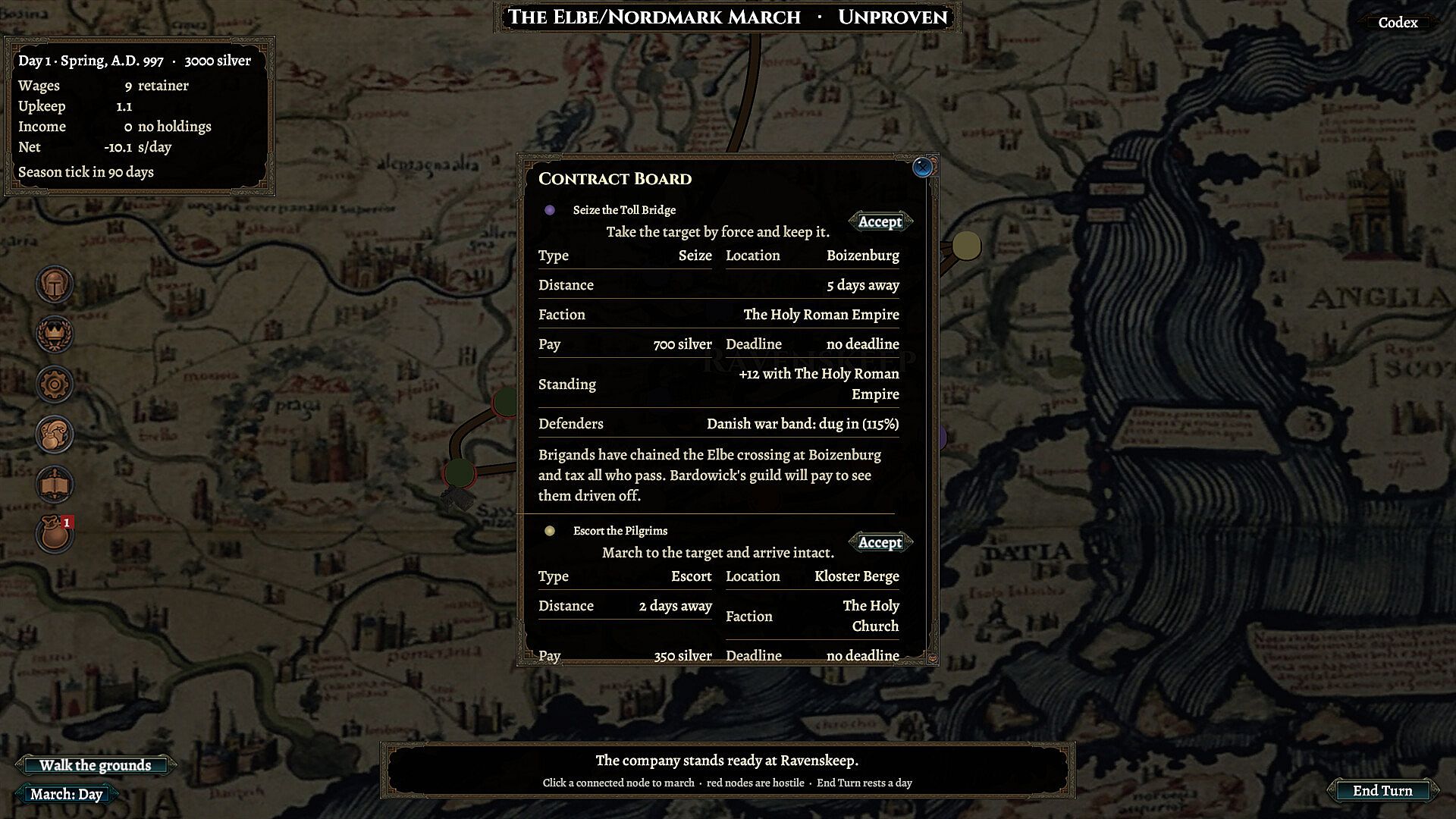
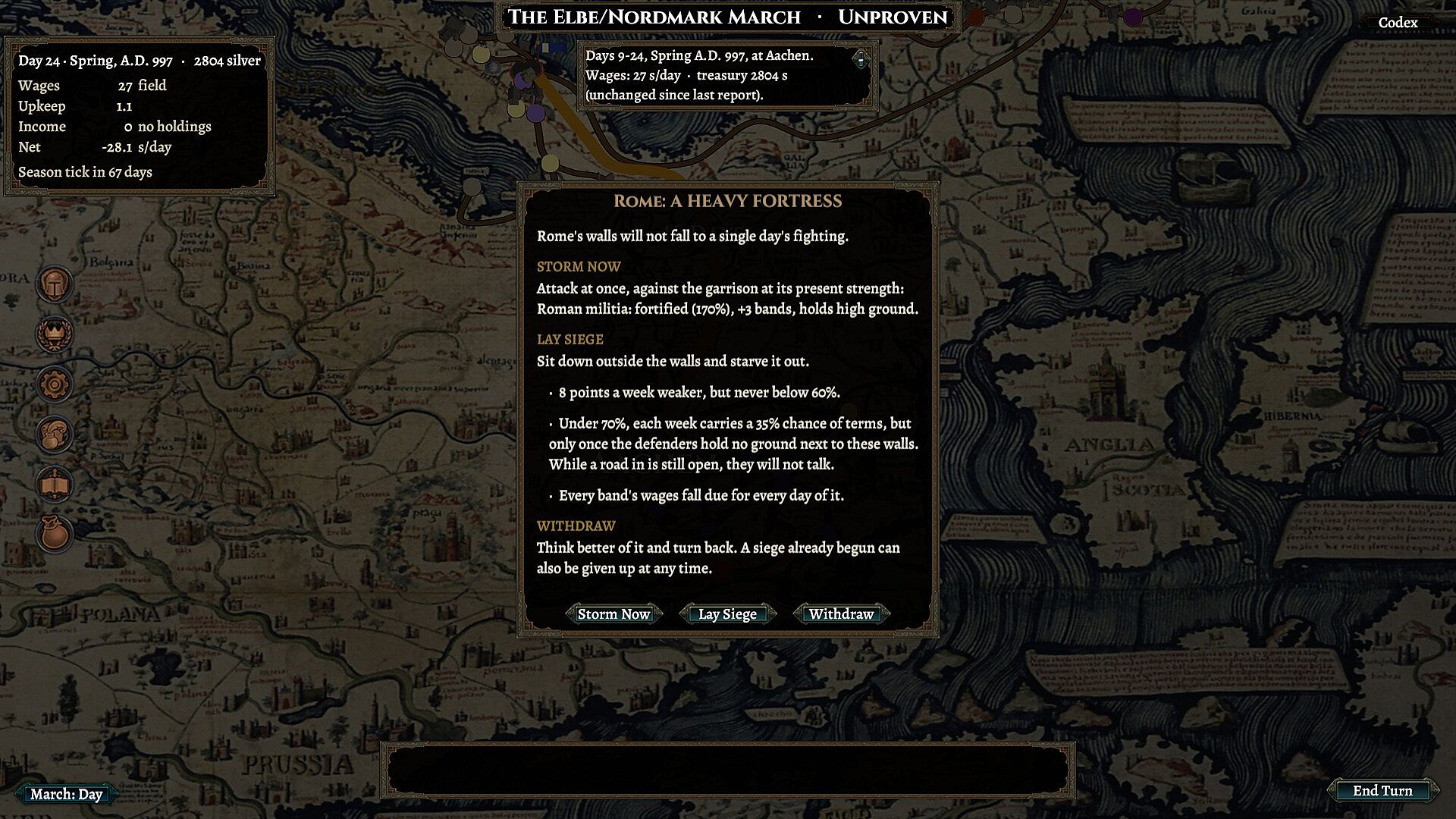
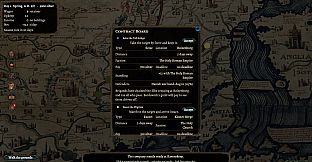
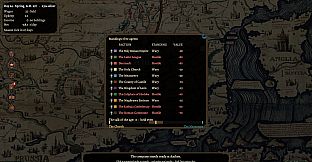
Free Company supports both solo play and shared campaigns. A single persistent company carries forward regardless of who joins the session. The world pauses between play periods, allowing friends to drop in or out without anyone falling behind on progress. Contracts can be accepted from various patrons or ignored in favor of seizing strategic locations such as passes, fords, ports, and silver mines to establish independent holdings. The same tactical rules apply whether one person or several control the company, keeping the focus on deliberate positioning and resource management rather than separate competitive or versus formats.
Setting and Mercenary Life
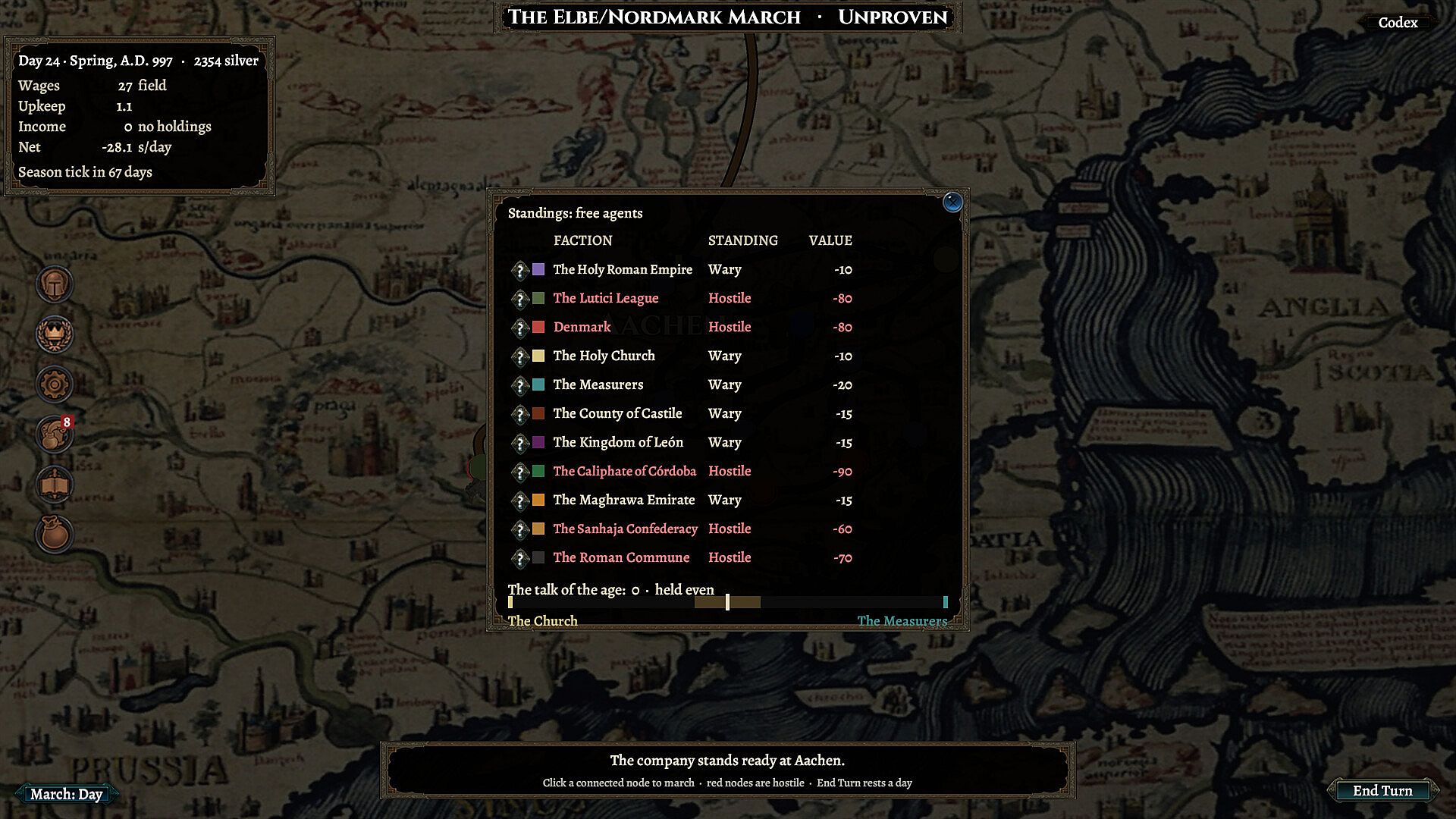
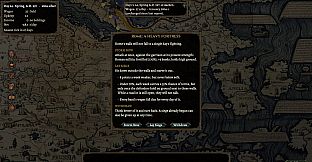
The year 997 places the action on the edge of the millennium, stretching from the Viking-raided coasts of the North Sea through the courts of Al-Andalus and into the sands of the Maghreb. Historical troop types appear on the battlefield, including Norse huscarls, Byzantine cataphracts, Magyar horse-archers, Berber camel corps, and Fatimid fire-throwers. Each band offers distinct tactical options. The game presents competing views on whether the dread surrounding the year 1000 is genuine or simply widespread fear, leaving players to weigh zealotry against rational calculation without a definitive narrative verdict. Contracts provide income while opportunities to burn standing with patrons allow the company to carve out its own territory and answer to no one.
Recruitment and Roster Management
Captains arrive with their own flaws and strengths, from a disgraced Norman lord to an exiled Byzantine strategos or a heretic alchemist. Because every hire is a jaded professional who accepts payment, the roster can incorporate a wide range of backgrounds without narrative restrictions. Over time the company grows through careful hiring and survival of its veterans, turning early fragile bands into more reliable forces capable of holding ground or fulfilling larger contracts. The emphasis remains on long-term roster health rather than disposable units.
Is It Worth Playing?
Free Company suits players who enjoy deliberate turn-based tactics, permanent consequences for losses, and flexible co-op sessions that do not require everyone to be online at once. The combination of historical unit variety, captain personalities, and the choice between serving patrons or seizing territory gives the game a focused mercenary-management identity within the strategy and RPG genres. Those who value attrition mechanics and the weight of every decision will find the systems rewarding, while the drop-in co-op structure makes it accessible for groups with irregular schedules. The title remains in active development on PC with the core loop already defined by its tactical depth and persistent company progression.