


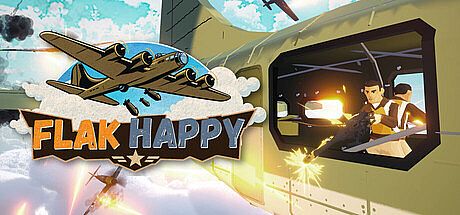


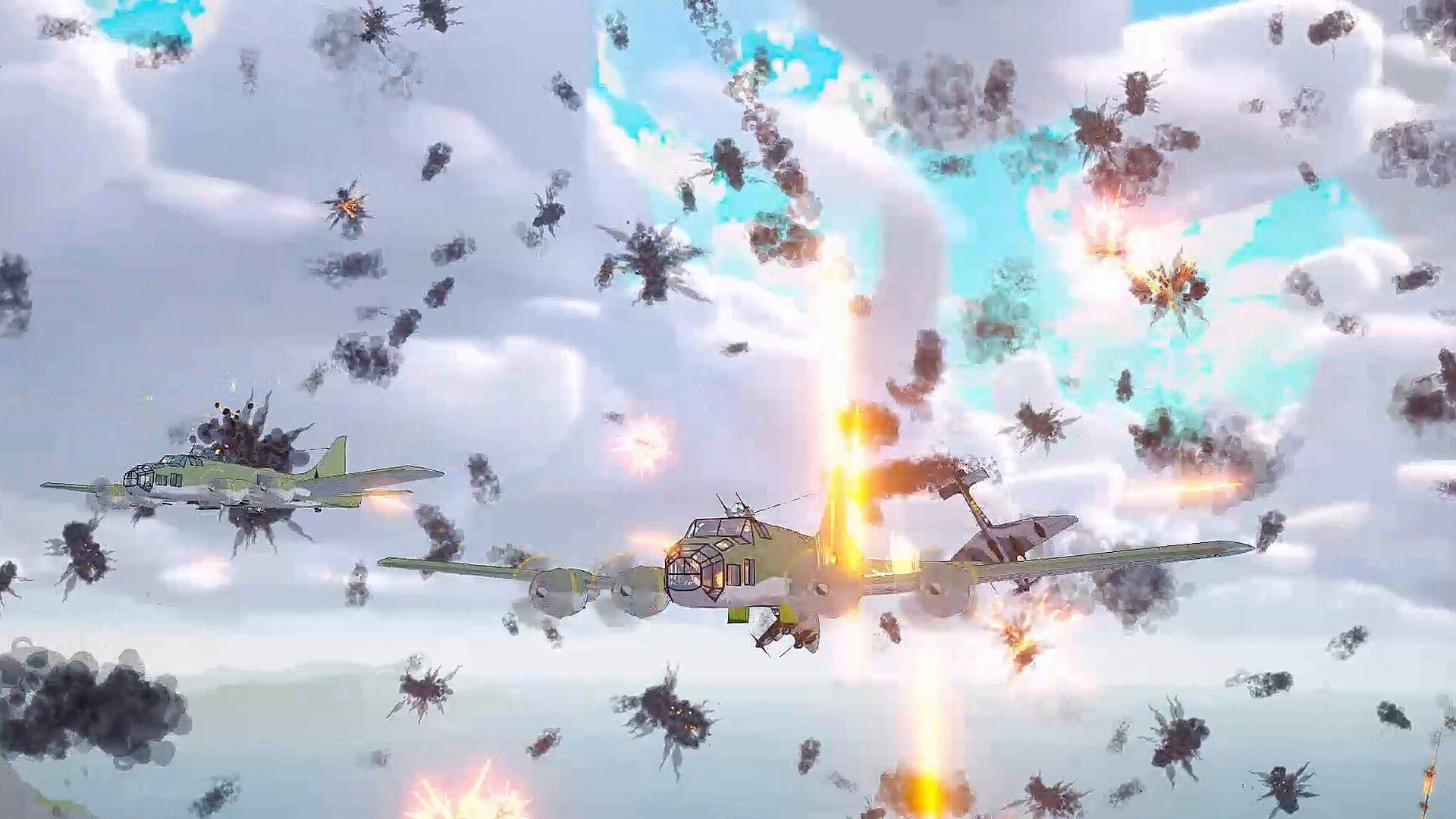
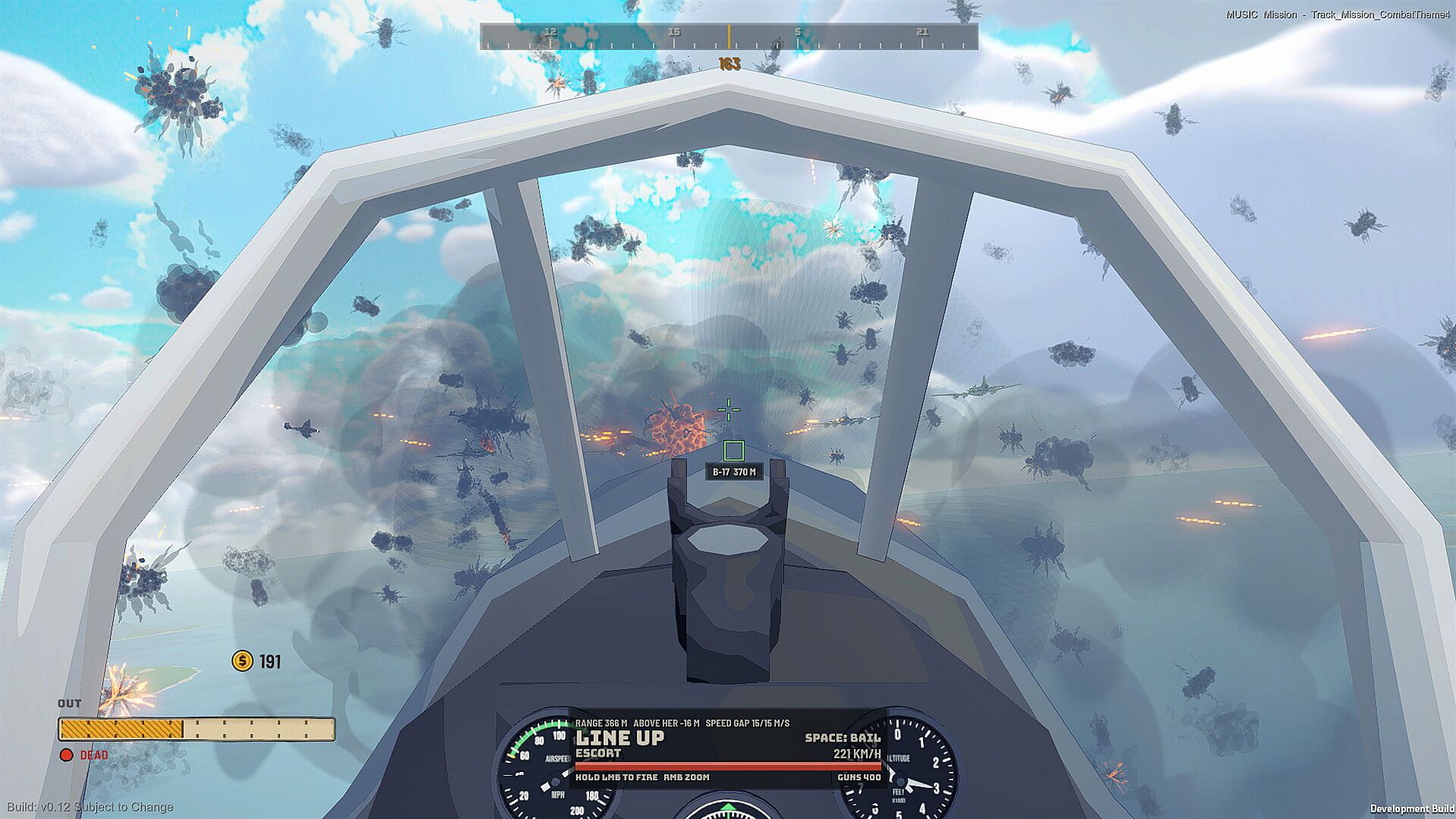
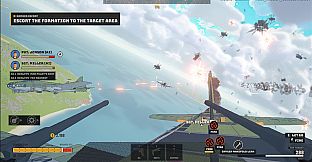
Flak Happy is a co-op WW2 bomber roguelite action indie simulation game for PC that puts one to five players inside a single B-17 Flying Fortress. Crew members handle every aspect of flight, from piloting and navigation to bombing runs and gun defense, while managing constant damage and injuries in a setting where failure means losing the aircraft and ending the run.
Gameplay
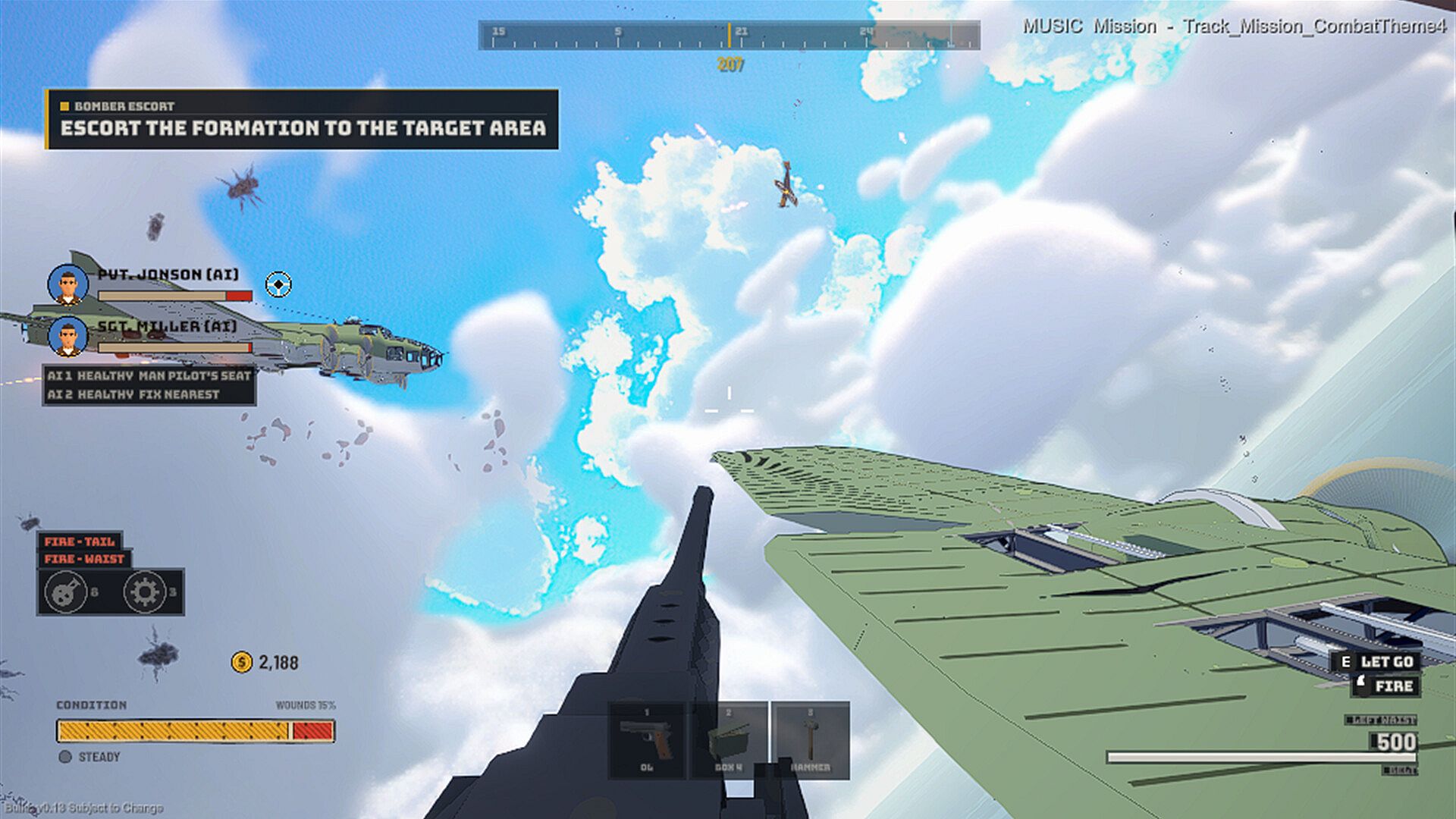
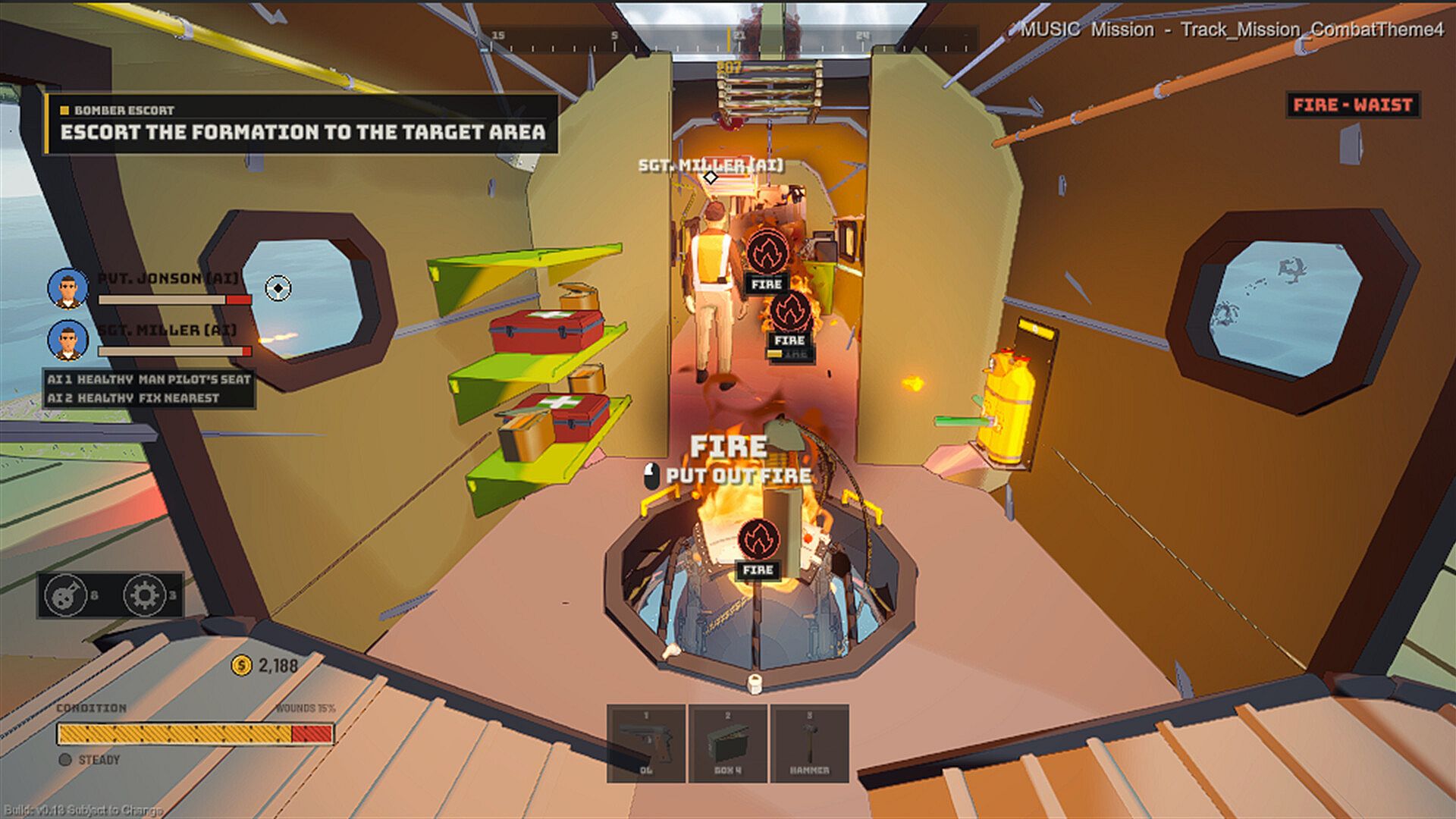
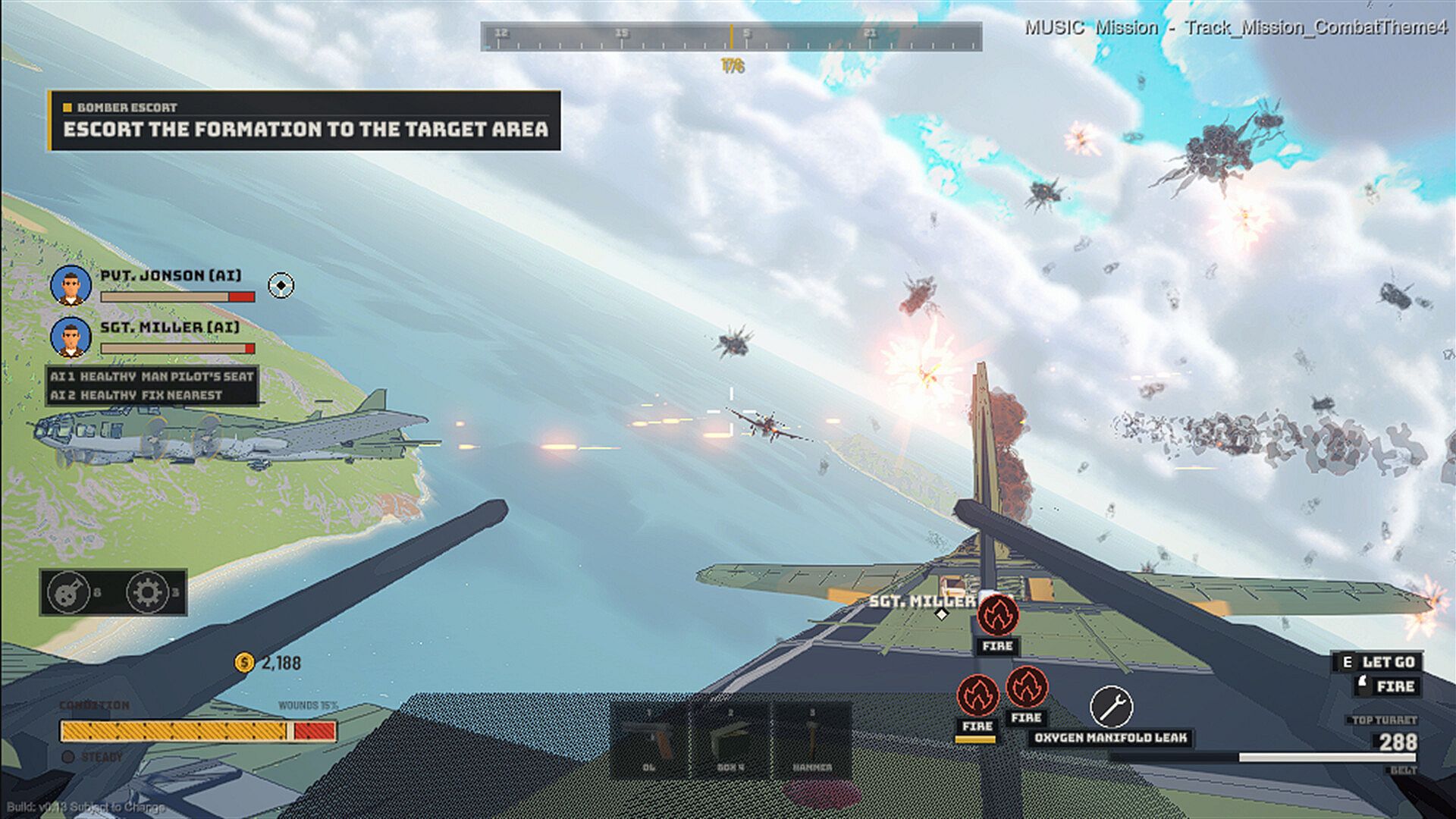
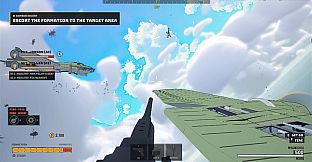
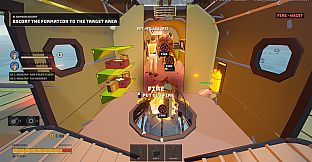
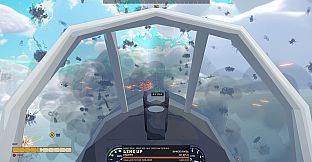
Players move freely through the fuselage of the B-17 during missions, climbing into gun turrets or shifting between compartments as the plane flies. One person can take the controls or hand them to AI, while others line up targets in the bombsight, open the bomb bay doors, and release the payload. Navigation happens at the chart table, and losing the radio forces reliance on older methods. Gun positions include the nose, top, ball, waist, and tail turrets to fend off enemy fighters.
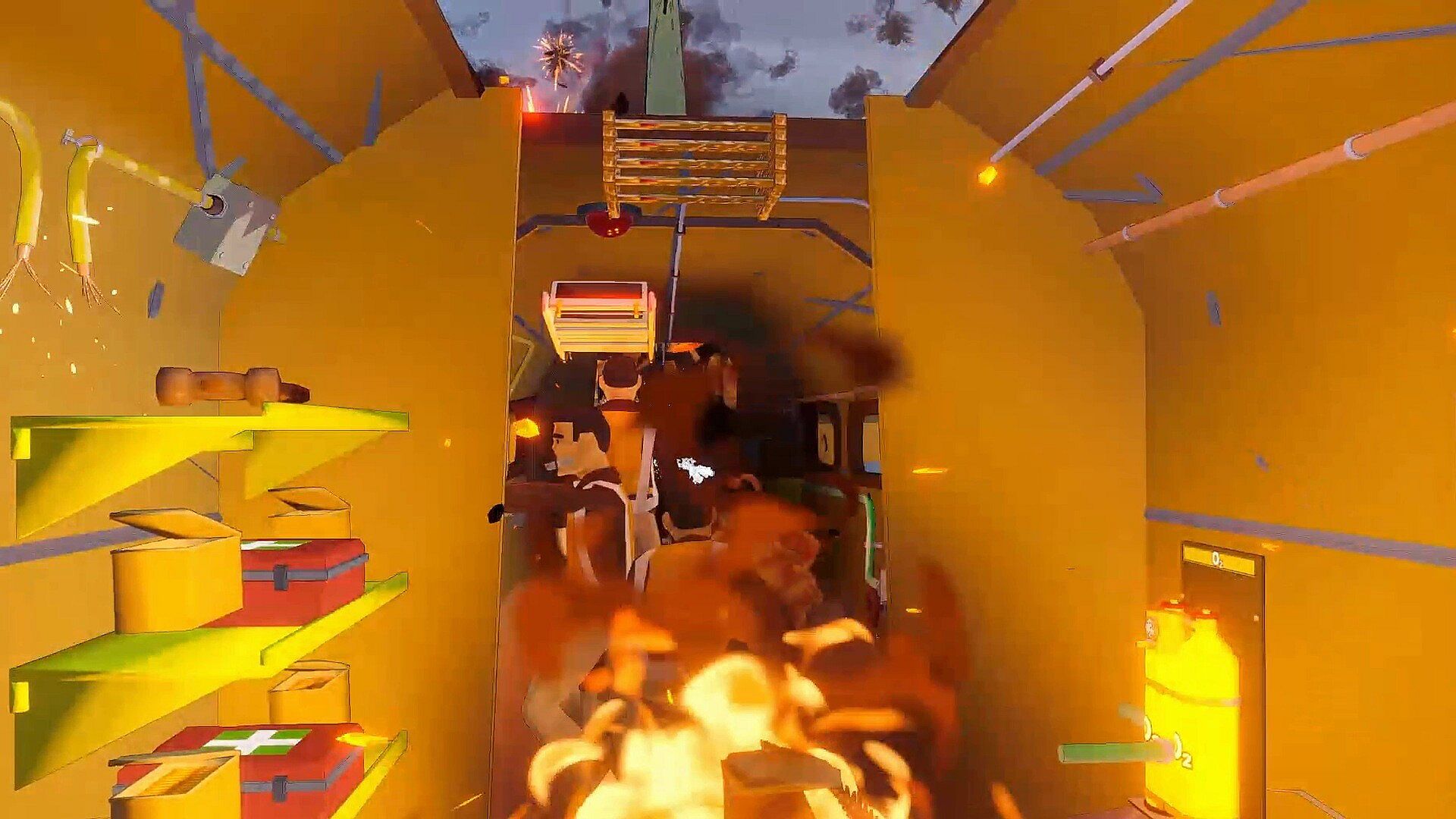
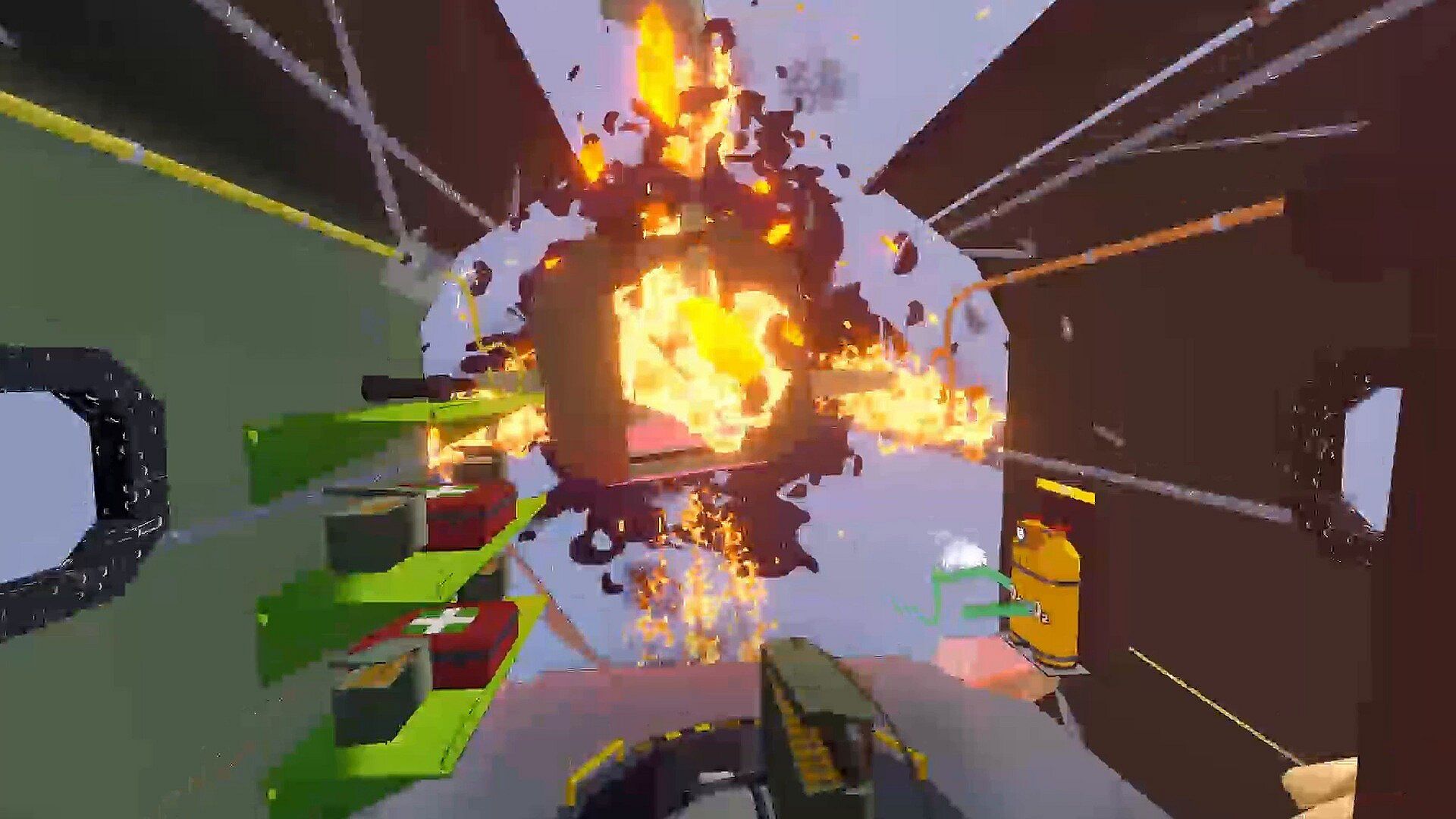
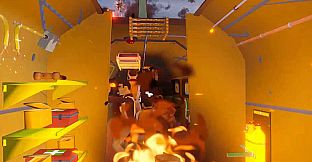
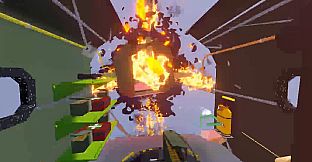
Damage control forms the core tension. Flak creates specific problems rather than simple health loss: engines catch fire, controls become unresponsive, guns jam at critical moments, the radio dies, oxygen lines fail, hydraulics give out, cables sever, and crew members suffer wounds. Repairs require physical action, such as hammering a broken cable or applying a medkit to a bleeding teammate. Multiple issues often occur at once, demanding coordination as one player extinguishes a fire while another clears a jam or stabilizes an injury.
Between missions, earnings from kills, repairs, healing, successful bombing, and safe returns fund individual wallets. Players visit the quartermaster for equipment, upgrades, and weapons, or direct funds to hangar repairs. A pool of fifteen aircraft mods allows customization of each run, and friendly fire incurs financial penalties. Losing the plane ends the roguelite progression.
Game Modes
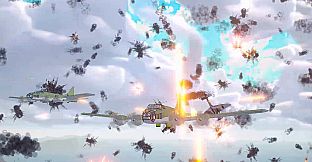
Flak Happy supports online co-op for up to five players, with AI filling unoccupied roles for solo play. Every session unfolds as a roguelite run of missions where objectives vary beyond standard bombing. Crews may need to land on enemy airstrips to seize items and escape before detection, or confront powerful enemy bosses that require sustained effort to defeat. Plans shift when systems fail or new threats appear, forcing adaptation to reach home.
Proximity voice chat and an intercom system let nearby crew members coordinate directly, though damage can disable the intercom and increase reliance on positioning. The structure emphasizes repeated runs with accumulating career progress through mods, repairs, and gunnery practice, rather than fixed campaigns or separate competitive modes.
Core Mechanics and Progression
The roguelite loop centers on surviving as many missions as possible while earning resources to improve future attempts. Each run presents a different combination of damage events, enemy encounters including fighters, flak, and bombers, and mission twists. Bailing out remains an option when situations turn hopeless. Hands-on interaction with every system, from walking the aircraft to manual repairs, distinguishes the experience from abstract simulations.
Individual crew roles create natural division of labor, yet the walkable interior allows quick repositioning when priorities change. The emphasis on physical fixes and real-time coordination rewards groups that communicate effectively under pressure.
Is It Worth Playing?
Flak Happy suits players who enjoy cooperative simulation with roguelite elements, where success depends on managing multiple simultaneous problems inside a detailed aircraft rather than abstract stats. The hands-on damage control, varied mission objectives, and individual progression through earnings and mods provide replayability for those comfortable with coordination demands and the risk of sudden run-ending losses. Solo players benefit from AI support, though the design shines most when a full crew divides tasks during intense sequences. As an upcoming title with the described systems, it appeals to fans of WW2 aviation themes combined with procedural challenges and persistent career building.











