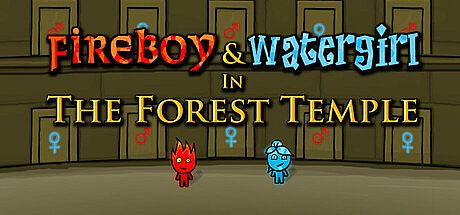




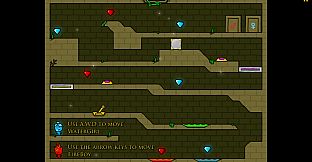
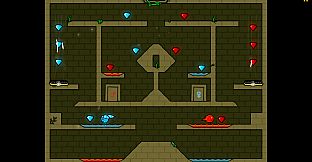
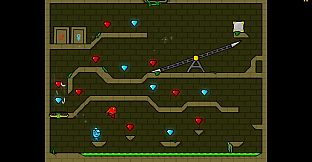
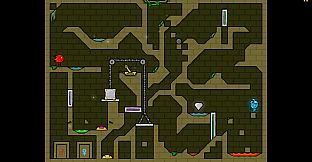
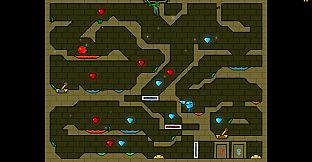
Fireboy & Watergirl 1: The Forest Temple stands as a classic puzzle-platformer adventure game that pairs elemental characters in a series of logic-driven challenges set inside an ancient temple. Players guide Fireboy and Watergirl through interconnected rooms filled with hazards and interactive objects, with the core objective of reaching the exits while gathering colored diamonds. The game supports both solo play and local cooperative sessions on a single device, emphasizing careful coordination between the two characters who possess opposing elemental strengths and weaknesses.
Gameplay
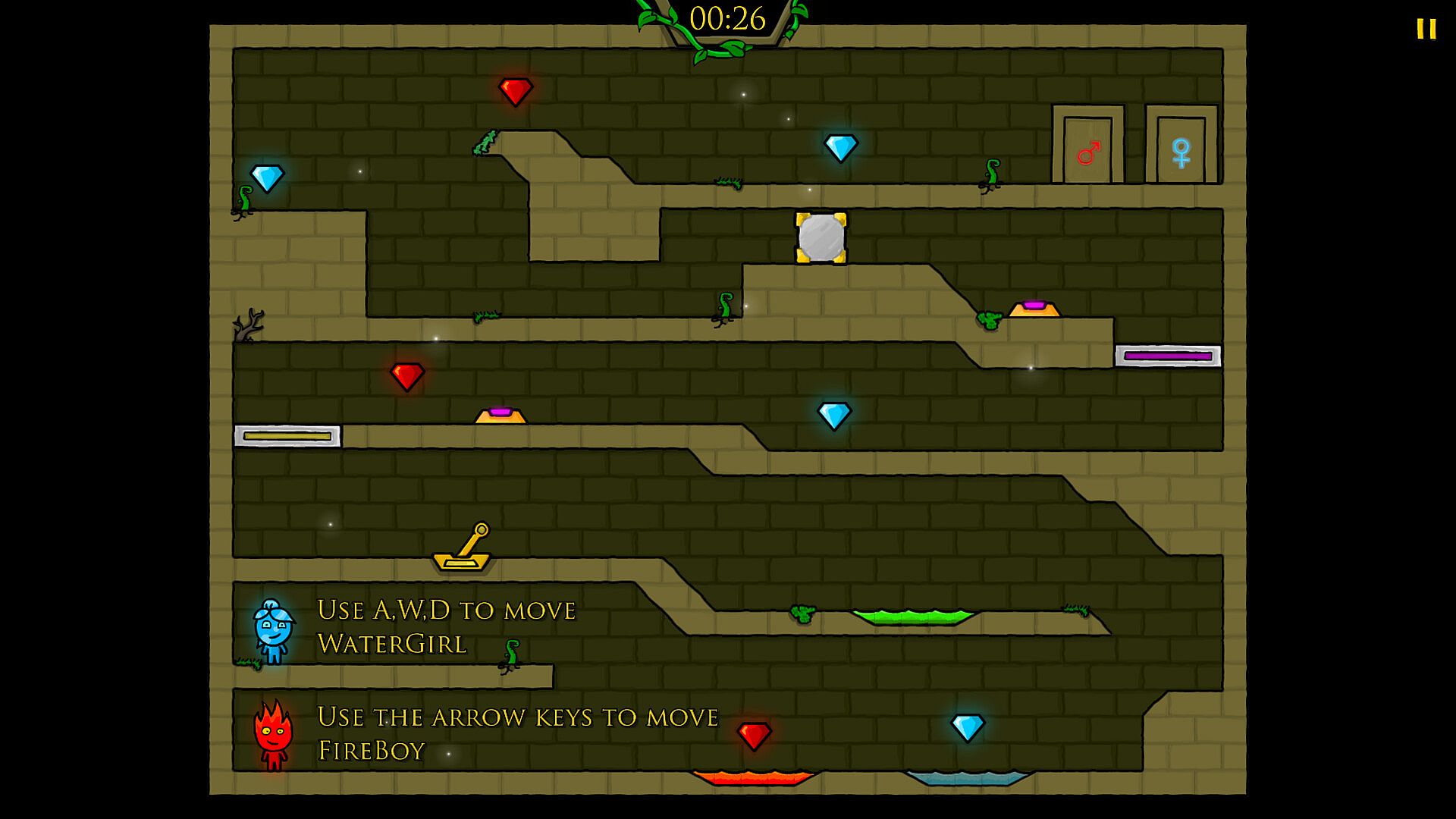
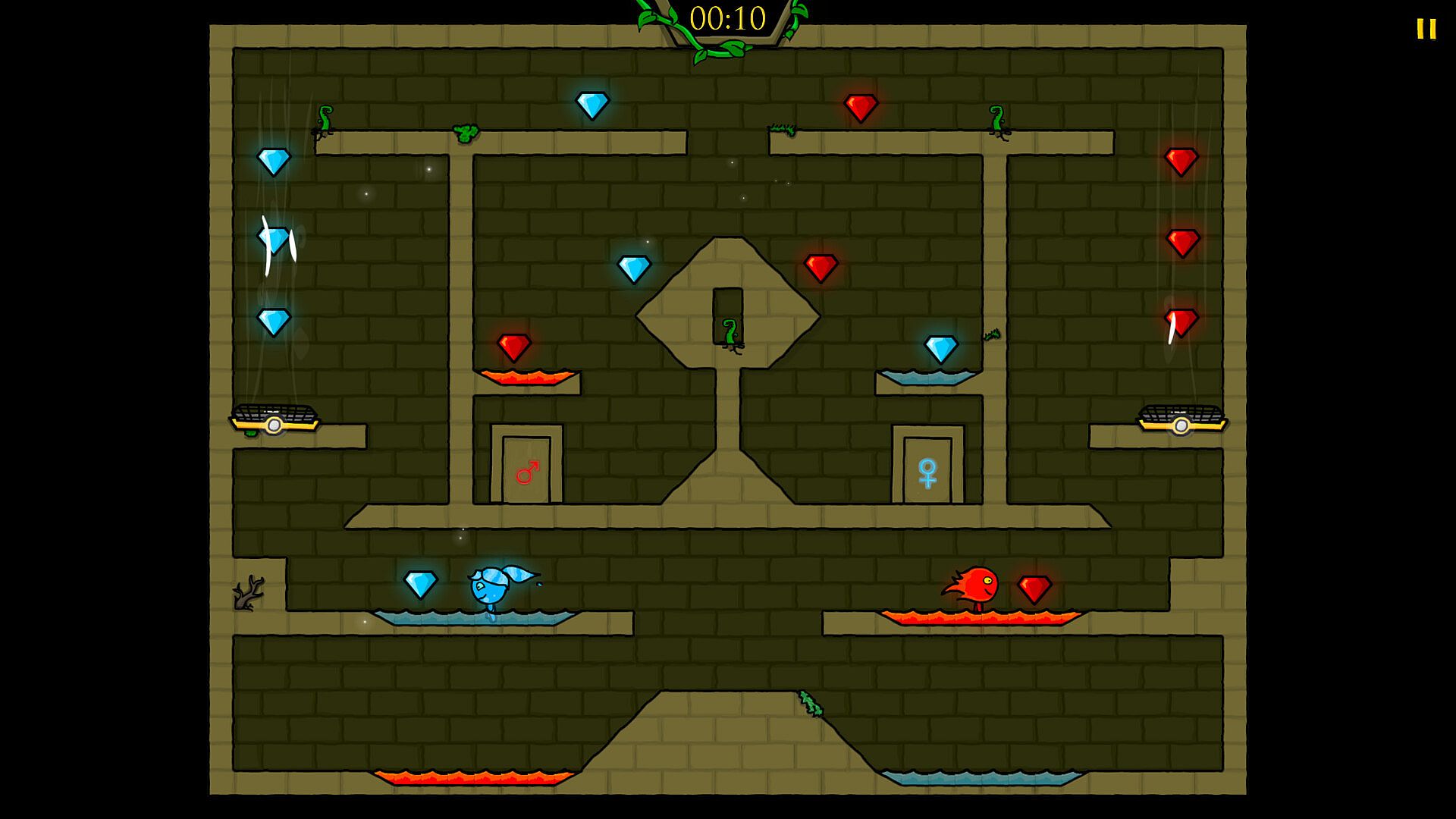
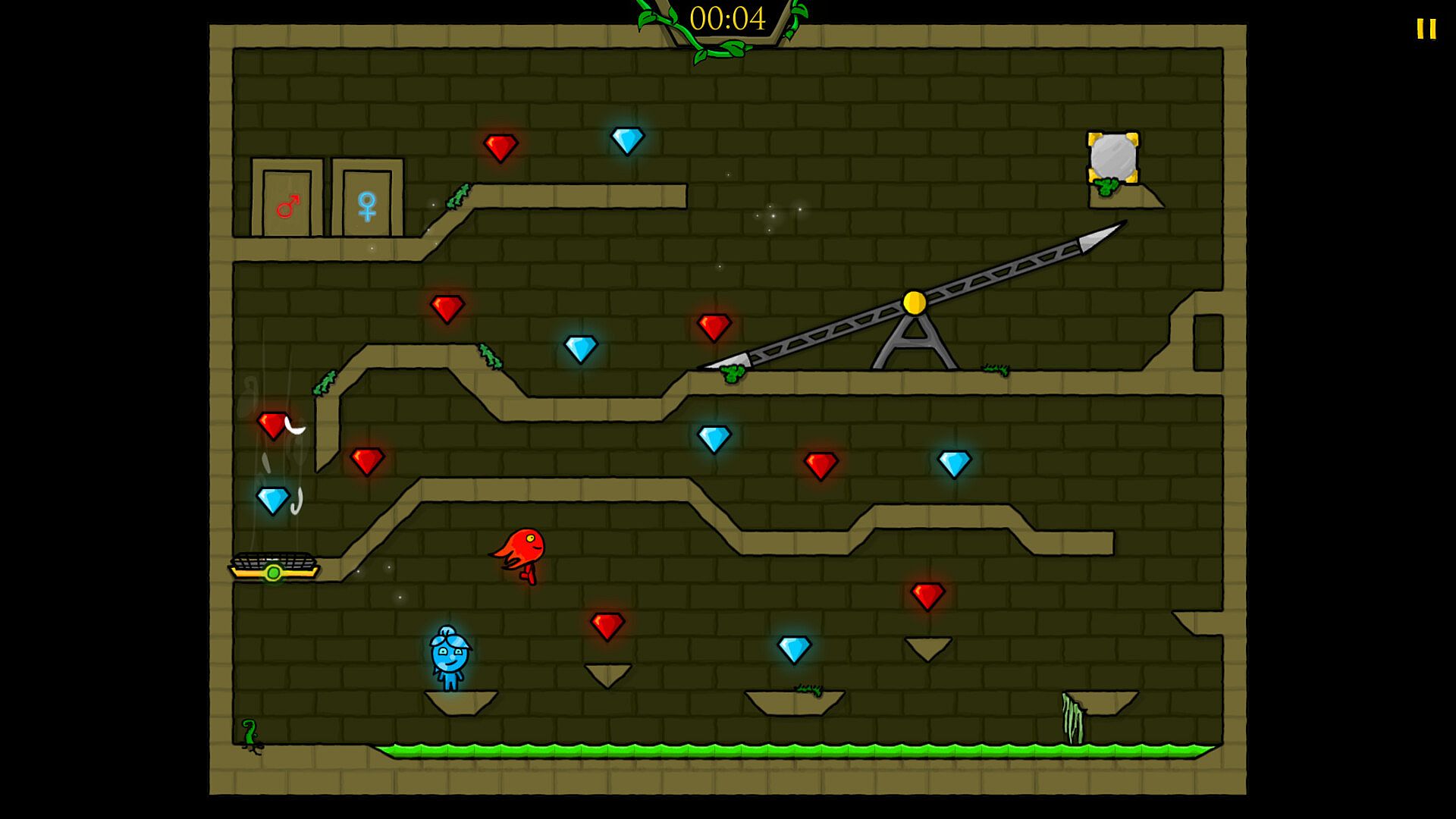
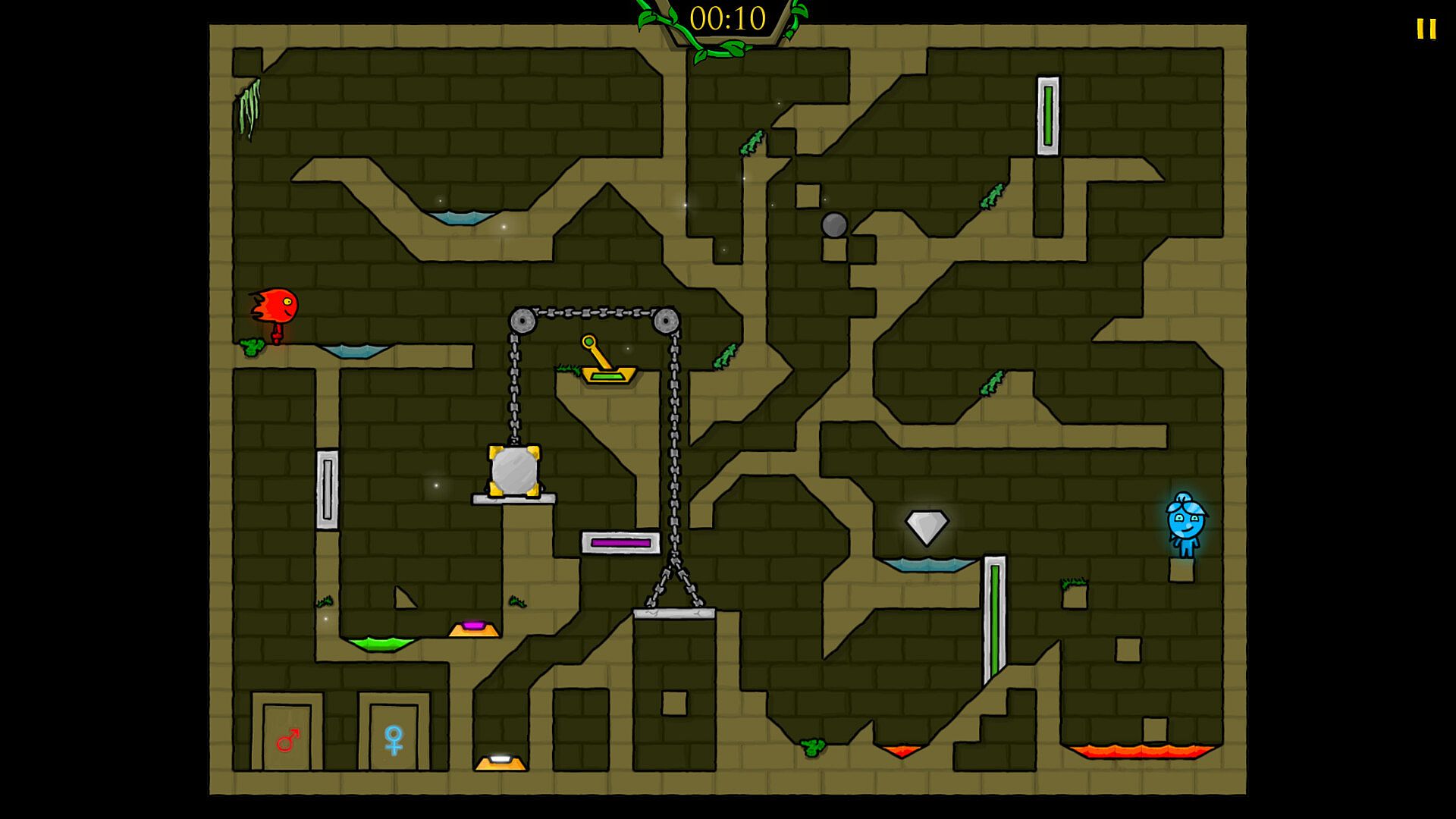
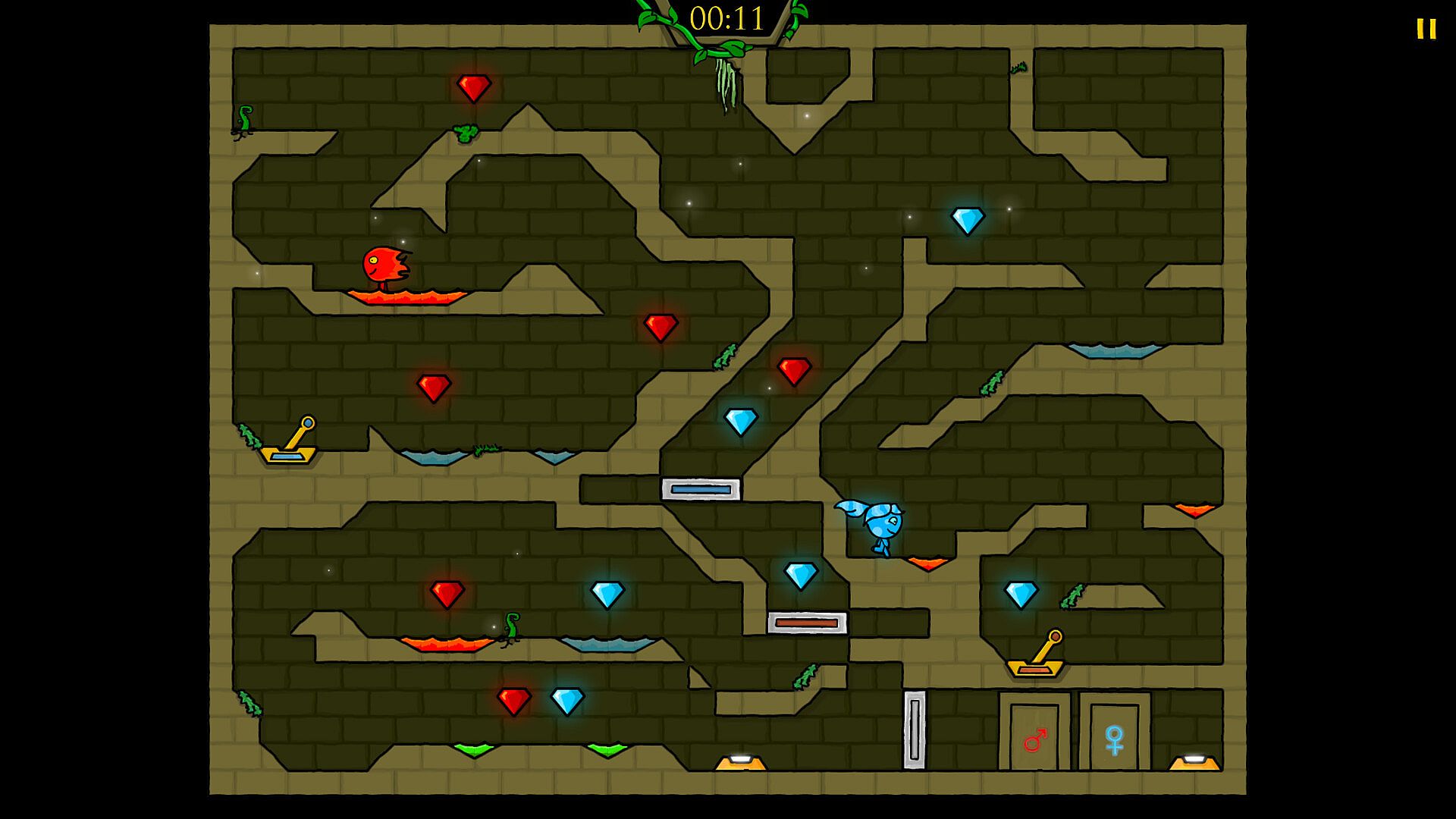
Control schemes split responsibilities clearly between the two characters. Fireboy responds to the arrow keys and safely traverses pools of lava, while Watergirl uses the WASD keys and moves freely through bodies of water. Contact with the opposite element instantly ends the attempt for that character, and green acid pools eliminate both regardless of type. Progress depends on operating levers, pressing buttons, activating elevators, and shifting platforms to create safe paths for each character in sequence or simultaneously.
Levels incorporate timing elements and spatial puzzles that require one character to hold a mechanism open while the other advances. Red diamonds align with Fireboy and blue diamonds with Watergirl, encouraging collection of both sets for full completion. The temple layout expands across dozens of rooms that introduce new combinations of switches and moving parts as difficulty rises, training players to plan routes that account for both characters at once.
Success hinges on observation and repetition rather than speed alone. Many sections feature multiple routes or require backtracking after activating distant controls. The emphasis remains on environmental interaction over combat or exploration in open spaces, keeping focus on precise platforming and puzzle resolution within confined temple chambers.
Game Modes
Local cooperative play allows two players to share one keyboard, with each handling a single character throughout every level. This setup encourages real-time communication about which switches to activate and when to move. Solo mode lets one player manage both characters by alternating inputs or using both hands on the keyboard, turning the experience into a self-imposed coordination challenge that many return to for practice.
Remote Play Together extends the cooperative option beyond the same physical device, preserving the same level structure and controls while connecting players over the internet. No separate competitive or versus modes exist; every session follows the same cooperative framework of guiding both characters to their respective exit doors.
Progress tracking centers on completing all levels and optional diamond collection. Levels vary in layout, with some designed for simultaneous movement and others allowing more independent paths once initial mechanisms activate. The absence of additional modes keeps the experience streamlined around the core cooperative puzzle loop.
Puzzle Structure and Level Design
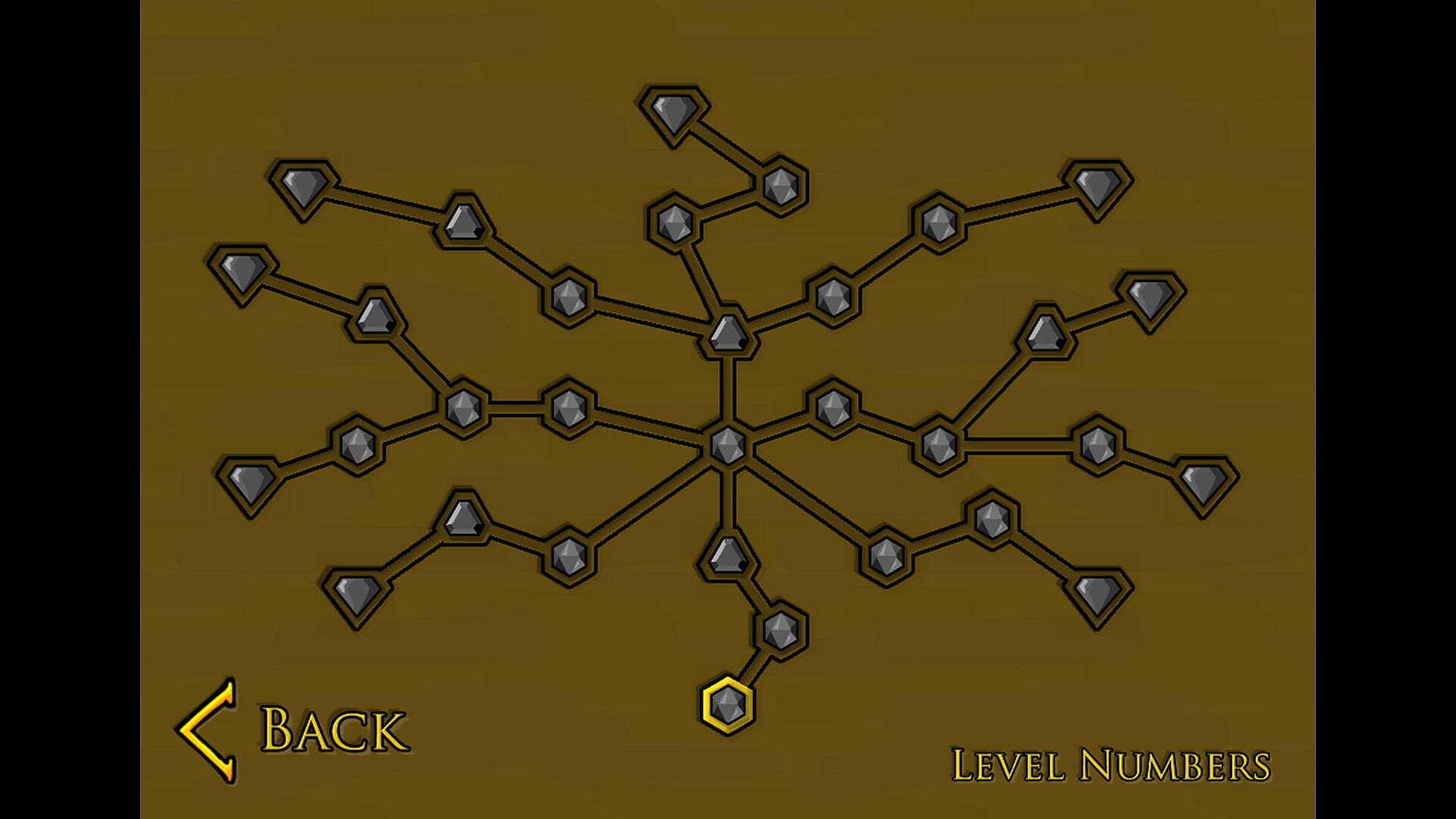
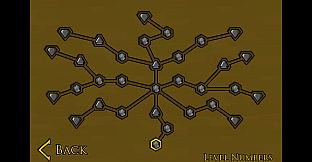
Thirty-two distinct levels form the complete campaign, beginning with straightforward introductions to elemental rules and gradually layering in more complex sequences of buttons, doors, and elevation changes. Early stages focus on basic navigation and single-mechanism puzzles, while later ones demand precise timing across multiple active elements and careful positioning to avoid hazards.
Design choices highlight interdependence. Certain rooms contain narrow ledges or timed platforms that one character must stabilize for the other, reinforcing the need to think two steps ahead. Diamond placement often rewards detours that test mastery of the controls and hazard avoidance without adding new mechanics.
The temple environment stays consistent in its visual and functional presentation, using simple graphics to keep attention on the interactive elements rather than decorative details. Each new room builds directly on prior lessons, creating a steady progression that rewards pattern recognition and methodical problem solving.
Is It Worth Playing?
This title appeals most to players who enjoy cooperative puzzle-platformers that reward communication and shared problem solving. Its straightforward rules and clear feedback make it accessible for newcomers while offering enough layered challenges to hold interest across multiple playthroughs, especially when attempting full diamond collection or solo runs.
Local multiplayer sessions create opportunities for friends or family to collaborate on the same screen without requiring additional hardware. The option for remote cooperation broadens access for those separated by distance. Solo players can still engage fully by treating the dual-character control as its own skill test.
Reception across platforms highlights its enduring appeal as an entry point into the series, with many noting the satisfying sense of accomplishment that comes from solving interconnected puzzles. The game remains available on PC and continues to attract both returning fans and new players interested in classic co-op experiences focused on logic and elemental teamwork rather than action or narrative depth.